
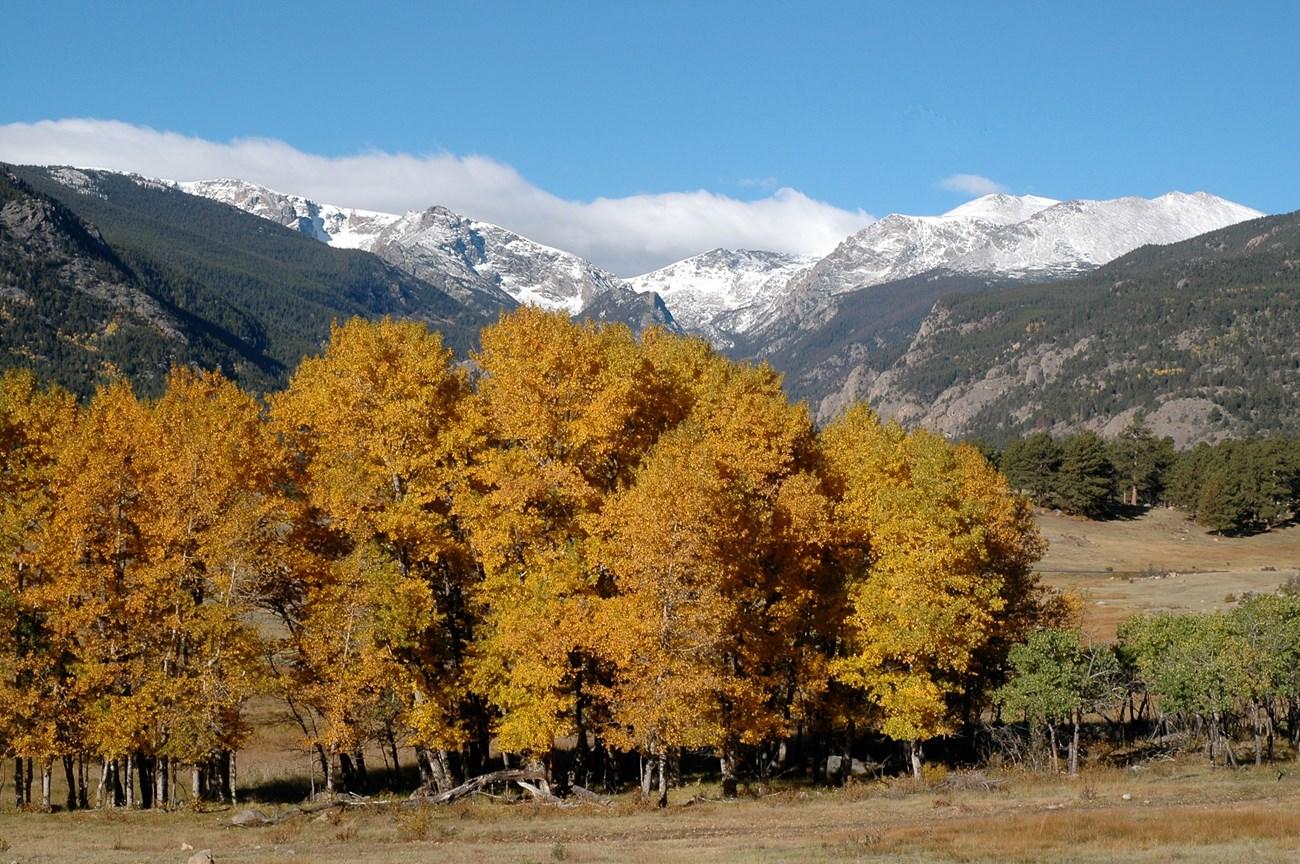
Rocky Mountains, Colorado Travel Guide
Discover the awe-inspiring beauty and endless adventures of Colorado’s Rocky Mountains, a stunning destination for nature lovers and thrill-seekers alike.
The Rocky Mountains in Colorado are a stunning and diverse mountain range, stretching from Canada to New Mexico. This part of the Rockies offers a breathtaking mix of rugged peaks, alpine lakes, and lush forests. Whether you're an outdoor enthusiast or seeking a peaceful retreat, the Rockies have something for everyone. Rocky Mountain National Park is a must-visit. It boasts over 300 miles of hiking trails, scenic drives, and abundant wildlife. You might spot elk, bighorn sheep, and even black bears. The park is also home to Trail Ridge Road, which reaches over 12,000 feet and offers panoramic views of the surrounding landscape. Winter sports are a major attraction in the Rockies. Ski resorts like Vail, Breckenridge, and Aspen offer world-class skiing and snowboarding. In the summer, these areas transform into hubs for mountain biking, hiking, and festivals. No matter the season, the Rockies promise adventure and unforgettable experiences. Don’t forget to explore the charming mountain towns. Estes Park, situated at the entrance of Rocky Mountain National Park, offers unique shops, cozy lodges, and delicious dining options. Boulder, nestled at the foothills, is known for its vibrant arts scene and stunning views.

Know before you go
Hi, I'm Eve. Here are a few practical things to know before exploring Rocky Mountains.
- Visit in the early morning or late afternoon to avoid crowds and enjoy the best light for photography.
- Pack layers, as weather in the mountains can change quickly.
- Stay hydrated and take it easy when adjusting to the high altitude.
- Purchase a National Parks Pass if you plan to visit multiple parks.
- Check road conditions before heading out, especially during winter.
Top City Travel Guides in Rocky Mountains
The cities of Rocky Mountains, and the easiest places to base yourself.


Destinations in Rocky Mountains
Resorts, valleys and scenic spots worth a trip of their own.


Explore Rocky Mountains: Things to Do, Places to Eat, Hotels & More
Handpicked recommendations for top attractions, local dining, accommodations, and more

Top Attractions & Sightseeing in Rocky Mountains
Top-rated picks
Best Attractions

Rocky Mountain National Park
Discover the towering peaks, pristine lakes, and abundant wildlife of Colorado's Rocky Mountain National Park. A year-round destination for adventure and scenic beauty.

Pikes Peak - America's Mountain
Experience the majesty of "America's Mountain" with breathtaking views, a historic railway, and a state-of-the-art summit visitor center.

Lookout Mountain Park
Discover panoramic views and Western history at Lookout Mountain Park, home of Buffalo Bill's Museum and Grave, along the scenic Lariat Loop.

Rocky Mountain Arsenal National Wildlife Refuge
Discover a revitalized wildlife haven just minutes from Denver, where history and nature converge in a unique urban refuge.

Best landmarks in Rocky Mountains
Top-rated picks
Best Landmarks

Red Rocks Park and Amphitheatre
Experience the majestic Red Rocks Park and Amphitheatre, where nature and music unite in a breathtaking setting.

Garden of the Gods
Explore the breathtaking beauty of the Garden of the Gods in Colorado Springs, a stunning natural park filled with iconic rock formations and scenic hiking trails.

Coors Field
Discover the excitement of Coors Field, home of the Colorado Rockies, where breathtaking views meet passionate baseball culture in the heart of Denver.

Rocky Mountain National Park
Explore the breathtaking landscapes and diverse wildlife of Rocky Mountain National Park, a must-visit destination for nature lovers and adventure seekers.

Best restaurants in Rocky Mountains
Top-rated picks
Best Restaurants

The Rabbit Hole
Discover an enchanting culinary journey at The Rabbit Hole in Colorado Springs, where fine dining meets whimsical ambiance.

Linger
Discover Linger in Denver: Where global street food meets local flavors in a unique setting with breathtaking views.

Root Down
Discover Root Down at Denver International Airport - where fresh ingredients meet innovative New American cuisine in a vibrant setting.

Smokin' Dave's BBQ - ESTES PARK
Experience authentic barbecue at Smokin' Dave's BBQ in Estes Park - where mouthwatering flavors meet stunning mountain views.

Best bars in Rocky Mountains
Top-rated picks
Best Bars
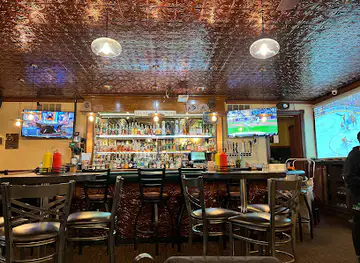
Lonigans Irish pub & Grill, An Irish Pub
Discover the charm of Ireland at Lonigans Irish Pub & Grill, where hearty meals and a vibrant atmosphere await in Estes Park, Colorado.

Teller's Taproom & Kitchen
Discover Teller's Taproom & Kitchen in Lakewood, CO - a vibrant bar and restaurant featuring craft beers, innovative dishes, and lively music.

Rock Rest Lodge
Discover the unique flavors and historic charm of Rock Rest Lodge, a beloved grill and bar in Golden, Colorado, where every meal is a celebration.

Williams & Graham
Discover the charm of the Prohibition era at Williams & Graham, a luxurious speakeasy bar in Denver, renowned for its craft cocktails and inviting atmosphere.

Best nightclubs in Rocky Mountains
Top-rated picks
Best Nightclubs

The Grizzly Rose
Experience the electrifying nightlife at The Grizzly Rose, Denver's premier venue for live music, dancing, and unforgettable events.

The Black Box
Experience Denver's nightlife at The Black Box, a vibrant venue for live music, events, and unforgettable nights out.

Shotgun Willie's
Discover the exhilarating nightlife at Shotgun Willie's, a top nightclub and cocktail bar in Glendale, Colorado, perfect for an unforgettable evening.

The Church Nightclub
Discover the electric atmosphere of The Church Nightclub in Denver, a unique venue blending nightlife, live music, and stunning architecture.

Best shops in Rocky Mountains
Top-rated picks
Best Shops

Estes Park Mountain Shop
Explore the Great Outdoors with Quality Gear from Estes Park Mountain Shop - Your Adventure Starts Here!

Stanley Village
Explore the delightful Stanley Village, a unique shopping destination in Estes Park, offering local boutiques, dining, and stunning mountain views.

Sasquatch Outpost
Explore Sasquatch Outpost, a quirky gift shop in Bailey, Colorado, where unique souvenirs and local crafts meet the legend of the Sasquatch.

Brownfield's - Souvenirs & Outdoor Gear
Explore Brownfield's in Estes Park for unique souvenirs and quality outdoor gear, capturing the spirit of Colorado's breathtaking landscapes.

Explore Rocky Mountains on the Map
A handpicked selection of must-see spots in Rocky Mountains, mapped for you.
Rocky Mountains Essentials
-
The Rocky Mountains in Colorado are accessible via several major airports, the closest being Denver International Airport (DEN). From Denver, you can rent a car, which is the most convenient option for exploring the region. Alternatively, you can take the Amtrak train to towns like Granby or Glenwood Springs for a more scenic route. Shuttle services and regional bus lines also connect Denver to various towns in the Rocky Mountains.
-
Once in the Rocky Mountains, transportation options include renting a car, which provides the most flexibility for visiting remote areas and attractions. Public transportation is limited but available in some towns via local bus services. Bicycles can be rented in many towns for local exploration. For a unique experience, consider taking scenic train rides such as the Georgetown Loop Railroad.
-
The official currency is the US Dollar (USD). Credit and debit cards are widely accepted in most establishments, including hotels, restaurants, and shops. ATMs are readily available in towns and cities. However, it is advisable to carry some cash, especially when visiting more remote areas where card payments might not be accepted.
-
The Rocky Mountains are generally safe for tourists. However, be aware of wildlife and follow guidelines for encounters with animals like bears and mountain lions. Some areas in Denver and other larger towns may have higher crime rates, but these are generally not tourist areas. Always lock your car and keep valuables out of sight. When hiking, inform someone of your plans and carry essential supplies.
-
In case of emergency, dial 911 for immediate assistance. Hospitals and urgent care facilities are available in larger towns such as Boulder, Estes Park, and Aspen. It is advisable to carry a first aid kit and ensure you have travel insurance that covers medical emergencies. For minor health issues, pharmacies are available in most towns.
-
Fashion: Do dress in layers, as weather can change rapidly. Wear sturdy hiking boots when on trails. Religion: Do respect local customs, especially in smaller communities. Public Transport: Do be punctual for bus and train schedules. Don’t be loud or disruptive. Greetings: Do greet people with a smile or a nod. Handshakes are common. Eating & Drinking: Do try local cuisine and be respectful in dining establishments. Don’t leave food unattended in campsites to avoid attracting wildlife.
-
To experience the Rocky Mountains like a local, visit farmers' markets in towns like Boulder and Estes Park. Participate in local festivals and events such as the Estes Park Elk Fest. Engage in outdoor activities like hiking, fishing, and skiing depending on the season. For a less crowded experience, explore lesser-known trails and parks. Always practice Leave No Trace principles to preserve the natural beauty of the region.
When is the best time to visit Rocky Mountains?
Useful Local Phrases for Rocky Mountains
You don't need to speak the language perfectly. Even learning a few simple words can make conversations warmer—and locals usually appreciate the effort.
— Eve

Here are the phrases I use most often in Rocky Mountains. Try a few—you'll be surprised how far they go! 😊
❤️
-
- HelloHowdy
[haʊdi] - GoodbyeLater
[ˈleɪtər] - YesYep
[jɛp] - NoNope
[noʊp] - Please/You're welcomeNo problem
[noʊ ˈprɑːbləm] - Thank youThanks
[θæŋks] - Excuse me/SorryPardon me
[ˈpɑːrdən mi] - How are you?How's it going?
[haʊz ɪt ˈɡoʊɪŋ] - Fine. And you?Good. And you?
[ɡʊd. ənd ju] - Do you speak English?Do ya speak English?
[du jə spiːk ˈɪŋɡlɪʃ] - I don't understandI ain't got it
[aɪ eɪnt ɡɑt ɪt]
- HelloHowdy
-
- I'd like to see the menu, pleaseCan I see the menu?
[kæn aɪ si ðə ˈmɛnju] - I don't eat meatI don't do meat
[aɪ doʊnt du miːt] - Cheers!Cheers!
[ʧɪrz] - I would like to pay, pleaseCan I get the check?
[kæn aɪ ɡɛt ðə ʧɛk]
- I'd like to see the menu, pleaseCan I see the menu?
-
- Help!Help!
[hɛlp] - Go away!Get lost!
[ɡɛt lɔst] - Call the Police!Call the cops!
[kɔl ðə kɑps] - Call a doctor!Get a doc!
[ɡɛt ə dɑk] - I'm lostI'm turned around
[aɪm tɜrnd əˈraʊnd] - I'm illI'm not feeling good
[aɪm nɑt ˈfiːlɪŋ ɡʊd]
- Help!Help!
-
- I'd like to buy...I wanna buy...
[aɪ ˈwɑːnə baɪ] - I'm just lookingJust browsing
[dʒʌst ˈbraʊzɪŋ] - How much is it?What's the price?
[wʌts ðə praɪs] - That's too expensiveThat's a bit steep
[ðæts ə bɪt stiːp] - Can you lower the price?Can you cut me a deal?
[kæn jʊ kʌt mi ə diːl]
- I'd like to buy...I wanna buy...
-
- What time is it?What time ya got?
[wʌt taɪm jə ɡɑt] - It's one o'clockIt's one
[ɪts wʌn] - Half past (10)Half past ten
[hæf pæst tɛn] - MorningMorning
[ˈmɔrnɪŋ] - AfternoonAfternoon
[ˌæftərˈnun] - EveningEvening
[ˈiːvnɪŋ] - YesterdayYesterday
[ˈjɛstərdeɪ] - TodayToday
[təˈdeɪ] - TomorrowTomorrow
[təˈmɔroʊ] - 1One
[wʌn] - 2Two
[tu] - 3Three
[θri] - 4Four
[fɔr] - 5Five
[faɪv] - 6Six
[sɪks] - 7Seven
[ˈsɛvən] - 8Eight
[eɪt] - 9Nine
[naɪn] - 10Ten
[tɛn]
- What time is it?What time ya got?
-
- Where's a/the...?Where's the...?
[wɛrz ðə] - What's the address?What's the address?
[wʌts ði ˈædrɛs] - Can you show me (on the map)?Can ya point it out?
[kæn jə pɔɪnt ɪt aʊt] - When's the next (bus)?When's the next bus?
[wɛnʌs ðə nɛkst bʌs] - A ticket (to ....)A ticket to...
[ə ˈtɪkɪt tu]
- Where's a/the...?Where's the...?
History of Rocky Mountains
-
Long before European explorers set foot in the Rocky Mountains, the Ute Tribe inhabited the region for thousands of years. The Utes were skilled hunters and gatherers, relying on the abundant natural resources of the mountains. They had a deep spiritual connection with the land, which is reflected in their traditions and storytelling. The Utes lived in harmony with the environment, migrating seasonally to follow game and collect wild plants.
-
The first Europeans to explore the Rocky Mountains were Spanish conquistadors in the 16th century. Led by the likes of Francisco Vázquez de Coronado, these explorers ventured northward from Mexico in search of riches and the fabled Seven Cities of Gold. While they did not find the wealth they sought, their journeys opened up the region to future exploration and mapping.
-
In the early 1800s, the Lewis and Clark Expedition, commissioned by President Thomas Jefferson, set out to explore the newly acquired Louisiana Territory. Although their primary route took them north of Colorado, their exploration laid the groundwork for future expeditions into the Rocky Mountains. Their journey highlighted the potential for westward expansion and the importance of the Rockies in the continental landscape.
-
In 1806, Zebulon Pike led an expedition to explore the southwestern portion of the Louisiana Territory. During this journey, Pike famously attempted to climb what is now known as Pikes Peak, though he did not reach the summit. Despite this, his expedition provided valuable information about the geography and natural resources of the Rocky Mountains, and his accounts drew attention to the region's rugged beauty.
-
The early to mid-19th century saw the Rocky Mountains become a hub for the fur trade. Mountain men, such as Kit Carson and Jim Bridger, ventured into the Rockies to trap beaver and other fur-bearing animals. These trappers established trading posts and forged trails that would later become critical routes for settlers heading west. The fur trade played a significant role in the early economic development of the region.
-
The discovery of gold in the Rocky Mountains in 1858-1859 triggered the Colorado Gold Rush, attracting thousands of prospectors to the area. Towns like Central City and Leadville sprang up overnight as miners flocked to the region in search of fortune. While many did not find the wealth they hoped for, the Gold Rush led to the establishment of permanent settlements and the growth of Colorado's economy.
-
Rocky Mountain National Park was established in 1915, thanks to the efforts of naturalists and conservationists like Enos Mills. The park preserves a significant portion of the Rockies' natural beauty, offering visitors a glimpse into the region's diverse ecosystems and stunning landscapes. The creation of the park marked a significant milestone in the conservation movement and highlighted the importance of preserving natural landscapes for future generations.
-
The Rocky Mountains of Colorado became a premier destination for skiing and winter sports in the 20th century. Resorts such as Aspen, Vail, and Breckenridge were developed, drawing visitors from around the world. The growth of the skiing industry transformed the local economy and established Colorado as a leading destination for outdoor recreation. The region's snowy peaks and challenging terrain have made it a haven for winter sports enthusiasts.
Neighbouring Regions of Rocky Mountains
The closest regions to Rocky Mountains, if you have time for more than one.




Your all‑in‑one travel companion app
Explore expert travel guides, compare and book tours, experiences, hotels, and more—all from the palm of your hand. Download now for seamless trip planning wherever your wanderlust takes you.


Explore More of Colorado

Looking beyond Rocky Mountains? Discover Colorado for broader travel guides, local hot-spots, and regional highlights.
Explore ColoradoRocky Mountains in Photos
Browse through our photo collection highlighting the charm and character of the destination.
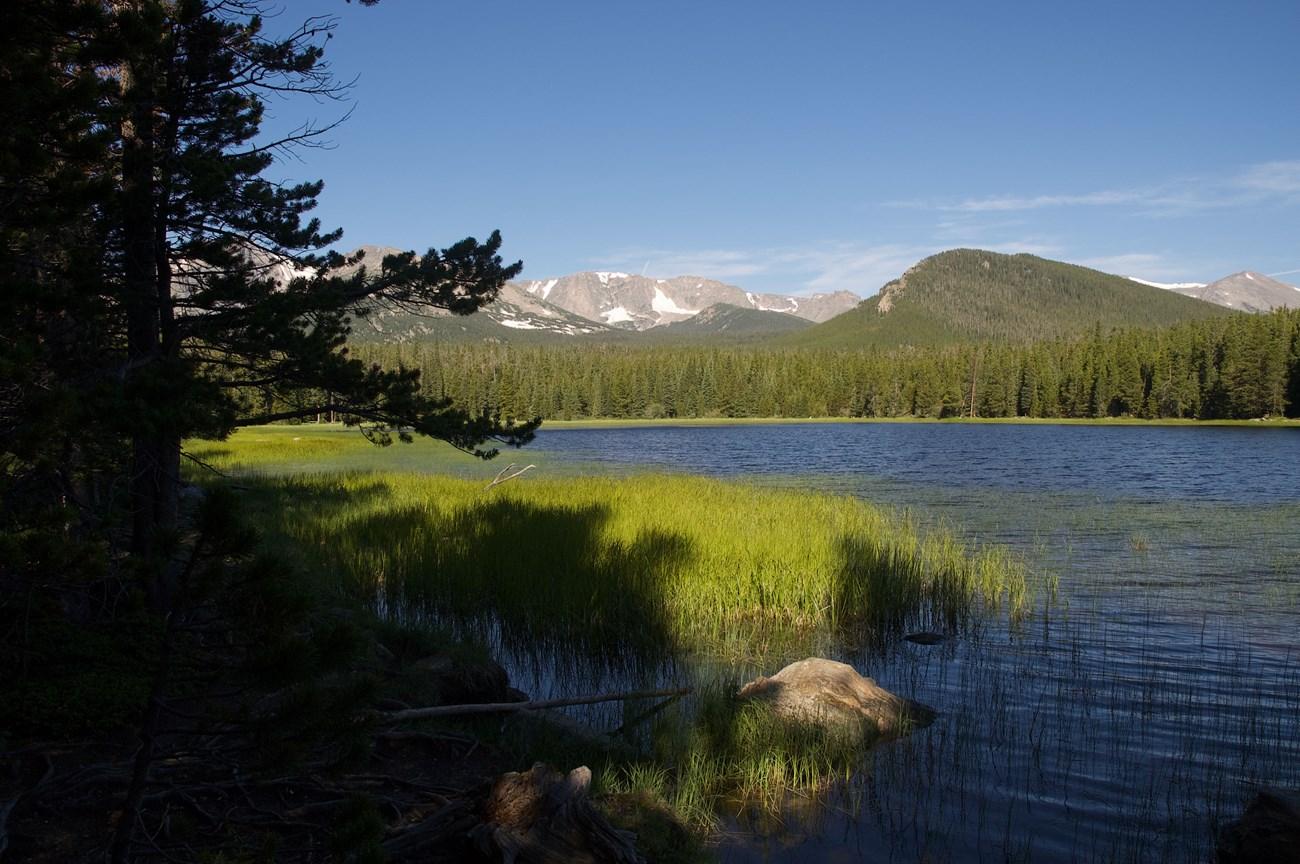


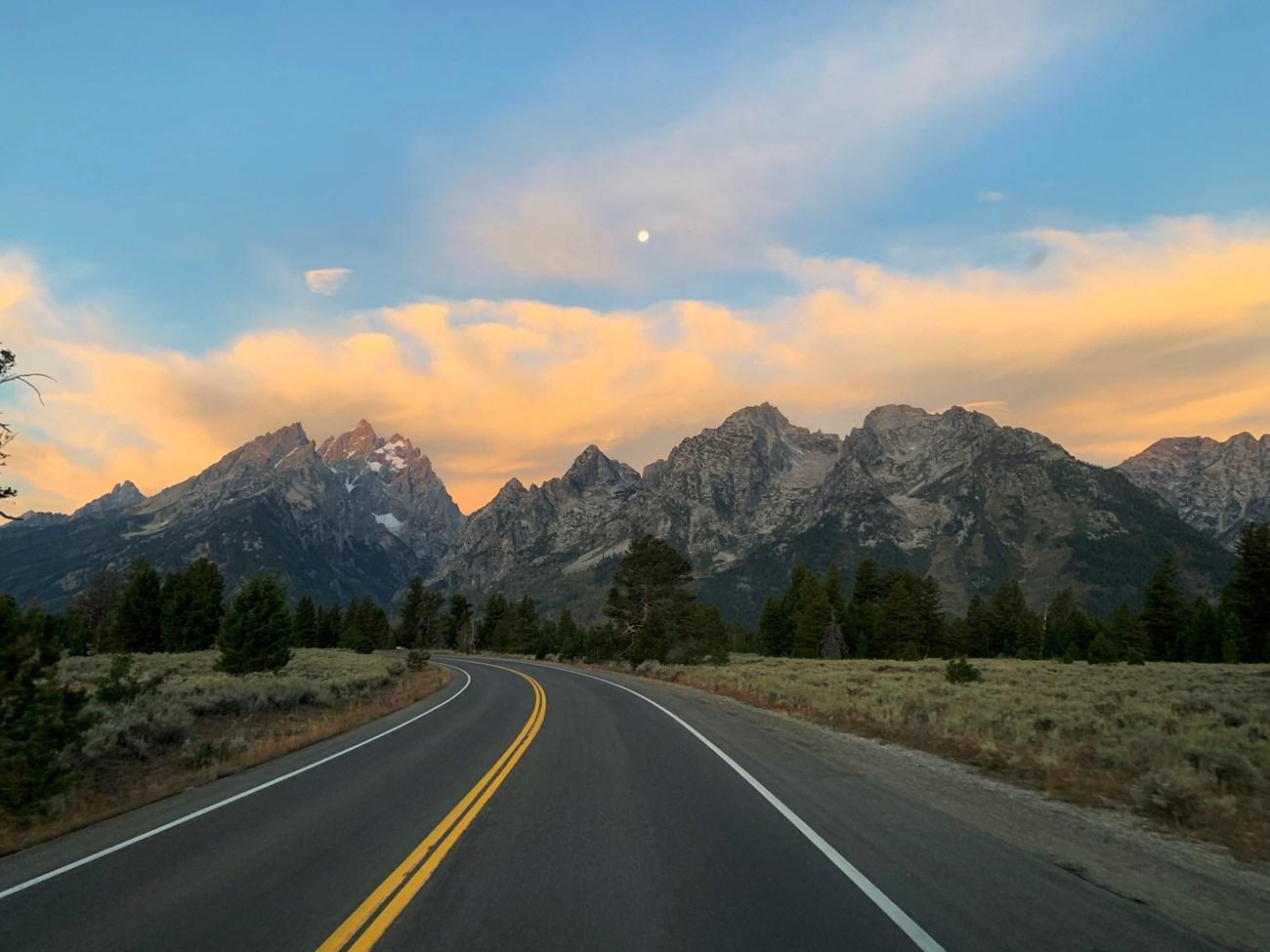
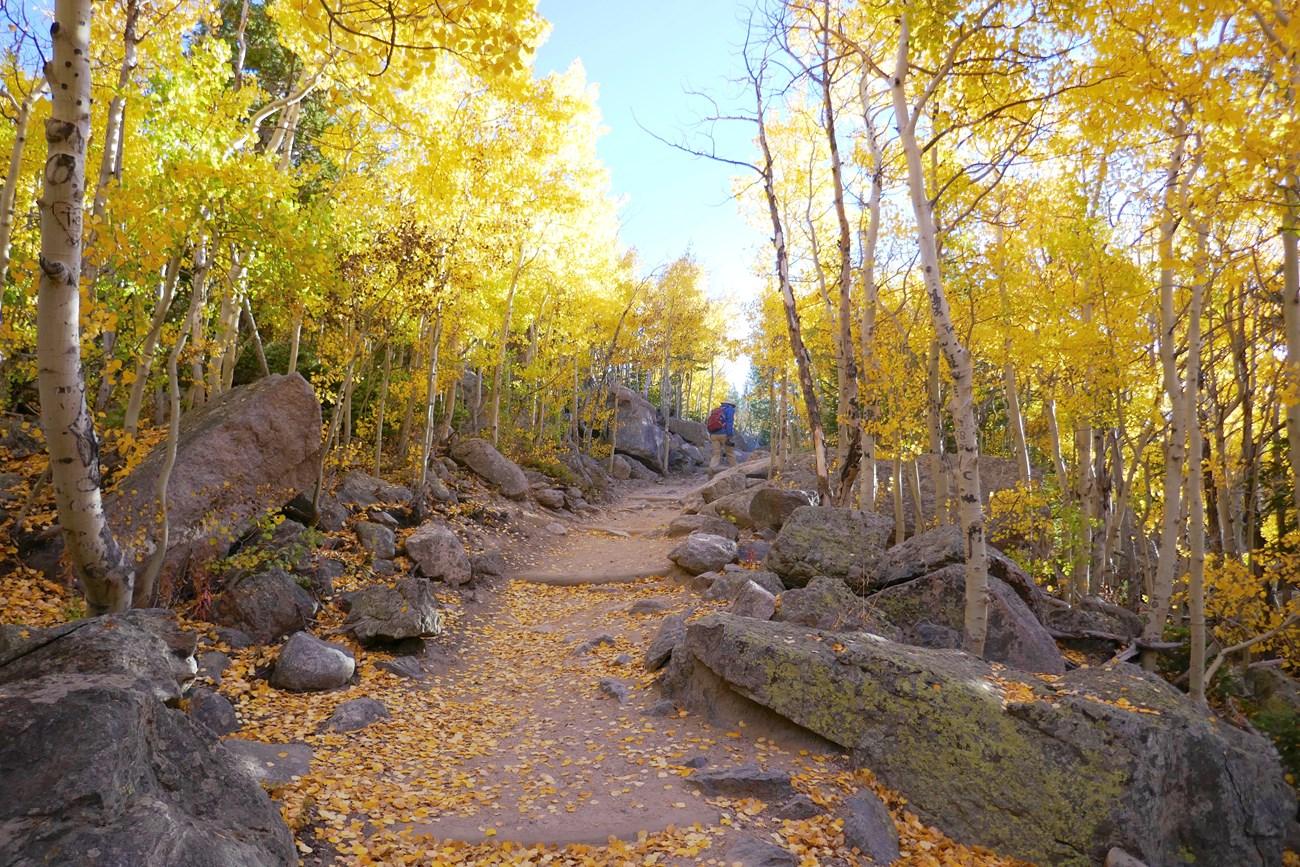
Majestic Rocky Mountains: Colorado’s Natural Wonderland
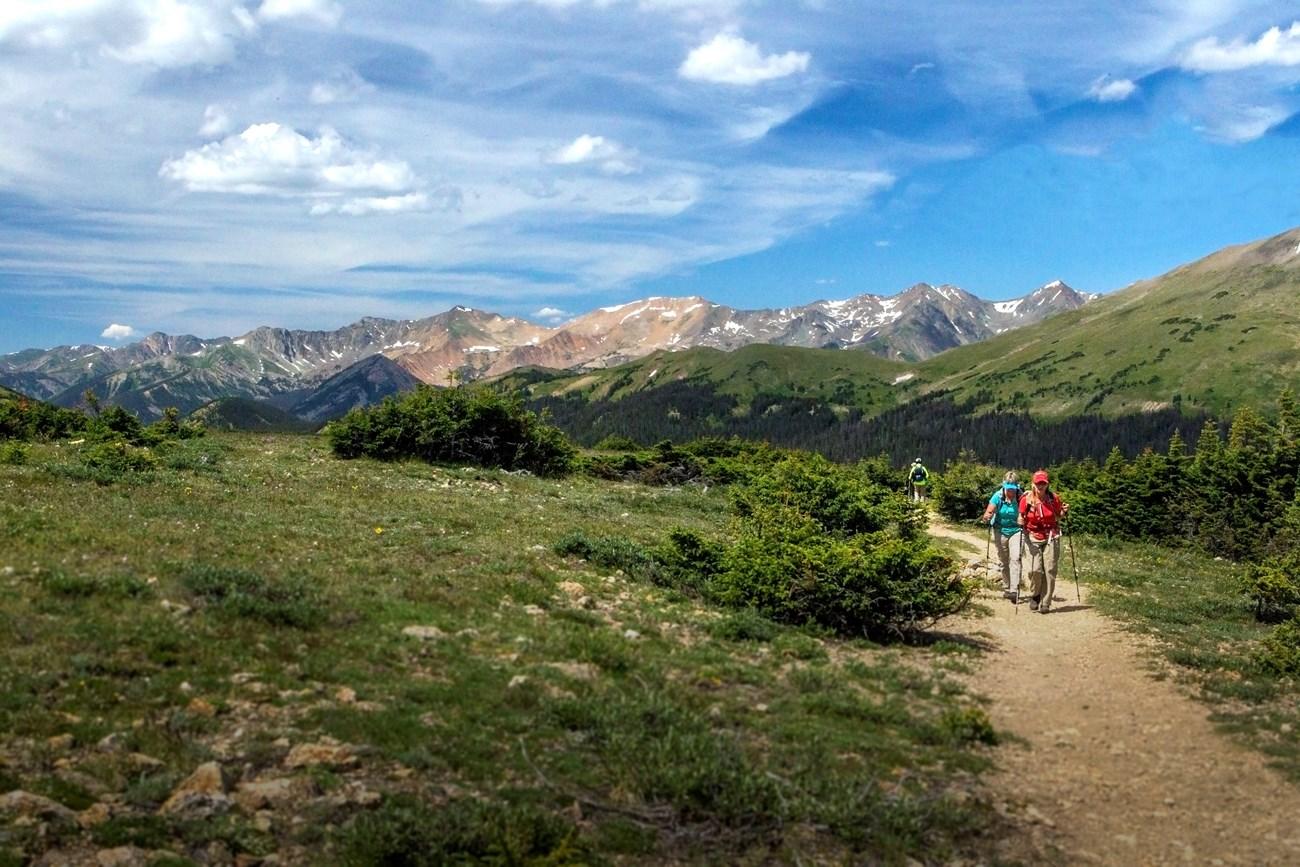
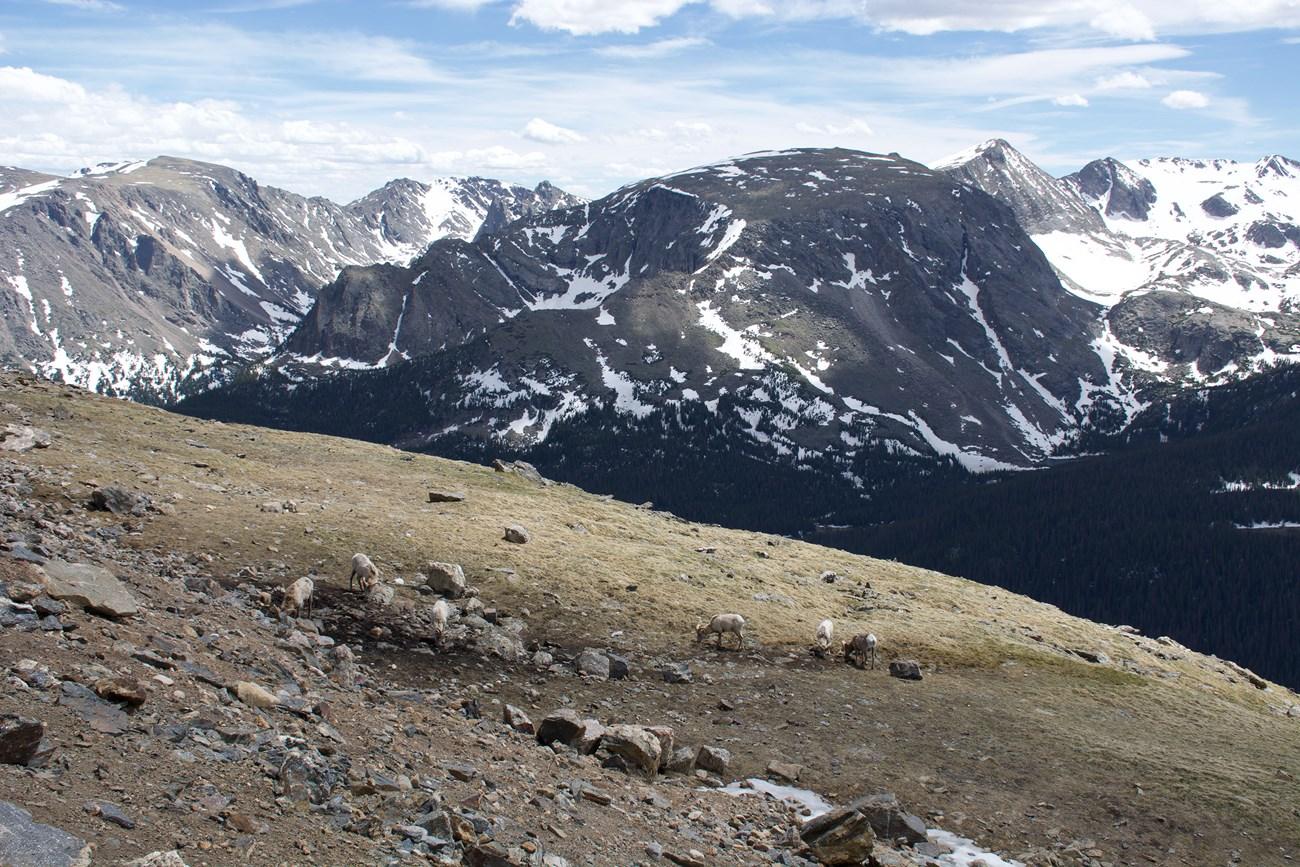
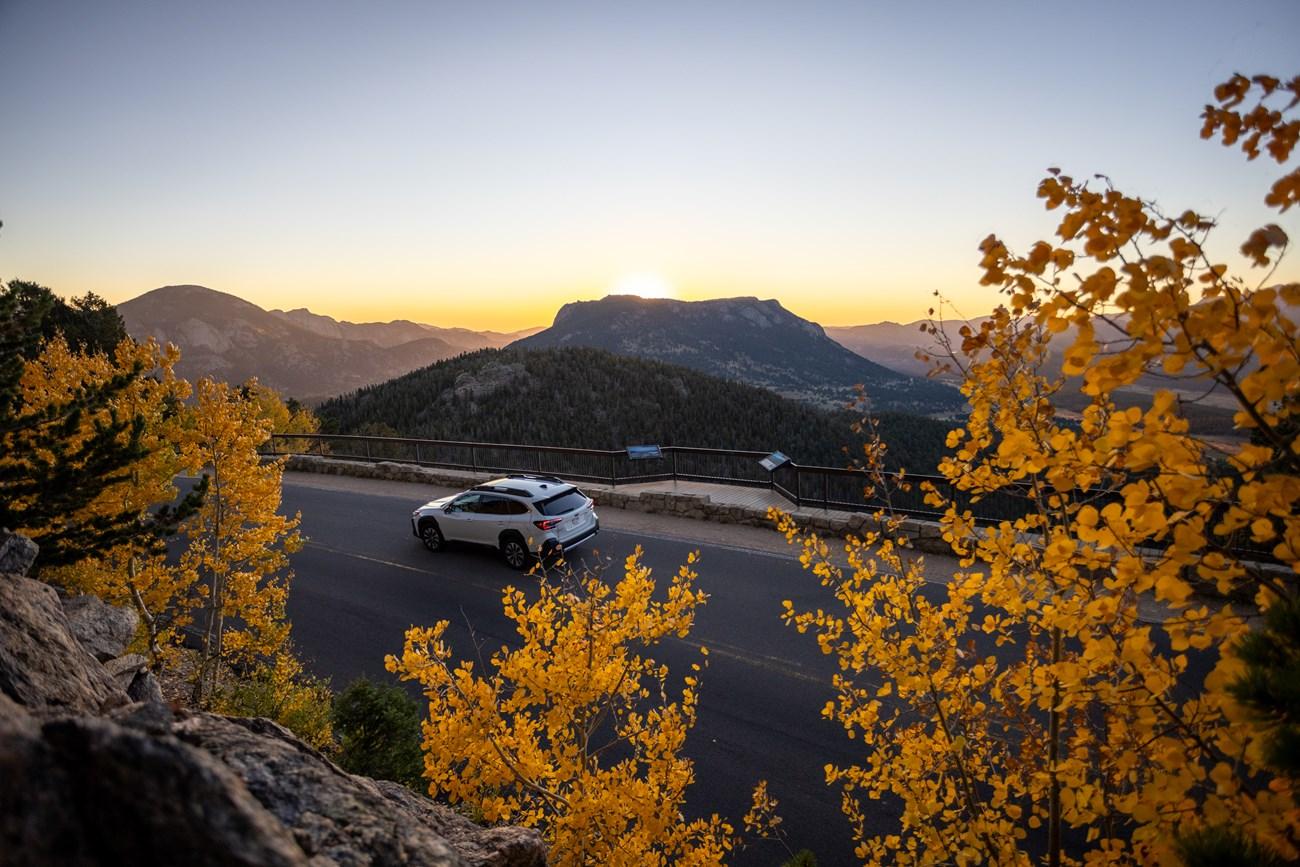
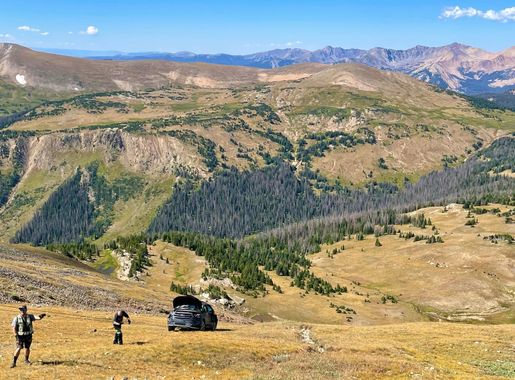
The Rocky Mountains in Colorado are a stunning and diverse mountain range, stretching from Canada to New Mexico. This part of the Rockies offers a breathtaking mix of rugged peaks, alpine lakes, and lush forests. Whether you're an outdoor enthusiast or seeking a peaceful retreat, the Rockies have something for everyone. Rocky Mountain National Park is a must-visit. It boasts over 300 miles of hiking trails, scenic drives, and abundant wildlife. You might spot elk, bighorn sheep, and even black bears. The park is also home to Trail Ridge Road, which reaches over 12,000 feet and offers panoramic views of the surrounding landscape. Winter sports are a major attraction in the Rockies. Ski resorts like Vail, Breckenridge, and Aspen offer world-class skiing and snowboarding. In the summer, these areas transform into hubs for mountain biking, hiking, and festivals. No matter the season, the Rockies promise adventure and unforgettable experiences. Don’t forget to explore the charming mountain towns. Estes Park, situated at the entrance of Rocky Mountain National Park, offers unique shops, cozy lodges, and delicious dining options. Boulder, nestled at the foothills, is known for its vibrant arts scene and stunning views.