

Free Dimani Travel Guide & Mobile App
Explore Dimani with free travel guides. Discover regional history, expert tips, proposed trips, and audio guides on web or mobile app.


Discover Dimani in southeastern Grande Comore for volcanic landscapes, village culture, tropical agriculture and an unhurried Comorian countryside.
Read more about Dimani
When is the best time to visit Dimani?
Best: July–September · 26–27°C| Month | High (°C) | Rainfall (mm) |
|---|---|---|
| January | 30 | 250 |
| February | 30 | 230 |
| March | 30 | 200 |
| April | 29 | 170 |
| May | 28 | 140 |
| June | 27 | 110 |
| July (best) | 26 | 90 |
| August (best) | 26 | 80 |
| September (best) | 27 | 100 |
| October | 28 | 130 |
| November | 29 | 160 |
| December | 30 | 210 |
Getting to and around Dimani
How to get there
Transportation
Best attractions in Dimani
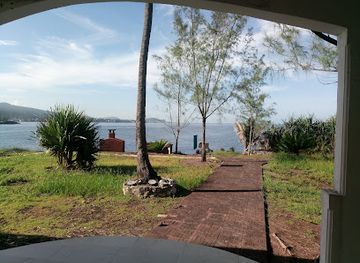
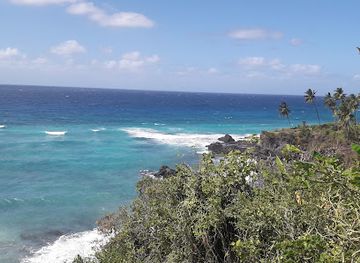
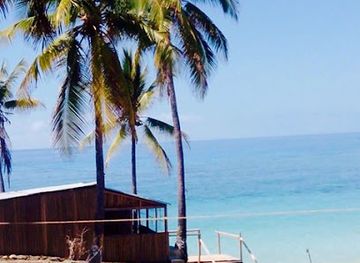
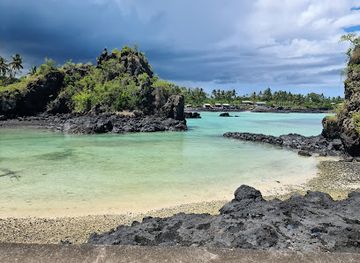
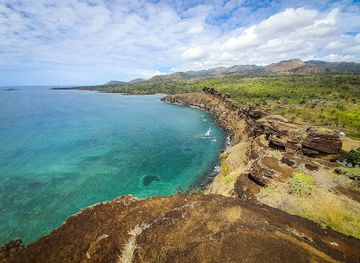
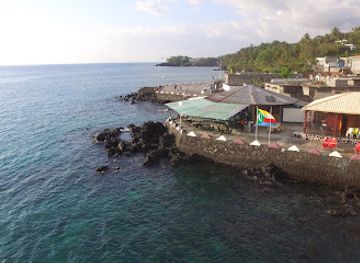
Dimani’s attractions are primarily landscape-based and community-centred rather than built around large ticketed sites. Rural roads and footpaths lead through coconut groves, breadfruit trees, small cultivated plots and villages shaped by Islamic architecture and communal life. The volcanic ground is a defining feature, with dark lava surfaces, rough coastal edges and elevated viewpoints that open towards the Indian Ocean. Walks should be arranged with local guidance because routes, land ownership and access conditions are not always obvious. Visitors interested in nature can observe tropical vegetation and farming practices, while those seeking cultural insight may arrange visits to markets, mosques or village gatherings through a host. The wider Grande Comore landscape, including the dramatic volcanic environment associated with Mount Karthala, can be explored on excursions outside Dimani, but those sites should not be treated as attractions within the region itself. Dimani is most rewarding for travellers who value slow exploration, local conversation, photography undertaken with permission and an understanding of how agriculture, faith and family networks structure everyday life.
-
Museum
Centre National de Documentation et de Recherche Scientifique
Explore Comorian history, culture, and scientific research at the Centre National de Documentation et de Recherche Scientifique in Moroni.
-
Mosque
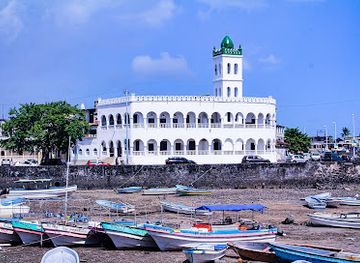
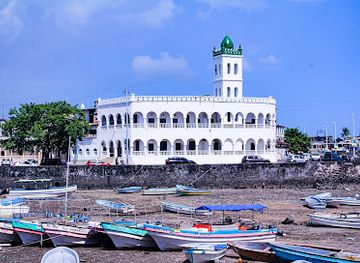
Grande Mosquée de Moroni مسجد
Discover the Grande Mosquée de Moroni, a stunning architectural masterpiece and cultural heart of Comoros, offering tranquility and rich heritage.
-
Museum
Seleani
Explore the rich cultural heritage of Comoros at Seleani Museum in Mbéni, where history and tradition come alive through captivating exhibits.
-
Tourist attraction
Plage
Experience the tranquil beauty of Plage in Moroni-Malouzini, Comoros, where stunning beaches and vibrant marine life await every tourist.

Best landmarks in Dimani
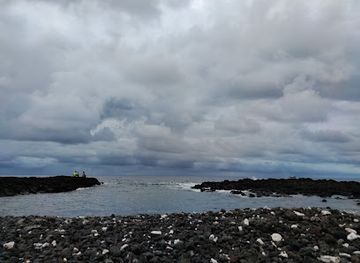
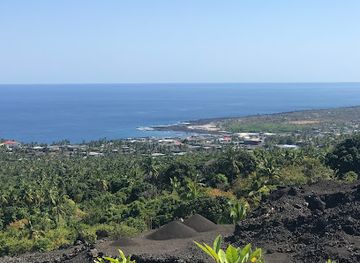
Dimani’s most meaningful landmarks are distributed across its village and volcanic landscape rather than concentrated in a single monumental centre. Mosques and communal spaces provide visible reminders of the region’s Islamic traditions, while traditional settlement patterns reflect extended family connections and longstanding village institutions. Dark lava formations and the rugged ocean margin form natural landmarks whose appearance changes with weather, light and vegetation. Elevated roads and slopes offer views across the eastern side of Grande Comore and towards the Indian Ocean, although viewpoints may lack formal signs, barriers or visitor facilities. The plantations and cultivated hillsides are also part of Dimani’s cultural landscape: coconut, breadfruit and spice-related agriculture connect present-day life with the island’s historical role in Indian Ocean trade. Mount Karthala is Grande Comore’s defining volcanic landmark, but its principal summit areas lie outside Dimani and should be visited as separate excursions rather than described as local landmarks.
-
Island
Ngazidja
Discover the breathtaking landscapes and vibrant culture of Ngazidja, the largest island of Comoros, a true paradise for every traveler.
-
Beach pavillion
Bouni Beach
Discover the serene beauty of Bouni Beach in Comoros, where pristine sands meet crystal-clear waters, perfect for relaxation and adventure.
-
Recreation center
Le Trou Du Prophète
Discover the natural beauty and cultural richness of Le Trou Du Prophète in Mitsamiouli, a serene recreation center in the heart of the Comoros Islands.
-
Tourist attraction
Dos du Dragon
Explore the breathtaking beauty of Dos du Dragon in Mitsamiouli, a serene tourist destination in the enchanting Comoros islands.
Explore Dimani on the map
Plan your trip on one map. See where the top cities, national parks and sights are, and book hotels and experiences in a few clicks.
Best hotels in Dimani
Best restaurants in Dimani
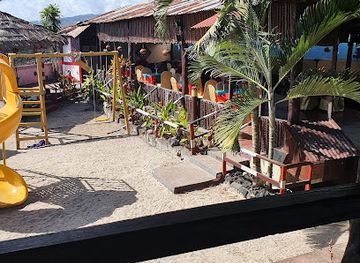
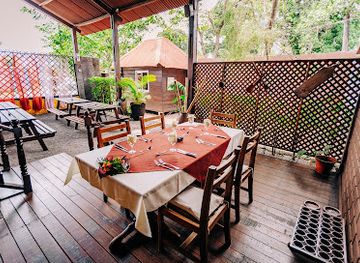
Dimani does not have a concentrated restaurant district, and eating is more commonly arranged through local homes, small informal eateries or accommodation providers. Comorian cooking draws on the island’s tropical agriculture and Indian Ocean connections, with rice, cassava, bananas, breadfruit, coconut, fish and spiced sauces appearing frequently. Cloves and other aromatic crops are important to the wider agricultural identity of Grande Comore, while tea and sweet snacks often accompany social visits. Menus may be limited and meal times flexible, so visitors should arrange food ahead when staying in rural areas and mention dietary requirements clearly. Moroni and other larger centres outside Dimani provide a broader choice of cafés and restaurants, but dining locally offers a more direct connection with household cooking and seasonal produce. Bottled or treated drinking water is the sensible choice for travellers who are uncertain about local supplies.
-
Restaurant
New Mumbai Restaurant
Experience authentic Indian and local cuisine at New Mumbai Restaurant in Moroni, Comoros - A delightful taste journey awaits!
-
Restaurant
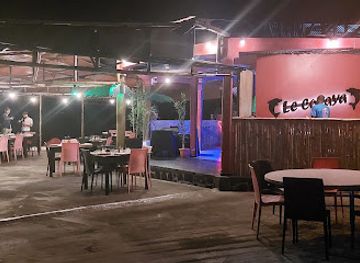
Restaurant & Grill Le Coraya
Experience authentic Comorian cuisine at Restaurant & Grill Le Coraya - a must-visit culinary destination in Itsandra.
-
Restaurant
MoCafe
Savor authentic Comorian cuisine at MoCafe in Moroni—where every dish tells a story.
-
Restaurant
Restaurant L'Escale
Experience the flavors of Comoros at Restaurant L'Escale, where local cuisine meets a warm ambiance in Moroni.
Best bars in Dimani
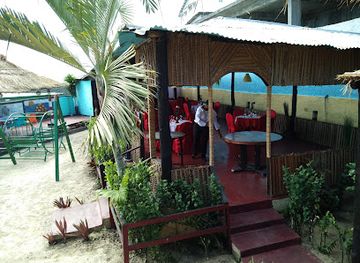
Evening life in Dimani is generally based on family visits, conversation, religious and community activities rather than nightclubs or a formal bar scene. Alcohol is not central to local public culture, and visitors should not expect a resort-style nightlife infrastructure. Small cafés and informal food outlets may provide places to sit in larger settlements, while local music and celebrations occur on particular occasions rather than according to a dependable tourist programme. After dark, roads and footpaths can be poorly lit, so travel should be arranged in advance and visitors should remain with a trusted host. Those seeking a wider choice of cafés, restaurants or evening entertainment are more likely to find it in Moroni, outside the region, but timings and availability can change.
-
Restaurant
New Mumbai Restaurant
Experience the authentic taste of Comoros at New Mumbai Restaurant, where local flavors meet warm hospitality in Moroni.
-
Restaurant
Restaurant & Grill Le Coraya
Experience the rich culinary heritage of Comoros at Restaurant & Grill Le Coraya, where flavor meets stunning waterfront views.
-
Restaurant
MoCafe
Discover the flavors of Comoros at MoCafe, Moroni's favorite restaurant for local and international cuisine in a cozy setting.
-
Restaurant
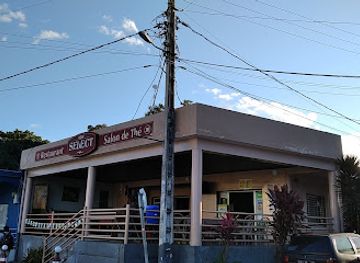
New Select Restaurant
Experience the rich flavors of Comorian cuisine at New Select Restaurant in Moroni, offering a delightful dining experience for every palate.
Best nightclubs in Dimani
Evening life in Dimani is generally based on family visits, conversation, religious and community activities rather than nightclubs or a formal bar scene. Alcohol is not central to local public culture, and visitors should not expect a resort-style nightlife infrastructure. Small cafés and informal food outlets may provide places to sit in larger settlements, while local music and celebrations occur on particular occasions rather than according to a dependable tourist programme. After dark, roads and footpaths can be poorly lit, so travel should be arranged in advance and visitors should remain with a trusted host. Those seeking a wider choice of cafés, restaurants or evening entertainment are more likely to find it in Moroni, outside the region, but timings and availability can change.
-
 Night club
نجم القمر
Discover the energetic vibes of نجم القمر, a vibrant night club in Ntsaouéni, Comoros, where music and culture come alive under the stars.
-
Pony club
Covo dei Paguri Comore
Experience the joy of pony rides and nature at Covo dei Paguri Comore, a family-friendly pony club offering unforgettable moments.
Best shops in Dimani
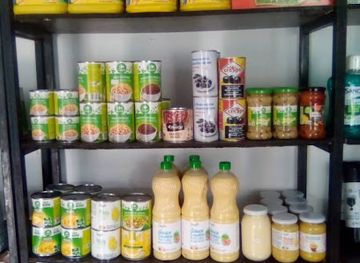
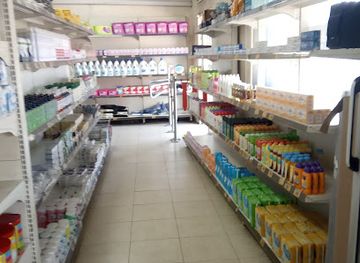
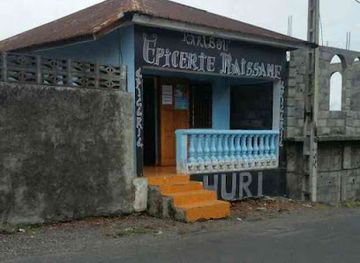
Shopping in Dimani is local and practical, with small village shops, informal stalls and occasional market activity rather than large retail centres. Visitors may find seasonal fruit, vegetables, rice, coconut products and other everyday goods, while locally grown cloves and fragrant products associated with Grande Comore can make appropriate souvenirs when purchased through reputable sellers. Handicrafts and textiles may be available through personal networks or cultural organisations, but choice and availability are not consistent enough to treat them as a permanent retail feature. Carry sufficient cash in Comorian francs and do not expect card payment in rural shops. Moroni, outside the region, provides a wider selection of food products, clothing, crafts and general merchandise. When buying agricultural or natural products, check customs rules for the destination country and avoid purchasing unlabelled items whose contents or export status are unclear.
-
Supermarket
AdaMoon shop
Discover the unique charm of AdaMoon Shop in Tsidje, where local culture meets delightful shopping for every traveler.
-
Supermarket
MAG MARKET
Explore MAG MARKET in Moroni for a delightful selection of local and international products, perfect for tourists seeking authentic Comorian flavors.
-
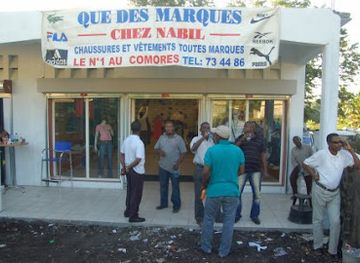
Clothing store
Que Des Marques Chez Nabil
Explore Moroni's fashion scene at Que Des Marques Chez Nabil, where stylish clothing meets modern European flair.
-
Smart shop
MAFA SHOP
Explore unique local crafts and essentials at MAFA SHOP in Hahaia, Comoros – a must-visit for travelers seeking authentic island experiences.
Get your free copy of our complete guide to Dimani, delivered straight to you.
Everything on this page, from attractions and restaurants to essentials and local phrases, in one PDF you can read offline, print or share.
Already have an account? Sign in
Your Dimani guide is ready.
We'll send it to · Not you? Sign out

Getting your guide ready…
We are putting together a fresh copy of the Dimani guide. This can take up to a minute.
This can take a few moments. If your browser asks, choose Allow so the download can start. You'll find the guide in your Downloads folder.
Nothing happened? Download it again
Sorry, the guide is taking longer than usual. Please try again in a minute, or get it by email instead.
Dimani essentials
Currency and Payment
Safety
Emergency Situations
Do's and Don'ts
Local Tips
From Eve
Local phrases worth knowing
You don't need to get them perfect. A few words go a long way, and locals appreciate the effort.
Basics
| English | Local | Say it |
|---|---|---|
| Hello | Salama | [sah-lah-mah] |
| Goodbye | Tsalama | [tsah-lah-mah] |
| Yes | Ee | [eh] |
| No | Ayi | [ah-yee] |
| Please/You're welcome | Tafadhali | [tah-fah-dhah-lee] |
| Thank you | Merci | [mehr-see] |
| Excuse me/Sorry | Pole | [poh-leh] |
| How are you? | Habari gani? | [hah-bah-ree gah-nee] |
| Fine. And you? | Nzuri. Na wewe? | [n-zoo-ree nah weh-weh] |
| Do you speak English? | Unazungumza Kiingereza? | [oo-nah-zoo-ngum-zah kee-ing-eh-reh-zah] |
| I don't understand | Sielewi | [see-eh-leh-wee] |
Eating & Drinking
| English | Local | Say it |
|---|---|---|
| I'd like to see the menu, please | Ningependa kuona menyu, tafadhali | [neen-geh-pen-dah koo-nah meh-nyoo tah-fah-dhah-lee] |
| I don't eat meat | Sikula nyama | [see-koo-lah nyah-mah] |
| Cheers! | Afya! | [ah-fyah] |
| I would like to pay, please | Ningependa kulipa, tafadhali | [neen-geh-pen-dah koo-lee-pah tah-fah-dhah-lee] |
Emergencies
| English | Local | Say it |
|---|---|---|
| Help! | Msaada! | [m-sah-dah] |
| Go away! | Ondoka! | [on-doh-kah] |
| Call the Police! | Piga simu Polisi! | [pee-gah see-moo poh-lee-see] |
| Call a doctor! | Piga simu daktari! | [pee-gah see-moo dahk-tah-ree] |
| I'm lost | Nimepotea | [nee-meh-poh-teh-ah] |
| I'm ill | Nina ugonjwa | [nee-nah oo-gon-jwah] |
Shopping
| English | Local | Say it |
|---|---|---|
| I'd like to buy... | Ningependa kununua... | [neen-geh-pen-dah koo-noo-noo-ah] |
| I'm just looking | Natazama tu | [nah-tah-zah-mah too] |
| How much is it? | Ni shilingi ngapi? | [nee shee-lin-gee ngah-pee] |
| That's too expensive | Hiyo ni ghali sana | [hee-yoh nee ghah-lee sah-nah] |
| Can you lower the price? | Unaweza kupunguza bei? | [oo-nah-weh-zah koo-poo-ngoo-zah beh-ee] |
Time & Numbers
| English | Local | Say it |
|---|---|---|
| What time is it? | Ni saa ngapi? | [nee sah ngah-pee] |
| It's one o'clock | Ni saa moja | [nee sah moh-jah] |
| Half past (10) | Nusu ya (10) | [noo-soo yah (10)] |
| Morning | Asubuhi | [ah-soo-boo-hee] |
| Afternoon | Mchana | [m-chah-nah] |
| Evening | Jioni | [jee-oh-nee] |
| Yesterday | Jana | [jah-nah] |
| Today | Leo | [leh-oh] |
| Tomorrow | Kesho | [keh-shoh] |
| 1 | Moja | [moh-jah] |
| 2 | Mbili | [m-bee-lee] |
| 3 | Tatu | [tah-too] |
| 4 | Nne | [n-neh] |
| 5 | Tano | [tah-noh] |
| 6 | Sita | [see-tah] |
| 7 | Saba | [sah-bah] |
| 8 | Nane | [nah-neh] |
| 9 | Tisa | [tee-sah] |
| 10 | Kumi | [koo-mee] |
Transport & Directions
| English | Local | Say it |
|---|---|---|
| Where's a/the...? | Iko wapi...? | [ee-koh wah-pee] |
| What's the address? | Ni anwani gani? | [nee ahn-wah-nee gah-nee] |
| Can you show me (on the map)? | Unaweza kunionesha (katika ramani)? | [oo-nah-weh-zah koo-nee-oh-neh-shah kah-tee-kah rah-mah-nee] |
| When's the next (bus)? | Basi inayofuata ni lini? | [bah-see ee-nah-yoh-foo-ah-tah nee lee-nee] |
| A ticket (to ....) | Tiketi (kwenda ....) | [tee-keh-tee kwen-dah] |
History of Dimani
Early Settlement and Indian Ocean Exchange
Grande Comore was settled through successive movements of people across the western Indian Ocean, including communities connected with East Africa, Madagascar and wider maritime trading networks. Archaeological evidence and linguistic history point to long interaction rather than a single founding population. In Dimani, as elsewhere on the island, agriculture, seafaring and village organisation developed within a volcanic environment. Coconut, bananas, root crops and other food plants supported settled communities, while the ocean connected them to neighbouring islands and the East African coast.
Shirazi Influence and Muslim Communities
From the medieval period, Persian Gulf and East African commercial connections brought Muslim cultural and political influences to the Comoros. The term Shirazi, used in local historical traditions, refers to ruling and merchant lineages associated with these networks, although the islands’ population and culture were formed through several strands of migration. Islam became central to public and family life, leaving a lasting imprint on settlement patterns, architecture, law and education in Dimani and across Grande Comore.
Sultanates and Local Political Authority
Before colonial rule, Grande Comore was divided among sultanates and smaller centres of authority whose influence shifted through alliances, marriage, trade and conflict. Coastal settlements generally maintained the strongest external connections, while inland and elevated communities were integrated through kinship and agriculture. The political history of Dimani belongs to this wider island system: authority was both locally grounded and connected to Indian Ocean commerce. Village organisation, Islamic institutions and traditions of communal decision-making retain echoes of these earlier structures.
Plantation Crops and French Colonial Rule
French influence expanded during the nineteenth century and the Comoros were incorporated into the French colonial system, later being administered in association with Madagascar. Commercial agriculture developed around crops including vanilla, cloves and ylang-ylang, alongside subsistence farming. These products tied Grande Comore to international markets but did not replace local food production. Colonial administration, Christian missionary activity elsewhere in the archipelago, new forms of taxation and changing land relations all affected island society, including rural areas such as Dimani.
The Comoros and the Road to Independence
The Comoros became an overseas territory of France after the Second World War and gained internal political institutions before independence in 1975. Grande Comore formed part of the movement that sought national sovereignty, while Mayotte followed a different political path and remains a French department. Independence brought new responsibilities but also economic and administrative difficulties. Dimani’s contemporary identity is therefore shaped by both local island traditions and the national experience of building institutions across a geographically dispersed archipelago.
Contemporary Rural Grande Comore
In recent decades, Dimani has remained primarily a rural and agricultural region, while many Comorian families have maintained strong connections with relatives living in Moroni, Mayotte, France and other countries. Remittances, education, public-sector employment and small-scale commerce influence village life alongside farming and fishing. Roads, electricity, communications and tourism infrastructure have developed unevenly. This combination of migration, customary social ties and volcanic island geography explains why Dimani is better understood as a living community landscape than as a fully commercialised tourist zone.
Dimani in Photos
Browse through our photo collection highlighting the charm and character of the destination.
Neighbouring regions of Dimani
The closest regions to Dimani, if you have time for more than one.
-

-

-

-

-


Swipe for more regions
Explore more

Explore more of Comoros
Discover Comoros - an untouched paradise in the Indian Ocean with pristine beaches, rich culture, and stunning natural beauty for a truly unique travel experience.
Explore Comoros