

Free Bambao Travel Guide & Mobile App
Explore Bambao with free travel guides. Discover regional history, expert tips, proposed trips, and audio guides on web or mobile app.


Explore Bambao in Comoros for historic Ngazidja towns, volcanic scenery, Indian Ocean villages and authentic island culture away from the capital.
Read more about Bambao
When is the best time to visit Bambao?
Best: June–August · 27–28°C| Month | High (°C) | Rainfall (mm) |
|---|---|---|
| January | 30 | 150 |
| February | 31 | 170 |
| March | 31 | 180 |
| April | 30 | 150 |
| May | 29 | 130 |
| June (best) | 28 | 120 |
| July (best) | 27 | 110 |
| August (best) | 28 | 110 |
| September | 29 | 120 |
| October | 30 | 130 |
| November | 30 | 140 |
| December | 30 | 150 |
Getting to and around Bambao
How to get there
Transportation
Top city travel guides in Bambao
The cities of Bambao, and the easiest places to base yourself.
-

-
 Iconi
Iconi, Comoros, reveals Grande Comore’s historic sultanates, cliffside heritage, volcanic landscapes, local food and enduring island culture.
Iconi
Iconi, Comoros, reveals Grande Comore’s historic sultanates, cliffside heritage, volcanic landscapes, local food and enduring island culture.

Swipe for more cities
Destinations in Bambao
Resorts, valleys and scenic spots worth a trip of their own.

Swipe for more destinations
Best attractions in Bambao
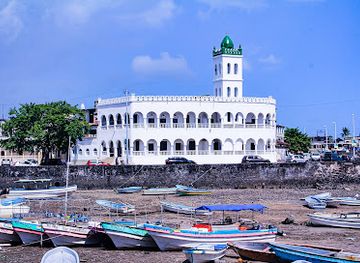
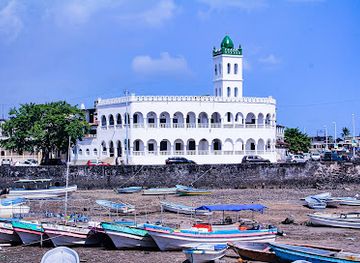
Bambao's attractions combine historic coastal settlements, volcanic scenery and everyday Comorian culture rather than a large concentration of formal visitor facilities. Iconi is the principal heritage focus, with old neighbourhoods, mosques, sea-facing terrain and traditions linked to the sultanates of Grande Comore. Other villages offer opportunities to observe traditional houses, communal spaces, small places of worship and local agricultural life, best experienced with permission and a knowledgeable guide. Inland, the rising landscape leads towards the forests and lava terrain associated with Karthala, one of the world's active volcanoes. Guided walks can reveal changing vegetation, plantation landscapes and the geological character of Grande Comore, although routes, weather and access should be checked locally. Along the coast, dark volcanic shorelines contrast with occasional sandy coves and reef-fringed water. Swimming, snorkelling and fishing are possible in selected locations, but conditions are not universally supervised and local advice is essential. Bambao is particularly suited to travellers interested in history, landscape, photography, village life and slow exploration rather than a conventional resort programme.
-
Historical landmark
Place de l'Indépendance
Experience the heart of Comorian culture and history at Place de l'Indépendance, a vibrant square in Moroni.

Best landmarks in Bambao
Iconi's historic townscape is Bambao's most recognisable human landmark, linking old coastal architecture and Islamic heritage with the political history of Grande Comore's sultanates. Its mosques, traditional compounds, communal spaces and dramatic sea-facing position are significant not only for their appearance but also for the memories and customary institutions attached to them. The region's volcanic shoreline forms a second category of landmark: black lava shelves, sea cliffs and irregular coastal rock show how Grande Comore has been built by successive eruptions. Inland, the slopes leading towards Karthala provide the defining geographical backdrop. The volcano is not simply a scenic mountain but a living geological presence that has influenced settlement, agriculture and local risk awareness. Historic religious buildings, village gateways and older stone walls may appear modest beside the island's volcano, yet they help explain how Bambao's communities organised public and family life. Because many sites remain active places of worship or residence, visitors should treat them as living heritage rather than open-air museum pieces.
-
Island
Ngazidja
Experience the untouched beauty and vibrant culture of Ngazidja, the largest island of the Comoros, where adventure meets serenity.
-
Beach pavillion
Bouni Beach
Discover Bouni Beach, Comoros - an unspoiled paradise with soft sands and vibrant waters ideal for relaxation and adventure.
-
Recreation center
Le Trou Du Prophète
Discover Le Trou Du Prophète in Mitsamiouli, Comoros – a breathtaking recreational center surrounded by nature's beauty, perfect for relaxation and adventure.
-
Tourist attraction
Dos du Dragon
Experience the breathtaking landscapes and serene atmosphere at Dos du Dragon, a must-visit tourist attraction in Mitsamiouli, Comoros.

Explore Bambao on the map
Plan your trip on one map. See where the top cities, national parks and sights are, and book hotels and experiences in a few clicks.
Best hotels in Bambao
Best restaurants in Bambao
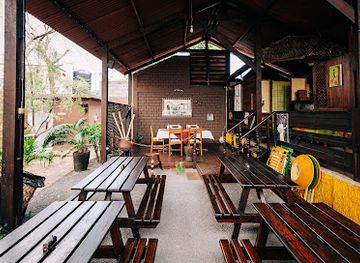
Dining in Bambao reflects the food culture of Grande Comore and the wider western Indian Ocean. Rice is commonly accompanied by fish, meat, cassava, plantain, breadfruit, coconut-based preparations and sauces flavoured with spices. Coastal communities may offer locally caught seafood when supplies allow, while village meals are often shaped by household cooking rather than a formal restaurant menu. Small eateries, family kitchens and modest cafés are more typical than destination fine dining, and availability can vary outside the main settlements. Markets and roadside sellers provide fruit and simple snacks, although visitors should choose food that is freshly prepared and drink treated or bottled water. French and regional Indian Ocean influences appear alongside Comorian traditions in breads, stews and sweet dishes. In Bambao, a meal can be as much a social introduction as a culinary event, so advance arrangements through accommodation or a local guide are useful when seeking home cooking or dining away from the principal roads.
-
 Hotel
HotelRetaj Moroni Hotel
Discover comfort at Retaj Moroni Hotel—your gateway to explore the enchanting beauty of Comoros with local hospitality.
-
Restaurant
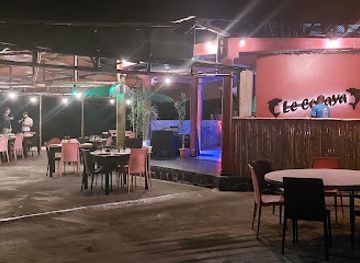
Restaurant & Grill Le Coraya
Experience authentic Comorian flavors at Restaurant & Grill Le Coraya – where fresh ingredients meet warm hospitality.
-
Restaurant
MoCafe
Discover authentic Comorian flavors at MoCafe in Moroni - where every meal is a celebration of culture.
-
Restaurant
Restaurant L'Escale
Discover the vibrant flavors of Comoros at Restaurant L'Escale - where local cuisine meets stunning coastal views.

Best bars in Bambao
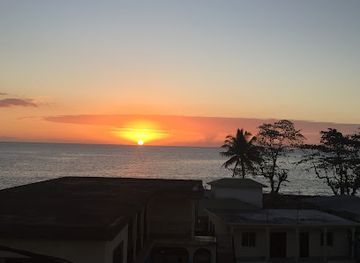
Bambao does not have a major nightclub scene, and evening life is shaped more by family visits, religious observance, communal occasions and conversation than by late-night entertainment. In larger settlements, modest cafés and informal restaurants may provide places to meet, while accommodation near the main roads can offer a quiet evening meal. Alcohol is not central to public life in this predominantly Muslim region, and visitors should not assume that bars or licensed venues will be available. Night-time movement is limited by road lighting, transport availability and the dispersed nature of the settlements. Cultural events, weddings and community gatherings may be important occasions, but they are private or locally organised rather than scheduled tourist nightlife. Ask permission before attending or photographing them, dress respectfully and accept that some evenings in Bambao are best spent listening to local stories, watching the sunset or resting before an early road journey.
-
Hotel
Retaj Moroni Hotel
Experience the charm of Comoros at Retaj Moroni Hotel, where comfort meets culture in the heart of Moroni.
-
Restaurant
Restaurant & Grill Le Coraya
Discover the vibrant culinary scene of Comoros at Restaurant & Grill Le Coraya, where local flavors and warm hospitality come together.
-
Restaurant
MoCafe
Discover the flavors of Comoros at MoCafe in Moroni, where culinary tradition meets cozy ambiance for an unforgettable dining experience.
-
Restaurant
Restaurant L'Escale
Discover the flavors of Comoros at Restaurant L'Escale, where delicious cuisine meets stunning coastal views for an unforgettable dining experience.
Best nightclubs in Bambao
Bambao does not have a major nightclub scene, and evening life is shaped more by family visits, religious observance, communal occasions and conversation than by late-night entertainment. In larger settlements, modest cafés and informal restaurants may provide places to meet, while accommodation near the main roads can offer a quiet evening meal. Alcohol is not central to public life in this predominantly Muslim region, and visitors should not assume that bars or licensed venues will be available. Night-time movement is limited by road lighting, transport availability and the dispersed nature of the settlements. Cultural events, weddings and community gatherings may be important occasions, but they are private or locally organised rather than scheduled tourist nightlife. Ask permission before attending or photographing them, dress respectfully and accept that some evenings in Bambao are best spent listening to local stories, watching the sunset or resting before an early road journey.
-
Night club
Boutique HADADI DJOWERSSE
Discover the vibrant nightlife at Boutique HADADI DJOWERSSE, Bangoua's premier night club for an unforgettable experience.
-
Night club
نجم القمر
Discover the vibrant nightlife of Ntsaouéni at نجم القمر Night Club, where music and dance create unforgettable memories.
-
Bar
Automate Hotel
Experience the vibrant atmosphere and local flavors at Automate Hotel Bar in Moroni, the perfect retreat after exploring the beautiful Comoros islands.
-
Bar
Azdine ahmed
Experience the vibrant atmosphere and local flavors at Azdine Ahmed, the premier bar in Djoumouachongo, Comoros.

Best shops in Bambao
Shopping in Bambao is primarily local and practical, with small village shops, roadside sellers and markets supplying food, household goods and seasonal produce rather than a large retail selection. Visitors may find coconuts, bananas, cassava, plantains, spices and other island-grown products, while prepared foods and woven or handmade items depend on the community and time of year. Traditional clothing and jewellery can sometimes be sourced through local networks, but arrangements are generally less formal than in a dedicated craft market. For a broader choice of gifts, including Comorian food products, textiles, carved objects and souvenirs, Moroni is the most reliable nearby shopping centre, though it lies outside Bambao. Bargaining should be polite and modest where it is customary, and visitors should avoid buying archaeological objects, historic materials, coral or volcanic remnants taken from protected or culturally important places. Carrying small Comorian franc notes is useful for village purchases.
-
Restaurant
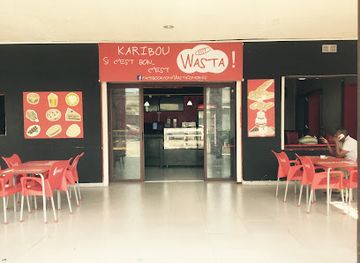
Wasta Boulangerie snack
Experience the authentic flavors of Comoros at Wasta Boulangerie, your go-to destination for delicious pastries and local snacks.
-
Warehouse store
Magasin Naantil-lahi
Immerse yourself in local culture and flavors at Magasin Naantil-lahi, a vibrant warehouse store in Mutsamudu, Comoros.
-
Tour operator
Adore Comores
Unveil the beauty of the Comoros Islands with Adore Comores – your gateway to unforgettable island adventures and rich cultural experiences.
-
Supermarket
New-Bazar Minimarche
Experience the vibrant culture of Comoros at New-Bazar Minimarche, your essential supermarket in Moroni for local flavors and everyday needs.

Get your free copy of our complete guide to Bambao, delivered straight to you.
Everything on this page, from attractions and restaurants to essentials and local phrases, in one PDF you can read offline, print or share.
Already have an account? Sign in
Your Bambao guide is ready.
We'll send it to · Not you? Sign out

Getting your guide ready…
We are putting together a fresh copy of the Bambao guide. This can take up to a minute.
This can take a few moments. If your browser asks, choose Allow so the download can start. You'll find the guide in your Downloads folder.
Nothing happened? Download it again
Sorry, the guide is taking longer than usual. Please try again in a minute, or get it by email instead.
Bambao essentials
Currency and Payment
Safety
Emergency Situations
Do's and Don'ts
Local Tips
From Eve
Local phrases worth knowing
You don't need to get them perfect. A few words go a long way, and locals appreciate the effort.
Basics
| English | Local | Say it |
|---|---|---|
| Hello | Salama | [sah-lah-mah] |
| Goodbye | Salama | [sah-lah-mah] |
| Yes | Ee | [ee] |
| No | O | [oh] |
| Please/You're welcome | Tafadhali | [tah-fah-dhah-lee] |
| Thank you | Asante | [ah-sahn-teh] |
| Excuse me/Sorry | Pole | [poh-leh] |
| How are you? | Habari gani? | [hah-bah-ree gah-nee] |
| Fine. And you? | Nzuri. Na wewe? | [n-zoo-ree nah weh-weh] |
| Do you speak English? | Unazungumza Kiingereza? | [oo-nah-zoo-ngum-zah kee-in-geh-reh-zah] |
| I don't understand | Siwezi kuelewa | [see-weh-zee koo-eh-leh-wah] |
Eating & Drinking
| English | Local | Say it |
|---|---|---|
| I'd like to see the menu, please | Ningependa kuona menyu, tafadhali | [neen-geh-pen-dah koo-oh-nah meh-nyoo tah-fah-dhah-lee] |
| I don't eat meat | Sikuli nyama | [see-koo-lee nyah-mah] |
| Cheers! | Afya! | [ah-fyah] |
| I would like to pay, please | Ningependa kulipa, tafadhali | [neen-geh-pen-dah koo-lee-pah tah-fah-dhah-lee] |
Emergencies
| English | Local | Say it |
|---|---|---|
| Help! | Nisaidie! | [nee-sah-ee-dee-eh] |
| Go away! | Ondoka! | [on-doh-kah] |
| Call the Police! | Piga simu polisi! | [pee-gah see-moo poh-lee-see] |
| Call a doctor! | Piga simu daktari! | [pee-gah see-moo dahk-tah-ree] |
| I'm lost | Nimepotea | [nee-meh-poh-teh-ah] |
| I'm ill | Ninaumwa | [nee-nah-oom-wah] |
Shopping
| English | Local | Say it |
|---|---|---|
| I'd like to buy... | Ningependa kununua... | [neen-geh-pen-dah koo-noo-nwah] |
| I'm just looking | Natazama tu | [nah-tah-zah-mah too] |
| How much is it? | Ni kiasi gani? | [nee kee-ah-see gah-nee] |
| That's too expensive | Hiyo ni ghali sana | [hee-yoh nee gah-lee sah-nah] |
| Can you lower the price? | Unaweza kupunguza bei? | [oo-nah-weh-zah koo-poon-gah-zah bay-ee] |
Time & Numbers
| English | Local | Say it |
|---|---|---|
| What time is it? | Ni saa ngapi? | [nee sah ahn-gah-pee] |
| It's one o'clock | Ni saa moja | [nee sah ah-moh-jah] |
| Half past (10) | Nusu ya saa kumi | [noo-soo yah sah ah-koo-mee] |
| Morning | Asubuhi | [ah-soo-boo-hee] |
| Afternoon | Mchana | [m-chah-nah] |
| Evening | Jioni | [jee-oh-nee] |
| Yesterday | Kah yesterday | [kah yest-er-day] |
| Today | Leo | [leh-oh] |
| Tomorrow | Kesho | [keh-shoh] |
| 1 | Moja | [moh-jah] |
| 2 | Mbili | [m-bee-lee] |
| 3 | Tatu | [tah-too] |
| 4 | Nne | [n-neh] |
| 5 | Tano | [tah-noh] |
| 6 | Sita | [see-tah] |
| 7 | Saba | [sah-bah] |
| 8 | Nane | [nah-neh] |
| 9 | Tisa | [tee-sah] |
| 10 | Kumi | [koo-mee] |
Transport & Directions
| English | Local | Say it |
|---|---|---|
| Where's a/the...? | Wapi ...? | [wah-pee] |
| What's the address? | Nini anwani? | [nee-nee ahn-wah-nee] |
| Can you show me (on the map)? | Unaweza kunionyesha (katika ramani)? | [oo-nah-weh-zah koo-nee-oh-nyeh-shah kah-tee-kah rah-mah-nee] |
| When's the next (bus)? | Basi inayofuata ni lini? | [bah-see ee-nah-yoh-fwah-tah nee lee-nee] |
| A ticket (to ....) | Tiketi (kwenda ....) | [tee-keh-tee kwen-dah] |
History of Bambao
Early Settlement and Indian Ocean Exchange
Grande Comore was settled through successive movements of people across the western Indian Ocean. African communities, seafaring peoples connected with the Swahili coast and migrants from Madagascar and other island regions contributed to the population and culture that developed on Ngazidja. Archaeological and linguistic evidence points to long-distance exchange in food crops, ceramics and maritime practices. Bambao's coastal settlements formed part of this wider network, linking the island to East Africa, Madagascar, Arabia and the western Indian Ocean rather than existing in isolation.
Islamic and Shirazi-Sultanate Influences
Islam became established in the Comoros over many centuries through contact with Muslim merchants and scholars, and it remains central to public and family life. Traditions of Shirazi ancestry became particularly influential in the political culture of the islands, although Comorian society also reflects substantial African and Swahili foundations. In Bambao, historic mosques, family compounds and coastal settlements preserve traces of the sultanate period. The region's old towns developed as places of authority, worship and maritime exchange.
The Sultanates of Grande Comore
Grande Comore was historically divided among several sultanates and local political territories rather than governed as a single centralised state. Rulers and prominent families competed and negotiated for influence, while coastal towns controlled access to trade and agricultural hinterlands. Iconi and other settlements associated with Bambao retain memories of this political landscape in their oral histories, ceremonial traditions and historic architecture. The organisation of society through extended families and customary institutions remains an important part of Comorian identity.
European Maritime Contact and Foreign Competition
European navigators reached the Comoros during the expansion of Indian Ocean shipping, and Portuguese vessels were followed by other European commercial and political interests. These contacts brought new commercial pressures but did not displace the established authority of local sultanates immediately. The islands' position between East Africa, Madagascar and Arabia made them strategically attractive, while their fertile volcanic soils supported food cultivation and plantation interests. Bambao's coastal communities were affected by these wider changes through trade, conflict and changing patterns of authority.
French Protectorate and Colonial Rule
France established a protectorate over the Comoros in the nineteenth century, with colonial control subsequently reshaping administration, land use and trade. The islands were incorporated into the French colonial system, and cash-crop production, labour arrangements and new governmental institutions altered older economic patterns. Catholic and secular French influences existed alongside the overwhelmingly Muslim character of local society. In Bambao, as elsewhere on Grande Comore, colonial roads and administrative structures formed part of a system that connected villages while also subordinating local political authority.
Independence and the Modern Comorian State
The Comoros became independent from France in 1975, although Mayotte remained under French administration, a division that continues to shape Comorian politics and regional identity. The independent state has experienced political instability, economic constraints and periods of institutional change. Bambao is consequently best understood within the contemporary Union of the Comoros rather than as a self-contained historical territory. Its communities continue to combine Islamic practice, customary social organisation, subsistence and commercial agriculture, overseas family networks and a growing interest in locally guided tourism.
Karthala and the Living Volcanic Landscape
Volcanism has shaped Grande Comore's geography, soils, settlement patterns and historical memory. Karthala remains an active volcano, and eruptions have periodically affected the island, particularly through lava flows and ash. The resulting landscape includes rugged black lava, porous ground, forested highlands and limited surface water, factors that influence farming and transport. Bambao's relationship with the interior is therefore both practical and cultural: the mountain supplies fertile environments and dramatic scenery, while volcanic hazards require residents and visitors to respect local knowledge and official guidance.
Bambao in Photos
Browse through our photo collection highlighting the charm and character of the destination.
Neighbouring regions of Bambao
The closest regions to Bambao, if you have time for more than one.
-

-

-

-

-


Swipe for more regions
Explore more

Explore more of Comoros
Discover Comoros - an untouched paradise in the Indian Ocean with pristine beaches, rich culture, and stunning natural beauty for a truly unique travel experience.
Explore Comoros