

Free Fomboni Travel Guide & Mobile App
Explore Fomboni with free travel guides. Discover regional history, expert tips, proposed trips, and audio guides on web or mobile app.


Fomboni, Mohéli’s seafront capital, offers a grounded Comorian experience of markets, island culture, port life and access to tropical landscapes.
Read more about Fomboni
When is the best time to visit Fomboni?
Best: June–August · 28°C| Month | High (°C) | Rainfall (mm) |
|---|---|---|
| January | 31 | 180 |
| February | 31 | 170 |
| March | 30 | 160 |
| April | 30 | 140 |
| May | 29 | 120 |
| June (best) | 28 | 110 |
| July (best) | 28 | 100 |
| August (best) | 28 | 110 |
| September | 29 | 120 |
| October | 30 | 140 |
| November | 30 | 160 |
| December | 31 | 170 |
Getting to and around Fomboni
How to get there
Transportation
Destinations in Fomboni
Resorts, valleys and scenic spots worth a trip of their own.

Swipe for more destinations
Best attractions in Fomboni
Fomboni’s attractions are modest in scale but closely connected to everyday island life. The central market is the town’s most immediate cultural experience, with stalls selling produce, fish, household necessities and imported goods. The port and seafront reveal Mohéli’s maritime role and provide a worthwhile setting for watching local activity, while the town’s mosques and low-rise streets reflect the Islamic, Swahili and colonial influences visible across Comoros. Fomboni is also the main starting point for exploring Mohéli’s wider landscapes, including rural villages, forested interiors, beaches and marine habitats; these lie outside the town and require locally arranged transport, suitable weather and, for conservation areas, responsible guides. Visitors interested in nature can organise boat trips or land excursions, but should confirm the current availability of equipment and services rather than expect a developed excursion industry. The experience is primarily one of landscape, community and observation rather than a schedule of formal museums, ticketed attractions or purpose-built entertainment venues.
-
Beach pavillion
Bouni Beach
Discover Bouni Beach, Comoros: a tranquil escape with pristine sands, clear waters, and authentic Comorian charm. Perfect for relaxation and natural beauty.
-
Recreation center
Le Trou Du Prophète
Explore the breathtaking natural beauty and vibrant marine life at Le Trou Du Prophète, a must-visit recreation center in Mitsamiouli, Comoros.
-
Tourist attraction
Dos du Dragon
Discover the mythical Dos du Dragon in Mitsamiouli, Comoros: stunning views, hiking, and cultural immersion await!
-
Mosque
Great Mosque of Fomboni
Discover the spiritual heart of Fomboni at the Great Mosque, an architectural marvel and a symbol of Comorian Islamic heritage.



Best landmarks in Fomboni
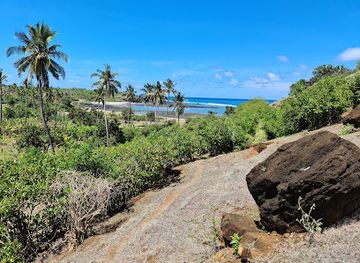
Fomboni’s most recognisable landmarks are associated with its role as Mohéli’s port capital. The seafront and harbour form the town’s visual anchor, linking daily commerce, fishing and passenger movement with the wider Comoros archipelago. The central market is another important civic landmark: more than a shopping place, it is a practical meeting point where the island’s agricultural and maritime economies become visible. Mosques throughout the town express the central place of Islam in Comorian public life, although visitors should observe from outside unless invited and should dress appropriately. Fomboni’s low-rise streets, weathered buildings and coastal setting provide a clear contrast with the monumental colonial architecture found in some larger Indian Ocean cities. Beyond the urban area, Mohéli’s forested slopes and coastline form the natural backdrop to the town, but they should not be treated as landmarks within Fomboni itself; reaching them involves separate journeys and local planning.
-
Island
Ngazidja
Explore the breathtaking natural beauty and rich cultural heritage of Ngazidja, the largest island in the enchanting Comoros archipelago.
-
 Hotel
Moheli Laka Lodge
Experience serenity and adventure at Moheli Laka Lodge, a hidden gem in the heart of Comoros offering breathtaking views and rich local culture.
-
Beach pavillion
Bouni Beach
Discover the pristine beauty of Bouni Beach in Comoros, where golden sands meet crystal-clear waters for an unforgettable tropical experience.
-
Tourist attraction
Dos du Dragon
Experience the breathtaking beauty of Dos du Dragon in Mitsamiouli, Comoros, a must-visit tourist attraction for nature lovers and adventure seekers.

Explore Fomboni on the map
Plan your trip on one map. See where the top cities, national parks and sights are, and book hotels and experiences in a few clicks.
Best hotels in Fomboni
Best restaurants in Fomboni
Dining in Fomboni is centred on small local restaurants, cafés, market food and meals prepared through accommodation or community contacts rather than a large formal restaurant scene. Comorian cooking draws on rice, cassava, plantains, coconut, spices, fresh fish and other seafood, with Indian Ocean influences apparent in the use of aromatics and chilli. Meat, poultry and legumes may also appear, while French and broader East African influences are visible in bread, snacks and café culture. Availability varies with fishing conditions, market supply and imported goods, so menus may be limited or change during the day. The market is useful for seeing local ingredients, although visitors should choose cooked food carefully and use bottled or treated water. Ask locally about seasonal specialities and simple home-style meals, and allow extra time for service; dining in Fomboni is generally informal and closely tied to the rhythms of a small island town.
-
Restaurant
New Mumbai Restaurant
Discover authentic Indian flavors at New Mumbai Restaurant in Moroni – a must-visit culinary gem for every traveler.
-
Restaurant
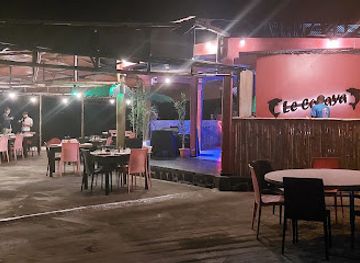
Restaurant & Grill Le Coraya
Discover the culinary delights of Comoros at Restaurant & Grill Le Coraya—where flavor meets tradition in an enchanting setting.
-
Restaurant
MoCafe
Discover MoCafe: A delightful culinary oasis in Moroni offering local flavors and international cuisine amidst a vibrant atmosphere.
-
Restaurant
Restaurant L'Escale
Experience authentic Comorian cuisine at Restaurant L'Escale, where local flavors meet stunning coastal views in Moroni.


Best bars in Fomboni
Fomboni does not have a large nightclub or late-night entertainment district. Evening life is more likely to centre on family visits, cafés, informal conversation, small restaurants and occasional social gatherings than on a commercial club scene. As a predominantly Muslim town, public drinking is not central to local culture, and visitors should be discreet and respectful about alcohol; availability may be limited. The waterfront and main streets become quieter after dark, so evening walks should be planned with local advice and reliable transport back to accommodation. Some guesthouses or restaurants may offer a simple evening meal, but opening arrangements are informal and changeable. Anyone seeking live music or a particular event should ask locally rather than rely on outdated listings, and should remember that religious observance, weather and island logistics can shape the town’s evening rhythm.
-
Restaurant
Restaurant & Grill Le Coraya
Discover the delightful tastes of Comoros at Restaurant & Grill Le Coraya, a culinary gem in Itsandra, perfect for food lovers and tourists.
-
Restaurant
MoCafe
Discover the flavors of Comoros at MoCafe in Moroni, where local cuisine meets a welcoming atmosphere for an unforgettable dining experience.
-
Restaurant
Le coelecanthe restaurant et piscine
Explore the flavors of Comoros at Le Coelecanthe Restaurant et Piscine, where fresh ingredients meet a stunning poolside setting.
-
Hotel
Le Relais de Singani hôtel
Discover the beauty of Comoros at Le Relais de Singani Hôtel, a charming getaway in Fomboni offering comfort and local hospitality.


Best nightclubs in Fomboni
Fomboni does not have a large nightclub or late-night entertainment district. Evening life is more likely to centre on family visits, cafés, informal conversation, small restaurants and occasional social gatherings than on a commercial club scene. As a predominantly Muslim town, public drinking is not central to local culture, and visitors should be discreet and respectful about alcohol; availability may be limited. The waterfront and main streets become quieter after dark, so evening walks should be planned with local advice and reliable transport back to accommodation. Some guesthouses or restaurants may offer a simple evening meal, but opening arrangements are informal and changeable. Anyone seeking live music or a particular event should ask locally rather than rely on outdated listings, and should remember that religious observance, weather and island logistics can shape the town’s evening rhythm.
-
Night club
نجم القمر
Experience the vibrant nightlife of Comoros at Njam Al Qamar, where music, dance, and culture blend for an unforgettable night.
Best shops in Fomboni
Shopping in Fomboni is practical and local rather than extensive or luxury-oriented. The central market is the principal place to look for seasonal fruit, vegetables, fish, spices, household goods and everyday clothing, while small shops stock imported essentials with availability that can vary. Visitors may find locally produced food items and simple handicrafts through market traders or personal recommendations, but the selection is not as predictable as in a major tourist centre. Comorian textiles, woven goods, jewellery and carved or decorative objects may be available, although buyers should ask about provenance and avoid products made from protected wildlife, coral or other natural materials. Bargaining is not automatically appropriate everywhere, so observe local practice and agree prices politely before purchase. Carry cash in small denominations and remember that Fomboni’s shops generally serve residents first; its strongest souvenirs are often food products, textiles or modest handmade items acquired directly and respectfully.
-
Supermarket
MAG MARKET
Discover the heart of Comorian culture at MAG MARKET, a vibrant supermarket offering fresh local produce and unique island flavors.
-
Clothing store
Que Des Marques Chez Nabil
Discover the vibrant fashion scene of Moroni at Que Des Marques Chez Nabil, where local and international styles come together.
-
Building materials store
Super A Moroni
Explore Super A Moroni, your go-to building materials store in Moroni, Comoros, offering quality supplies for all your construction needs.
-
Shopping mall
Place Chindoni
Experience the vibrant shopping scene at Place Chindoni in Koimbani, Comoros, where local culture and unique finds await every visitor.


Get your free copy of our complete guide to Fomboni, delivered straight to you.
Everything on this page, from attractions and restaurants to essentials and local phrases, in one PDF you can read offline, print or share.
Already have an account? Sign in
Your Fomboni guide is ready.
We'll send it to · Not you? Sign out

Getting your guide ready…
We are putting together a fresh copy of the Fomboni guide. This can take up to a minute.
This can take a few moments. If your browser asks, choose Allow so the download can start. You'll find the guide in your Downloads folder.
Nothing happened? Download it again
Sorry, the guide is taking longer than usual. Please try again in a minute, or get it by email instead.
Fomboni essentials
Currency and Payment
Safety
Emergency Situations
Do's and Don'ts
Local Tips
From Eve
Local phrases worth knowing
You don't need to get them perfect. A few words go a long way, and locals appreciate the effort.
Basics
| English | Local | Say it |
|---|---|---|
| Hello | Salama | [sah-lah-mah] |
| Goodbye | Sayo | [sah-yoh] |
| Yes | Ehe | [eh-heh] |
| No | Ala | [ah-lah] |
| Please/You’re welcome | Tafadhali | [tah-fah-dhah-lee] |
| Thank you | Mérci | [mehr-see] |
| Excuse me/Sorry | Pole | [poh-leh] |
| How are you? | Habari gani? | [hah-bah-ree gah-nee] |
| Fine. And you? | Nzuri. Na wewe? | [n-zoo-ree. nah weh-weh] |
| Do you speak English? | Unazungumza Kiingereza? | [oo-nah-zoo-ngum-zah kee-in-geh-reh-zah] |
| I don’t understand | Sielewi | [see-eh-leh-wee] |
Eating & Drinking
| English | Local | Say it |
|---|---|---|
| I’d like to see the menu, please | Ningependa kuona menu, tafadhali | [neen-geh-pen-dah koo-nah meh-noo, tah-fah-dhah-lee] |
| I don’t eat meat | Sili nyama | [see-lee nyah-mah] |
| Cheers! | Afya! | [ah-fyah] |
| I would like to pay, please | Ningependa kulipa, tafadhali | [neen-geh-pen-dah koo-lee-pah, tah-fah-dhah-lee] |
Emergencies
| English | Local | Say it |
|---|---|---|
| Help! | Nisaidie! | [nee-sah-ee-dee-eh] |
| Go away! | Ondoka! | [on-doh-kah] |
| Call the Police! | Piga simu ya polisi! | [pee-gah see-moo yah poh-lee-see] |
| Call a doctor! | Piga simu daktari! | [pee-gah see-moo dahk-tah-ree] |
| I’m lost | Nimepotea | [nee-meh-poh-teh-ah] |
| I’m ill | Ninaumwa | [nee-nah-oom-wah] |
Shopping
| English | Local | Say it |
|---|---|---|
| I’d like to buy... | Ningependa kununua... | [neen-geh-pen-dah koo-noo-noo-ah] |
| I’m just looking | Natazama tu | [nah-tah-zah-mah too] |
| How much is it? | Ni shilingi ngapi? | [nee shee-lin-gee ngah-pee] |
| That’s too expensive | Hiyo ni ghali sana | [hee-yoh nee gah-lee sah-nah] |
| Can you lower the price? | Unaweza kupunguza bei? | [oo-nah-weh-zah koo-poon-goo-zah beh-ee] |
Time & Numbers
| English | Local | Say it |
|---|---|---|
| What time is it? | Ni saa ngapi? | [nee sah ngah-pee] |
| It’s one o’clock | Ni saa moja | [nee sah moh-jah] |
| Half past (10) | Nusu saa kumi | [noo-soo sah-koo-mee] |
| Morning | Asubuhi | [ah-soo-boo-hee] |
| Afternoon | Mchana | [m-chah-nah] |
| Evening | Jioni | [jee-oh-nee] |
| Yesterday | Jana | [jah-nah] |
| Today | Leo | [leh-oh] |
| Tomorrow | Kesho | [keh-shoh] |
| 1 | Moja | [moh-jah] |
| 2 | Mbili | [m-bee-lee] |
| 3 | Tatu | [tah-too] |
| 4 | Nne | [n-neh] |
| 5 | Tano | [tah-noh] |
| 6 | Sita | [see-tah] |
| 7 | Saba | [sah-bah] |
| 8 | Nane | [nah-neh] |
| 9 | Tisa | [tee-sah] |
| 10 | Kumi | [koo-mee] |
Transport & Directions
| English | Local | Say it |
|---|---|---|
| Where's a/the...? | Iko wapi...? | [ee-koh wah-pee] |
| What's the address? | Anwani ni gani? | [ahn-wah-nee nee gah-nee] |
| Can you show me (on the map)? | Unaweza kunionesha (katika ramani)? | [oo-nah-weh-zah koo-nee-oh-neh-shah (kah-tee-kah rah-mah-nee)] |
| When's the next (bus)? | Basi ijayo lini? | [bah-see ee-jah-yoh lee-nee] |
| A ticket (to ....) | Tiketi (ya....) | [tee-keh-tee (yah....)] |
History of Fomboni
Early Indian Ocean Settlement and Trade
Mohéli’s history developed through the movement of peoples and goods across the western Indian Ocean. Austronesian, African, Arab, Persian and Malagasy influences reached the Comoros over many centuries, producing a culture expressed through language, Islam, family networks, architecture and maritime trade. Coastal settlements such as the area around present-day Fomboni were connected to wider sailing routes linking East Africa, Madagascar, the Arabian Peninsula and other Comorian islands. Archaeological evidence across the archipelago shows that island communities were not isolated, although the surviving historical record is uneven and many traditions were passed through oral memory.
Islamic Sultanates and Comorian Political Networks
From the medieval period, Islam became central to Comorian society, while local rulers governed coastal settlements and interacted with neighbouring islands. Mohéli was part of a shifting political world in which sultanates, prominent families and trading communities competed and formed alliances. Power was frequently connected to control of ports, agricultural production and maritime relationships rather than to sharply defined modern borders. Fomboni’s role as a settlement and port reflects this wider pattern of coastal urban life, in which religious institutions and commercial activity helped organise communities.
The Mohéli Sultanate and Queen Jumbe Fatima
Mohéli developed its own sultanate during the nineteenth century, with Jumbe Fatima among the island’s best-known rulers. Her reign coincided with increased European interest in the Comoros and growing pressure from foreign traders and colonial powers. In 1886, she signed an agreement placing Mohéli under French protection. The episode illustrates how Comorian rulers attempted to manage external influence while preserving local authority, and it marked a decisive step towards the colonial restructuring of the island. Fomboni, as a coastal settlement, was directly connected to the political and maritime changes of this period.
French Colonial Rule
French influence expanded across the Comoros during the late nineteenth and early twentieth centuries, and the islands were eventually administered within the French colonial system. Colonial rule altered landholding, administration, education, trade and the movement of labour, while Christian missionary activity and export-oriented economic policies remained more limited than in some other colonial territories. French became an important administrative language alongside Comorian languages and Arabic. The colonial period also embedded the islands within political arrangements that later separated Mayotte from the independent Comoros.
Independence and the Comorian Union, 1975–2001
The Comoros declared independence from France in 1975, although Mayotte remained under French administration after the island’s inhabitants voted to retain their connection with France. The new state experienced political instability, coups and disputes over the balance of power between its islands. Mohéli briefly declared independence in 1997 during a period of severe national tension. A negotiated settlement led to the Fomboni Agreement of 2001, which helped establish a new federal-style constitutional framework for the Union of the Comoros and gave the islands increased autonomy within the national system.
Fomboni in Contemporary Mohéli
In the contemporary Comoros, Fomboni functions as Mohéli’s administrative centre, port and principal urban settlement. Its development has been shaped by the practical needs of a small island: importing goods, connecting communities, supporting fishing and agriculture, and providing government and commercial services. Mohéli remains less urbanised and less visited than Grande Comore, while environmental protection has become increasingly important because of the island’s forests, reefs, coastal habitats and marine life. Fomboni therefore combines the visible legacies of Comorian and colonial history with the everyday realities of a small, environmentally sensitive island economy.
Fomboni in Photos
Browse through our photo collection highlighting the charm and character of the destination.
Neighbouring regions of Fomboni
The closest regions to Fomboni, if you have time for more than one.
-

-

-

-

-


Swipe for more regions
Explore more

Explore more of Comoros
Discover Comoros - an untouched paradise in the Indian Ocean with pristine beaches, rich culture, and stunning natural beauty for a truly unique travel experience.
Explore Comoros