

Mwali, Comoros Travel Guide
Discover Mwali in Comoros, a serene island paradise with pristine beaches, rich marine life, and a vibrant cultural heritage perfect for eco-tourism enthusiasts.
Mwali, also known as Mohéli, is a small island in the Comoros archipelago, located in the Indian Ocean. This serene island is a haven for nature lovers and those seeking a peaceful retreat. Unlike its more bustling counterparts, Mwali offers an untouched paradise that feels like a step back in time. Its lush forests, pristine beaches, and vibrant marine life make it a perfect spot for eco-tourism and adventure. Mwali is home to the Mohéli Marine Park, the first protected marine area in the Comoros. The park is renowned for its rich biodiversity, including endangered species such as the green sea turtle and the dugong. Snorkeling and diving here offer unparalleled experiences, with vibrant coral reefs and a plethora of marine creatures. The island's interior is equally captivating, with dense rainforests, waterfalls, and endemic wildlife, making it a paradise for hikers and bird watchers. The local culture in Mwali is deeply rooted in tradition, with influences from African, Arab, and French heritage. Visitors can explore charming villages, where locals are known for their warm hospitality. Traditional music and dance are integral to life on the island, and festivals offer a glimpse into the vibrant cultural tapestry. Whether you're lounging on a secluded beach, exploring the underwater world, or immersing yourself in local traditions, Mwali promises an unforgettable experience.

Know before you go
Hi, I'm Eve. Here are a few practical things to know before exploring Mwali.
- Visit during the dry season from May to October for the best weather.
- Pack reef-safe sunscreen to protect the delicate marine ecosystems.
- Respect local customs and dress modestly, especially in villages.
- Hire a local guide to explore the island's interior and learn about its flora and fauna.
- Bring cash as ATMs are limited and credit card acceptance is rare.
Destinations in Mwali
Resorts, valleys and scenic spots worth a trip of their own.


Best landmarks in Mwali
Top-rated picks
Best Landmarks

Ngazidja
Discover the breathtaking landscapes, vibrant culture, and pristine beaches of Ngazidja, the largest island in the beautiful Comoros archipelago.

Moheli Laka Lodge
Discover tranquility and adventure at Moheli Laka Lodge, a serene escape on the beautiful island of Moheli in the Comoros archipelago.

Bouni Beach
Discover the serene beauty of Bouni Beach, a hidden gem in the Comoros, perfect for relaxation and water sports amidst stunning natural scenery.

Le Trou Du Prophète
Discover the beauty and culture of Comoros at Le Trou Du Prophète, a tranquil recreation center perfect for adventure seekers and nature lovers alike.

Best restaurants in Mwali
Top-rated picks
Best Restaurants

Retaj Moroni Hotel
Experience comfort and culture at Retaj Moroni Hotel in beautiful Moroni, Comoros - your perfect getaway.

Restaurant & Grill Le Coraya
Experience the rich flavors of Comorian cuisine at Restaurant & Grill Le Coraya – where every meal is a celebration of local culture.

Moheli Laka Lodge
Discover serenity at Moheli Laka Lodge in Comoros - a tranquil escape blending comfort with stunning natural beauty.
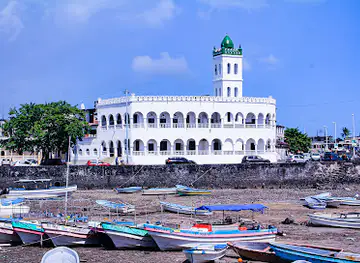
MoCafe
Experience authentic Comorian flavors at MoCafe in Moroni – where every meal tells a story.

Best bars in Mwali
Top-rated picks
Best Bars
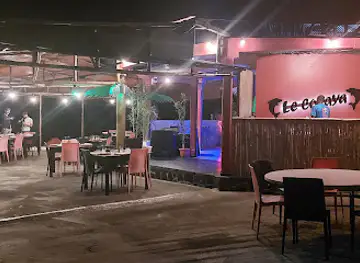
Restaurant & Grill Le Coraya
Experience the vibrant flavors of Comoros at Restaurant & Grill Le Coraya, where culinary excellence meets a welcoming ambiance.
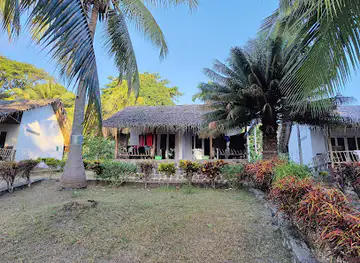
Moheli Laka Lodge
Experience the tranquil beauty and sustainable luxury at Moheli Laka Lodge in Comoros, where local cuisine meets breathtaking nature.
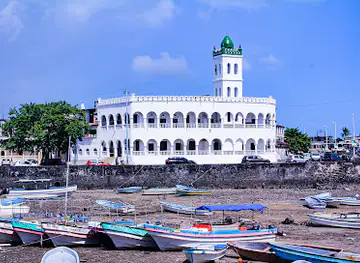
MoCafe
Experience the rich flavors of Comoros at MoCafe in Moroni, where local cuisine meets global tastes in a cozy and vibrant setting.

Restaurant L'Escale
Experience the authentic flavors of Comoros at Restaurant L'Escale, where local cuisine meets stunning coastal views in Moroni.

Best nightclubs in Mwali
Top-rated picks
Best Nightclubs
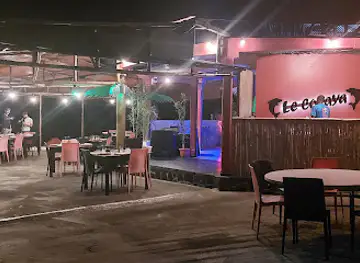
Restaurant & Grill Le Coraya
Discover the essence of Comorian cuisine at Restaurant & Grill Le Coraya, where every meal is a celebration of local flavors and hospitality.

New Select Restaurant
Experience authentic Comorian cuisine at New Select Restaurant in Moroni, where local flavors blend with warm hospitality.

CHEZ NINI BAR GRILL
Experience the vibrant culinary scene at Chez Nini Bar Grill in Mitsamiouli, where local flavors and warm hospitality come together.
نجم القمر
Discover the vibrant nightlife of نجم القمر in Ntsaouéni, Comoros, where culture meets entertainment in an unforgettable atmosphere.

Best shops in Mwali
Top-rated picks
Best Shops

massiwa diving center
Discover the vibrant marine life and stunning coral reefs at Massiwa Diving Center in Nioumachoua, Comoros - a diver's paradise awaits!

MAG MARKET
Explore the vibrant flavors of Comoros at MAG MARKET, a supermarket offering fresh produce, local snacks, and unique culinary delights.

Que Des Marques Chez Nabil
Explore Que Des Marques Chez Nabil for a blend of European and Comorian fashion, making your shopping experience in Moroni unforgettable.
Super A Moroni
Explore Super A Moroni, the premier building materials store in Moroni, Comoros, offering quality supplies for all your construction needs.

Explore Mwali on the Map
A handpicked selection of must-see spots in Mwali, mapped for you.
Mwali Essentials
-
Mwali, also known as Mohéli, is one of the islands of the Comoros archipelago. The primary way to reach Mwali is to fly into Prince Said Ibrahim International Airport (HAH) on Grande Comore, the largest island. From there, you can take a domestic flight to Bandar Es Eslam Airport on Mwali. Alternatively, you can take a ferry from Moroni, the capital of Grande Comore, to Fomboni, the largest town on Mwali. Flights and ferries are subject to weather conditions, so plan accordingly.
-
Transportation on Mwali is relatively limited, but this adds to its charm. The main modes of transportation are taxis, rental cars, and motorbikes. Taxis are available in Fomboni and can be hired for both short trips and day-long excursions. Renting a car or motorbike is a convenient option for exploring the island at your own pace. There are no formal public buses, but shared taxis (known locally as 'bush taxis') operate on a few main routes.
-
The official currency of Comoros is the Comorian Franc (KMF). Credit cards are not widely accepted, so it is advisable to carry cash. ATMs are available in Fomboni, but they may not always be reliable. It's best to withdraw sufficient cash before arriving on the island. Exchange services are available at banks and some hotels.
-
Mwali is generally a safe destination for tourists. However, like any travel destination, it is important to take standard precautions. Avoid walking alone at night in unfamiliar areas and keep an eye on your belongings in crowded places. The crime rate is relatively low, but petty theft can occur. There are no specific high-crime areas targeting tourists, but remaining vigilant is always recommended.
-
In case of an emergency, dial 17 for police assistance and 18 for medical emergencies. The island has a small hospital in Fomboni and several clinics throughout the island. It is recommended to have travel insurance that covers medical emergencies. For minor health issues, there are pharmacies where you can purchase over-the-counter medications.
-
Fashion: Do dress modestly, especially when visiting religious sites. Avoid wearing revealing clothing. Religion: Do respect local customs and traditions. It is customary to remove your shoes before entering a mosque. Public Transport: Do respect local transportation customs. Don’t expect formal schedules for bush taxis. Greetings: Do greet people with a friendly 'Salam Alaikum.' A handshake is also common. Eating & Drinking: Do try local dishes and accept food offerings graciously. Don't refuse hospitality, as it is considered impolite.
-
To experience Mwali like a local, visit the local markets in Fomboni where you can buy fresh produce and traditional Comorian goods. Engage with locals, as they are often friendly and willing to share stories about the island's history and culture. Don't miss visiting the marine parks and enjoying activities like snorkeling and diving. For a unique experience, take a boat trip to see the island’s untouched beaches and marine life.
When is the best time to visit Mwali?
Useful Local Phrases for Mwali
You don't need to speak the language perfectly. Even learning a few simple words can make conversations warmer—and locals usually appreciate the effort.
— Eve

Here are the phrases I use most often in Mwali. Try a few—you'll be surprised how far they go! 😊
❤️
-
- HelloSalama
[sah-lah-mah] - GoodbyeTsalama
[tsah-lah-mah] - YesEhe
[eh-heh] - NoAyi
[ah-yee] - Please/You're welcomeTafadhali
[tah-fah-dah-lee] - Thank youAsante
[ah-sahn-teh] - Excuse me/SorryPole
[poh-leh] - How are you?Habari gani?
[hah-bah-ree gah-nee] - Fine. And you?Nzuri. Na wewe?
[n-zoo-ree. nah weh-weh] - Do you speak English?Unaongea Kiingereza?
[oo-nah-on-geh-rah kee-in-geh-reh-zah] - I don't understandSielewi
[see-eh-leh-wee]
- HelloSalama
-
- I'd like to see the menu, pleaseNingependa kuona menyu, tafadhali
[neen-geh-pen-dah koo-nah men-yoo, tah-fah-dah-lee] - I don't eat meatSili nyama
[see-lee nyah-mah] - Cheers!Afya!
[ah-fyah] - I would like to pay, pleaseNingependa kulipa, tafadhali
[neen-geh-pen-dah koo-lee-pah, tah-fah-dah-lee]
- I'd like to see the menu, pleaseNingependa kuona menyu, tafadhali
-
- Help!Nisaidie!
[nee-sah-ee-dee-eh] - Go away!Ondoka!
[on-doh-kah] - Call the Police!Piga simu Polisi!
[pee-gah see-moo poh-lee-see] - Call a doctor!Piga simu daktari!
[pee-gah see-moo dahk-tah-ree] - I'm lostNimepotea
[nee-meh-poh-teh-ah] - I'm illNiko mgonjwa
[nee-koh m-gon-jwah]
- Help!Nisaidie!
-
- I'd like to buy...Ningependa kununua...
[neen-geh-pen-dah koo-noo-noo-ah] - I'm just lookingNatazama tu
[nah-tah-zah-mah too] - How much is it?Ni shilingi ngapi?
[nee shee-lin-gee ngah-pee] - That's too expensiveHiyo ni ghali sana
[hee-yoh nee gah-lee sah-nah] - Can you lower the price?Unaweza kupunguza bei?
[oo-nah-weh-zah koo-poo-ngo-zah beh-ee]
- I'd like to buy...Ningependa kununua...
-
- What time is it?Saa ngapi?
[sah ngah-pee] - It's one o'clockNi saa moja
[nee sah moh-jah] - Half past (10)Nusu ya saa kumi
[noo-soo yah sah kah-mee] - MorningAsubuhi
[ah-soo-boo-hee] - AfternoonMchana
[m-chah-nah] - EveningJioni
[jee-oh-nee] - YesterdayJana
[jah-nah] - TodayLeo
[leh-oh] - TomorrowKesho
[keh-shoh] - 1Moja
[moh-jah] - 2Mbili
[m-bee-lee] - 3Tatu
[tah-too] - 4Nne
[n-nay] - 5Tano
[tah-noh] - 6Sita
[see-tah] - 7Saba
[sah-bah] - 8Nane
[nah-neh] - 9Tisa
[tee-sah] - 10Kumi
[koo-mee]
- What time is it?Saa ngapi?
-
- Where's a/the...?Iko wapi...?
[ee-koh wah-pee] - What's the address?Anwani ni ipi?
[an-wah-nee nee ee-pee] - Can you show me (on the map)?Unaweza kunionyesha (katika ramani)?
[oo-nah-weh-zah koo-nee-oh-nyes-hah (kah-tee-kah rah-mah-nee)] - When's the next (bus)?Basi inayofuata ni lini?
[bah-see ee-nah-yoh-fwah-tah nee lee-nee] - A ticket (to ....)Tiketi (ya ...)
[tee-keh-tee (yah ...)]
- Where's a/the...?Iko wapi...?
History of Mwali
-
The history of Mwali, also known as Mohéli, dates back to early Arab settlers who arrived between the 9th and 11th centuries. These traders and sailors established the foundations of Islamic culture and commerce on the island, influencing its architecture, language, and societal norms. The Arab influence is still evident today in the island’s mosques and the widespread practice of Islam.
-
In the 15th century, the Shirazi Arabs from Persia established the Shirazi Dynasty on Mwali, introducing a new era of prosperity and political stability. This dynasty was known for its robust trade networks, which connected Mwali with other parts of the Swahili Coast, the Arabian Peninsula, and even as far as India. The Shirazi rulers left an indelible mark on the island’s culture, especially in terms of art, cuisine, and governance.
-
The 16th century saw the arrival of European explorers, with the Portuguese being the first to navigate the waters around Mwali. However, it was the French who eventually colonized the island in the 19th century. The French colonial period brought significant changes, including the introduction of plantation agriculture, particularly vanilla and cloves, which became major exports. The colonial influence also led to the development of infrastructure and the introduction of the French language, which remains one of the official languages.
-
The mid-20th century was marked by a growing movement for independence across the Comoros, including Mwali. In 1975, Mwali, along with the other islands in the Comoros archipelago, declared independence from France. This period was characterized by political upheaval and a series of coups as the young nation sought to establish a stable government. Despite these challenges, the spirit of independence and self-determination remained strong among the people of Mwali.
-
Mwali is renowned for its lush landscapes, pristine beaches, and rich biodiversity. The island is home to the Moheli Marine Park, the first protected marine area in the Comoros. Established in 2001, the park is a sanctuary for a diverse array of marine life, including dolphins, whales, and sea turtles. The island’s terrestrial ecosystems are equally impressive, with dense forests that are home to unique species such as the endangered Livingstone's fruit bat. This natural heritage is a vital part of Mwali’s identity and draws ecotourists from around the world.
-
The cultural fabric of Mwali is a vibrant tapestry woven from its diverse historical influences. Traditional music, dance, and crafts are integral to the island’s cultural heritage. The 'msondo,' a traditional dance accompanied by drumming and singing, is a significant aspect of Mwali’s cultural expression. The islanders also celebrate numerous festivals and religious ceremonies that reflect their Islamic faith and African heritage. These cultural practices are not only a source of pride but also a way of preserving the island’s rich history for future generations.
Neighbouring Regions of Mwali
The closest regions to Mwali, if you have time for more than one.


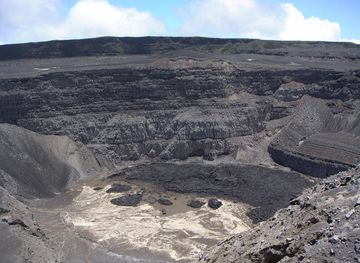

Your all‑in‑one travel companion app
Explore expert travel guides, compare and book tours, experiences, hotels, and more—all from the palm of your hand. Download now for seamless trip planning wherever your wanderlust takes you.


Explore More of Comoros

Looking beyond Mwali? Discover Comoros for broader travel guides, local hot-spots, and regional highlights.
Explore ComorosMwali in Photos
Browse through our photo collection highlighting the charm and character of the destination.


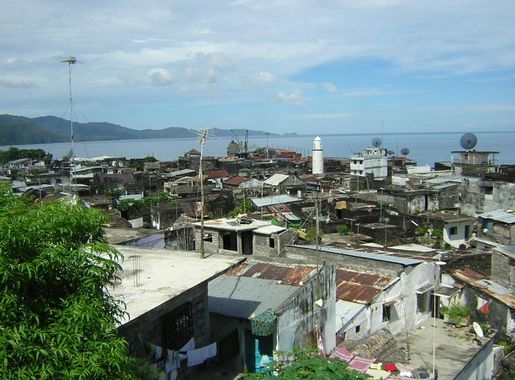


Mwali: The Hidden Gem of the Comoros Archipelago
Mwali, also known as Mohéli, is a small island in the Comoros archipelago, located in the Indian Ocean. This serene island is a haven for nature lovers and those seeking a peaceful retreat. Unlike its more bustling counterparts, Mwali offers an untouched paradise that feels like a step back in time. Its lush forests, pristine beaches, and vibrant marine life make it a perfect spot for eco-tourism and adventure. Mwali is home to the Mohéli Marine Park, the first protected marine area in the Comoros. The park is renowned for its rich biodiversity, including endangered species such as the green sea turtle and the dugong. Snorkeling and diving here offer unparalleled experiences, with vibrant coral reefs and a plethora of marine creatures. The island's interior is equally captivating, with dense rainforests, waterfalls, and endemic wildlife, making it a paradise for hikers and bird watchers. The local culture in Mwali is deeply rooted in tradition, with influences from African, Arab, and French heritage. Visitors can explore charming villages, where locals are known for their warm hospitality. Traditional music and dance are integral to life on the island, and festivals offer a glimpse into the vibrant cultural tapestry. Whether you're lounging on a secluded beach, exploring the underwater world, or immersing yourself in local traditions, Mwali promises an unforgettable experience.