

Mohéli, Comoros Travel Guide
Discover Mohéli: A Tranquil Island Paradise in Comoros with Pristine Beaches, Lush Forests, and Vibrant Marine Life
Mohéli, the smallest island in the Comoros archipelago, is a true gem for those seeking unspoiled natural beauty and tranquility. This enchanting island is known for its lush forests, pristine beaches, and vibrant marine life. Mohéli Marine Park, Comoros' only national park, is a haven for snorkeling and diving enthusiasts. Here, you can swim with sea turtles, observe humpback whales, and explore the stunning coral reefs that teem with colorful fish. Despite its small size, Mohéli offers a rich cultural experience. The island's capital, Fomboni, is a charming town where you can stroll through bustling markets, savor local cuisine, and interact with friendly locals. Traditional music and dance are an integral part of the island's culture, and visitors are often invited to join in celebrations and festivals. Mohéli's untamed landscapes are perfect for outdoor adventures. Hiking trails through dense rainforests lead to breathtaking viewpoints and hidden waterfalls. The island's interior is dotted with small villages where life moves at a slower pace, offering a glimpse into the traditional Comorian way of life. Whether you're lounging on secluded beaches, exploring the underwater world, or immersing yourself in the local culture, Mohéli promises an unforgettable experience.

Know before you go
Hi, I'm Eve. Here are a few practical things to know before exploring Mohéli.
- Plan your visit during the dry season from May to October for the best weather.
- Bring cash as ATMs are scarce and many places do not accept credit cards.
- Hire a local guide for a more enriching experience and to navigate hiking trails safely.
- Respect local customs and dress modestly, especially in villages and religious sites.
- Try local dishes such as Langouste à la Vanille (lobster with vanilla) for a unique culinary experience.
Destinations in Mohéli
Resorts, valleys and scenic spots worth a trip of their own.

Explore Mohéli: Things to Do, Places to Eat, Hotels & More
Handpicked recommendations for top attractions, local dining, accommodations, and more

Top Attractions & Sightseeing in Mohéli
Top-rated picks
Best Attractions

Chissioua Dzaha
Discover the unspoiled beauty of Chissioua Dzaha, a tranquil island escape in the Comoros archipelago, offering pristine beaches and lush landscapes.
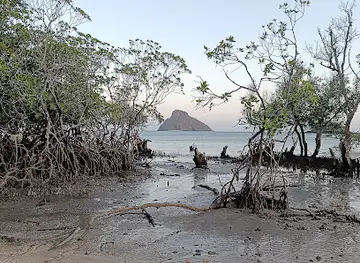
Le Gala - Mohéli
Discover Le Gala in Mohéli: Where stunning landscapes meet vibrant culture, offering an unforgettable Comorian escape.

Best landmarks in Mohéli
Top-rated picks
Best Landmarks
Moheli Laka Lodge
Experience the serene beauty of Moheli Laka Lodge, a tranquil retreat in the heart of the Comoros, where relaxation meets adventure in a tropical paradise.

Vanilla Lodge Mohéli
Discover the beauty of Moheli at Vanilla Lodge, where comfort meets nature in the heart of the Comoros archipelago.

Grande Mosquée de Moroni مسجد
Experience the cultural richness and architectural beauty of the Grande Mosquée de Moroni, a must-see landmark in the heart of the Comoros Islands.

Mwali
Experience the untouched beauty and cultural richness of Mwali Island in the Comoros, a tranquil getaway that promises unforgettable memories.

Best restaurants in Mohéli
Top-rated picks
Best Restaurants

New Mumbai Restaurant
Experience exquisite flavors at New Mumbai Restaurant in Moroni – where Indian cuisine meets Comorian tradition.

Restaurant & Grill Le Coraya
Discover the vibrant flavors and warm hospitality at Restaurant & Grill Le Coraya in Itsandra Mdjini, Comoros - A true taste of island life.
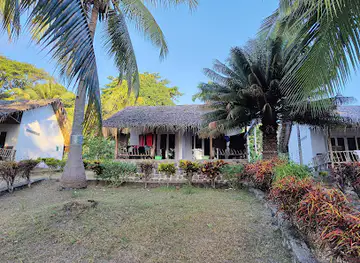
Moheli Laka Lodge
Experience serene beauty and authentic culture at Moheli Laka Lodge in Comoros – your gateway to adventure.

MoCafe
Experience the rich flavors of Comoros at MoCafe in Moroni - where culinary delights meet cultural charm.

Best bars in Mohéli
Top-rated picks
Best Bars

Restaurant & Grill Le Coraya
Discover the culinary delights at Restaurant & Grill Le Coraya in Comoros, where local flavors meet international cuisine in a charming setting.

Moheli Laka Lodge
Discover the serene beauty of Moheli at Laka Lodge, where local culture, stunning landscapes, and eco-friendly practices meet.

MoCafe
Discover the flavors of Comoros at MoCafe, a charming restaurant in Moroni offering local and international cuisine in a welcoming atmosphere.

New Select Restaurant
Discover the authentic flavors of Comoros at New Select Restaurant, a culinary haven in Moroni for all food lovers.


Best shops in Mohéli
Top-rated picks
Best Shops

Moheli Laka Lodge
Experience paradise at Moheli Laka Lodge, a tranquil haven in Comoros with stunning views, local culture, and unforgettable adventures.

massiwa diving center
Explore the vibrant underwater wonders at Massiwa Diving Center in Nioumachoua, Comoros – a scuba diver's paradise with expert instructors and stunning marine life.

Place Chindoni
Discover the vibrant shopping scene at Place Chindoni in Koimbani, where local crafts meet modern retail in a lively atmosphere.

MAG MARKET
Discover the essence of Moroni at MAG MARKET, a vibrant supermarket offering local flavors and unique souvenirs in Comoros.

Explore Mohéli on the Map
A handpicked selection of must-see spots in Mohéli, mapped for you.
Mohéli Essentials
-
Mohéli, also known as Mwali, is one of the islands of the Comoros archipelago. The primary entry point is Bandar Es Eslam Airport (NWA). International flights typically connect through Prince Said Ibrahim International Airport (HAH) on Grande Comore. From there, you can take a domestic flight or a ferry to Mohéli. The ferry ride offers scenic views but can be weather-dependent.
-
Transportation options on Mohéli are relatively limited. Taxis are available, but they can be sparse, so it's advisable to arrange transportation in advance. Car rentals are not common, but you might be able to hire a car with a driver. For short distances, walking is a viable option, given the island's small size. Bicycles and scooters can also be rented for a more personal exploration of the island.
-
The official currency of Comoros is the Comorian Franc (KMF). Credit cards are rarely accepted, so it is essential to carry cash. There are limited ATMs on Mohéli, and they may not always be operational, so it's advisable to withdraw sufficient cash in Moroni, the capital city on Grande Comore, before traveling to Mohéli. Euros and US dollars are sometimes accepted, but it's best to have local currency.
-
Mohéli is generally a safe destination, but standard travel precautions should be observed. Petty theft can occur, so keep your belongings secure and avoid displaying valuables. There are no specific high-crime areas targeting tourists, but it's advisable to avoid isolated areas at night. Always stay aware of your surroundings and consult locals for the latest safety advice.
-
In case of emergency, dial 17 for the police or 18 for medical emergencies. The main hospital on Mohéli is located in Fomboni, the island's largest town. It is advisable to have travel insurance that covers medical emergencies, as medical facilities may be limited. For minor health issues, there are pharmacies in Fomboni where you can purchase over-the-counter medications.
-
Fashion: Do dress modestly to respect local customs. Avoid wearing revealing clothing. Religion: Do respect Islamic traditions; most of the population is Muslim. Public Transport: Do be patient, as schedules can be unpredictable. Don't expect formal timetables. Greetings: Do greet people with a handshake and a smile. Learning a few phrases in French or Comorian can be appreciated. Eating & Drinking: Do try local dishes like grilled fish and cassava. Don't refuse food offerings, as it may be considered impolite.
-
To experience Mohéli like a local, visit the local markets in Fomboni where you can buy fresh produce and traditional Comorian goods. Engage with locals, as they are often friendly and willing to share stories about the island's culture and history. Don't miss the chance to visit the Mohéli Marine Park, where you can observe sea turtles and humpback whales. For a unique experience, take a guided tour to the island's interior to explore its lush forests and small villages.
When is the best time to visit Mohéli?
Useful Local Phrases for Mohéli
You don't need to speak the language perfectly. Even learning a few simple words can make conversations warmer—and locals usually appreciate the effort.
— Eve

Here are the phrases I use most often in Mohéli. Try a few—you'll be surprised how far they go! 😊
❤️
-
- HelloSalama
[sah-lah-mah] - GoodbyeTsiwa
[tsee-wah] - YesIye
[ee-yeh] - NoAyi
[ah-yee] - Please/You're welcomeTafadhal
[tah-fah-dahl] - Thank youMasiwa
[mah-see-wah] - Excuse me/SorryPole
[poh-leh] - How are you?Habari gani?
[hah-bah-ree gah-nee] - Fine. And you?Mzuri. Na wewe?
[m-zoo-ree nah weh-weh] - Do you speak English?Unaongea Kiingereza?
[oo-nah-ohn-geh kee-een-geh-reh-zah] - I don't understandSielewi
[see-eh-leh-wee]
- HelloSalama
-
- I'd like to see the menu, pleaseNingependa kuona menyu, tafadhali
[neen-geh-pen-dah koo-nah men-yoo tah-fah-dah-lee] - I don't eat meatSikuli nyama
[see-koo-lee nyah-mah] - Cheers!Kiboko!
[kee-boh-koh] - I would like to pay, pleaseNingependa kulipa, tafadhali
[neen-geh-pen-dah koo-lee-pah tah-fah-dah-lee]
- I'd like to see the menu, pleaseNingependa kuona menyu, tafadhali
-
- Help!Nisaidie!
[nee-sah-ee-dee-eh] - Go away!Ondoka!
[on-doh-kah] - Call the Police!Piga simu polisi!
[pee-gah see-moo poh-lee-see] - Call a doctor!Piga simu daktari!
[pee-gah see-moo dahk-tah-ree] - I'm lostNimepotea
[nee-meh-poh-teh-ah] - I'm illNina ugonjwa
[nee-nah oo-gohn-jwah]
- Help!Nisaidie!
-
- I'd like to buy...Ningependa kununua...
[neen-geh-pen-dah koo-noo-noo-ah] - I'm just lookingNatazama tu
[nah-tah-zah-mah too] - How much is it?Ni shilingi ngapi?
[nee shee-lin-gee ngah-pee] - That's too expensiveHiyo ni ghali sana
[hee-yoh nee gah-lee sah-nah] - Can you lower the price?Unaweza kupunguza bei?
[oo-nah-weh-zah koo-poon-goo-zah beh-ee]
- I'd like to buy...Ningependa kununua...
-
- What time is it?Saa ngapi?
[sah ngah-pee] - It's one o'clockNiko saa moja
[nee-koh sah-ah moh-jah] - Half past (10)Nusu ya saa kumi
[noo-soo yah sah-ah koo-mee] - MorningAsubuhi
[ah-soo-boo-hee] - AfternoonMchana
[m-chah-nah] - EveningJioni
[jee-oh-nee] - YesterdayJana
[jah-nah] - TodayLeo
[leh-oh] - TomorrowKesho
[keh-shoh] - 1Moja
[moh-jah] - 2Mbili
[m-bee-lee] - 3Tatu
[tah-too] - 4Nne
[n-nay] - 5Tano
[tah-noh] - 6Sita
[see-tah] - 7Saba
[sah-bah] - 8Nane
[nah-neh] - 9Tisa
[tee-sah] - 10Kumi
[koo-mee]
- What time is it?Saa ngapi?
-
- Where's a/the...?Iko wapi ...?
[ee-koh wah-pee] - What's the address?Nini anwani?
[nee-nee ahn-wah-nee] - Can you show me (on the map)?Unaweza kunionyesha (katika ramani)?
[oo-nah-weh-zah koo-nee-oh-nyesh-ah kah-tee-kah rah-mah-nee] - When's the next (bus)?Basi litanifika lini?
[bah-see lee-tah-nee-fih-kah lee-nee] - A ticket (to ....)Tiketi (ya ...)
[tee-keh-tee yah]
- Where's a/the...?Iko wapi ...?
History of Mohéli
-
Mohéli, or Mwali as it is locally known, has a rich history dating back to early settlements by Bantu-speaking peoples. Archaeological evidence suggests that the island was first inhabited around the 8th century AD. These early settlers were primarily agrarian, cultivating crops and fishing in the surrounding waters.
-
By the 12th century, Mohéli became integrated into the Swahili Coast trade network, bringing significant Islamic influence and increasing the island's prosperity. Swahili traders established trade routes that connected Mohéli to other parts of East Africa, the Arabian Peninsula, and even as far as India. This period saw the flourishing of trade in ivory, slaves, and spices.
-
In the late 19th century, Mohéli, along with the other islands of the Comoros archipelago, fell under French colonial rule. In 1886, the French declared a protectorate over the island. This period was marked by the introduction of plantations, particularly for growing ylang-ylang, vanilla, and cloves, which became significant export products.
-
Mohéli, along with the other islands of the Comoros, gained independence from France on July 6, 1975. The post-independence period was characterized by political instability, with numerous coups and attempts at secession. In 1997, Mohéli declared independence from the Comoros, although this was not internationally recognized, and the island eventually rejoined the union.
-
Mohéli has a unique cultural identity that blends African, Arab, and French influences. Traditional music and dance, such as the 'twarab' style, are integral to social and religious ceremonies. The island is also known for its traditional wooden boats, called 'dhow,' which are still used for fishing and transport.
-
In recent years, Mohéli has become a leader in conservation efforts within the Comoros. The Mohéli Marine Park, established in 2001, is the first protected marine area in the country. It plays a crucial role in preserving the island's rich biodiversity, including endangered species such as the dugong and various sea turtles.
Neighbouring Regions of Mohéli
The closest regions to Mohéli, if you have time for more than one.


Your all‑in‑one travel companion app
Explore expert travel guides, compare and book tours, experiences, hotels, and more—all from the palm of your hand. Download now for seamless trip planning wherever your wanderlust takes you.


Explore More of Comoros

Looking beyond Mohéli? Discover Comoros for broader travel guides, local hot-spots, and regional highlights.
Explore ComorosMohéli in Photos
Browse through our photo collection highlighting the charm and character of the destination.


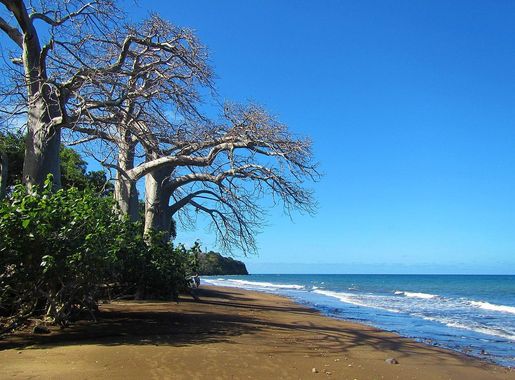


The Pristine Paradise of Mohéli
Mohéli, the smallest island in the Comoros archipelago, is a true gem for those seeking unspoiled natural beauty and tranquility. This enchanting island is known for its lush forests, pristine beaches, and vibrant marine life. Mohéli Marine Park, Comoros' only national park, is a haven for snorkeling and diving enthusiasts. Here, you can swim with sea turtles, observe humpback whales, and explore the stunning coral reefs that teem with colorful fish. Despite its small size, Mohéli offers a rich cultural experience. The island's capital, Fomboni, is a charming town where you can stroll through bustling markets, savor local cuisine, and interact with friendly locals. Traditional music and dance are an integral part of the island's culture, and visitors are often invited to join in celebrations and festivals. Mohéli's untamed landscapes are perfect for outdoor adventures. Hiking trails through dense rainforests lead to breathtaking viewpoints and hidden waterfalls. The island's interior is dotted with small villages where life moves at a slower pace, offering a glimpse into the traditional Comorian way of life. Whether you're lounging on secluded beaches, exploring the underwater world, or immersing yourself in the local culture, Mohéli promises an unforgettable experience.