

Free Nioumachoua Travel Guide & Mobile App
Explore Nioumachoua with free travel guides. Discover regional history, expert tips, proposed trips, and audio guides on web or mobile app.


Nioumachoua in Comoros offers quiet Mohéli beaches, marine wildlife, village life and boat trips among protected tropical islets.
Read more about Nioumachoua
When is the best time to visit Nioumachoua?
Best: June–August · 27–28°C| Month | High (°C) | Rainfall (mm) |
|---|---|---|
| January | 29 | 200 |
| February | 29 | 160 |
| March | 29 | 120 |
| April | 29 | 80 |
| May | 29 | 40 |
| June (best) | 28 | 20 |
| July (best) | 27 | 10 |
| August (best) | 27 | 20 |
| September | 28 | 40 |
| October | 28 | 80 |
| November | 29 | 120 |
| December | 29 | 160 |
Getting to and around Nioumachoua
How to get there
Transportation
Destinations in Nioumachoua
Resorts, valleys and scenic spots worth a trip of their own.

Swipe for more destinations
Best attractions in Nioumachoua
-
Mosque
Youssouf Madi Masjid
Discover the spiritual and cultural heart of Fomboni at the Youssouf Madi Masjid, a serene mosque showcasing Comorian Islamic heritage.

Best landmarks in Nioumachoua
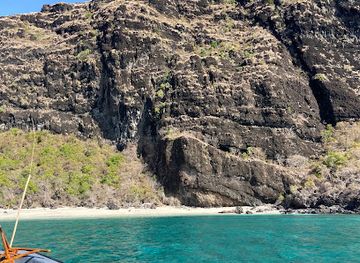
The most recognisable landmarks around Nioumachoua are geographical rather than monumental. The offshore Nioumachoua islets form a distinctive chain of low volcanic landforms set against the southern Mohéli coast, and their relationship with the surrounding reef and lagoon environment gives the area its visual identity. They are also symbols of the island’s conservation story, since the waters around Mohéli support habitats important to sea turtles, coral communities and other marine life. On the mainland, the village’s coastal setting, densely planted slopes and traditional community spaces express the relationship between settlement, cultivation and the ocean. There is no large castle, cathedral or colonial civic quarter dominating Nioumachoua; its significance lies in a lived landscape rather than a single constructed monument. The wider protected marine area, now associated with Mohéli National Park, is an environmental landmark of national importance, although conservation boundaries and visitor access should be confirmed locally. Fomboni’s urban buildings and harbour are useful points of orientation on Mohéli but are outside Nioumachoua and should not be described as landmarks of the village.
-
Tourist attraction
Îlots de Nioumachoua
Experience the breathtaking beauty of Îlots de Nioumachoua, a tropical paradise in the Comoros with pristine beaches and vibrant marine life.
-
Tourist attraction
Le Gala - Mohéli
Explore the natural beauty and cultural richness of Le Gala - Mohéli, a hidden gem in the Comoros Islands that promises an unforgettable experience.

Explore Nioumachoua on the map
Plan your trip on one map. See where the top cities, national parks and sights are, and book hotels and experiences in a few clicks.
Best hotels in Nioumachoua
Best restaurants in Nioumachoua
Dining in Nioumachoua is modest, local and closely connected to household cooking and small-scale hospitality. Meals commonly draw on rice, fish, coconut, cassava, bananas, breadfruit and other produce grown or traded on Mohéli, with spicing influenced by the Comoros’ long Indian Ocean connections. Guesthouses and locally arranged meals are generally more dependable than a wide choice of independent restaurants, so visitors should discuss meal times and dietary needs when booking. Fish may be served grilled or prepared with coconut and spices, while simple rice-based dishes form a regular foundation of Comorian eating. Tea and sweet, spiced drinks are common parts of hospitality, although availability varies. Markets and food stalls are more useful for observing everyday ingredients than for finding a large prepared-food scene. Fomboni offers a broader selection of provisions and places to eat, but it is outside Nioumachoua and should not be assumed to provide a convenient evening alternative after travelling to the village. Carrying snacks is sensible for boat trips and long road journeys.
-
Restaurant
Miari-resto
Experience authentic Comorian flavors at Miari-Resto in Fomboni - where every meal is a celebration of culture.
-
Breakfast
Sem Restaurant & Épicerie
Discover delightful breakfasts infused with local flavors at Sem Restaurant & Épicerie in Miringoni.


Best bars in Nioumachoua
Nioumachoua does not have a substantial nightclub scene. Evening life is centred on guesthouses, family compounds, small local eateries and informal social gatherings rather than dedicated entertainment districts. Visitors may find simple places serving tea, soft drinks or locally available refreshments, but opening arrangements are informal and should not be assumed. Alcohol is not central to public life in this predominantly Muslim community, and travellers should behave discreetly and respect local expectations. After dark, the village becomes quiet, with limited street lighting and few organised activities, making a torch useful for short walks near accommodation. The most rewarding evenings are often spent sharing a locally prepared meal, listening to the sounds of the coast or arranging the following day’s excursion. Travellers seeking a wider choice of shops or services will need to look towards Fomboni, outside Nioumachoua, rather than expect a resort-style nightlife infrastructure.
-
Restaurant
Restaurant & Grill Le Coraya
Experience the authentic tastes of Comoros at Restaurant & Grill Le Coraya, where local flavors meet warm hospitality in a vibrant setting.
-
Hotel
Moheli Laka Lodge
Experience the serene beauty of Moheli Laka Lodge, where eco-friendly hospitality meets stunning natural landscapes in Comoros.
-
Restaurant
Restaurant L'Escale
Experience the authentic flavors of Comoros at Restaurant L'Escale, a culinary gem in Moroni offering exquisite seafood and traditional dishes.
-
Beach pavillion
Bouni Beach
Bouni Beach: A serene coastal paradise in Comoros, perfect for sunbathing, swimming, and exploring vibrant marine life.


Best nightclubs in Nioumachoua
Nioumachoua does not have a substantial nightclub scene. Evening life is centred on guesthouses, family compounds, small local eateries and informal social gatherings rather than dedicated entertainment districts. Visitors may find simple places serving tea, soft drinks or locally available refreshments, but opening arrangements are informal and should not be assumed. Alcohol is not central to public life in this predominantly Muslim community, and travellers should behave discreetly and respect local expectations. After dark, the village becomes quiet, with limited street lighting and few organised activities, making a torch useful for short walks near accommodation. The most rewarding evenings are often spent sharing a locally prepared meal, listening to the sounds of the coast or arranging the following day’s excursion. Travellers seeking a wider choice of shops or services will need to look towards Fomboni, outside Nioumachoua, rather than expect a resort-style nightlife infrastructure.
-
 Night club
نجم القمر
Experience the vibrant nightlife of Comoros at Nجم القمر, a premier night club in Ntsaouéni, where music and dance come alive.
Best shops in Nioumachoua
Shopping in Nioumachoua is limited and practical rather than centred on a formal retail district. Small local shops may provide basic drinks, food and household supplies, while guesthouses and community contacts can sometimes help visitors obtain locally produced items or arrange crafts. Regional products may include coconut-based goods, cassava, bananas, spices and other agricultural produce, although availability depends on season and household production. The most appropriate souvenirs are lightweight, locally made crafts or packaged food bought directly and respectfully, rather than coral, shells, turtle products or other material taken from the coast. Fomboni, outside Nioumachoua, is the more useful place for replenishing supplies and finding a broader selection of everyday goods, but its retail scene remains modest compared with major Comorian or international cities. Carry essential toiletries, medicines, charging equipment and snacks before travelling to the village, and ask permission before photographing artisans or private displays.
-
Dive club
massiwa diving center
Discover the mesmerizing underwater world at Massiwa Diving Center in Nioumachoua, Comoros - a paradise for divers and nature enthusiasts.
-
Supermarket
MAG MARKET
Explore the vibrant MAG MARKET in Moroni, where local flavors and culture unite in an unforgettable shopping experience.
-
Clothing store
Que Des Marques Chez Nabil
Explore unique European-inspired fashion at Que Des Marques Chez Nabil, the ultimate boutique in Moroni, Comoros.
-
Building materials store
Super A Moroni
Discover the vibrant building materials store of Super A Moroni in Comoros, showcasing local craftsmanship and construction culture.


Get your free copy of our complete guide to Nioumachoua, delivered straight to you.
Everything on this page, from attractions and restaurants to essentials and local phrases, in one PDF you can read offline, print or share.
Already have an account? Sign in
Your Nioumachoua guide is ready.
We'll send it to · Not you? Sign out

Getting your guide ready…
We are putting together a fresh copy of the Nioumachoua guide. This can take up to a minute.
This can take a few moments. If your browser asks, choose Allow so the download can start. You'll find the guide in your Downloads folder.
Nothing happened? Download it again
Sorry, the guide is taking longer than usual. Please try again in a minute, or get it by email instead.
Nioumachoua essentials
Currency and Payment
Safety
Emergency Situations
Do's and Don'ts
Local Tips
From Eve
Local phrases worth knowing
You don't need to get them perfect. A few words go a long way, and locals appreciate the effort.
Basics
| English | Local | Say it |
|---|---|---|
| Hello | Salama | [sah-lah-mah] |
| Goodbye | Sambaza | [sahm-bah-zah] |
| Yes | Iye | [ee-yeh] |
| No | Aye | [ah-yeh] |
| Please/You're welcome | Tafadhali | [tah-fah-dah-lee] |
| Thank you | Asante | [ah-sahn-teh] |
| Excuse me/Sorry | Pole | [poh-leh] |
| How are you? | Habari gani? | [hah-bah-ree gah-nee] |
| Fine. And you? | Nzuri. Na wewe? | [n-zoo-ree. nah weh-weh] |
| Do you speak English? | Unazungumza Kiingereza? | [oo-nah-zoon-gum-zah kee-een-geh-reh-zah] |
| I don't understand | Sielewi | [see-eh-leh-wee] |
Eating & Drinking
| English | Local | Say it |
|---|---|---|
| I'd like to see the menu, please | Ningependa kuona menyu, tafadhali | [neen-geh-pen-dah koo-oh-nah men-yoo, tah-fah-dah-lee] |
| I don't eat meat | Sikuli nyama | [see-koo-lee nyah-mah] |
| Cheers! | Afya! | [ah-fyah] |
| I would like to pay, please | Ningependa kulipa, tafadhali | [neen-geh-pen-dah koo-lee-pah, tah-fah-dah-lee] |
Emergencies
| English | Local | Say it |
|---|---|---|
| Help! | Msaada! | [m-sah-dah] |
| Go away! | Ondoka! | [on-doh-kah] |
| Call the Police! | Piga simu polisi! | [pee-gah see-moo poh-lee-see] |
| Call a doctor! | Piga simu daktari! | [pee-gah see-moo dahk-tah-ree] |
| I'm lost | Nimepotea | [nee-meh-poh-teh-ah] |
| I'm ill | Nina ugonjwa | [nee-nah oo-gon-jwah] |
Shopping
| English | Local | Say it |
|---|---|---|
| I'd like to buy... | Ningependa kununua... | [neen-geh-pen-dah koo-noo-noo-ah] |
| I'm just looking | Natazama tu | [nah-tah-zah-mah too] |
| How much is it? | Ni kiasi gani? | [nee kee-ah-see gah-nee] |
| That's too expensive | Hiyo ni ghali sana | [hee-yoh nee gah-lee sah-nah] |
| Can you lower the price? | Uneza kupunguza bei? | [oo-neh-zah koo-poon-goo-zah beh-ee] |
Time & Numbers
| English | Local | Say it |
|---|---|---|
| What time is it? | Saa ngapi? | [sah ahn-gah-pee] |
| It's one o'clock | Ni saa moja | [nee sah moh-jah] |
| Half past (10) | Nusu ya saa kumi | [noo-soo yah sah koo-mee] |
| Morning | Asubuhi | [ah-soo-boo-hee] |
| Afternoon | Mchana | [m-chah-nah] |
| Evening | Jioni | [jee-oh-nee] |
| Yesterday | Jana | [jah-nah] |
| Today | Leo | [leh-oh] |
| Tomorrow | Kesho | [keh-shoh] |
| 1 | Moja | [moh-jah] |
| 2 | Mbili | [m-bee-lee] |
| 3 | Tatu | [tah-too] |
| 4 | Nne | [n-ne] |
| 5 | Tano | [tah-no] |
| 6 | Sita | [see-tah] |
| 7 | Saba | [sah-bah] |
| 8 | Nane | [nah-neh] |
| 9 | Tisa | [tee-sah] |
| 10 | Kumi | [koo-mee] |
Transport & Directions
| English | Local | Say it |
|---|---|---|
| Where's a/the...? | Wapi ...? | [wah-pee] |
| What's the address? | Nini anwani? | [nee-nee ahn-wah-nee] |
| Can you show me (on the map)? | Unaweza kunionyesha (katika ramani)? | [oo-nah-weh-zah koo-nee-oh-nyesh-ah kah-tee-kah rah-mah-nee] |
| When's the next (bus)? | Basi inayofuata ni lini? | [bah-see ee-nah-yoh-foo-ah-tah nee lee-nee] |
| A ticket (to ....) | Tiketi (kwenda ....) | [tee-keh-tee kwen-dah] |
History of Nioumachoua
Early settlement and Indian Ocean connections
The Comoros was settled through successive movements of people across the western Indian Ocean, including communities with African, Malagasy, Arab and wider maritime connections. Mohéli’s language, foodways and social traditions reflect this long history of movement and exchange. Archaeological evidence across the archipelago points to established settlement before the colonial period, while oral traditions preserve memories of migration, kinship and the arrival of Muslim influence. Nioumachoua’s present-day culture belongs to this wider island history, in which coastal communities depended on fishing, cultivation and links with neighbouring islands.
Islamic sultanates and coastal settlements
From the medieval period onwards, Islam became a central force in Comorian society, brought and reinforced through Indian Ocean trade and religious networks. Local sultanates developed on the islands, with authority often centred on coastal settlements and influential families. Mohéli had its own political history, distinct from the larger sultanates of Grande Comore and Anjouan, although the islands remained connected by marriage, commerce and religious ties. Mosques, Islamic learning and customary forms of community organisation continue to influence life around Nioumachoua.
The nineteenth-century sultanate of Mohéli
Mohéli experienced political change during the nineteenth century as regional dynasties, migration and European commercial interests reshaped island power. A sultanate emerged on Mohéli, and the island became involved in the rivalries and relationships linking the Comorian islands, Madagascar and the western Indian Ocean. French influence expanded during this period, although local rulers and communities retained important authority. The period helps explain why Mohéli has a distinct historical identity within the Comoros rather than being merely an extension of its larger neighbours.
French colonial rule
France progressively established control over the Comoros during the late nineteenth and twentieth centuries, incorporating the islands into its colonial system. Administration, plantation interests, missionary activity and new transport links altered established patterns of power and trade. The archipelago was administered alongside Madagascar for part of the colonial period before becoming a separate French territory. On Mohéli, colonial rule left its mark on landholding, public administration and economic life, while village customs, Islam and local languages remained central to community identity.
Independence and the Comorian state
The Comoros became independent from France in 1975, although Mayotte remained under French administration after choosing a different political path. Grande Comore, Anjouan and Mohéli formed the independent Comorian state, whose history has included political instability and changing constitutional arrangements. For visitors, the national context is important: Nioumachoua is part of the Union of the Comoros and shares national institutions, currency and customs with the other islands, while Mohéli retains a strong island-based identity and distinctive environmental profile.
Mohéli’s political crisis and reintegration
In the 1990s, political tensions across the Comoros included separatist movements on Anjouan and Mohéli. Mohéli declared independence in 1997, but the separation was short-lived, and the island was reintegrated into the Comorian state after negotiations and a broader political settlement. Subsequent constitutional reforms gave the islands elements of autonomous administration within the Union of the Comoros. These events form part of the modern political background to Mohéli, although everyday life in places such as Nioumachoua remains primarily shaped by family, village and island networks.
Marine conservation on Mohéli
Mohéli became a significant centre for community-oriented marine conservation when the country’s first marine protected area was established around the island in the early 2000s. Local organisations and communities worked with conservation partners to protect coral reefs, mangroves, sea turtles and other marine habitats while maintaining livelihoods connected to fishing. The protected area later became associated with Mohéli National Park. Around Nioumachoua, this legacy is visible in the emphasis on guided boat trips, wildlife protection and the need for tourism to support rather than damage the coastal environment.
Neighbouring regions of Nioumachoua
The closest regions to Nioumachoua, if you have time for more than one.
-

-

-

-

-


Swipe for more regions
Explore more

Explore more of Comoros
Discover Comoros - an untouched paradise in the Indian Ocean with pristine beaches, rich culture, and stunning natural beauty for a truly unique travel experience.
Explore Comoros