

Itsandra, Comoros Travel Guide
Discover Itsandra in Comoros: Pristine beaches, vibrant coral reefs, and rich cultural heritage await you in this serene coastal village.
Nestled along the northern coast of Grande Comore, Itsandra is a charming seaside village that offers a serene escape from the hustle and bustle of urban life. With its pristine beaches, clear blue waters, and a rich cultural heritage, Itsandra is an ideal destination for those looking to unwind and immerse themselves in natural beauty. One of the highlights of Itsandra is its stunning beaches. The soft white sands and gentle waves make it a perfect spot for sunbathing, swimming, and snorkeling. The coral reefs just off the coast are teeming with marine life, providing a fascinating underwater world for diving enthusiasts. The sunsets here are nothing short of magical, painting the sky with hues of orange, pink, and purple. But Itsandra is not just about its beautiful coastline. The village is steeped in history and culture, with several historic sites to explore. The ancient Itsandra Fort, perched on a hill overlooking the sea, offers panoramic views and a glimpse into the region's past. The local market is a vibrant hub where visitors can experience the daily life of the Comorian people, sample local delicacies, and purchase handmade crafts and souvenirs. Whether you are a nature lover, a history buff, or simply seeking a peaceful retreat, Itsandra has something to offer. Its friendly residents and laid-back atmosphere make it a welcoming destination that promises a truly memorable experience.

Know before you go
Hi, I'm Eve. Here are a few practical things to know before exploring Itsandra.
- Visit the Itsandra Fort early in the morning for the best views and to avoid the heat.
- Bring your own snorkeling gear as rental options may be limited.
- Try the local dish 'langouste grillee' (grilled lobster) at a seaside restaurant.
- Carry cash, as credit card facilities are not widely available.
- Learn a few basic phrases in French or Comorian to communicate with locals more easily.
Explore Itsandra: Things to Do, Places to Eat, Hotels & More
Handpicked recommendations for top attractions, local dining, accommodations, and more

Top Attractions & Sightseeing in Itsandra


Best landmarks in Itsandra
Top-rated picks
Best Landmarks

Hotel restaurant Jardin De La Paix
Discover tranquility and local flavors at Hotel Restaurant Jardin De La Paix in Moroni, a perfect blend of comfort and culture in the Comoros.
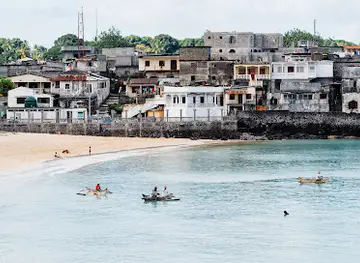
Plage Itsandra
Discover the tranquil beauty of Plage Itsandra in Moroni, Comoros, where sun-kissed shores meet vibrant marine life for an unforgettable beach experience.

Hôtel La Grillade
Discover the charm of Moroni at Hôtel La Grillade, your ideal base for exploring the stunning beauty and rich culture of the Comoros Islands.

Dos du Dragon
Discover the breathtaking beauty and serene landscapes of Dos du Dragon, a must-visit tourist attraction in Mitsamiouli, Comoros.

Best restaurants in Itsandra
Top-rated picks
Best Restaurants

New Mumbai Restaurant
Experience the best of Comorian cuisine at New Mumbai Restaurant in Moroni – where every dish tells a story.
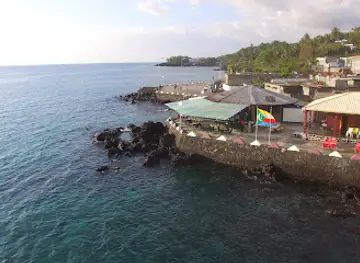
Restaurant & Grill Le Coraya
Discover the exquisite flavors of Comoros at Restaurant & Grill Le Coraya – where every dish tells a story.

MoCafe
Discover the flavors of Comoros at MoCafe – where tradition meets taste in Moroni's charming atmosphere.

Restaurant L'Escale
Discover authentic Comorian flavors at Restaurant L'Escale in Moroni—an unforgettable dining experience amid stunning island views.

Best bars in Itsandra
Top-rated picks
Best Bars

Retaj Moroni Hotel
Discover comfort and local charm at Retaj Moroni Hotel, your serene retreat in the heart of Comoros.

Restaurant & Grill Le Coraya
Experience the authentic tastes of Comoros at Restaurant & Grill Le Coraya, where fresh ingredients meet traditional recipes in a stunning setting.

Restaurant L'Escale
Discover the vibrant flavors of Comoros at Restaurant L'Escale, where culinary tradition meets modern dining in Moroni.

Wasta Boulangerie snack
Discover the authentic taste of Comoros at Wasta Boulangerie Snack, where fresh pastries and local flavors come together in a cozy setting.


Best shops in Itsandra
Top-rated picks
Best Shops

AdaMoon shop
Explore the vibrant AdaMoon shop in Tsidje for fresh produce, local delicacies, and an authentic Comorian shopping experience.

MAG MARKET
Explore the vibrant atmosphere of MAG MARKET, a local supermarket in Moroni, Comoros, offering a taste of local culture and cuisine.

Que Des Marques Chez Nabil
Explore unique Comorian fashion at Que Des Marques Chez Nabil, a clothing store in Moroni offering stylish apparel and accessories for all tastes.

Super A Moroni
Explore Super A Moroni in Moroni, Comoros - your ultimate destination for quality building materials and local craftsmanship.

Explore Itsandra on the Map
A handpicked selection of must-see spots in Itsandra, mapped for you.
Itsandra Essentials
-
Itsandra is located on the western coast of Grande Comore (Ngazidja), the largest island of the Comoros archipelago. The primary entry point is Prince Said Ibrahim International Airport (HAH) in Moroni, the capital city, which is approximately 15 kilometers from Itsandra. International flights to Moroni are available from several East African and Middle Eastern cities. From the airport, you can take a taxi to Itsandra, which usually takes about 20-30 minutes.
-
In Itsandra, transportation options include taxis, rental cars, and local minibuses known as 'minibuses' or 'dala-dalas'. Taxis are the most convenient for short distances and are widely available. If you plan to explore the island more extensively, consider renting a car. However, be aware that roads can be in poor condition and driving can be challenging. Minibuses are the most economical option but can be crowded and have irregular schedules.
-
The official currency of Comoros is the Comorian Franc (KMF). Credit cards are not widely accepted, especially in smaller establishments, so it is advisable to carry sufficient cash. ATMs are available in Moroni but may not be reliable, so it is wise to withdraw cash when you arrive at the airport. Keep smaller denominations handy for everyday transactions as larger bills may be difficult to break.
-
Itsandra is generally a safe destination for tourists. However, it is important to take standard precautions. Avoid walking alone at night, particularly in poorly-lit areas. Petty crimes such as pickpocketing can occur in crowded places, so keep an eye on your belongings. There are no specific high-crime areas targeting tourists, but it is always best to stay vigilant and aware of your surroundings.
-
In case of emergency, dial 17 for police assistance or 18 for fire services. The local hospital in Moroni can handle medical emergencies, and it is advisable to have travel insurance that covers medical issues. Pharmacies are available for minor health concerns and over-the-counter medications. For embassy assistance, travelers should contact their respective embassies or consulates in Moroni.
-
Fashion: Do dress modestly, especially in public places and religious sites. Avoid wearing revealing clothing. Religion: Do respect local customs and traditions. Always remove your shoes before entering mosques and dress conservatively. Public Transport: Do be patient and respectful when using public transport. Don't expect strict schedules. Greetings: Do greet people with a handshake and a smile. A respectful greeting in Comorian, such as 'Salam Alaikum,' is appreciated. Eating & Drinking: Do try local foods and accept hospitality graciously. Don't refuse food or drink offers, as it is considered impolite.
-
To experience Itsandra like a local, visit the local markets where you can buy fresh produce and traditional Comorian goods. Engage with locals, as they are often friendly and willing to share stories about the area's history and culture. Don't miss visiting the Itsandra Beach for a relaxing day by the sea and the historical remnants of the Sultan's Palace for a glimpse into the past. For an authentic experience, participate in a traditional dance or music event if you have the opportunity.
When is the best time to visit Itsandra?
Useful Local Phrases for Itsandra
You don't need to speak the language perfectly. Even learning a few simple words can make conversations warmer—and locals usually appreciate the effort.
— Eve

Here are the phrases I use most often in Itsandra. Try a few—you'll be surprised how far they go! 😊
❤️
-
- HelloSalama
[sah-lah-mah] - GoodbyeTsalama
[tsah-lah-mah] - YesEhe
[eh-heh] - NoAyi
[ah-yee] - Please/You're welcomeTafadhali
[tah-fah-dhah-lee] - Thank youAsante
[ah-sahn-teh] - Excuse me/SorryPole
[poh-leh] - How are you?Habari gani?
[hah-bah-ree gah-nee] - Fine. And you?Nzuri. Na wewe?
[n-zoo-ree. nah weh-weh] - Do you speak English?Unazungumza Kiingereza?
[oo-nah-zoon-gum-zah kee-ing-eh-reh-zah] - I don't understandSielewi
[see-eh-leh-wee]
- HelloSalama
-
- I'd like to see the menu, pleaseNingependa kuona menyu, tafadhali
[neen-geh-pen-dah koo-nah men-yoo, tah-fah-dhah-lee] - I don't eat meatSikula nyama
[see-koo-lah nyah-mah] - Cheers!Afya!
[ah-fyah!] - I would like to pay, pleaseNingependa kulipa, tafadhali
[neen-geh-pen-dah koo-lee-pah, tah-fah-dhah-lee]
- I'd like to see the menu, pleaseNingependa kuona menyu, tafadhali
-
- Help!Msaada!
[em-sah-dah!] - Go away!Ondoka!
[on-doh-kah!] - Call the Police!Piga simu Polisi!
[pee-gah see-moo poh-lee-see!] - Call a doctor!Piga simu daktari!
[pee-gah see-moo dahk-tah-ree!] - I'm lostNimepotea
[nee-meh-poh-teh-ah] - I'm illNina ugonjwa
[nee-nah oo-gon-jwah]
- Help!Msaada!
-
- I'd like to buy...Ningependa kununua...
[neen-geh-pen-dah koo-noo-noo-ah...] - I'm just lookingNatazama tu
[nah-tah-zah-mah too] - How much is it?Ni kiasi gani?
[nee kee-ah-see gah-nee] - That's too expensiveHiyo ni gharama kubwa
[hee-yoh nee ghah-rah-mah koo-bwah] - Can you lower the price?Unaweza kupunguza bei?
[oo-nah-weh-zah koo-poon-goo-zah bay-ee]
- I'd like to buy...Ningependa kununua...
-
- What time is it?Ni saa ngapi?
[nee sah ngah-pee] - It's one o'clockNi saa moja
[nee sah moh-jah] - Half past (10)Nusu ya (10)
[noo-soo yah (10)] - MorningAsubuhi
[ah-soo-boo-hee] - AfternoonMchana
[m-chah-nah] - EveningJioni
[jee-oh-nee] - YesterdayJana
[jah-nah] - TodayLeo
[leh-oh] - TomorrowKesho
[keh-shoh] - 1Moja
[moh-jah] - 2Mbili
[m-bee-lee] - 3Tatu
[tah-too] - 4Nne
[n-ne] - 5Tano
[tah-no] - 6Sita
[see-tah] - 7Saba
[sah-bah] - 8Nane
[nah-neh] - 9Tisa
[tee-sah] - 10Kumi
[koo-mee]
- What time is it?Ni saa ngapi?
-
- Where's a/the...?Iko wapi...?
[ee-koh wah-pee...?] - What's the address?Anwani ni ipi?
[ahn-wah-nee nee ee-pee?] - Can you show me (on the map)?Unaweza kunionesha (katika ramani)?
[oo-nah-weh-zah koo-nee-oh-neh-shah (kah-tee-kah rah-mah-nee)?] - When's the next (bus)?Basi inayofuata ni lini?
[bah-see ee-nah-yoh-foo-ah-tah nee lee-nee?] - A ticket (to ....)Tiketi (ya ....)
[tee-keh-tee (yah ....)]
- Where's a/the...?Iko wapi...?
History of Itsandra
-
Itsandra, a town located on the western coast of Grande Comore, has a rich history dating back to early settlements by Bantu-speaking peoples. These early inhabitants established a thriving community due to Itsandra's strategic coastal location, which facilitated trade and cultural exchange with other regions.
-
From the 9th century onwards, Arab traders began to arrive in the region, leaving a significant impact on Itsandra. They brought Islam, which gradually became the dominant religion, and introduced new architectural styles, including the construction of mosques that still stand as historical landmarks today.
-
During the 14th and 15th centuries, Itsandra became part of the powerful Sultanate of Anjouan. The sultans established a strong centralized administration and fostered economic prosperity through extensive trade networks that connected the Comoros to the Swahili Coast, the Arabian Peninsula, and beyond.
-
In the late 19th century, the Comoros, including Itsandra, came under French colonial rule. This period brought significant changes, including the introduction of new educational systems, infrastructure projects, and the integration of Itsandra into the global colonial economy. The colonial era also witnessed resistance and uprisings as locals sought to preserve their autonomy and cultural heritage.
-
Following Comoros' independence from France in 1975, Itsandra has seen various phases of development and modernization. Efforts have been made to preserve its historical sites and promote tourism as a means of economic growth. The town remains a vibrant community that honors its rich historical legacy while embracing contemporary advancements.
-
Itsandra is renowned for its cultural vibrancy, particularly its traditional music and dance forms such as 'twarab' and 'dembeni.' The town hosts numerous festivals throughout the year, celebrating its heritage with colorful parades, music, and dance performances that attract visitors from all over the world.
Neighbouring Regions of Itsandra
The closest regions to Itsandra, if you have time for more than one.



Your all‑in‑one travel companion app
Explore expert travel guides, compare and book tours, experiences, hotels, and more—all from the palm of your hand. Download now for seamless trip planning wherever your wanderlust takes you.


Explore More of Comoros

Looking beyond Itsandra? Discover Comoros for broader travel guides, local hot-spots, and regional highlights.
Explore ComorosItsandra in Photos
Browse through our photo collection highlighting the charm and character of the destination.

Itsandra: A Coastal Gem in Comoros
Nestled along the northern coast of Grande Comore, Itsandra is a charming seaside village that offers a serene escape from the hustle and bustle of urban life. With its pristine beaches, clear blue waters, and a rich cultural heritage, Itsandra is an ideal destination for those looking to unwind and immerse themselves in natural beauty. One of the highlights of Itsandra is its stunning beaches. The soft white sands and gentle waves make it a perfect spot for sunbathing, swimming, and snorkeling. The coral reefs just off the coast are teeming with marine life, providing a fascinating underwater world for diving enthusiasts. The sunsets here are nothing short of magical, painting the sky with hues of orange, pink, and purple. But Itsandra is not just about its beautiful coastline. The village is steeped in history and culture, with several historic sites to explore. The ancient Itsandra Fort, perched on a hill overlooking the sea, offers panoramic views and a glimpse into the region's past. The local market is a vibrant hub where visitors can experience the daily life of the Comorian people, sample local delicacies, and purchase handmade crafts and souvenirs. Whether you are a nature lover, a history buff, or simply seeking a peaceful retreat, Itsandra has something to offer. Its friendly residents and laid-back atmosphere make it a welcoming destination that promises a truly memorable experience.