

Free Waterbury Travel Guide & Mobile App
Plan your Waterbury trip with Evendo. Get free guides to top attractions, restaurants, hotels, and bars. Web access or download the mobile app.


Discover Waterbury, Connecticut's charming city with a rich industrial heritage, vibrant cultural scene, and picturesque natural landscapes, perfect for a memorable visit.
Read more about Waterbury
When is the best time to visit Waterbury?
Best: June–August · 25–27°C| Month | High (°C) | Rainfall (mm) |
|---|---|---|
| January | 2 | 79 |
| February | 3 | 74 |
| March | 8 | 91 |
| April | 15 | 99 |
| May | 20 | 106 |
| June (best) | 25 | 101 |
| July (best) | 27 | 101 |
| August (best) | 26 | 102 |
| September | 22 | 97 |
| October | 16 | 101 |
| November | 10 | 98 |
| December | 3 | 93 |
Getting to and around Waterbury
How to get there
Transportation
Best attractions in Waterbury
Waterbury, Connecticut offers visitors a mix of historical sites, cultural attractions, and outdoor activities. Explore the impressive collection at the Mattatuck Museum, which showcases the art and history of the region, or visit the Timexpo Museum to learn about the history of Timex watches. Take a walk through the beautiful Hillside Historic District, home to stunning Victorian mansions, or enjoy a scenic boat ride on the Naugatuck River. For outdoor enthusiasts, the nearby Mattatuck State Forest offers hiking trails and picnic areas, while the Waterbury Greenway provides a scenic route for walking or biking. With a blend of history, culture, and natural beauty, Waterbury has something for every type of traveler to enjoy.
-
Tourist attraction
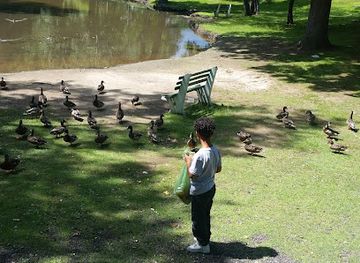
Fulton Park
Discover the natural beauty and recreational charm of Fulton Park in Waterbury, CT, perfect for relaxation, family fun, and outdoor adventures.
18 min walk · 1.4 km from city centre
-
Park
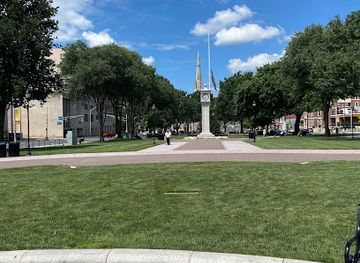
Waterbury Green
Explore Waterbury Green, a serene park in Waterbury, Connecticut, perfect for relaxation, picnics, and enjoying local history amidst beautiful landscapes.
6 min walk · 0.5 km from city centre
-
Tourist attraction
Hamilton Park
Experience the natural beauty and tranquility of Hamilton Park in Waterbury, Connecticut, perfect for relaxation and outdoor fun.
7 min drive · 2.5 km from city centre
-
Park
Library Park
Discover a peaceful retreat in Waterbury's Library Park, a historic green space offering community events and a tranquil escape.
11 min walk · 0.9 km from city centre

Best landmarks in Waterbury
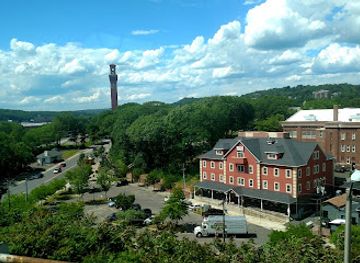
Waterbury offers visitors a rich tapestry of historical landmarks, including the iconic Union Station Clocktower, the grand Palace Theater, and the picturesque Mattatuck Museum. History buffs will delight in exploring the Timexpo Museum, housed in the historic Scovill Manufacturing Company building, and the scenic Holy Land USA, a religious theme park overlooking the city. Outdoor enthusiasts can hike the trails of the Mattatuck State Forest or relax in the serene Waterbury Green. With its unique blend of culture, history, and natural beauty, Waterbury is a must-visit destination for any traveler.
-
Shopping mall
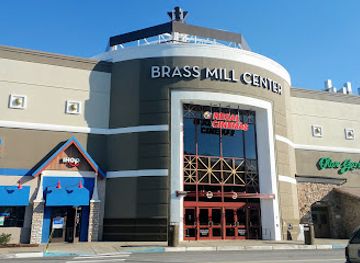
Brass Mill Center
Discover the ultimate shopping experience at Brass Mill Center in Waterbury, Connecticut, where fashion, dining, and entertainment await.
18 min walk · 1.4 km from city centre
-
Mexican
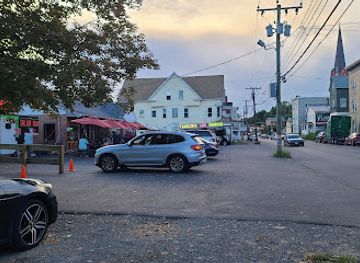
Los Garcia Mexican Fusion
Experience the vibrant flavors of Mexican cuisine at Los Garcia Mexican Fusion in Waterbury, CT, where traditional meets contemporary in a lively atmosphere.
13 min walk · 1.0 km from city centre
-
Pizza
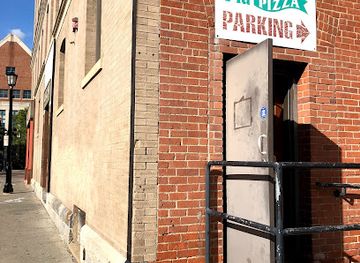
Domenick & Pia Downtown Pizzeria
Discover the heart of Waterbury at Domenick & Pia Downtown Pizzeria, where authentic pizza meets a cozy atmosphere and friendly service.
5 min walk · 0.4 km from city centre
-
Performing arts theater
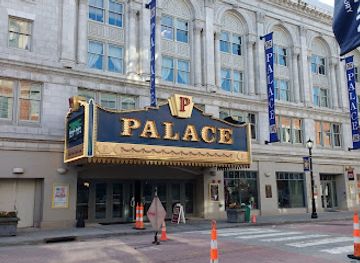
Palace Theater
Experience world-class performances in a stunning historic theater, the Palace Theater in Waterbury, Connecticut, a cultural landmark for all visitors.
5 min walk · 0.4 km from city centre
Explore Waterbury on the map
Plan your Waterbury trip on one map. See where the top attractions, landmarks, restaurants, bars and hotels are, find what's near where you're staying, and book hotels and experiences in a few clicks.
Best hotels in Waterbury
Best restaurants in Waterbury
Waterbury offers a diverse dining scene that caters to all tastes and preferences. From cozy cafes serving up delicious pastries and coffee to upscale restaurants offering gourmet cuisine, visitors can expect a culinary journey like no other. Indulge in authentic Italian dishes at family-owned trattorias, savor fresh seafood at waterfront eateries, or grab a quick bite at food trucks dishing out local favorites. With a mix of international flavors and traditional American fare, the dining options in Waterbury are sure to delight and satisfy every palate.
-
Steak
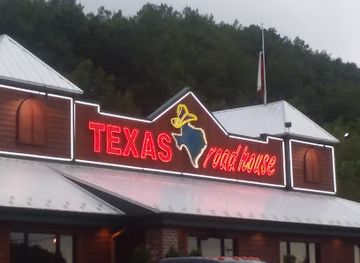
Texas Roadhouse
Experience the heart of American dining at Texas Roadhouse in Waterbury—where every meal is crafted with quality ingredients and served in a lively atmosphere.
11 min drive · 3.6 km from city centre
-
Mexican
Los Garcia Mexican Fusion
Discover vibrant flavors at Los Garcia Mexican Fusion in Waterbury—where authentic Mexican cuisine meets modern flair.
13 min walk · 1.0 km from city centre
-
Turkish
Sultan's Turkish Restaurant
Experience authentic Turkish flavors at Sultan's Turkish Restaurant in Waterbury - where every meal is a journey through Turkey’s rich culinary heritage.
11 min drive · 3.8 km from city centre
-
Dominican
Via Al Paraiso
Discover the vibrant tastes of Dominican cuisine at Via Al Paraiso in Waterbury - where every meal tells a story.
12 min walk · 0.9 km from city centre


Best bars in Waterbury
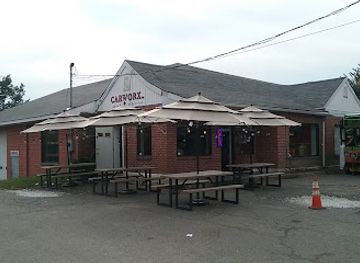
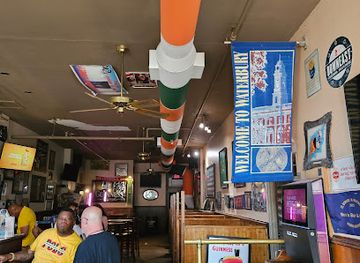
Waterbury's nightlife scene offers a diverse array of bars and nightclubs to cater to all tastes and preferences. From cozy pubs with live music to high-energy dance clubs, visitors can expect a vibrant and lively atmosphere throughout the city. Enjoy craft cocktails at trendy lounges, dance the night away to DJs spinning the latest hits, or simply relax with a beer at a local dive bar. With a mix of local hotspots and popular chains, there is something for everyone to enjoy in Waterbury after the sun goes down.
-
Bar
McFairlawn Tavern
Experience the vibrant atmosphere and delicious offerings at McFairlawn Tavern in Waterbury, CT – a must-visit for food and drink enthusiasts.
9 min drive · 3.0 km from city centre
-
Grill
Boru's Bar & Grill
Discover the vibrant flavors and lively atmosphere at Boru's Bar & Grill, your go-to destination for delicious food and sports in Waterbury.
11 min walk · 0.9 km from city centre
-
Sports bar
Scoreboard Bar & Grill
Discover the lively Scoreboard Bar & Grill in Waterbury, CT – your go-to spot for great food, live music, and all the sports action!
17 min drive · 5.6 km from city centre
-
Bar
Speak Easy Cafe Inc
Experience the vibrant local culture at Speak Easy Cafe Inc, a charming bar in Waterbury, CT, offering an extensive drink menu and a welcoming atmosphere.
10 min drive · 3.5 km from city centre



Best nightclubs in Waterbury
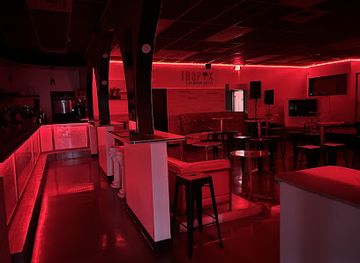
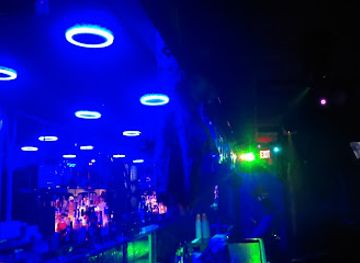
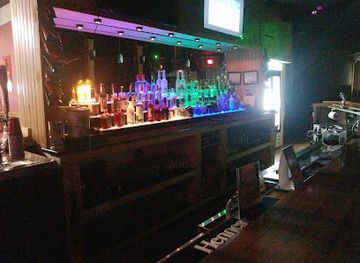
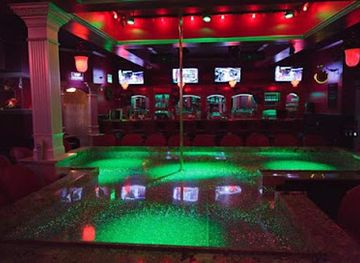
Waterbury's nightlife scene offers a diverse array of bars and nightclubs to cater to all tastes and preferences. From cozy pubs with live music to high-energy dance clubs, visitors can expect a vibrant and lively atmosphere throughout the city. Enjoy craft cocktails at trendy lounges, dance the night away to DJs spinning the latest hits, or simply relax with a beer at a local dive bar. With a mix of local hotspots and popular chains, there is something for everyone to enjoy in Waterbury after the sun goes down.
-
Grill
Tropix Ultra Lounge
Experience the perfect blend of delicious grill cuisine and lively nightlife at Tropix Ultra Lounge in Waterbury, CT.
7 min drive · 2.5 km from city centre
-
Grill
Utopia lounge
Discover the vibrant Utopia Lounge in Waterbury, CT – where exquisite grill cuisine meets lively nightlife for an unforgettable experience.
5 min walk · 0.4 km from city centre
-
Night club
Bada Bingz Cafe LLC
Experience the vibrant nightlife at Bada Bingz Cafe in Waterbury, where great food meets energetic entertainment in a lively atmosphere.
13 min drive · 4.4 km from city centre
-
Night club
Mr. Happys Cafe
Discover the dynamic nightlife and delicious dining at Mr. Happy's Cafe, a must-visit spot in Waterbury, Connecticut for a truly memorable experience.
10 min drive · 3.2 km from city centre
Best shops in Waterbury
Waterbury offers a unique shopping experience for visitors, with a mix of quaint boutiques, antique shops, and modern malls. From artisanal crafts to vintage finds, there is something for everyone. Explore the historic downtown area for charming shops nestled in historic buildings, or head to the Brass Mill Center for a wide selection of popular retailers. Don't forget to check out the local farmers' markets for fresh produce and handmade goods. Whether you're looking for a one-of-a-kind souvenir or a trendy new outfit, Waterbury's shopping scene has it all.
-
Shopping mall
Brass Mill Center
Explore a shopper's paradise at Brass Mill Center in Waterbury, Connecticut, featuring a wide range of stores and dining options for every taste.
18 min walk · 1.4 km from city centre
-
Department store
Walmart
Explore Walmart in Waterbury, Connecticut - a diverse department store boasting groceries, clothing, electronics, and more for every traveler’s needs.
8 min drive · 2.7 km from city centre
-
Shopping mall
Naugatuck Valley Shopping Center
Discover the Naugatuck Valley Shopping Center: a shopping paradise in Waterbury, Connecticut, filled with diverse stores, dining options, and entertainment.
8 min drive · 2.7 km from city centre
-
Shopping mall
Waterbury Plaza
Explore Waterbury Plaza, the ultimate shopping mall in Connecticut, offering diverse retail, delicious dining, and family-friendly entertainment.
8 min drive · 2.7 km from city centre


Get your free copy of our complete guide to Waterbury, delivered straight to you.
Everything on this page, from attractions and restaurants to essentials and local phrases, in one PDF you can read offline, print or share.
Already have an account? Sign in
Your Waterbury guide is ready.
We'll send it to · Not you? Sign out

Getting your guide ready…
We are putting together a fresh copy of the Waterbury guide. This can take up to a minute.
This can take a few moments. If your browser asks, choose Allow so the download can start. You'll find the guide in your Downloads folder.
Nothing happened? Download it again
Sorry, the guide is taking longer than usual. Please try again in a minute, or get it by email instead.
Waterbury essentials
Currency and Payment
Safety
Emergency Situations
Do's and Don'ts
Local Tips
From Eve
Local phrases worth knowing
You don't need to get them perfect. A few words go a long way, and locals appreciate the effort.
Basics
| English | Local | Say it |
|---|---|---|
| Hello | Hey there | [hey thair] |
| Goodbye | See ya | [see yuh] |
| Yes | Yeah | [yeah] |
| No | Nah | [nah] |
| Please/You're welcome | Please/No problem | [pleez/no problum] |
| Thank you | Thanks | [thanks] |
| Excuse me/Sorry | Pardon me/My bad | [pahr-dun me/my bad] |
| How are you? | How you doin'? | [how yuh doin'] |
| Fine. And you? | Good. You? | [good. yuh?] |
| Do you speak English? | You speak English? | [yuh speak ing-glish?] |
| I don't understand | I don't get it | [I don't get it] |
Eating & Drinking
| English | Local | Say it |
|---|---|---|
| I'd like to see the menu, please | Can I check out the menu? | [can I chek out the men-yoo?] |
| I don't eat meat | I don't do meat | [I don't do meat] |
| Cheers! | Cheers! | [cheers!] |
| I would like to pay, please | I'll pay now, thanks | [I'll pay now, thanks] |
Emergencies
| English | Local | Say it |
|---|---|---|
| Help! | Help! | [help!] |
| Go away! | Get lost! | [get lost!] |
| Call the Police! | Call the cops! | [call the cops!] |
| Call a doctor! | Get a doc! | [get a doc!] |
| I'm lost | I'm lost | [I'm lost] |
| I'm ill | I'm sick | [I'm sick] |
Shopping
| English | Local | Say it |
|---|---|---|
| I'd like to buy... | I wanna buy... | [I wanna buy...] |
| I'm just looking | Just browsing | [just browsing] |
| How much is it? | How much? | [how much?] |
| That's too expensive | Too pricey | [too pricey] |
| Can you lower the price? | Can you drop the price? | [can you drop the price?] |
Time & Numbers
| English | Local | Say it |
|---|---|---|
| What time is it? | What's the time? | [whats the time?] |
| It's one o'clock | It's one | [its one] |
| Half past (10) | Ten thirty | [ten thirty] |
| Morning | Morning | [morning] |
| Afternoon | Afternoon | [afternoon] |
| Evening | Evening | [evening] |
| Yesterday | Yesterday | [yesterday] |
| Today | Today | [today] |
| Tomorrow | Tomorrow | [tomorrow] |
| 1 | One | [one] |
| 2 | Two | [two] |
| 3 | Three | [three] |
| 4 | Four | [four] |
| 5 | Five | [five] |
| 6 | Six | [six] |
| 7 | Seven | [seven] |
| 8 | Eight | [eight] |
| 9 | Nine | [nine] |
| 10 | Ten | [ten] |
Transport & Directions
| English | Local | Say it |
|---|---|---|
| Where's a/the...? | Where's the...? | [wheres the...?] |
| What's the address? | What's the addy? | [whats the addy?] |
| Can you show me (on the map)? | Show me on the map? | [show me on the map?] |
| When's the next (bus)? | When's the next bus? | [whens the next bus?] |
| A ticket (to ....) | A ticket to... | [a ticket to...] |
History of Waterbury
The Founding of Waterbury
Waterbury, Connecticut, was originally settled in 1674 by a group of European settlers from Farmington. The town was officially incorporated in 1686. The settlement was initially known as Mattatuck, named after the Algonquin word meaning 'place without trees.' The early history of Waterbury was marked by agriculture, with its settlers cultivating the fertile lands of the Naugatuck River Valley.
Industrial Revolution and Brass City
Waterbury earned the nickname 'Brass City' during the 19th century due to its pivotal role in the industrial revolution. The establishment of brass manufacturing plants, starting with the Waterbury Brass Company in 1846, turned the city into a leading center for brassware production. This industrial boom attracted a diverse workforce and contributed significantly to the city's economic growth and cultural diversity.
The Great Flood of 1955
One of the most significant events in Waterbury's history is the Great Flood of 1955. Caused by the remnants of Hurricane Diane, the Naugatuck River overflowed, leading to widespread devastation. The flood destroyed homes, businesses, and infrastructure, resulting in millions of dollars in damage. However, the community's spirit of resilience and determination saw Waterbury rebuild and emerge stronger in the aftermath.
The Rise and Fall of Manufacturing
The post-World War II era saw a decline in Waterbury's manufacturing sector. Global competition and changing economic conditions led to the closure of many factories. Despite this, Waterbury adapted by diversifying its economy and investing in redevelopment projects. The transformation of the old brass mills into modern business complexes is a testament to the city's ability to reinvent itself.
Cultural Diversity and Community
Waterbury is known for its rich cultural tapestry, shaped by waves of immigration over the centuries. Irish, Italian, Polish, and later Puerto Rican communities have all contributed to the city's vibrant cultural scene. Festivals, parades, and local eateries showcase this diversity, making Waterbury a melting pot of traditions and heritage.
Historic Landmarks and Architecture
Waterbury boasts numerous historic landmarks that reflect its storied past. The Mattatuck Museum, located in the heart of downtown, offers insights into the region's history and art. The iconic Union Station, with its striking clock tower, and the Palace Theater, a stunning example of Renaissance Revival architecture, are just a few examples of the city's architectural gems.
Education and Innovation
Waterbury has a strong tradition of valuing education and innovation. Institutions such as Post University and the University of Connecticut Waterbury campus play a critical role in fostering academic excellence and community engagement. The city's commitment to education is evident in its investment in modern school facilities and programs aimed at preparing the next generation of leaders.
Waterbury in Photos
Browse through our photo collection highlighting the charm and character of the destination.
Cities near Waterbury
The closest cities to Waterbury, if you have time for more than one stop.
-

-

-

-

-


Swipe for more cities
Explore more

Explore more of Connecticut
Discover Connecticut: A blend of charming coastal towns, rich history, and scenic landscapes, perfect for nature lovers, history buffs, and cultural enthusiasts.
Explore Connecticut