

Free New Haven Travel Guide & Mobile App
Plan your New Haven trip with Evendo. Get free guides to top attractions, restaurants, hotels, and bars. Web access or download the mobile app.


New Haven, Connecticut blends Yale architecture, historic landmarks, acclaimed pizza, museums and shoreline culture into a memorable city escape.
Heritage and Architecture
New Haven occupies a sheltered corner of Long Island Sound on Connecticut's southern coast, combining a compact urban centre with leafy residential streets, rocky hills and a long association with Yale University. Founded by English Puritans in 1638, the city was planned around the New Haven Green, a broad central square that remains one of America's most distinctive urban spaces. Around it stand churches, civic buildings, galleries and university architecture ranging from nineteenth-century Gothic Revival to the bold modernism of the Beinecke Rare Book and Manuscript Library.Read more about New Haven
Culture and City Life
Green Spaces and the Shore
When is the best time to visit New Haven?
Best: June, August–September · 24–28°C| Month | High (°C) | Rainfall (mm) |
|---|---|---|
| January | 3 | 80 |
| February | 4 | 78 |
| March | 8 | 95 |
| April | 13 | 95 |
| May | 20 | 107 |
| June (best) | 25 | 100 |
| July | 29 | 105 |
| August (best) | 28 | 105 |
| September (best) | 24 | 93 |
| October | 18 | 100 |
| November | 11 | 92 |
| December | 5 | 95 |
Getting to and around New Haven
How to get there
Transportation
Best attractions in New Haven
New Haven's sightseeing begins on the New Haven Green, a broad historic square bordered by churches and central streets, before continuing into Yale's architecturally varied campus. The Yale University Art Gallery presents major collections in a building that spans several architectural periods, while the Yale Center for British Art offers a focused collection in a Louis Kahn-designed setting. The Peabody Museum of Natural History adds dinosaurs, fossils and natural-science displays. Wooster Square brings historic houses, mature trees and the city's celebrated pizzerias, and East Rock Park offers trails and elevated views over the urban landscape and harbour. The Beinecke Rare Book and Manuscript Library is especially notable for its luminous marble interior and literary holdings. For a change of pace, Edgewood Park provides woodland, meadows and recreational paths, while the Long Wharf waterfront and nearby shoreline areas show New Haven's continuing relationship with Long Island Sound.
-
Tourist attraction
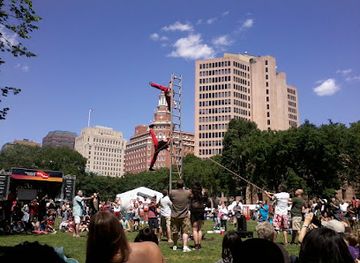
New Haven Green
Experience the charm and history of New Haven Green, a serene park nestled in the heart of Connecticut's vibrant cityscape.
4 min walk · 0.3 km from city centre
-
Tourist attraction
New Haven Green
Experience the tranquility and vibrant culture at New Haven Green, a historic park in the heart of New Haven, Connecticut.
4 min walk · 0.3 km from city centre
-
Tourist attraction
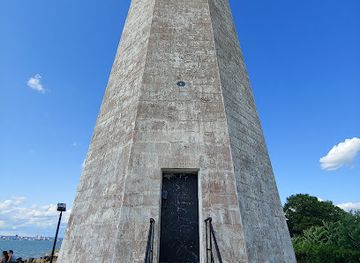
Lighthouse Point Park
Discover the natural beauty and historical charm of Lighthouse Point Park, a coastal gem in New Haven, Connecticut.
21 min drive · 7.1 km from city centre
-
Art museum
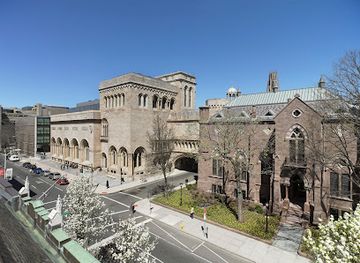
Yale University Art Gallery
Explore 300,000 art objects from across the globe and throughout history at Yale University's free and encyclopedic art museum.
8 min walk · 0.6 km from city centre



Best landmarks in New Haven
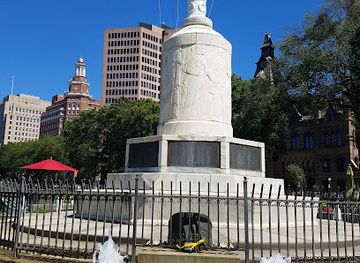
The New Haven Green is the city's defining civic landmark, retaining the geometry of the original Puritan plan and bordered by three historic churches, including Center Church, United Church and Trinity Church. Yale's central buildings form a substantial architectural ensemble, with Harkness Tower, Sterling Memorial Library and the Gothic Revival courtyards providing a strong visual identity. The Beinecke Rare Book and Manuscript Library stands apart for its translucent Vermont marble panels and modernist design, while the Yale University Art Gallery incorporates work by Louis Kahn. Grove Street Cemetery, established in 1796 beside the university, contains elaborate monuments and reflects the nineteenth-century development of landscaped burial grounds. East Rock, crowned by the Soldiers and Sailors Monument, is both a geological landmark and a civic viewpoint overlooking the city, harbour and surrounding countryside.
-
Park
New Haven Green
Explore New Haven Green, a historic urban park in Connecticut, perfect for relaxation, cultural events, and connecting with the community.
4 min walk · 0.3 km from city centre
-
City park
Lighthouse Point Park
Explore the beauty of Lighthouse Point Park, a stunning coastal park in New Haven, CT, featuring sandy beaches and a historic lighthouse.
21 min drive · 7.1 km from city centre
-
Flea market
The Boulevard Flea Market
Explore The Boulevard Flea Market in New Haven, Connecticut - a vibrant hub of unique finds, local crafts, and delicious food.
8 min drive · 2.5 km from city centre
-
Art museum
Yale University Art Gallery
Explore the Yale University Art Gallery, an iconic art museum in New Haven showcasing a diverse collection from ancient times to modern masterpieces.
8 min walk · 0.6 km from city centre

Explore New Haven on the map
Plan your New Haven trip on one map. See where the top attractions, landmarks, restaurants, bars and hotels are, find what's near where you're staying, and book hotels and experiences in a few clicks.
Best hotels in New Haven
Best restaurants in New Haven
New Haven's food identity is inseparable from apizza, the locally distinctive thin-crusted, coal-fired style associated with Wooster Street and Italian-American New Haven. The crust is often crisp and charred, toppings may be restrained, and white pies with clams reflect the city's coastal setting. Wooster Square remains the best-known concentration of pizzerias, but the wider city offers much more: bakeries and delis rooted in immigrant traditions, diners, cafés, Asian and Latin American cooking, and contemporary restaurants around downtown, Chapel Street, State Street and the Ninth Square. Farmers' markets and independent food shops add seasonal Connecticut produce, while the area around the Green supports cafés and casual meals between cultural visits. Dining ranges from informal counter service to polished restaurants, with neighbourhood character often changing noticeably from one district to the next.
-
Seafood
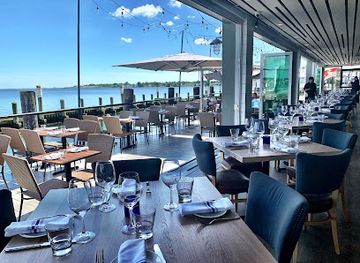
Shell & Bones Oyster Bar & Grill
Experience exquisite seafood dining at Shell & Bones Oyster Bar & Grill in New Haven - where fresh flavors meet stunning waterfront views.
10 min drive · 3.4 km from city centre
-
Ramen
Mecha Noodle Bar
Discover the vibrant flavors of Japan at Mecha Noodle Bar in New Haven - a must-visit for ramen lovers and cocktail aficionados.
8 min walk · 0.6 km from city centre
-
Italian
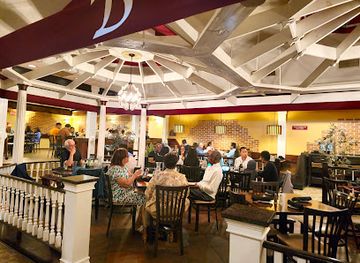
Brazi's Italian Restaurant
Experience authentic Italian flavors at Brazi's Italian Restaurant in New Haven - where tradition meets taste in every dish.
6 min drive · 1.9 km from city centre
-
Southwestern American
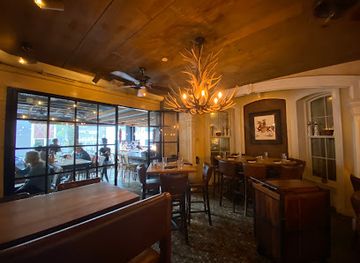
Geronimo Tequila Bar and Southwest Grill - New Haven
Discover vibrant Southwestern cuisine at Geronimo Tequila Bar & Grill in New Haven - where flavor meets fun in every bite.
9 min walk · 0.7 km from city centre

Best bars in New Haven
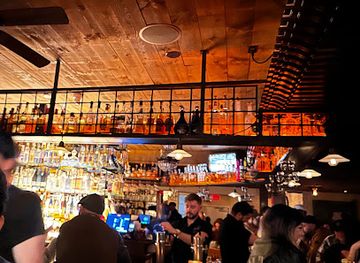
New Haven's evening life is shaped by students, theatre-goers, musicians and long-established local audiences rather than by a single club district. Crown Street, College Street, Chapel Street, State Street and the Ninth Square contain bars, breweries, cocktail rooms and relaxed places for late meals, while Toad's Place is a long-running live-music venue associated with touring acts and university-town nightlife. Café Nine presents music in an intimate setting, and Firehouse 12 is known for jazz and other performances in a converted industrial building. The Shubert Theatre and Yale Repertory Theatre extend the evening into professional performance, while campus calendars bring lectures, concerts and showcases. Some areas are busier during the academic year, so the character of nightlife changes with university holidays and event schedules.
-
Bar
BAR
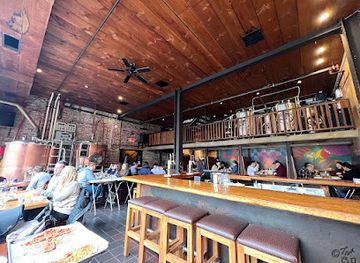
Discover BAR in New Haven: A unique bar and brewpub offering delicious pizza and a vibrant nightlife experience in the heart of Connecticut.
9 min walk · 0.7 km from city centre
-
Southwestern American
Geronimo Tequila Bar and Southwest Grill - New Haven
Dive into the vibrant flavors and lively atmosphere at Geronimo Tequila Bar and Southwest Grill in New Haven, where every meal is a celebration.
9 min walk · 0.7 km from city centre
-
Bar
Barcade
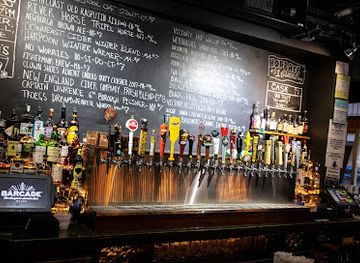
Experience the ultimate fusion of vintage gaming and craft beer at Barcade in New Haven – a unique destination for fun and flavor.
8 min walk · 0.7 km from city centre
-
Spanish
Barcelona Wine Bar
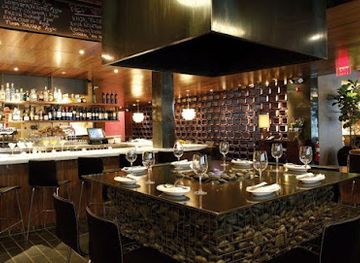
Barcelona Wine Bar in New Haven offers an authentic taste of Spain with exquisite tapas and an extensive wine selection in a vibrant atmosphere.
8 min walk · 0.6 km from city centre
Best nightclubs in New Haven
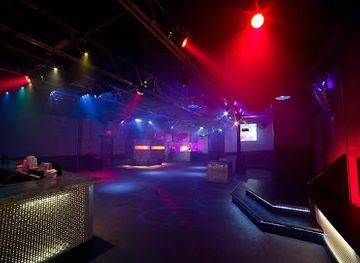
New Haven's evening life is shaped by students, theatre-goers, musicians and long-established local audiences rather than by a single club district. Crown Street, College Street, Chapel Street, State Street and the Ninth Square contain bars, breweries, cocktail rooms and relaxed places for late meals, while Toad's Place is a long-running live-music venue associated with touring acts and university-town nightlife. Café Nine presents music in an intimate setting, and Firehouse 12 is known for jazz and other performances in a converted industrial building. The Shubert Theatre and Yale Repertory Theatre extend the evening into professional performance, while campus calendars bring lectures, concerts and showcases. Some areas are busier during the academic year, so the character of nightlife changes with university holidays and event schedules.
-
Night club
Club Vandome
Unleash your night at Club Vandome, New Haven's hottest night club featuring electrifying music, vibrant atmosphere, and unforgettable dancing.
13 min walk · 1.1 km from city centre
-
Lounge
Diesel Lounge
Discover the vibrant Diesel Lounge in New Haven, where craft cocktails and a lively atmosphere await to enhance your nightlife experience.
16 min walk · 1.2 km from city centre
-
Night club
Terminal 110
Experience the vibrant nightlife of New Haven at Terminal 110, where live music, dancing, and cocktails create unforgettable memories.
5 min drive · 1.7 km from city centre
-
Night club
Vanity Restaurant, Nightclub and Entertainment Venue
Discover the exhilarating nightlife at Vanity Restaurant, Nightclub, and Entertainment Venue in New Haven, where dining meets vibrant entertainment.
8 min walk · 0.6 km from city centre



Best shops in New Haven
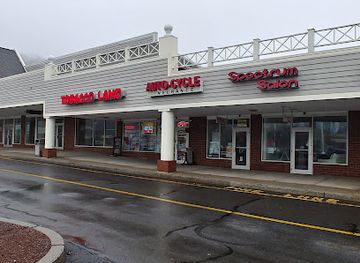
Shopping in New Haven is concentrated along Chapel Street, Broadway Island, downtown streets and neighbourhood commercial corridors rather than in one vast retail quarter. Chapel Street combines independent clothing shops, bookshops, galleries, cafés and university-oriented retailers, while Broadway Island includes larger mainstream stores near Yale's campus. The Ninth Square and State Street areas are better suited to browsing smaller businesses, design-led shops and food establishments, with the exact mix changing over time. Visitors can find Yale-related items, books, local art, Connecticut-made food products and practical gifts, but the city's most distinctive purchases often come from independent bookstores, galleries, bakeries and specialist food shops rather than souvenir outlets. Seasonal farmers' markets and community markets add regional produce, prepared foods and handmade goods when scheduled.
-
Shopping mall
Amity Shopping Center
Amity Shopping Center in New Haven: Your ultimate shopping and dining destination, offering diverse brands and vibrant entertainment options.
17 min drive · 5.6 km from city centre
-
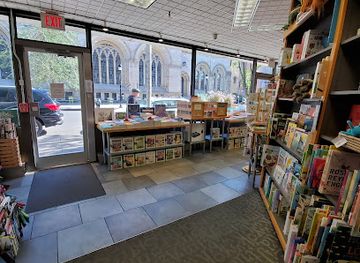
Gift shop
Atticus Bookstore Cafe
Discover Atticus Bookstore Cafe: a unique blend of a bookstore and cafe in New Haven, offering delicious food, fine coffee, and a literary escape.
8 min walk · 0.6 km from city centre
-
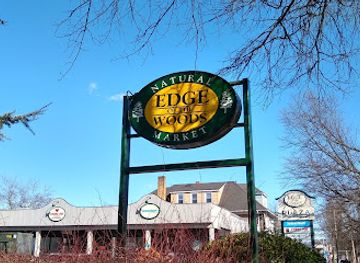
Health food store
Edge of the Woods Market
Discover the charm of Edge of the Woods Market in New Haven, where health meets flavor with fresh produce, baked goods, and unique shopping.
6 min drive · 2.0 km from city centre
-
Shopping mall
Amity Plaza
Explore Amity Plaza in New Haven for an unforgettable shopping experience with diverse stores and delightful dining options.
17 min drive · 5.6 km from city centre
Get your free copy of our complete guide to New Haven, delivered straight to you.
Everything on this page, from attractions and restaurants to essentials and local phrases, in one PDF you can read offline, print or share.
Already have an account? Sign in
Your New Haven guide is ready.
We'll send it to · Not you? Sign out

Getting your guide ready…
We are putting together a fresh copy of the New Haven guide. This can take up to a minute.
This can take a few moments. If your browser asks, choose Allow so the download can start. You'll find the guide in your Downloads folder.
Nothing happened? Download it again
Sorry, the guide is taking longer than usual. Please try again in a minute, or get it by email instead.
New Haven essentials
Currency and Payment
Safety
Emergency Situations
Do's and Don'ts
Local Tips
From Eve
Local phrases worth knowing
You don't need to get them perfect. A few words go a long way, and locals appreciate the effort.
Basics
| English | Local | Say it |
|---|---|---|
| Hello | Hey | [hey] |
| Goodbye | See ya | [see ya] |
| Yes | Yeah | [yeah] |
| No | Nah | [nah] |
| Please/You're welcome | Please/No problem | [please/no problem] |
| Thank you | Thanks | [thanks] |
| Excuse me/Sorry | Pardon me/My bad | [pardon me/my bad] |
| How are you? | How you doin'? | [how you doin'] |
| Fine. And you? | Good. You? | [good. you?] |
| Do you speak English? | You speak English? | [you speak english?] |
| I don't understand | I don't get it | [i don't get it] |
Eating & Drinking
| English | Local | Say it |
|---|---|---|
| I'd like to see the menu, please | Can I see the menu, please | [can i see the menu, please] |
| I don't eat meat | I don't eat meat | [i don't eat meat] |
| Cheers! | Cheers! | [cheers] |
| I would like to pay, please | I'll pay, please | [i'll pay, please] |
Emergencies
| English | Local | Say it |
|---|---|---|
| Help! | Help! | [help!] |
| Go away! | Get lost! | [get lost!] |
| Call the Police! | Call the cops! | [call the cops!] |
| Call a doctor! | Get a doctor! | [get a doctor!] |
| I'm lost | I'm lost | [i'm lost] |
| I'm ill | I'm sick | [i'm sick] |
Shopping
| English | Local | Say it |
|---|---|---|
| I'd like to buy... | I wanna buy... | [i wanna buy...] |
| I'm just looking | Just browsing | [just browsing] |
| How much is it? | How much? | [how much?] |
| That's too expensive | Too pricey | [too pricey] |
| Can you lower the price? | Can you do better? | [can you do better?] |
Time & Numbers
| English | Local | Say it |
|---|---|---|
| What time is it? | What time is it? | [what time is it?] |
| It's one o'clock | It's one | [it's one] |
| Half past (10) | Ten thirty | [ten thirty] |
| Morning | Morning | [morning] |
| Afternoon | Afternoon | [afternoon] |
| Evening | Evening | [evening] |
| Yesterday | Yesterday | [yesterday] |
| Today | Today | [today] |
| Tomorrow | Tomorrow | [tomorrow] |
| 1 | One | [one] |
| 2 | Two | [two] |
| 3 | Three | [three] |
| 4 | Four | [four] |
| 5 | Five | [five] |
| 6 | Six | [six] |
| 7 | Seven | [seven] |
| 8 | Eight | [eight] |
| 9 | Nine | [nine] |
| 10 | Ten | [ten] |
Transport & Directions
| English | Local | Say it |
|---|---|---|
| Where's a/the...? | Where's the...? | [where's the...?] |
| What's the address? | What's the address? | [what's the address?] |
| Can you show me (on the map)? | Can you show me (on the map)? | [can you show me (on the map)?] |
| When's the next (bus)? | When's the next (bus)? | [when's the next (bus)?] |
| A ticket (to ....) | A ticket (to ....) | [a ticket (to ....)] |
History of New Haven
Puritan Settlement and the Nine Squares
New Haven was founded in 1638 by English Puritans led by John Davenport, a minister, and Theophilus Eaton, a merchant who became the settlement's first governor. The founders created a planned town organised around nine squares, with the central Green serving as a common, civic space and burial ground. New Haven developed as a trading community on the coast, although its early ambitions for independent colonial status were curtailed when it became part of the Connecticut Colony in 1665. The original plan still shapes the downtown street grid, while the Green's churches and civic surroundings preserve the city's early emphasis on communal and religious life.
Yale College Comes to New Haven
Yale College moved from Saybrook to New Haven in 1716, transforming the settlement's intellectual and economic prospects. Renamed Yale College in honour of benefactor Elihu Yale, the institution gradually expanded its influence through education, scholarship and architecture. Its presence attracted printers, booksellers, craftsmen and a growing professional class, while also connecting the city to wider Atlantic networks. The university's development was not separate from New Haven's social history: enslaved labour and wealth connected to slavery formed part of colonial and early American society, a legacy later examined by Yale and local historians. The campus remains central to the city's identity and built environment.
Industry, Trade and Urban Growth
During the nineteenth century, New Haven became an important manufacturing and transport centre. Rail connections, including the New York and New Haven Railroad, strengthened links with New York and other New England cities, while the harbour supported coastal commerce. Factories produced clocks, hardware, firearms and other goods, and companies such as Winchester became closely associated with the city's industrial history. Immigration, particularly from Ireland and Italy, reshaped neighbourhoods, workplaces, religious life and food culture. The expanding city developed parks, churches, theatres and substantial civic buildings, creating much of the urban framework visible beyond the Green today.
Immigration and Italian-American New Haven
New Haven's late nineteenth- and early twentieth-century growth brought communities from southern and eastern Europe, as well as migrants from elsewhere in the United States. Wooster Square became particularly associated with Italian immigrants and their descendants, whose bakeries, groceries, cafés and restaurants left a lasting mark on local culture. The city's apizza tradition emerged from this Italian-American setting, adapting Neapolitan influences to local ingredients, coal-fired ovens and an individual New Haven style. Religious institutions, mutual-aid societies, small businesses and neighbourhood festivals helped newcomers establish social networks while contributing to a broader urban identity.
Modernism and Civic Transformation
After the Second World War, New Haven underwent major redevelopment under urban-renewal programmes associated with Mayor Richard C. Lee. New roads, housing projects and modern civic buildings altered established neighbourhoods, sometimes displacing residents and dividing communities. At the same time, Yale commissioned important modernist architecture, including Louis Kahn's Yale University Art Gallery extension and Gordon Bunshaft's Beinecke Rare Book and Manuscript Library. The period left a complex legacy: ambitious public investment brought new institutions and infrastructure, while demolition and highway construction weakened parts of the historic urban fabric.
A Contemporary Cultural Centre
New Haven in the late twentieth and early twenty-first centuries developed a more diversified cultural and educational economy, anchored by Yale, healthcare, research and the arts. Downtown revitalisation brought restaurants, galleries, theatres and independent businesses into former commercial areas, while neighbourhood organisations continued to shape local identity. The city has also confronted persistent inequalities, environmental pressures and the consequences of earlier redevelopment. Today, its historic Green, university collections, industrial traces, immigrant foodways and shoreline setting coexist with a contemporary arts scene and a population drawn from across Connecticut, the United States and the world.
New Haven in Photos
Browse through our photo collection highlighting the charm and character of the destination.
Cities near New Haven
The closest cities to New Haven, if you have time for more than one stop.
-

-

-

-

-


Swipe for more cities
Explore more

Explore more of Connecticut
Discover Connecticut: A blend of charming coastal towns, rich history, and scenic landscapes, perfect for nature lovers, history buffs, and cultural enthusiasts.
Explore Connecticut