

Free New Britain Travel Guide & Mobile App
Plan your New Britain trip with Evendo. Get free guides to top attractions, restaurants, hotels, and bars. Web access or download the mobile app.


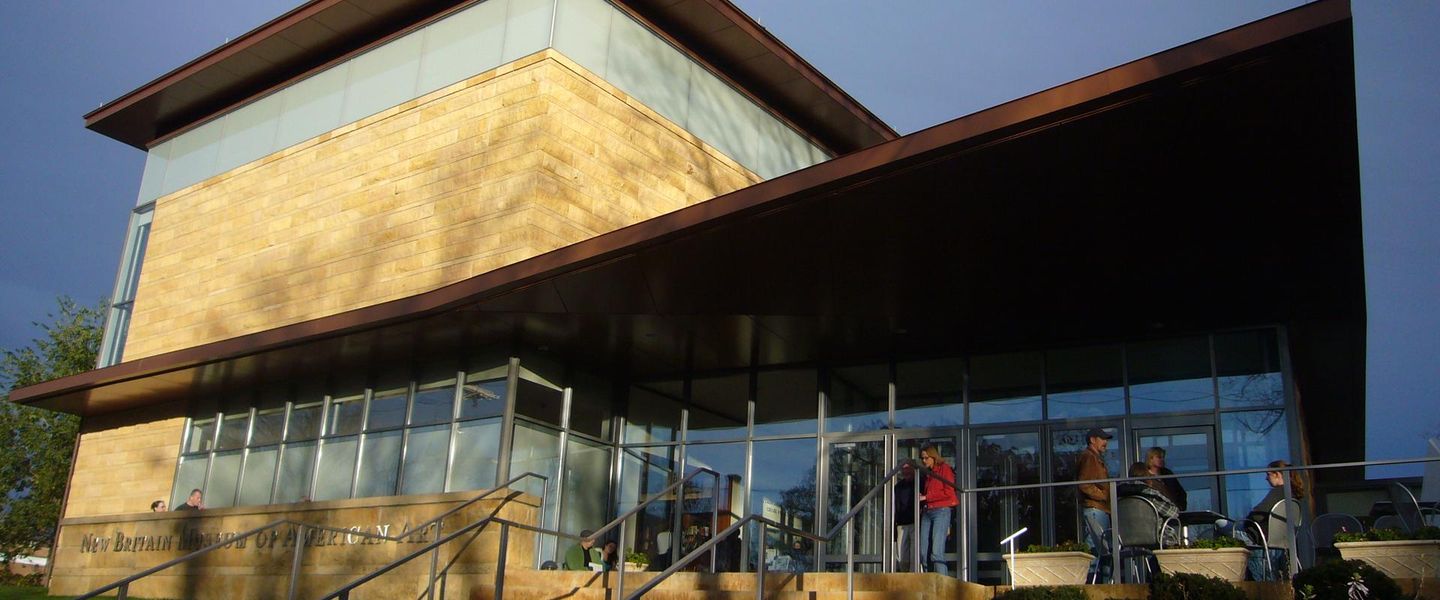


New Britain, Connecticut blends industrial history, Polish-American culture, art museums, Olmsted landscapes and easy Hartford-region sightseeing.
Industrial Heritage and Urban Character
New Britain stands in central Connecticut between Hartford and the western hills of the Farmington Valley, a compact city shaped by manufacturing, immigration and civic ambition. Its industrial identity grew rapidly during the nineteenth century, when firms producing locks, tools, hardware and household goods earned it the nickname “Hardware City”. The legacy remains visible in old factory districts, company histories and the practical, inventive character associated with the city.Read more about New Britain
Art, Parks and Polish-American Culture
A Connected Central Connecticut City
When is the best time to visit New Britain?
Best: June, August–September · 23–27°C| Month | High (°C) | Rainfall (mm) |
|---|---|---|
| January | 3 | 89 |
| February | 4 | 81 |
| March | 8 | 102 |
| April | 15 | 104 |
| May | 21 | 104 |
| June (best) | 26 | 104 |
| July | 28 | 108 |
| August (best) | 27 | 102 |
| September (best) | 23 | 100 |
| October | 16 | 96 |
| November | 10 | 94 |
| December | 4 | 100 |
Getting to and around New Britain
How to get there
Transportation
Best attractions in New Britain
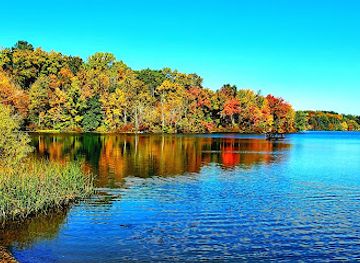
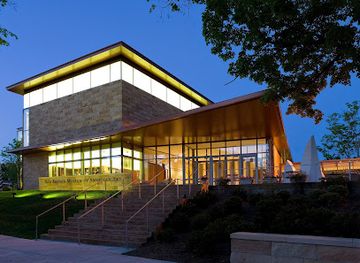
New Britain’s principal attractions combine art, urban history and open space. The New Britain Museum of American Art is the city’s cultural anchor, displaying American paintings, sculpture and works on paper in a setting suited to a considered visit rather than a quick glance. Walnut Hill Park, associated with the American park tradition, provides lawns, mature trees, formal planting and elevated views over the city, with a rose garden among its notable features. The New Britain Industrial Museum explains the manufacturing story behind the nickname “Hardware City”, while downtown arts programming adds a contemporary dimension. Broad Street and the Little Poland district are attractions in their own right for visitors interested in food, churches, community history and immigrant culture. Together these places present New Britain as a working Connecticut city whose appeal lies in the relationship between industrial achievement, public landscape and living neighbourhood traditions.
-
Tourist attraction
Stanley Quarter Park
Discover New Britain's Stanley Quarter Park: A scenic escape with trails, sports, and community events for all ages.
7 min drive · 2.2 km from city centre
-
Tourist attraction
New Britain Museum of American Art
Discover three centuries of American art at the New Britain Museum of American Art, the nation's first museum dedicated solely to American art.
18 min walk · 1.4 km from city centre
-
Tourist attraction
AW Stanley Park
Explore AW Stanley Park: A Natural Haven in New Britain, Connecticut, Perfect for Outdoor Activities and Family Fun.
10 min drive · 3.4 km from city centre
-
Tourist attraction
Batterson Park
Explore the serene beauty of Batterson Park in Farmington, Connecticut—an ideal retreat for nature lovers and families seeking outdoor fun.
13 min drive · 4.2 km from city centre
Best landmarks in New Britain
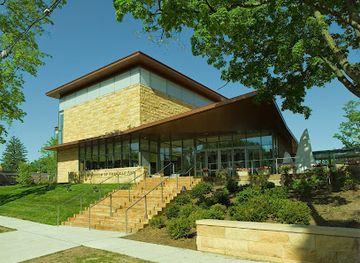
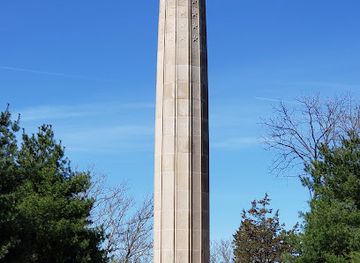
New Britain’s landmarks express the city’s industrial wealth, immigrant history and civic aspirations. The New Britain Museum of American Art is significant not only for its collection but also as a long-established institution devoted to American art. Walnut Hill Park is an important designed landscape, with broad lawns, formal planting and a rose garden that show how nineteenth-century urban improvement shaped public life. St. Stanislaus Church and other substantial Catholic churches reflect the Polish and wider European immigration that accompanied factory growth, while Trinity-on-Main represents the city’s continuing cultural use of central civic space. The New Britain Industrial Museum preserves the memory of the tool and hardware companies that defined local employment and reputation. Downtown civic buildings, commercial blocks and former industrial structures complete a built environment in which manufacturing history remains visible alongside later community development.
-
Park
Walnut Hill Park
Explore the beauty and tranquility of Walnut Hill Park, a stunning urban park in New Britain, Connecticut, perfect for relaxation and recreation.
5 min drive · 1.7 km from city centre
-
Art museum
New Britain Museum of American Art
Discover the New Britain Museum of American Art, a cultural gem showcasing a diverse collection of American art and inspiring exhibitions for all ages.
18 min walk · 1.4 km from city centre
-
Brewery
Alvarium Beer Company
Discover the flavorful world of craft beer at Alvarium Beer Company, New Britain's premier brewery offering diverse brews and a welcoming atmosphere.
9 min drive · 2.9 km from city centre
-
Art museum
Hill-Stead Museum
Experience the blend of art, history, and nature at Hill-Stead Museum in Farmington, Connecticut, a true cultural gem for every traveler.
17 min drive · 5.8 km from city centre

Explore New Britain on the map
Plan your New Britain trip on one map. See where the top attractions, landmarks, restaurants, bars and hotels are, find what's near where you're staying, and book hotels and experiences in a few clicks.
Best hotels in New Britain
Best restaurants in New Britain
New Britain’s dining identity is closely connected with its Polish-American community, particularly around Broad Street and Little Poland. Polish restaurants, bakeries, delicatessens and food shops offer familiar specialities such as pierogi, kielbasa, stuffed cabbage, potato pancakes and baked goods, with recipes often reflecting family traditions rather than a single formal style. Visitors can also find the broader mix typical of central Connecticut, including American diners, pizza restaurants, cafés, Caribbean and Latin American cooking, and casual international eateries. Bakeries and speciality shops are useful places to encounter Polish breads, cakes, sausages and imported groceries, while community festivals may add temporary food stalls and regional dishes. Dining is generally informal, and the city’s food culture is best understood through its neighbourhood businesses and immigrant history rather than through a concentration of fine-dining establishments.
-
Puerto Rican
MofonGo Restaurant
Experience authentic Puerto Rican cuisine at MofonGo Restaurant in New Britain - where every dish tells a story.
13 min walk · 1.0 km from city centre
-
Puerto Rican
Criollisimo Restaurant
Experience authentic Puerto Rican cuisine at Criollisimo Restaurant in New Britain - a culinary journey filled with flavor and tradition.
5 min drive · 1.7 km from city centre
-
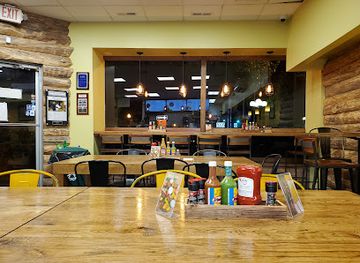
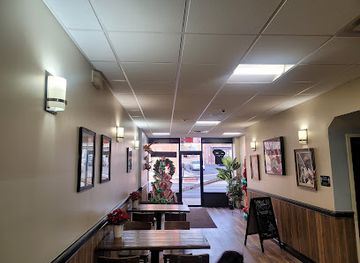
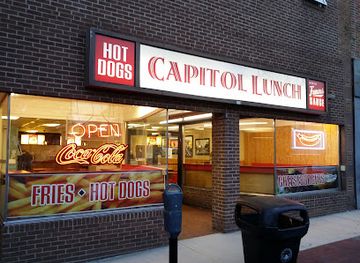
Hot Dog
Capitol Lunch
Discover Capitol Lunch: A cherished destination in New Britain serving delicious hot dogs and classic fast food with a local touch.
9 min walk · 0.7 km from city centre
-
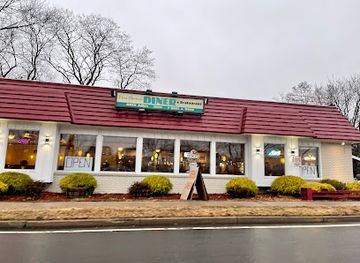
Breakfast
New Britain Diner Restaurant
Discover the New Britain Diner - A cozy spot serving up delicious breakfasts and hearty lunches in Connecticut's charming city.
6 min drive · 2.1 km from city centre
Best bars in New Britain
New Britain’s evening scene is modest and locally oriented rather than built around a large club district. Downtown bars, restaurants and casual social venues provide places for drinks and conversation, while Trinity-on-Main contributes arts programming, performances and community events that broaden the city’s after-dark culture beyond nightlife centred on alcohol. Polish-American restaurants and neighbourhood establishments can remain important evening meeting places, particularly around Broad Street. Live entertainment and seasonal festivals may bring additional activity to central streets, but schedules vary and should be checked locally. Visitors looking for a larger range of concerts, theatres, late-night bars and clubs can use the Hartford Line or road connections to explore Hartford, while New Britain itself suits an evening shaped around food, local events and small-scale cultural venues.
-
Bar
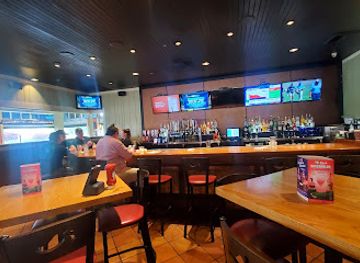
Chili's Grill & Bar
Discover a vibrant dining experience at Chili's Grill & Bar, where American and Tex-Mex flavors come together in a family-friendly atmosphere.
14 min drive · 4.6 km from city centre
-
German
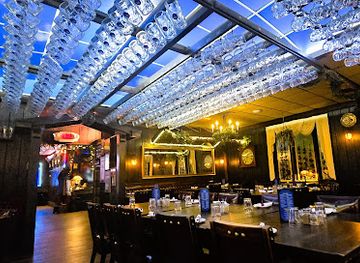
East Side Restaurant
Experience the authentic taste of Germany at East Side Restaurant, where hearty dishes and a lively atmosphere await you in New Britain.
5 min drive · 1.8 km from city centre
-
Chinese
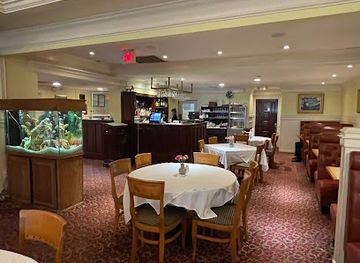
Great Taste Chinese Restaurant
Experience authentic Chinese cuisine at Great Taste Chinese Restaurant in New Britain, where flavor and tradition come together in every dish.
5 min drive · 1.8 km from city centre
-
American
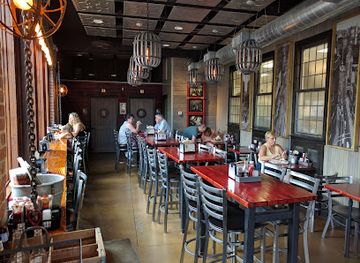
Riley's Hot Dog & Burger Gourmet
Discover the best gourmet hot dogs and burgers at Riley's in New Britain, CT, where flavor meets fun in a vibrant atmosphere.
5 min drive · 1.5 km from city centre
Best nightclubs in New Britain
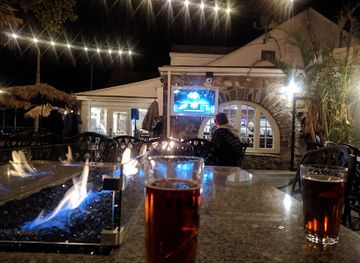
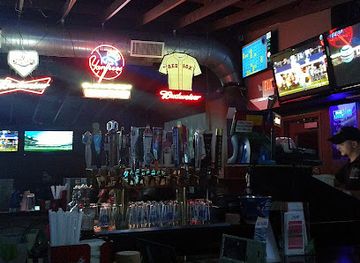
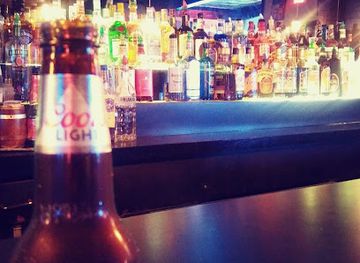
New Britain’s evening scene is modest and locally oriented rather than built around a large club district. Downtown bars, restaurants and casual social venues provide places for drinks and conversation, while Trinity-on-Main contributes arts programming, performances and community events that broaden the city’s after-dark culture beyond nightlife centred on alcohol. Polish-American restaurants and neighbourhood establishments can remain important evening meeting places, particularly around Broad Street. Live entertainment and seasonal festivals may bring additional activity to central streets, but schedules vary and should be checked locally. Visitors looking for a larger range of concerts, theatres, late-night bars and clubs can use the Hartford Line or road connections to explore Hartford, while New Britain itself suits an evening shaped around food, local events and small-scale cultural venues.
-
Grill
The Back Nine Tavern at Stanley Golf Course
Experience delightful dining at The Back Nine Tavern, where great food meets stunning views at Stanley Golf Course in New Britain.
11 min drive · 3.6 km from city centre
-
Restaurant
Roma Restaurant
Experience authentic Italian cuisine at Roma Restaurant, where delicious pizzas and a lively atmosphere await in New Britain, Connecticut.
16 min walk · 1.3 km from city centre
-
Bar
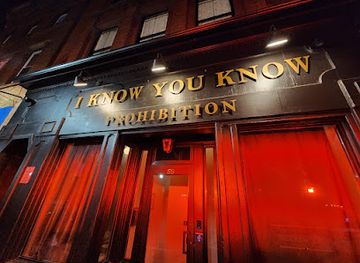
I Know You Know
Discover the local nightlife at I Know You Know, a vibrant bar in New Britain known for its craft cocktails and welcoming atmosphere.
17 min walk · 1.3 km from city centre
-
Bar
Office Cafe
Discover the vibrant nightlife at Office Cafe, a lively bar in New Britain, perfect for unwinding with friends and enjoying local flavors.
7 min drive · 2.3 km from city centre
Best shops in New Britain
Shopping in New Britain is most distinctive on Broad Street and in the Little Poland district, where independent food shops, bakeries, delicatessens and restaurants offer Polish groceries, breads, confectionery, sausages and other products associated with the city’s immigrant heritage. These businesses make the area more culturally specific than a conventional suburban retail corridor and are useful for edible gifts as well as everyday shopping. Downtown has additional small businesses and services, while larger general retail is distributed along the city’s main roads and in the wider central Connecticut area. Visitors should distinguish locally rooted products from generic souvenirs: Polish pantry goods, baked items, cookbooks and community-related merchandise provide a stronger connection with New Britain’s identity than mass-produced giftware. Retail patterns and individual businesses can change, so an open-minded neighbourhood walk is more rewarding than expecting a single traditional market.
-
Grocery store
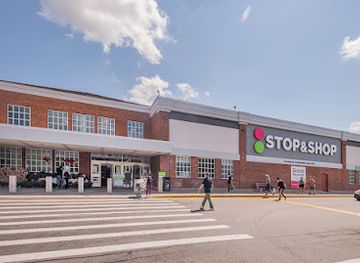
Stop & Shop
Explore Stop & Shop in New Britain, CT for fresh groceries, local products, and a convenient shopping experience during your travels.
5 min drive · 1.8 km from city centre
-
Shopping mall
New Brite Plaza
Explore New Brite Plaza, New Britain's vibrant shopping mall featuring diverse stores, dining options, and a lively atmosphere for all ages.
11 min walk · 0.9 km from city centre
-
Vaporizer store
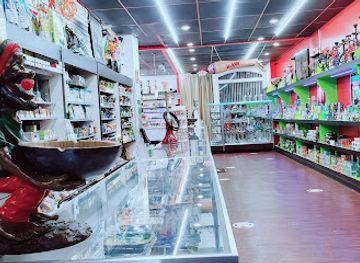
Cobra Vapor Smoke Shop - Hookah, CBD, Kratom, Head Shop, Tobacco, Rigs, Disposables
Discover Cobra Vapor Smoke Shop in New Britain, CT, your ultimate destination for premium vaporizers, hookah, and tobacco products.
9 min walk · 0.7 km from city centre
-
Gift shop
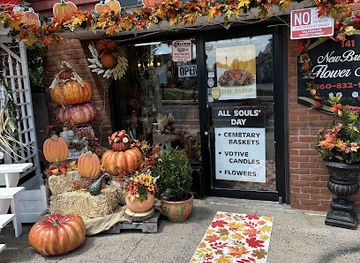
New Britain Flower Shop
Discover the beauty of fresh flowers and unique gifts at New Britain Flower Shop, your go-to destination for all things floral in Connecticut.
5 min walk · 0.4 km from city centre
Get your free copy of our complete guide to New Britain, delivered straight to you.
Everything on this page, from attractions and restaurants to essentials and local phrases, in one PDF you can read offline, print or share.
Already have an account? Sign in
Your New Britain guide is ready.
We'll send it to · Not you? Sign out

Getting your guide ready…
We are putting together a fresh copy of the New Britain guide. This can take up to a minute.
This can take a few moments. If your browser asks, choose Allow so the download can start. You'll find the guide in your Downloads folder.
Nothing happened? Download it again
Sorry, the guide is taking longer than usual. Please try again in a minute, or get it by email instead.
New Britain essentials
Currency and Payment
Safety
Emergency Situations
Do's and Don'ts
Local Tips
From Eve
Local phrases worth knowing
You don't need to get them perfect. A few words go a long way, and locals appreciate the effort.
Basics
| English | Local | Say it |
|---|---|---|
| Hello | Hey | [hey] |
| Goodbye | See ya | [see yuh] |
| Yes | Yeah | [yeah] |
| No | Nah | [nah] |
| Please/You're welcome | Please/No problem | [pleez/no problem] |
| Thank you | Thanks | [thanks] |
| Excuse me/Sorry | Excuse me/My bad | [excuse me/my bad] |
| How are you? | How you doin'? | [how yuh doin] |
| Fine. And you? | I'm good. You? | [I'm good. yuh?] |
| Do you speak English? | You speak English? | [yuh speak english] |
| I don't understand | I don't get it | [I don't get it] |
Eating & Drinking
| English | Local | Say it |
|---|---|---|
| I'd like to see the menu, please | Can I see the menu? | [can I see the menu] |
| I don't eat meat | I don't eat meat | [I don't eat meat] |
| Cheers! | Cheers! | [cheers] |
| I would like to pay, please | Can I pay now? | [can I pay now] |
Emergencies
| English | Local | Say it |
|---|---|---|
| Help! | Help! | [help] |
| Go away! | Get lost! | [get lost] |
| Call the Police! | Call the cops! | [call the cops] |
| Call a doctor! | Get a doctor! | [get a doctor] |
| I'm lost | I'm lost | [I'm lost] |
| I'm ill | I'm sick | [I'm sick] |
Shopping
| English | Local | Say it |
|---|---|---|
| I'd like to buy... | I wanna buy... | [I wanna buy] |
| I'm just looking | Just browsing | [just browsing] |
| How much is it? | How much? | [how much] |
| That's too expensive | Too pricey | [too pricey] |
| Can you lower the price? | Can you do a deal? | [can you do a deal] |
Time & Numbers
| English | Local | Say it |
|---|---|---|
| What time is it? | What's the time? | [whats the time] |
| It's one o'clock | It's one | [it's one] |
| Half past (10) | Ten thirty | [ten thirty] |
| Morning | Morning | [morning] |
| Afternoon | Afternoon | [afternoon] |
| Evening | Evening | [evening] |
| Yesterday | Yesterday | [yesterday] |
| Today | Today | [today] |
| Tomorrow | Tomorrow | [tomorrow] |
| 1 | One | [one] |
| 2 | Two | [two] |
| 3 | Three | [three] |
| 4 | Four | [four] |
| 5 | Five | [five] |
| 6 | Six | [six] |
| 7 | Seven | [seven] |
| 8 | Eight | [eight] |
| 9 | Nine | [nine] |
| 10 | Ten | [ten] |
Transport & Directions
| English | Local | Say it |
|---|---|---|
| Where's a/the...? | Where's the...? | [wheres the] |
| What's the address? | What's the address? | [whats the address] |
| Can you show me (on the map)? | Can you show me (on the map)? | [can you show me (on the map)] |
| When's the next (bus)? | When's the next (bus)? | [whens the next (bus)] |
| A ticket (to ....) | A ticket (to ....) | [a ticket (to)] |
History of New Britain
Indigenous Land and Farmington Origins
Before European settlement, the wider central Connecticut region was inhabited by Indigenous peoples whose communities used the area’s woodland, wetlands and waterways for travel, hunting and cultivation. European settlement connected the land that became New Britain with Farmington, established by English colonists in the mid-seventeenth century. New Britain developed initially as a rural parish west of Farmington rather than as an independent town. Farms, roads and small mills gradually altered the landscape, while the settlement’s position between the Connecticut River corridor and western uplands gave it useful links to nearby communities.
From Parish to Independent Town
New Britain’s population and economic importance grew during the eighteenth and early nineteenth centuries as agriculture was joined by small-scale manufacturing and trade. The community became an independent town in 1850, separating from Farmington, and was incorporated as a city in 1871. This transition reflected both population growth and the increasing importance of local institutions, roads, businesses and civic government. The emerging town was no longer simply an agricultural outpost: waterpower, transportation improvements and an expanding workforce were creating the conditions for a distinctly industrial urban centre.
The Rise of Hardware City
During the nineteenth century, New Britain became one of Connecticut’s important manufacturing centres, specialising in locks, tools, hardware and related products. The Stanley Works, founded in New Britain in 1843, became one of the best-known companies associated with the city, while other manufacturers helped establish a dense industrial economy. Skilled metalworking, factory employment and technical innovation attracted workers and investment. The nickname “Hardware City” expressed this economic identity, and the prosperity generated by manufacturing supported schools, churches, public buildings, cultural institutions and parks.
Immigration and Community Formation
Industrial expansion drew immigrants from Europe and created neighbourhoods organised around language, religion, work and mutual aid. Polish immigration became especially influential in New Britain from the late nineteenth century onwards, leaving a durable imprint on Broad Street, local churches, food traditions and civic life. Polish-American institutions joined older communities and helped shape the city’s social landscape. The resulting cultural history is not separate from New Britain’s industrial past: factories provided employment, while churches, shops, associations and family businesses created the networks through which new residents established lasting communities.
Industrial Change and a Continuing Identity
The twentieth century brought both further industrial achievement and the pressures of changing manufacturing. New Britain’s companies participated in the production of tools, hardware and other industrial goods, but automation, corporate restructuring and the decline of domestic manufacturing altered the city’s economic base. Former factory areas and company histories now form an important part of its heritage, while museums, public parks, arts organisations and neighbourhood businesses express a broader contemporary identity. New Britain remains closely associated with invention and skilled production, even as its cultural life reflects the diverse communities that grew during its industrial era.
New Britain in Photos
Browse through our photo collection highlighting the charm and character of the destination.
Cities near New Britain
The closest cities to New Britain, if you have time for more than one stop.
-

-

-

-

-


Swipe for more cities
Explore more

Explore more of Connecticut
Discover Connecticut: A blend of charming coastal towns, rich history, and scenic landscapes, perfect for nature lovers, history buffs, and cultural enthusiasts.
Explore Connecticut