

Free Meriden Travel Guide & Mobile App
Plan your Meriden trip with Evendo. Get free guides to top attractions, restaurants, hotels, and bars. Web access or download the mobile app.


Meriden, Connecticut blends industrial history, Castle Craig views, Hubbard Park, dining and central New England sightseeing between New Haven and Hartford.
A Crossroads with Industrial Roots
Meriden lies in central Connecticut between New Haven and Hartford, where the Quinnipiac River valley meets the wooded ridges of the Metacomet Range. Its position helped shape the city: roads, railways and later highways connected Meriden with the wider New England economy, while factories made it an important centre for silverware, pewter and metalworking. The legacy of that manufacturing era remains visible in the city's historic streets, former industrial buildings and civic institutions.Read more about Meriden
Hills, Gardens and City Life
When is the best time to visit Meriden?
Best: June–July, September · 23–28°C| Month | High (°C) | Rainfall (mm) |
|---|---|---|
| January | 1 | 89 |
| February | 3 | 78 |
| March | 8 | 97 |
| April | 14 | 109 |
| May | 20 | 105 |
| June (best) | 25 | 101 |
| July (best) | 28 | 108 |
| August | 28 | 114 |
| September (best) | 23 | 104 |
| October | 16 | 97 |
| November | 10 | 91 |
| December | 3 | 98 |
Getting to and around Meriden
How to get there
Transportation
Best attractions in Meriden
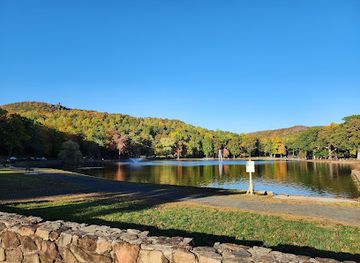
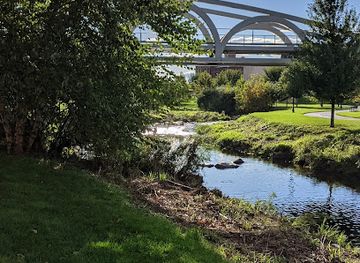
Meriden's attractions bring together public landscapes, local history and the remains of its industrial identity. Hubbard Park is the city's defining outdoor space, with woodland paths, gardens, seasonal flowers and routes leading towards Castle Craig on the western ridge. The stone tower is both a viewpoint and a civic monument, while the park's broad lawns host community events including the spring Daffodil Festival. Downtown, the Meriden Green offers an accessible open space beside civic and commercial streets, and the Meriden Linear Trail follows the Quinnipiac River corridor for walking and cycling. The Solomon Goffe House provides a more focused encounter with early settlement history, subject to its access arrangements. Visitors interested in the city's manufacturing past can also read its story through historic commercial buildings and surviving industrial areas. Together, these places offer a quieter, locally grounded alternative to the larger cultural attractions of nearby New Haven and Hartford.
-
Tourist attraction
Hubbard Park
Discover natural beauty and recreation at Hubbard Park in Meriden, CT, featuring hiking trails, scenic views, and historic Castle Craig.
11 min drive · 3.7 km from city centre
-
Tourist attraction
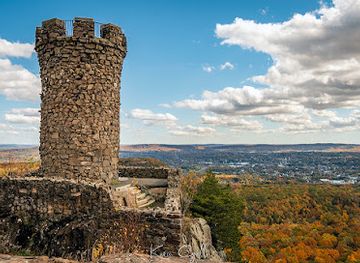
Castle Craig
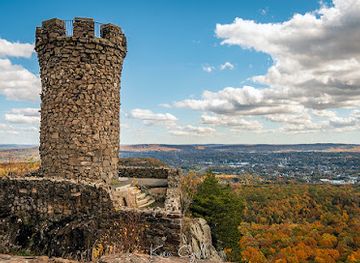
Explore the breathtaking views and rich history of Castle Craig, a historical landmark in the heart of Hubbard Park, Meriden, Connecticut.
12 min drive · 4.0 km from city centre
-
Park
Meriden Green
Experience the beauty and community spirit at Meriden Green, a lush urban park in the heart of Connecticut perfect for relaxation and leisure.
6 min walk · 0.4 km from city centre
-
Park
Doctor Francis Giuffrida Park
Experience the tranquility and recreational charm of Doctor Francis Giuffrida Park, a perfect family-friendly destination in Meriden, Connecticut.
10 min drive · 3.2 km from city centre

Best landmarks in Meriden
Castle Craig is Meriden's best-known landmark, a rough-stone observation tower completed in 1900 on East Peak in Hubbard Park; its elevated position gives it both scenic and civic significance. The Solomon Goffe House represents the city's colonial-era beginnings and is among its most important surviving historic houses. In the centre, the Meriden Green is a contemporary civic landmark, created as a public gathering space within the revitalised downtown landscape. Meriden's railway station and surrounding downtown buildings express another layer of identity, linking the city to the transportation network that supported its industrial expansion. Former silverware and metalworking properties, where visible and accessible from public streets, recall the companies that made Meriden nationally known for manufactured goods. The landmarks are therefore less a single monumental ensemble than a sequence of park, house, civic space and industrial traces.
-
Shopping mall
Meriden Mall
Discover the ultimate shopping experience at Meriden Mall in Connecticut, where fashion, food, and fun come together for an unforgettable day.
6 min drive · 1.9 km from city centre
-
Park
Hubbard Park
Explore the serene beauty of Hubbard Park in Meriden, Connecticut - a perfect blend of nature, history, and recreation for every traveler.
11 min drive · 3.7 km from city centre
-
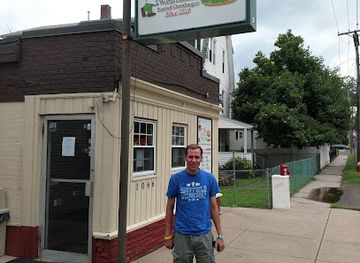
Hamburger
Ted's Restaurant
Experience the unique steamed cheeseburgers at Ted's Restaurant in Meriden, CT—an iconic fast-food destination for burger lovers.
18 min walk · 1.4 km from city centre
-
Historical landmark
Castle Craig
Experience the breathtaking views and rich history at Castle Craig, a stunning historical landmark in Meriden, Connecticut, nestled in Hubbard Park.
12 min drive · 4.0 km from city centre

Explore Meriden on the map
Plan your Meriden trip on one map. See where the top attractions, landmarks, restaurants, bars and hotels are, find what's near where you're staying, and book hotels and experiences in a few clicks.
Best hotels in Meriden
Best restaurants in Meriden
Meriden's dining scene reflects the practical, mixed character of a central Connecticut city, with casual American restaurants, family-run establishments, cafés and international cooking found around downtown and the main commercial corridors. The city is especially associated with the Connecticut-style steamed cheeseburger, a regional variation in which the patty is cooked in a steam cabinet and served with familiar toppings. Local restaurants also draw on Italian-American traditions, pizza, sandwiches, seafood and broader immigrant influences that have become part of everyday dining in southern New England. Independent cafés and bakeries provide informal stops during a downtown visit, while larger roads offer a wider range of straightforward restaurants. Dining is generally relaxed rather than formal, and the choice is shaped more by neighbourhood businesses and long-standing local preferences than by a concentrated fine-dining district.
-
Hamburger
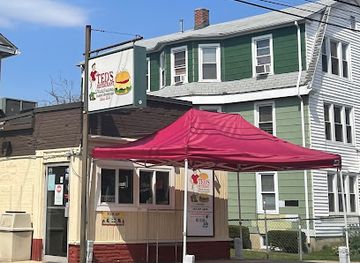
Ted's Restaurant
Discover Ted's Restaurant in Meriden - home of delicious burgers and fast service perfect for travelers seeking local flavors.
18 min walk · 1.4 km from city centre
-
Mexican
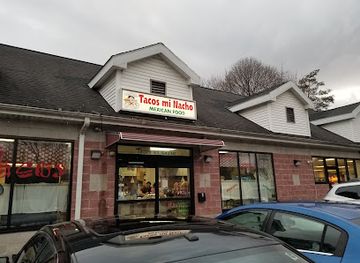
Tacos Mi Nacho
Savor authentic Mexican flavors at Tacos Mi Nacho in Meriden—where every dish is a celebration of taste and culture.
4 min walk · 0.4 km from city centre
-
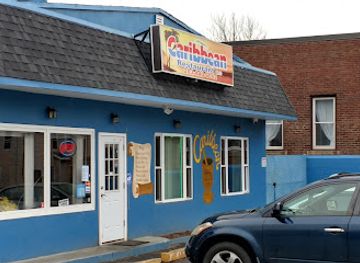
Puerto Rican
Caribbean Restaurant LLC#1
Discover the vibrant flavors of Puerto Rican cuisine at Caribbean Restaurant LLC#1 in Meriden - an unforgettable culinary journey awaits.
8 min walk · 0.6 km from city centre
-
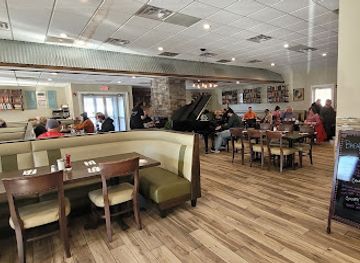
Family-friendly
Huxley’s Bookmark Cafe
Experience delightful breakfasts and exceptional coffee at Huxley’s Bookmark Cafe in Meriden – perfect for families and coffee enthusiasts!
10 min drive · 3.4 km from city centre
Best bars in Meriden
Meriden's evening scene is modest and locally oriented, centred on neighbourhood bars, casual restaurants, cafés and occasional live entertainment rather than a large club district. Downtown and the main commercial roads offer places for an unhurried drink or meal, while nearby central Connecticut towns provide a broader choice of cinemas, music venues and late-evening entertainment. Community performances, seasonal events and programmes at local civic or cultural venues can be more characteristic of Meriden after dark than nightclub culture. Visitors should expect venues and audiences to vary by day and event calendar, with many evenings remaining quiet outside restaurant areas. Taxis or a designated driver are prudent when travelling between dispersed venues, and American rules on legal drinking age, identification and driving after drinking are strictly applied.
-
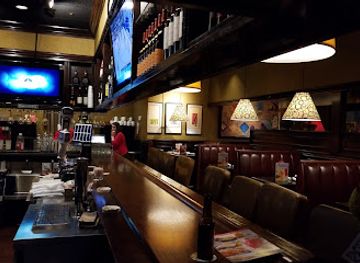
American
Ruby Tuesday
Experience classic American dining at Ruby Tuesday, where fresh ingredients and a warm atmosphere combine for an unforgettable meal.
5 min drive · 1.8 km from city centre
-
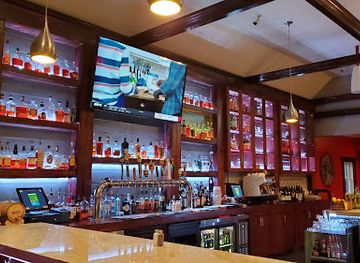
Barbecue
Taino Smokehouse Prime
Experience the best of barbecue, steak, and baked delights at Taino Smokehouse Prime in Meriden, CT. A culinary treasure for every food lover.
10 min drive · 3.4 km from city centre
-
Restaurant
Banana Brazil
Experience the vibrant flavors of Brazil at Banana Brazil, where delicious buffet-style dining meets a warm and inviting atmosphere.
12 min walk · 1.0 km from city centre
-
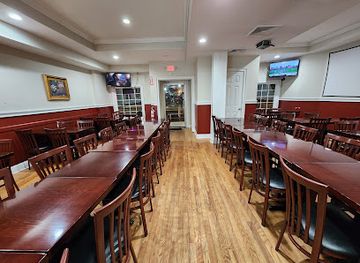
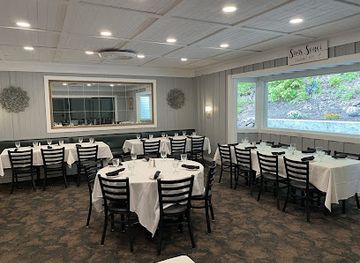
American
Sans-Souci Restaurant
Discover the culinary delights of Sans-Souci Restaurant, where American and Italian flavors come together in a cozy atmosphere.
13 min drive · 4.3 km from city centre
Best nightclubs in Meriden
Meriden's evening scene is modest and locally oriented, centred on neighbourhood bars, casual restaurants, cafés and occasional live entertainment rather than a large club district. Downtown and the main commercial roads offer places for an unhurried drink or meal, while nearby central Connecticut towns provide a broader choice of cinemas, music venues and late-evening entertainment. Community performances, seasonal events and programmes at local civic or cultural venues can be more characteristic of Meriden after dark than nightclub culture. Visitors should expect venues and audiences to vary by day and event calendar, with many evenings remaining quiet outside restaurant areas. Taxis or a designated driver are prudent when travelling between dispersed venues, and American rules on legal drinking age, identification and driving after drinking are strictly applied.
-
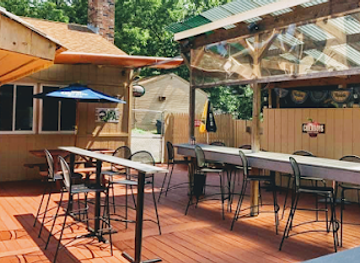
Grill
Dawg House Bar & Grill
Experience the vibrant atmosphere and delicious offerings at Dawg House Bar & Grill in Meriden, CT - your go-to spot for food and entertainment.
17 min walk · 1.3 km from city centre
-
Pub
Maloney's
Discover the charm of Maloney's in Meriden, a cozy pub offering great drinks, delicious food, and a lively atmosphere perfect for unwinding.
8 min drive · 2.7 km from city centre
-
Bar
Scotty O Boyles Pub
Discover the vibrant atmosphere and affordable drinks at Scotty O Boyles Pub, a local favorite in Meriden, Connecticut.
18 min walk · 1.5 km from city centre
-
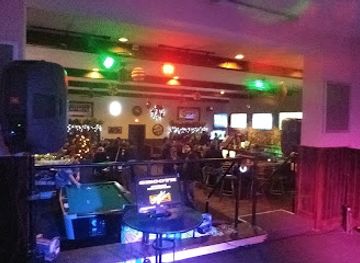
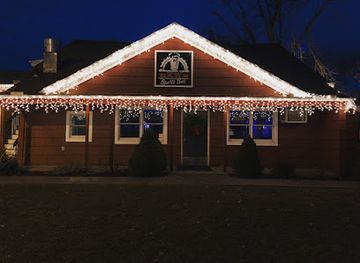
Bar
VILLAGE BARN SPORTS BAR LLC
Discover the vibrant Village Barn Sports Bar in Meriden, CT, where delicious food, live entertainment, and a friendly atmosphere await.
12 min drive · 3.8 km from city centre

Best shops in Meriden
Shopping in Meriden is primarily practical and local, with independent retailers, cafés, small businesses and everyday services concentrated around downtown and larger commercial corridors. The city does not have a famous historic bazaar or a specialised luxury-shopping quarter, but its retail character reflects central Connecticut life rather than a visitor-oriented shopping scene. Seasonal community events and local markets may provide opportunities to encounter handmade goods, prepared food and regional products, although their timing varies. Visitors interested in souvenirs can look for Connecticut food products, locally made crafts and silver-inspired gifts that echo Meriden's manufacturing heritage, while antique and second-hand businesses in the wider area may appeal to those interested in New England domestic history. The nearby Westfield Meriden shopping centre provides a more conventional retail option, alongside the chain stores and services found near major roads.
-
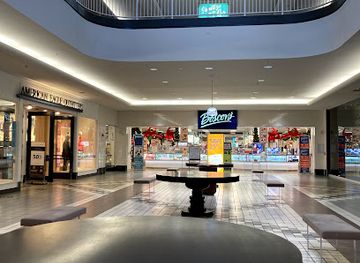
Gift shop
Meriden Mall
Explore the vibrant Meriden Mall, Connecticut's premier shopping destination filled with diverse stores, dining options, and family-friendly entertainment.
6 min drive · 1.9 km from city centre
-
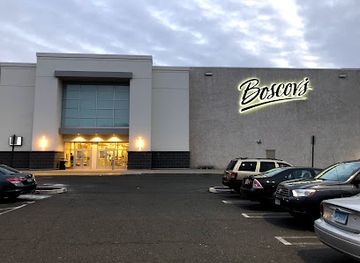
Department store
Boscov's
Discover an extensive selection of clothing, home goods, and accessories at Boscov's in Meriden, Connecticut - where shopping meets enjoyment.
6 min drive · 2.0 km from city centre
-
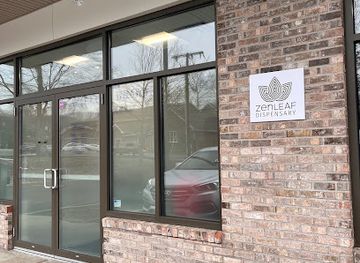
Cannabis store
Zen Leaf Meriden
Explore premium cannabis products at Zen Leaf Meriden, where quality meets education in a welcoming atmosphere.
10 min drive · 3.4 km from city centre
-
Grocery store
Stop & Shop
Discover local flavors and fresh produce at Stop & Shop in Meriden, your go-to grocery store for essentials and gourmet delights.
6 min walk · 0.5 km from city centre
Get your free copy of our complete guide to Meriden, delivered straight to you.
Everything on this page, from attractions and restaurants to essentials and local phrases, in one PDF you can read offline, print or share.
Already have an account? Sign in
Your Meriden guide is ready.
We'll send it to · Not you? Sign out

Getting your guide ready…
We are putting together a fresh copy of the Meriden guide. This can take up to a minute.
This can take a few moments. If your browser asks, choose Allow so the download can start. You'll find the guide in your Downloads folder.
Nothing happened? Download it again
Sorry, the guide is taking longer than usual. Please try again in a minute, or get it by email instead.
Meriden essentials
Currency and Payment
Safety
Emergency Situations
Do's and Don'ts
Local Tips
From Eve
Local phrases worth knowing
You don't need to get them perfect. A few words go a long way, and locals appreciate the effort.
Basics
| English | Local | Say it |
|---|---|---|
| Hello | Hey | [hey] |
| Goodbye | See ya | [see ya] |
| Yes | Yeah | [yeah] |
| No | Nah | [nah] |
| Please/You're welcome | Please/No problem | [please/no problem] |
| Thank you | Thanks | [thanks] |
| Excuse me/Sorry | Sorry | [sorry] |
| How are you? | How you doin'? | [how you doin'] |
| Fine. And you? | Good. You? | [good. you?] |
| Do you speak English? | You speak English? | [you speak english?] |
| I don't understand | I don't get it | [i don't get it] |
Eating & Drinking
| English | Local | Say it |
|---|---|---|
| I'd like to see the menu, please | Can I see the menu? | [can i see the menu?] |
| I don't eat meat | I'm vegetarian | [i'm vegetarian] |
| Cheers! | Cheers! | [cheers!] |
| I would like to pay, please | Check, please | [check, please] |
Emergencies
| English | Local | Say it |
|---|---|---|
| Help! | Help! | [help!] |
| Go away! | Get lost! | [get lost!] |
| Call the Police! | Call the cops! | [call the cops!] |
| Call a doctor! | Get a doctor! | [get a doctor!] |
| I'm lost | I'm lost | [i'm lost] |
| I'm ill | I'm sick | [i'm sick] |
Shopping
| English | Local | Say it |
|---|---|---|
| I'd like to buy... | I wanna buy... | [i wanna buy...] |
| I'm just looking | Just browsing | [just browsing] |
| How much is it? | How much? | [how much?] |
| That's too expensive | Too pricey | [too pricey] |
| Can you lower the price? | Can you make it cheaper? | [can you make it cheaper?] |
Time & Numbers
| English | Local | Say it |
|---|---|---|
| What time is it? | What's the time? | [what's the time?] |
| It's one o'clock | It's one | [it's one] |
| Half past (10) | Half past ten | [half past ten] |
| Morning | Morning | [morning] |
| Afternoon | Afternoon | [afternoon] |
| Evening | Evening | [evening] |
| Yesterday | Yesterday | [yesterday] |
| Today | Today | [today] |
| Tomorrow | Tomorrow | [tomorrow] |
| 1 | One | [one] |
| 2 | Two | [two] |
| 3 | Three | [three] |
| 4 | Four | [four] |
| 5 | Five | [five] |
| 6 | Six | [six] |
| 7 | Seven | [seven] |
| 8 | Eight | [eight] |
| 9 | Nine | [nine] |
| 10 | Ten | [ten] |
Transport & Directions
| English | Local | Say it |
|---|---|---|
| Where's a/the...? | Where's the...? | [where's the...?] |
| What's the address? | What's the address? | [what's the address?] |
| Can you show me (on the map)? | Can you show me? | [can you show me?] |
| When's the next (bus)? | When's the next bus? | [when's the next bus?] |
| A ticket (to ....) | A ticket to ... | [a ticket to ...] |
History of Meriden
Quinnipiac Lands and Early Settlement
The Meriden area lies within the traditional homeland of the Quinnipiac people, whose communities used the river valleys, forests and uplands of central Connecticut. English settlement expanded into the region during the colonial period, and Meriden developed from scattered farms and local roads rather than from a single fortified foundation. The Solomon Goffe House, traditionally dated to the early eighteenth century, survives as an important reminder of this formative period. Agriculture, small-scale commerce and connections with neighbouring settlements shaped the community before large factories transformed its economy. As elsewhere in Connecticut, colonial expansion displaced Indigenous communities and altered established patterns of land use, a history that forms an essential part of the city's origins.
From Parish to Incorporated Town
Meriden grew as a settled community during the eighteenth century and became a separate town in 1806, reflecting the increasing population and local institutions of the area. Its position between New Haven and Hartford encouraged movement along turnpikes and regional roads, while the Quinnipiac River valley provided a natural corridor for settlement and trade. Churches, schools, workshops and houses gradually gave the town a recognisable civic centre. The arrival of the railroad in the nineteenth century accelerated this development by improving access to markets and raw materials. Meriden's later identity as an industrial city was therefore built upon earlier transport links and a landscape already organised around farming, commerce and local government.
Railways and the Rise of Manufacturing
Nineteenth-century rail connections helped Meriden become one of Connecticut's notable manufacturing centres. Factories produced silver-plated goods, cutlery, hollowware, lamps and other metal products for national and international markets. The Meriden Britannia Company, founded in 1852, became particularly important in the city's silverware story, and other firms followed as industrial expertise and transport access attracted investment. Manufacturing brought population growth, immigrant communities and expanding neighbourhoods, while company buildings, workers' housing and commercial blocks changed the city's physical character. Meriden was incorporated as a city in 1867, a civic milestone that reflected its growing economic and urban importance.
Industrial Consolidation and Civic Ambition
By the late nineteenth and early twentieth centuries, Meriden's metalworking economy had become closely associated with the International Silver Company, formed in 1898 through the consolidation of several Connecticut manufacturers. The industry supported skilled employment and gave the city a strong presence in American decorative arts and household manufacturing. At the same time, Meriden invested in public institutions, streets and parks that expressed civic confidence. Hubbard Park, created through gifts from Walter Hubbard and developed in the late nineteenth and early twentieth centuries, brought designed landscapes and recreational space to the city's western edge. Castle Craig, completed in 1900, became its most recognisable public monument.
A Post-Industrial City with Green Connections
Like many northeastern manufacturing cities, Meriden faced industrial decline and factory closures during the twentieth century as production and employment shifted. The reduction of silver manufacturing changed the downtown economy, but the city retained its transport advantages and substantial public landscapes. Recent urban initiatives have focused on reconnecting the centre with the Quinnipiac River, improving civic space and supporting transit-oriented development around the railway station. The Meriden Green and the Meriden Linear Trail form part of that continuing transformation. Today, historic buildings, public parks and community events provide tangible links between the city's manufacturing past and its evolving identity within central Connecticut.
Meriden in Photos
Browse through our photo collection highlighting the charm and character of the destination.
Cities near Meriden
The closest cities to Meriden, if you have time for more than one stop.
-

-

-

-

-


Swipe for more cities
Explore more

Explore more of Connecticut
Discover Connecticut: A blend of charming coastal towns, rich history, and scenic landscapes, perfect for nature lovers, history buffs, and cultural enthusiasts.
Explore Connecticut