

Free West Hartford Travel Guide & Mobile App
Plan your West Hartford trip with Evendo. Get free guides to top attractions, restaurants, hotels, and bars. Web access or download the mobile app.


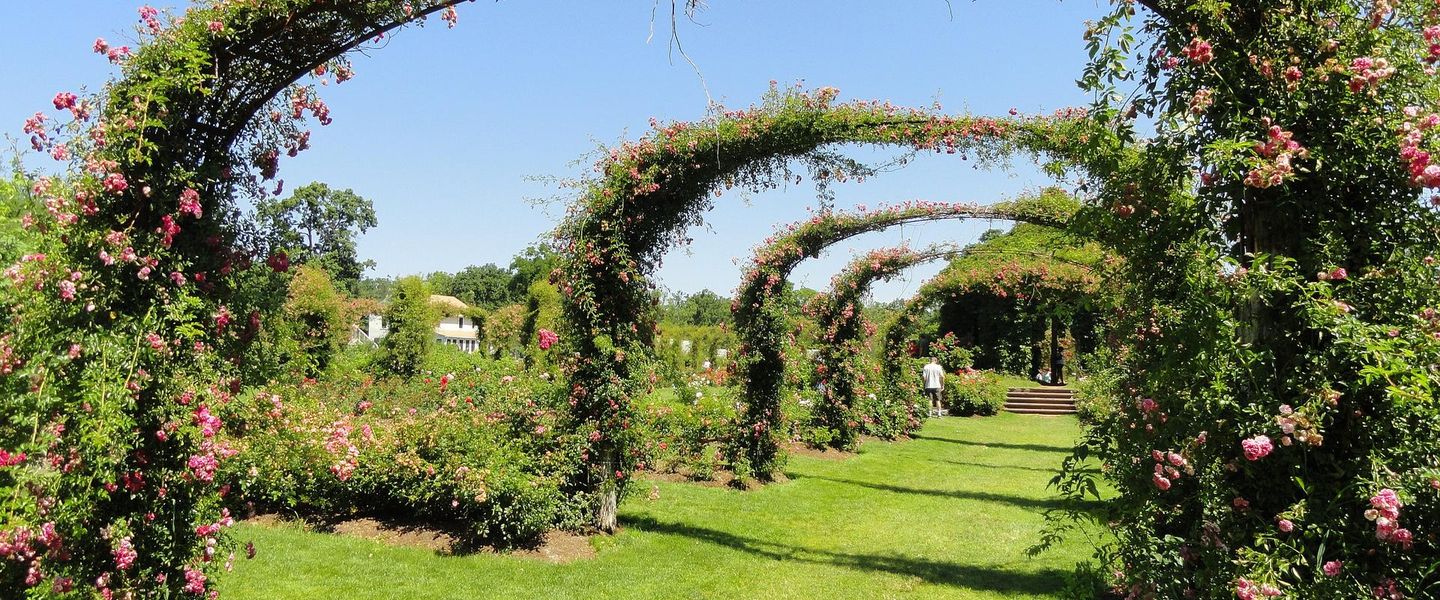


West Hartford, Connecticut blends walkable dining, local history, independent shops, arts and green spaces within easy reach of Hartford and New England.
A Distinctive Connecticut Community
West Hartford is an affluent, leafy town immediately west of Connecticut’s capital, combining the ease of a New England residential community with a lively concentration of restaurants, cafés, shops and cultural venues. Its best-known commercial areas, West Hartford Center and Blue Back Square, form a walkable cluster around Farmington Avenue, where historic low-rise buildings stand alongside contemporary apartments and independent businesses. The town’s tree-lined streets, well-kept parks and broad choice of dining give it a character that is more intimate than Hartford while remaining closely connected to the capital’s museums, theatres and civic institutions.Read more about West Hartford
History, Culture and Open Space
When is the best time to visit West Hartford?
Best: June, August–September · 23–28°C| Month | High (°C) | Rainfall (mm) |
|---|---|---|
| January | 3 | 80 |
| February | 4 | 70 |
| March | 9 | 90 |
| April | 15 | 100 |
| May | 21 | 100 |
| June (best) | 26 | 100 |
| July | 28 | 110 |
| August (best) | 28 | 100 |
| September (best) | 23 | 90 |
| October | 18 | 100 |
| November | 11 | 90 |
| December | 4 | 90 |
Getting to and around West Hartford
How to get there
Transportation
Best attractions in West Hartford
West Hartford’s principal attractions combine local history, outdoor space and a lively town centre. The Noah Webster House offers a close look at the birthplace and early life of the influential American lexicographer, with period interpretation rooted in the town’s colonial past. At the University of Hartford, the Wadsworth Atheneum’s Hartford Art School galleries and the university’s performance programming contribute to a substantial cultural presence, although schedules vary. West Hartford Center and Blue Back Square provide the most sociable form of sightseeing, with walkable streets, cafés, public spaces and independent businesses. For a change of pace, Westmoor Park presents farmland, gardens, woodland and environmental education, while the West Hartford Reservoir’s trails open into a broad landscape of forest and water. The town’s proximity to Hartford also places major museums, theatres and historic sites within a short regional excursion, without confusing them with attractions inside West Hartford itself.
-
Tourist attraction
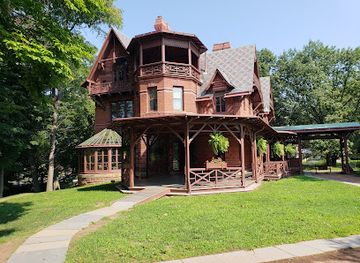
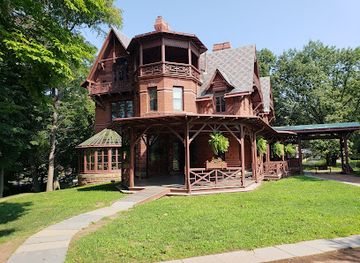
The Mark Twain House & Museum
Explore the Mark Twain House & Museum in Hartford, CT – a celebrated historical landmark showcasing the life and legacy of America's beloved author.
10 min drive · 3.4 km from city centre
-
Tourist attraction
Connecticut Science Center
Explore interactive exhibits and educational programs at the Connecticut Science Center, a must-visit science museum in Hartford, Connecticut.
18 min drive · 6.0 km from city centre
-
Tourist attraction
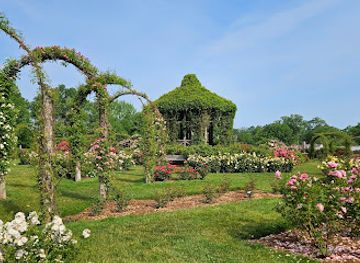
Elizabeth Park Rose Garden
Discover America's oldest public rose garden in Hartford's Elizabeth Park, a stunning display of horticultural history and beauty with over 800 rose varieties.
7 min drive · 2.3 km from city centre
-
Art museum
Wadsworth Atheneum Museum of Art
Explore the Wadsworth Atheneum Museum of Art, Connecticut's oldest public art museum, featuring an expansive collection and stunning architecture in Hartford.
17 min drive · 5.7 km from city centre

Best landmarks in West Hartford
The Noah Webster House is West Hartford’s most distinctive historic landmark, an eighteenth-century birthplace associated with the writer whose dictionaries shaped American language and education. The property also reflects the form of an early New England homestead, making it significant beyond its famous occupant. West Hartford’s older civic and religious buildings around the historic centre reveal the town’s development from a rural parish into an independent suburb, while the commercial streets of West Hartford Center preserve a recognisable small-town architectural scale. The University of Hartford’s campus contributes a contrasting modern institutional landscape and an important cultural landmark in the northern part of the town. The West Hartford Reservoir is not a monument in the traditional sense, but its engineered water landscape and surrounding open land have long formed part of the community’s visual identity. Hartford’s State Capitol and historic churches are nearby landmarks, but they stand across the municipal boundary.
-
Garden
Elizabeth Park Conservancy
Discover the beauty of Elizabeth Park Conservancy, a historic garden and park in West Hartford, offering tranquility, vibrant blooms, and scenic landscapes.
7 min drive · 2.3 km from city centre
-
Historical place museum
The Mark Twain House & Museum
Explore the iconic Mark Twain House & Museum in Hartford, where literature and history intertwine in a captivating Victorian setting.
10 min drive · 3.4 km from city centre
-
Restaurant
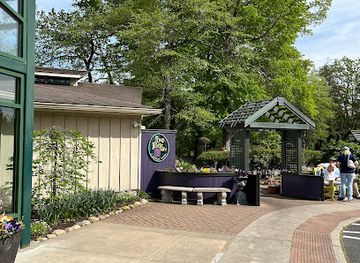
Pond House Cafe
Experience the perfect blend of culinary delight and natural beauty at Pond House Cafe in West Hartford, a top destination for food lovers and nature enthusiasts alike.
8 min drive · 2.5 km from city centre
-
Historical place museum
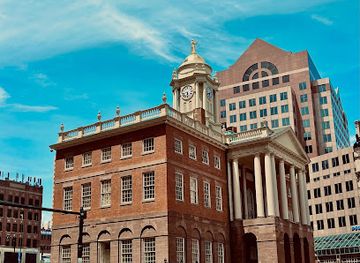
Connecticut's Old State House
Explore the rich political heritage and stunning architecture of Connecticut's Old State House, a captivating historical museum in Hartford.
17 min drive · 5.8 km from city centre

Explore West Hartford on the map
Plan your West Hartford trip on one map. See where the top attractions, landmarks, restaurants, bars and hotels are, find what's near where you're staying, and book hotels and experiences in a few clicks.
Best hotels in West Hartford
Best restaurants in West Hartford
West Hartford has one of central Connecticut’s strongest concentrations of restaurants, especially around West Hartford Center, Blue Back Square and the Park Road corridor. Dining ranges from cafés, bakeries and casual international food to polished American cooking, Italian restaurants, sushi, Middle Eastern flavours and contemporary vegetarian options. The scene reflects the town’s diverse population and prosperous suburban setting rather than a single defining local cuisine. Visitors will find lively patios and compact dining rooms around Farmington Avenue, while Park Road has a more neighbourhood-oriented rhythm and a broad range of independent eateries. Connecticut staples such as lobster rolls, clam preparations and New England-style seafood appear alongside broader regional and global influences. Restaurants frequently use reservations and evening demand can be high, so expectations should be adjusted according to the type of establishment rather than assuming every venue operates as an informal café.
-
Restaurant
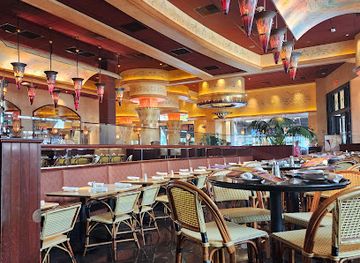
The Cheesecake Factory
Discover culinary delights at The Cheesecake Factory in West Hartford - where American cuisine meets irresistible desserts.
3 min walk · 0.2 km from city centre
-
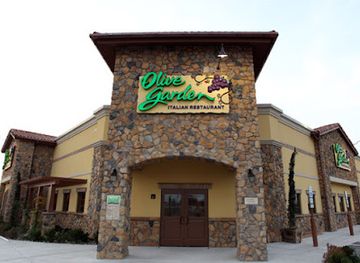
Italian
Olive Garden Italian Restaurant
Savor authentic Italian cuisine at Olive Garden in West Hartford - perfect for families and food lovers alike!
13 min drive · 4.3 km from city centre
-
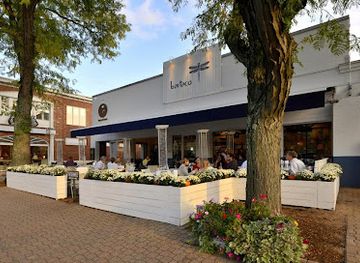
Tacos
bartaco
Experience the ultimate taco adventure at Bartaco in West Hartford, where vibrant flavors meet a lively atmosphere.
2 min walk · 0.1 km from city centre
-
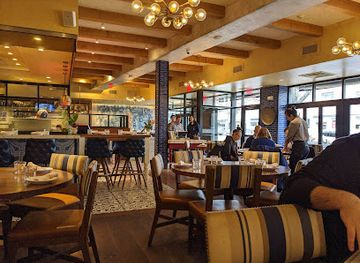
Mediterranean
Zohara Mediterranean Kitchen
Savor authentic Mediterranean and Middle Eastern flavors at Zohara Kitchen in West Hartford – where every dish tells a story.
4 min walk · 0.3 km from city centre
Best bars in West Hartford
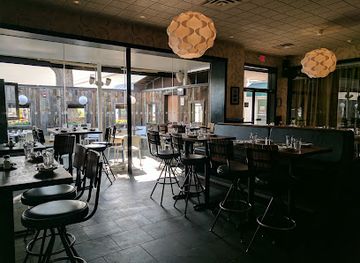
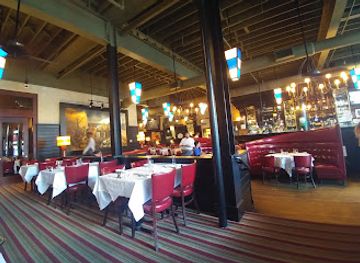
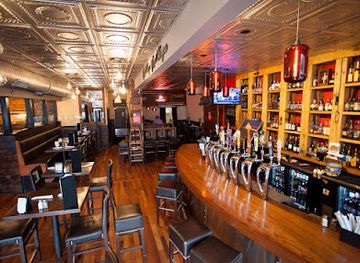
West Hartford’s evening scene is concentrated rather than sprawling, with the main activity around West Hartford Center, Blue Back Square and parts of Farmington Avenue. Wine bars, cocktail lounges, brew-focused establishments and restaurant bars provide settings for conversation, while some venues offer live music or scheduled entertainment. The atmosphere generally suits dining, drinks and socialising more than large-scale clubbing, and the town’s suburban character means that late-night options are more limited than in central Hartford. Cultural evenings at the University of Hartford, including performances and concerts when programmed, broaden the choices beyond bars. Visitors should check current venue information for schedules, age policies and transport arrangements, particularly if planning an evening that crosses the town boundary into Hartford.
-
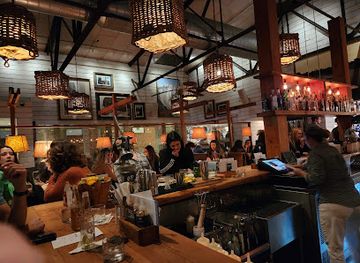
Tacos
bartaco
Experience the vibrant flavors of Mexico at Bartaco in West Hartford, where every bite of our tacos takes you on a culinary adventure.
2 min walk · 0.1 km from city centre
-
Spanish
Barcelona Wine Bar
Experience the vibrant flavors of Spain at Barcelona Wine Bar in West Hartford, where tapas and fine wines create an unforgettable dining experience.
2 min walk · 0.1 km from city centre
-
Seafood
Max's Oyster Bar
Discover the ultimate seafood experience at Max's Oyster Bar, where fresh oysters and fine dining come together in a vibrant setting.
1 min walk · 0.1 km from city centre
-
American
Plan B Burger Bar - West Hartford
Experience the best of American comfort food with gourmet burgers and a vibrant bar atmosphere at Plan B Burger Bar in West Hartford.
5 min drive · 1.8 km from city centre
Best nightclubs in West Hartford
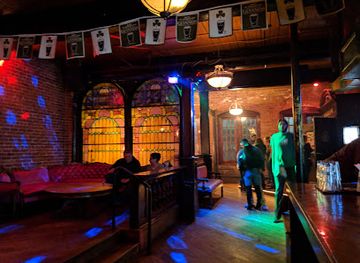
West Hartford’s evening scene is concentrated rather than sprawling, with the main activity around West Hartford Center, Blue Back Square and parts of Farmington Avenue. Wine bars, cocktail lounges, brew-focused establishments and restaurant bars provide settings for conversation, while some venues offer live music or scheduled entertainment. The atmosphere generally suits dining, drinks and socialising more than large-scale clubbing, and the town’s suburban character means that late-night options are more limited than in central Hartford. Cultural evenings at the University of Hartford, including performances and concerts when programmed, broaden the choices beyond bars. Visitors should check current venue information for schedules, age policies and transport arrangements, particularly if planning an evening that crosses the town boundary into Hartford.
-
Night club
The Lady
Experience the vibrant nightlife at The Lady - a premier night club in Hartford with music, fun, and arcade games for all.
16 min drive · 5.3 km from city centre
-
Hookah bar
1001 Hookah Lounge
Discover the ultimate relaxation at 1001 Hookah Lounge in West Hartford, a perfect blend of culture, comfort, and flavorful experiences.
5 min drive · 1.8 km from city centre
-
Night club
Vibz Uptown
Experience the vibrant nightlife at Vibz Uptown, Hartford's premier night club, where music, dance, and memories collide.
22 min drive · 7.4 km from city centre
-
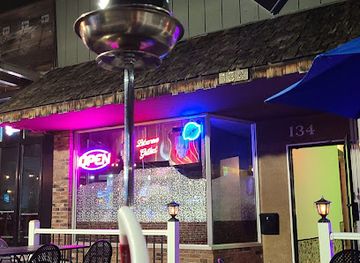
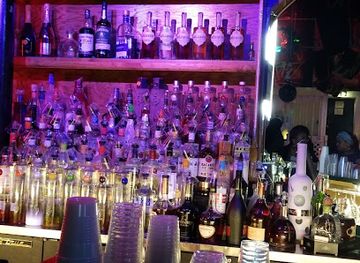
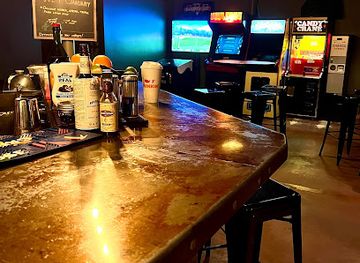
Bar
The Bunker
Experience the vibrant nightlife at The Bunker, a stylish bar in West Hartford offering exquisite cocktails and a lively social scene.
3 min walk · 0.3 km from city centre
Best shops in West Hartford
Shopping in West Hartford is centred on the connected districts of West Hartford Center and Blue Back Square, where independent boutiques, fashion retailers, gift shops, beauty businesses, cafés and national brands occupy a walkable setting. The older centre has a traditional main-street feel, while Blue Back Square adds contemporary retail, apartments and public spaces. Park Road offers a more local, neighbourhood-based selection of shops and services, with food retailers and independent businesses reflecting the area’s diverse communities. Visitors looking for distinctive purchases are more likely to find small-batch foods, books, clothing, homewares and locally made gifts than a single signature craft associated exclusively with the town. Regular or seasonal markets and pop-up events may add further variety, but their timing changes, so they should be checked locally rather than assumed to operate year-round.
-
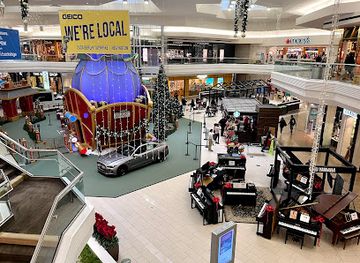
Shopping mall
Westfarms
Discover the ultimate shopping experience at Westfarms, Connecticut's premier mall featuring over 180 stores, dining options, and family-friendly fun.
14 min drive · 4.7 km from city centre
-
Shopping mall
Corbin's Corner
Explore Corbin's Corner in West Hartford, a vibrant shopping mall with diverse retail, dining, and grocery options for every traveler.
13 min drive · 4.4 km from city centre
-
Shopping mall
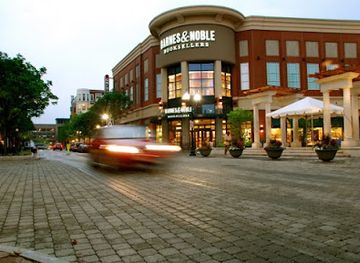
Blue Back Square
Discover Blue Back Square, a vibrant shopping mall in West Hartford offering diverse shops, delicious dining, and lively events for all travelers.
3 min walk · 0.2 km from city centre
-
Shopping mall
Bishops Corner
Discover Bishop's Corner, a premier shopping mall in West Hartford, where shopping and dining come together to create an unforgettable experience.
8 min drive · 2.6 km from city centre
Get your free copy of our complete guide to West Hartford, delivered straight to you.
Everything on this page, from attractions and restaurants to essentials and local phrases, in one PDF you can read offline, print or share.
Already have an account? Sign in
Your West Hartford guide is ready.
We'll send it to · Not you? Sign out

Getting your guide ready…
We are putting together a fresh copy of the West Hartford guide. This can take up to a minute.
This can take a few moments. If your browser asks, choose Allow so the download can start. You'll find the guide in your Downloads folder.
Nothing happened? Download it again
Sorry, the guide is taking longer than usual. Please try again in a minute, or get it by email instead.
West Hartford essentials
Currency and Payment
Safety
Emergency Situations
Do's and Don'ts
Local Tips
From Eve
Local phrases worth knowing
You don't need to get them perfect. A few words go a long way, and locals appreciate the effort.
Basics
| English | Local | Say it |
|---|---|---|
| Hello | Hey | [hey] |
| Goodbye | Bye | [bi] |
| Yes | Yeah | [yeh] |
| No | Nope | [nohp] |
| Please/You're welcome | Please/You're welcome | [please/yer welcome] |
| Thank you | Thanks | [thanks] |
| Excuse me/Sorry | Excuse me/Sorry | [excuse me/sorry] |
| How are you? | How are you? | [how are you?] |
| Fine. And you? | Good. And you? | [good. and you?] |
| Do you speak English? | Do you speak English? | [do you speak english?] |
| I don't understand | I don't get it | [i don't get it] |
Eating & Drinking
| English | Local | Say it |
|---|---|---|
| I'd like to see the menu, please | Can I see the menu, please | [can i see the menu, please] |
| I don't eat meat | I don't eat meat | [i don't eat meat] |
| Cheers! | Cheers! | [cheers!] |
| I would like to pay, please | I'd like to pay, please | [i'd like to pay, please] |
Emergencies
| English | Local | Say it |
|---|---|---|
| Help! | Help! | [help!] |
| Go away! | Get lost! | [get lost!] |
| Call the Police! | Call the cops! | [call the cops!] |
| Call a doctor! | Call a doctor! | [call a doctor!] |
| I'm lost | I'm lost | [i'm lost] |
| I'm ill | I'm sick | [i'm sick] |
Shopping
| English | Local | Say it |
|---|---|---|
| I'd like to buy... | I wanna buy... | [i wanna buy...] |
| I'm just looking | I'm just browsing | [i'm just browsing] |
| How much is it? | How much does it cost? | [how much does it cost?] |
| That's too expensive | That's too pricey | [that's too pricey] |
| Can you lower the price? | Can you bring the price down? | [can you bring the price down?] |
Time & Numbers
| English | Local | Say it |
|---|---|---|
| What time is it? | What's the time? | [what's the time?] |
| It's one o'clock | It's one | [it's one] |
| Half past (10) | Ten thirty | [ten thirty] |
| Morning | Morning | [morning] |
| Afternoon | Afternoon | [afternoon] |
| Evening | Evening | [evening] |
| Yesterday | Yesterday | [yesterday] |
| Today | Today | [today] |
| Tomorrow | Tomorrow | [tomorrow] |
| 1 | One | [wun] |
| 2 | Two | [too] |
| 3 | Three | [three] |
| 4 | Four | [for] |
| 5 | Five | [fiv] |
| 6 | Six | [siks] |
| 7 | Seven | [sev-un] |
| 8 | Eight | [ayt] |
| 9 | Nine | [nine] |
| 10 | Ten | [ten] |
Transport & Directions
| English | Local | Say it |
|---|---|---|
| Where's a/the...? | Where's the...? | [where's the...?] |
| What's the address? | What's the address? | [what's the address?] |
| Can you show me (on the map)? | Can you show me (on the map)? | [can you show me (on the map)?] |
| When's the next (bus)? | When's the next (bus)? | [when's the next (bus)?] |
| A ticket (to ....) | A ticket (to ....) | [a ticket (to ....)] |
History of West Hartford
Wangunk Country and Early Settlement
Before colonial settlement, the area formed part of the homeland of the Wangunk, an Indigenous people whose territory centred on the Connecticut River valley. English settlers from Hartford began establishing farms west of the river in the seventeenth century, and the first permanent colonial settlement in what is now West Hartford dates from 1679. Agriculture shaped the early community, with scattered homesteads, pasture and woodland rather than a densely built village. The land’s relationship to Hartford remained important: West Hartford developed as an agricultural outlying district while sharing religious, commercial and civic ties with the older settlement to the east.
Parish Life and Rural Development
As the population grew, local residents sought institutions closer to their farms and homes. The West Hartford parish was established in the early eighteenth century, and the meetinghouse became a focus for worship, education and community affairs. Roads gradually connected farms with Hartford and neighbouring towns, while small industries joined agriculture in the local economy. The nineteenth century brought improved transport, a larger population and a more recognisable village centre. These changes laid the foundations for the streets, civic institutions and residential neighbourhoods that would later distinguish West Hartford from the denser city across the town line.
From Hartford Parish to Independent Town
West Hartford was incorporated as a separate town in 1854, formalising its political independence from Hartford. The change reflected the area’s growing population and separate administrative needs as farms, villages and emerging businesses expanded west of the capital. The nineteenth century also produced one of the town’s most notable intellectual associations: Noah Webster, born in West Hartford in 1758, became a teacher, writer and lexicographer whose dictionaries helped standardise American English. His birthplace survives as the Noah Webster House, linking the town’s modern identity with the early republic’s interest in education, language and national culture.
Streetcars and Suburban Expansion
Improved roads and streetcar connections in the late nineteenth and early twentieth centuries made West Hartford increasingly accessible to Hartford workers and businesses. The town began shifting from a primarily rural settlement towards a suburban community, with new homes, schools and local commercial streets appearing around transport routes. Farmington Avenue became an especially important corridor, and the area now known as West Hartford Center developed as a civic and commercial focus. This transition did not erase the older landscape: farms, wooded areas and open spaces remained woven into the expanding residential pattern.
Modern Community and Cultural Growth
During the twentieth century, West Hartford’s population and built environment grew as central Connecticut industrialised and Hartford expanded as a regional employment centre. Planned residential neighbourhoods, public schools and shopping districts shaped the town’s contemporary suburban character. The University of Hartford, founded in 1957 through the merger of several local institutions, added a major educational and cultural presence in the northern part of town. Later development around Blue Back Square complemented the older centre with housing, retail and public spaces. Today, West Hartford’s identity rests on this combination of historic institutions, established neighbourhoods, open land and active commercial districts.
West Hartford in Photos
Browse through our photo collection highlighting the charm and character of the destination.
Cities near West Hartford
The closest cities to West Hartford, if you have time for more than one stop.
-

-

-

-

-


Swipe for more cities
Explore more

Explore more of Connecticut
Discover Connecticut: A blend of charming coastal towns, rich history, and scenic landscapes, perfect for nature lovers, history buffs, and cultural enthusiasts.
Explore Connecticut