

Free Caribbean Coast Travel Guide & Mobile App
Explore Caribbean Coast with free travel guides. Discover regional history, expert tips, proposed trips, and audio guides on web or mobile app.


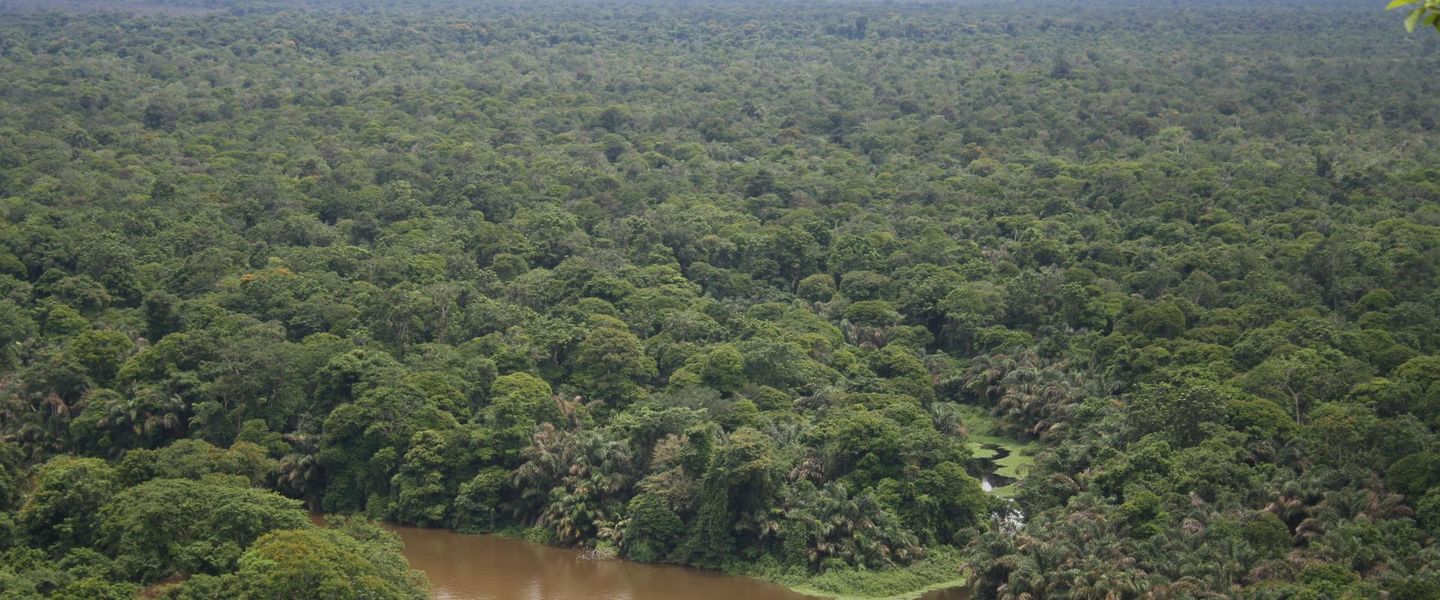


Explore Costa Rica’s Caribbean Coast for rainforest canals, turtle beaches, Afro-Caribbean cuisine, coral reefs and relaxed coastal towns.
Read more about Caribbean Coast
When is the best time to visit Caribbean Coast?
Best: January–March · 30–31°C| Month | High (°C) | Rainfall (mm) |
|---|---|---|
| January (best) | 30 | 200 |
| February (best) | 30 | 150 |
| March (best) | 31 | 130 |
| April | 31 | 200 |
| May | 32 | 250 |
| June | 32 | 300 |
| July | 33 | 250 |
| August | 33 | 200 |
| September | 33 | 200 |
| October | 32 | 250 |
| November | 32 | 300 |
| December | 31 | 250 |
Getting to and around Caribbean Coast
How to get there
Transportation
Top city travel guides in Caribbean Coast
The cities of Caribbean Coast, and the easiest places to base yourself.

Swipe for more cities
Destinations in Caribbean Coast
Resorts, valleys and scenic spots worth a trip of their own.

Swipe for more destinations
Best attractions in Caribbean Coast
The Caribbean Coast’s attractions are shaped by water, rainforest and protected habitats rather than by large purpose-built resorts. Tortuguero National Park is the region’s defining northern experience, with guided boat trips through canals and lagoons, rainforest walks and seasonal turtle-watching on its beaches. Cahuita National Park offers a combination of coastal trail, forest wildlife and protected marine environments, while the Gandoca-Manzanillo Wildlife Refuge extends the southern coast’s network of beaches, forest, wetlands and reef habitats. Around Puerto Viejo, visitors can combine cycling, surfing, swimming where conditions allow and visits to small-scale cultural or wildlife projects. Limón provides a more urban perspective through its port, markets, public spaces and cultural life. The Barra del Colorado area in the north is remote and river-oriented, with access depending on local boat arrangements. Outdoor activities require attention to weather, currents and authorised access, as many of the coast’s most important attractions are fragile ecosystems rather than conventional sightseeing venues.
-
National park
Parque Nacional Cahuita
Explore Parque Nacional Cahuita, a paradise of biodiversity and scenic beauty on Costa Rica's Caribbean coast, perfect for adventure and relaxation.
-
Wildlife refuge
Refugio Nacional Gandoca-Manzanillo
Discover the biodiversity and breathtaking landscapes of Refugio Nacional Gandoca-Manzanillo, a wildlife refuge on Costa Rica's Caribbean coast.
-
Wildlife rescue service
Jaguar Rescue Center
Explore the Jaguar Rescue Center, a vital wildlife rescue service in Costa Rica, and discover the beauty of conservation efforts while encountering exotic animal species.
-
Museum
Pre-Columbian Gold Museum
Explore the Pre-Columbian Gold Museum in San José for an unforgettable journey through Costa Rica's ancient history and exquisite gold artifacts.
Best landmarks in Caribbean Coast
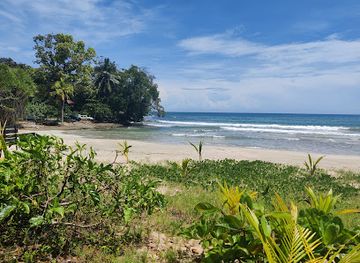
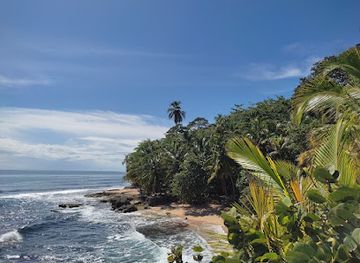
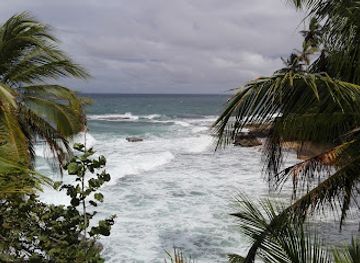
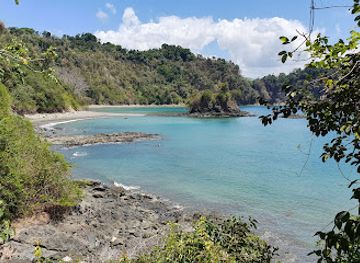
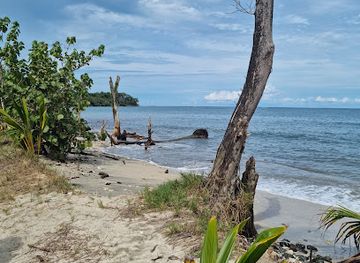
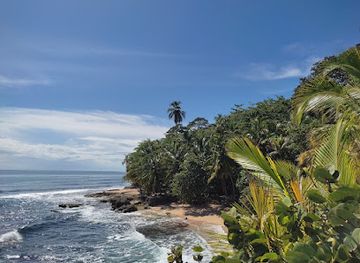
The Caribbean Coast’s most recognisable landmarks are often landscapes and working places rather than monumental buildings. Limón’s port and urban centre express the coast’s historic role in trade, migration and transport, while the city’s public spaces and civic buildings provide a setting for understanding its Caribbean identity. Tortuguero’s network of canals, lagoons and long nesting beach forms a distinctive natural landmark, separating the village from the mainland and explaining its boat-based character. Cahuita’s headland, beaches and forested shoreline are central to the visual identity of the southern coast, with the national park protecting both land and sea around them. The road south from Puerto Viejo leads towards the forested hills, beaches and wetlands of Manzanillo and the Gandoca-Manzanillo Wildlife Refuge. Rather than isolated monuments, these places show how settlement, port history, rainforest and marine environments remain closely connected.
-
National park
Parque Nacional Manuel Antonio
Explore Costa Rica's iconic Manuel Antonio National Park: stunning beaches, lush rainforest, and incredible wildlife encounters await.
-
National park
Parque Nacional Cahuita
Explore Costa Rica's Caribbean paradise: pristine beaches, lush rainforest, vibrant coral reefs, and abundant wildlife in Cahuita National Park.
-
National park
Parque Nacional Volcán Arenal
Explore Costa Rica's iconic Arenal Volcano National Park: Hike through lava fields, discover rainforests, and witness breathtaking volcanic views.
-
Wildlife refuge
Refugio Nacional Gandoca-Manzanillo
Discover Costa Rica's Caribbean paradise: Gandoca-Manzanillo Wildlife Refuge, where rainforest meets the sea. A haven for wildlife and nature lovers.

Explore Caribbean Coast on the map
Plan your trip on one map. See where the top cities, national parks and sights are, and book hotels and experiences in a few clicks.
Best hotels in Caribbean Coast
Best restaurants in Caribbean Coast
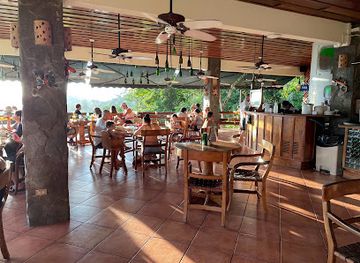
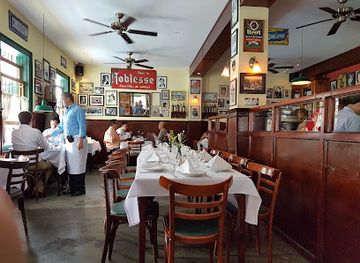
Caribbean Costa Rican food is one of the region’s clearest cultural expressions. Rice and beans cooked with coconut milk, often served with fish, chicken, plantain, salad and a spicy sauce, is a familiar coastal meal, while seafood, cassava, breadfruit and other tropical produce appear in local cooking. Limón, Cahuita and Puerto Viejo have the broadest choice of restaurants, from informal sodas and cafés to contemporary kitchens and international menus. Smaller settlements and lodges tend to offer simpler food shaped by local supply and seasonality. Fresh fish, coconut, lime, ginger and chilli are recurring flavours, though recipes vary between families and establishments. Markets and small food shops are useful for fruit, baked goods and snacks, and visitors should ask about preparation if they have allergies, particularly where sauces and shared cooking surfaces are involved.
-
Restaurant
El Avion
Experience exquisite dining at El Avion with stunning ocean views and unique ambiance in Aguirre's scenic landscape.
-
Argentinian
La Esquina de Buenos Aires
Experience authentic Argentinian cuisine at La Esquina de Buenos Aires in San José; where every dish tells a story.
-
Costa Rican
Restaurante Nuestra Tierra
Experience the heart of Costa Rican cuisine at Restaurante Nuestra Tierra in San José - where tradition meets taste.
-
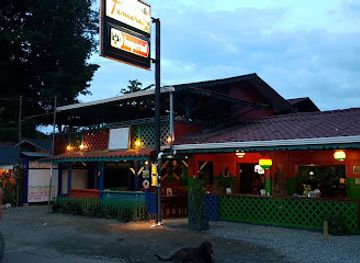
Grill
Tamara
Discover Tamara in Puerto Viejo: where Costa Rican flavors meet an inviting atmosphere for an unforgettable dining experience.

Best bars in Caribbean Coast
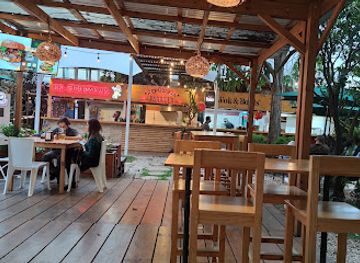
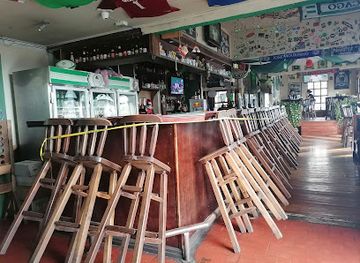
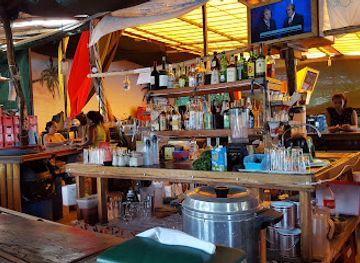
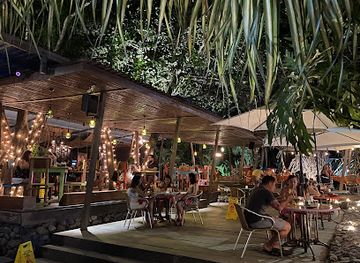
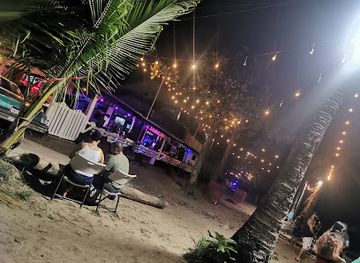
Nightlife is concentrated in Limón and the southern coastal settlements, especially Puerto Viejo, rather than spread evenly along the shoreline. Limón’s evening culture includes music, restaurants and occasional cultural programming connected with its Caribbean heritage, while Puerto Viejo has the largest selection of casual bars, live-music venues, cafés and late-opening restaurants. Cahuita is generally quieter, with evenings centred on local bars, dining and conversation rather than a substantial club scene. Manzanillo and Tortuguero are more subdued, and lodge schedules or small village venues usually define the night. Reggae, calypso and other Caribbean-influenced sounds are part of the region’s cultural life, but they should not be treated as a performance staged solely for visitors. Arrange transport in advance when staying outside the main settlements and take care on poorly lit roads.
-
Grill
Costa Rica Beer Factory
Experience the vibrant atmosphere and local flavors at Costa Rica Beer Factory, where craft beer meets delicious grill cuisine in the heart of San José.
-
Grill
Tamara
Experience the rich flavors of Caribbean cuisine at Tamara, a top grill restaurant in Puerto Viejo de Talamanca.
-
Irish pub
Craic Irish Pub
Experience the warmth of Irish culture at Craic Irish Pub in San José, where lively music, hearty dishes, and a welcoming atmosphere await.
-
Grill
Hot Rocks
Discover the vibrant culinary scene at Hot Rocks, where delicious grilled dishes meet the lively atmosphere of Puerto Viejo de Talamanca.
Best nightclubs in Caribbean Coast
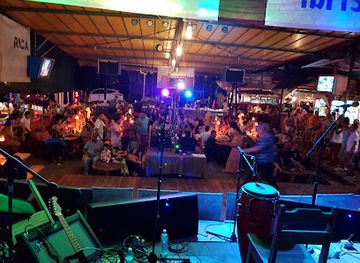
Nightlife is concentrated in Limón and the southern coastal settlements, especially Puerto Viejo, rather than spread evenly along the shoreline. Limón’s evening culture includes music, restaurants and occasional cultural programming connected with its Caribbean heritage, while Puerto Viejo has the largest selection of casual bars, live-music venues, cafés and late-opening restaurants. Cahuita is generally quieter, with evenings centred on local bars, dining and conversation rather than a substantial club scene. Manzanillo and Tortuguero are more subdued, and lodge schedules or small village venues usually define the night. Reggae, calypso and other Caribbean-influenced sounds are part of the region’s cultural life, but they should not be treated as a performance staged solely for visitors. Arrange transport in advance when staying outside the main settlements and take care on poorly lit roads.
-
Grill
Hot Rocks
Discover the vibrant flavors of Puerto Viejo at Hot Rocks, a grill restaurant offering fresh, local cuisine in a lively atmosphere.
-
Disco club
Pepper Disco Club
Discover the electrifying nightlife at Pepper Disco Club, the ultimate destination for dancing and entertainment in San José, Costa Rica.
-
Restaurant
KOKi Beach Restaurant & Bar
Discover the vibrant atmosphere and delectable cuisine at KOKi Beach Restaurant & Bar in Puerto Viejo de Talamanca, your perfect coastal dining escape.
-
Bar
Johnny's Place
Discover the vibrant nightlife at Johnny's Place in Puerto Viejo de Talamanca, where cocktails and culture collide for an unforgettable experience.

Best shops in Caribbean Coast
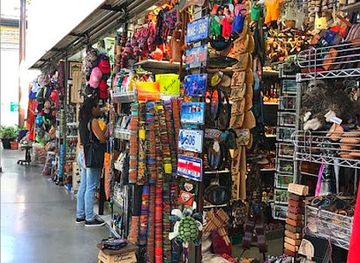
Shopping on the Caribbean Coast is more regional and small-scale than mall-oriented. Limón has the broadest everyday retail offer, including markets, supermarkets, produce sellers and shops serving the port city’s local population. Cahuita, Puerto Viejo and Manzanillo have independent boutiques, small galleries, craft stalls and shops selling beachwear, books, jewellery, artworks and locally inspired gifts, although stock and opening arrangements vary. Useful purchases include Caribbean-style sauces and spices, packaged coffee or cacao from Costa Rica, locally made crafts and responsibly produced art; confirm that wildlife products, coral, shells and tropical plants have not been taken illegally from the natural environment. Farmers’ markets and food stalls can be good places to find fruit, baked goods and regional ingredients, while Tortuguero has a limited village-based retail scene rather than a conventional shopping district.
-
Shopping mall
Multiplaza Escazú
Discover the vibrant shopping experience at Multiplaza Escazú, Costa Rica's premier mall with top brands, diverse cuisine, and exciting entertainment options.
-
Shopping mall
Multiplaza Curridabat
Explore Multiplaza Curridabat, a vibrant shopping mall in San José featuring international brands, delightful dining, and family-friendly entertainment.
-
Shopping mall
Lincoln Plaza
Discover Lincoln Plaza in San José, a vibrant shopping mall offering a unique blend of local and international shopping and dining experiences.
-
Gift shop
Municipal Crafts Market
Discover unique handicrafts and vibrant local culture at the Municipal Crafts Market in San José, a treasure trove for souvenir hunters.



Get your free copy of our complete guide to Caribbean Coast, delivered straight to you.
Everything on this page, from attractions and restaurants to essentials and local phrases, in one PDF you can read offline, print or share.
Already have an account? Sign in
Your Caribbean Coast guide is ready.
We'll send it to · Not you? Sign out

Getting your guide ready…
We are putting together a fresh copy of the Caribbean Coast guide. This can take up to a minute.
This can take a few moments. If your browser asks, choose Allow so the download can start. You'll find the guide in your Downloads folder.
Nothing happened? Download it again
Sorry, the guide is taking longer than usual. Please try again in a minute, or get it by email instead.
Caribbean Coast essentials
Currency and Payment
Safety
Emergency Situations
Do's and Don'ts
Local Tips
From Eve
Local phrases worth knowing
You don't need to get them perfect. A few words go a long way, and locals appreciate the effort.
Basics
| English | Local | Say it |
|---|---|---|
| Hello | Hola | [O-la] |
| Goodbye | Adiós | [A-dee-os] |
| Yes | Sí | [See] |
| No | No | [No] |
| Please/You're welcome | Por favor/De nada | [Por fa-vor/De na-da] |
| Thank you | Gracias | [Gra-thias] |
| Excuse me/Sorry | Disculpe/Lo siento | [Dis-kul-peh/Lo see-en-to] |
| How are you? | ¿Cómo está? | [Ko-mo es-ta] |
| Fine. And you? | Bien. ¿Y usted? | [Bee-en. Ee us-ted] |
| Do you speak English? | ¿Habla inglés? | [Ab-la een-gles] |
| I don't understand | No entiendo | [No en-tee-en-do] |
Eating & Drinking
| English | Local | Say it |
|---|---|---|
| I'd like to see the menu, please | Me gustaría ver el menú, por favor | [Me gus-ta-ree-a ver el me-nu, por fa-vor] |
| I don't eat meat | No como carne | [No ko-mo kar-ne] |
| Cheers! | ¡Salud! | [Sa-lud] |
| I would like to pay, please | Me gustaría pagar, por favor | [Me gus-ta-ree-a pa-gar, por fa-vor] |
Emergencies
| English | Local | Say it |
|---|---|---|
| Help! | ¡Ayuda! | [A-yu-da] |
| Go away! | ¡Vete! | [Ve-te] |
| Call the Police! | ¡Llama a la policía! | [Ya-ma a la po-li-cia] |
| Call a doctor! | ¡Llama a un doctor! | [Ya-ma a un doc-tor] |
| I'm lost | Estoy perdido | [Es-toy per-di-do] |
| I'm ill | Estoy enfermo | [Es-toy en-fer-mo] |
Shopping
| English | Local | Say it |
|---|---|---|
| I'd like to buy... | Me gustaría comprar... | [Me gus-ta-ree-a kom-prar] |
| I'm just looking | Solo estoy mirando | [So-lo es-toy mi-ran-do] |
| How much is it? | ¿Cuánto cuesta? | [Kwan-to kwes-ta] |
| That's too expensive | Eso es muy caro | [E-so es mwee ka-ro] |
| Can you lower the price? | ¿Puede bajar el precio? | [Pwe-de ba-har el pre-cio] |
Time & Numbers
| English | Local | Say it |
|---|---|---|
| What time is it? | ¿Qué hora es? | [Ke o-ra es] |
| It's one o'clock | Es la una | [Es la u-na] |
| Half past (10) | Y media (10) | [Ee me-dia] |
| Morning | Mañana | [Ma-nya-na] |
| Afternoon | Tarde | [Tar-de] |
| Evening | Noche | [No-che] |
| Yesterday | Ayer | [A-yer] |
| Today | Hoy | [Oy] |
| Tomorrow | Mañana | [Ma-nya-na] |
| 1 | Uno | [Oo-no] |
| 2 | Dos | [Dos] |
| 3 | Tres | [Tres] |
| 4 | Cuatro | [Kwa-tro] |
| 5 | Cinco | [Sin-co] |
| 6 | Seis | [Sace] |
| 7 | Siete | [Sye-te] |
| 8 | Ocho | [O-cho] |
| 9 | Nueve | [Nwe-ve] |
| 10 | Diez | [Dyez] |
Transport & Directions
| English | Local | Say it |
|---|---|---|
| Where's a/the...? | ¿Dónde está un/una...? | [Don-de es-ta un/una] |
| What's the address? | ¿Cuál es la dirección? | [Kwal es la di-rec-ción] |
| Can you show me (on the map)? | ¿Puede mostrarme (en el mapa)? | [Pwe-de mos-trar-me (en el ma-pa)] |
| When's the next (bus)? | ¿Cuándo es el próximo (bus)? | [Kwan-do es el pro-xi-mo] |
| A ticket (to ....) | Un boleto (a ...) | [Un bo-le-to (a ...)] |
History of Caribbean Coast
Indigenous Caribbean and Talamanca Communities
Long before European colonisation, the Caribbean lowlands and the Talamanca region were inhabited by Indigenous peoples whose descendants include Bribri, Cabécar and other communities. Their histories encompass agriculture, trade, spiritual traditions and close knowledge of forest and river environments. Spanish colonial control was limited in much of the humid Caribbean because of difficult terrain, resistance and the distance from the principal centres of colonial power. Indigenous communities remain an important part of the cultural landscape, although their territories and institutions are not simply tourist attractions and should be approached with appropriate respect.
The Port of Limón and the Caribbean Railway, 1870s–1890s
Limón became increasingly important when Costa Rica developed a railway linking the Caribbean port with the Central Valley. Construction began in the nineteenth century and involved difficult engineering, heavy loss of life and the recruitment of workers from Jamaica and other Caribbean locations. The railway transformed the movement of coffee and other goods, strengthened Limón’s role as Costa Rica’s principal Caribbean port and encouraged new settlements along the coast. Its legacy is visible in the region’s Afro-Caribbean population, port culture and long-standing links with the wider Caribbean.
Afro-Caribbean Migration and Cultural Formation
Workers arriving from Jamaica and elsewhere in the Caribbean brought English-based speech, Protestant traditions, musical forms, architectural influences and distinctive foodways. For many years Afro-Caribbean residents faced legal and social restrictions on movement and settlement beyond the Caribbean zone, reinforcing Limón’s separate regional identity. Over time, the coast became more integrated into national life, but its cultural inheritance remained evident in cooking, music, family histories and community institutions. Contemporary Caribbean Costa Rican identity reflects both this migration history and continuing interaction with Spanish-speaking and Indigenous communities.
Bananas, Export Capital and Labour Conflict
Banana cultivation expanded around Limón from the late nineteenth century, helped by the railway and access to the port. Large export companies, especially the United Fruit Company and its associated operations, influenced land use, transport and employment across the Caribbean lowlands. Plantation work was arduous and disease, storms and soil exhaustion repeatedly affected production. Labour organisation grew in response to low wages and poor conditions, culminating in major conflict including the 1934 banana workers’ strike. The banana economy left a lasting mark on the region’s settlement patterns, social history and relationship with national politics.
Railway Decline and the Road to the Southern Coast
The Caribbean economy changed during the twentieth century as banana production shifted geographically, railway services declined and roads became increasingly important. The old rail connection no longer provided the principal link between Limón and the Central Valley, while road improvements gradually made Cahuita, Puerto Viejo and Manzanillo more accessible. Small-scale agriculture, fishing and local commerce continued alongside new tourism based on beaches, surfing, diving and rainforest. This transition helped create the southern coast’s present mixture of long-established communities, conservation areas and visitor businesses.
Conservation and the Growth of Nature Tourism
The creation and development of protected areas transformed how the Caribbean coast was managed and experienced. Tortuguero National Park, established in 1975, protects an important network of canals, rainforest, wetlands and beaches used by nesting sea turtles. Cahuita National Park and the Gandoca-Manzanillo Wildlife Refuge protect coastal forest, reefs, mangroves and other sensitive habitats in the south. Conservation has brought employment and international attention, but it also requires careful management of boats, beaches, reefs, waste and development. The coast’s modern tourism economy remains closely tied to these protected landscapes.
Caribbean Coast in Photos
Browse through our photo collection highlighting the charm and character of the destination.
Neighbouring regions of Caribbean Coast
The closest regions to Caribbean Coast, if you have time for more than one.
-

-

-

-

-


Swipe for more regions
Explore more

Explore more of Costa Rica
Discover Costa Rica, where lush rainforests, stunning beaches, and incredible wildlife create a paradise for nature lovers and adventure seekers alike.
Explore Costa Rica