

Free Los Santos Region Travel Guide & Mobile App
Explore Los Santos Region with free travel guides. Discover regional history, expert tips, proposed trips, and audio guides on web or mobile app.


Los Santos Region combines Costa Rica's renowned Tarrazú coffee country with cool cloud forests, quetzal habitat and mountain communities.
Read more about Los Santos Region
When is the best time to visit Los Santos Region?
Best: January–March · 22–23°C| Month | High (°C) | Rainfall (mm) |
|---|---|---|
| January (best) | 22 | 15 |
| February (best) | 23 | 20 |
| March (best) | 23 | 30 |
| April | 24 | 50 |
| May | 25 | 80 |
| June | 26 | 110 |
| July | 25 | 120 |
| August | 25 | 130 |
| September | 25 | 140 |
| October | 24 | 130 |
| November | 23 | 100 |
| December | 22 | 60 |
Getting to and around Los Santos Region
How to get there
Transportation
Top city travel guides in Los Santos Region
The cities of Los Santos Region, and the easiest places to base yourself.

Swipe for more cities
Destinations in Los Santos Region
Resorts, valleys and scenic spots worth a trip of their own.

Swipe for more destinations
Best attractions in Los Santos Region
Los Santos offers a compact but varied range of highland attractions centred on nature, coffee and rural life. Los Quetzales National Park is the region's principal protected area, with trails through high-elevation oak forest and opportunities for guided birdwatching, especially in habitat where resplendent quetzals may be seen. Around Santa María de Dota and Copey, small lodges and local guides provide access to forest walks, birding and mountain scenery. Tarrazú and León Cortés are better known for coffee farms, mills and tastings that explain how altitude, climate and careful processing influence the finished cup. The upper Savegre landscape adds rivers, waterfalls and cool valley viewpoints, while Cerro de la Muerte offers dramatic high-mountain surroundings along the Pan-American route. Town visits reveal churches, cafés, produce shops and everyday agricultural life rather than a concentration of large museums or theme parks. Outdoor activities are generally low-impact and guided by weather: walking, birdwatching, photography, scenic driving and farm visits are the strongest reasons to explore the region.
-
Basilica
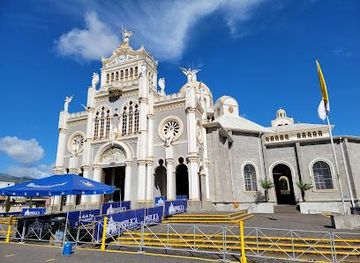
Basílica de Nuestra Señora de los Ángeles - Basilica of Our Lady of the Angels
Discover the stunning Basilica of Our Lady of the Angels in Cartago, a sacred site blending rich history, breathtaking architecture, and vibrant local traditions.
-
Tourist attraction
Parque Metropolitano La Sabana
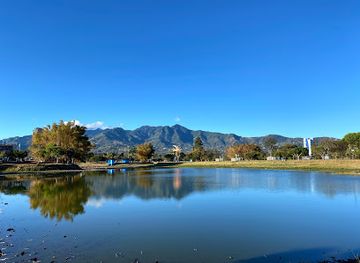
Experience the natural beauty and cultural vibrancy of Parque Metropolitano La Sabana, San José's premier urban park filled with activities for all ages.
-
Tourist attraction
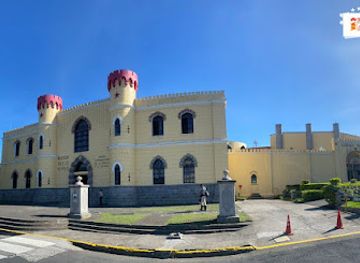
National Museum of Costa Rica
Explore Costa Rica's rich history and culture at the National Museum, housed in the historic Bellavista Fortress in San José.
-
Tourist attraction
Children's Museum
Explore the enchanting Children's Museum in San José, a vibrant hub of interactive learning and fun for young minds and their families.

Best landmarks in Los Santos Region
The most recognisable landmark landscape of Los Santos is the high mountain corridor around Cerro de la Muerte, where the Pan-American Highway crosses the Talamanca highlands and the vegetation changes noticeably with elevation. Los Quetzales National Park is significant not only as a visitor site but as a protected section of upper-montane forest and the Savegre watershed. In Dota, the surrounding ridges, oak woods and river valleys create a natural identity more important than monumental architecture. The towns of Santa María de Dota, San Marcos de Tarrazú and San Pablo de León Cortés provide civic landmarks through their churches, central parks and modest town streets, reflecting the region's agricultural settlement history. Coffee plantations, processing mills and steeply terraced slopes are also cultural landmarks: together they explain why Tarrazú coffee has become the area's most recognised product. Individual farms are private or working properties, so access should be arranged rather than assumed.
-
National park
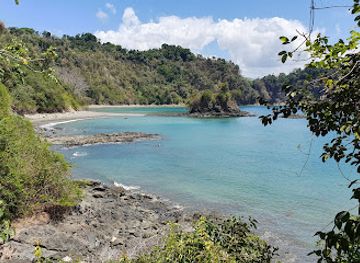
Parque Nacional Manuel Antonio
Discover Costa Rica's paradise: stunning beaches, lush rainforest, and incredible wildlife in Manuel Antonio National Park.
-
Shopping mall
Paseo de las Flores
Experience shopping, dining, and entertainment at Heredia's vibrant Paseo de las Flores, a modern mall with a touch of local heritage.
-
Park
Plaza de la Cultura
Experience Costa Rican culture in the heart of San José at Plaza de la Cultura, surrounded by museums, theaters, and vibrant street life.
-
Shopping mall
Terramall
Experience a blend of local culture and global brands at Terramall, Cartago's premier shopping and entertainment destination. Open daily!

Explore Los Santos Region on the map
Plan your trip on one map. See where the top cities, national parks and sights are, and book hotels and experiences in a few clicks.
Best hotels in Los Santos Region
Best restaurants in Los Santos Region
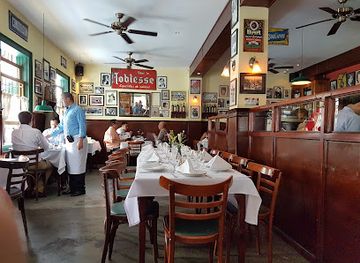
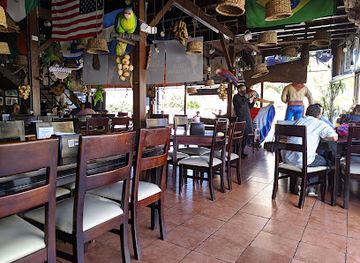
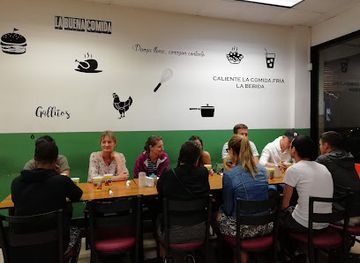
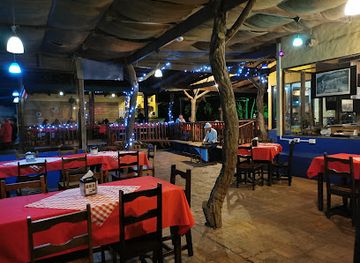
Dining in Los Santos is closely linked to its agricultural setting. Small sodas, cafés and family-run restaurants serve Costa Rican staples such as gallo pinto, casado, soups, rice and beans, plantain and grilled meats, often with locally grown vegetables. Coffee is the defining regional product, and tastings in Tarrazú, Dota and León Cortés may range from straightforward café service to producer-led explanations of harvesting, milling and roasting. Trout is associated with some highland menus, while bakeries and roadside stops provide practical food for journeys through the mountains. In the cooler Dota area, restaurants and lodges often emphasise warm breakfasts, soups and substantial home-style meals; lower valleys have a more agricultural café culture. Dining options are most concentrated in the principal towns and accommodation areas, so visitors staying at a rural lodge should check meal arrangements in advance. Local markets and small shops are useful for fruit, bread and snacks, although opening patterns can be limited outside town centres.
-
Argentinian
La Esquina de Buenos Aires
Savor authentic Argentinian cuisine at La Esquina de Buenos Aires—where every meal tells a story of flavor and tradition.
-
Costa Rican
Restaurante Nuestra Tierra
Savor authentic Costa Rican cuisine at Restaurante Nuestra Tierra – where tradition meets flavor in every dish.
-
Restaurant
Soda Yogui's
Experience authentic Costa Rican flavors at Soda Yogui's in San Pedro – where every dish tells a story.
-
Restaurant
Mirador Tiquicia
Experience authentic Costa Rican cuisine amidst breathtaking views at Mirador Tiquicia – where every meal is a celebration of flavor and nature.
Best bars in Los Santos Region
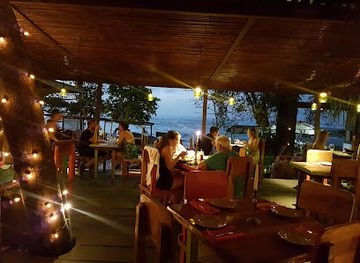
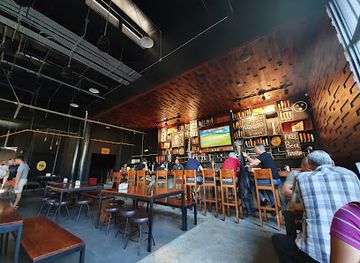
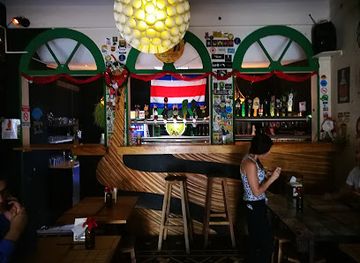
Nightlife in Los Santos is modest and community-oriented rather than club-focused. In San Marcos de Tarrazú, San Pablo de León Cortés and Santa María de Dota, evenings generally revolve around cafés, casual restaurants, traditional bars and occasional local social events. Some rural lodges offer a quiet drink, conversation and views of the mountains, while coffee-focused businesses may provide tastings earlier in the day rather than operate as late-night venues. There is no large, concentrated nightclub district comparable with San José, and many visitors spend the evening dining, stargazing or resting after forest walks. Weekend activity can be livelier in the larger towns, but schedules and venues change, so local advice is more reliable than assuming city-style opening hours. Drink responsibly, arrange transport before travelling between rural communities, and remember that the highland roads are poorly suited to late-night driving.
-
Bar
KOKi Beach Restaurant & Bar
KOKi Beach Restaurant & Bar: An oceanfront oasis in Puerto Viejo, offering delicious food, refreshing drinks, and a vibrant atmosphere for all.
-
Restaurant
República Casa Cervecera
Experience the vibrant flavors of Costa Rica at República Casa Cervecera, where craft beer meets gourmet dining in a lively gastropub atmosphere.
-
Pub
Stiefel Pub
Experience vibrant nightlife at Stiefel Pub, a must-visit destination in Escazú, Costa Rica, offering local drinks, delicious bites, and live entertainment.
-
 Restaurant
Hotel Sueños del Bosque Lodge
Discover the tranquility of nature at Hotel Sueños del Bosque Lodge in San Gerardo de Dota, a perfect retreat for nature lovers and adventurers alike.
Best nightclubs in Los Santos Region
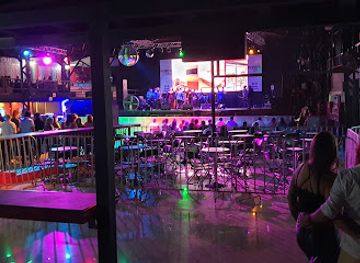
Nightlife in Los Santos is modest and community-oriented rather than club-focused. In San Marcos de Tarrazú, San Pablo de León Cortés and Santa María de Dota, evenings generally revolve around cafés, casual restaurants, traditional bars and occasional local social events. Some rural lodges offer a quiet drink, conversation and views of the mountains, while coffee-focused businesses may provide tastings earlier in the day rather than operate as late-night venues. There is no large, concentrated nightclub district comparable with San José, and many visitors spend the evening dining, stargazing or resting after forest walks. Weekend activity can be livelier in the larger towns, but schedules and venues change, so local advice is more reliable than assuming city-style opening hours. Drink responsibly, arrange transport before travelling between rural communities, and remember that the highland roads are poorly suited to late-night driving.
-
Disco club
Pepper Disco Club
Discover electrifying nights at Pepper Disco Club - the ultimate dancing destination in Curridabat, Costa Rica.
-
Disco club
Bar The Caribbean.
Discover the vibrant nightlife at Bar The Caribbean, a premier disco club in San José, where dancing and fun come together in a tropical atmosphere.
-
Disco club
Cuban Republik Disco Lounge
Experience electrifying nightlife at Cuban Republik Disco Lounge in Quepos, where vibrant music and delicious cocktails create unforgettable nights.
-
Disco club
Mood Club
Experience the electrifying nightlife at Mood Club in San José, where vibrant music and an energetic crowd create unforgettable nights.



Best shops in Los Santos Region
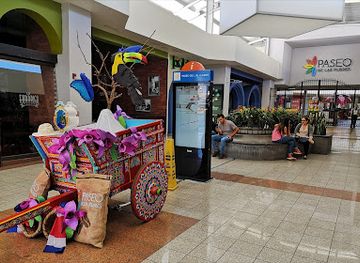
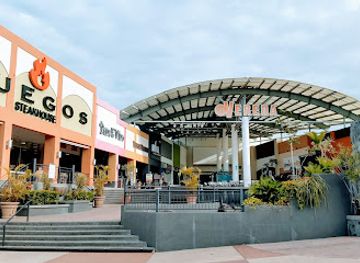
Shopping in Los Santos is oriented towards useful local goods and agricultural products rather than large retail centres. The most distinctive purchase is locally produced coffee from Tarrazú, Dota or León Cortés, available through roasters, cafés, cooperatives and some farm tours; ask about roast date and processing if buying beans to take home. Town shops and markets sell fruit, vegetables, bread and everyday supplies, while small craft and souvenir selections may include woodwork, textiles or handmade items, though choice varies considerably between communities. San Marcos de Tarrazú and San Pablo de León Cortés offer more practical shopping than the smaller rural settlements, while Dota's businesses are particularly convenient for visitors seeking coffee and mountain provisions. Farmers' markets are useful for seeing the region's produce economy, but days and locations can change, so confirm locally. Carrying colones remains sensible for small purchases, especially away from established cafés and accommodation.
-
Shopping mall
Multiplaza Escazú
Discover the best of shopping, dining, and entertainment at Multiplaza Escazú, Costa Rica’s premier shopping mall in Escazú.
-
Shopping mall
Multiplaza Curridabat
Explore Multiplaza Curridabat – Costa Rica's premier shopping mall featuring international brands, dining, and vibrant local culture.
-
Shopping mall
Paseo de las Flores
Discover the lively Paseo de las Flores, a premier shopping destination in Heredia, Costa Rica, offering diverse shops, dining, and entertainment for all.
-
Shopping mall
Terramall
Explore Terramall, Cartago's premier shopping destination, featuring a wide range of shops, dining options, and entertainment for all ages.


Get your free copy of our complete guide to Los Santos Region, delivered straight to you.
Everything on this page, from attractions and restaurants to essentials and local phrases, in one PDF you can read offline, print or share.
Already have an account? Sign in
Your Los Santos Region guide is ready.
We'll send it to · Not you? Sign out

Getting your guide ready…
We are putting together a fresh copy of the Los Santos Region guide. This can take up to a minute.
This can take a few moments. If your browser asks, choose Allow so the download can start. You'll find the guide in your Downloads folder.
Nothing happened? Download it again
Sorry, the guide is taking longer than usual. Please try again in a minute, or get it by email instead.
Los Santos Region essentials
Currency and Payment
Safety
Emergency Situations
Do's and Don'ts
Local Tips
From Eve
Local phrases worth knowing
You don't need to get them perfect. A few words go a long way, and locals appreciate the effort.
Basics
| English | Local | Say it |
|---|---|---|
| Hello | Hola | [oh-lah] |
| Goodbye | Adiós | [ah-dee-ohs] |
| Yes | Sí | [see] |
| No | No | [noh] |
| Please/You're welcome | Por favor/De nada | [por fah-vor/deh nah-dah] |
| Thank you | Gracias | [grah-syahs] |
| Excuse me/Sorry | Disculpe/Lo siento | [dees-kool-peh/loh syen-toh] |
| How are you? | ¿Cómo está? | [koh-moh es-tah] |
| Fine. And you? | Bien. ¿Y usted? | [byen. ee oos-ted] |
| Do you speak English? | ¿Habla inglés? | [ah-blah een-glehs] |
| I don't understand | No entiendo | [noh ehn-tyen-doh] |
Eating & Drinking
| English | Local | Say it |
|---|---|---|
| I'd like to see the menu, please | Me gustaría ver el menú, por favor | [meh goos-tah-ree-ah vehr el meh-noo, por fah-vor] |
| I don't eat meat | No como carne | [noh koh-moh kar-neh] |
| Cheers! | ¡Salud! | [sah-lood] |
| I would like to pay, please | Me gustaría pagar, por favor | [meh goos-tah-ree-ah pah-gar, por fah-vor] |
Emergencies
| English | Local | Say it |
|---|---|---|
| Help! | ¡Ayuda! | [ah-yoo-dah] |
| Go away! | ¡Vete! | [veh-teh] |
| Call the Police! | ¡Llama a la policía! | [yah-mah ah lah poh-lee-syah] |
| Call a doctor! | ¡Llama a un doctor! | [yah-mah ah oon dok-tor] |
| I'm lost | Estoy perdido | [es-toy per-dee-doh] |
| I'm ill | Estoy enfermo/a | [es-toy en-fer-mo/a] |
Shopping
| English | Local | Say it |
|---|---|---|
| I'd like to buy... | Me gustaría comprar... | [meh goos-tah-ree-ah kom-prar] |
| I'm just looking | Solo estoy mirando | [soh-loh es-toy mee-ran-doh] |
| How much is it? | ¿Cuánto cuesta? | [kwan-toh kwes-tah] |
| That's too expensive | Eso es muy caro | [eh-soh es moo-ee kah-roh] |
| Can you lower the price? | ¿Puede bajar el precio? | [pweh-deh bah-har el preh-syoh] |
Time & Numbers
| English | Local | Say it |
|---|---|---|
| What time is it? | ¿Qué hora es? | [keh oh-rah es] |
| It's one o'clock | Es la una | [es lah oo-nah] |
| Half past (10) | Y media (10) | [ee meh-dee-ah (diez)] |
| Morning | Mañana | [mah-nyah-nah] |
| Afternoon | Tarde | [tar-deh] |
| Evening | Noche | [noh-cheh] |
| Yesterday | Ayer | [ah-yer] |
| Today | Hoy | [oy] |
| Tomorrow | Mañana | [mah-nyah-nah] |
| 1 | Uno | [oo-noh] |
| 2 | Dos | [dohs] |
| 3 | Tres | [tress] |
| 4 | Cuatro | [kwah-tro] |
| 5 | Cinco | [seen-koh] |
| 6 | Seis | [says] |
| 7 | Siete | [syay-teh] |
| 8 | Ocho | [oh-choh] |
| 9 | Nueve | [nweh-beh] |
| 10 | Diez | [dyehs] |
Transport & Directions
| English | Local | Say it |
|---|---|---|
| Where's a/the...? | ¿Dónde está un/una...? | [dohn-deh es-tah oon/oo-nah] |
| What's the address? | ¿Cuál es la dirección? | [kwahl es lah dee-rek-syohn] |
| Can you show me (on the map)? | ¿Me puede mostrar (en el mapa)? | [meh pweh-deh mos-trar (en el mah-pah)] |
| When's the next (bus)? | ¿Cuándo es el próximo (bus)? | [kwan-doh es el prohk-see-moh (boos)] |
| A ticket (to ....) | Un boleto (a ....) | [oon boh-leh-toh (ah ....)] |
History of Los Santos Region
Pre-Columbian mountain landscapes
Before Spanish colonisation, the highlands that now form Los Santos were part of the wider cultural landscape of southern and central Costa Rica, inhabited and used by Indigenous communities whose territories extended across difficult mountain terrain. Archaeological evidence from Costa Rica shows long-established settlement, farming and exchange networks, although the high valleys of Los Santos did not develop the large urban centres associated with some other parts of the Americas. The region's ridges, rivers and fertile volcanic soils nevertheless provided routes, water and land suitable for cultivation.
Colonial-era isolation and frontier settlement
During the Spanish colonial period, the rugged lands southeast of the Central Valley remained relatively remote from the principal colonial settlements. Mountain passes and difficult tracks limited movement, while scattered farms and small communities developed gradually. Catholic institutions and agricultural practices introduced during the colonial and early republican periods influenced local settlement patterns, but the region retained a predominantly rural character. Its later towns grew from this dispersed network of farms rather than from a single colonial city.
Nineteenth-century migration from the Central Valley
Population growth in the Central Valley during the nineteenth century encouraged families and farming communities to move into the valleys and slopes of what became Dota, Tarrazú and León Cortés. Small holdings, livestock raising and food cultivation expanded as settlers adapted to steep terrain and variable elevations. The establishment and consolidation of towns such as San Marcos de Tarrazú and Santa María de Dota gave the area more enduring civic institutions. Roads remained rough, however, and the region's connection with national markets was limited by the mountains.
Coffee and the making of a regional economy
Coffee became the central commercial crop of Los Santos as farmers recognised the value of its high elevations, cool nights and volcanic soils. Production expanded during the late nineteenth and twentieth centuries, creating a landscape of small and medium-sized farms, mills, farm roads and seasonal labour. Tarrazú in particular acquired an international reputation for high-quality Arabica coffee, while coffee also shaped the economies of Dota and León Cortés. Cooperative organisation and local processing helped communities retain more control over production and marketing.
Roads, the Pan-American Highway and national integration
Improved roads transformed Los Santos by linking its mountain communities more reliably with San José and Pacific-side markets. The Pan-American Highway over Cerro de la Muerte became the principal highland route through the broader area, bringing greater movement of people, products and visitors. Secondary roads opened access to coffee farms and rural settlements, although steep gradients and heavy rainfall continue to make travel slow in places. Better connections strengthened the region's agricultural economy while also making its forests and birdlife accessible to tourism.
Conservation and nature-based tourism
During the late twentieth century, concern for high-elevation forests, watersheds and wildlife led to stronger protection of the region's mountain ecosystems. Los Quetzales National Park became a principal expression of that conservation effort, safeguarding habitats associated with the upper Savegre basin and the Talamanca mountain system. Birdwatching, forest walking and coffee tourism subsequently developed alongside agriculture rather than replacing it. The region's contemporary identity therefore rests on two connected legacies: productive highland farming and careful stewardship of its remaining cloud-forest environments.
Los Santos Region in Photos
Browse through our photo collection highlighting the charm and character of the destination.
Neighbouring regions of Los Santos Region
The closest regions to Los Santos Region, if you have time for more than one.
-

-

-

-

-


Swipe for more regions
Explore more

Explore more of Costa Rica
Discover Costa Rica, where lush rainforests, stunning beaches, and incredible wildlife create a paradise for nature lovers and adventure seekers alike.
Explore Costa Rica