

Limón, Costa Rica Travel Guide
Explore Limón, Costa Rica: A vibrant Caribbean paradise with lush rainforests, pristine beaches, diverse wildlife, and rich Afro-Caribbean culture.
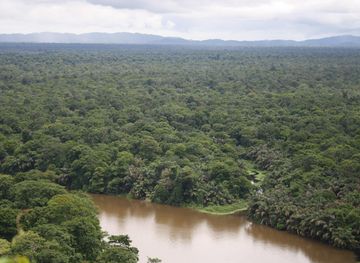
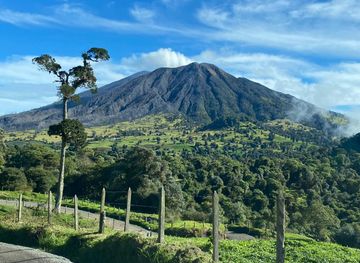
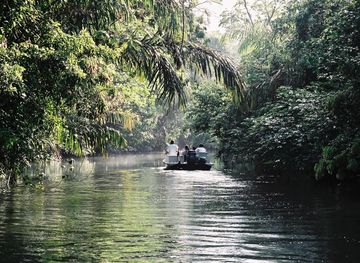
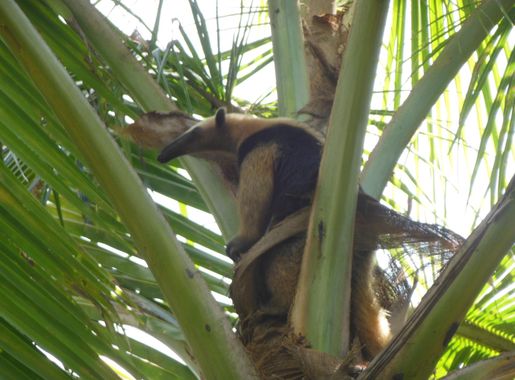
Limón, located on the Caribbean coast of Costa Rica, is a treasure trove of natural beauty and cultural richness. Known for its lush rainforests, pristine beaches, and vibrant Afro-Caribbean culture, Limón offers a unique blend of adventure and relaxation. The city is a gateway to some of Costa Rica's most stunning national parks, including Cahuita National Park and Tortuguero National Park. These parks are home to a diverse array of wildlife, from howler monkeys to sea turtles. Whether you're trekking through the jungle or gliding down a river, the natural wonders of Limón are sure to captivate you. Limón is also famous for its lively festivals and delicious cuisine. The annual Carnival, held in October, is a colorful celebration of music, dance, and local traditions. Don’t miss the chance to try local dishes like rice and beans, patí, and plantain tarts. The friendly locals and their vibrant culture make Limón a must-visit destination for any traveler seeking an authentic Costa Rican experience.

Know before you go
Hi, I'm Eve. Here are a few practical things to know before exploring Limón.
- Visit during the Carnival in October for a unique cultural experience.
- Pack light and breathable clothing, as the climate is warm and humid.
- Hire a local guide to explore the national parks for the best wildlife spotting.
- Try the local cuisine at small, family-owned restaurants for an authentic taste.
Top City Travel Guides in Limón
The cities of Limón, and the easiest places to base yourself.


Destinations in Limón
Resorts, valleys and scenic spots worth a trip of their own.

Explore Limón: Things to Do, Places to Eat, Hotels & More
Handpicked recommendations for top attractions, local dining, accommodations, and more

Top Attractions & Sightseeing in Limón
Top-rated picks
Best Attractions

Parque de la Paz
Explore the lush landscapes and vibrant culture of Parque de la Paz in San José, Costa Rica - a serene urban escape for all travelers.

Parque Balvanero Vargas
Discover the serene beauty of Parque Balvanero Vargas, a lush urban park in Limón, Costa Rica, perfect for relaxation and cultural immersion.

Blue Day Family Club
Experience family-friendly fun and Costa Rican cuisine at Blue Day Family Club in Guápiles, a must-visit destination for travelers.

Simón Bolívar Zoo and Botanical Garden
Discover the vibrant wildlife and stunning botanical displays at Simón Bolívar Zoo and Botanical Garden in San José, Costa Rica.

Best landmarks in Limón
Top-rated picks
Best Landmarks

Parque Nacional Cahuita
Discover Cahuita National Park: Where rainforest meets the reef on Costa Rica's stunning Caribbean coast. A haven for wildlife & snorkeling adventures.

Crocodile Bridge
Witness massive crocodiles in their natural habitat at the famous Crocodile Bridge on Costa Rica's Pacific Coast. A must-see, free wildlife spectacle!

Monge
Discover the latest appliances and electronics at Monge, conveniently located near San José's beautiful Parque Morazán.

Parque Nacional Tortuguero
Discover Costa Rica's wild side in Tortuguero National Park: canals, rainforest, and incredible wildlife encounters await!

Best restaurants in Limón
Top-rated picks
Best Restaurants

El Patty
Discover El Patty in Limón - where delicious patties meet warm hospitality in Costa Rica's vibrant dining scene.

Restaurante Lidia's Place
Experience authentic Costa Rican cuisine at Restaurante Lidia's Place in Puerto Viejo de Talamanca - where local ingredients meet Caribbean flair.

La NENA
Discover La NENA in Cocles - where Caribbean flavors meet local charm for an unforgettable dining experience.

El Rincón del Amor
Experience authentic Costa Rican cuisine at El Rincón del Amor in Cahuita - where local flavors meet warm hospitality.

Best bars in Limón
Top-rated picks
Best Bars

El Patty
Explore the flavors of Costa Rica at El Patty, a delightful diner in Limón known for its authentic dishes and welcoming atmosphere.

Reina's Restaurante
Experience the vibrant flavors of Costa Rica at Reina's Restaurante in Limón, where every dish tells a story.

Restaurante Kalisi
Experience authentic Caribbean flavors and warm hospitality at Restaurante Kalisi in Puerto Limón, Costa Rica.

Bar Tsunami Sushi
Experience the fusion of fresh sushi and tropical vibes at Bar Tsunami Sushi, a must-visit destination in Limón.

Best nightclubs in Limón
Top-rated picks
Best Nightclubs

Reggae Bar
Discover the laid-back charm of Reggae Bar in Cahuita, where tropical drinks and vibrant music create the ultimate Caribbean nightlife experience.

Lux Sport Bar & Discoteque
Experience the vibrant nightlife at Lux Sport Bar & Discoteque in Guapiles, a lively bar and dance club for an unforgettable evening.

El Lab Cócteles XL
Experience the electrifying nightlife of Limón at El Lab Cócteles XL, where exquisite cocktails and vibrant music create unforgettable nights.

Bar El Colombiano
Discover the vibrant nightlife at Bar El Colombiano in Limón, Costa Rica, where local flavors and a lively atmosphere await.

Best shops in Limón
Top-rated picks
Best Shops

Mas X Menos
Explore local flavors and vibrant culture at Mas X Menos, a key supermarket in Limón, Costa Rica.

Wolf Mall
Discover the vibrant shopping experience at Wolf Mall, where local culture meets modern retail in Limón Province, Costa Rica.

Colono Limon
Colono Limon in Limón, Costa Rica: Your ultimate destination for quality building materials and home improvement supplies.

Limón's Municipal Market
Explore the lively Limón's Municipal Market for an authentic taste of Costa Rican culture and delicious local delicacies in a vibrant setting.

Explore Limón on the Map
A handpicked selection of must-see spots in Limón, mapped for you.
Limón Essentials
-
Limón, officially known as Puerto Limón, is accessible by both air and road. The nearest international airport is Juan Santamaría International Airport (SJO) in San José, about 160 kilometers away. From San José, you can take a domestic flight to Limón International Airport (LIO), a journey of approximately 30 minutes. Alternatively, you can drive or take a bus; the road trip typically takes around 3 to 4 hours via Route 32, offering scenic views of the Braulio Carrillo National Park.
-
Limón is a relatively small city, and many of its attractions are within walking distance. For longer trips, taxis are readily available and can be hailed on the street or booked through apps. Public buses operate within the city and connect to nearby towns and villages. Car rentals are also an option and offer flexibility for exploring the surrounding areas, such as Cahuita National Park and Tortuguero National Park.
-
The official currency in Costa Rica is the Costa Rican Colón (CRC). U.S. dollars are widely accepted, especially in tourist areas, but it's advisable to carry local currency for smaller establishments. Credit and debit cards are accepted in most hotels, restaurants, and shops. ATMs are available throughout Limón, but it's wise to notify your bank before traveling to avoid any issues with card usage.
-
Limón, like many cities, has areas with higher crime rates. Tourists should exercise caution, especially in the downtown area and at night. Avoid displaying valuable items and be cautious when withdrawing money from ATMs. Stick to well-lit, populated areas and consider using hotel safes to store valuables. Always use registered taxis and beware of pickpockets in crowded places.
-
In case of emergency, dial 911 for police, medical, or fire assistance. The main hospital in Limón is Tony Facio Castro Hospital, which provides emergency medical services. It's recommended to have travel insurance that covers medical emergencies. Pharmacies are available for minor health issues, and many pharmacists speak English.
-
Fashion: Do dress comfortably and casually, but avoid overly revealing clothing. Lightweight, breathable fabrics are ideal due to the humid climate. Religion: Do respect local customs and traditions. When visiting churches, dress modestly and remove hats. Public Transport: Do be respectful and offer seats to elderly passengers. Keep an eye on your belongings. Greetings: Do greet people with a handshake or a friendly nod. Costa Ricans are generally warm and polite. Eating & Drinking: Do try local dishes like rice and beans (gallo pinto) and seafood. Don't drink tap water; stick to bottled water. Avoid refusing food offerings as it may be considered impolite.
-
To experience Limón like a local, visit the central market (Mercado Central) for fresh produce and local goods. Engage with residents; they are often friendly and willing to share insights about their culture. Don't miss the annual Carnival in October, a vibrant celebration of Afro-Caribbean culture. For a unique local experience, consider taking a boat tour through the Tortuguero canals, where you can observe diverse wildlife in their natural habitat.
When is the best time to visit Limón?
Useful Local Phrases for Limón
You don't need to speak the language perfectly. Even learning a few simple words can make conversations warmer—and locals usually appreciate the effort.
— Eve

Here are the phrases I use most often in Limón. Try a few—you'll be surprised how far they go! 😊
❤️
-
- HelloHola
[Ola] - GoodbyeAdiós
[Adios] - YesSí
[See] - NoNo
[No] - Please/You’re welcomePor favor
[Por favor] - Thank youGracias
[Grasias] - Excuse me/SorryPerdón
[Perdon] - How are you?¿Cómo estás?
[Como estas] - Fine. And you?Bien. ¿Y tú?
[Bien. E tu] - Do you speak English?¿Hablas inglés?
[Hablas ingles] - I don’t understandNo entiendo
[No entiendo]
- HelloHola
-
- I’d like to see the menu, pleaseMe gustaría ver el menú, por favor
[Me gustaria ver el menu, por favor] - I don’t eat meatNo como carne
[No como carne] - Cheers!¡Salud!
[Salud] - I would like to pay, pleaseQuisiera pagar, por favor
[Quisiera pagar, por favor]
- I’d like to see the menu, pleaseMe gustaría ver el menú, por favor
-
- Help!¡Ayuda!
[Ayuda] - Go away!¡Vete!
[Vete] - Call the Police!¡Llama a la policía!
[Llama a la policia] - Call a doctor!¡Llama a un doctor!
[Llama a un doctor] - I’m lostEstoy perdido
[Estoy perdido] - I’m illEstoy enfermo
[Estoy enfermo]
- Help!¡Ayuda!
-
- I’d like to buy...Me gustaría comprar...
[Me gustaria comprar] - I’m just lookingSolo estoy mirando
[Solo estoy mirando] - How much is it?¿Cuánto cuesta?
[Cuanto cuesta] - That’s too expensiveEso es muy caro
[Eso es muy caro] - Can you lower the price?¿Puedes bajar el precio?
[Puedes bajar el precio]
- I’d like to buy...Me gustaría comprar...
-
- What time is it?¿Qué hora es?
[Que hora es] - It’s one o’clockEs la una
[Es la una] - Half past (10)Y media (10)
[Y media] - MorningMañana
[Mañana] - AfternoonTarde
[Tarde] - EveningNoche
[Noche] - YesterdayAyer
[Ayer] - TodayHoy
[Hoy] - TomorrowMañana
[Mañana] - 1Uno
[Uno] - 2Dos
[Dos] - 3Tres
[Tres] - 4Cuatro
[Cuatro] - 5Cinco
[Cinco] - 6Seis
[Seis] - 7Siete
[Siete] - 8Ocho
[Ocho] - 9Nueve
[Nueve] - 10Diez
[Diez]
- What time is it?¿Qué hora es?
-
- Where's a/the...?¿Dónde está un/una...?
[Donde esta un/una] - What's the address?¿Cuál es la dirección?
[Cual es la direccion] - Can you show me (on the map)?¿Puedes mostrarme (en el mapa)?
[Puedes mostrarme en el mapa] - When's the next (bus)?¿Cuándo es el próximo (bus)?
[Cuando es el proximo bus] - A ticket (to ....)Un boleto (a ....)
[Un boleto a]
- Where's a/the...?¿Dónde está un/una...?
History of Limón
-
Before the arrival of Europeans, the region of Limón was inhabited by various indigenous groups, including the Bribri and the Cabécar. These communities were skilled in agriculture, fishing, and trade. They cultivated crops like cacao and maize and had a rich cultural heritage that included intricate weaving and pottery.
-
Limón's recorded history began on September 18, 1502, when Christopher Columbus arrived on its shores during his fourth and final voyage to the New World. He named the area Cariay after the local indigenous people. This marked the beginning of European interest in the region.
-
In the late 19th century, Limón became a crucial hub for the American-owned United Fruit Company. The development of banana plantations transformed the local economy and led to the construction of a railway connecting Limón to the capital, San José. This period also saw a significant influx of Afro-Caribbean workers, particularly from Jamaica, who were instrumental in building the railway and working on the plantations.
-
The Afro-Caribbean community has had a profound impact on the culture of Limón. Their traditions, music, and cuisine have become integral parts of local life. The annual Carnaval de Limón, celebrated in October, is a vibrant display of Afro-Caribbean culture, featuring parades, music, dancing, and traditional foods.
-
During World War II, Limón's strategic location and port facilities made it an important point for the Allied forces. The war also caused a temporary decline in banana exports, leading to economic challenges. Post-war, the region diversified its economy, focusing more on tourism and other agricultural products.
-
Today, Limón is known for its rich cultural diversity, stunning natural landscapes, and vibrant history. The region has embraced ecotourism, promoting its rainforests, beaches, and wildlife. The cultural tapestry of Limón continues to be shaped by its indigenous roots, Afro-Caribbean heritage, and modern Costa Rican influences.
Neighbouring Regions of Limón
The closest regions to Limón, if you have time for more than one.


Your all‑in‑one travel companion app
Explore expert travel guides, compare and book tours, experiences, hotels, and more—all from the palm of your hand. Download now for seamless trip planning wherever your wanderlust takes you.


Explore More of Costa Rica

Looking beyond Limón? Discover Costa Rica for broader travel guides, local hot-spots, and regional highlights.
Explore Costa RicaLimón in Photos
Browse through our photo collection highlighting the charm and character of the destination.



Discover the Vibrant Charm of Limón, Costa Rica
Limón, located on the Caribbean coast of Costa Rica, is a treasure trove of natural beauty and cultural richness. Known for its lush rainforests, pristine beaches, and vibrant Afro-Caribbean culture, Limón offers a unique blend of adventure and relaxation. The city is a gateway to some of Costa Rica's most stunning national parks, including Cahuita National Park and Tortuguero National Park. These parks are home to a diverse array of wildlife, from howler monkeys to sea turtles. Whether you're trekking through the jungle or gliding down a river, the natural wonders of Limón are sure to captivate you. Limón is also famous for its lively festivals and delicious cuisine. The annual Carnival, held in October, is a colorful celebration of music, dance, and local traditions. Don’t miss the chance to try local dishes like rice and beans, patí, and plantain tarts. The friendly locals and their vibrant culture make Limón a must-visit destination for any traveler seeking an authentic Costa Rican experience.