

Free Turrialba Valley Travel Guide & Mobile App
Explore Turrialba Valley with free travel guides. Discover regional history, expert tips, proposed trips, and audio guides on web or mobile app.


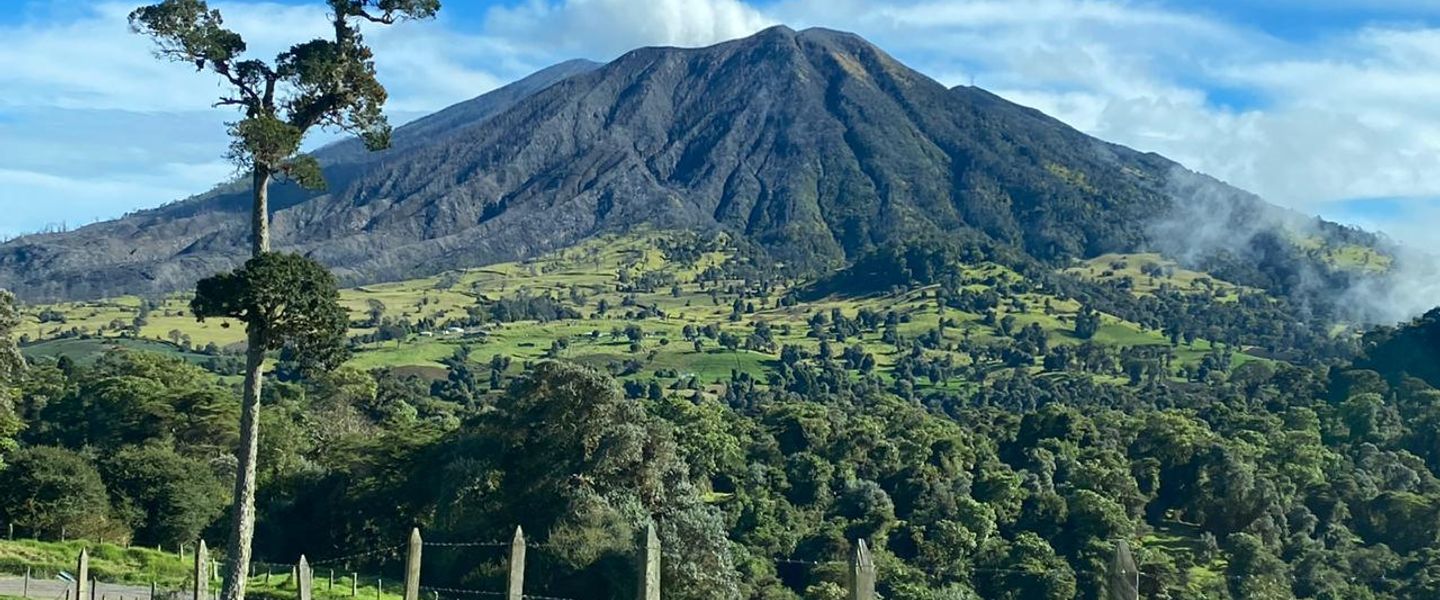


Turrialba Valley combines Costa Rican archaeology, coffee country, tropical farms, volcanic scenery and world-class river adventures near Turrialba.
Read more about Turrialba Valley
When is the best time to visit Turrialba Valley?
Best: January–March · 23–24°C| Month | High (°C) | Rainfall (mm) |
|---|---|---|
| January (best) | 23 | 100 |
| February (best) | 23 | 90 |
| March (best) | 24 | 110 |
| April | 25 | 140 |
| May | 25 | 160 |
| June | 25 | 180 |
| July | 24 | 170 |
| August | 25 | 180 |
| September | 24 | 200 |
| October | 24 | 210 |
| November | 23 | 140 |
| December | 23 | 120 |
Getting to and around Turrialba Valley
How to get there
Transportation
Best attractions in Turrialba Valley
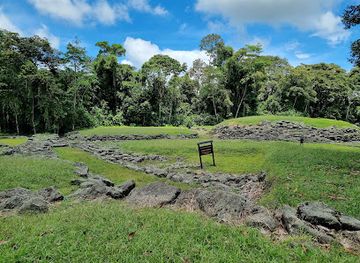
Turrialba Valley’s attractions combine archaeological heritage, working agriculture and serious outdoor adventure. Guayabo National Monument is the region’s central cultural site, with stone avenues, drainage channels, foundations and bridges set within forest on the lower slopes of the Turrialba massif. The Reventazón and Pacuare river systems provide the setting for guided white-water rafting, while canyoning, horseback riding, mountain biking, birdwatching and hiking introduce visitors to the valley’s humid forests and cultivated hillsides. CATIE’s research campus and botanical collections reflect the area’s role in tropical agriculture and may offer educational or garden-based experiences subject to current access arrangements. Around Turrialba, dairy farms, coffee landscapes and sugar-cane country reveal how local communities use the valley’s fertile soils. Volcanic viewpoints and upland trails add a geological dimension, although access to Volcán Turrialba can change with volcanic activity and official restrictions. The attraction landscape is therefore less about a dense concentration of ticketed sights than about combining a small number of important heritage places with rivers, farms, forest and guided activities.
-
Museum
Pre-Columbian Gold Museum
Explore the fascinating world of indigenous cultures at the Pre-Columbian Gold Museum in San José, featuring a vast collection of gold artifacts and rich history.
-
National park
Parque Nacional Tapantí - Macizo de la Muerte
Explore Tapantí National Park: a Costa Rican paradise of cloud forests, diverse wildlife, and breathtaking natural beauty in the Talamanca Range.
-
Archaeological site
Guayabo National Monument
Explore the rich cultural heritage of Costa Rica at Guayabo National Monument, a stunning archaeological site surrounded by lush landscapes.
-
Tourist attraction
Hacienda La Central - Volcán Turrialba
Discover the breathtaking beauty and rich culture at Hacienda La Central, nestled near Volcán Turrialba, Costa Rica's natural paradise.

Best landmarks in Turrialba Valley
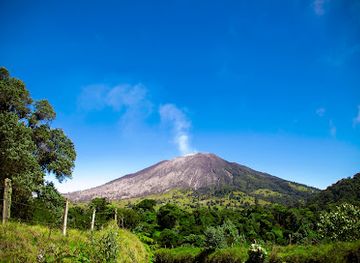
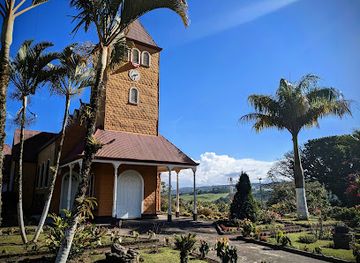
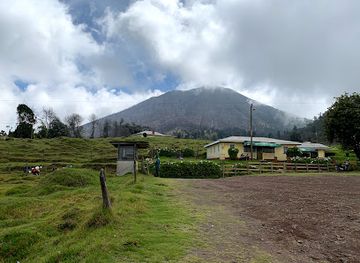
Guayabo National Monument is Turrialba Valley’s most important historic landmark, preserving an extensive pre-Columbian settlement whose carefully laid stone roads and water channels demonstrate advanced engineering and social organisation. The site’s forested setting also makes its structures legible as part of a wider landscape rather than an isolated ruin. Above the valley, the Turrialba volcanic massif is the region’s defining natural landmark, its slopes visible from farms and roads although access to the national park area can be restricted according to volcanic conditions. The Reventazón River is another major geographical marker, cutting through the valley and helping define its reputation for white-water recreation. In Turrialba town, the central church and civic streets provide a more modest architectural focus, reflecting the settlement’s role as a regional agricultural centre. CATIE’s campus is significant not as a monumental building complex but as a landmark of Costa Rica’s international history in tropical research, agroforestry and sustainable agriculture.
-
Park
Ruinas de Ujarrás
Discover the historic Ruinas de Ujarrás in Costa Rica's Orosi Valley, a serene landmark with colonial-era church ruins and picturesque gardens.
-
National park
Parque Nacional Tapantí - Macizo de la Muerte
Discover Costa Rica's Tapantí National Park: a biodiverse paradise of cloud forests, rushing rivers, and stunning mountain views in the Cordillera de Talamanca.
-
Archaeological site
Guayabo National Monument
Uncover the mysteries of Costa Rica's largest pre-Columbian city at Guayabo National Monument, where history and nature intertwine.
-
Tourist attraction
Hacienda La Central - Volcán Turrialba
Experience Costa Rica's natural beauty at Hacienda La Central, with hiking, camping, and stunning views of Turrialba Volcano.

Explore Turrialba Valley on the map
Plan your trip on one map. See where the top cities, national parks and sights are, and book hotels and experiences in a few clicks.
Best hotels in Turrialba Valley
Best restaurants in Turrialba Valley
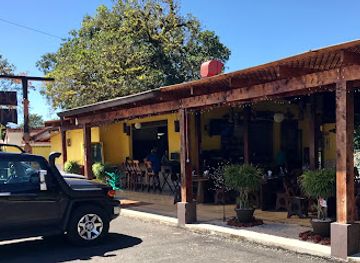
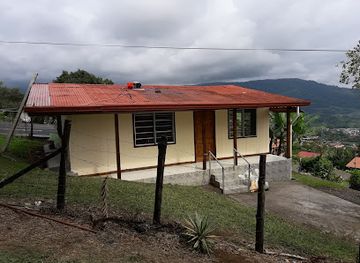
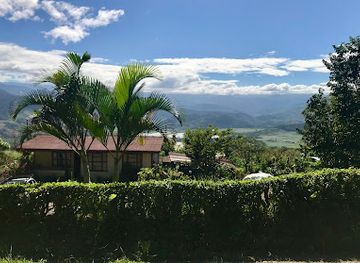
Dining in Turrialba Valley is closely connected to agriculture and everyday Costa Rican cooking. Turrialba cheese, a fresh, slightly salty dairy cheese traditionally associated with the surrounding highlands, appears in breakfasts, sandwiches and simple regional dishes. Coffee, sugar-cane products, tropical fruit, rice, beans, plantain, chicken and locally raised dairy produce are common across cafés, roadside sodas and family-run restaurants. In town, visitors will find straightforward Costa Rican meals, bakeries, cafés and a modest selection of international food, while rural lodges and farm-based businesses may offer menus built around their own produce or nearby suppliers. The region is also a good place to look for coffee and cheese sold directly or through local shops. Formal fine dining is less central to the valley’s identity than fresh ingredients, generous portions and informal meals with a rural setting. Restaurant choices become more limited outside Turrialba, so visitors staying in the countryside should confirm meal arrangements in advance.
-
Tourist attraction
Hacienda La Central - Volcán Turrialba
Experience adventure and natural beauty at Hacienda La Central near Volcán Turrialba – hiking, camping & authentic cuisine await!
-
Restaurant
Restaurante Rancho JSM
Experience authentic Costa Rican cuisine at Restaurante Rancho JSM in Turrialba - a feast for both the senses and the soul.
-
Restaurant
Loco's Restaurante y Bar
Experience authentic Costa Rican cuisine at Loco's Restaurante y Bar in Turrialba – where great food meets vibrant culture.
-
Restaurant
Restaurante y Mirador Sitios de Angostura
Experience authentic Costa Rican flavors amidst breathtaking views at Restaurante y Mirador Sitios de Angostura in Turrialba.
Best bars in Turrialba Valley
Evening life in Turrialba Valley is concentrated in Turrialba town and is generally low-key rather than built around large clubs. Local bars, casual restaurants and traditional cantinas provide places for a drink, conversation and televised sport, while some venues may host live music or informal dancing at weekends. Accommodation in the countryside often has an early-rising, outdoor-focused rhythm, with guests returning from rafting or hiking rather than seeking a late-night entertainment district. Turrialba’s student and agricultural communities support a more active town atmosphere at certain times, but opening arrangements and individual venues can change. Craft beer, coffee-based drinks and rum are available alongside the beers and spirits commonly served throughout Costa Rica. Visitors should arrange a taxi or other transport before drinking, particularly when staying beyond the town centre, where roads are dark and public transport is limited.
-
Supermarket
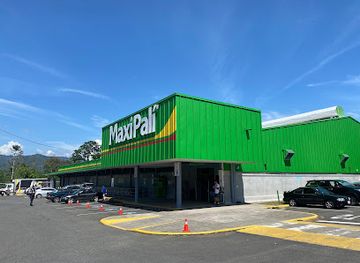
Maxi Palí
Explore Costa Rica's flavors at Maxi Palí, Turrialba's premier supermarket for fresh produce, local goods, and everyday essentials.
-
Hotel
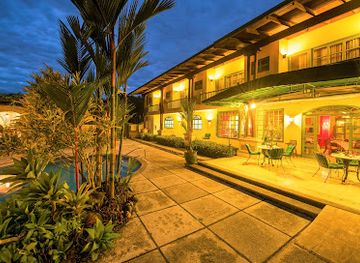
Hotel Casa Turire
Discover the serene beauty of Hotel Casa Turire, a luxurious retreat in Costa Rica's breathtaking Cartago Province, perfect for relaxation and adventure.
-
Restaurant
Loco's Restaurante y Bar
Discover authentic Costa Rican cuisine and vibrant nightlife at Loco's Restaurante y Bar in Turrialba, a must-visit destination for tourists.
-
Restaurant
Restaurante y Mirador Sitios de Angostura
Experience Costa Rican cuisine with breathtaking views at Restaurante y Mirador Sitios de Angostura in Turrialba.

Best nightclubs in Turrialba Valley
Evening life in Turrialba Valley is concentrated in Turrialba town and is generally low-key rather than built around large clubs. Local bars, casual restaurants and traditional cantinas provide places for a drink, conversation and televised sport, while some venues may host live music or informal dancing at weekends. Accommodation in the countryside often has an early-rising, outdoor-focused rhythm, with guests returning from rafting or hiking rather than seeking a late-night entertainment district. Turrialba’s student and agricultural communities support a more active town atmosphere at certain times, but opening arrangements and individual venues can change. Craft beer, coffee-based drinks and rum are available alongside the beers and spirits commonly served throughout Costa Rica. Visitors should arrange a taxi or other transport before drinking, particularly when staying beyond the town centre, where roads are dark and public transport is limited.
-
Hotel
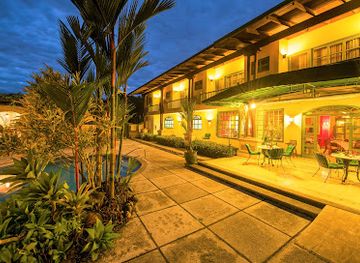
Hotel Casa Turire
Discover serenity and adventure at Hotel Casa Turire in Turrialba, where nature meets comfort and culinary delights await.
-
Wedding venue
Hacienda Sitio de Mata.
Discover the breathtaking beauty of Hacienda Sitio de Mata, a premier wedding venue and tourist attraction nestled in Turrialba, Costa Rica.
-
Disco club
Cuban Republik Disco Lounge
Cuban Republik Disco Lounge: Dive into Quepos' electrifying nightlife with vibrant music and an unforgettable atmosphere in the heart of Costa Rica.
-
Tourist attraction
Aquiares Coffee & Community Experience
Explore the heart of Costa Rica at Aquiares Coffee & Community Experience, where rich coffee culture meets breathtaking landscapes and local flavors.

Best shops in Turrialba Valley
Shopping in Turrialba Valley is practical, local and strongly linked to agriculture rather than luxury retail. Turrialba town has the widest selection of supermarkets, bakeries, pharmacies, everyday shops and small independent businesses, while rural communities offer fewer dedicated retail options. Look for regional cheese, Costa Rican coffee, sugar-cane products, preserves, tropical fruit and other farm goods through established shops, markets and producer outlets. Small craft and souvenir selections may include woodwork, woven goods, ceramics or locally made food products, although availability varies and should not be exaggerated. Visitors arranging outdoor activities can buy basic clothing and supplies in town, but specialised equipment is normally provided by tour operators or should be brought from larger shopping centres elsewhere in Costa Rica. The most characteristic purchases are edible and agricultural: cheese and coffee provide a useful sense of the valley’s working landscape and travel more easily than fragile crafts.
-
Archaeological site
Guayabo National Monument
Discover the ancient wonders of Guayabo National Monument, an archaeological gem teeming with history and natural beauty in Costa Rica.
-
Tourist attraction
Hacienda La Central - Volcán Turrialba
Explore the breathtaking landscapes of Hacienda La Central near Volcán Turrialba, where adventure meets tranquility in the heart of Costa Rica.
-
Supermarket
Maxi Palí
Explore Costa Rican culture at Maxi Palí, the go-to supermarket in Turrialba for fresh produce, local specialties, and everyday essentials.
-
Hotel
Hotel Casa Turire
Discover the serene beauty of Hotel Casa Turire in Costa Rica, where nature meets luxury and relaxation is just a moment away.

Get your free copy of our complete guide to Turrialba Valley, delivered straight to you.
Everything on this page, from attractions and restaurants to essentials and local phrases, in one PDF you can read offline, print or share.
Already have an account? Sign in
Your Turrialba Valley guide is ready.
We'll send it to · Not you? Sign out

Getting your guide ready…
We are putting together a fresh copy of the Turrialba Valley guide. This can take up to a minute.
This can take a few moments. If your browser asks, choose Allow so the download can start. You'll find the guide in your Downloads folder.
Nothing happened? Download it again
Sorry, the guide is taking longer than usual. Please try again in a minute, or get it by email instead.
Turrialba Valley essentials
Currency and Payment
Safety
Emergency Situations
Do's and Don'ts
Local Tips
From Eve
Local phrases worth knowing
You don't need to get them perfect. A few words go a long way, and locals appreciate the effort.
Basics
| English | Local | Say it |
|---|---|---|
| Hello | Hola | [OH-lah] |
| Goodbye | Adiós | [ah-DYOS] |
| Yes | Sí | [SEE] |
| No | No | [NO] |
| Please/You're welcome | Por favor/De nada | [por fah-VOR/de NAH-da] |
| Thank you | Gracias | [GRAH-syas] |
| Excuse me/Sorry | Perdón | [pair-DON] |
| How are you? | ¿Cómo estás? | [KOH-moh es-TAS] |
| Fine. And you? | Bien. ¿Y tú? | [BYEN. ee TOO] |
| Do you speak English? | ¿Hablas inglés? | [AH-blas een-GLES] |
| I don't understand | No entiendo | [NO en-TYEN-do] |
Eating & Drinking
| English | Local | Say it |
|---|---|---|
| I'd like to see the menu, please | Me gustaría ver el menú, por favor | [meh goos-tah-REE-ah BEHR el meh-NOO, por fah-VOR] |
| I don't eat meat | No como carne | [NO KOH-mo KAR-neh] |
| Cheers! | ¡Salud! | [sah-LOOD!] |
| I would like to pay, please | Me gustaría pagar, por favor | [meh goos-tah-REE-ah pah-GAR, por fah-VOR] |
Emergencies
| English | Local | Say it |
|---|---|---|
| Help! | ¡Ayuda! | [ah-YOO-dah!] |
| Go away! | ¡Vete! | [VEH-teh!] |
| Call the Police! | ¡Llama a la Policía! | [YAH-mah ah lah poh-lee-SYAH!] |
| Call a doctor! | ¡Llama a un doctor! | [YAH-mah ah oon dok-TOR!] |
| I'm lost | Estoy perdido | [es-TOY pair-DI-do] |
| I'm ill | Estoy enfermo/enferma | [es-TOY en-FER-mo/en-FER-ma] |
Shopping
| English | Local | Say it |
|---|---|---|
| I'd like to buy... | Me gustaría comprar... | [meh goos-tah-REE-ah kom-PRAR...] |
| I'm just looking | Solo estoy mirando | [SO-lo es-TOY mee-RAN-do] |
| How much is it? | ¿Cuánto cuesta? | [KWAN-toh KWEH-stah] |
| That's too expensive | Eso es muy caro | [EH-so es MOOY KAH-ro] |
| Can you lower the price? | ¿Puede bajar el precio? | [PWEH-deh bah-HAR el PREH-syo] |
Time & Numbers
| English | Local | Say it |
|---|---|---|
| What time is it? | ¿Qué hora es? | [KEH OH-rah es?] |
| It's one o'clock | Es la una | [es lah OO-nah] |
| Half past (10) | Y media (10) | [ee MEH-dia (10)] |
| Morning | Mañana | [mah-NYAH-nah] |
| Afternoon | Tarde | [TAR-deh] |
| Evening | Noche | [NO-cheh] |
| Yesterday | Ayer | [ah-YER] |
| Today | Hoy | [OY] |
| Tomorrow | Mañana | [mah-NYAH-nah] |
| 1 | Uno | [OO-no] |
| 2 | Dos | [DOS] |
| 3 | Tres | [TRES] |
| 4 | Cuatro | [KWAH-tro] |
| 5 | Cinco | [SEEN-ko] |
| 6 | Seis | [SACE] |
| 7 | Siete | [SYE-teh] |
| 8 | Ocho | [OH-cho] |
| 9 | Nueve | [NWEH-veh] |
| 10 | Diez | [DYEZ] |
Transport & Directions
| English | Local | Say it |
|---|---|---|
| Where's a/the...? | ¿Dónde hay un/una ...? | [DON-deh ai oon/OO-nah ...?] |
| What's the address? | ¿Cuál es la dirección? | [KWAL es lah dee-rek-SYON?] |
| Can you show me (on the map)? | ¿Me puedes mostrar (en el mapa)? | [meh PWEH-des mo-STRAR (en el MAH-pah)?] |
| When's the next (bus)? | ¿Cuándo pasa el próximo (bus)? | [KWAN-do PAH-sah el PROK-si-mo (bus)?] |
| A ticket (to ....) | Un boleto (a ...) | [oon bo-LEH-to (ah ...)] |
History of Turrialba Valley
Pre-Columbian Guayabo, c. 300 BCE–1400 CE
The Guayabo area was occupied for many centuries by an organised society whose influence extended across part of the central-eastern highlands. The settlement’s stone-paved roads, aqueducts, retaining walls, bridges and circular residential foundations indicate careful urban planning and sophisticated water management. Its position between the Central Valley and the Caribbean hinterland may have supported exchange between different ecological zones. The site was abandoned before the Spanish conquest, and its original name and the identity of its inhabitants remain uncertain. Today, Guayabo National Monument provides the clearest archaeological evidence of the valley’s deep pre-Columbian history.
Spanish Colonial Frontier and Agricultural Settlement
During the colonial period, the Turrialba area remained more lightly settled than the principal towns of Costa Rica’s Central Valley. Its humid climate, rugged terrain and distance from the colonial centres limited intensive development, although the region formed part of routes linking highland settlements with the Caribbean side. Over time, cattle raising, small-scale farming and the cultivation of crops suited to the valley established the foundations of the rural economy. The pattern of dispersed farms and settlements that visitors see today reflects this gradual agricultural development rather than a single colonial town-building project.
Transport, Coffee and the Atlantic Railway, Nineteenth Century
Turrialba’s importance increased during Costa Rica’s coffee-export era, when improved routes were needed to move agricultural goods from the Central Valley towards the Caribbean port of Limón. The Atlantic Railway, completed to Limón in 1890, strengthened connections across the eastern foothills and helped integrate settlements such as Turrialba into national trade networks. Roads and rail transport encouraged the growth of commercial agriculture and brought workers, merchants and new services into the valley. The region’s later development as a farming and transport centre was closely connected with this wider transformation of Costa Rica’s economy.
Agricultural Research and CATIE
Turrialba became an important centre for tropical agriculture and scientific research during the twentieth century. The inter-American agricultural research presence established in the area developed into CATIE, the Tropical Agricultural Research and Higher Education Center, which has its main campus near Turrialba. Research and training in forestry, coffee, cacao, livestock, agroforestry and sustainable land management have influenced farming practice across tropical Latin America. CATIE also reflects a significant shift in the valley’s identity: agriculture is not only an economic activity here but also a field of international research, education and environmental experimentation.
Volcanic Landscapes and Rural Transformation
The valley’s modern character has been shaped by the continuing presence of the Turrialba volcanic massif, whose soils, slopes and changing activity influence agriculture, settlement and tourism. Dairy farming, sugar cane, coffee and mixed cultivation remain important, while rafting, birdwatching, hiking and archaeological tourism have expanded the local visitor economy. Volcanic activity has periodically affected access and land use, demonstrating that the landscape is dynamic rather than merely scenic. Contemporary Turrialba therefore combines working countryside, scientific interest, conservation and outdoor recreation within a region still closely tied to its natural environment.
Turrialba Valley in Photos
Browse through our photo collection highlighting the charm and character of the destination.
Neighbouring regions of Turrialba Valley
The closest regions to Turrialba Valley, if you have time for more than one.
-

-

-

-

-


Swipe for more regions
Explore more

Explore more of Costa Rica
Discover Costa Rica, where lush rainforests, stunning beaches, and incredible wildlife create a paradise for nature lovers and adventure seekers alike.
Explore Costa Rica