

Free Central Valley Travel Guide & Mobile App
Explore Central Valley with free travel guides. Discover regional history, expert tips, proposed trips, and audio guides on web or mobile app.


Explore Costa Rica’s Central Valley for San José culture, volcanic highlands, coffee estates, historic Cartago and cool mountain landscapes.
Read more about Central Valley
When is the best time to visit Central Valley?
Best: December–February · 27–28°C| Month | High (°C) | Rainfall (mm) |
|---|---|---|
| January (best) | 27 | 10 |
| February (best) | 28 | 10 |
| March | 28 | 20 |
| April | 29 | 50 |
| May | 29 | 150 |
| June | 29 | 200 |
| July | 28 | 150 |
| August | 28 | 200 |
| September | 28 | 250 |
| October | 28 | 200 |
| November | 28 | 100 |
| December (best) | 27 | 20 |
Getting to and around Central Valley
How to get there
Transportation
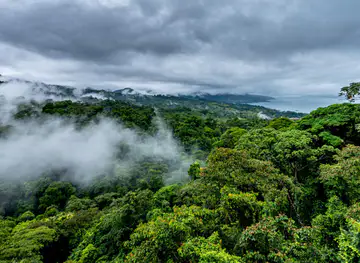
Top city travel guides in Central Valley
The cities of Central Valley, and the easiest places to base yourself.
-

-

-

-
-


Swipe for more cities
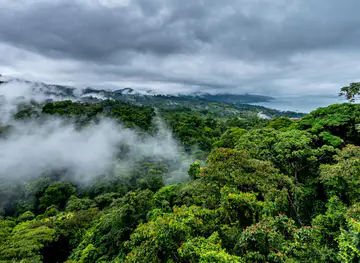
Destinations in Central Valley
Resorts, valleys and scenic spots worth a trip of their own.
-

-

-
-


Swipe for more destinations
Best attractions in Central Valley
Central Valley attractions range from major city museums and theatres to farms, volcanoes and mountain habitats. San José’s National Museum, Pre-Columbian Gold Museum and National Theatre offer different perspectives on archaeology, national history and the country’s cultural ambitions, while the Central Market provides a more everyday encounter with food and commerce. Around the metropolitan area, coffee estates explain how volcanic soils and highland climate shaped Costa Rica’s economy. The slopes of Poás Volcano are associated with crater landscapes and high-elevation vegetation, while Irazú Volcano near Cartago offers a stark volcanic setting when conditions permit. Access rules and visibility can change, so official guidance matters. Rural districts add botanical collections, dairy farms, craft workshops and birdwatching opportunities, and the eastern valley provides access to Guayabo National Archaeological Monument. These experiences are often dispersed rather than grouped into a single visitor circuit, making a guided outing or carefully planned car journey useful. The region’s appeal lies in the contrast between concentrated urban culture and working agricultural and volcanic landscapes within relatively short, though often traffic-affected, journeys.
-
Park
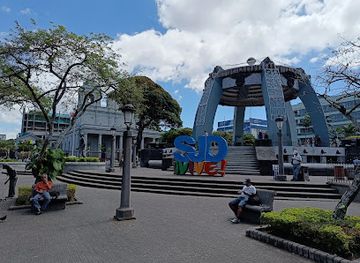
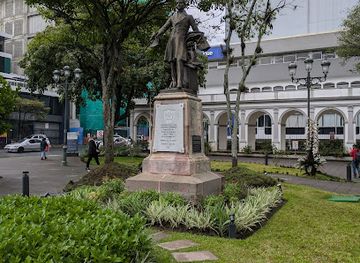
Parque Central de San José
Experience the vibrant heart of Costa Rica's capital in San José's historic Parque Central, a hub of culture and relaxation.
-
Animal rescue service
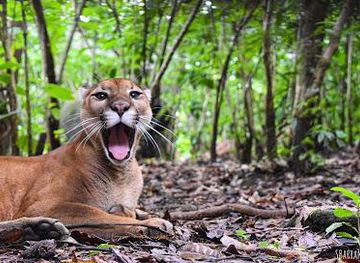
Rescate Wildlife Rescue Center
Discover the Rescate Wildlife Rescue Center in Alajuela, Costa Rica, a sanctuary dedicated to animal rehabilitation and conservation education.
-
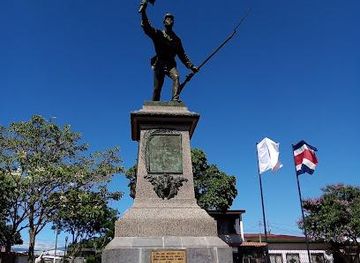
Park
Juan Santamaría Park
Discover Juan Santamaría Park, a lush cultural landmark in Alajuela, Costa Rica, where nature meets history in a vibrant urban oasis.
-
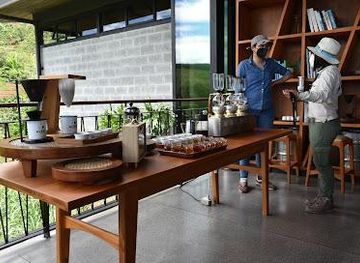
Coffee shop
Hacienda Alsacia Starbucks Coffee Farm
Explore Hacienda Alsacia, a Starbucks Coffee Farm, where coffee lovers can discover sustainable farming practices amidst stunning landscapes in Alajuela, Costa Rica.
Best landmarks in Central Valley
The National Theatre of Costa Rica is San José’s most recognisable historic civic building, opened in 1897 during the height of the coffee-export era and noted for its ornate interior and symbolic importance to the young republic. Nearby Plaza de la Cultura and the metropolitan cathedral help define the capital’s central urban landscape. In Cartago, the Basilica of Our Lady of the Angels is a major pilgrimage site whose annual religious observance draws visitors from across Costa Rica, while the earthquake-damaged ruins of Santiago Apóstol preserve the city’s long colonial association with repeated reconstruction. Guayabo’s stone causeways, platforms and water-management works form a different kind of landmark, representing pre-Columbian engineering in the eastern highlands. The volcanic craters of Poás and Irazú are geographical landmarks as well as protected natural sites, though access and visibility vary with weather and volcanic conditions. Coffee-processing buildings, historic market spaces and older residential quarters around the valley add a more everyday architectural layer to its principal monuments.
-
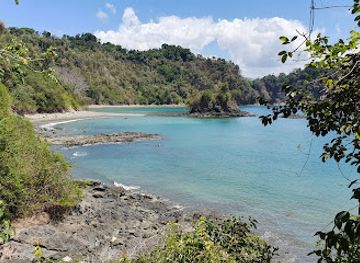
National park
Parque Nacional Manuel Antonio
Explore the breathtaking beauty of Parque Nacional Manuel Antonio, where pristine beaches meet lush rainforests, and wildlife awaits at every turn.
-
Park
Parque Central de San José
Experience the vibrant heart of Costa Rica's capital in Parque Central, a historic park offering culture, relaxation, and a taste of local life.
-
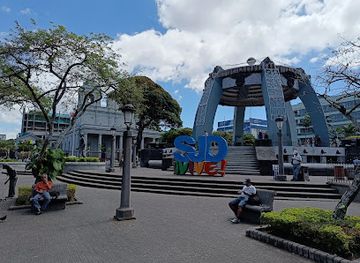
Park
Plaza de la Cultura
Experience the vibrant heart of San José at Plaza de la Cultura, a bustling hub of culture, history, and street life in Costa Rica's capital.
-
National park
Parque Nacional Cahuita
Discover Cahuita National Park: Where rainforest meets reef, offering vibrant wildlife, pristine beaches, and Caribbean culture.
Explore Central Valley on the map
Plan your trip on one map. See where the top cities, national parks and sights are, and book hotels and experiences in a few clicks.
Best hotels in Central Valley
Best restaurants in Central Valley
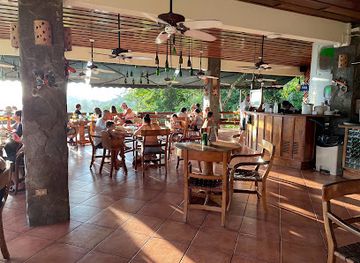
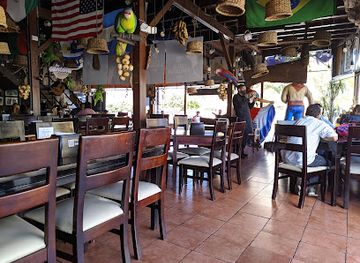
Dining in the Central Valley reflects both Costa Rica’s home cooking and its most cosmopolitan concentration of restaurants. Traditional cafés and sodas serve dishes such as gallo pinto, casado, olla de carne, chorreadas and tamales, while bakeries and market stalls offer coffee, pastries, fruit and simple snacks. San José and its neighbouring districts have the widest range of international food, contemporary Costa Rican cooking, vegetarian menus, cafés and specialist coffee shops, particularly around Barrio Escalante and other established dining areas. In Heredia, Alajuela, Cartago and the rural highlands, family restaurants, roadside eateries and country inns provide a more local setting, often using beans, rice, plantains, seasonal vegetables, beef and chicken. Coffee is central to the region’s food culture, and plantation visits may include tastings or meals. Menus and service styles vary between urban restaurants and small rural businesses, so visitors should not assume that every establishment accepts cards or operates late.
-
Restaurant
El Avion
Experience dining like never before at El Avion in Aguirre – enjoy local flavors aboard a vintage airplane with stunning ocean views.
-
Argentinian
La Esquina de Buenos Aires
Experience authentic Argentinian cuisine at La Esquina de Buenos Aires in San José – where every meal tells a story.
-
Costa Rican
Restaurante Nuestra Tierra
Experience authentic Costa Rican flavors at Restaurante Nuestra Tierra, where tradition meets taste in every dish.
-
Restaurant
La Casona de Laly • Alameda
Discover authentic Costa Rican cuisine at La Casona de Laly in Alameda - where tradition meets flavor in every dish.

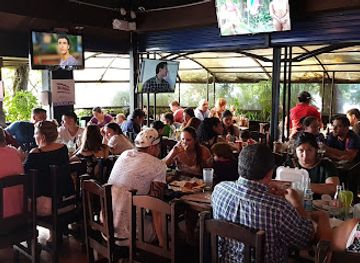
Best bars in Central Valley
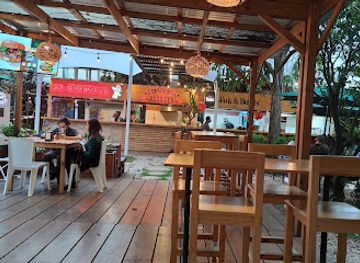
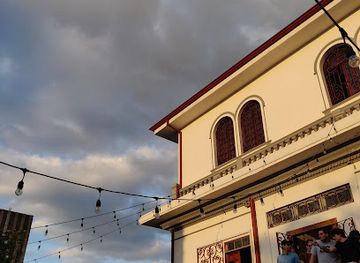
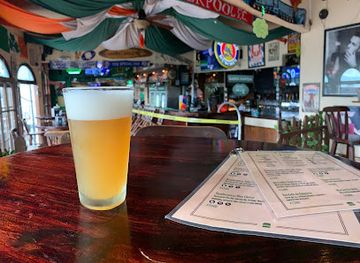
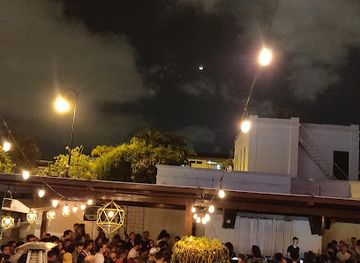
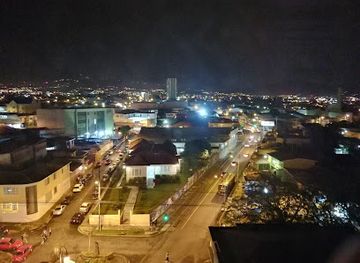
Nightlife is concentrated in San José and the larger metropolitan districts rather than spread evenly across the Central Valley. Barrio Escalante, Barrio Amón, Los Yoses, San Pedro and parts of Rohrmoser and Escazú have restaurants, pubs, cocktail bars, breweries and live-music venues, with the atmosphere ranging from casual evening dining to late-night socialising. San Pedro’s university population contributes to a youthful bar scene, while central San José has theatres, cultural venues and traditional cantinas alongside newer establishments. Alajuela, Heredia and Cartago offer local bars, cafés and occasional live music, but their evenings are generally quieter than the capital’s. In the rural highlands, nightlife usually centres on restaurants, modest bars and accommodation-based dining rather than nightclubs. Use reputable transport after dark, particularly when moving between dispersed neighbourhoods, and check current arrangements because individual venues and entertainment programmes change.
-
Grill
Costa Rica Beer Factory
Experience the best of craft beer and gourmet grilled cuisine at Costa Rica Beer Factory in San José, a must-visit destination for every traveler.
-
Bar
Antik Restaurant + Bar
Discover the vibrant nightlife at Antik Restaurant + Bar in San José, where exquisite dining meets electrifying dance experiences.
-
Irish pub
Craic Irish Pub
Discover the heart of Ireland in San José at Craic Irish Pub, where delicious food, live music, and a friendly atmosphere await.
-
Bar
La Concha de la Lora
Experience the vibrant nightlife at La Concha de la Lora, a top bar and club in San José, Costa Rica, with great music and a lively atmosphere.
Best nightclubs in Central Valley
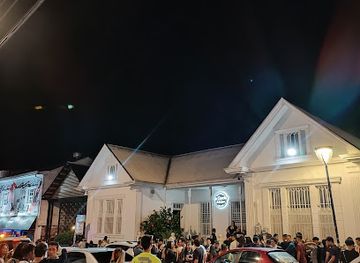
Nightlife is concentrated in San José and the larger metropolitan districts rather than spread evenly across the Central Valley. Barrio Escalante, Barrio Amón, Los Yoses, San Pedro and parts of Rohrmoser and Escazú have restaurants, pubs, cocktail bars, breweries and live-music venues, with the atmosphere ranging from casual evening dining to late-night socialising. San Pedro’s university population contributes to a youthful bar scene, while central San José has theatres, cultural venues and traditional cantinas alongside newer establishments. Alajuela, Heredia and Cartago offer local bars, cafés and occasional live music, but their evenings are generally quieter than the capital’s. In the rural highlands, nightlife usually centres on restaurants, modest bars and accommodation-based dining rather than nightclubs. Use reputable transport after dark, particularly when moving between dispersed neighbourhoods, and check current arrangements because individual venues and entertainment programmes change.
-
Dance club
Antik Restaurant + Bar
Discover the pulse of San José’s nightlife at Antik Restaurant + Bar, where music, dance, and delicious cuisine come together for an unforgettable experience.
-
Disco club
Pepper Disco Club
Discover the ultimate nightlife experience at Pepper Disco Club, where the rhythm of the night meets the vibrant Costa Rican atmosphere.
-
Disco club
Bar The Caribbean.
Experience the vibrant nightlife of San José at Bar The Caribbean, a disco club where music and dance come alive.
-
Bar
Bahamas
Discover the enchanting blend of stunning vistas, lively nightlife, and rich cultural experiences in the beautiful Bahamas.


Best shops in Central Valley
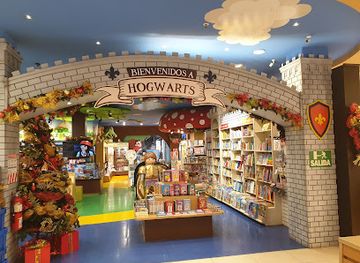
Shopping in the Central Valley is strongest in San José and the surrounding metropolitan municipalities, where visitors can combine established shopping centres with independent bookshops, galleries, design stores, craft outlets and food specialists. The Central Market in San José is useful for local ingredients, snacks, herbs and everyday goods, while artisan-focused shops offer woodwork, ceramics, textiles, jewellery and Costa Rican art; quality and provenance vary, so ask questions rather than assuming every item is locally made. Alajuela, Heredia and Cartago retain traditional commercial centres with bakeries, produce shops and smaller independent businesses. Around the highland coffee districts, roasted beans and chocolate products make practical souvenirs, provided packaging and customs rules are considered for onward travel. Rural farmers’ markets are good places to see the valley’s agricultural economy, but market days and locations differ by town and should be checked locally. Large modern retail areas are convenient for essentials, whereas smaller towns provide a stronger sense of regional produce and everyday commerce.
-
Shopping mall
Multiplaza Escazú
Discover the ultimate shopping experience at Multiplaza Escazú, Costa Rica's premier destination for fashion, dining, and entertainment.
-
Shopping mall
Multiplaza Curridabat
Discover endless shopping, dining, and entertainment at Multiplaza Curridabat, the ultimate destination for tourists in Costa Rica.
-
Shopping mall
Lincoln Plaza
Explore Lincoln Plaza in San José, a vibrant shopping mall offering diverse stores, dining, and entertainment for a perfect day out.
-
Gift shop
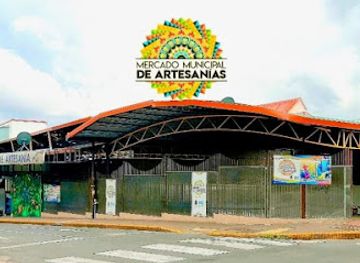
Municipal Crafts Market
Discover the charm of Costa Rica at the Municipal Crafts Market, a vibrant hub of handicrafts, culture, and authentic souvenirs.


Get your free copy of our complete guide to Central Valley, delivered straight to you.
Everything on this page, from attractions and restaurants to essentials and local phrases, in one PDF you can read offline, print or share.
Already have an account? Sign in
Your Central Valley guide is ready.
We'll send it to · Not you? Sign out

Getting your guide ready…
We are putting together a fresh copy of the Central Valley guide. This can take up to a minute.
This can take a few moments. If your browser asks, choose Allow so the download can start. You'll find the guide in your Downloads folder.
Nothing happened? Download it again
Sorry, the guide is taking longer than usual. Please try again in a minute, or get it by email instead.
Central Valley essentials
Currency and Payment
Safety
Emergency Situations
Do's and Don'ts
Local Tips
From Eve
Local phrases worth knowing
You don't need to get them perfect. A few words go a long way, and locals appreciate the effort.
Basics
| English | Local | Say it |
|---|---|---|
| Hello | Hola | [OH-lah] |
| Goodbye | Adiós | [ah-DYOS] |
| Yes | Sí | [SEE] |
| No | No | [NO] |
| Please/You're welcome | Por favor/De nada | [por fah-VOR/deh NAH-dah] |
| Thank you | Gracias | [GRAH-syahs] |
| Excuse me/Sorry | Perdón | [per-DON] |
| How are you? | ¿Cómo estás? | [KOH-mo es-TAS] |
| Fine. And you? | Bien. ¿Y tú? | [BYEN. ee TOO] |
| Do you speak English? | ¿Hablas inglés? | [AH-blas een-GLES] |
| I don't understand | No entiendo | [NO en-TYEN-do] |
Eating & Drinking
| English | Local | Say it |
|---|---|---|
| I'd like to see the menu, please | Me gustaría ver el menú, por favor | [meh goos-tah-REE-ah BEHR el meh-NOO, por fah-VOR] |
| I don't eat meat | No como carne | [NO KOH-mo KAR-neh] |
| Cheers! | ¡Salud! | [sah-LOOD] |
| I would like to pay, please | Me gustaría pagar, por favor | [meh goos-tah-REE-ah pah-GAR, por fah-VOR] |
Emergencies
| English | Local | Say it |
|---|---|---|
| Help! | ¡Ayuda! | [ah-YOO-dah] |
| Go away! | ¡Vete! | [VEH-teh] |
| Call the Police! | ¡Llama a la policía! | [YAH-mah ah lah poh-lee-SEE-ah] |
| Call a doctor! | ¡Llama a un doctor! | [YAH-mah ah oon dok-TOR] |
| I'm lost | Estoy perdido | [es-TOY per-DIDO] |
| I'm ill | Estoy enfermo/enferma | [es-TOY en-FER-mo/en-FER-ma] |
Shopping
| English | Local | Say it |
|---|---|---|
| I'd like to buy... | Me gustaría comprar... | [meh goos-tah-REE-ah kom-PRAR] |
| I'm just looking | Solo estoy mirando | [SO-lo es-TOY mee-RAN-do] |
| How much is it? | ¿Cuánto cuesta? | [KWAN-to KWEH-stah] |
| That's too expensive | Eso es muy caro | [EH-so es mooy KAH-ro] |
| Can you lower the price? | ¿Puedes bajar el precio? | [PWEH-des bah-HAR el PREH-syo] |
Time & Numbers
| English | Local | Say it |
|---|---|---|
| What time is it? | ¿Qué hora es? | [KEH OH-rah es] |
| It's one o'clock | Es la una | [es lah OO-nah] |
| Half past (10) | Y diez y media | [ee DYAS ee MEH-dee-ah] |
| Morning | Mañana | [mah-NYAH-nah] |
| Afternoon | Tarde | [TAR-deh] |
| Evening | Noche | [NO-cheh] |
| Yesterday | Ayer | [ah-YER] |
| Today | Hoy | [OY] |
| Tomorrow | Mañana | [mah-NYAH-nah] |
| 1 | Uno | [OO-no] |
| 2 | Dos | [DOS] |
| 3 | Tres | [TRES] |
| 4 | Cuatro | [KWA-tro] |
| 5 | Cinco | [SEEN-ko] |
| 6 | Seis | [SAYS] |
| 7 | Siete | [SYE-teh] |
| 8 | Ocho | [OH-cho] |
| 9 | Nueve | [NWEH-beh] |
| 10 | Diez | [DYAS] |
Transport & Directions
| English | Local | Say it |
|---|---|---|
| Where's a/the...? | ¿Dónde está un/una...? | [DON-deh es-TAH oon/OO-nah] |
| What's the address? | ¿Cuál es la dirección? | [KWAL es lah dee-rek-SYON] |
| Can you show me (on the map)? | ¿Me puedes mostrar (en el mapa)? | [meh PWEH-des mos-TRAR (en el MAH-pah)] |
| When's the next (bus)? | ¿Cuándo es el próximo (bus)? | [KWAN-do es el PROK-see-mo (boos)] |
| A ticket (to ....) | Un boleto (a ....) | [oon bo-LEH-to (ah ....)] |
History of Central Valley
Pre-Columbian chiefdoms and Guayabo
Long before Spanish settlement, the Central Valley was occupied by communities organised into chiefdoms that farmed, traded and built substantial settlements. Guayabo, in the eastern highlands of Cartago Province, is the country’s best-known archaeological site. Its stone roads, platforms, aqueducts and drainage works indicate sophisticated planning and the movement of people and goods across the region. The settlement flourished for centuries before being abandoned before the arrival of the Spanish. Its remains provide important evidence that the Central Valley had complex social and engineering traditions rather than being an empty landscape awaiting colonisation.
Spanish settlement and colonial Cartago
Spanish colonisation established Cartago as the principal colonial centre in the Central Valley during the sixteenth century. The settlement served as the political and religious focus of Costa Rica under Spanish rule, although the colony remained relatively poor and remote compared with major centres elsewhere in Central America. Small farms, cattle holdings and religious institutions shaped the surrounding countryside. Earthquakes repeatedly damaged Cartago and its churches, contributing to the city’s distinctive relationship with ruins, reconstruction and pilgrimage. The colonial period also laid down the urban and agricultural patterns that later connected Cartago with the rest of the valley.
Independence and the rise of San José
Costa Rica became independent from Spain in 1821, and the balance of power within the Central Valley shifted during the early republican period. San José, previously less important than Cartago, benefited from political and commercial development and became the national capital. Rivalries among the principal valley cities influenced the country’s early political struggles, including the nineteenth-century contest over the location of government. San José’s growth brought new civic buildings, roads and institutions, while Alajuela, Heredia and Cartago developed as important regional centres linked by agricultural trade.
Coffee and nineteenth-century transformation
Coffee cultivation became the Central Valley’s defining commercial development during the nineteenth century. The highland climate, volcanic soils and access to growing international markets enabled estates around San José, Heredia and Alajuela to accumulate capital for roads, public buildings and cultural institutions. Coffee production also created a hierarchy of estate owners, workers, processing facilities and smallholders that shaped rural society. Although the industry changed over time, coffee remains visible in the valley’s plantations, mills, architecture and cuisine. The National Theatre in San José, opened in 1897, symbolises the wealth and national confidence associated with this period.
Railways, trade and urban growth
Nineteenth- and early twentieth-century transport improvements connected the Central Valley more effectively with the Caribbean and Pacific coasts, allowing coffee and other agricultural products to reach export markets. Railways, roads and commercial institutions encouraged the growth of San José and the surrounding towns. The capital acquired public buildings, markets, schools and distinctive residential districts, while industrial and service activity increasingly complemented agriculture. Transport was never straightforward in the mountainous terrain, but the expanding network helped consolidate the Central Valley as Costa Rica’s administrative and economic core.
Modern metropolitan Costa Rica
During the twentieth century, population growth and industrialisation transformed the valley from a collection of separate towns into a continuous metropolitan area. San José expanded alongside Alajuela, Heredia, Cartago and numerous suburban municipalities, bringing universities, hospitals, government offices, factories and large commercial developments. This growth has created familiar challenges, including congestion, pressure on water resources and the loss of some agricultural land. At the same time, the region has remained Costa Rica’s principal centre for museums, performing arts, higher education, business and public administration, with historic districts and coffee landscapes continuing to interrupt the urban fabric.
Central Valley in Photos
Browse through our photo collection highlighting the charm and character of the destination.
Neighbouring regions of Central Valley
The closest regions to Central Valley, if you have time for more than one.
-

-

-

-
-


Swipe for more regions
Explore more

Explore more of Costa Rica
Discover Costa Rica, where lush rainforests, stunning beaches, and incredible wildlife create a paradise for nature lovers and adventure seekers alike.
Explore Costa Rica