

Lagunes, Cote d'Ivoire Travel Guide
Discover the breathtaking Lagunes of Cote d'Ivoire: a unique blend of natural beauty, vibrant culture, and rich history along the Atlantic coast.
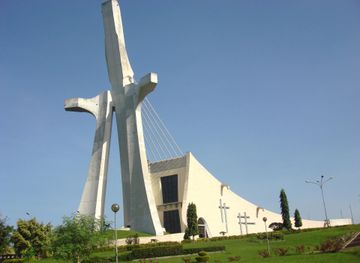
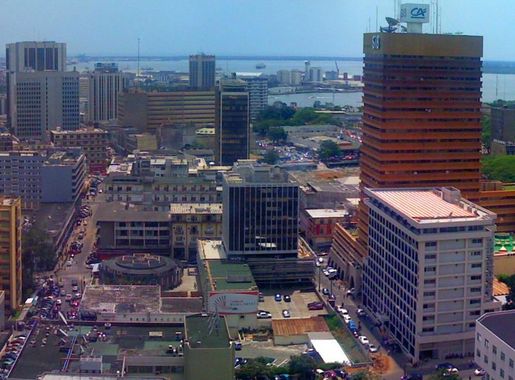
Nestled along the Atlantic coastline, the Lagunes region of Cote d'Ivoire is a stunning destination that offers a blend of natural beauty and vibrant culture. Known for its picturesque lagoons, this area is a haven for nature enthusiasts and adventure seekers alike. The waterways are teeming with diverse wildlife, making it a perfect spot for birdwatching and eco-tours. The lush mangroves and serene beaches provide a tranquil escape from the hustle and bustle of city life. In addition to its natural wonders, the Lagunes region is rich in cultural heritage. Visitors can explore traditional Ivorian villages, where local crafts and customs are still very much alive. The region is also home to Abidjan, the economic capital of Cote d'Ivoire, which offers a mix of modern amenities and historical sites. The vibrant markets, lively music scene, and delicious cuisine make Abidjan a must-visit city within the region. For those interested in history, the Lagunes region does not disappoint. The Grand-Bassam, a UNESCO World Heritage site, is located here. This colonial town offers a glimpse into the past with its well-preserved architecture and fascinating museums. Whether you're looking to relax by the water, immerse yourself in local culture, or delve into history, the Lagunes region has something for everyone.

Know before you go
Hi, I'm Eve. Here are a few practical things to know before exploring Lagunes.
- Visit during the dry season (November to March) for the best weather and clearer skies.
- Wear comfortable shoes for exploring the villages and natural trails.
- Try local dishes like attiéké and alloco for an authentic culinary experience.
- Bring insect repellent, especially if you're planning to explore the mangroves.
- Hire a local guide for a more enriching and informative visit.
Top City Travel Guides in Lagunes
The cities of Lagunes, and the easiest places to base yourself.


Destinations in Lagunes
Resorts, valleys and scenic spots worth a trip of their own.


Explore Lagunes: Things to Do, Places to Eat, Hotels & More
Handpicked recommendations for top attractions, local dining, accommodations, and more

Top Attractions & Sightseeing in Lagunes
Top-rated picks
Best Attractions

Ébrié Lagoon
Discover Abidjan's scenic Ébrié Lagoon: a blend of culture, nature, and Ivorian life.

Domaine BINI
Explore the natural beauty and ecological richness of Domaine BINI, an enchanting park in Abidjan Lagune perfect for nature lovers and adventure seekers.

Village Ki-Yi
Experience the essence of Ivorian culture at Village Ki-Yi, an artistic haven in Abidjan showcasing local talent and creativity.

Azagny National Park
Explore the breathtaking landscapes and rich biodiversity of Azagny National Park in Côte d'Ivoire, a hidden paradise for nature lovers and adventure seekers.

Best landmarks in Lagunes
Top-rated picks
Best Landmarks

Pullman Abidjan
Experience Abidjan in style at the Pullman, a modern oasis with stunning views, exceptional service, and a prime location in the Plateau district.

Parc National du Banco
Discover a serene urban oasis in Abidjan's Parc National du Banco: lush rainforest, diverse wildlife, and tranquil escape from the city.

The Basilica of Our Lady of Peace of Yamoussoukro
Discover the world's largest church in Yamoussoukro, Ivory Coast: a stunning basilica blending faith, art, and monumental architecture.

Plateau Mosque
Discover Abidjan's architectural gem, the Plateau Mosque, a modern Islamic landmark in the heart of the city's bustling Plateau district.

Best restaurants in Lagunes
Top-rated picks
Best Restaurants

Bushman Café
Experience the vibrant flavors and cultural richness at Bushman Café in Abidjan – where Ivorian hospitality meets culinary creativity.

Le Petit Cafe
Experience the rich flavors of Lebanon at Le Petit Cafe in Abidjan – where every meal is a celebration.

Restaurant La Terrasse
Discover the rich flavors of Abidjan at Restaurant La Terrasse, where local cuisine meets international flair in a stunning setting.

Copa D'Elio
Discover the authentic taste of Italy at Copa D'Elio in Abidjan – where every pizza tells a delicious story.

Best bars in Lagunes
Top-rated picks
Best Bars

Sunset Bar & Grill / Assinie
Experience the vibrant flavors of Assinie at Sunset Bar & Grill, where sunset views meet delicious cuisine and refreshing cocktails.

LUXURY BAR
Discover the sophistication of Agboville at the Luxury Bar, where exquisite drinks meet an elegant ambiance for the ultimate relaxation experience.

Maquis Le Timberland
Experience the vibrant atmosphere and local brews at Maquis Le Timberland, a favorite beer hall in Bécédi.

La Cave SFR
Experience the vibrant nightlife of Agboville at La Cave SFR, where local culture meets refreshing drinks and friendly vibes.

Best nightclubs in Lagunes
Top-rated picks
Best Nightclubs

Le Saint Germain Club Abidjan
Dive into the vibrant nightlife of Abidjan at Le Saint Germain Club, a disco club offering music, dancing, and a lively atmosphere for unforgettable nights.

Mixx Night Club
Discover the heart of Abidjan's nightlife at Mixx Night Club, where the dance floor comes alive with vibrant beats and unforgettable moments.

Heaven Night Club
Discover the vibrant nightlife of Abidjan at Heaven Night Club, where music, culture, and fun converge in an unforgettable atmosphere.

Yolo Club Abidjan
Experience the vibrant nightlife of Abidjan at Yolo Club, where music, dance, and celebration come alive in a chic lounge atmosphere.

Best shops in Lagunes
Top-rated picks
Best Shops

Cap Sud
Explore the vibrant shopping and dining scene at Cap Sud, Abidjan’s ultimate destination for a memorable experience.

Abidjan Mall
Discover the vibrant Abidjan Mall, a shopping and entertainment hub in the heart of Ivory Coast, perfect for tourists and locals alike.

Playce Shopping Mall
Explore the Playce Shopping Mall in Abidjan for an unforgettable shopping and culinary experience in a vibrant atmosphere.

Supermarché Bon prix
Discover local flavors and vibrant culture at Supermarché Bon prix, the bustling supermarket in Soumarais, Côte d'Ivoire.

Explore Lagunes on the Map
A handpicked selection of must-see spots in Lagunes, mapped for you.
Lagunes Essentials
-
Lagunes is accessible via Félix-Houphouët-Boigny International Airport in Abidjan, the largest city in Côte d'Ivoire. From the airport, you can take a taxi to the Lagunes region. Alternatively, buses and private transfers are available for a more economical option. The region is well-connected by road, making car rentals a viable option for those who prefer to drive.
-
In Lagunes, transportation options include taxis, local minibuses (gbakas), and water taxis for traversing the lagoon areas. Taxis are the most convenient for short distances, while gbakas are economical for longer routes. If you wish to explore at your own pace, renting a car is a practical choice. Ensure to negotiate taxi fares in advance as meters are rarely used.
-
The official currency in Côte d'Ivoire is the West African CFA franc (XOF). Credit cards are accepted in major hotels, restaurants, and shops in urban areas, but cash is preferred in smaller local establishments. ATMs are available in cities like Abidjan, but it is advisable to carry sufficient cash when traveling to more remote areas of Lagunes.
-
Lagunes is generally safe for tourists, but it is important to remain vigilant, especially in crowded areas and markets. Petty crime, such as pickpocketing, can occur in busy areas. Avoid isolated areas after dark and be cautious in neighborhoods like Yopougon and Adjamé in Abidjan, as they have higher crime rates. Always keep personal belongings secure and stay aware of your surroundings.
-
In case of emergency, dial 170 for police assistance and 185 for medical emergencies. Major hospitals and clinics are available in Abidjan for serious health issues. It is advisable to have comprehensive travel insurance that covers medical emergencies and evacuations. Pharmacies are readily available for minor health concerns.
-
Fashion: Do dress modestly, especially when visiting religious sites or rural areas. Avoid overly revealing clothing. Religion: Do respect local customs and religious practices. Remove your shoes before entering mosques and avoid taking photos without permission. Public Transport: Do be polite and considerate to fellow passengers. Don't eat or drink on public transport. Greetings: Do greet people with a handshake and a smile. Using 'Bonjour' (Good morning) or 'Bonsoir' (Good evening) is appreciated. Eating & Drinking: Do try local dishes and accept food offerings graciously. Don't refuse hospitality, as it is considered impolite.
-
To experience Lagunes like a local, visit the bustling markets where you can find fresh produce and traditional crafts. Engage with locals, who are often welcoming and eager to share their culture. Take a boat tour on the lagoons to see the region from a unique perspective. Don't miss out on tasting local delicacies like 'attieke' (cassava couscous) and 'garba' (fried tuna with attieke). For an authentic experience, attend a local festival or cultural event.
When is the best time to visit Lagunes?
Useful Local Phrases for Lagunes
You don't need to speak the language perfectly. Even learning a few simple words can make conversations warmer—and locals usually appreciate the effort.
— Eve

Here are the phrases I use most often in Lagunes. Try a few—you'll be surprised how far they go! 😊
❤️
-
- HelloBonjour
[Bohn-zhoor] - GoodbyeAu revoir
[Oh ruh-vwahr] - YesOui
[Wee] - NoNon
[Nohn] - Please/You're welcomeS'il vous plaît
[Seel voo pleh] - Thank youMerci
[Mehr-see] - Excuse me/SorryExcusez-moi
[Ex-kew-zay mwah] - How are you?Comment ça va?
[Coh-mohn sah vah] - Fine. And you?Bien. Et vous?
[Byen. Ay voo?] - Do you speak English?Parlez-vous anglais?
[Par-lay voo ahn-glay?] - I don't understandJe ne comprends pas
[Zhuh nuh kohm-prahn pah]
- HelloBonjour
-
- I'd like to see the menu, pleaseJe voudrais voir le menu, s'il vous plaît
[Zhuh voo-dray vwar luh meh-nu, seel voo pleh] - I don't eat meatJe ne mange pas de viande
[Zhuh nuh mahnj pah duh vyahnd] - Cheers!Santé!
[Sahn-tay] - I would like to pay, pleaseJe voudrais payer, s'il vous plaît
[Zhuh voo-dray pay-ay, seel voo pleh]
- I'd like to see the menu, pleaseJe voudrais voir le menu, s'il vous plaît
-
- Help!Au secours!
[Oh se-kur] - Go away!Allez-vous-en!
[Ah-lay voo-zahn] - Call the Police!Appelez la police!
[Ah-peh-lay lah poh-lees] - Call a doctor!Appelez un médecin!
[Ah-peh-lay uhn may-deh-sin] - I'm lostJe suis perdu
[Zhuh swee pair-due] - I'm illJe suis malade
[Zhuh swee mah-lahd]
- Help!Au secours!
-
- I'd like to buy...Je voudrais acheter...
[Zhuh voo-dray ah-sheh-tay] - I'm just lookingJe regarde juste
[Zhuh reh-gard zhust] - How much is it?C'est combien?
[Say kohm-byen?] - That's too expensiveC'est trop cher
[Say troh shair] - Can you lower the price?Pouvez-vous baisser le prix?
[Poo-vay voo beh-say luh pree?]
- I'd like to buy...Je voudrais acheter...
-
- What time is it?Quelle heure est-il?
[Kel uhr eh-teel?] - It's one o'clockIl est une heure
[Eel eh oon uhr] - Half past (10)Dix heures et demie
[Dees uhr eh duh-mee] - MorningMatin
[Mah-tahn] - AfternoonAprès-midi
[Ah-preh-mee-dee] - EveningSoir
[Swahr] - YesterdayHier
[Ee-air] - TodayAujourd'hui
[Oh-zhoor-dwee] - TomorrowDemain
[Duh-mang] - 1Un
[Uhn] - 2Deux
[Duh] - 3Trois
[Trwah] - 4Quatre
[Kah-truh] - 5Cinq
[Sank] - 6Six
[Sees] - 7Sept
[Set] - 8Huit
[Wheet] - 9Neuf
[Nuhf] - 10Dix
[Dees]
- What time is it?Quelle heure est-il?
-
- Where's a/the...?Où est un/une...?
[Oo eh uhn/oon...?] - What's the address?Quelle est l'adresse?
[Kel eh luh-dress?] - Can you show me (on the map)?Pouvez-vous me montrer (sur la carte)?
[Poo-vay voo muh mohn-tray (sur lah kart)?] - When's the next (bus)?Quand est le prochain (autobus)?
[Kahn eh luh pro-shen (oh-toh-boos)?] - A ticket (to ....)Un billet (pour ...)
[Uhn bee-yay (poor ...)]
- Where's a/the...?Où est un/une...?
History of Lagunes
-
Before the arrival of European explorers, the Lagunes region was inhabited by various indigenous groups, including the Akan, Attié, and Ebrie peoples. These communities thrived on agriculture, fishing, and trade, developing intricate social structures and cultural practices. The lagoon system played a crucial role in their daily lives, providing resources and serving as a natural defense.
-
The first European explorers arrived in the Lagunes region in the 15th century, with the Portuguese being among the earliest. However, it was the French who would leave a lasting impact. By the mid-19th century, France had established control over the area, integrating it into the larger colony of French West Africa. The establishment of colonial outposts and trading stations marked the beginning of profound changes in the region's social and economic landscape.
-
Abidjan, located within the Lagunes region, quickly became a focal point of French colonial administration. In 1934, it was designated as the capital of French West Africa. The city's natural harbor facilitated trade and communication, leading to rapid urbanization and the construction of significant infrastructure, such as the Treichville and Plateau districts. Abidjan's rise as a colonial hub laid the groundwork for its future importance.
-
Côte d'Ivoire gained independence from France on August 7, 1960. The Lagunes region, particularly Abidjan, continued to prosper as the new nation's economic and political center. Under the leadership of President Félix Houphouët-Boigny, significant investments were made in infrastructure, education, and healthcare. The construction of the Vridi Canal in 1950, prior to independence, further boosted the region's economic prospects by improving access to the port.
-
The Lagunes region is rich in cultural heritage, with numerous traditional festivals and rituals celebrated throughout the year. One of the most renowned is the Fête des Masques (Festival of Masks), which showcases the vibrant masquerade traditions of the Akan and Gouro peoples. These festivals offer a glimpse into the region's deep-rooted cultural practices, featuring music, dance, and elaborate costumes that reflect centuries-old traditions.
-
The lagoon system in the Lagunes region is not only a cultural treasure but also an ecological one. The interconnected lagoons and estuaries support diverse flora and fauna, making it a vital area for biodiversity. Efforts to preserve these natural habitats have been ongoing, with initiatives aimed at balancing development and conservation. The region's environmental significance underscores the need for sustainable practices to protect its unique ecosystems.
Neighbouring Regions of Lagunes
The closest regions to Lagunes, if you have time for more than one.


Your all‑in‑one travel companion app
Explore expert travel guides, compare and book tours, experiences, hotels, and more—all from the palm of your hand. Download now for seamless trip planning wherever your wanderlust takes you.


Explore More of Cote d'Ivoire

Looking beyond Lagunes? Discover Cote d'Ivoire for broader travel guides, local hot-spots, and regional highlights.
Explore Cote d'IvoireLagunes in Photos
Browse through our photo collection highlighting the charm and character of the destination.




The Lush Lagunes of Cote d'Ivoire
Nestled along the Atlantic coastline, the Lagunes region of Cote d'Ivoire is a stunning destination that offers a blend of natural beauty and vibrant culture. Known for its picturesque lagoons, this area is a haven for nature enthusiasts and adventure seekers alike. The waterways are teeming with diverse wildlife, making it a perfect spot for birdwatching and eco-tours. The lush mangroves and serene beaches provide a tranquil escape from the hustle and bustle of city life. In addition to its natural wonders, the Lagunes region is rich in cultural heritage. Visitors can explore traditional Ivorian villages, where local crafts and customs are still very much alive. The region is also home to Abidjan, the economic capital of Cote d'Ivoire, which offers a mix of modern amenities and historical sites. The vibrant markets, lively music scene, and delicious cuisine make Abidjan a must-visit city within the region. For those interested in history, the Lagunes region does not disappoint. The Grand-Bassam, a UNESCO World Heritage site, is located here. This colonial town offers a glimpse into the past with its well-preserved architecture and fascinating museums. Whether you're looking to relax by the water, immerse yourself in local culture, or delve into history, the Lagunes region has something for everyone.