
Abidjan Autonomous District, Cote d'Ivoire Travel Guide
Discover Abidjan, the vibrant heart of Cote d'Ivoire, where modernity meets tradition in a bustling metropolis rich with culture, history, and natural beauty.
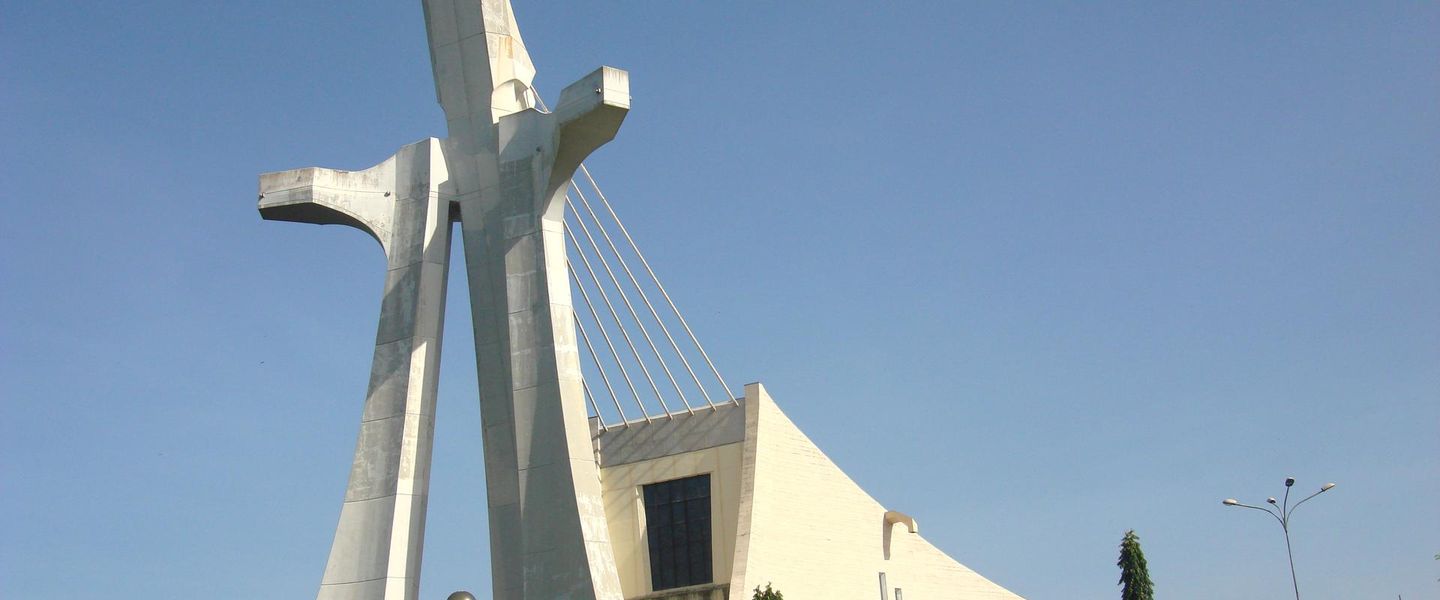
Abidjan, the largest city in Cote d'Ivoire, is a dynamic and bustling metropolis that offers an intriguing mix of modernity and tradition. Known as the 'Paris of West Africa,' Abidjan is home to a rich cultural tapestry, vibrant nightlife, and stunning architectural landmarks. The city's skyline is dominated by the impressive La Pyramide and the St. Paul's Cathedral, both of which are must-see attractions. For those interested in history and culture, the National Museum of Abidjan offers fascinating exhibits on Ivorian art and heritage. Nature lovers will find solace in the Banco National Park, a lush tropical forest right in the heart of the city. The park offers numerous walking trails and is an excellent spot for bird watching. Abidjan also boasts beautiful beaches, such as those in the nearby town of Grand-Bassam, perfect for a relaxing day by the sea. The city's vibrant markets, like the Treichville Market, offer a sensory overload of sights, sounds, and smells, providing an authentic taste of local life. Abidjan's culinary scene is equally impressive, with a wide array of restaurants offering both traditional Ivorian dishes and international cuisine. Whether you're exploring its bustling streets, enjoying its beaches, or immersing yourself in its cultural offerings, Abidjan promises an unforgettable experience.

Know before you go
Hi, I'm Eve. Here are a few practical things to know before exploring Abidjan Autonomous District.
- Visit Banco National Park early in the morning for the best bird-watching opportunities.
- Try local dishes like attiéké and alloco at the Treichville Market for an authentic culinary experience.
- Wear comfortable walking shoes as the city's streets can be uneven.
- Use taxis or ride-sharing apps to get around; public transport can be crowded and confusing.
- Stay hydrated and use sun protection, as the tropical climate can be quite intense.
Top City Travel Guides in Abidjan Autonomous District
The cities of Abidjan Autonomous District, and the easiest places to base yourself.

Destinations in Abidjan Autonomous District
Resorts, valleys and scenic spots worth a trip of their own.

Explore Abidjan Autonomous District: Things to Do, Places to Eat, Hotels & More
Handpicked recommendations for top attractions, local dining, accommodations, and more

Top Attractions & Sightseeing in Abidjan Autonomous District
Top-rated picks
Best Attractions

Parc National du Banco
Explore the lush landscapes and rich biodiversity of Parc National du Banco, a serene urban park in the heart of Abidjan, Côte d'Ivoire.

Zoo d'Abidjan
Explore the vibrant wildlife and lush landscapes at Zoo d'Abidjan, a premier tourist attraction in Ivory Coast, perfect for families and nature lovers.

St. Paul's Cathedral
Discover Abidjan's iconic St. Paul's Cathedral: A modern architectural marvel with stunning views and rich cultural significance.

Plateau Mosque
Discover the architectural marvel and spiritual heart of Abidjan at the Plateau Mosque, a symbol of Islamic culture and community in Ivory Coast.

Best landmarks in Abidjan Autonomous District
Top-rated picks
Best Landmarks

Cap Sud
Experience Abidjan's vibrant commercial scene at Cap Sud, a premier shopping mall with diverse shops, dining, and cultural experiences.

Pullman Abidjan
Experience contemporary luxury with stunning lagoon views in the heart of Abidjan's business district at the Pullman Abidjan hotel.

Abidjan Mall
Experience Abidjan's premier shopping destination: fashion, dining, entertainment, and community in one modern, vibrant location.

Parc National du Banco
Discover Abidjan's natural heart: hiking, wildlife, and tranquility await in Parc National du Banco, a vibrant rainforest escape.

Best restaurants in Abidjan Autonomous District
Top-rated picks
Best Restaurants

Bushman Café
Experience the flavors of Abidjan at Bushman Café - where local cuisine meets vibrant atmosphere.

Restaurant La Terrasse
Discover the culinary charm of Abidjan at Restaurant La Terrasse – where delightful flavors meet vibrant atmosphere.

Espace Mima
Discover authentic African flavors at Espace Mima, Abidjan’s beloved restaurant offering family-friendly dining amidst lush surroundings.

Copa D'Elio
Experience authentic Italian cuisine at Copa D'Elio in Abidjan - where every slice tells a story.

Best bars in Abidjan Autonomous District
Top-rated picks
Best Bars

Chill Out
Discover Chill Out in Abidjan: a perfect blend of relaxation and culinary delight in a stylish lounge atmosphere.
Parker Place
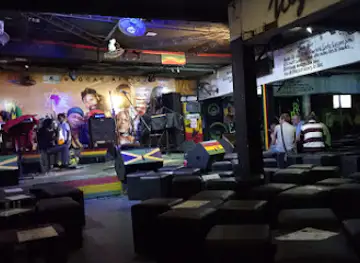
Experience the vibrant nightlife of Abidjan at Parker Place, a premier lounge and live music venue offering unforgettable entertainment and local culture.

The Pharmacy Abidjan
Discover the ultimate nightlife experience at The Pharmacy Abidjan, where vibrant music, creative cocktails, and a chic atmosphere await you.

Pam's Abidjan
Experience the vibrant nightlife at Pam's Abidjan, a lively bar in Cocody offering a mix of local drinks and international spirits.

Best nightclubs in Abidjan Autonomous District
Top-rated picks
Best Nightclubs

Parker Place
Discover the heartbeat of Abidjan's nightlife at Parker Place, where live music and vibrant atmosphere create unforgettable experiences.

Le Saint Germain Club Abidjan
Discover the vibrant nightlife of Abidjan at Le Saint Germain Club, where dance, music, and delicious food come together for an unforgettable experience.

Life Star
Experience Abidjan's nightlife at Life Star, where vibrant energy meets exquisite drinks in a stylish setting.

Ninety Degree 90°
Experience the vibrant nightlife of Abidjan at Ninety Degree 90°, a cocktail bar with live music that promises an unforgettable evening.

Best shops in Abidjan Autonomous District
Top-rated picks
Best Shops

Cap Sud
Explore Cap Sud, Abidjan's premier shopping mall with diverse shops and dining options, reflecting the vibrant culture of Côte d'Ivoire.

Sococe Mall
Experience the heart of Abidjan at Sococe Mall, a vibrant shopping destination with diverse stores, dining, and entertainment options.

Abidjan Mall
Experience the vibrant shopping scene at Abidjan Mall, where international brands meet local flavors in the heart of Ivory Coast.

Playce Shopping Mall
Explore the bustling Playce Shopping Mall in Abidjan, where shopping, dining, and entertainment come together in a vibrant atmosphere.

Explore Abidjan Autonomous District on the Map
A handpicked selection of must-see spots in Abidjan Autonomous District, mapped for you.
Abidjan Autonomous District Essentials
-
Abidjan, the economic capital of Côte d'Ivoire, is served by Félix Houphouët-Boigny International Airport (ABJ), located approximately 16 kilometers southeast of the city center. The airport receives flights from major international airlines. From the airport, you can take a taxi, which is the most convenient option, or use ride-hailing services to reach your destination in Abidjan.
-
Abidjan offers a variety of transportation options. Taxis are widely available and can be hailed on the street or booked via ride-hailing apps. The city also has a public bus system operated by SOTRA, which connects various neighborhoods. For a more local experience, you can use 'woro-woros,' shared taxis that operate on fixed routes. Car rentals are available, but driving can be challenging due to traffic congestion.
-
The official currency of Côte d'Ivoire is the West African CFA Franc (XOF). Credit cards are accepted in major hotels, restaurants, and shopping centers, but it is advisable to carry cash for smaller establishments and markets. ATMs are widely available in Abidjan, but always use machines in well-lit and secure areas.
-
While Abidjan is generally safe for tourists, it is important to exercise caution. Avoid walking alone at night, especially in unfamiliar areas. Neighborhoods such as Abobo, Yopougon, and Adjame have higher crime rates, and tourists should be particularly vigilant in these areas. Keep your belongings secure and be cautious of pickpockets in crowded places.
-
In case of an emergency, dial 170 for police assistance, 180 for medical emergencies, and 150 for the fire department. Major hospitals in Abidjan include the Centre Hospitalier Universitaire de Cocody and the Polyclinique Internationale Sainte Anne-Marie (PISAM). It is recommended to have travel insurance that covers medical emergencies.
-
Fashion: Do dress modestly, especially when visiting religious sites. Avoid wearing overly revealing clothing. Religion: Do respect local customs and religious practices. When visiting a mosque or church, dress conservatively and remove your shoes if required. Public Transport: Do be considerate and give up your seat to elderly passengers. Don't eat or drink on public transport. Greetings: Do greet people with a handshake and a warm smile. In more formal settings, use titles and last names until invited to use first names. Eating & Drinking: Do try local dishes and accept food offerings graciously. Don't refuse hospitality, as it may be considered impolite.
-
To experience Abidjan like a local, visit the vibrant markets such as Marché de Treichville and Marché de Cocody, where you can buy fresh produce and traditional Ivorian goods. Try local street food like 'attieké' (cassava couscous) and 'aloco' (fried plantains). Engage with locals, who are often friendly and willing to share insights about their culture and history. Don't miss a visit to the Banco National Park for a tranquil escape within the city.
When is the best time to visit Abidjan Autonomous District?
Useful Local Phrases for Abidjan Autonomous District
You don't need to speak the language perfectly. Even learning a few simple words can make conversations warmer—and locals usually appreciate the effort.
— Eve

Here are the phrases I use most often in Abidjan Autonomous District. Try a few—you'll be surprised how far they go! 😊
❤️
-
- HelloBonjour
[bɔ̃ʒuʁ] - GoodbyeAu revoir
[o ʁəvwaʁ] - YesOui
[wi] - NoNon
[nɔ̃] - Please/You’re welcomeS'il vous plaît
[s'il vu plɛ] - Thank youMerci
[mɛʁsi] - Excuse me/SorryExcusez-moi
[ɛkskyze mwa] - How are you?Comment ça va?
[kɔmɑ̃ sa va] - Fine. And you?Bien. Et vous?
[bjɛ̃ e vu] - Do you speak English?Parlez-vous anglais?
[paʁle vu ɑ̃ɡlɛ] - I don't understandJe ne comprends pas
[ʒə nə kɔ̃pʁɑ̃ pa]
- HelloBonjour
-
- I’d like to see the menu, pleaseJe voudrais voir le menu, s'il vous plaît
[ʒə vudʁɛ vwaʁ lə məny, sil vu plɛ] - I don’t eat meatJe ne mange pas de viande
[ʒə nə mɑ̃ʒ pa də vjɑ̃d] - Cheers!Santé!
[sɑ̃te] - I would like to pay, pleaseJe voudrais payer, s'il vous plaît
[ʒə vudʁɛ peje, sil vu plɛ]
- I’d like to see the menu, pleaseJe voudrais voir le menu, s'il vous plaît
-
- Help!Au secours!
[o səkuʁ] - Go away!Allez-vous-en!
[ale vu zɑ̃] - Call the Police!Appelez la police!
[aple la pɔlis] - Call a doctor!Appelez un médecin!
[aple ɛ̃ mɛdɛsɛ̃] - I’m lostJe suis perdu
[ʒə sɥi pɛʁdy] - I’m illJe suis malade
[ʒə sɥi malad]
- Help!Au secours!
-
- I’d like to buy...Je voudrais acheter...
[ʒə vudʁɛ aʃte] - I’m just lookingJe ne fais que regarder
[ʒə nə fɛ ke ʁəɡaʁde] - How much is it?C'est combien?
[sɛ kɔ̃bjɛ̃] - That’s too expensiveC'est trop cher
[sɛ tʁo ʃɛʁ] - Can you lower the price?Pouvez-vous baisser le prix?
[puve vu bese lə pʁi]
- I’d like to buy...Je voudrais acheter...
-
- What time is it?Quelle heure est-il?
[kɛl œʁ ɛ til] - It’s one o'clockIl est une heure
[il ɛ yn œʁ] - Half past (10)Dix heures et demie
[di zœʁ e dəmi] - MorningMatin
[matɛ̃] - AfternoonAprès-midi
[apʁɛ midi] - EveningSoir
[swaʁ] - YesterdayHier
[jɛʁ] - TodayAujourd'hui
[oʒuʁdɥi] - TomorrowDemain
[dəmɛ̃] - 1Un
[œ̃] - 2Deux
[dø] - 3Trois
[tʁwa] - 4Quatre
[katʁ] - 5Cinq
[sɛ̃k] - 6Six
[si] - 7Sept
[sɛt] - 8Huit
[ɥit] - 9Neuf
[nœf] - 10Dix
[di]
- What time is it?Quelle heure est-il?
-
- Where's a/the...?Où est le/la...?
[u ɛ lə/la] - What's the address?Quelle est l'adresse?
[kɛl ɛ lə dʁɛs] - Can you show me (on the map)?Pouvez-vous me montrer (sur la carte)?
[puve vu mə mɔ̃tʁe (syʁ la kaʁt)] - When's the next (bus)?Quand est le prochain (bus)?
[kɑ̃ ɛ lə pʁɔʃɛ̃ (bys)] - A ticket (to ....)Un billet (pour ....)
[œ̃ bijɛ (puʁ ....)]
- Where's a/the...?Où est le/la...?
History of Abidjan Autonomous District
-
The area now known as Abidjan has been inhabited for centuries by various ethnic groups, including the Ebrie people. These early settlers utilized the rich coastal environment for fishing and agriculture, laying the foundation for what would become a major urban center.
-
In the late 19th century, the French colonizers arrived, and Abidjan began to transform. By 1896, the French had established a military post in the area. The construction of the Vridi Canal in 1950 was a significant turning point, allowing Abidjan to become a major port and commercial hub.
-
In 1934, Abidjan was declared the capital of French West Africa's colony of Côte d'Ivoire, replacing Bingerville. This status brought rapid development and an influx of migrants, further accelerating its growth. Abidjan retained its capital status until 1983 when Yamoussoukro was designated the new capital.
-
After Côte d'Ivoire gained independence in 1960, Abidjan continued to thrive as the country's economic hub. The city's skyline began to be dotted with high-rise buildings, and it became known as the 'Paris of West Africa' due to its modern infrastructure and vibrant cultural scene.
-
Abidjan today is a melting pot of cultures, with influences from its rich history evident in its architecture, cuisine, and festivals. The city is home to the National Museum of Côte d'Ivoire, which showcases artifacts from the country's diverse ethnic groups, and the bustling markets like Treichville and Adjamé reflect the vibrant local culture.
-
The city has also faced challenges, particularly during the political crises of the early 2000s and 2010-2011. Despite these turbulent times, Abidjan has shown remarkable resilience, bouncing back to retain its status as the economic powerhouse of Côte d'Ivoire.
-
In recent years, Abidjan has seen significant economic and technological advancements. The city is a leading financial center in West Africa, hosting the headquarters of the African Development Bank and numerous multinational companies. The proliferation of tech startups has also earned it the nickname 'Silicon Lagoon.'
-
Abidjan is known for its distinctive landmarks such as the St. Paul's Cathedral with its unique modernist design, the iconic Hôtel Ivoire, and the Plateau area which houses many of the city’s skyscrapers. These structures not only define the city’s skyline but also tell stories of its historical and economic journey.
Neighbouring Regions of Abidjan Autonomous District
The closest regions to Abidjan Autonomous District, if you have time for more than one.


Your all‑in‑one travel companion app
Explore expert travel guides, compare and book tours, experiences, hotels, and more—all from the palm of your hand. Download now for seamless trip planning wherever your wanderlust takes you.


Explore More of Cote d'Ivoire

Looking beyond Abidjan Autonomous District? Discover Cote d'Ivoire for broader travel guides, local hot-spots, and regional highlights.
Explore Cote d'IvoireAbidjan Autonomous District in Photos
Browse through our photo collection highlighting the charm and character of the destination.




Abidjan: The Vibrant Heart of Cote d'Ivoire
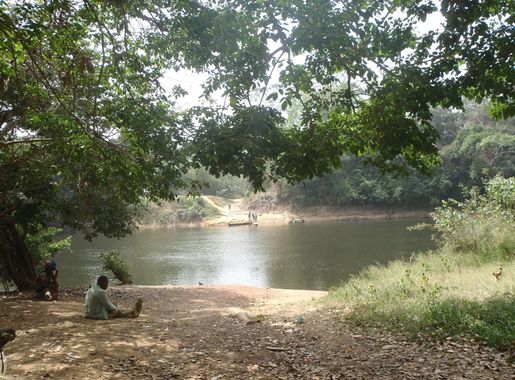
Abidjan, the largest city in Cote d'Ivoire, is a dynamic and bustling metropolis that offers an intriguing mix of modernity and tradition. Known as the 'Paris of West Africa,' Abidjan is home to a rich cultural tapestry, vibrant nightlife, and stunning architectural landmarks. The city's skyline is dominated by the impressive La Pyramide and the St. Paul's Cathedral, both of which are must-see attractions. For those interested in history and culture, the National Museum of Abidjan offers fascinating exhibits on Ivorian art and heritage. Nature lovers will find solace in the Banco National Park, a lush tropical forest right in the heart of the city. The park offers numerous walking trails and is an excellent spot for bird watching. Abidjan also boasts beautiful beaches, such as those in the nearby town of Grand-Bassam, perfect for a relaxing day by the sea. The city's vibrant markets, like the Treichville Market, offer a sensory overload of sights, sounds, and smells, providing an authentic taste of local life. Abidjan's culinary scene is equally impressive, with a wide array of restaurants offering both traditional Ivorian dishes and international cuisine. Whether you're exploring its bustling streets, enjoying its beaches, or immersing yourself in its cultural offerings, Abidjan promises an unforgettable experience.