

Biokovo Nature Park Travel Guide - Free Web & App
Your ultimate guide to Biokovo Nature Park. Discover top landmarks, proposed trips, and local tips. Free on the web or via the Evendo companion app.


Biokovo Nature Park in Croatia pairs rugged karst peaks, the Skywalk, endemic wildlife and Adriatic views with hiking above Makarska and Kotišina.
A Limestone Range Above the Coast
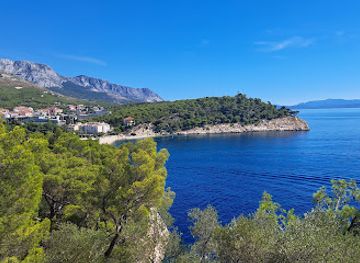
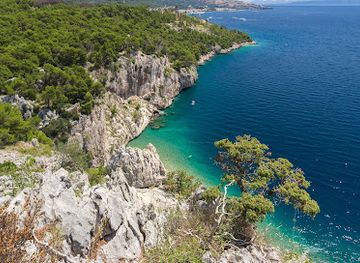
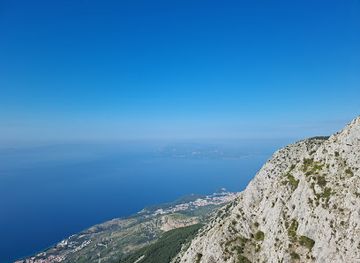
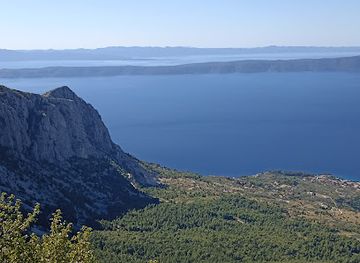
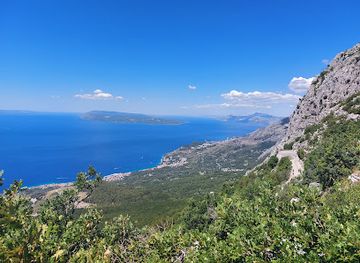
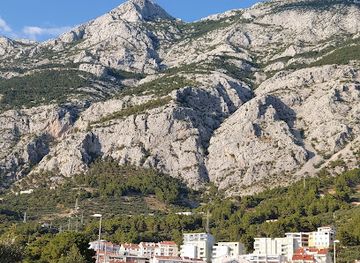
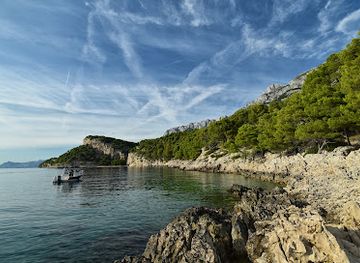
Biokovo Nature Park rises sharply behind Croatia’s Makarska Riviera, forming a rugged limestone barrier between the Adriatic Sea and the inland valleys of Dalmatia. Protected since 1981, the park covers much of the Biokovo massif, whose highest summit, Sveti Jure, reaches 1,762 metres. The ascent from the coast is remarkably abrupt: within a relatively short distance, pine and beech woodland, exposed karst, deep ravines and high grasslands replace the beaches and Mediterranean vegetation below. Clear weather can bring expansive views towards the Dalmatian islands, the Pelješac Peninsula and, from higher ground, the mountain ranges of the hinterland.Read more about Biokovo Nature Park
Karst, Wildlife and Mountain Heritage
Exploring the Park
When is the best time to visit Biokovo Nature Park?
Best: May, September–October · 23–28°C| Month | High (°C) | Rainfall (mm) |
|---|---|---|
| January | 15 | 80 |
| February | 16 | 70 |
| March | 18 | 60 |
| April | 22 | 50 |
| May (best) | 27 | 40 |
| June | 31 | 30 |
| July | 33 | 30 |
| August | 32 | 30 |
| September (best) | 28 | 40 |
| October (best) | 23 | 50 |
| November | 18 | 60 |
| December | 15 | 70 |
Getting to and around Biokovo Nature Park
How to get there
Transportation
Best attractions in Biokovo Nature Park
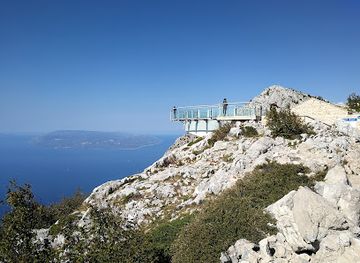
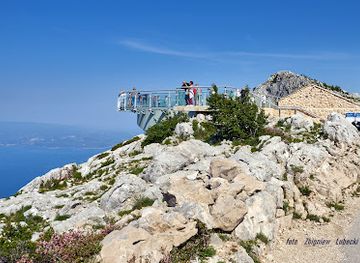
The principal attraction is the mountain itself, rising abruptly behind the Makarska Riviera and changing from dry Mediterranean foothills to forested slopes, open karst and high alpine-like terrain. The Biokovo Skywalk at Ravna Vlaška is the park’s best-known viewpoint, projecting above the mountainside with broad views towards the Adriatic and Dalmatian islands when visibility is good. Sveti Jure, the massif’s 1,762-metre summit, is reached by the high mountain road and represents the dramatic upper landscape of the park. Near the foot of Biokovo, Kotišina combines a traditional village setting with the Biokovo Botanical Garden, where native plants are presented in their natural regional context. Veliki Kaštel adds a cultural and defensive dimension, while walking routes reveal limestone formations, gullies, woodland and upland grasslands. The park’s caves and sinkholes are geological features rather than universally accessible visitor sites, and should only be approached where access is permitted and conditions are suitable.
-
Tourist attraction
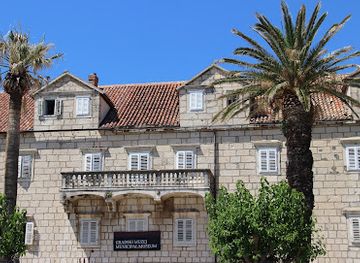
City Museum
Explore Makarska's past at the City Museum, housed in the historic Tonoli Palace on the waterfront.
-
Tourist attraction
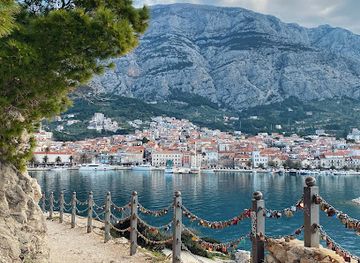
Makarska - Central Dalmatia Croatia - Theme Trails
Discover the enchanting theme trails of Makarska, where breathtaking landscapes meet rich cultural heritage in Central Dalmatia, Croatia.
-
Tourist attraction
Grotta
Explore the breathtaking Grotta in Makarska, where stunning geological formations meet the serene beauty of the Adriatic coast.
-
Tourist attraction
Plaza
Experience the vibrant culture and breathtaking views at the Plaza in Makarska, a must-visit tourist attraction on the Croatian coast.

Best landmarks in Biokovo Nature Park
Biokovo’s most important landmark is its limestone massif, a sharply elevated section of the Dinaric Alps whose cliffs and pale karst dominate the Makarska coast. Sveti Jure, at 1,762 metres, is the highest point and the defining summit of the park. The Biokovo Skywalk at Ravna Vlaška has become a prominent modern landmark, combining a carefully engineered viewing structure with an exposed mountain setting. Kotišina’s Veliki Kaštel represents the defensive history of the lower slopes, while the Biokovo Botanical Garden preserves and interprets characteristic mountain vegetation near the village. Across the massif, caves, sinkholes, limestone pavements and ravines express the geological character of the range. Together, these natural and cultural features explain why Biokovo is both a protected landscape and a powerful visual presence above the Adriatic.
-
National park
Biokovo Nature Park - Skywalk
Experience breathtaking views from Croatia's Skywalk Biokovo, a glass platform offering a thrilling walk above the Adriatic Sea and Makarska Riviera.
-
Park
Osejava Forest Park
Escape to Makarska's Osejava Forest Park: Hike scenic trails, discover hidden beaches, and enjoy stunning Adriatic views.
-
Tourist attraction
Skywalk Biokovo
Experience breathtaking panoramic views from a glass platform high above the Makarska Riviera at Skywalk Biokovo in Croatia's Biokovo Nature Park.
-
Caterer
Vrata Biokova
Experience traditional Croatian cuisine with breathtaking views at the gateway to Biokovo Nature Park, a perfect starting point for mountain adventures.
Explore Biokovo Nature Park on the map
Plan your trip on one map. See where the top attractions, landmarks, restaurants and hotels are, and book hotels and experiences in a few clicks.
Best hotels in Biokovo Nature Park
Best restaurants in Biokovo Nature Park
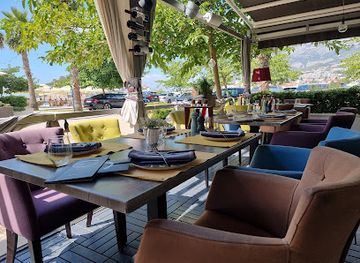
Biokovo Nature Park itself has limited dining infrastructure, so most visitors eat before or after their mountain excursion in Makarska, Podgora and other settlements along the Riviera. Coastal menus draw on Dalmatian cooking, with grilled fish, shellfish, octopus, vegetables, olive oil and aromatic herbs reflecting the Adriatic environment. Inland-influenced dishes and seasonal produce also appear in the broader region, while local wines and Croatian coffee are part of the everyday dining culture. Village restaurants and konobas may offer a more traditional setting than resort-facing venues, although choice is naturally greater in the larger coastal towns. Farm shops and small food businesses around the foothills can complement a self-catered visit, but travellers should arrange provisions before driving high into the park rather than expecting a chain of cafés or restaurants at mountain viewpoints.
-
Restaurant
Tempera Streetfood & Bar
Discover the essence of Croatian street food at Tempera Streetfood & Bar in Makarska - where flavor meets fun!
-
Restaurant
Gastro Diva
Discover the exquisite flavors of Croatia at Gastro Diva in Makarska - where tradition meets culinary excellence.
-
Restaurant
Konoba Ranč
Experience traditional Croatian cuisine at Konoba Ranč in Tučepi, where flavorful steaks and local specialties await every visitor.
-
Caterer
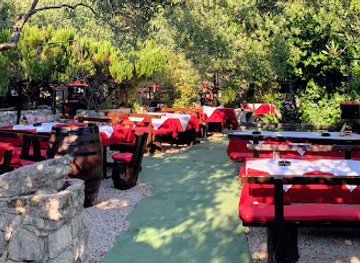
Vrata Biokova
Experience authentic Croatian cuisine amidst breathtaking views at Vrata Biokova in Park Priroda Biokovo.

Best bars in Biokovo Nature Park
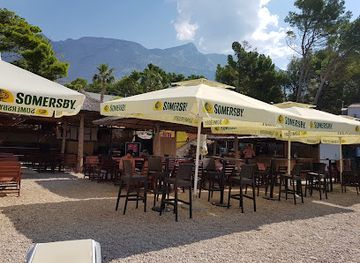
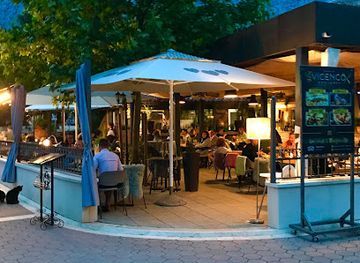
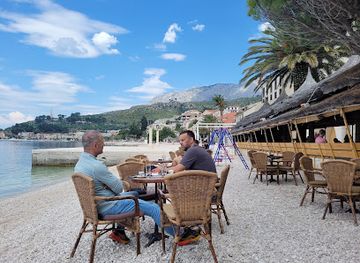
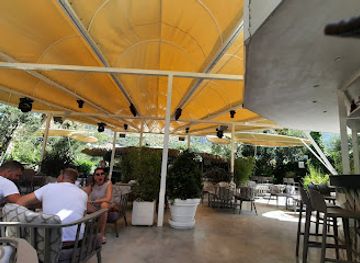
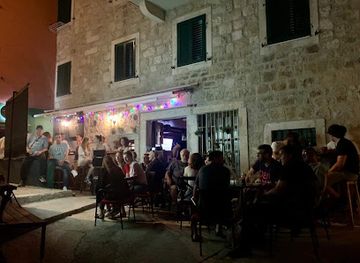
Evening entertainment is concentrated outside Biokovo Nature Park in Makarska and the coastal resorts below the mountain. There, visitors can find a broader selection of cafés, bars, seasonal waterfront venues and traditional konobas, with the liveliest atmosphere generally occurring during the summer holiday period. Podgora and smaller coastal settlements offer a quieter choice of seaside bars and village hospitality, while the mountain itself is suited to peaceful evenings rather than organised nightlife. Rural accommodation and local inns may provide an opportunity for a drink or an informal meal, but visitors should not expect nightclubs, late-night transport or entertainment facilities within the protected area. Mountain conditions and winding roads also make it sensible to plan any evening return before ascending or descending the park road.
-
Bar
Buba
Discover Buba, a delightful bar in Makarska offering stunning views, refreshing drinks, and a vibrant atmosphere perfect for any traveler.
-
Brewpub
Pivnica Pivac
Experience the authentic Croatian brewpub atmosphere at Pivnica Pivac, where local beers and delicious cuisine await in charming Makarska.
-
Cocktail bar
banana bar
Discover Banana Bar in Podgora: a lively cocktail bar with delicious drinks and captivating live music, perfect for an unforgettable evening by the sea.
-
Pub
Hops! Beer & Food Factory
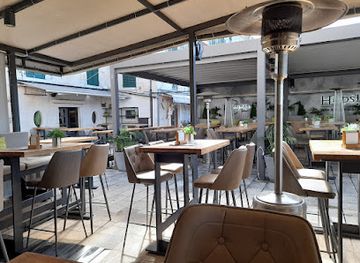
Discover Hops! Beer & Food Factory in Makarska - where craft beer meets delectable cuisine in a lively atmosphere perfect for foodies and beer lovers.
Best nightclubs in Biokovo Nature Park
Evening entertainment is concentrated outside Biokovo Nature Park in Makarska and the coastal resorts below the mountain. There, visitors can find a broader selection of cafés, bars, seasonal waterfront venues and traditional konobas, with the liveliest atmosphere generally occurring during the summer holiday period. Podgora and smaller coastal settlements offer a quieter choice of seaside bars and village hospitality, while the mountain itself is suited to peaceful evenings rather than organised nightlife. Rural accommodation and local inns may provide an opportunity for a drink or an informal meal, but visitors should not expect nightclubs, late-night transport or entertainment facilities within the protected area. Mountain conditions and winding roads also make it sensible to plan any evening return before ascending or descending the park road.
-
Bar
Buba
Experience the vibrant nightlife of Makarska at Buba, where stunning views and refreshing drinks await you in a lively atmosphere.
-
Bar
Nautica
Discover Nautica, the vibrant bar in Makarska where refreshing drinks meet stunning waterfront views for an unforgettable nightlife experience.
-
Bar
Michigen Beach Club
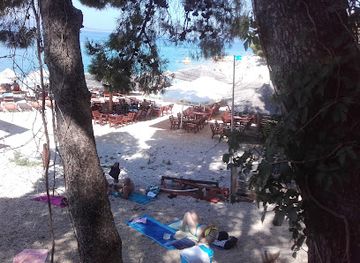
Discover the vibrant atmosphere of Michigen Beach Club in Tučepi, where unforgettable nights blend with refreshing drinks and lively music.
-
Bar
Dali Bar
Discover the vibrant Dali Bar in Makarska, where rock music, exciting drinks, and a lively atmosphere come together for an unforgettable night.
Best shops in Biokovo Nature Park
Shopping within Biokovo Nature Park is limited, with the most practical retail options found in Makarska and the coastal settlements below the mountain. Visitors can look for Dalmatian food products such as olive oil, wine, honey, dried herbs and other regional produce, alongside locally made crafts and artwork in established shops and markets. Makarska provides the widest choice of everyday supplies, outdoor necessities and souvenirs, while smaller villages may have only basic shops or seasonal businesses. Kotišina and the foothill settlements are better understood as cultural and rural places than as shopping destinations. Anyone planning a longer mountain outing should buy water, food and other essentials before entering the park, since high viewpoints and remote roads are not lined with permanent retail facilities.
-
National park
Biokovo Nature Park - Skywalk
Discover Biokovo Nature Park, a breathtaking escape with stunning views from the Skywalk, diverse wildlife, and unforgettable hiking experiences in Croatia.
-
Supermarket
Lidl
Discover unbeatable prices and a wide selection of groceries at Lidl in Makarska, perfect for tourists seeking quality and value.
-
Park
Osejava Forest Park
Explore the stunning Osejava Forest Park in Makarska, Croatia – a natural paradise perfect for relaxation, hiking, and breathtaking views.
-
Tourist attraction
Skywalk Biokovo
Discover breathtaking views and exhilarating heights at Skywalk Biokovo, a glass walkway suspended over the stunning landscapes of Croatia's Biokovo Nature Park.

Get your free copy of our complete guide to Biokovo Nature Park, delivered straight to you.
Everything on this page, from attractions and restaurants to essentials and local phrases, in one PDF you can read offline, print or share.
Already have an account? Sign in
Your Biokovo Nature Park guide is ready.
We'll send it to · Not you? Sign out

Getting your guide ready…
We are putting together a fresh copy of the Biokovo Nature Park guide. This can take up to a minute.
This can take a few moments. If your browser asks, choose Allow so the download can start. You'll find the guide in your Downloads folder.
Nothing happened? Download it again
Sorry, the guide is taking longer than usual. Please try again in a minute, or get it by email instead.
Biokovo Nature Park essentials
Currency and Payment
Safety
Emergency Situations
Do's and Don'ts
Local Tips
From Eve
Local phrases worth knowing
You don't need to get them perfect. A few words go a long way, and locals appreciate the effort.
Basics
| English | Local | Say it |
|---|---|---|
| Hello | Zdravo | [Zdrah-voh] |
| Goodbye | Doviđenja | [Doh-vee-dyen-ya] |
| Yes | Da | [Dah] |
| No | Ne | [Neh] |
| Please/You're welcome | Molim | [Moh-leem] |
| Thank you | Hvala | [Hvah-lah] |
| Excuse me/Sorry | Izvinite | [Eez-vee-nee-teh] |
| How are you? | Kako si? | [Kah-koh see] |
| Fine. And you? | Dobro. A ti? | [Doh-bro. Ah tee] |
| Do you speak English? | Govorite li engleski? | [Goh-voh-ree-teh lee ehn-gles-kee] |
| I don't understand | Ne razumijem | [Neh rah-zoo-mee-yem] |
Eating & Drinking
| English | Local | Say it |
|---|---|---|
| I'd like to see the menu, please | Molio bih da vidim meni, molim | [Moh-lee-oh bee dah vee-deem meh-nee, moh-leem] |
| I don't eat meat | Ne jedem meso | [Neh yeh-dehm meh-so] |
| Cheers! | Živjeli! | [Zhee-vyeh-lee] |
| I would like to pay, please | Želim platiti, molim | [Zheh-leem plah-tee-tee, moh-leem] |
Emergencies
| English | Local | Say it |
|---|---|---|
| Help! | Upomoć! | [Oo-poh-mohtch] |
| Go away! | Idi odavde! | [Ee-dee oh-dahv-deh] |
| Call the Police! | Pozovite policiju! | [Poh-zoh-vee-teh poh-lee-tsee-yoo] |
| Call a doctor! | Pozovite doktora! | [Poh-zoh-vee-teh dohk-toh-rah] |
| I'm lost | Izgubio/la sam se | [Eez-goo-byoh/lah sahm seh] |
| I'm ill | Bolestan/na sam | [Boh-leh-stahn/nah sahm] |
Shopping
| English | Local | Say it |
|---|---|---|
| I'd like to buy... | Želim kupiti... | [Zheh-leem koo-pee-tee] |
| I'm just looking | Samo gledam | [Sah-moh gleh-dahm] |
| How much is it? | Koliko košta? | [Koh-lee-koh koh-shta] |
| That's too expensive | To je prevelika cijena | [Toh yeh preh-veh-lee-kah tsee-yeh-nah] |
| Can you lower the price? | Možete li spustiti cijenu? | [Moh-zheh-teh lee spoos-tee-tee tsee-yeh-noo] |
Time & Numbers
| English | Local | Say it |
|---|---|---|
| What time is it? | Koliko je sati? | [Koh-lee-koh yeh sah-tee] |
| It's one o'clock | Jedan je sat | [Yeh-dahn yeh saht] |
| Half past (10) | Pola (deset) | [Poh-lah (deh-seht)] |
| Morning | Jutro | [Yoo-troh] |
| Afternoon | Popodne | [Poh-pohd-neh] |
| Evening | Veče | [Veh-cheh] |
| Yesterday | Jučer | [Yoo-chehr] |
| Today | Danas | [Dah-nahs] |
| Tomorrow | Sutra | [Soo-trah] |
| 1 | Jedan | [Yeh-dahn] |
| 2 | Dva | [Dvah] |
| 3 | Tri | [Tree] |
| 4 | Četiri | [Cheh-tee-ree] |
| 5 | Pet | [Peh-t] |
| 6 | Šest | [Shehst] |
| 7 | Sedam | [Seh-dahm] |
| 8 | Osam | [O-sahm] |
| 9 | Devet | [Deh-veht] |
| 10 | Deset | [Deh-seht] |
Transport & Directions
| English | Local | Say it |
|---|---|---|
| Where's a/the...? | Gdje je...? | [Gdyeh yeh] |
| What's the address? | Koja je adresa? | [Koh-yah yeh ah-deh-sah] |
| Can you show me (on the map)? | Možete li mi pokazati (na karti)? | [Moh-zheh-teh lee mee poh-kah-zah-tee nah kahr-tee] |
| When's the next (bus)? | Kada je sljedeći (autobus)? | [Kah-dah yeh slyeh-deh-chee ow-toh-boos] |
| A ticket (to ....) | Jedna karta (do ....) | [Yehd-nah kahr-tah doh] |
History of Biokovo Nature Park
A Limestone Mountain Range
Biokovo is part of the Dinaric mountain system and was formed from limestone deposited in ancient marine environments before tectonic movements raised and folded the rocks. Subsequent erosion produced the karst landscape visible today: bare pavements, caves, sinkholes, cliffs and deeply cut slopes. The mountain’s steep rise above the Adriatic is a defining geographical feature, while differences in altitude create marked changes in vegetation and climate between the coastal foothills and the summit zone.
Early Settlement and Coastal Hinterland
The lower slopes and valleys around Biokovo have long been connected with human settlement on the central Dalmatian coast. Communities used the mountain hinterland for grazing, gathering, cultivation where soil permitted and access between coastal and inland areas. Archaeological evidence across the wider Makarska region reflects successive prehistoric, Illyrian and Roman influences, although the mountain itself has generally remained a difficult environment rather than a densely settled one. Traditional stone structures and paths preserve aspects of the relationship between villages and their upland resources.
Medieval and Early Modern Defences
During the medieval and early modern periods, settlements beneath Biokovo occupied a strategically exposed position along the Adriatic. Kotišina’s Veliki Kaštel is associated with this defensive landscape, providing a fortified refuge above the coastal plain. The mountain also served as a practical retreat and grazing area for communities living below it. The surviving settlement pattern, dry-stone work and rural buildings reflect centuries in which agriculture, livestock and protection from conflict were closely linked to the terrain.
Traditional Mountain Use
For generations, Biokovo was used seasonally by shepherds and villagers from the coastal settlements. Pastoral activity, small-scale cultivation and the collection of plants shaped open clearings and upland routes, while stone shelters and boundary walls helped people work in a landscape with limited water and thin soils. These practices declined as coastal communities changed economically during the twentieth century, but their traces remain visible in paths, hamlets, terraces and dry-stone features around the foothills and highland plateaux.
Protection and Modern Access
Biokovo Nature Park was established in 1981 to protect the massif’s geological formations, habitats, scenery and cultural landscape. Conservation now operates alongside carefully managed recreation, scientific study and interpretation. The development of viewpoints such as the Biokovo Skywalk has increased the park’s profile, while the protected status requires visitors to respect access arrangements, wildlife and sensitive karst environments. The mountain’s modern identity therefore combines long-standing local use with nature conservation and responsible tourism above the Makarska Riviera.
Biokovo Nature Park in Photos
Browse through our photo collection highlighting the charm and character of the destination.
Cities in Biokovo Nature Park
The towns and cities of Biokovo Nature Park, and the easiest places to base yourself.

Swipe for more cities
Neighbouring destination travel guides
The closest destinations to Biokovo Nature Park, if you have time for more than one.
-

-

-

-

-


Swipe for more destinations
Explore more

Explore more of Dalmatia
Explore Dalmatia: Croatia’s coastal gem with stunning beaches, historic cities, and natural wonders. Experience the perfect blend of adventure, relaxation, and culture.
Explore Dalmatia
Explore more of Croatia
Discover Croatia: A Mediterranean paradise with stunning coastlines, ancient cities, and rich cultural heritage. Perfect for beach lovers, history buffs, and nature enthusiasts.
Explore Croatia