

Makarska Riviera Travel Guide - Free Web & App
Your ultimate guide to Makarska Riviera. Discover top landmarks, proposed trips, and local tips. Free on the web or via the Evendo companion app.


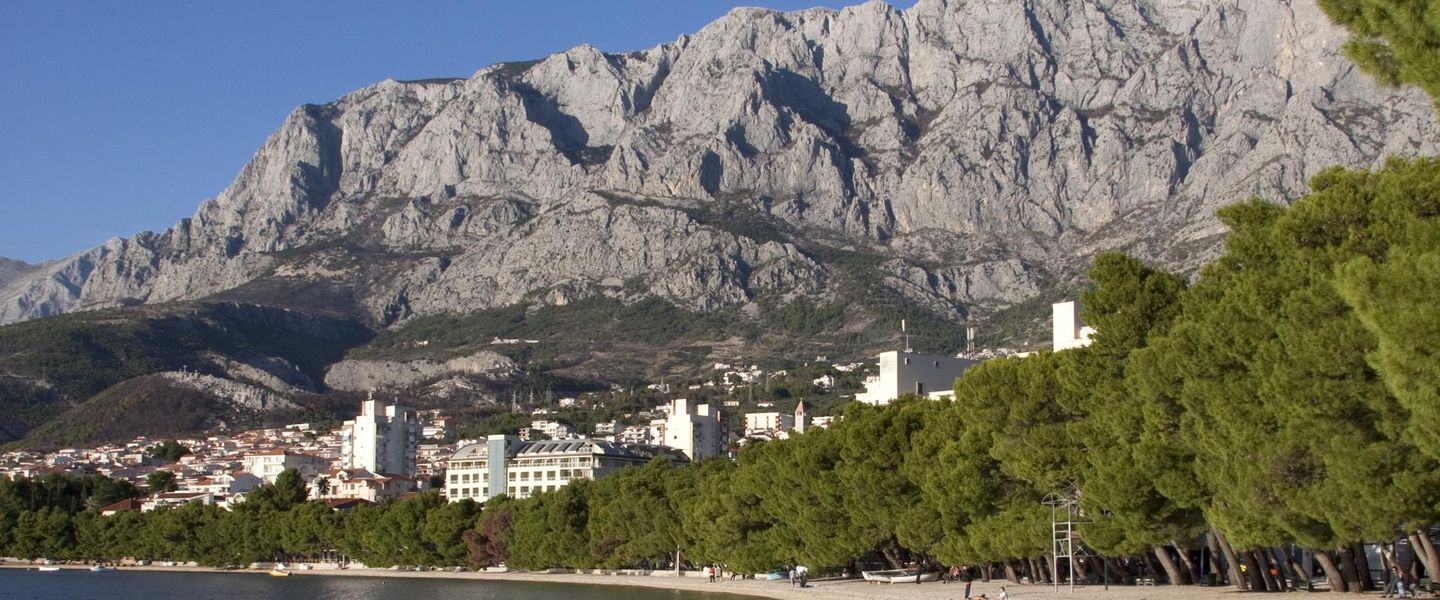


Discover the Makarska Riviera, Croatia's coastal gem, with its pristine beaches, charming towns, and stunning natural beauty. Perfect for adventure and relaxation.
Read more about Makarska Riviera
When is the best time to visit Makarska Riviera?
Best: May–June, September · 23–29°C| Month | High (°C) | Rainfall (mm) |
|---|---|---|
| January | 13 | 79 |
| February | 13 | 76 |
| March | 14 | 70 |
| April | 19 | 65 |
| May (best) | 23 | 60 |
| June (best) | 29 | 56 |
| July | 31 | 51 |
| August | 31 | 50 |
| September (best) | 26 | 56 |
| October | 21 | 62 |
| November | 17 | 70 |
| December | 14 | 76 |
Getting to and around Makarska Riviera
How to get there
Transportation
Best attractions in Makarska Riviera
The stunning Makarska Riviera in Croatia offers visitors a perfect blend of natural beauty and historical charm. From the crystal-clear waters of the Adriatic Sea to the picturesque mountain backdrop, this region is a paradise for beach lovers and outdoor enthusiasts alike. Explore the charming seaside towns with their historic architecture, vibrant markets, and delicious local cuisine. Don't miss the opportunity to hike or bike through the nearby Biokovo Nature Park for breathtaking views of the coastline. Whether you're looking for relaxation on the beach or adventure in the great outdoors, Makarska Riviera has something for everyone.
-
Pilgrimage place
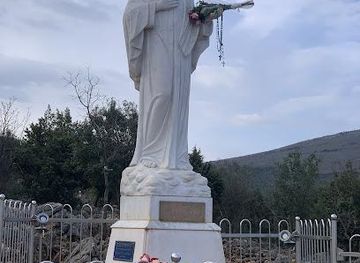
Apparition Hill
Explore the spiritual significance of Apparition Hill in Bijakovići, a renowned pilgrimage site for visitors seeking faith and tranquility.
-
Adventure sports
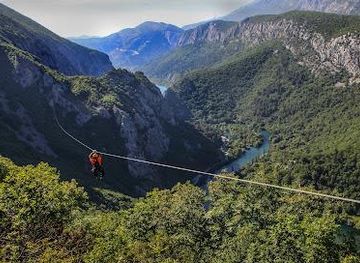
Zipline Croatia
Experience the thrill of soaring through the skies at Zipline Croatia, where adventure meets breathtaking views of the Dalmatian coast.
-
Tourist attraction
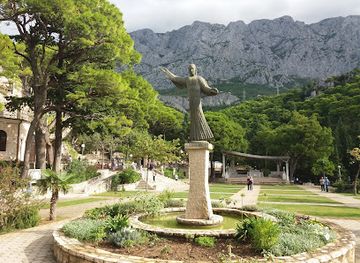
Vepric - Shrine of Our Lady of Lourdes
Experience the spiritual serenity of Vepric Shrine, a tranquil pilgrimage destination near Makarska, Croatia, surrounded by stunning natural beauty.
-
Monastery
Dominican monastery
Experience the tranquility and historical richness of the Dominican Monastery in Bol, a must-visit for cultural and spiritual travelers in Croatia.
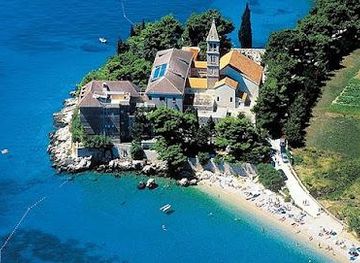
Best landmarks in Makarska Riviera
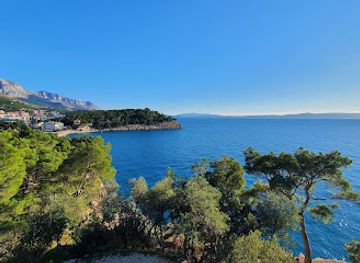
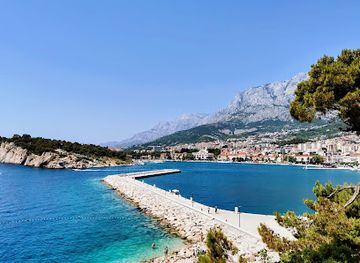
Makarska Riviera boasts a stunning coastline with crystal clear waters, picturesque pebble beaches, and dramatic mountain backdrop. Visitors can explore the historic Old Town of Makarska, with its charming architecture, bustling markets, and lively cafes. The Biokovo Mountain offers hiking trails with breathtaking views over the Adriatic Sea, while the nearby islands of Brac and Hvar provide opportunities for island hopping and water sports. Don't miss the iconic St. Mark's Cathedral, the Franciscan Monastery, and the stunning beaches of Brela and Tučepi for a perfect blend of history, culture, and natural beauty.
-
National park
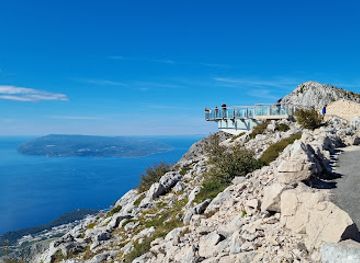
Biokovo Nature Park - Skywalk
Experience the breathtaking beauty of Biokovo Nature Park and the thrilling Skywalk, where nature meets adventure in stunning Croatia.
-
Park
St. Peter Forest Park
Experience the serene beauty of St. Peter Forest Park in Makarska, a lush haven for nature enthusiasts and a must-visit tourist attraction.
-
Park
Osejava Forest Park
Discover the serene beauty and adventure opportunities in Osejava Forest Park, a nature lover's paradise in Makarska, Croatia.
-
Tourist attraction
Skywalk Biokovo
Discover the breathtaking views and exhilarating experiences at Skywalk Biokovo, a must-visit tourist attraction in Croatia.
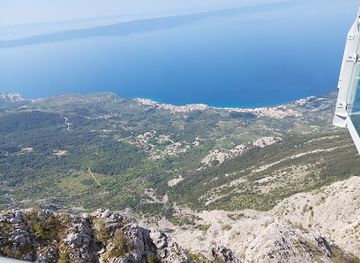
Explore Makarska Riviera on the map
Plan your trip on one map. See where the top attractions, landmarks, restaurants and hotels are, and book hotels and experiences in a few clicks.
Best hotels in Makarska Riviera
Best restaurants in Makarska Riviera
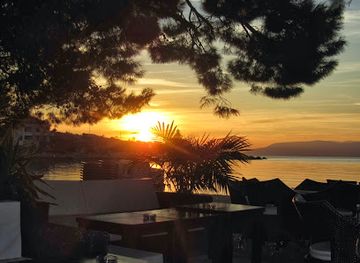
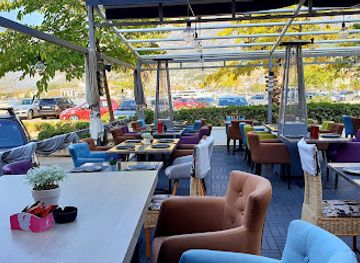
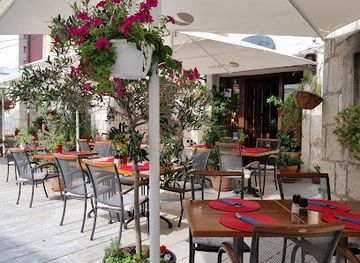
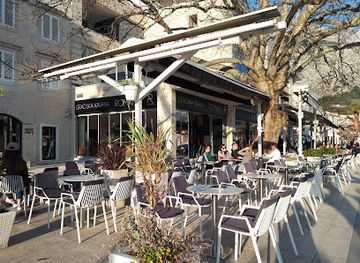
The dining scene of Makarska Riviera offers a delightful mix of traditional Croatian cuisine and international flavors, with an emphasis on fresh seafood caught daily from the Adriatic Sea. Visitors can expect charming restaurants with outdoor seating overlooking the crystal-clear waters, serving up mouth-watering dishes like grilled fish, octopus salad, and peka (a traditional meat and vegetable dish cooked under a bell-shaped lid). Whether dining in a family-run konoba or a trendy beachfront bistro, the culinary experience in Makarska Riviera is sure to leave a lasting impression on every visitor.
-
Restaurant
Restoran Bounty
Discover Restoran Bounty in Makarska – where Mediterranean flavors meet stunning sea views in an inviting atmosphere.
-
Restaurant
Tempera Streetfood & Bar
Experience the vibrant culinary scene at Tempera Streetfood & Bar in Makarska, offering delicious street food inspired by local flavors.
-
Restaurant
Gastro Diva
Experience the essence of Croatian cuisine at Gastro Diva in Makarska, where local flavors meet culinary artistry.
-
Restaurant
Panorama
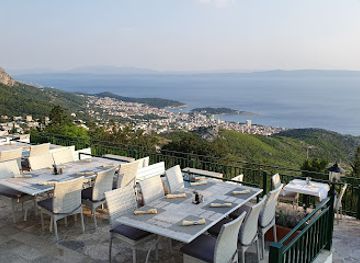
Experience exquisite Croatian cuisine with breathtaking sea views at Panorama Restaurant in Makarska.
Best bars in Makarska Riviera
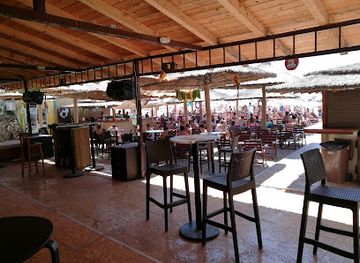
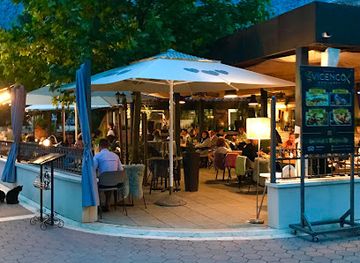
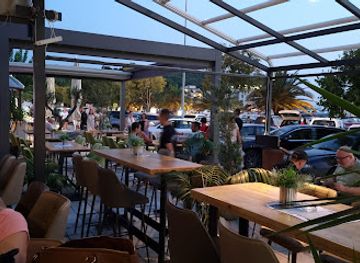
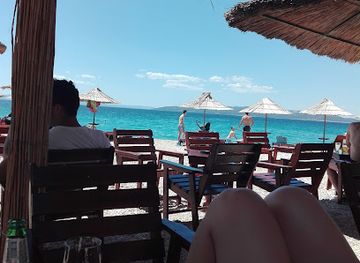
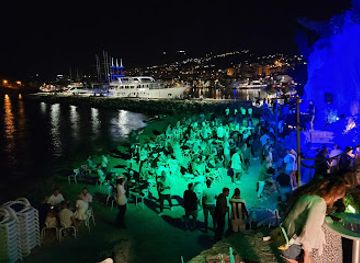
The nightlife scene of Makarska Riviera offers a vibrant and lively atmosphere for visitors to enjoy. From beachfront bars with stunning views of the Adriatic Sea to bustling nightclubs with live music and DJs, there is something for everyone to experience. The local bars serve up delicious cocktails and traditional Croatian drinks, while the nightclubs provide a fun and energetic environment for dancing the night away. Whether you prefer a more relaxed evening by the sea or a night of partying with locals and fellow travelers, Makarska Riviera has it all.
-
Bar
Buba
Discover the vibrant atmosphere of Buba, a premier bar in Makarska, where you can enjoy exquisite drinks and stunning sea views.
-
Brewpub
Pivnica Pivac
Experience the vibrant atmosphere and unique local brews at Pivnica Pivac, the ultimate brewpub in Makarska, Croatia.
-
Pub
Hops! Beer & Food Factory
Experience the vibrant atmosphere of Hops! Beer & Food Factory in Makarska, where craft beer meets delicious dining in a lively pub setting.
-
Bar
Nautica
Discover Nautica, the premier bar in Makarska, offering stunning sea views, vibrant atmosphere, and delightful drinks.
Best nightclubs in Makarska Riviera
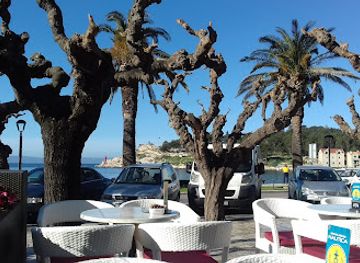
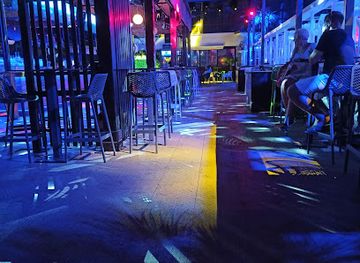
The nightlife scene of Makarska Riviera offers a vibrant and lively atmosphere for visitors to enjoy. From beachfront bars with stunning views of the Adriatic Sea to bustling nightclubs with live music and DJs, there is something for everyone to experience. The local bars serve up delicious cocktails and traditional Croatian drinks, while the nightclubs provide a fun and energetic environment for dancing the night away. Whether you prefer a more relaxed evening by the sea or a night of partying with locals and fellow travelers, Makarska Riviera has it all.
-
Bar
Buba
Experience the vibrant atmosphere of Buba in Makarska, where stunning views and refreshing cocktails meet for the ultimate relaxation.
-
Bar
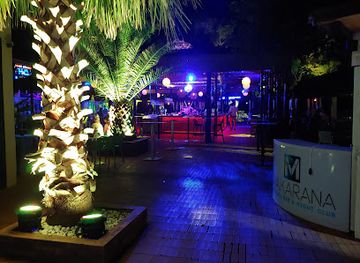
Makarana
Experience the vibrant nightlife and stunning views at Makarana, the premier bar in Makarska's stunning coastal landscape.
-
Bar
Makarano Bar
Experience the vibrant nightlife of Makarska at Makarano Bar, a hotspot for dance, drinks, and unforgettable memories.
-
Night club
Deep Makarska
Dive into the electrifying nightlife at Deep Makarska, where stunning views meet unforgettable music and dance under the stars.
Best shops in Makarska Riviera
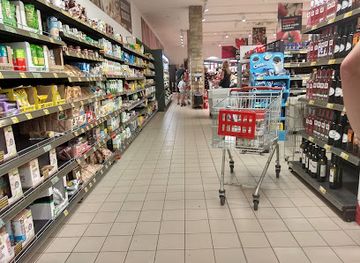
The shopping scene in Makarska Riviera offers a unique blend of traditional Croatian crafts, local souvenirs, and trendy boutique stores. Visitors can explore bustling street markets filled with colorful stalls selling handmade jewelry, pottery, and olive oil products. For a more upscale shopping experience, there are chic fashion boutiques and designer stores lining the waterfront promenade. Whether you're looking for a one-of-a-kind gift or a stylish souvenir to remember your trip, Makarska Riviera has something for every shopper to discover and enjoy.
-
Ice Cream
Romana
Discover the sweet side of Makarska at Romana Ice Cream Shop, where artisanal flavors and stunning coastal views meet.
-
General store
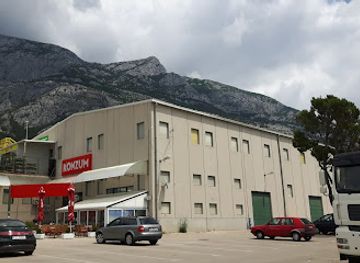
Konzum
Discover local flavors and essentials at Konzum, the premier general store in Makarska, Croatia, offering convenience and quality for all your shopping needs.
-
Electronics store
Pevex | Makarska
Discover an extensive range of electronics at Pevex in Makarska, where technology meets convenience and expert service.
-
Shopping mall
SPOT Mall Makarska
Explore SPOT Mall Makarska: A modern shopping paradise with local charm, diverse dining, and family-friendly fun in the heart of Croatia's coastal gem.
Get your free copy of our complete guide to Makarska Riviera, delivered straight to you.
Everything on this page, from attractions and restaurants to essentials and local phrases, in one PDF you can read offline, print or share.
Already have an account? Sign in
Your Makarska Riviera guide is ready.
We'll send it to · Not you? Sign out

Getting your guide ready…
We are putting together a fresh copy of the Makarska Riviera guide. This can take up to a minute.
This can take a few moments. If your browser asks, choose Allow so the download can start. You'll find the guide in your Downloads folder.
Nothing happened? Download it again
Sorry, the guide is taking longer than usual. Please try again in a minute, or get it by email instead.
Makarska Riviera essentials
Currency and Payment
Safety
Emergency Situations
Do's and Don'ts
Local Tips
From Eve
Local phrases worth knowing
You don't need to get them perfect. A few words go a long way, and locals appreciate the effort.
Basics
| English | Local | Say it |
|---|---|---|
| Hello | Bok | [Bohk] |
| Goodbye | Doviđenja | [Dov-ee-jen-ya] |
| Yes | Da | [Dah] |
| No | Ne | [Neh] |
| Please/You're welcome | Molim | [Moh-leem] |
| Thank you | Hvala | [Hvah-lah] |
| Excuse me/Sorry | Oprostite | [O-pro-stee-teh] |
| How are you? | Kako si? | [Kah-koh see?] |
| Fine. And you? | Dobro. A ti? | [Doh-bro. Ah tee?] |
| Do you speak English? | Govorite li engleski? | [Go-vo-ree-teh lee eng-les-kee?] |
| I don't understand | Ne razumijem | [Neh rah-zoo-mee-yem] |
Eating & Drinking
| English | Local | Say it |
|---|---|---|
| I'd like to see the menu, please | Molio bih jelovnik, molim | [Moh-lee-oh bee yeh-lov-neek, moh-leem] |
| I don't eat meat | Ne jedem meso | [Neh yeh-dem meh-so] |
| Cheers! | Živjeli! | [Zhee-vee-lee] |
| I would like to pay, please | Želio bih platiti, molim | [Zheh-lee-oh bee pla-tee-tee, moh-leem] |
Emergencies
| English | Local | Say it |
|---|---|---|
| Help! | Pomoć! | [Poh-moch] |
| Go away! | Idi odavde! | [Ee-dee oh-dav-deh] |
| Call the Police! | Zovite policiju! | [Zoh-vee-teh po-lee-tsee-yoo] |
| Call a doctor! | Zovite doktora! | [Zoh-vee-teh dohk-toh-rah] |
| I'm lost | Izgubio sam se | [Eez-goo-byoh sahm seh] |
| I'm ill | Bolesan sam | [Boh-leh-sahn sahm] |
Shopping
| English | Local | Say it |
|---|---|---|
| I'd like to buy... | Želim kupiti... | [Zheh-leem koo-pee-tee] |
| I'm just looking | Samo gledam | [Sah-moh gleh-dam] |
| How much is it? | Koliko košta? | [Koh-lee-koh koh-stah] |
| That's too expensive | To je previše skupo | [Toh yeh preh-vee-sheh skoo-poh] |
| Can you lower the price? | Možete li spustiti cijenu? | [Moh-zheh-teh lee spoo-stee-tee tsee-yeh-noo] |
Time & Numbers
| English | Local | Say it |
|---|---|---|
| What time is it? | Koliko je sati? | [Koh-lee-koh yeh sah-tee] |
| It's one o'clock | Jedan je sat | [Yeh-dahn yeh saht] |
| Half past (10) | Pola (deset) | [Poh-lah (deh-set)] |
| Morning | Jutro | [Yoo-troh] |
| Afternoon | Popodne | [Poh-po-dneh] |
| Evening | Večer | [Veh-chehr] |
| Yesterday | Jučer | [Yoo-cher] |
| Today | Danas | [Dah-nahs] |
| Tomorrow | Sutra | [Soo-trah] |
| 1 | Jedan | [Yeh-dahn] |
| 2 | Dva | [Dvah] |
| 3 | Tri | [Tree] |
| 4 | Četiri | [Cheh-tee-ree] |
| 5 | Pet | [Peh-t] |
| 6 | Šest | [Shehst] |
| 7 | Sedam | [Seh-dahm] |
| 8 | Osam | [Oh-sahm] |
| 9 | Devet | [Deh-vet] |
| 10 | Deset | [Deh-set] |
Transport & Directions
| English | Local | Say it |
|---|---|---|
| Where's a/the...? | Gdje je...? | [Gdyeh yeh] |
| What's the address? | Koja je adresa? | [Koh-yah yeh ah-dreh-sah] |
| Can you show me (on the map)? | Možete li mi pokazati (na karti)? | [Moh-zheh-teh lee mee poh-kah-zah-tee (nah kar-tee)] |
| When's the next (bus)? | Kada je sljedeći (autobus)? | [Kah-dah yeh sl-yeh-deh-chee (ow-toh-boos)] |
| A ticket (to ....) | Jednu kartu (za ....) | [Yeh-dnoo kar-too (zah)] |
History of Makarska Riviera
Ancient Times and Roman Influence
The Makarska Riviera, nestled between the rugged Biokovo mountain range and the Adriatic Sea, has been inhabited since ancient times. Archaeological findings suggest that the area was first settled by the Illyrian tribes. The Romans, recognizing its strategic importance, soon followed. Evidence of Roman influence can be seen in the ruins of villas, mosaics, and other artifacts scattered along the coastline. One notable site is the ancient Roman villa in the village of Igrane, which showcases the architectural prowess of the era.
Medieval Period and the Neretva Pirates
During the medieval period, the Makarska Riviera was frequently threatened by the infamous Neretva pirates. These pirates, based in the Neretva River delta, were known for their swift and daring raids along the coast. To protect themselves, the local population built fortified settlements and watchtowers. The most famous of these is the Kula tower in Brela, which stands as a testament to the region's turbulent past and its efforts to defend against invasions.
Ottoman and Venetian Rule
The Makarska Riviera saw a significant shift in control during the 15th and 16th centuries, as the Ottoman Empire expanded its reach into Europe. The region, including the town of Makarska, fell under Ottoman rule and became an important administrative and military center. However, by the late 17th century, the Venetian Republic managed to wrest control of the area from the Ottomans. The Venetian period left a lasting imprint on the architecture and culture of the region, with many buildings in Makarska town reflecting Venetian design elements.
Austro-Hungarian Era and Modernization
In the 19th century, the Makarska Riviera became part of the Austro-Hungarian Empire, ushering in a period of modernization and development. The construction of the coastal road and the establishment of new trade routes significantly boosted the local economy. The town of Makarska grew into a bustling port and a popular destination for the Austro-Hungarian elite. This period also saw the construction of several key infrastructure projects, including the St. Mark's Cathedral in Makarska, which stands as a symbol of the town's cultural and economic renaissance.
World War II and the Partisan Resistance
The Makarska Riviera, like much of Croatia, was deeply affected by the events of World War II. The region became a focal point of resistance against the Axis powers, with local partisans fighting bravely in the rugged terrain of the Biokovo mountains. The town of Makarska and its surroundings witnessed several key battles and acts of sabotage against occupying forces. Memorials and monuments dedicated to the partisans can be found throughout the region, commemorating their valor and sacrifice.
Post-War Reconstruction and Tourism Boom
Following World War II, the Makarska Riviera underwent extensive reconstruction and development. The region's natural beauty and pleasant climate made it an attractive destination for tourists, leading to a rapid expansion of the hospitality industry. By the late 20th century, the Makarska Riviera had become one of the most popular tourist destinations in Croatia, renowned for its pristine beaches, crystal-clear waters, and vibrant cultural scene. Today, tourism continues to be the driving force of the local economy, with visitors from around the world flocking to experience its unique blend of history, culture, and natural beauty.
Makarska Riviera in Photos
Browse through our photo collection highlighting the charm and character of the destination.
Cities in Makarska Riviera
The towns and cities of Makarska Riviera, and the easiest places to base yourself.
-
 Dubrovnik
Discover the medieval charm and coastal beauty of Dubrovnik, Croatia's historical gem on the Adriatic Sea, known for its iconic city walls and UNESCO World Heritage Old Town.
Dubrovnik
Discover the medieval charm and coastal beauty of Dubrovnik, Croatia's historical gem on the Adriatic Sea, known for its iconic city walls and UNESCO World Heritage Old Town.
-
 Split
Explore Split, Croatia's vibrant coastal gem, where ancient history meets modern charm. Discover stunning beaches, rich culture, and a gateway to the beautiful Dalmatian islands.
Split
Explore Split, Croatia's vibrant coastal gem, where ancient history meets modern charm. Discover stunning beaches, rich culture, and a gateway to the beautiful Dalmatian islands.
-
 Zagreb
Discover Zagreb: Croatia’s Capital of Charm, Culture, and History. From medieval streets to vibrant nightlife, this city has something for every traveler.
Zagreb
Discover Zagreb: Croatia’s Capital of Charm, Culture, and History. From medieval streets to vibrant nightlife, this city has something for every traveler.
-
 Rovinj
Explore Rovinj, a picturesque town on Croatia's Istrian Peninsula, known for its historic charm, stunning views, and vibrant culinary scene.
Rovinj
Explore Rovinj, a picturesque town on Croatia's Istrian Peninsula, known for its historic charm, stunning views, and vibrant culinary scene.
-
 Zadar
Discover Zadar, a Croatian gem where ancient history meets modern innovation, offering stunning sea views, unique attractions, and vibrant cultural life on the Dalmatian coast.
Zadar
Discover Zadar, a Croatian gem where ancient history meets modern innovation, offering stunning sea views, unique attractions, and vibrant cultural life on the Dalmatian coast.
-
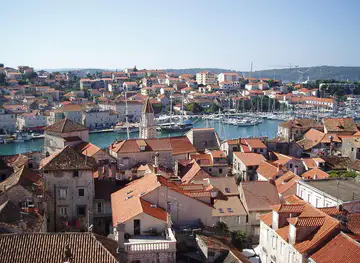 Trogir
Discover Trogir, a UNESCO World Heritage Site in Croatia, known for its medieval architecture, stunning waterfront, and rich history on the beautiful Adriatic coast.
Trogir
Discover Trogir, a UNESCO World Heritage Site in Croatia, known for its medieval architecture, stunning waterfront, and rich history on the beautiful Adriatic coast.
Swipe for more cities
Neighbouring destination travel guides
The closest destinations to Makarska Riviera, if you have time for more than one.
-
 Biokovo Nature Park
Discover Biokovo Nature Park in Croatia, where majestic mountains meet the Adriatic Sea, offering thrilling hikes, stunning views, and a rich tapestry of natural beauty.
Biokovo Nature Park
Discover Biokovo Nature Park in Croatia, where majestic mountains meet the Adriatic Sea, offering thrilling hikes, stunning views, and a rich tapestry of natural beauty.
-
 Hvar Island
Discover Hvar Island, Croatia's sunniest destination, where history, stunning beaches, and vibrant nightlife come together for a perfect Adriatic getaway.
Hvar Island
Discover Hvar Island, Croatia's sunniest destination, where history, stunning beaches, and vibrant nightlife come together for a perfect Adriatic getaway.
-
 Brac Island
Discover Brac Island in Croatia: Stunning beaches, rich history, and vibrant culture make it a must-visit destination in the Adriatic Sea.
Brac Island
Discover Brac Island in Croatia: Stunning beaches, rich history, and vibrant culture make it a must-visit destination in the Adriatic Sea.
-
 Peljesac Peninsula
Experience the serene beauty and rich heritage of Peljesac Peninsula, Croatia's hidden gem, known for its stunning landscapes, historic sites, and exquisite wines.
Peljesac Peninsula
Experience the serene beauty and rich heritage of Peljesac Peninsula, Croatia's hidden gem, known for its stunning landscapes, historic sites, and exquisite wines.
-
 Blidinje Nature Park
Discover the pristine beauty and thrilling adventures of Blidinje Nature Park, Bosnia and Herzegovina’s natural haven known for its diverse landscapes and rich biodiversity.
Blidinje Nature Park
Discover the pristine beauty and thrilling adventures of Blidinje Nature Park, Bosnia and Herzegovina’s natural haven known for its diverse landscapes and rich biodiversity.
Swipe for more destinations
Explore more

Explore more of Dalmatia
Explore Dalmatia: Croatia’s coastal gem with stunning beaches, historic cities, and natural wonders. Experience the perfect blend of adventure, relaxation, and culture.
Explore Dalmatia
Explore more of Croatia
Discover Croatia: A Mediterranean paradise with stunning coastlines, ancient cities, and rich cultural heritage. Perfect for beach lovers, history buffs, and nature enthusiasts.
Explore Croatia