

Kopački Rit Nature Park Travel Guide - Free Web & App
Your ultimate guide to Kopački Rit Nature Park. Discover top landmarks, proposed trips, and local tips. Free on the web or via the Evendo companion app.


Discover Kopački Rit Nature Park: A Biodiverse Wetland Sanctuary in Croatia, Perfect for Birdwatching, Boat Tours, and Nature Trails.
Read more about Kopački Rit Nature Park
When is the best time to visit Kopački Rit Nature Park?
Best: April–May, September · 21–28°C| Month | High (°C) | Rainfall (mm) |
|---|---|---|
| January | 3 | 46 |
| February | 6 | 40 |
| March | 14 | 37 |
| April (best) | 21 | 29 |
| May (best) | 27 | 25 |
| June | 31 | 19 |
| July | 33 | 18 |
| August | 32 | 20 |
| September (best) | 28 | 26 |
| October | 21 | 33 |
| November | 12 | 41 |
| December | 6 | 48 |
Getting to and around Kopački Rit Nature Park
How to get there
Transportation
Best attractions in Kopački Rit Nature Park
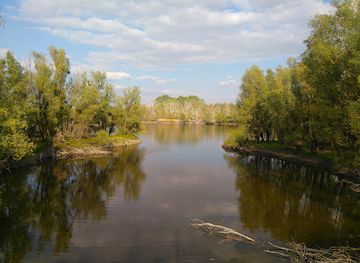
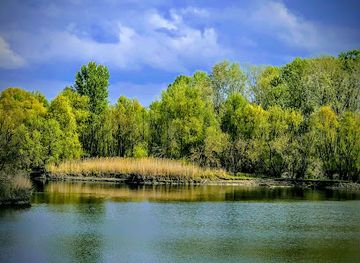
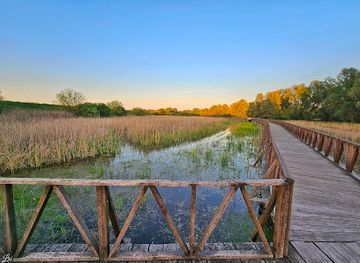
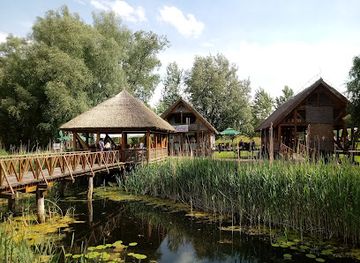
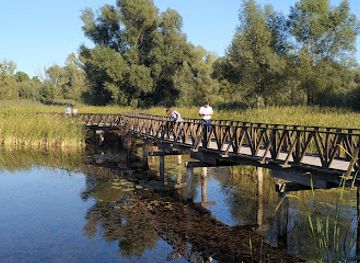
Kopački Rit Nature Park in Croatia offers visitors a unique and diverse experience, with its expansive wetlands teeming with wildlife and stunning natural beauty. Visitors can enjoy birdwatching, boat tours, and hiking trails to explore the rich biodiversity of the park. The park also features traditional wooden houses, known as 'stanovi', which give a glimpse into the region's history and culture. With its peaceful atmosphere and tranquil surroundings, Kopački Rit Nature Park is a must-visit destination for nature lovers and outdoor enthusiasts.
-
Memorial
Monument of Batina battle,("Julka")
Explore the Monument of Batina Battle, an iconic tribute to resilience and history nestled in scenic Batina, Croatia.
-
Nature preserve
Nature park Kopački rit
Explore the breathtaking natural beauty and rich biodiversity of Nature Park Kopački Rit, a serene escape for nature lovers in Croatia.
-
Tourist attraction
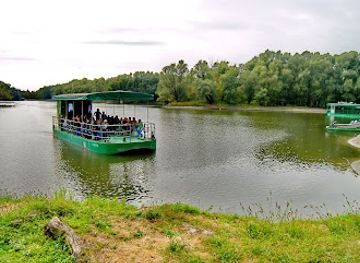
Pristanište parka prirode Kopački rit
Explore the breathtaking Kopački Rit Nature Park, a biodiversity hotspot in Croatia, perfect for birdwatching, hiking, and serene boat tours.
-
Park
JAVNA USTANOVA PARK PRIRODE KOPAČKI RIT - PRIJEMNI CENTAR
Explore Kopački Rit, a UNESCO Biosphere Reserve in Croatia, where rich biodiversity meets breathtaking landscapes perfect for adventure.

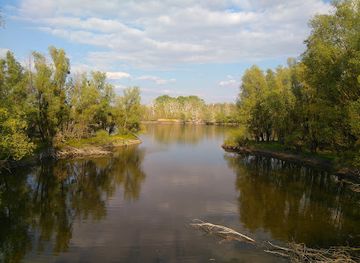
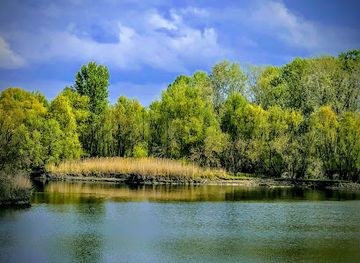
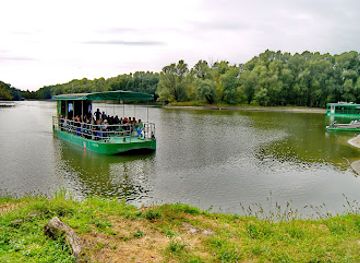
Best landmarks in Kopački Rit Nature Park
Kopački Rit Nature Park in Croatia offers visitors a unique blend of natural beauty and rich history. From the vast wetlands teeming with diverse wildlife to the ancient archaeological sites scattered throughout the park, there is something for everyone to explore. Visitors can take guided boat tours to spot rare bird species, hike along scenic trails, or visit the historic ruins of medieval castles. The park also boasts charming villages where visitors can sample local cuisine and immerse themselves in traditional Croatian culture. Whether you are a nature lover, history buff, or simply seeking a peaceful escape, Kopački Rit Nature Park has something unforgettable to offer.
-
Nature preserve
Kopački rit Nature Park
Discover Kopački Rit Nature Park: A biodiverse wetland paradise in Croatia, offering boat tours, wildlife viewing, and a glimpse into untouched nature.
-
Nature preserve
Nature park Kopački rit
Discover Kopački Rit Nature Park: A biodiverse wetland paradise in Croatia, home to diverse wildlife and stunning landscapes.
-
Tourist attraction
Pristanište parka prirode Kopački rit
Explore Kopački Rit Nature Park, Croatia's breathtaking wetland paradise filled with diverse wildlife and stunning landscapes for nature lovers and adventurers.
-
Park
JAVNA USTANOVA PARK PRIRODE KOPAČKI RIT - PRIJEMNI CENTAR
Discover Kopački Rit Nature Park: A stunning Croatian wetland paradise teeming with diverse wildlife and untouched natural beauty.
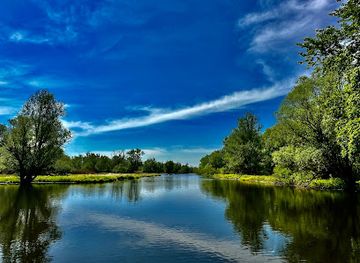
Explore Kopački Rit Nature Park on the map
Plan your trip on one map. See where the top attractions, landmarks, restaurants and hotels are, and book hotels and experiences in a few clicks.
Best hotels in Kopački Rit Nature Park
Best restaurants in Kopački Rit Nature Park
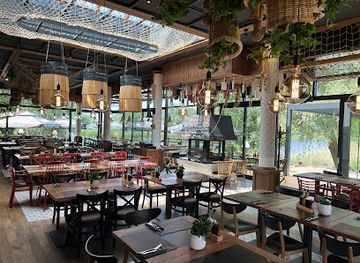
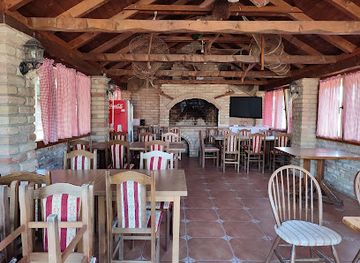
The dining scene at Kopački Rit Nature Park offers a unique experience for visitors, with a variety of local restaurants serving traditional Croatian cuisine made with fresh, locally sourced ingredients. From hearty stews and grilled meats to fresh fish dishes and delicious pastries, there is something to satisfy every palate. Visitors can dine al fresco overlooking the stunning natural surroundings or cozy up in a rustic dining room filled with charm and character. Whether enjoying a casual meal or a special dining experience, the restaurants in Kopački Rit Nature Park provide a taste of authentic Croatian flavors in a picturesque setting.
-
Restaurant
Čingi Lingi Čarda
Discover authentic Croatian cuisine amidst stunning natural scenery at Čingi Lingi Čarda in Bilje.
-
Nature preserve
Kopački rit Nature Park
Discover Kopački Rit Nature Park: A stunning Croatian preserve teeming with wildlife and breathtaking landscapes perfect for every nature lover.
-
Restaurant
Didin Konak
Discover the heart of Croatian gastronomy at Didin Konak—where traditional flavors meet modern hospitality amidst breathtaking nature.
Best bars in Kopački Rit Nature Park
The nightlife scene of Kopački Rit Nature Park offers a unique experience for visitors, with a variety of cozy bars and lively nightclubs to choose from. Whether you're looking for a laid-back evening sipping cocktails by the river or dancing the night away to live music, you'll find something to suit your taste. Local DJs often spin a mix of traditional Croatian tunes and modern beats, creating a vibrant atmosphere that is sure to keep you entertained until the early hours of the morning.
-
Nature preserve
Kopački rit Nature Park
Explore the breathtaking beauty of Kopački rit Nature Park, a sanctuary of wetlands and wildlife in Croatia's stunning landscape.
-
Coffee shop
Café bar Lopoč
Discover the charm of Café Bar Lopoč in Kopački Rit Nature Park, where delicious coffee meets breathtaking nature and a pet-friendly atmosphere.
Best nightclubs in Kopački Rit Nature Park
The nightlife scene of Kopački Rit Nature Park offers a unique experience for visitors, with a variety of cozy bars and lively nightclubs to choose from. Whether you're looking for a laid-back evening sipping cocktails by the river or dancing the night away to live music, you'll find something to suit your taste. Local DJs often spin a mix of traditional Croatian tunes and modern beats, creating a vibrant atmosphere that is sure to keep you entertained until the early hours of the morning.
-
Night club
St. Patrick's Pub
Discover the heart of Osijek's nightlife at St. Patrick's Pub, where vibrant atmosphere meets delicious drinks and unforgettable experiences.
-
Night club
Q-Club
Discover the electrifying atmosphere of Q-Club, the ultimate night club experience in Osijek, Croatia, where vibrant music and unforgettable nights await.
-
Night club
Club EXIT
Dive into the vibrant atmosphere of Club EXIT, Osijek's premier night club, where unforgettable nights and great music await you.
-
Night club
Bolero The Club
Experience the electric nightlife of Osijek at Bolero The Club, where every night is a celebration of music, dance, and unforgettable memories.
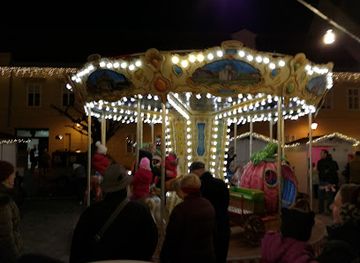



Best shops in Kopački Rit Nature Park
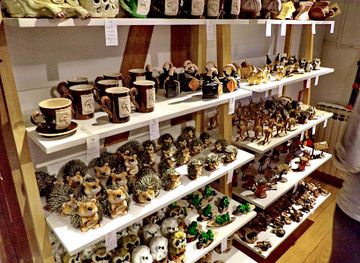
The shopping scene in Kopački Rit Nature Park offers visitors a unique experience, with local artisans selling handmade crafts and souvenirs inspired by the natural beauty of the area. Visitors can browse through a variety of traditional items such as handwoven textiles, pottery, and wood carvings, all showcasing the rich cultural heritage of Croatia. Additionally, there are small local shops selling organic produce, honey, and other locally sourced goods, providing a taste of the region's culinary delights. Whether looking for a unique memento or a delicious treat, the shopping scene in Kopački Rit Nature Park is sure to captivate visitors.
Get your free copy of our complete guide to Kopački Rit Nature Park, delivered straight to you.
Everything on this page, from attractions and restaurants to essentials and local phrases, in one PDF you can read offline, print or share.
Already have an account? Sign in
Your Kopački Rit Nature Park guide is ready.
We'll send it to · Not you? Sign out

Getting your guide ready…
We are putting together a fresh copy of the Kopački Rit Nature Park guide. This can take up to a minute.
This can take a few moments. If your browser asks, choose Allow so the download can start. You'll find the guide in your Downloads folder.
Nothing happened? Download it again
Sorry, the guide is taking longer than usual. Please try again in a minute, or get it by email instead.
Kopački Rit Nature Park essentials
Currency and Payment
Safety
Emergency Situations
Do's and Don'ts
Local Tips
From Eve
Local phrases worth knowing
You don't need to get them perfect. A few words go a long way, and locals appreciate the effort.
Basics
| English | Local | Say it |
|---|---|---|
| Hello | Bok | [Bohk] |
| Goodbye | Doviđenja | [Doh-vee-jen-ya] |
| Yes | Da | [Dah] |
| No | Ne | [Neh] |
| Please/You're welcome | Molim | [Moh-leem] |
| Thank you | Hvala | [Hvah-lah] |
| Excuse me/Sorry | Oprostite | [Oh-pro-stee-teh] |
| How are you? | Kako si? | [Kah-koh see] |
| Fine. And you? | Dobro. A ti? | [Doh-bro. Ah tee] |
| Do you speak English? | Govorite li engleski? | [Goh-vo-ree-teh lee eng-lehs-kee] |
| I don't understand | Ne razumijem | [Neh rah-zoo-mee-yem] |
Eating & Drinking
| English | Local | Say it |
|---|---|---|
| I'd like to see the menu, please | Molio bih jelovnik, molim | [Moh-lee-oh bee yeh-lohv-neek, moh-leem] |
| I don't eat meat | Ne jedem meso | [Neh yeh-dem meh-soh] |
| Cheers! | Živjeli! | [Zhee-vyeh-lee] |
| I would like to pay, please | Želim platiti, molim | [Zheh-leem plah-tee-tee, moh-leem] |
Emergencies
| English | Local | Say it |
|---|---|---|
| Help! | Pomoć! | [Poh-moh-ch] |
| Go away! | Idi odavde! | [Ee-dee oh-dav-deh] |
| Call the Police! | Zovite policiju! | [Zoh-vee-teh poh-lee-tsee-yoo] |
| Call a doctor! | Zovite doktora! | [Zoh-vee-teh dohk-toh-rah] |
| I'm lost | Izgubio/la sam se | [Eez-goo-byoh/lah sahm seh] |
| I'm ill | Bolestan/sna sam | [Boh-leh-stahn/snah sahm] |
Shopping
| English | Local | Say it |
|---|---|---|
| I'd like to buy... | Želim kupiti... | [Zheh-leem koo-pee-tee] |
| I'm just looking | Samo gledam | [Sah-moh gleh-dahm] |
| How much is it? | Koliko košta? | [Koh-lee-koh koh-shta] |
| That's too expensive | To je pre skupo | [Toh yeh preh skoo-poh] |
| Can you lower the price? | Možete li spustiti cijenu? | [Moh-zheh-teh lee spoo-stee-tee tsee-yeh-noo] |
Time & Numbers
| English | Local | Say it |
|---|---|---|
| What time is it? | Koliko je sati? | [Koh-lee-koh yeh sah-tee] |
| It's one o'clock | Jedan je sat | [Yeh-dahn yeh saht] |
| Half past (10) | Pola (10) | [Poh-lah (deset)] |
| Morning | Jutro | [Yoo-troh] |
| Afternoon | Popodne | [Poh-poh-dneh] |
| Evening | Večer | [Veh-chehr] |
| Yesterday | Jučer | [Yoo-chehr] |
| Today | Danas | [Dah-nahs] |
| Tomorrow | Sutra | [Soo-trah] |
| 1 | Jedan | [Yeh-dahn] |
| 2 | Dva | [Dvah] |
| 3 | Tri | [Tree] |
| 4 | Četiri | [Cheh-tee-ree] |
| 5 | Pet | [Peh-t] |
| 6 | Šest | [Shehst] |
| 7 | Sedam | [Seh-dahm] |
| 8 | Osam | [Oh-sahm] |
| 9 | Devet | [Deh-vet] |
| 10 | Deset | [Deh-set] |
Transport & Directions
| English | Local | Say it |
|---|---|---|
| Where's a/the...? | Gdje je...? | [Gdyeh yeh] |
| What's the address? | Koja je adresa? | [Koh-yah yeh ah-dreh-sah] |
| Can you show me (on the map)? | Možete li mi pokazati (na karti)? | [Moh-zheh-teh lee mee poh-kah-zah-tee (nah kar-tee)] |
| When's the next (bus)? | Kada je sljedeći (autobus)? | [Kah-dah yeh sleh-deh-chee (ow-toh-boos)] |
| A ticket (to ....) | Jednu kartu (do ...) | [Yeh-dnoo kar-too (doh)] |
History of Kopački Rit Nature Park
Formation of Kopački Rit
Kopački Rit Nature Park is a natural wetland located at the confluence of the Drava and Danube rivers. The area was formed thousands of years ago through complex hydrological processes and sediment deposition, creating a unique ecosystem rich in biodiversity.
Early Human Settlement
Archaeological evidence suggests that the Kopački Rit area has been inhabited since the Neolithic period. Early settlers were attracted to the region due to its fertile lands and abundant water resources. Over the centuries, various cultures, including the Celts, Romans, and Slavs, have left their mark on the area.
Medieval Period
During the medieval period, Kopački Rit was part of the Kingdom of Hungary. The wetlands served as a natural barrier against invaders and were also used for hunting and fishing by the local nobility. The region's strategic importance was recognized by various rulers who sought to control the waterways.
Ottoman Rule
In the 16th century, the area fell under Ottoman rule. The Ottomans utilized the wetlands for fish farming and hunting, and the local population was influenced by Ottoman culture and administration. The period of Ottoman rule left a lasting impact on the region's architecture and cultural practices.
Habsburg Monarchy
After the decline of Ottoman power, Kopački Rit became part of the Habsburg Monarchy in the late 17th century. The Habsburgs implemented significant land reforms and drainage projects to improve agricultural productivity. The region became a popular hunting ground for the Habsburg nobility, who built hunting lodges and estates.
World War II
During World War II, the wetlands of Kopački Rit served as a refuge for partisans fighting against Axis forces. The area's dense forests and waterways provided natural cover and sustenance for resistance fighters. The war left scars on the landscape and the local population, with many historical sites commemorating the events of this tumultuous period.
Establishment of Kopački Rit Nature Park
In 1967, recognizing the ecological importance and unique biodiversity of the wetlands, the Croatian government designated Kopački Rit as a nature park. This status provided legal protection to the area and initiated conservation efforts to preserve its natural heritage. Today, the park is a haven for wildlife and a popular destination for eco-tourism.
Cultural Significance and Traditions
Kopački Rit is not only important for its natural beauty but also for its cultural heritage. The local communities have preserved traditional practices such as fishing, reed harvesting, and folklore. Festivals and local cuisine celebrate the rich cultural tapestry of the region, offering visitors a glimpse into the life and history of the people who have called Kopački Rit home for generations.
Kopački Rit Nature Park in Photos
Browse through our photo collection highlighting the charm and character of the destination.
Neighbouring destination travel guides
The closest destinations to Kopački Rit Nature Park, if you have time for more than one.
-
 Mecsek Mountains
Discover the serene beauty and rich biodiversity of the Mecsek Mountains in Hungary, a haven for nature lovers and history enthusiasts alike.
Mecsek Mountains
Discover the serene beauty and rich biodiversity of the Mecsek Mountains in Hungary, a haven for nature lovers and history enthusiasts alike.
-
 Palić Lake
Discover Palić Lake in Serbia: A picturesque blend of natural beauty, historical charm, and vibrant cultural events, perfect for a serene getaway or family adventure.
Palić Lake
Discover Palić Lake in Serbia: A picturesque blend of natural beauty, historical charm, and vibrant cultural events, perfect for a serene getaway or family adventure.
-
 Fruška Gora National Park
Discover the serene beauty and rich history of Fruška Gora National Park, Serbia's hidden gem offering lush landscapes, ancient monasteries, and outdoor adventures.
Fruška Gora National Park
Discover the serene beauty and rich history of Fruška Gora National Park, Serbia's hidden gem offering lush landscapes, ancient monasteries, and outdoor adventures.
-
 Lake Balaton
Discover Lake Balaton, Hungary's largest lake, known for its tranquil waters, charming towns, vibrant nightlife, and rich cultural heritage.
Lake Balaton
Discover Lake Balaton, Hungary's largest lake, known for its tranquil waters, charming towns, vibrant nightlife, and rich cultural heritage.
-
 Balaton Uplands National Park
Discover the tranquility and natural beauty of Balaton Uplands National Park, a hidden gem in Hungary offering scenic landscapes, rich biodiversity, and cultural heritage.
Balaton Uplands National Park
Discover the tranquility and natural beauty of Balaton Uplands National Park, a hidden gem in Hungary offering scenic landscapes, rich biodiversity, and cultural heritage.
Swipe for more destinations
Explore more
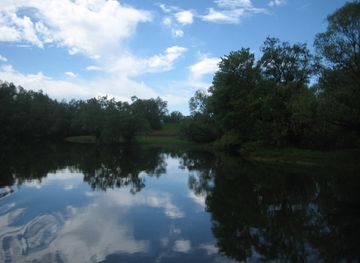
Explore more of Baranja
Discover Baranja, Croatia's serene region known for its vineyards, natural parks, and rich cultural heritage. Perfect for wine lovers, nature enthusiasts, and history buffs.
Explore Baranja
Explore more of Croatia
Discover Croatia: A Mediterranean paradise with stunning coastlines, ancient cities, and rich cultural heritage. Perfect for beach lovers, history buffs, and nature enthusiasts.
Explore Croatia