

Free Baranja Travel Guide & Mobile App
Explore Baranja with free travel guides. Discover regional history, expert tips, proposed trips, and audio guides on web or mobile app.


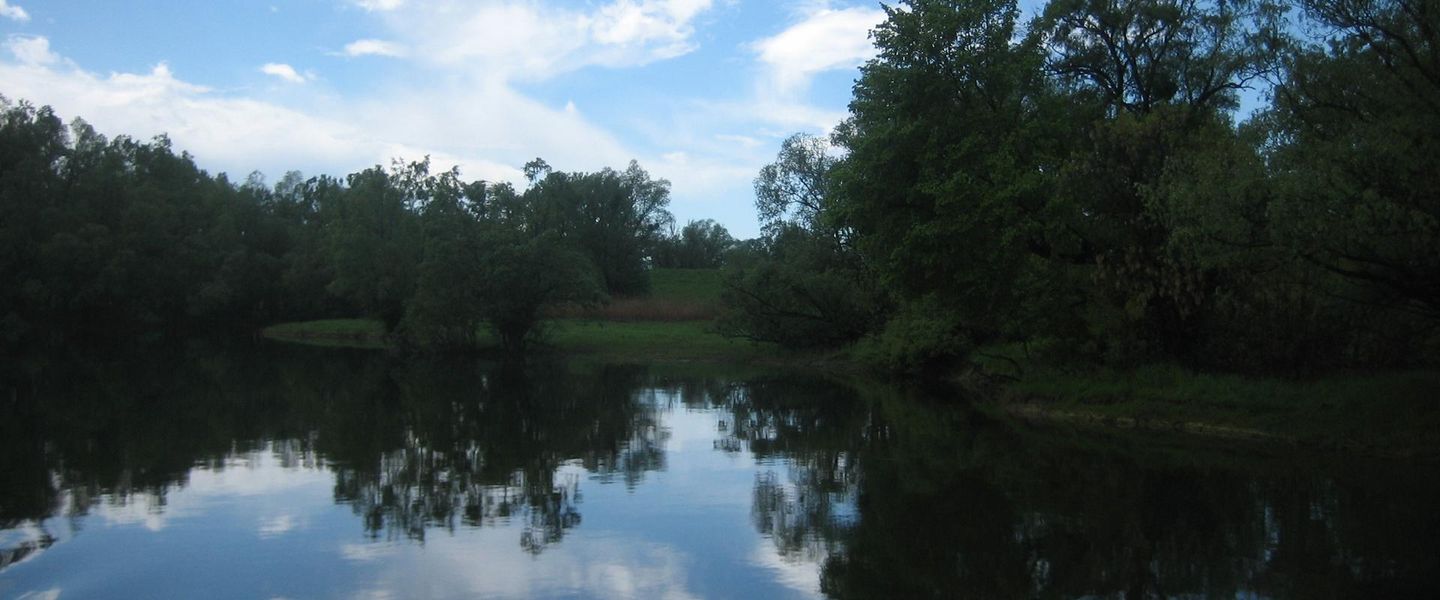


Explore Baranja in eastern Croatia for Kopački rit wetlands, Danube landscapes, village wineries, rural cuisine and layered Central European heritage.
Read more about Baranja
When is the best time to visit Baranja?
Best: June–August · 26–28°C| Month | High (°C) | Rainfall (mm) |
|---|---|---|
| January | 4 | 40 |
| February | 7 | 35 |
| March | 13 | 40 |
| April | 17 | 50 |
| May | 22 | 60 |
| June (best) | 26 | 50 |
| July (best) | 28 | 45 |
| August (best) | 27 | 45 |
| September | 23 | 45 |
| October | 17 | 50 |
| November | 10 | 50 |
| December | 5 | 45 |
Getting to and around Baranja
How to get there
Transportation
Destinations in Baranja
Resorts, valleys and scenic spots worth a trip of their own.

Swipe for more destinations
Best attractions in Baranja
Baranja’s attractions are built around wetlands, wine, rural heritage and the open Pannonian landscape. Kopački rit Nature Park is the region’s leading natural attraction, with floodplain forests, waterways, bird habitats and guided excursions that vary according to water levels and season. The Tikveš complex combines aristocratic hunting and residential buildings with woodland and wetland surroundings. Around Zmajevac and Kneževi Vinogradi, traditional wine cellars and vineyard roads offer an insight into a long-established agricultural culture, while Karanac is known for rural food and heritage-oriented experiences. Bilje provides access to the southern part of the region and the wider landscape around the Drava. Batina adds a different dimension through its Danube views and Second World War memorial. Beli Manastir is useful for understanding present-day regional life, shopping and transport. Cycling, birdwatching, walking and photography are particularly rewarding, but visitors should recognise that some nature areas are seasonal, weather-dependent or best visited with a guide. The appeal lies less in a concentration of major monuments than in the connections between water, farming, settlement and cuisine.
-
Tourist attraction
Zoo Osijek
Explore the vibrant wildlife and conservation efforts at Zoo Osijek, a family-friendly attraction on the banks of the Drava River.
-
Bridge
Youth pedestrian bridge
Osijek's iconic bridge: A symbol of resilience, romance, and stunning Drava River views, illuminated with vibrant LED lights.
-
Tourist attraction
Kopački rit Nature Park
Discover Kopački Rit Nature Park: A vast wetland paradise in eastern Croatia, teeming with diverse wildlife and stunning natural beauty.
-
Restaurant
Baranjska kuća
Discover Baranjska kuća, a Croatian restaurant and ethnographic museum in Karanac, where traditional cuisine meets rich cultural heritage.
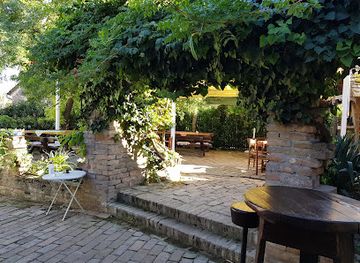
Best landmarks in Baranja
The Monument to the Battle of Batina is Baranja’s most recognisable twentieth-century landmark. Standing above the Danube, it commemorates the fierce 1944 battle and creates a powerful visual connection between military history, river geography and the borderland landscape. The Tikveš complex is important for its association with aristocratic estate culture, hunting and the management of the surrounding natural environment; its buildings and wooded setting convey how large estates shaped Baranja. The loess slopes and cellar rows around Zmajevac form a distinctive cultural landscape rather than a single monument, with wine cellars embedded in the hills and linked to local production. Historic churches, manor remnants and village buildings in places such as Bilje, Darda and Beli Manastir reflect the region’s multi-community past and Habsburg-era development. Kopački rit itself is also a landmark of geography: the confluence landscape of the Drava and Danube has shaped settlement, wildlife and seasonal life for centuries.
-
Historical landmark
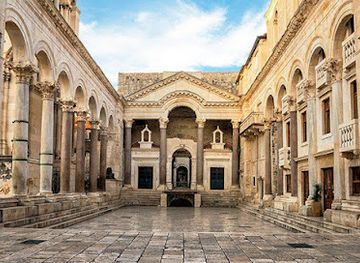
Diocletian's Palace
Explore Diocletian's Palace in Split: a unique blend of ancient Roman architecture and vibrant modern life within a UNESCO World Heritage site.
-
 Tourist attraction
Sea Organ
Experience the enchanting melodies of the Adriatic Sea at Zadar's Sea Organ, where nature composes a unique symphony for every sunset.
-
Fortress
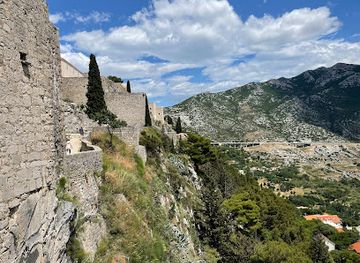
Klis Fortress
Explore Klis Fortress, the Key to Dalmatia: a historic stronghold with stunning views and a Game of Thrones legacy.
-
Tourist attraction
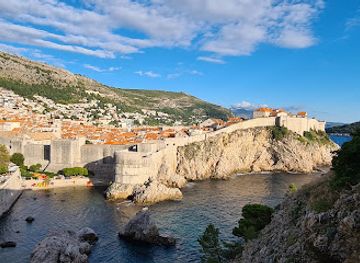
Fort Lovrijenac
Explore the historic Fort Lovrijenac, a majestic fortress in Dubrovnik that offers stunning views and a deep dive into the city's rich history.
Explore Baranja on the map
Plan your trip on one map. See where the top cities, national parks and sights are, and book hotels and experiences in a few clicks.
Best hotels in Baranja
Best restaurants in Baranja
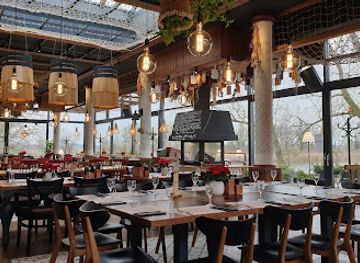
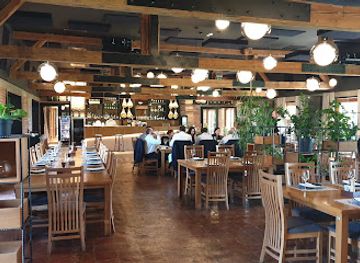
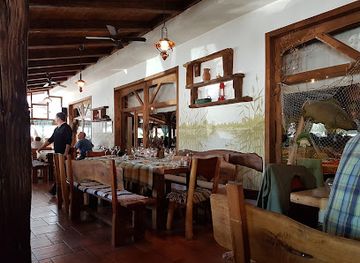
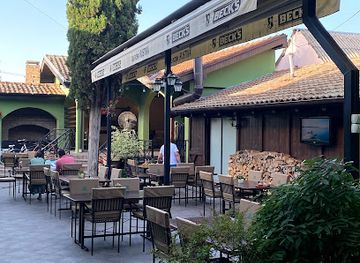
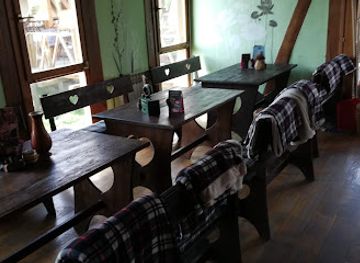
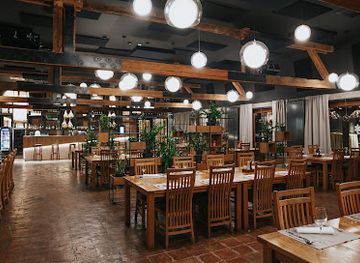
Baranja’s food reflects fertile farmland, river environments and close cultural links with Hungary and the wider Pannonian plain. Menus commonly feature freshwater fish from the Drava and Danube basin, paprika-based stews, fish soups, game, pork, cured meats, seasonal vegetables and robust rural dishes served in village households, traditional inns and contemporary restaurants. Karanac is a noted base for exploring regional cooking, while the wine villages around Zmajevac and Kneževi Vinogradi pair local wines with cellar-style meals and small-producer hospitality. Graševina and other white wines are prominent, with reds also produced on the Baranja hill. Look for homemade breads, preserves, cakes and seasonal produce at rural tables and markets rather than expecting a standardised restaurant scene. Larger settlements offer cafés and broader Croatian cuisine, while smaller places often work around reservations, harvest periods and local meal schedules. Ask about the day’s fish and the provenance of wines, and allow time for generous portions and leisurely service.
-
Restaurant
Čingi Lingi Čarda
Experience authentic Croatian cuisine at Čingi Lingi Čarda in Bilje - a perfect blend of local flavors and warm hospitality.
-
Restaurant
Restoran Crna svinja
Discover the authentic flavors of Croatia at Restoran Crna svinja in Čepin - a must-visit dining destination for every food enthusiast.
-
Restaurant
Restoran Karaka Osijek
Discover the culinary excellence of Restoran Karaka in Osijek – where local flavors meet modern dining in a charming atmosphere.
-
Restaurant
Restoran Citadela
Experience the best of Croatian cuisine at Restoran Citadela in Vardarac—where every dish tells a story.

Best bars in Baranja
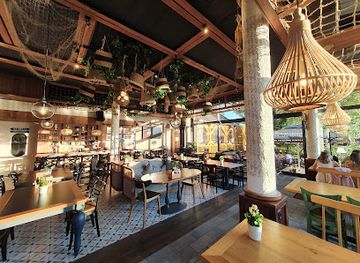
Evening life in Baranja is predominantly social and low-key, centred on cafés, village restaurants, wine cellars and traditional pubs rather than a large nightclub circuit. Beli Manastir has the widest choice of everyday bars and late-evening meeting places, while Osijek, outside Baranja, provides the nearest larger urban nightlife scene. In Zmajevac and Kneževi Vinogradi, arranged tastings can extend into relaxed evenings of wine, conversation and regional food. Rural inns and seasonal celebrations may offer live music, but programmes and opening arrangements vary. The region’s evening character is better suited to a long dinner, a local wine or beer and a walk through a village than to fixed club-hopping. Visitors should arrange transport in advance when staying outside the main towns, as rural late-night connections are limited and taxis may need to be booked.
-
Restaurant
Čingi Lingi Čarda
Discover the culinary excellence of Čingi Lingi Čarda in Bilje, where traditional Croatian flavors meet a warm and inviting atmosphere.
-
Restaurant
Rustika
Savor the authentic tastes of Osijek at Rustika, renowned for its delicious pizza and warm hospitality, perfect for every dining occasion.
-
Nature preserve
Kopački rit Nature Park
Experience the serene beauty and rich biodiversity of Kopački Rit Nature Park, a natural paradise in Croatia for every nature lover.
-
Restaurant
Restoran Crna svinja
Experience the rich flavors of Croatian cuisine at Restoran Crna svinja in Čepin, a must-visit for every food lover.
Best nightclubs in Baranja
Evening life in Baranja is predominantly social and low-key, centred on cafés, village restaurants, wine cellars and traditional pubs rather than a large nightclub circuit. Beli Manastir has the widest choice of everyday bars and late-evening meeting places, while Osijek, outside Baranja, provides the nearest larger urban nightlife scene. In Zmajevac and Kneževi Vinogradi, arranged tastings can extend into relaxed evenings of wine, conversation and regional food. Rural inns and seasonal celebrations may offer live music, but programmes and opening arrangements vary. The region’s evening character is better suited to a long dinner, a local wine or beer and a walk through a village than to fixed club-hopping. Visitors should arrange transport in advance when staying outside the main towns, as rural late-night connections are limited and taxis may need to be booked.
-
Night club
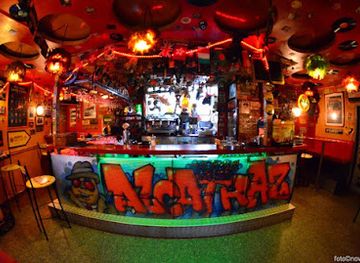
Night Club & Rock Bar Alcatraz
Discover the thrilling nightlife at Night Club & Rock Bar Alcatraz, where great music and an energetic atmosphere await in Zagreb.
-
Disco club
Cocomo Club
Experience the vibrant nightlife at Cocomo Club in Novalja, where dance, music, and unforgettable moments come together in a lively atmosphere.
-
Bar
Onyx Night Club
Discover the pulse of Punat's nightlife at Onyx Night Club, where great drinks and music create unforgettable moments.
-
Night club
Euphoria Club
Experience the electrifying nightlife at Euphoria Club on Zrće Beach, where world-class DJs and unforgettable parties await in Croatia's summer paradise.


Best shops in Baranja
Shopping in Baranja is focused on local produce, everyday village commerce and specialist regional products rather than large retail districts. Beli Manastir is the most practical place for supermarkets, services and general purchases, while smaller settlements have modest shops and cafés. Wine cellars around Zmajevac and Kneževi Vinogradi are the principal stops for bottles of Baranja wine, and rural households may sell honey, preserves, paprika products, fruit brandies or other farm goods by arrangement. Markets and food stalls can provide seasonal vegetables, cured meats and homemade specialities, though their size and schedules vary. Karanac and the surrounding villages are useful for seeking traditional foods and craft-oriented souvenirs connected with rural tourism. Look for ceramics, woven items, wooden objects and locally packaged produce, but confirm transport and customs rules before buying homemade alcohol or animal products for international travel. Osijek, outside the region, offers a broader selection of shops, galleries and commercial services.
-
Shopping mall
Supernova Zadar
Experience the best of shopping and dining at Supernova Zadar, where fashion meets convenience in the heart of Croatia.
-
Shopping mall
City Center one Split
Explore shopping, dining, and entertainment at City Center One Split, the ultimate destination for tourists seeking a vibrant shopping experience.
-
Shopping mall
Portanova Osijek
Experience shopping, dining, and entertainment at Portanova Osijek, a vibrant shopping mall with something for everyone.
-
Nature preserve
Kopački rit Nature Park
Explore Kopački Rit Nature Park, a Croatian gem with diverse wildlife, serene landscapes, and thrilling outdoor adventures for all nature enthusiasts.
Get your free copy of our complete guide to Baranja, delivered straight to you.
Everything on this page, from attractions and restaurants to essentials and local phrases, in one PDF you can read offline, print or share.
Already have an account? Sign in
Your Baranja guide is ready.
We'll send it to · Not you? Sign out

Getting your guide ready…
We are putting together a fresh copy of the Baranja guide. This can take up to a minute.
This can take a few moments. If your browser asks, choose Allow so the download can start. You'll find the guide in your Downloads folder.
Nothing happened? Download it again
Sorry, the guide is taking longer than usual. Please try again in a minute, or get it by email instead.
Baranja essentials
Currency and Payment
Safety
Emergency Situations
Do's and Don'ts
Local Tips
From Eve
Local phrases worth knowing
You don't need to get them perfect. A few words go a long way, and locals appreciate the effort.
Basics
| English | Local | Say it |
|---|---|---|
| Hello | Bok | [Bok] |
| Goodbye | Doviđenja | [Doh-vee-jen-ya] |
| Yes | Da | [Dah] |
| No | Ne | [Neh] |
| Please/You're welcome | Molim | [Moh-leem] |
| Thank you | Hvala | [Hvah-lah] |
| Excuse me/Sorry | Oprostite | [O-proh-stee-teh] |
| How are you? | Kako ste? | [Kah-koh steh?] |
| Fine. And you? | Dobro. A vi? | [Doh-broh. Ah vee?] |
| Do you speak English? | Govoriš li engleski? | [Goh-vor-eash lee eng-les-kee?] |
| I don't understand | Ne razumijem | [Neh rah-zoo-mee-yem] |
Eating & Drinking
| English | Local | Say it |
|---|---|---|
| I'd like to see the menu, please | Htjela bih vidjeti jelovnik, molim | [Htye-lah beeh vee-dye-tee yeh-loh-vnik, moh-leem] |
| I don't eat meat | Ne jedem meso | [Neh yeh-dem meh-so] |
| Cheers! | Živjeli! | [Zhee-yeh-lee] |
| I would like to pay, please | Htjela bih platiti, molim | [Htye-lah beeh plah-tee-tee, moh-leem] |
Emergencies
| English | Local | Say it |
|---|---|---|
| Help! | Pomoć! | [Poh-mohch] |
| Go away! | Odlazi! | [Oh-dlah-zee] |
| Call the Police! | Pozovite policiju! | [Poh-zoh-vee-teh poh-lee-tsee-yoo] |
| Call a doctor! | Pozovite doktora! | [Poh-zoh-vee-teh dok-tor-ah] |
| I'm lost | Izgubio sam se | [Eez-goo-bee-oh sahm seh] |
| I'm ill | Bolestan sam | [Boh-leh-stahn sahm] |
Shopping
| English | Local | Say it |
|---|---|---|
| I'd like to buy... | Htjela bih kupiti... | [Htye-lah beeh koo-pee-tee] |
| I'm just looking | Samo gledam | [Sah-mo gled-am] |
| How much is it? | Koliko to košta? | [Koh-lee-koh toh koh-shta?] |
| That's too expensive | To je preskupo | [Toh yeh preh-skoo-poh] |
| Can you lower the price? | Možeš li sniziti cijenu? | [Moh-zhes lee snee-zee-tee tsee-eh-noo] |
Time & Numbers
| English | Local | Say it |
|---|---|---|
| What time is it? | Koliko je sati? | [Koh-lee-koh yeh sah-tee?] |
| It's one o'clock | Jedan je sat | [Yeh-dahn yeh saht] |
| Half past (10) | Pola (10) | [Poh-lah (10)] |
| Morning | Jutro | [Yoo-troh] |
| Afternoon | Poslijepodne | [Poh-slee-eh-poh-dneh] |
| Evening | Večer | [Veh-cher] |
| Yesterday | Jučer | [Yoo-cher] |
| Today | Danas | [Dah-nahs] |
| Tomorrow | Sutra | [Soo-trah] |
| 1 | Jedan | [Yeh-dahn] |
| 2 | Dva | [Dvah] |
| 3 | Tri | [Tree] |
| 4 | Četiri | [Cheh-tee-ree] |
| 5 | Pet | [Pet] |
| 6 | Šest | [Shest] |
| 7 | Sedam | [Seh-dahm] |
| 8 | Osam | [Oh-sahm] |
| 9 | Devet | [Deh-vet] |
| 10 | Deset | [Deh-set] |
Transport & Directions
| English | Local | Say it |
|---|---|---|
| Where's a/the...? | Gdje je...? | [Gdye yeh...?] |
| What's the address? | Koja je adresa? | [Koh-yah yeh ah-dreh-sah?] |
| Can you show me (on the map)? | Možeš li mi pokazati (na karti)? | [Moh-zhes lee mee poh-kah-zah-tee (nah kahr-tee)?] |
| When's the next (bus)? | Kada ide sljedeći (autobus)? | [Kah-dah ee-deh s-lyeh-deh-chee (ow-toh-boos)?] |
| A ticket (to ....) | Jedna karta (do ...) | [Yed-nah kahr-tah (doh ...)] |
History of Baranja
Prehistoric Settlements and Roman Frontiers
Baranja has been inhabited since prehistoric times, with archaeological evidence reflecting successive farming and metalworking communities across its fertile plains and loess uplands. In the Roman period, the wider Drava–Danube junction formed part of the frontier system of Pannonia. Roman roads, estates and military landscapes connected settlements in the region with important centres farther south and west, although the surviving evidence is generally dispersed rather than concentrated in one monumental archaeological site. The river corridors remained important routes for movement, trade and defence.
Medieval Estates and Royal Hungary
During the medieval period Baranja belonged to the political and economic world of the Kingdom of Hungary. Estates, churches and fortified settlements developed around fertile agricultural land and the river routes. The name Baranja is associated with the medieval county structure, while villages and ecclesiastical foundations formed the basis of later settlement patterns. Warfare and shifting lordship affected the region repeatedly, but agriculture remained central, supported by the productive soils and access to the Drava and Danube.
Ottoman Rule and Borderland Conflict
The Ottoman advance into the Pannonian basin brought major disruption to Baranja in the sixteenth century. The region lay within the Ottoman administrative and military sphere for much of the period, and earlier settlements suffered from warfare, depopulation and resettlement. Its position near the Danube and important routes made it strategically significant. The Ottoman legacy forms part of the broader historical background of eastern Croatia, even though later Baranja was reshaped most visibly by Habsburg administration and colonisation.
Habsburg Administration and Agricultural Resettlement
After the Habsburg reconquest, Baranja was incorporated into the lands governed by the Habsburg monarchy and later the Kingdom of Hungary. Large estates, including those associated with aristocratic families, organised farming, forestry, hunting and settlement. German, Hungarian, Serbian, Croatian and other communities contributed to the region’s layered cultural character. The development of villages, manor complexes, churches, wine production and estate roads during this era helped establish much of the landscape visitors see today.
Winegrowing, River Trade and Modernisation
From the nineteenth century, improved administration, transport and markets encouraged commercial agriculture and wine production. The vineyards of the Baranja hill became an important local economic resource, while river transport on the Drava and Danube connected the region with larger Pannonian markets. Rail and road links strengthened the position of Beli Manastir and other settlements. The period also brought modern schools, civic institutions and more formal estate management, leaving a legacy in regional architecture and food culture.
The Second World War and the Batina Battlefield
The Danube crossing at Batina was the scene of intense fighting in late 1944, when Soviet and Yugoslav forces fought German and allied formations for control of the river crossing. The Battle of Batina caused heavy casualties and left a lasting memorial landscape on the heights above the Danube. The Monument to the Battle of Batina, with its broad views over the river and surrounding plain, is one of Baranja’s most prominent twentieth-century historical sites.
War, Occupation and Reintegration in the 1990s
Baranja was directly affected by the Croatian War of Independence and remained outside Croatian government control for several years. The United Nations Transitional Administration for Eastern Slavonia, Baranja and Western Sirmium oversaw a peaceful process of reintegration, completed in 1998. The conflict left demographic, economic and social consequences, but the region’s later development has increasingly centred on agriculture, wine, nature tourism and cross-border connections within the European Union.
Baranja in Photos
Browse through our photo collection highlighting the charm and character of the destination.
Neighbouring regions of Baranja
The closest regions to Baranja, if you have time for more than one.
-

-

-

-

-


Swipe for more regions
Explore more

Explore more of Croatia
Discover Croatia: A Mediterranean paradise with stunning coastlines, ancient cities, and rich cultural heritage. Perfect for beach lovers, history buffs, and nature enthusiasts.
Explore Croatia