

Mecsek Mountains Travel Guide - Free Web & App
Your ultimate guide to Mecsek Mountains. Discover top landmarks, proposed trips, and local tips. Free on the web or via the Evendo companion app.


Mecsek Mountains in Hungary combine forested hills, Pécs heritage, limestone caves, Orfű lakes, hiking trails and wildlife-rich landscapes for active escapes.
Landscape and Natural Character
The Mecsek Mountains rise in southern Hungary immediately north of Pécs, forming a wooded upland of limestone ridges, narrow valleys, springs and scattered villages. The range is not a high mountain destination—the summit of Zengő reaches 682 metres—but its varied terrain creates a strong sense of separation from the surrounding plains. Beech and oak woodland cover much of the hills, while karst formations have produced caves, rocky outcrops and underground watercourses. The area is particularly appealing in spring, when woodland flowers appear, and in autumn, when the forests take on rich colours.Read more about Mecsek Mountains
Pécs, Villages and Visitor Bases
Outdoor Life and Regional Identity
When is the best time to visit Mecsek Mountains?
Best: May–June, September · 23–28°C| Month | High (°C) | Rainfall (mm) |
|---|---|---|
| January | 3 | 30 |
| February | 4 | 25 |
| March | 10 | 30 |
| April | 17 | 35 |
| May (best) | 23 | 40 |
| June (best) | 28 | 45 |
| July | 32 | 50 |
| August | 33 | 55 |
| September (best) | 26 | 40 |
| October | 19 | 35 |
| November | 11 | 30 |
| December | 6 | 25 |
Getting to and around Mecsek Mountains
How to get there
Transportation
Best attractions in Mecsek Mountains
The Mecsek's attractions are spread between Pécs, wooded ridges and a group of northern villages. Above Pécs, Misina and the TV Tower provide a prominent mountain setting and broad views, while the trails of the western Mecsek lead towards Jakab-hegy and its distinctive geological and archaeological surroundings. In the east, Zengő is the range's highest summit and a rewarding walking objective. Abaliget Cave introduces the region's karst geology through an established visitor attraction, while nearby Orfű combines several lakes with walking, cycling and seasonal recreation. The Mecsextrém Park near Pécs offers outdoor activities in a managed forest setting. Komló, historically associated with coal mining, provides a different perspective on the human use of the mountains. Across the range, marked paths, springs, forest clearings and small villages are often as important to the experience as individual headline sights.
-
Tourist attraction
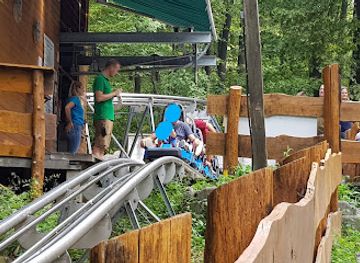
Mecsextrém Park
Experience the thrill of adventure at Mecsextrém Park in Pécs, Hungary. Enjoy rides, games, and local cuisine in a picturesque setting.
-
Tourist attraction
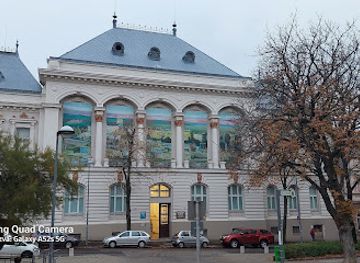
Csontváry Museum
Explore the Csontváry Museum in Pécs, a unique art museum showcasing the visionary works of Tivadar Csontváry Kosztka amidst Hungary's rich cultural heritage.
-
Tourist attraction
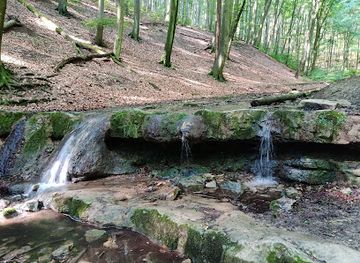
Ferde-vízesés/Tündér lépcső
Discover the stunning beauty of Ferde-vízesés/Tündér lépcső, a serene hiking trail in Hosszúhetény, perfect for nature lovers and adventure seekers.
-
Tourist attraction
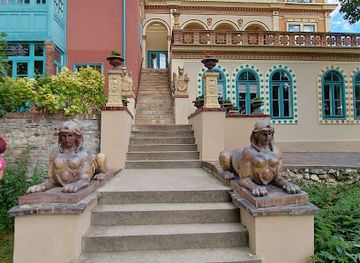
Zsolnay Porcelain Museum
Explore the rich heritage of Hungarian porcelain artistry at the Zsolnay Porcelain Museum in Pécs – a captivating journey through time and creativity.
Best landmarks in Mecsek Mountains
The defining natural landmark of the Mecsek is its wooded limestone highland, marked by the summits of Zengő and Misina, narrow valleys, springs and karst formations. The TV Tower on Misina is the most recognisable structure on the range and a prominent orientation point above Pécs. Abaliget Cave is an important geological landmark where soluble limestone has allowed underground passages to form, while the Orfű lakes create a conspicuous cultural landscape of water, woodland and recreation. Jakab-hegy adds geological and archaeological interest in the western Mecsek. At the southern foot of the mountains, Pécs's Early Christian Necropolis provides the area's major historic landmark, with fourth-century burial chambers surviving from Roman Sopianae. Together these places show how geology, woodland, urban history and modern recreation overlap around the mountain range.
-
Tourist attraction
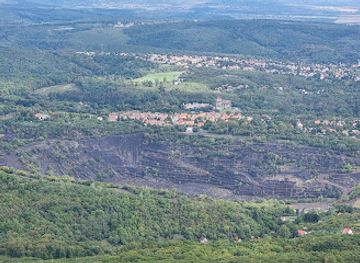
Pécs TV Tower
Explore the stunning Pécs TV Tower, Hungary's tallest building offering breathtaking views, modern architecture, and a slice of history.
-
Tourist attraction
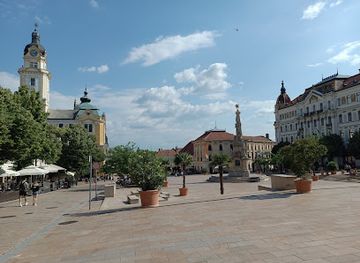
Széchenyi square
Discover the vibrant cultural heart of Pécs at Széchenyi Square, where stunning architecture and local charm await every traveler.
-
Art museum
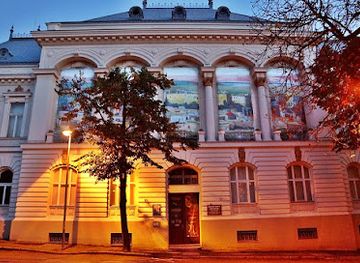
Csontváry Museum
Explore the Csontvári Museum in Pécs, Hungary, and immerse yourself in the vivid artistry of Tivadar Csontváry Kosztka.
-
Tourist attraction
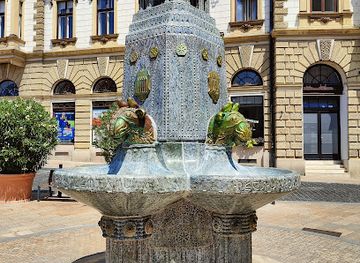
Zsolnay Fountain
Discover the enchanting Zsolnay Fountain in Pécs, a vibrant landmark blending art and history in a stunning urban oasis.
Explore Mecsek Mountains on the map
Plan your trip on one map. See where the top attractions, landmarks, restaurants and hotels are, and book hotels and experiences in a few clicks.
Best hotels in Mecsek Mountains
Best restaurants in Mecsek Mountains
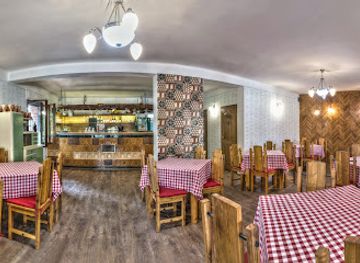
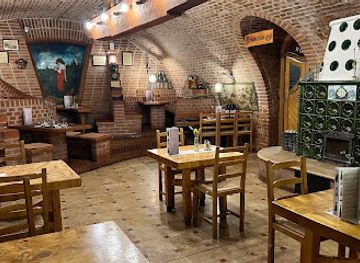
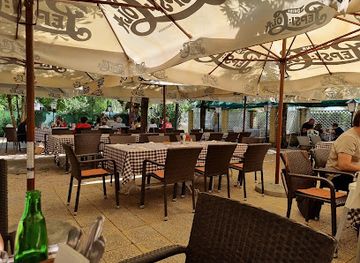
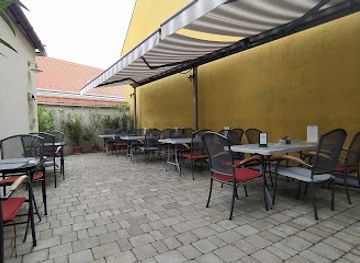
Dining is concentrated in Pécs and in the Mecsek's gateway settlements rather than deep in the forest. Pécs offers the widest choice, from cafés and bakeries to restaurants serving southern Transdanubian and broader Hungarian cooking, with dishes often shaped by paprika, seasonal produce, pork, freshwater fish and locally produced wine. Around Orfű and Abaliget, visitors may find restaurants, cafés and guesthouse kitchens aimed at walkers, lake visitors and holidaymakers, although choice can be more limited outside the main season. Rural inns and family-run establishments are useful places to encounter hearty regional meals, while markets and food shops in Pécs provide provisions for picnics. The city is also the practical place to look for specialist food shops and wine associated with the nearby Villány and Pécs wine regions, which lie beyond the Mecsek itself.
-
Restaurant
Csülök Bár étterem
Experience authentic Hungarian cuisine in Pécs at Csülök Bár – where tradition meets flavor in every dish.
-
Restaurant
Bagolyvár
Discover exquisite dining and serene stays at Bagolyvár in Pécs - where culinary tradition meets modern elegance.
-
Restaurant
Tettye Vendéglő étterem
Experience authentic Hungarian flavors at Tettye Vendéglő in Pécs – where tradition meets taste amidst stunning scenery.
-
Gastropub
Bohemia Sörkonyha
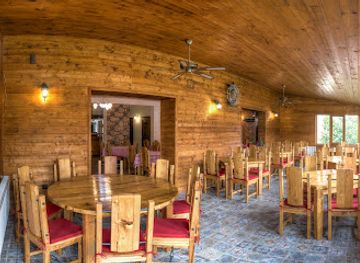
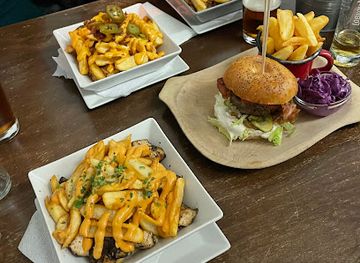
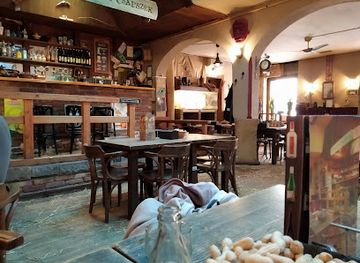
Discover Bohemia Sörkonyha: A premier gastropub in Pécs offering exquisite Czech cuisine and gourmet burgers in a cozy setting.
Best bars in Mecsek Mountains
The Mecsek is not a nightlife destination in the conventional sense. Evening options in the mountain villages generally centre on guesthouse dining, seasonal lakeside hospitality and traditional pubs rather than late-night clubs. Pécs, immediately south of the range, has the region's broadest evening scene, including cafés, wine bars, pubs and cultural venues around the historic centre and university areas. Visitors staying in Orfű, Abaliget or rural accommodation usually find a quieter atmosphere, with evenings shaped by meals, conversation and the surrounding landscape. Seasonal cultural and music events may add activity around Orfű, but programmes and venue availability change. Anyone planning a late return from Pécs should check transport carefully, as rural bus services do not provide the same flexibility as city connections.
-
Restaurant
Csülök Bár étterem
Experience authentic Hungarian dishes at Csülök Bár, a cozy restaurant in Pécs known for its flavorful cuisine and welcoming atmosphere.
-
Gastropub
Bohemia Sörkonyha
Experience the vibrant culinary scene at Bohemia Sörkonyha, a gastropub in Pécs serving delicious Czech and gourmet burgers in a lively atmosphere.
-
Restaurant
Korhely Étterem
Discover the heart of Hungarian cuisine at Korhely Étterem, a vibrant pub and restaurant in Pécs offering delicious dishes and a welcoming atmosphere.
-
Pub
Csinos Presszó
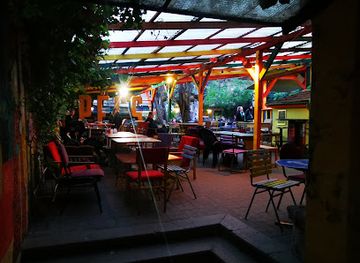
Discover the lively Csinos Presszó in Pécs, a charming pub offering local drinks, warm ambiance, and a taste of Hungarian culture.
Best nightclubs in Mecsek Mountains
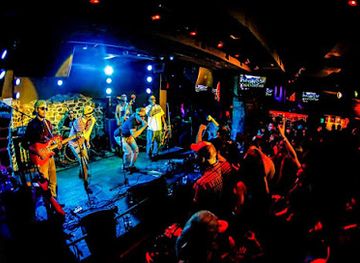
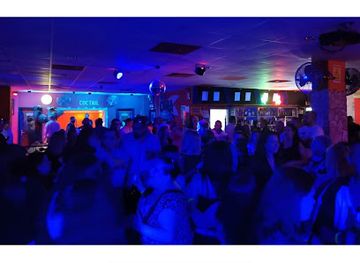
The Mecsek is not a nightlife destination in the conventional sense. Evening options in the mountain villages generally centre on guesthouse dining, seasonal lakeside hospitality and traditional pubs rather than late-night clubs. Pécs, immediately south of the range, has the region's broadest evening scene, including cafés, wine bars, pubs and cultural venues around the historic centre and university areas. Visitors staying in Orfű, Abaliget or rural accommodation usually find a quieter atmosphere, with evenings shaped by meals, conversation and the surrounding landscape. Seasonal cultural and music events may add activity around Orfű, but programmes and venue availability change. Anyone planning a late return from Pécs should check transport carefully, as rural bus services do not provide the same flexibility as city connections.
-
Night club
Pécsi Est
Dive into Pécs' nightlife at Pécsi Est, a lively nightclub offering great music, drinks, and a vibrant atmosphere for an unforgettable night out.
-
Night club
Kuba Eszpresszó & Club _ Official
Discover the vibrant nightlife of Pécs at Kuba Eszpresszó & Club—where live music and electrifying atmosphere meet.
-
Bar
Klub74
Discover the pulse of Pécs nightlife at Klub74, where music, dance, and fun come together for an unforgettable experience.
-
Bar
The Secret Bar
Experience the vibrant nightlife of Pécs at The Secret Bar, where unique cocktails and a cozy atmosphere await you.
Best shops in Mecsek Mountains
Shopping within the Mecsek is modest and practical, with the largest selection in Pécs rather than in the mountain interior. The city has food shops, bakeries, independent retailers, galleries and markets where visitors can look for Hungarian preserves, paprika products, regional wines, confectionery and locally made crafts. Orfű, Abaliget and other villages may provide basic provisions and seasonal products, while farm shops and small producers around the wider Baranya countryside offer opportunities to buy honey, fruit products and other regional foods when open. Visitors should not expect a continuous craft market or shopping district in the hills themselves. For outdoor equipment, a broader choice is available in Pécs, which is also the most reliable place to purchase supplies before a longer walk or a stay in a rural village.
-
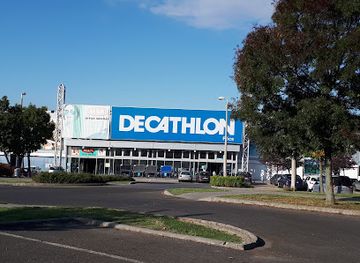
Sporting goods store
Decathlon
Explore the ultimate sporting goods store in Pécs, where quality meets affordability for all your outdoor adventures.
-
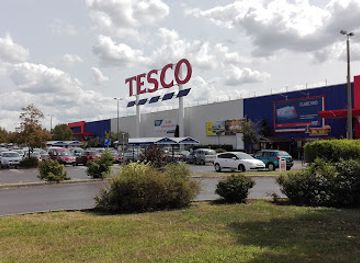
Supermarket
Tesco
Explore Tesco in Pécs for a convenient shopping experience that showcases local Hungarian products and everyday essentials.
-
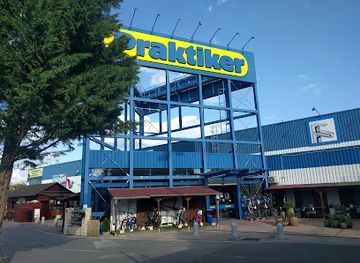
Do-it-yourself shop
Praktiker
Discover the ultimate DIY experience at Praktiker in Pécs, where home improvement dreams come to life with quality tools and expert advice.
-
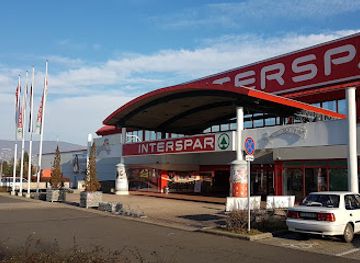
Hypermarket
Interspar
Experience the local flavor and vibrant atmosphere at Interspar Hypermarket in Pécs, a shopping haven for tourists and locals alike.
Get your free copy of our complete guide to Mecsek Mountains, delivered straight to you.
Everything on this page, from attractions and restaurants to essentials and local phrases, in one PDF you can read offline, print or share.
Already have an account? Sign in
Your Mecsek Mountains guide is ready.
We'll send it to · Not you? Sign out

Getting your guide ready…
We are putting together a fresh copy of the Mecsek Mountains guide. This can take up to a minute.
This can take a few moments. If your browser asks, choose Allow so the download can start. You'll find the guide in your Downloads folder.
Nothing happened? Download it again
Sorry, the guide is taking longer than usual. Please try again in a minute, or get it by email instead.
Mecsek Mountains essentials
Currency and Payment
Safety
Emergency Situations
Do's and Don'ts
Local Tips
From Eve
Local phrases worth knowing
You don't need to get them perfect. A few words go a long way, and locals appreciate the effort.
Basics
| English | Local | Say it |
|---|---|---|
| Hello | Helló | [heh-loh] |
| Goodbye | Viszlát | [vee-slaht] |
| Yes | Igen | [ee-gen] |
| No | Nem | [nem] |
| Please/You're welcome | Kérem | [keh-rem] |
| Thank you | Köszönöm | [kuhr-seh-nuhm] |
| Excuse me/Sorry | Elnézést | [el-nay-zayst] |
| How are you? | Hogy vagy? | [hohj vahdj] |
| Fine. And you? | Jól vagyok. És te? | [yohl vahdyohk. ays teh] |
| Do you speak English? | Beszélsz angolul? | [behs-ayls ahng-oh-lool] |
| I don't understand | Nem értem | [nem ayr-tem] |
Eating & Drinking
| English | Local | Say it |
|---|---|---|
| I'd like to see the menu, please | Szeretnék látni az étlapot, kérem | [seh-reht-nayk laht-nee ahz ayt-loh-pot, keh-rem] |
| I don't eat meat | Nem eszem húst | [nem eh-sem hoost] |
| Cheers! | Egészségedre! | [eh-geh-sheh-ged-reh] |
| I would like to pay, please | Fizetnék, kérem | [fee-zeht-nayk, keh-rem] |
Emergencies
| English | Local | Say it |
|---|---|---|
| Help! | Segítség! | [sheh-geet-sayg] |
| Go away! | Menj el! | [men yel] |
| Call the Police! | Hívj rendőrt! | [hee-vey ren-duhrt] |
| Call a doctor! | Hívj orvost! | [hee-vey or-vosht] |
| I'm lost | Elvesztem | [el-veh-stem] |
| I'm ill | Rokonságos | [roh-kohn-sha-gosh] |
Shopping
| English | Local | Say it |
|---|---|---|
| I'd like to buy... | Vásárolni szeretnék... | [vah-shah-rohl-nee se-reht-nayk] |
| I'm just looking | Csak nézelődöm | [chahk neh-zeh-loh-dohm] |
| How much is it? | Mennyibe kerül? | [men-yee-beh keh-rool] |
| That's too expensive | Túl drága | [tool drah-gah] |
| Can you lower the price? | Le tudnád adni az árat? | [leh too-dnaad ah-dnee ahz ah-raht] |
Time & Numbers
| English | Local | Say it |
|---|---|---|
| What time is it? | Mennyi az idő? | [men-yee ahz ee-doh] |
| It's one o'clock | Egy óra van | [ehj oh-rah vahn] |
| Half past (10) | Fél (tíz) van | [feyl tehz vahn] |
| Morning | Reggel | [rehg-gehl] |
| Afternoon | Délelőtt | [deh-leh-loht] |
| Evening | Este | [eh-shteh] |
| Yesterday | Tegnap | [teg-nahp] |
| Today | Ma | [mah] |
| Tomorrow | Holnap | [hol-nahp] |
| 1 | Egy | [ehj] |
| 2 | Kettő | [keh-tteh] |
| 3 | Három | [hah-rom] |
| 4 | Négy | [neyj] |
| 5 | Öt | [oht] |
| 6 | Hat | [haht] |
| 7 | Hét | [heyt] |
| 8 | Nyolc | [nyoltz] |
| 9 | Kilenc | [kee-lents] |
| 10 | Tíz | [teaz] |
Transport & Directions
| English | Local | Say it |
|---|---|---|
| Where's a/the...? | Hol van a... | [hol vahn ah] |
| What's the address? | Mi a cím? | [mee ah cheem] |
| Can you show me (on the map)? | Megmutatnád (a térképen)? | [mehg-moo-taht-naad ah tehr-keh-pehn] |
| When's the next (bus)? | Mikor jön a következő (busz)? | [mee-kor yohn ah kuh-veht-keh-zoh boos] |
| A ticket (to ....) | Egy jegyet (....-re) | [ehj yeh-gehht reh] |
History of Mecsek Mountains
A Limestone Mountain Landscape
The Mecsek is a geologically varied upland whose limestone bedrock has been shaped by erosion and underground water. Karst processes created caves, springs, sinkholes and rocky formations, while the range's ridges and valleys developed through long-term uplift and weathering. Coal-bearing strata also contributed to the region's industrial importance in later centuries. This geological background explains the contrast between wooded slopes, exposed rock and the water-rich landscape around Abaliget and Orfű.
Early Settlement and Roman Sopianae
Human settlement around the Mecsek is ancient, with prehistoric communities making use of the hills, valleys and surrounding fertile land. The Roman city of Sopianae occupied the site of modern Pécs south of the mountains and became a significant regional centre. Its Early Christian burial chambers, built mainly in the fourth century, survive as one of the area's most important archaeological legacies and are recognised by UNESCO. The Mecsek supplied timber, stone and other natural resources to the settlements below.
Medieval Pécs and Mecsek Communities
During the medieval period, Pécs developed as an ecclesiastical and cultural centre, while villages and estates around the Mecsek supported agriculture, forestry and local trade. The bishopric's influence shaped the city and its surrounding landscape, and routes across the hills connected settlements in southern Transdanubia. Turkish rule from the sixteenth century altered the region's political and religious life, followed by Habsburg-era resettlement and the gradual rebuilding of communities around Pécs and the mountain valleys.
Mining and Industrial Change
Coal mining became a defining part of the modern history of the Mecsek, particularly around Pécs and settlements on the southern side of the range. Industrial extraction expanded during the nineteenth and twentieth centuries and brought employment, infrastructure and population growth. Uranium mining was also undertaken near Pécs during the socialist period before operations ended in the 1990s. Although many workings have closed, mining remains part of local memory and helps explain the contrast between industrial outskirts and the forested interior.
Tourism and Conservation
Recreation in the Mecsek developed alongside Pécs's growth as a regional city, with forest paths, lookout points, excursion sites and holiday settlements attracting visitors to the hills. Orfű became associated with lake recreation, while caves and wooded uplands broadened the area's appeal. Modern land management balances walking, cycling, forestry, wildlife protection and the conservation of karst features. The Mecsek Landscape Protection Area reflects the importance of safeguarding habitats and geological features while allowing carefully managed public access.
Mecsek Mountains in Photos
Browse through our photo collection highlighting the charm and character of the destination.
Cities in Mecsek Mountains
The towns and cities of Mecsek Mountains, and the easiest places to base yourself.

Swipe for more cities
Neighbouring destination travel guides
The closest destinations to Mecsek Mountains, if you have time for more than one.
-

-

-

-

-


Swipe for more destinations
Explore more

Explore more of Mecsek
Discover the serene Mecsek Hills in Hungary, a perfect blend of natural beauty, rich history, and outdoor adventure, ideal for nature lovers and explorers alike.
Explore Mecsek
Explore more of Hungary
Discover Hungary: A land of historic cities, scenic landscapes, thermal baths, and rich culinary traditions in the heart of Europe.
Explore Hungary