

Balaton Uplands National Park, Hungary Travel Guide
Discover the tranquility and natural beauty of Balaton Uplands National Park, a hidden gem in Hungary offering scenic landscapes, rich biodiversity, and cultural heritage.
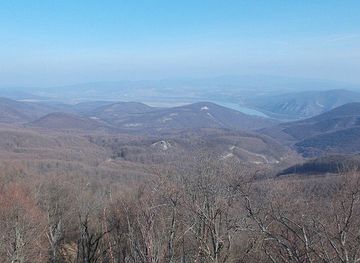
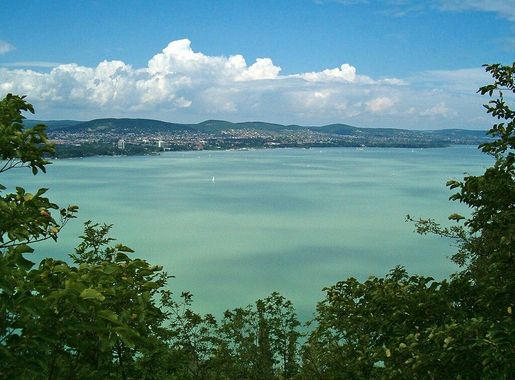
Balaton Uplands National Park is a breathtaking natural haven located in Hungary. Nestled on the northern shore of Lake Balaton, this park offers a unique blend of picturesque landscapes, historical sites, and diverse flora and fauna. With its rolling hills, charming villages, and serene lakes, the park is a paradise for nature lovers and outdoor enthusiasts. The park is home to many hiking and biking trails that wind through forests, vineyards, and ancient volcanic formations. These trails offer stunning views of the surrounding countryside and Lake Balaton. Visitors can also explore the park’s rich biodiversity, which includes rare plant species and a variety of wildlife such as deer, foxes, and numerous bird species. In addition to its natural beauty, Balaton Uplands National Park boasts several historical and cultural attractions. The Tihany Peninsula, with its famous Benedictine Abbey, offers a glimpse into the region's past. The charming villages within the park, such as Badacsony and Szigliget, are perfect for experiencing local culture and enjoying traditional Hungarian cuisine. Whether you're looking for adventure, relaxation, or a bit of both, Balaton Uplands National Park is a destination that promises unforgettable experiences.

Know before you go
Hi, I'm Eve. Here are a few practical things to know before exploring Balaton Uplands National Park.
- Visit during the spring or autumn for pleasant weather and fewer crowds.
- Rent a bike to explore the park’s extensive network of trails.
- Don't miss the Tihany Peninsula and its historical Benedictine Abbey.
- Try the local wines from the vineyards in the park.
- Bring binoculars for bird watching, as the park is home to many rare species.
Explore Balaton Uplands National Park: Things to Do, Places to Eat, Hotels & More
Handpicked recommendations for top attractions, local dining, accommodations, and more

Best attractions in Balaton Uplands National Park
Top-rated picks
Best Attractions

Festetics Palace
Explore the grandeur of Festetics Palace in Keszthely, a stunning Baroque castle that offers rich history, beautiful gardens, and fascinating museum exhibits.

Szigliget
Explore the enchanting Szigliget Castle overlooking Lake Balaton, where history and breathtaking views unite in Hungary's picturesque landscape.

Siofok Water Tower
Discover breathtaking panoramic views and rich history at the iconic Siofok Water Tower, a must-visit attraction in Hungary.

Kőhegyi Kilátó
Discover breathtaking views of Lake Balaton at Kőhegyi Kilátó, a scenic lookout that embodies the natural beauty of Hungary's premier lake region.

Best landmarks in Balaton Uplands National Park
Top-rated picks
Best Landmarks

Tapolcai-tavasbarlang Látogatóközpont
Discover the unique underground beauty of Tapolca Cave Lake, a stunning natural attraction perfect for nature lovers and adventure seekers.

Festetics Palace
Discover the grandeur of Festetics Palace, a stunning Baroque masterpiece in Keszthely, rich in history and surrounded by beautiful gardens.

Szigliget
Explore the historical wonders of Szigliget Fortress, a captivating castle overlooking the stunning Lake Balaton in Hungary.

Siofok Water Tower
Experience breathtaking views of Lake Balaton at Siófok Water Tower, a stunning observation deck and cultural landmark in Hungary.

Best restaurants in Balaton Uplands National Park
Top-rated picks
Best Restaurants

Balaton Uplands National Park
Discover the enchanting landscapes and rich biodiversity at Balaton Uplands National Park - a true natural gem in Hungary.

Borcsa Étterem
Experience the best of Hungarian cuisine with stunning lake views at Borcsa Étterem in Balatonfüred.

Carolina Cafe and Cocktail Bar
Discover Carolina Cafe & Cocktail Bar in Balatonfüred – where exquisite drinks meet elegant ambiance amidst stunning lakeside views.

Kistücsök Food&Room
Discover Kistücsök Food&Room - where exquisite Hungarian flavors meet stunning lakeside views in Balatonszemes.

Best bars in Balaton Uplands National Park
Top-rated picks
Best Bars

Borcsa Étterem
Experience authentic Hungarian cuisine at Borcsa Étterem, a culinary delight in scenic Balatonfüred, perfect for every food lover.

Rumpus Tiki Bar
Discover Rumpus Tiki Bar: a tropical cocktail haven in Budapest offering vibrant drinks and a lively atmosphere for an unforgettable night.

Ruin Bars Budapest
Discover the eclectic charm and vibrant nightlife of Budapest's Ruin Bars, where history meets creativity in every drink and decor.

Kistücsök Food&Room
Discover the culinary delights of Kistücsök Food&Room, an idyllic restaurant and hotel near the enchanting shores of Lake Balaton.

Best nightclubs in Balaton Uplands National Park
Top-rated picks
Best Nightclubs

Renegade PUB and Restaurant
Discover the ultimate nightlife experience at Renegade Pub and Restaurant in Siófok, where great food meets electrifying disco vibes!

Hungarian Sea Disco
Dive into the vibrant nightlife of Vonyarcvashegy at Hungarian Sea Disco, where music and dancing create unforgettable memories.

Club Helka
Experience the vibrant nightlife of Balatonfüred at Club Helka, where modern decor meets energetic music for an unforgettable night out.

Pub Daddy
Discover the electrifying nightlife at Pub Daddy in Siófok: a club, bar, and disco that promises unforgettable nights of fun and entertainment.

Best shops in Balaton Uplands National Park
Top-rated picks
Best Shops

Balaton Plaza
Explore Balaton Plaza in Veszprém: A vibrant shopping mall with diverse stores, dining options, and a lively atmosphere perfect for tourists.

Penny Market
Experience the essence of Hungary at Penny Market, your go-to grocery store in Balatonfüred for local products and fresh ingredients.

Föveny ABC
Experience Hungarian culture at Föveny ABC, a charming general store in Balatonudvari offering local products and a friendly atmosphere.

Lavender Shop Tihany
Discover the enchanting Lavender Shop Tihany, where the beauty of lavender meets exquisite craftsmanship in a charming Hungarian town.

Explore Balaton Uplands National Park on the Map
A handpicked selection of must-see spots in Balaton Uplands National Park, mapped for you.
Balaton Uplands National Park Essentials
-
Balaton Uplands National Park is located in the Veszprém and Zala counties of Hungary, near Lake Balaton. The nearest international airport is Budapest Ferenc Liszt International Airport (BUD), which is approximately 150 kilometers away. From Budapest, you can take a train to Balatonfüred or Tapolca, which are the closest towns to the park. The train journey takes around 2 to 3 hours. Alternatively, you can rent a car and drive to the park, which takes about 1.5 to 2 hours via the M7 motorway.
-
Within Balaton Uplands National Park, the best way to explore is by car or bicycle. Car rentals are available in Budapest and major towns around Lake Balaton. Local buses also connect the towns and villages within the park, but they might not reach all remote areas. For a more eco-friendly option, consider renting a bicycle; there are well-marked cycling routes that offer scenic views of the park. Taxis are available but can be expensive for longer distances.
-
The official currency in Hungary is the Hungarian Forint (HUF). Credit cards are widely accepted in hotels, restaurants, and larger shops, but it's advisable to carry some cash, especially in smaller villages and rural areas. ATMs are available in towns around the park, such as Balatonfüred and Tapolca. It's a good idea to withdraw sufficient cash before venturing into more remote areas of the park.
-
Balaton Uplands National Park is generally a safe destination for tourists. However, standard precautions should be taken. Avoid leaving valuables unattended and be cautious in crowded places, especially during peak tourist season. There are no specific high-crime areas targeting tourists, but it's always wise to stay vigilant and aware of your surroundings. Stick to well-marked trails when hiking to avoid getting lost.
-
In case of emergency, dial 112, the general emergency number in Hungary. There are medical facilities in towns like Balatonfüred and Tapolca. It's recommended to have travel insurance that covers medical emergencies. For minor health issues, pharmacies are available in the towns surrounding the park. Always carry a basic first aid kit if you plan to hike or engage in outdoor activities.
-
Fashion: Do wear comfortable and practical clothing suitable for outdoor activities. Avoid wearing overly revealing clothing in villages and religious sites. Religion: Do respect local customs and traditions. When visiting churches or religious sites, dress modestly and cover your shoulders. Public Transport: Do be respectful and give up your seat to elderly passengers. Don't eat or drink on public transport. Greetings: Do greet people with a handshake or a nod. A friendly 'Jó napot' (Good day) goes a long way. Eating & Drinking: Do try local dishes and wines. Don't refuse hospitality; it's considered impolite.
-
To experience Balaton Uplands National Park like a local, visit the farmers' markets in towns such as Balatonfüred and Tapolca for fresh produce and local delicacies. Engage with locals, who are often friendly and willing to share stories about their traditions and the park's history. Don't miss the opportunity to taste local wines from the Balaton wine region. For a unique experience, explore the lesser-known trails and hidden spots like the Káli Basin or the Tihany Peninsula. Renting a kayak or paddleboard to explore the serene waters of Lake Balaton is also highly recommended.
When is the best time to visit Balaton Uplands National Park?
Useful Local Phrases for Balaton Uplands National Park
You don't need to speak the language perfectly. Even learning a few simple words can make conversations warmer—and locals usually appreciate the effort.
— Eve

Here are the phrases I use most often in Balaton Uplands National Park. Try a few—you'll be surprised how far they go! 😊
❤️
-
- HelloHelló
[heh-loh] - GoodbyeViszontlátásra
[vee-son-tla-taash-ra] - YesIgen
[ee-gen] - NoNem
[nem] - Please/You're welcomeKérem
[keh-rem] - Thank youKöszönöm
[koo-suh-noem] - Excuse me/SorryElnézést
[el-neh-zesht] - How are you?Hogy vagy?
[hohd-ge vahdj] - Fine. And you?Jól vagyok. És te?
[yohl vah-djohk. ays teh] - Do you speak English?Beszélsz angolul?
[bes-ayl-s ang-oh-lool] - I don't understandNem értem
[nem air-tem]
- HelloHelló
-
- I'd like to see the menu, pleaseSzeretnék megnézni az étlapot, kérem
[seh-reht-nayk meh-nyeiz-nee az eht-la-poht, keh-rem] - I don't eat meatNem eszem húst
[nem eh-sem hoosht] - Cheers!Egészségére!
[eh-geh-zshe-geh-reh] - I would like to pay, pleaseFizetnék, kérem
[fee-zeht-nayk, keh-rem]
- I'd like to see the menu, pleaseSzeretnék megnézni az étlapot, kérem
-
- Help!Segítség!
[she-geet-sayg] - Go away!Menj el!
[men yel] - Call the Police!Hívj rendőrt!
[heev rend-oert] - Call a doctor!Hívj orvost!
[heev or-vosht] - I'm lostEl vagyok tévedve
[el vah-djok teh-veh-dveh] - I'm illBeteg vagyok
[beh-tehg vah-djok]
- Help!Segítség!
-
- I'd like to buy...Szeretnék venni...
[seh-reht-nayk vehn-nee] - I'm just lookingCsak nézelődöm
[chahk neh-zeh-loh-dohm] - How much is it?Mennyibe kerül?
[men-yee-beh keh-rool] - That's too expensiveEz túl drága
[ez tool draa-gah] - Can you lower the price?Le tudnád engedni az árat?
[leh too-dnaad eng-ehd-nee az ah-raht]
- I'd like to buy...Szeretnék venni...
-
- What time is it?Mennyi az idő?
[men-yee az ee-doh] - It's one o'clockEgy óra van
[edj oh-rah vahn] - Half past (10)Fél 10
[fayl tiz] - MorningReggel
[rehg-gehl] - AfternoonDélután
[dehl-oo-tahn] - EveningEste
[eh-shteh] - YesterdayTegnap
[teg-nahp] - TodayMa
[mah] - TomorrowHolnap
[hol-nahp] - 1Egy
[edj] - 2Kettő
[ket-toh] - 3Három
[haa-rom] - 4Négy
[nehj] - 5Öt
[oet] - 6Hat
[haht] - 7Hét
[hayt] - 8Nyolc
[nyolts] - 9Kilenc
[kee-lents] - 10Tíz
[teeez]
- What time is it?Mennyi az idő?
-
- Where's a/the...?Hol van a ...?
[hol vahn ah] - What's the address?Mi a cím?
[mee ah cheem] - Can you show me (on the map)?Megmutatnád nekem (a térképen)?
[mehg-moo-taht-naad neh-kehm ah tair-kay-pehn] - When's the next (bus)?Mikor jön a következő (busz)?
[mee-kor yern ah kuh-veht-keh-zoh boos] - A ticket (to ....)Egy jegyet (....-ig)
[edj ye-ghet eeg]
- Where's a/the...?Hol van a ...?
History of Balaton Uplands National Park
-
The Balaton Uplands have been inhabited since prehistoric times. Archaeological evidence shows that Neolithic people settled in the area, attracted by the fertile soil and abundant resources. Artifacts such as pottery, tools, and remnants of ancient dwellings provide insight into the lives of these early inhabitants.
-
During the Roman era, the Balaton Uplands were part of the province of Pannonia. The Romans built roads, fortifications, and villas, some of which can still be seen today. The area served as an important trade route and a retreat for Roman nobility. Roman ruins, including bathhouses and mosaics, offer glimpses into this period of prosperity and cultural exchange.
-
The Middle Ages saw the construction of numerous castles and fortresses in the Balaton Uplands. These structures served to protect the region from invasions and played a crucial role during the wars and conflicts of the time. Notable examples include the castles of Szigliget and Tátika, which stand as testament to the region's strategic importance and turbulent history.
-
The 16th and 17th centuries were marked by Ottoman incursions and occupation. Many of the castles and fortresses were either destroyed or fell into disrepair during this period. The Ottoman influence is still evident in the region's architecture and cultural heritage, with some structures being rebuilt or repurposed in the following centuries.
-
The Balaton Uplands were significantly affected by the Reformation and the resulting religious conflicts. Protestantism gained a strong foothold in the region, leading to the construction of new churches and the transformation of existing ones. The religious turmoil also brought about changes in the social and cultural fabric of the area.
-
The 18th and 19th centuries were a time of transformation for the Balaton Uplands. The region saw the development of viticulture and the establishment of vineyards, which became a cornerstone of the local economy. The construction of manors and estates by the Hungarian nobility added to the cultural landscape, while the development of thermal baths and resorts began to attract visitors seeking leisure and health benefits.
-
World War II brought significant challenges to the Balaton Uplands, with battles and military operations affecting the area. After the war, the region underwent reconstruction and modernization. The establishment of Balaton Uplands National Park in 1997 was a pivotal moment, marking a commitment to preserving the natural and cultural heritage of this unique landscape.
-
Today, Balaton Uplands National Park is a protected area that showcases the region's rich biodiversity and cultural history. Conservation efforts focus on maintaining the delicate balance between human activity and natural preservation. The park offers educational programs, guided tours, and various recreational activities, allowing visitors to explore and appreciate the historical and cultural significance of the Balaton Uplands.
Cities in Balaton Uplands National Park
Browse our curated selection of top destinations, scenic points, and must-visit spots in the area.

Neighbouring destination travel guides
Browse our curated selection of top destinations, scenic points, and must-visit spots in the area.




Your all‑in‑one travel companion app
Explore expert travel guides, compare and book tours, experiences, hotels, and more—all from the palm of your hand. Download now for seamless trip planning wherever your wanderlust takes you.


Explore More of Transdanubia

Looking beyond Balaton Uplands National Park? Discover Transdanubia for broader travel guides, local hot-spots, and regional highlights.
Explore TransdanubiaExplore More of Hungary

Looking beyond Balaton Uplands National Park? Discover Hungary for broader travel guides, local hot-spots, and regional highlights.
Explore HungaryBalaton Uplands National Park in Photos
Browse through our photo collection highlighting the charm and character of the destination.



Balaton Uplands National Park: Hungary's Hidden Gem
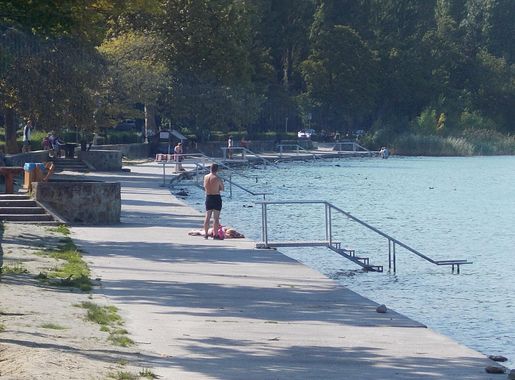
Balaton Uplands National Park is a breathtaking natural haven located in Hungary. Nestled on the northern shore of Lake Balaton, this park offers a unique blend of picturesque landscapes, historical sites, and diverse flora and fauna. With its rolling hills, charming villages, and serene lakes, the park is a paradise for nature lovers and outdoor enthusiasts. The park is home to many hiking and biking trails that wind through forests, vineyards, and ancient volcanic formations. These trails offer stunning views of the surrounding countryside and Lake Balaton. Visitors can also explore the park’s rich biodiversity, which includes rare plant species and a variety of wildlife such as deer, foxes, and numerous bird species. In addition to its natural beauty, Balaton Uplands National Park boasts several historical and cultural attractions. The Tihany Peninsula, with its famous Benedictine Abbey, offers a glimpse into the region's past. The charming villages within the park, such as Badacsony and Szigliget, are perfect for experiencing local culture and enjoying traditional Hungarian cuisine. Whether you're looking for adventure, relaxation, or a bit of both, Balaton Uplands National Park is a destination that promises unforgettable experiences.