

Palić Lake Travel Guide - Free Web & App
Your ultimate guide to Palić Lake. Discover top landmarks, proposed trips, and local tips. Free on the web or via the Evendo companion app.


Palić Lake in Serbia combines lakeside walks, historic Secession architecture, seasonal bathing, wildlife and easy access to Subotica and northern Vojvodina.
Lake, Park and Pannonian Landscape
\n\nPalić Lake lies in Serbia’s northern Vojvodina province, close to the Hungarian border and approximately eight kilometres from Subotica. The shallow, elongated lake is the centre of a resort landscape shaped by water, woodland, open lawns and broad promenades. Its shores are less mountainous or dramatic than Serbia’s southern landscapes; instead, Palić offers the spacious horizons, gently undulating terrain and continental atmosphere characteristic of the Pannonian plain. The lake and its surrounding park are best explored at an unhurried pace, with walking and cycling routes linking the waterfront, bathing areas, gardens and architectural landmarks.\n\nA Resort with Architectural Character
\n\nPalić developed as a leisure and bathing resort during the nineteenth century, and its most distinctive visual legacy dates from the early twentieth century. Decorative buildings in the Hungarian Secession style, including the Water Tower, Grand Terrace, Music Pavilion and lakeside villas, give the resort a coherent historic identity. The architecture reflects Palić’s position within the former Austro-Hungarian cultural sphere and contrasts with the more urban character of nearby Subotica, whose own city centre is known for richly ornamented Art Nouveau buildings.\n\nLeisure, Wildlife and Local Flavours
\n\nVisitors come to Palić for lakeside walks, seasonal swimming, cycling, birdwatching and relaxed outdoor time rather than for strenuous adventure. Palić Zoo occupies a landscaped area near the lake, while the surrounding Bačka region is associated with vineyards, paprika, freshwater and river fish, and the mixed culinary traditions of Vojvodina. Subotica provides the broadest choice of museums, restaurants, transport connections and accommodation, while Palić itself offers a quieter resort base beside the water. Lake conditions, bathing access and facilities vary by season, so the area rewards flexible planning.When is the best time to visit Palić Lake?
Best: May, August–September · 24–30°C| Month | High (°C) | Rainfall (mm) |
|---|---|---|
| January | 5 | 39 |
| February | 7 | 38 |
| March | 12 | 42 |
| April | 18 | 51 |
| May (best) | 24 | 70 |
| June | 29 | 85 |
| July | 30 | 66 |
| August (best) | 30 | 61 |
| September (best) | 25 | 50 |
| October | 19 | 57 |
| November | 12 | 51 |
| December | 7 | 43 |
Getting to and around Palić Lake
How to get there
Transportation
Best attractions in Palić Lake
Palić Lake is the destination’s central attraction, offering a broad waterside setting for walking, cycling, seasonal bathing and birdwatching. The surrounding park leads to the historic resort quarter, where the Water Tower, Grand Terrace, Music Pavilion and lakeside villas illustrate the area’s early twentieth-century Secession architecture. Palić Zoo, set within landscaped grounds near the lake, provides a family-oriented wildlife attraction, while the shoreline’s promenades and bathing areas create contrasting spaces for recreation and quiet observation. The resort is compact enough to explore at leisure, but the wider experience extends into the flat vineyards, farms and villages of northern Bačka. Nearby Subotica adds museums, galleries and a notable Art Nouveau townscape, although it is a separate urban destination rather than part of Palić Lake itself. Visitors interested in nature should look beyond the busiest waterfront areas, where the lake’s shallow waters, reed margins and open surroundings support seasonal birdlife and reveal the environmental character of the Pannonian plain.
-
Tourist attraction
Plaža Palić
Experience the natural beauty and tranquility of Plaža Palić, a serene lakeside retreat in Serbia perfect for relaxation and recreation.
-
Tourist attraction
Vidikovac
Experience breathtaking views and serene tranquility at Vidikovac, a picturesque tourist attraction in Palić, perfect for relaxation and nature lovers.
Best landmarks in Palić Lake
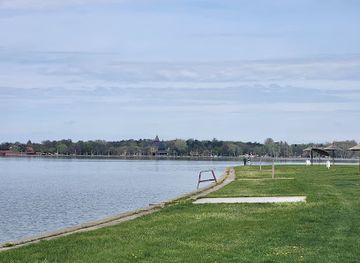
The defining natural landmark is Palić Lake itself, a shallow body of water whose open horizon and reed-fringed margins establish the character of the resort. Around its northern and western shores, the Water Tower forms a recognisable gateway, while the Grand Terrace, Music Pavilion and historic lakeside villas express the decorative Secession style that shaped Palić’s modern resort identity. These buildings are significant not only as individual structures but also as parts of a planned leisure landscape of promenades, lawns and gardens. Palić Zoo is another established point of interest, occupying landscaped grounds close to the lake. The nearby Subotica Town Hall and other city-centre buildings are important regional landmarks, though they stand outside Palić itself. Together, the lake, park and resort architecture show how a modest Pannonian water landscape was transformed into a cultural and recreational destination.
-
Reservoir
Palic Lake
Experience the serene beauty of Palic Lake, Serbia's premier reservoir, offering outdoor activities, cultural experiences, and breathtaking landscapes.
-
Historical landmark
Men’s Lido
Experience the serene beauty and historical significance of Men's Lido, a captivating landmark by Palić Lake, perfect for leisure and exploration.
-
Aquatic centre
Aqua Park Palić
Discover the ultimate aquatic adventure at Aqua Park Palić, where fun meets relaxation in the scenic beauty of Palić.


Explore Palić Lake on the map
Plan your trip on one map. See where the top attractions, landmarks, restaurants and hotels are, and book hotels and experiences in a few clicks.
Best hotels in Palić Lake
Best restaurants in Palić Lake
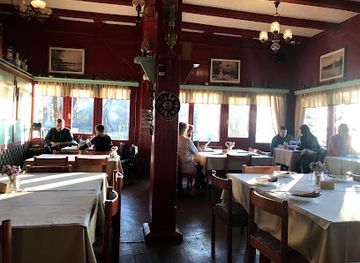
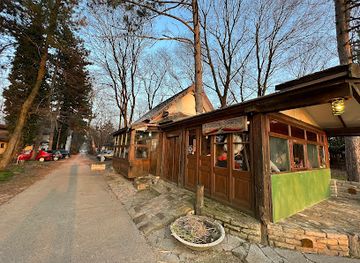
Dining around Palić Lake is concentrated in the resort area and is complemented by the much broader choice available in Subotica. Regional cooking reflects Vojvodina’s mixed Central European heritage, with dishes and ingredients shaped by Serbian, Hungarian and other local traditions. Menus may feature paprika-seasoned stews, grilled meats, freshwater fish, soups, savoury pastries and seasonal produce, while nearby wine-growing areas contribute local wines to the regional table. Lakeside restaurants, cafés and hotel dining rooms are suited to relaxed meals near the water, whereas Subotica offers more variety for visitors seeking contemporary cooking, bakeries and traditional restaurants. In villages and rural areas, opening days and service can be less predictable than in the main towns, so carrying a snack is sensible on longer cycling excursions. Travellers with dietary requirements should explain them clearly, as recipes and menus vary between establishments.
-
Restaurant
Kapetanski Rit
Discover Kapetanski Rit: A culinary gem on Palić Lake blending Serbian tradition with fresh seafood delights.
-
Fish & Chips
Paprika čarda
Experience authentic fish & chips at Paprika Čarda in Palić – where flavor meets tradition in every bite.
-
Pizza
Yachting club
Discover Palić's Yachting Club: A serene lakeside haven serving delicious pizza amidst stunning natural beauty.
Best bars in Palić Lake
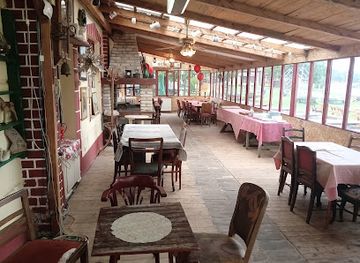
Palić’s evening life is based on lakeside cafés, hotel restaurants, seasonal terraces and traditional hospitality rather than a concentrated nightclub scene. During warmer months, the waterfront can remain sociable after sunset, with visitors dining, walking or meeting for drinks near the resort buildings. Cultural programming may add concerts or events at particular times, but availability is seasonal and should be checked locally. Subotica, a short distance away, provides a wider range of cafés, pubs and evening venues, although its nightlife belongs to the city rather than to the lake resort. Quiet evenings are one of Palić’s characteristic pleasures: the park, illuminated historic architecture and open shoreline offer a gentler alternative to late-night entertainment, while rural wineries and village establishments in the surrounding region may provide a more local atmosphere when operating.
-
Cafe
Terasa
Discover Terasa, a lakeside cafe in Palić offering delicious drinks and light bites amidst stunning views and a relaxing atmosphere.
-
Restaurant
Kapetanski Rit
Experience the best of Serbian cuisine at Kapetanski Rit, where fresh seafood and stunning lake views create an unforgettable dining experience.
-
Fish & Chips
Paprika čarda
Experience the best Fish & Chips at Paprika Čarda, a charming restaurant in Palić known for its fresh ingredients and stunning views.
-
Cafe
Caffe Plaža bar Palić
Discover tranquility at Caffe Plaža bar Palić, where serene lakeside views meet delightful local flavors in a cozy cafe atmosphere.


Best nightclubs in Palić Lake
Palić’s evening life is based on lakeside cafés, hotel restaurants, seasonal terraces and traditional hospitality rather than a concentrated nightclub scene. During warmer months, the waterfront can remain sociable after sunset, with visitors dining, walking or meeting for drinks near the resort buildings. Cultural programming may add concerts or events at particular times, but availability is seasonal and should be checked locally. Subotica, a short distance away, provides a wider range of cafés, pubs and evening venues, although its nightlife belongs to the city rather than to the lake resort. Quiet evenings are one of Palić’s characteristic pleasures: the park, illuminated historic architecture and open shoreline offer a gentler alternative to late-night entertainment, while rural wineries and village establishments in the surrounding region may provide a more local atmosphere when operating.
-
Bar
Caffe bar Chill
Discover the serene charm of Caffe Bar Chill in Palić, where relaxation meets delightful refreshments amid picturesque surroundings.
-
Bar
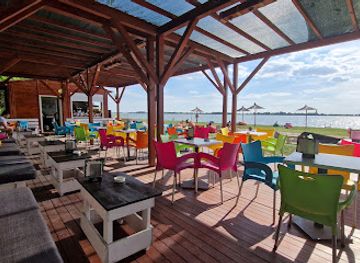
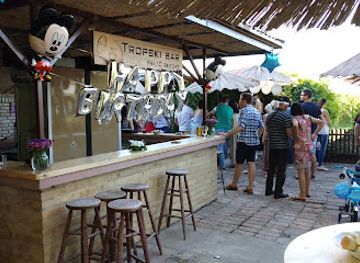
Tropski bar Palić
Discover the vibrant atmosphere of Tropski Bar Palić, where tropical vibes meet refreshing drinks in a picturesque lakeside setting.
-
Night club
Ribolovački dom
Discover the vibrant nightlife of Subotica at Ribolovački dom, a premier night club offering music, dance, and unforgettable experiences.
-
Rock music club
Jammel a ház
Discover the electrifying atmosphere of Jammel a ház, a premier rock music club in Palić, where live performances ignite the night with vibrant energy.
Best shops in Palić Lake
Shopping in Palić is modest and centred on practical resort needs, small food outlets and seasonal visitor purchases rather than a large retail district. The more substantial choice is in Subotica, where visitors can find supermarkets, independent shops, bakeries, markets and retailers serving the wider region. Regional products associated with northern Vojvodina include paprika, preserves, honey, seasonal fruit, wine and other farm-produced foods, although selection varies between shops and markets. Local craft and art items may also appear through cultural events or small businesses, but permanent specialist retail should not be assumed at the lake. Visitors travelling by bicycle or public transport may find it easier to buy provisions in Subotica or the main Palić resort area before heading into the surrounding countryside. Traditional market shopping can offer a more direct sense of local life than souvenir-focused retail, particularly when seasonal produce is available.
-
Ice Cream
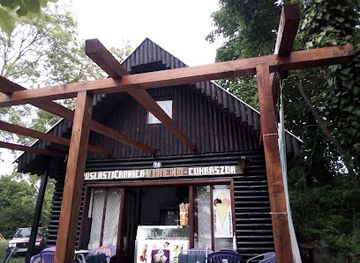
Vikend Poslasticarnica
Experience the best ice cream in Palić at Vikend Poslasticarnica, where every scoop brings joy and delight to your taste buds.
Get your free copy of our complete guide to Palić Lake, delivered straight to you.
Everything on this page, from attractions and restaurants to essentials and local phrases, in one PDF you can read offline, print or share.
Already have an account? Sign in
Your Palić Lake guide is ready.
We'll send it to · Not you? Sign out

Getting your guide ready…
We are putting together a fresh copy of the Palić Lake guide. This can take up to a minute.
This can take a few moments. If your browser asks, choose Allow so the download can start. You'll find the guide in your Downloads folder.
Nothing happened? Download it again
Sorry, the guide is taking longer than usual. Please try again in a minute, or get it by email instead.
Palić Lake essentials
Currency and Payment
Safety
Emergency Situations
Do's and Don'ts
Local Tips
From Eve
Local phrases worth knowing
You don't need to get them perfect. A few words go a long way, and locals appreciate the effort.
Basics
| English | Local | Say it |
|---|---|---|
| Hello | Zdravo | [Zdrah-voh] |
| Goodbye | Doviđenja | [Doh-vee-jen-ya] |
| Yes | Da | [Dah] |
| No | Ne | [Neh] |
| Please/You're welcome | Molim | [Moh-leem] |
| Thank you | Hvala | [Hvah-lah] |
| Excuse me/Sorry | Izvinite | [Eez-vee-nee-teh] |
| How are you? | Kako si? | [Kah-koh see?] |
| Fine. And you? | Dobro. A ti? | [Doh-bro. Ah tee?] |
| Do you speak English? | Govorite li engleski? | [Goh-voh-ree-teh lee ehn-glehs-kee?] |
| I don't understand | Ne razumem | [Neh rah-zoo-mehm] |
Eating & Drinking
| English | Local | Say it |
|---|---|---|
| I'd like to see the menu, please | Molio bih jelovnik, molim | [Moh-lee-oh beeh ye-lohv-neek, moh-leem] |
| I don't eat meat | Ne jedem meso | [Neh yeh-dehm meh-soh] |
| Cheers! | Živeli! | [Zhee-veh-lee] |
| I would like to pay, please | Želeo bih da platim, molim | [Zheh-leh-oh beeh dah plah-teem, moh-leem] |
Emergencies
| English | Local | Say it |
|---|---|---|
| Help! | Upomoć! | [Oo-poh-moh-ch] |
| Go away! | Idi odavde! | [Ee-dee oh-dahv-deh] |
| Call the Police! | Pozovite policiju! | [Poh-zoh-vee-teh poh-lee-tsee-yoo] |
| Call a doctor! | Pozovite lekara! | [Poh-zoh-vee-teh leh-kah-rah] |
| I'm lost | Izgubio sam se | [Eez-goo-byoh sahm seh] |
| I'm ill | Bolestan sam | [Boh-leh-stahn sahm] |
Shopping
| English | Local | Say it |
|---|---|---|
| I'd like to buy... | Hteo bih da kupim... | [Hteh-oh beeh dah koo-peem...] |
| I'm just looking | Samo gledam | [Sah-moh gleh-dahm] |
| How much is it? | Koliko košta? | [Koh-lee-koh koh-shta?] |
| That's too expensive | To je previše skupo | [Toh yeh preh-vee-sheh skoo-poh] |
| Can you lower the price? | Možete li spustiti cenu? | [Moh-zheh-teh lee spoos-tee-tee tseh-noo?] |
Time & Numbers
| English | Local | Say it |
|---|---|---|
| What time is it? | Koliko je sati? | [Koh-lee-koh yeh sah-tee?] |
| It's one o'clock | Jedan je sat | [Yeh-dahn yeh saht] |
| Half past (10) | Pola (deset) | [Poh-lah (deh-seht)] |
| Morning | Jutro | [Yoo-troh] |
| Afternoon | Popodne | [Poh-pohd-neh] |
| Evening | Veče | [Veh-cheh] |
| Yesterday | Juče | [Yoo-cheh] |
| Today | Danas | [Dah-nahs] |
| Tomorrow | Sutra | [Soo-trah] |
| 1 | Jedan | [Yeh-dahn] |
| 2 | Dva | [Dvah] |
| 3 | Tri | [Tree] |
| 4 | Četiri | [Cheh-tee-ree] |
| 5 | Pet | [Peh-t] |
| 6 | Šest | [Shehst] |
| 7 | Sedam | [Seh-dahm] |
| 8 | Osam | [Oh-sahm] |
| 9 | Devet | [Deh-veht] |
| 10 | Deset | [Deh-seht] |
Transport & Directions
| English | Local | Say it |
|---|---|---|
| Where's a/the...? | Gde je... | [Gdeh yeh...] |
| What's the address? | Koja je adresa? | [Koh-yah yeh ah-deh-sah?] |
| Can you show me (on the map)? | Možete li da mi pokažete (na mapi)? | [Moh-zheh-teh lee dah mee poh-kah-zheh-teh (nah mah-pee)?] |
| When's the next (bus)? | Kada je sledeći (autobus)? | [Kah-dah yeh sleh-deh-chee (ow-toh-boos)?] |
| A ticket (to ....) | Jednu kartu (za ...) | [Yehd-noo kahr-too (zah ...)] |
History of Palić Lake
A Lake on the Pannonian Plain
Palić Lake belongs to the low, open landscape of northern Bačka, where shallow waters and wetlands have long been closely connected with settlement, agriculture and transport across the Pannonian plain. The lake’s relatively modest depth and enclosed character have made water quality and environmental management recurring concerns. Rather than being a mountain or river destination, Palić developed through its relationship with a broad agricultural region and the nearby urban centre of Subotica.
Early Settlement and Local Traditions
The wider Palić and Subotica area was shaped by the settlement history of the southern Pannonian plain, including Hungarian, Serbian and other Central European communities. Agriculture, livestock keeping and trading towns formed the economic background to the lakeside settlement. Local traditions reflect this mixed Vojvodina heritage, visible in regional food, wine production, language communities and the architectural culture that developed under Habsburg and later Austro-Hungarian administration.
The Nineteenth-Century Bathing Resort
Palić became increasingly known as a health and leisure destination during the nineteenth century, when bathing resorts and promenades were fashionable across Central Europe. The lake attracted visitors from Subotica and the wider region, and facilities gradually developed around the shore. Resort life brought a new emphasis on recreation, public gardens, accommodation and organised social activity, transforming Palić from a rural lakeside setting into a recognised destination for seasonal visitors.
Secession Architecture and Resort Modernisation
The most recognisable architectural phase came in the early twentieth century, when new resort buildings were designed in the Secession style associated with the cultural world of Hungary and the wider Austro-Hungarian region. The Water Tower served as a symbolic entrance, while the Grand Terrace, Music Pavilion and other lakeside structures created a carefully composed public resort landscape. Their ornament, geometry and use of regional decorative motifs remain central to Palić’s identity.
Conservation, Recreation and Renewal
During the twentieth and twenty-first centuries, Palić continued to function as a recreational centre while facing the environmental pressures common to shallow lakes near intensively used agricultural and urban areas. Water management, shoreline maintenance and habitat protection have therefore accompanied tourism development. Today the lake, park and historic resort buildings are experienced together: visitors encounter a cultural landscape in which leisure infrastructure, wildlife habitats and the legacy of a Central European bathing resort remain closely interwoven.
Palić Lake in Photos
Browse through our photo collection highlighting the charm and character of the destination.
Neighbouring destination travel guides
The closest destinations to Palić Lake, if you have time for more than one.
-

-

-

-

-


Swipe for more destinations
Explore more

Explore more of Bačka
Explore Bačka in northern Serbia for Novi Sad, Subotica’s Secession architecture, Danube wetlands, Palić Lake and richly varied Vojvodina cuisine.
Explore Bačka
Explore more of Serbia
Discover Serbia: A Balkan treasure with rich history, stunning natural landscapes, and vibrant cities waiting to be explored.
Explore Serbia