

Lake Balaton Travel Guide - Free Web & App
Your ultimate guide to Lake Balaton. Discover top landmarks, proposed trips, and local tips. Free on the web or via the Evendo companion app.


Lake Balaton in Hungary pairs warm shallow waters with volcanic hills, historic towns, vineyards, cycling routes and cultural sights around Central Europe's shores.
A Lake Shaped by Contrasts
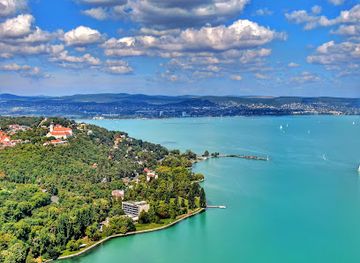
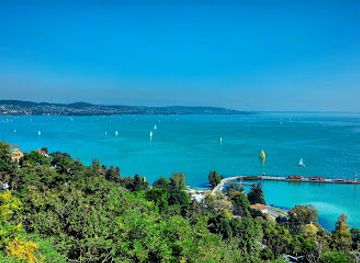
Lake Balaton stretches across western Hungary for roughly 77 kilometres, its broad, shallow waters forming the country’s best-known summer landscape. The southern shore is generally low and gently developed, with Siófok as its largest resort and transport hub, while the northern shore rises into the Balaton Uplands, where volcanic hills, vineyards and historic villages create a more varied setting. The Tihany Peninsula projects into the lake, dividing its eastern and western basins and bringing together reed-fringed nature, abbey history and panoramic viewpoints.Read more about Lake Balaton
Shoreline Towns and Hill Country
Water, Wine and Regional Heritage
When is the best time to visit Lake Balaton?
Best: April–May, September · 20–25°C| Month | High (°C) | Rainfall (mm) |
|---|---|---|
| January | 5 | 40 |
| February | 6 | 35 |
| March | 13 | 40 |
| April (best) | 20 | 50 |
| May (best) | 25 | 60 |
| June | 30 | 70 |
| July | 32 | 70 |
| August | 31 | 60 |
| September (best) | 25 | 50 |
| October | 19 | 40 |
| November | 11 | 35 |
| December | 6 | 30 |
Getting to and around Lake Balaton
How to get there
Transportation
Best attractions in Lake Balaton
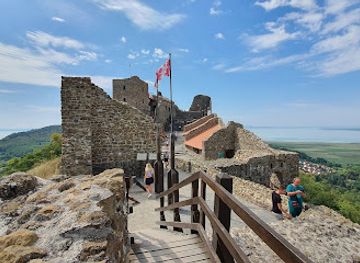
Lake Balaton’s attractions extend well beyond its beaches. Tihany Peninsula combines the Benedictine Abbey, volcanic landscape, lavender-growing tradition and views across the lake, while Balatonfüred offers a historic resort setting with promenades, villas and spa heritage. On the northern shore, the basalt hills and vineyards of Badacsony support walking, wine tasting and broad panoramas, and nearby Szigliget is known for its hilltop castle ruins. Keszthely provides access to Festetics Palace and the western end of the lake, while the Kis-Balaton wetland area to the south-west offers bird-rich habitats and a different, reed-fringed landscape. Southern-shore resorts including Siófok, Balatonlelle and Fonyód focus on bathing, boating and lakeside leisure, with ferries linking the two shores at Tihany and Szántód. The Balaton Uplands National Park adds caves, geological features, protected wetlands and rural walking landscapes to the region’s range of experiences.
-
Tourist attraction
Szigliget
Discover Szigliget Castle, a medieval fortress offering breathtaking views of Lake Balaton and a journey into Hungary's rich history and culture.
-
Tourist attraction
Tihanyi Bencés Apátság
Discover the tranquil beauty and rich history of Tihanyi Bencés Apátság, a breathtaking Benedictine Abbey overlooking Lake Balaton.
-
Tourist attraction
Janus Xantos Lookout (Sphere Lookout)
Discover the stunning vistas from Janus Xantos Lookout, a breathtaking fusion of architecture and nature overlooking Lake Balaton.
-
Tourist attraction
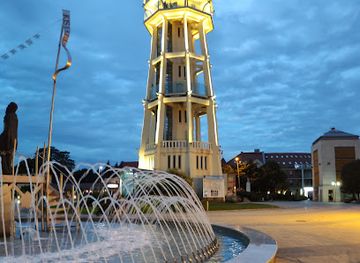
Siofok Water Tower
Explore the stunning Siófok Water Tower, a captivating observation deck offering breathtaking views of Lake Balaton and the vibrant town of Siófok.

Best landmarks in Lake Balaton
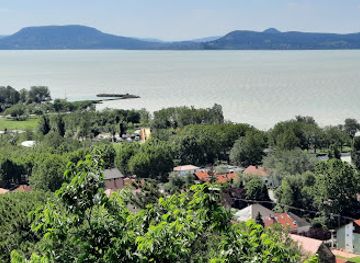
The defining natural landmark is Lake Balaton itself, a broad, shallow body of water whose open horizon and changing light shape the identity of western Hungary. Tihany Peninsula is equally important, projecting into the lake and creating one of its most recognisable viewpoints; its Benedictine Abbey adds a major historical and architectural landmark. Along the northern shore, the volcanic hills of Badacsony, Szent György-hegy and the wider Balaton Uplands form distinctive geological silhouettes above vineyards and villages. Szigliget Castle occupies a prominent hill overlooking the western basin, while Keszthely’s Festetics Palace represents the region’s aristocratic heritage. The Kis-Balaton wetland, connected to the lake system but distinct from the open lake, is a significant landscape of reed beds, channels and bird habitats. Together these features explain why Balaton is both a resort region and a cultural landscape.
-
Fortress
Szigliget
Experience the rich history and breathtaking views at Szigliget Fortress, a stunning landmark overlooking Lake Balaton in Hungary.
-
Abbey
Tihanyi Bencés Apátság
Discover the Tihanyi Bencés Apátság, a historical abbey offering stunning views and insights into Hungary's monastic heritage.
-
Observation deck
Siofok Water Tower
Discover the stunning views and rich history of the Siófok Water Tower, a must-visit observation deck on the shores of Lake Balaton.
-
Zoo
Bella Zoo Park, Siófok
Explore the wonders of Bella Zoo Park in Siófok, where families connect with nature and discover the beauty of wildlife.
Explore Lake Balaton on the map
Plan your trip on one map. See where the top attractions, landmarks, restaurants and hotels are, and book hotels and experiences in a few clicks.
Best hotels in Lake Balaton
Best restaurants in Lake Balaton
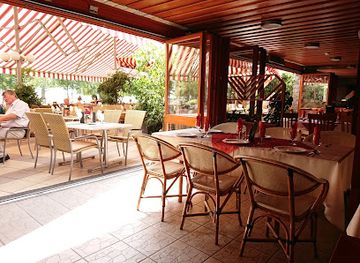
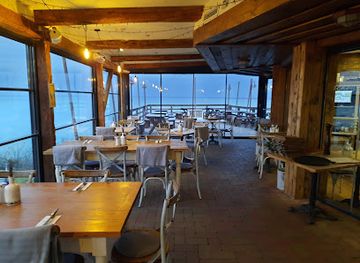
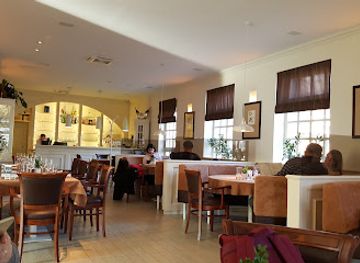
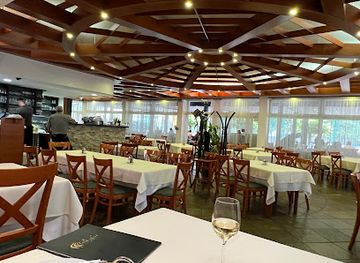
Dining around Lake Balaton reflects the meeting of Hungarian home cooking, resort culture and the produce of the surrounding hills. Restaurants and cafés in Siófok, Balatonfüred, Keszthely and other larger settlements offer dishes such as lake fish, fish soup, pike-perch, goulash and lángos, while smaller villages may have a more limited selection concentrated around traditional inns and seasonal establishments. The northern shore is particularly associated with vineyards and cellar dining, where local wines including Olaszrizling and Kéknyelű accompany regional food. Tihany is known for products made with lavender and paprika, and farm shops or village producers may sell honey, preserves and other local goods. Visitors should expect the greatest choice in the resort towns; remote beaches, cycle routes and protected landscapes may have few food outlets, making provisions useful for longer excursions.
-
Hungarian
Borcsa Étterem
Experience authentic Hungarian cuisine at Borcsa Étterem in Balatonfüred, where local flavors meet stunning lake views.
-
Restaurant
Echo Étterem
Discover the culinary delights at Echo Étterem in Tihany - where tradition meets modern cuisine amidst breathtaking views.
-
Restaurant
Kistücsök Food&Room
Experience exquisite Hungarian cuisine at Kistücsök Food&Room near Lake Balaton, where every dish tells a story.
-
Restaurant
Halászkert Restaurant
Discover authentic Hungarian cuisine at Halászkert Restaurant in Balatonfüred - a culinary gem offering exquisite dishes and warm hospitality.
Best bars in Lake Balaton
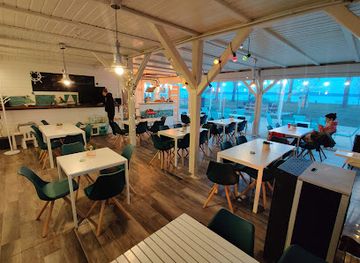
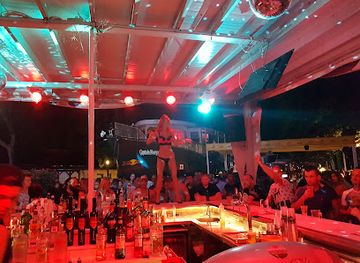
Evening life is most developed in the resort towns and is strongly seasonal. Siófok is the lake’s best-known nightlife centre, with a concentration of bars, music venues and late entertainment around the waterfront and town centre during the summer period. Balatonfüred offers a more measured evening scene built around cafés, wine bars, promenade restaurants and hotel-adjacent venues, while Keszthely and larger southern-shore settlements have pubs and restaurants where visitors can spend the evening without the intensity of Siófok. In vineyard villages and around Badacsony, wine cellars and traditional inns provide quieter opportunities to taste local wines, sometimes shaped by seasonal events rather than fixed nightlife programming. Outside the main resorts, evenings are generally calm, and visitors should not expect extensive late-night transport or a large choice of venues.
-
Gastropub
Kalóz Strandbisztró
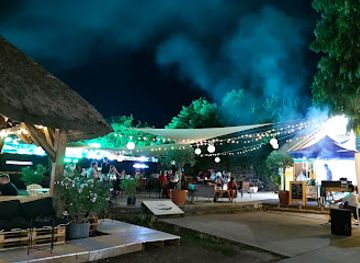
Discover the culinary treasures of Kalóz Strandbisztró, a delightful gastropub by Lake Balaton offering locally inspired dishes and stunning views.
-
Disco club
Renegade PUB and Restaurant
Experience the vibrant nightlife at Renegade PUB and Restaurant in Siófok, where music, dancing, and delicious food create unforgettable memories.
-
Wine bar
Csendes Dűlő Szőlőbirtok Borterasz
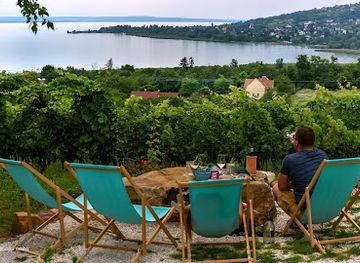
Discover the enchanting Csendes Dűlő Szőlőbirtok Borterasz, where exquisite wines meet breathtaking views in Badacsonytomaj.
-
Wine bar
Pláne Badacsony borterasz
Discover the enchanting Pláne Badacsony wine bar, where local wines and stunning views of Lake Balaton create an unforgettable experience.
Best nightclubs in Lake Balaton
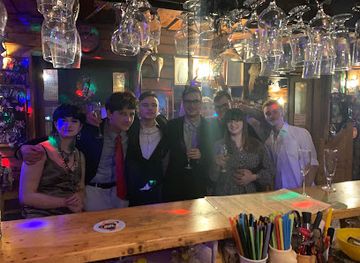
Evening life is most developed in the resort towns and is strongly seasonal. Siófok is the lake’s best-known nightlife centre, with a concentration of bars, music venues and late entertainment around the waterfront and town centre during the summer period. Balatonfüred offers a more measured evening scene built around cafés, wine bars, promenade restaurants and hotel-adjacent venues, while Keszthely and larger southern-shore settlements have pubs and restaurants where visitors can spend the evening without the intensity of Siófok. In vineyard villages and around Badacsony, wine cellars and traditional inns provide quieter opportunities to taste local wines, sometimes shaped by seasonal events rather than fixed nightlife programming. Outside the main resorts, evenings are generally calm, and visitors should not expect extensive late-night transport or a large choice of venues.
-
Disco club
Renegade PUB and Restaurant
Discover the ultimate nightlife experience at Renegade PUB and Restaurant in Siófok, where vibrant music and delicious cuisine come together.
-
Night club
Ben-Joe Country Club
Dive into Siófok's nightlife at Ben-Joe Country Club, where music, dance, and fun combine in an unforgettable experience.
-
Night club
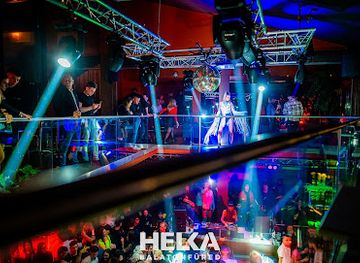
Club Helka
Discover the vibrant nightlife of Club Helka in Balatonfüred, where music and dance come alive along the stunning shores of Lake Balaton.
-
Disco club
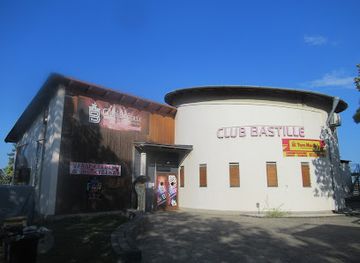
Club Bastille
Dive into the vibrant nightlife at Club Bastille, Balatonboglár's premier disco club, where unforgettable nights await with pulsating music and lively dance.

Best shops in Lake Balaton
Shopping at Lake Balaton is concentrated in resort towns, village centres, markets and roadside producers rather than in a single regional retail district. Siófok, Balatonfüred and Keszthely offer the broadest selection of everyday goods, beach supplies, crafts and seasonal visitor products, while smaller settlements provide village shops, bakeries and independent producers. Regional purchases can include Balaton wines, honey, preserves, paprika, pottery, textiles and locally made foods; Tihany is particularly associated with lavender products and traditional paprika cultivation. Around Badacsony and other wine areas, cellar doors and producers may sell bottles directly, subject to their opening arrangements. Farmers’ markets and summer stalls vary by settlement and season, so visitors should distinguish genuine local produce from generic souvenirs. Remote beaches, walking areas and national park landscapes have little conventional shopping, making larger towns the practical places to stock up.
-
Discount store
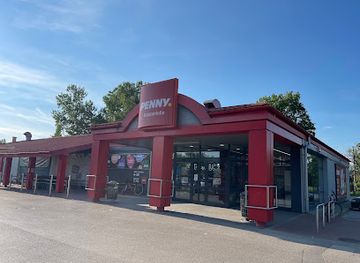
PENNY Balatonlelle
Explore the best of Balatonlelle at PENNY, your go-to discount grocery store for quality products and unbeatable prices.
-
Gift shop
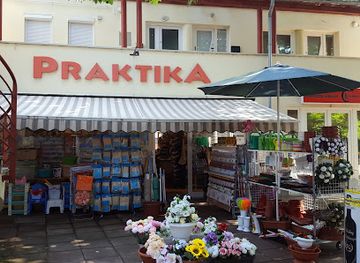
Praktika Üzlet
Discover unique souvenirs and local crafts at Praktika Üzlet, Balatonboglár's charming gift shop showcasing Hungarian artistry.
-
Party store
Palm Bt. - Műanyag webáruház
Discover Palm Bt. in Balatonőszöd for all your party supplies, e-commerce services, and restaurant essentials, ensuring a celebration to remember.
-
Sporting goods store
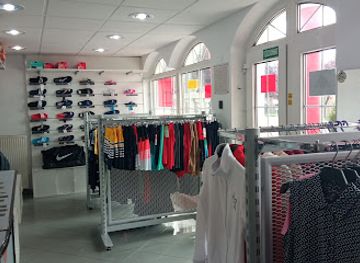
Hó-Cipő Sportbolt
Explore Hó-Cipő Sportbolt in Balatonlelle for all your sporting goods needs and embrace the outdoor adventures that await at Lake Balaton.
Get your free copy of our complete guide to Lake Balaton, delivered straight to you.
Everything on this page, from attractions and restaurants to essentials and local phrases, in one PDF you can read offline, print or share.
Already have an account? Sign in
Your Lake Balaton guide is ready.
We'll send it to · Not you? Sign out

Getting your guide ready…
We are putting together a fresh copy of the Lake Balaton guide. This can take up to a minute.
This can take a few moments. If your browser asks, choose Allow so the download can start. You'll find the guide in your Downloads folder.
Nothing happened? Download it again
Sorry, the guide is taking longer than usual. Please try again in a minute, or get it by email instead.
Lake Balaton essentials
Currency and Payment
Safety
Emergency Situations
Do's and Don'ts
Local Tips
From Eve
Local phrases worth knowing
You don't need to get them perfect. A few words go a long way, and locals appreciate the effort.
Basics
| English | Local | Say it |
|---|---|---|
| Hello | Szia | [see-ah] |
| Goodbye | Viszontlátásra | [vee-sont-la-tosh-ra] |
| Yes | Igen | [ee-gen] |
| No | Nem | [nem] |
| Please/You're welcome | Kérem | [kay-rem] |
| Thank you | Köszönöm | [kur-zur-num] |
| Excuse me/Sorry | Elnézést | [el-nay-zayst] |
| How are you? | Hogy vagy? | [hodj vodj] |
| Fine. And you? | Jól vagyok. És te? | [yol vodj-ok. ays teh] |
| Do you speak English? | Beszélsz angolul? | [be-sayls on-go-lool] |
| I don't understand | Nem értem | [nem air-tem] |
Eating & Drinking
| English | Local | Say it |
|---|---|---|
| I'd like to see the menu, please | Szeretnék látni az étlapot, kérem | [seh-ret-nayk laht-nee az et-la-pot, kay-rem] |
| I don't eat meat | Nem eszem húst | [nem es-em hoost] |
| Cheers! | Egészségére! | [e-gesh-say-gair-reh] |
| I would like to pay, please | Szeretnék fizetni, kérem | [seh-ret-nayk fee-zeht-nee, kay-rem] |
Emergencies
| English | Local | Say it |
|---|---|---|
| Help! | Segítség! | [sheg-eet-sayg] |
| Go away! | Menj el! | [men yel] |
| Call the Police! | Hívja meg a rendőrséget! | [hee-vya meg ah ren-dur-say-get] |
| Call a doctor! | Hívjon egy orvost! | [hee-voyn edj or-vosht] |
| I'm lost | El vagyok tévedve | [el vod-yok tay-ved-veh] |
| I'm ill | Beteg vagyok | [beh-teg vod-yok] |
Shopping
| English | Local | Say it |
|---|---|---|
| I'd like to buy... | Szeretnék vásárolni... | [seh-ret-nayk va-sha-rohl-nee] |
| I'm just looking | Csak nézelődöm | [chak nay-zeh-loh-dohm] |
| How much is it? | Mennyibe kerül? | [men-yee-beh keh-rool] |
| That's too expensive | Túl drága | [tool draa-ga] |
| Can you lower the price? | Le tudnád engedni az árat? | [leh tood-nad eng-ed-nee az ah-rat] |
Time & Numbers
| English | Local | Say it |
|---|---|---|
| What time is it? | Mennyi az idő? | [men-yee az ee-doh] |
| It's one o'clock | Egy óra van | [edj o-ra van] |
| Half past (10) | Fél tizenegy | [fayl tiz-en-egy] |
| Morning | Reggel | [reg-gel] |
| Afternoon | Délután | [del-oo-tahn] |
| Evening | Este | [es-teh] |
| Yesterday | Tegnap | [teg-nap] |
| Today | Ma | [mah] |
| Tomorrow | Holnap | [hol-nap] |
| 1 | Egy | [edj] |
| 2 | Kettő | [ket-toh] |
| 3 | Három | [ha-rom] |
| 4 | Négy | [nayg] |
| 5 | Öt | [ot] |
| 6 | Hat | [hot] |
| 7 | Hét | [hayt] |
| 8 | Nyolc | [nyolts] |
| 9 | Kilenc | [ke-lents] |
| 10 | Tíz | [tease] |
Transport & Directions
| English | Local | Say it |
|---|---|---|
| Where's a/the...? | Hol van a... | [hol van ah] |
| What's the address? | Mi az cím? | [mee az seem] |
| Can you show me (on the map)? | Meg tudnád mutatni (a térképen)? | [meg tood-nad moo-taht-nee ah tayr-kay-pen] |
| When's the next (bus)? | Mikor jön a következő (busz)? | [mee-kor yern ah koe-vet-kay-zoh boos] |
| A ticket (to ....) | Egy jegyet (....-ba) | [edj yeh-geht ba] |
History of Lake Balaton
A Young Lake Basin
Lake Balaton occupies a tectonic basin shaped by movements in the Pannonian Basin and later modified by erosion, sedimentation and changing water levels. Its present form developed during the late geological past rather than through a single historical event, and the lake remains relatively shallow compared with its great surface area. The surrounding Balaton Uplands preserve volcanic features, including basalt hills formed by ancient eruptions. These landforms contribute to the distinctive northern landscape, where steep-sided volcanic remnants rise above vineyards and villages.
Roman Pannonia and Medieval Settlements
The lake lay within the Roman province of Pannonia, and roads, farms and settlements developed across the wider region, although the modern lakeside resort landscape did not yet exist. After the Roman period, successive communities used the shore, uplands and wetlands for cultivation, grazing and fishing. Medieval settlement brought churches, fortifications and monastic foundations, while Tihany became an important religious centre. The peninsula’s abbey, founded in the eleventh century, remains one of the clearest surviving links between the lake and Hungary’s medieval history.
Tihany Abbey and Regional Power
Tihany Abbey was established in 1055 by King Andrew I of Hungary, whose foundation charter is particularly important in Hungarian cultural history because it preserves some of the earliest recorded Hungarian words. Over later centuries, the abbey and surrounding settlements experienced the political and religious changes affecting western Hungary, including Ottoman-era conflict and subsequent Habsburg rule. The peninsula’s elevated position and sheltered landscape helped preserve its religious and agricultural identity, while the wider lake region continued to depend on farming, fishing, viticulture and local trade.
Spa Culture and the Birth of Tourism
Balatonfüred became the lake’s earliest major health and leisure centre through its mineral springs and spa tradition. During the nineteenth century, reform-era Hungary brought greater attention to the settlement, and improved roads, steam navigation and railway connections made the lake more accessible. Resorts and villas expanded around the shoreline, while boating, bathing and promenading became established leisure pursuits. The arrival of the railway at the southern shore in the 1860s strengthened Siófok and other settlements as holiday destinations, linking Balaton more closely with Budapest and the national economy.
Mass Tourism and Landscape Protection
Twentieth-century transport improvements and organised holiday development transformed Lake Balaton into Hungary’s principal domestic resort area. The lake also became a popular meeting place for visitors from other parts of Central Europe, particularly during the later socialist period. Expansion brought pressure on water quality, wetlands, shorelines and traditional landscapes, encouraging stronger environmental management. The Balaton Uplands National Park was created in 1997 to protect significant parts of the northern shore and associated uplands, while restoration and monitoring have also focused on the wider lake ecosystem and the Kis-Balaton wetland system.
Lake Balaton in Photos
Browse through our photo collection highlighting the charm and character of the destination.
Cities in Lake Balaton
The towns and cities of Lake Balaton, and the easiest places to base yourself.

Swipe for more cities
Neighbouring destination travel guides
The closest destinations to Lake Balaton, if you have time for more than one.
-

-

-

-
-


Swipe for more destinations
Explore more

Explore more of Transdanubia
Discover the beauty of Transdanubia: Hungary's region of lakes, vineyards, and historic treasures, perfect for relaxation and adventure.
Explore Transdanubia
Explore more of Hungary
Discover Hungary: A land of historic cities, scenic landscapes, thermal baths, and rich culinary traditions in the heart of Europe.
Explore Hungary