

Medvednica Mountain, Croatia Travel Guide
Discover Medvednica Mountain, a natural sanctuary near Zagreb, offering hiking, skiing, and cultural landmarks amidst lush forests and stunning vistas.
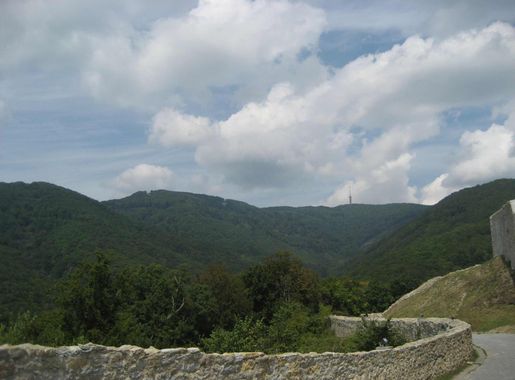
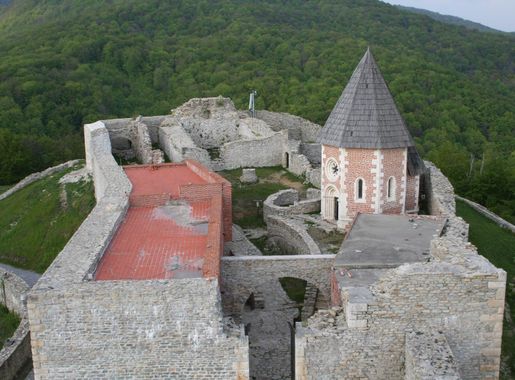
Medvednica Mountain, located just north of Zagreb, is a stunning natural retreat that offers a perfect blend of outdoor adventure and serene landscapes. The mountain is part of a nature park, featuring dense forests, picturesque trails, and a variety of wildlife. Whether you're an avid hiker or simply seeking a peaceful escape from the city, Medvednica has something to offer. One of the mountain's highlights is Sljeme, its highest peak, which provides breathtaking views of Zagreb and the surrounding area. During winter, Sljeme transforms into a popular ski resort, attracting both locals and tourists. In contrast, the warmer seasons invite visitors to explore its numerous hiking trails, which range from easy walks to challenging treks. Medvednica is also home to several cultural and historical landmarks. The medieval Medvedgrad Fortress, perched on the southern slopes, offers a glimpse into the region's rich history. Additionally, the Veternica Cave is a fascinating natural wonder that is open to guided tours. With its combination of natural beauty, outdoor activities, and cultural heritage, Medvednica Mountain is a must-visit destination in Croatia.

Know before you go
Hi, I'm Eve. Here are a few practical things to know before exploring Medvednica Mountain.
- Check the weather forecast before heading out, as conditions can change rapidly on the mountain.
- Wear appropriate footwear and clothing, especially if you plan to hike or explore caves.
- Visit early in the morning or late in the afternoon to avoid crowds, especially during weekends.
- Bring a map or download a GPS app, as some trails may not be well-marked.
- Don't miss the local cuisine at mountain lodges; try traditional Croatian dishes like 'štrukli' and 'goulash'.
Explore Medvednica Mountain: Things to Do, Places to Eat, Hotels & More
Handpicked recommendations for top attractions, local dining, accommodations, and more

Best attractions in Medvednica Mountain
Top-rated picks
Best Attractions

Sports - recreation center Salata
Experience the excitement of sports and recreation at Salata Sports Center in Zagreb, a haven for athletes and families alike.

Zagreb 80's museum
Explore the vibrant culture of the 1980s at Zagreb's 80's Museum, a nostalgic journey through music, fashion, and everyday life in Croatia.

Ski resort Sljeme
Experience the thrill of skiing and the beauty of nature at Sljeme Ski Resort, a top winter destination in Croatia perfect for all adventure seekers.

Dotrščina Execution Site Memorial Park
Explore the poignant Dotrščina Execution Site Memorial Park, a serene memorial honoring the victims of war in the heart of Zagreb, Croatia.

Best landmarks in Medvednica Mountain
Top-rated picks
Best Landmarks

Park Maksimir
Discover Zagreb's historic green escape: Maksimir Park, a blend of nature, culture, and recreation since 1794.

Stone Gate
Step into Zagreb's spiritual heart at the Stone Gate, a historic shrine where faith and history converge in a serene, candlelit chapel.

Sljeme Cable Car
Discover breathtaking views and outdoor adventures at the Sljeme Cable Car in Zagreb, where nature meets thrill in a stunning journey above the city.

Medvedgrad
Explore Medvedgrad, a historic castle overlooking Zagreb, offering stunning views, medieval history, and summer music events in a unique mountain setting.

Best restaurants in Medvednica Mountain
Top-rated picks
Best Restaurants

Nokturno
Experience authentic Croatian cuisine at Nokturno in Zagreb – where every dish tells a story of local tradition.

Restaurant Puntijarka
Experience authentic Croatian cuisine with stunning views at Restaurant Puntijarka in Zagreb's scenic hills.

Restaurant Vidikovac
Experience exquisite local cuisine with breathtaking views at Restaurant Vidikovac in Gornja Bistra.

Mountain hut Grafičar / Malo Sljeme d.o.o.
Discover Mountain Hut Grafičar: A cozy restaurant offering delicious local cuisine amidst stunning natural landscapes in Zagreb.

Best bars in Medvednica Mountain
Top-rated picks
Best Bars

History Bar & Club
Discover the lively ambiance of History Bar & Club, where café culture meets vibrant nightlife in the heart of Zagreb.

The Swanky Bar
Experience the vibrant nightlife of Zagreb at The Swanky Bar, where modern cocktails and a stylish atmosphere come together in perfect harmony.

Tolkien's House
Explore the enchanting world of J.R.R. Tolkien at Tolkien's House, a unique pub in Zagreb filled with memorabilia and literary charm.

Craft Room
Experience Zagreb's vibrant craft beer scene at Craft Room, where great brews and a welcoming atmosphere await.

Best nightclubs in Medvednica Mountain
Top-rated picks
Best Nightclubs

Night Club & Rock Bar Alcatraz
Experience the electrifying nightlife of Zagreb at Alcatraz Night Club & Rock Bar, where music and fun come alive every night.

Restaurant & Night Club Urnebes
Discover Zagreb's nightlife at Restaurant & Night Club Urnebes, where exquisite dining meets vibrant entertainment in a stylish atmosphere.

Club Roko
Discover Zagreb's nightlife at Club Roko, a lively night club offering electrifying music, vibrant atmosphere, and unforgettable dance experiences.

Masters Club
Experience the electric nightlife of Zagreb at Masters Club, where top DJs and vibrant dance floors promise an unforgettable night out.

Best shops in Medvednica Mountain
Top-rated picks
Best Shops

Volim Ljuto shop
Explore Volim Ljuto in Zagreb for a gourmet journey through spices, sauces, and local delicacies, all crafted to elevate your culinary experience.

Souvenirs & more ZAGREB
Explore the finest collection of authentic Croatian souvenirs and gifts at Souvenirs & More in Zagreb, a true gem for travelers.

Kredenca Zagreb
Discover the essence of Croatia at Kredenca Zagreb, where local gifts and gourmet delicacies await every tourist.

Take Me Home - Croatian Design Shop -
Explore the essence of Croatia at Take Me Home - a gift shop filled with unique souvenirs and local craftsmanship that capture the spirit of the nation.

Explore Medvednica Mountain on the Map
A handpicked selection of must-see spots in Medvednica Mountain, mapped for you.
Medvednica Mountain Essentials
-
Medvednica Mountain is located near the capital city of Zagreb, Croatia. The most convenient way to get there is by flying into Zagreb's Franjo Tuđman Airport, which is approximately 25 kilometers from the mountain. From the airport, you can rent a car, take a taxi, or use public transportation to get to the base of the mountain. Additionally, buses and trams from Zagreb city center can take you to the foothills of Medvednica.
-
Once you reach Medvednica Mountain, there are several ways to get around. The most popular method is hiking, as there are numerous well-marked trails of varying difficulties. For those who prefer a more relaxed journey, a cable car runs from the foothills to the top of the mountain. Local taxis and car rentals are also available for more private and flexible travel. During winter, shuttle services operate to the Sljeme ski resort.
-
The official currency in Croatia is the Kuna (HRK). Major credit cards are widely accepted in hotels, restaurants, and larger shops on and around Medvednica Mountain. However, it is advisable to carry some cash, especially if you plan to purchase items from small vendors or remote locations. ATMs are available in Zagreb and at some locations around the mountain.
-
Medvednica Mountain is generally a safe destination for tourists. However, it is always wise to take standard precautions. Avoid hiking alone, especially in less frequented areas, and always inform someone of your plans. Petty crimes like pickpocketing are rare but can occur in crowded spots. Zagreb, being the closest urban area, is safe but always stay vigilant, especially in tourist-heavy locations.
-
In case of emergency, dial 112 for immediate assistance. This number connects you to local emergency services, including police, fire, and medical help. There are also several mountain rescue services available in Medvednica. If you have a health issue, pharmacies and medical facilities are available in Zagreb. It is recommended to have travel insurance that covers medical emergencies.
-
Fashion: Do wear comfortable and appropriate clothing for hiking and outdoor activities. Don't wear high heels or dress shoes on trails. Religion: Do respect local religious sites. There are several chapels and churches around the mountain. Public Transport: Do be punctual and respectful. Don't be loud or disruptive. Greetings: Do greet locals with a smile and a 'Dobar dan' (Good day). Don't ignore greetings, as it is considered rude. Eating & Drinking: Do try local delicacies at mountain huts and restaurants. Don't refuse food or drink offerings as it may be considered impolite.
-
For a more local experience, visit the mountain huts known as 'planinarski domovi,' where you can enjoy traditional Croatian food and drink. Engage with the locals; they are friendly and often willing to share tips and stories. Don't miss the medieval Medvedgrad Fortress, which offers stunning views and historical insights. For a unique experience, participate in guided night hikes, which provide a different perspective of the mountain's beauty.
When is the best time to visit Medvednica Mountain?
Useful Local Phrases for Medvednica Mountain
You don't need to speak the language perfectly. Even learning a few simple words can make conversations warmer—and locals usually appreciate the effort.
— Eve

Here are the phrases I use most often in Medvednica Mountain. Try a few—you'll be surprised how far they go! 😊
❤️
-
- HelloBok
[bohk] - GoodbyeDoviđenja
[doh-vee-jen-ya] - YesDa
[dah] - NoNe
[neh] - Please/You're welcomeMolim
[moh-leem] - Thank youHvala
[h-vah-lah] - Excuse me/SorryOprosti
[oh-pros-tee] - How are you?Kako si?
[kah-koh see] - Fine. And you?Dobro. A ti?
[doh-broh. ah tee] - Do you speak English?Govoriš li engleski?
[goh-voh-reesh lee ehn-gleh-skee] - I don't understandNe razumijem
[neh rah-zoo-mee-yem]
- HelloBok
-
- I'd like to see the menu, pleaseMogu li vidjeti jelovnik, molim
[moh-goo lee vee-dyeh-tee yeh-lohv-neek, moh-leem] - I don't eat meatNe jedem meso
[neh yeh-dehm meh-soh] - Cheers!Živjeli!
[zhee-vyeh-lee] - I would like to pay, pleaseŽelim platiti, molim
[zheh-leem plah-tee-tee, moh-leem]
- I'd like to see the menu, pleaseMogu li vidjeti jelovnik, molim
-
- Help!Upomoć!
[oo-poh-mohtch] - Go away!Odlazi!
[oh-dlah-zee] - Call the Police!Pozovi policiju!
[poh-zoh-vee poh-lee-tsee-yoo] - Call a doctor!Pozovi doktora!
[poh-zoh-vee dohk-toh-rah] - I'm lostIzgubljen sam
[eez-goob-lyen sahm] - I'm illBolestan sam
[boh-leh-stahn sahm]
- Help!Upomoć!
-
- I'd like to buy...Želim kupiti...
[zheh-leem koo-pee-tee] - I'm just lookingSamo gledam
[sah-moh gleh-dahm] - How much is it?Koliko košta?
[koh-lee-koh koh-shtah] - That's too expensiveTo je preskupo
[toh yeh preh-skoo-poh] - Can you lower the price?Možete li spustiti cijenu?
[moh-zheh-teh lee spoos-tee-tee tsee-yeh-noo]
- I'd like to buy...Želim kupiti...
-
- What time is it?Koliko je sati?
[koh-lee-koh yeh sah-tee] - It's one o'clockJedan je sat
[yeh-dahn yeh saht] - Half past (10)Pola (10)
[poh-lah (deset)] - MorningJutro
[yoo-troh] - AfternoonPopodne
[poh-pohd-neh] - EveningVečer
[veh-chehr] - YesterdayJučer
[yoo-chehr] - TodayDanas
[dah-nahs] - TomorrowSutra
[soo-trah] - 1Jedan
[yeh-dahn] - 2Dva
[dvah] - 3Tri
[tree] - 4Četiri
[cheh-tee-ree] - 5Pet
[peht] - 6Šest
[shehst] - 7Sedam
[seh-dahm] - 8Osam
[oh-sahm] - 9Devet
[deh-veht] - 10Deset
[deh-set]
- What time is it?Koliko je sati?
-
- Where's a/the...?Gdje je...
[gdyeh yeh] - What's the address?Koja je adresa?
[koh-yah yeh ah-dre-sah] - Can you show me (on the map)?Možete li mi pokazati (na karti)?
[moh-zheh-teh lee mee poh-kah-zah-tee (nah kahr-tee)] - When's the next (bus)?Kada je sljedeći (autobus)?
[kah-dah yeh sleh-deh-chee (ow-toh-boos)] - A ticket (to ....)Jednu kartu (za...)
[yehd-noo kahr-too (zah)]
- Where's a/the...?Gdje je...
History of Medvednica Mountain
-
Medvednica Mountain, known as Medvedgrad to the locals, holds a significant place in Croatian history dating back to the early Slavic settlement era around the 7th century. The mountain served as a natural fortress and a strategic vantage point against potential invaders. It became a hub of activity as Slavic tribes established their communities at the foot of the mountain, benefiting from its rich natural resources and protective terrain.
-
Built in the mid-13th century, Medvedgrad Castle stands as a testament to medieval architecture and the historical significance of the region. Constructed as a defense against the Mongol invasions, the castle was a formidable fortress protecting the inhabitants of the area. Its walls and towers have witnessed sieges, battles, and a myriad of historical events. Today, the restored castle provides a glimpse into the medieval past of Croatia, with its preserved chapel and various artifacts.
-
One of the most popular legends associated with Medvednica Mountain is that of the Black Queen, a mysterious and feared figure said to have resided in Medvedgrad Castle. According to local folklore, the Black Queen was a cruel ruler who possessed magical powers and an insatiable thirst for wealth and power. Her legend continues to intrigue visitors, adding a mystical allure to the historical site.
-
In the 16th century, Medvedgrad Castle became a focal point during the conflict between the Habsburgs and the Ottoman Empire. The Battle of Medvedgrad, fought in 1590, saw the fortress withstand multiple assaults by Ottoman forces. Despite the intense pressure, the castle's defenders managed to hold their ground, contributing to the broader efforts to protect Croatia from Ottoman expansion. This battle is a significant event in the mountain's history, highlighting its strategic importance.
-
Medvednica Mountain is also known for its rich mining history. During the medieval period, the mountain was a source of valuable minerals, including silver and iron ore. Mining activities contributed to the economic development of the region, and remnants of old mines and mining settlements can still be found in the area. The mining heritage of Medvednica is a testament to the mountain's role in the industrial history of Croatia.
-
During World War II, Medvednica Mountain became a haven for the Yugoslav Partisans, a resistance movement fighting against Axis forces. The dense forests and rugged terrain provided ideal cover for guerrilla warfare. Numerous skirmishes and battles took place on the mountain, and it played a crucial role in the broader resistance efforts in the region. The legacy of the Partisan fighters is commemorated with various monuments and memorials scattered across Medvednica.
-
In the 17th century, Medvednica was indirectly linked to the Zrinski-Frankopan Conspiracy, an attempt by Croatian and Hungarian nobles to resist Habsburg rule. Although the conspiracy primarily unfolded in other parts of Croatia, Medvedgrad Castle was considered a potential stronghold for the conspirators. This period of political intrigue and rebellion underscores the mountain's enduring strategic significance in Croatian history.
Cities in Medvednica Mountain
Browse our curated selection of top destinations, scenic points, and must-visit spots in the area.

Neighbouring destination travel guides
Browse our curated selection of top destinations, scenic points, and must-visit spots in the area.



Your all‑in‑one travel companion app
Explore expert travel guides, compare and book tours, experiences, hotels, and more—all from the palm of your hand. Download now for seamless trip planning wherever your wanderlust takes you.


Explore More of Zagorje

Looking beyond Medvednica Mountain? Discover Zagorje for broader travel guides, local hot-spots, and regional highlights.
Explore ZagorjeExplore More of Croatia

Looking beyond Medvednica Mountain? Discover Croatia for broader travel guides, local hot-spots, and regional highlights.
Explore CroatiaMedvednica Mountain in Photos
Browse through our photo collection highlighting the charm and character of the destination.



Medvednica Mountain: The Green Heart of Croatia
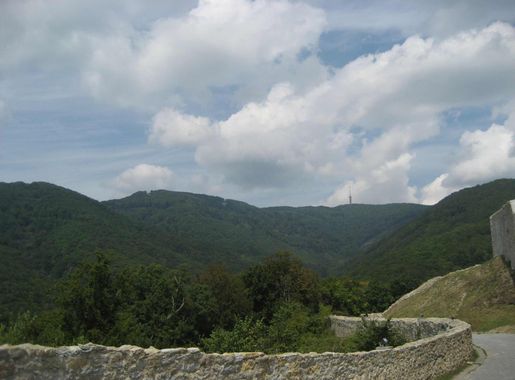
Medvednica Mountain, located just north of Zagreb, is a stunning natural retreat that offers a perfect blend of outdoor adventure and serene landscapes. The mountain is part of a nature park, featuring dense forests, picturesque trails, and a variety of wildlife. Whether you're an avid hiker or simply seeking a peaceful escape from the city, Medvednica has something to offer. One of the mountain's highlights is Sljeme, its highest peak, which provides breathtaking views of Zagreb and the surrounding area. During winter, Sljeme transforms into a popular ski resort, attracting both locals and tourists. In contrast, the warmer seasons invite visitors to explore its numerous hiking trails, which range from easy walks to challenging treks. Medvednica is also home to several cultural and historical landmarks. The medieval Medvedgrad Fortress, perched on the southern slopes, offers a glimpse into the region's rich history. Additionally, the Veternica Cave is a fascinating natural wonder that is open to guided tours. With its combination of natural beauty, outdoor activities, and cultural heritage, Medvednica Mountain is a must-visit destination in Croatia.