

Maribor Pohorje, Slovenia Travel Guide
Discover the enchanting Maribor Pohorje in Slovenia, where alpine beauty meets rich history and vibrant culture. Perfect for outdoor enthusiasts and history buffs alike.
Nestled in the heart of Slovenia, Maribor Pohorje is a captivating destination that offers a blend of natural beauty and vibrant culture. Known for its picturesque landscapes, this area is a paradise for outdoor enthusiasts, offering activities such as skiing, hiking, and cycling. The Pohorje Mountains provide stunning panoramic views and a serene escape from the hustle and bustle of city life. Maribor, the second-largest city in Slovenia, sits at the foot of the Pohorje Mountains. It boasts a rich history and a lively cultural scene. Visitors can explore the charming old town, with its narrow streets and historic buildings, including the Maribor Castle and the Cathedral of St. John the Baptist. The city is also famous for its wine, particularly the world-renowned Old Vine, which is over 400 years old. Throughout the year, Maribor Pohorje hosts various festivals and events that showcase the region's traditions and modern flair. Whether you are visiting in winter for the skiing or in summer for the hiking trails, Maribor Pohorje promises an unforgettable experience filled with natural wonders and cultural delights.

Know before you go
Hi, I'm Eve. Here are a few practical things to know before exploring Maribor Pohorje.
- Visit the Old Vine House to learn about the history of the world's oldest grapevine.
- Take the Pohorje cable car for breathtaking views of the surrounding mountains.
- Explore the Maribor Castle and its regional museum to dive into local history.
- Try the local cuisine at one of Maribor's traditional restaurants.
- Check the calendar for local festivals and events to enhance your visit.
- Wear comfortable shoes if you plan on hiking the numerous trails in the area.
Explore Maribor Pohorje: Things to Do, Places to Eat, Hotels & More
Handpicked recommendations for top attractions, local dining, accommodations, and more

Best attractions in Maribor Pohorje
Top-rated picks
Best Attractions

Pot k mlinu, zahod / west
Discover the breathtaking trails and serene landscapes of Pot k Mlinu, a hiking gem in Maribor, Slovenia, perfect for outdoor enthusiasts.

Trg revolucije
Discover Trg Revolucije, Maribor's lively square filled with history, culture, and community events, perfect for every tourist's itinerary.

Explore Maribor Pohorje on the Map
A handpicked selection of must-see spots in Maribor Pohorje, mapped for you.
Maribor Pohorje Essentials
-
Maribor Pohorje is accessible via multiple modes of transportation. The nearest international airport is Letališče Edvarda Rusjana Maribor (Maribor Edvard Rusjan Airport), located about 10 kilometers from the city center. Alternatively, you can fly into Ljubljana Jože Pučnik Airport, which is around 130 kilometers away and offers more flight options. From Ljubljana, you can take a train or a bus to reach Maribor. Maribor is also well-connected by train and bus services from other major European cities. If you're driving, Maribor is conveniently located near the A1 motorway, which connects to Austria, Hungary, and other parts of Slovenia.
-
Maribor has an efficient public transportation system that includes buses and trains. The local bus network covers most areas of the city and its surroundings, including Maribor Pohorje. Tickets can be purchased at kiosks, bus stations, or directly from the driver. For more flexibility, consider renting a car, especially if you plan to explore the broader Pohorje region. Taxis are also readily available, and ride-sharing services like Uber are operational in the area.
-
The official currency in Slovenia is the Euro (EUR). Credit and debit cards are widely accepted in most hotels, restaurants, and shops in Maribor Pohorje. However, it is advisable to carry some cash for smaller establishments, local markets, and rural areas. ATMs are plentiful in Maribor, and many offer instructions in multiple languages.
-
Maribor Pohorje is generally a safe destination for tourists. However, it is wise to exercise standard precautions. Avoid poorly lit areas at night and be wary of your belongings in crowded places to prevent pickpocketing. There are no specific high-crime areas targeting tourists, but staying vigilant is always recommended.
-
In case of emergency, dial 112 for immediate assistance. This number connects you to emergency services, including police, fire, and medical emergencies. Maribor has several hospitals and clinics that provide quality healthcare. Pharmacies are easily accessible for minor health issues, and many pharmacists speak English. It’s advisable to have travel insurance that covers medical emergencies during your stay.
-
Fashion: Do dress in layers, especially if you're visiting during the winter season, as temperatures can drop significantly. Casual wear is generally acceptable, but avoid overly revealing clothing when visiting religious sites. Religion: Do show respect when visiting churches and other religious sites. Cover your head when entering and keep noise levels to a minimum. Public Transport: Do validate your bus ticket immediately upon boarding to avoid fines. Don’t eat or drink on public transport. Greetings: Do greet locals with a handshake and a friendly smile. It’s customary to use formal titles and last names until invited to use first names. Eating & Drinking: Do try local dishes like 'štruklji' and 'potica'. Don’t refuse food or drink when offered, as it may be considered impolite.
-
For an authentic local experience, visit Maribor's farmers' market, where you can buy fresh produce and local specialties. Engage with locals at the many festivals held throughout the year, such as the Lent Festival, which offers music, theater, and culinary delights. Take a ride on the Pohorje cable car for stunning views and explore the hiking and biking trails that the region is famous for. Don’t miss the chance to visit local wineries and taste some of Slovenia's finest wines.
When is the best time to visit Maribor Pohorje?
Useful Local Phrases for Maribor Pohorje
You don't need to speak the language perfectly. Even learning a few simple words can make conversations warmer—and locals usually appreciate the effort.
— Eve

Here are the phrases I use most often in Maribor Pohorje. Try a few—you'll be surprised how far they go! 😊
❤️
-
- HelloZdravo
[Zdrah-vo] - GoodbyeNasvidenje
[Nahs-vee-deh-nye] - YesDa
[Dah] - NoNe
[Neh] - Please/You're welcomeProsim
[Pro-seem] - Thank youHvala
[Hvah-lah] - Excuse me/SorryOprostite
[Oh-pro-stee-teh] - How are you?Kako ste?
[Kah-koh steh] - Fine. And you?V redu. In vi?
[V reh-doo. Een vee] - Do you speak English?Govorite angleško?
[Go-vo-ree-te ahn-gleh-shko] - I don't understandNe razumem
[Neh rah-zoo-mem]
- HelloZdravo
-
- I'd like to see the menu, pleaseRad bi videl jedilnik, prosim
[Raad bee vee-del ye-deel-neek, pro-seem] - I don't eat meatNe jem mesa
[Neh yem meh-sah] - Cheers!Na zdravje!
[Nah zdrahv-yeh] - I would like to pay, pleaseRad bi plačal, prosim
[Raad bee plah-chal, pro-seem]
- I'd like to see the menu, pleaseRad bi videl jedilnik, prosim
-
- Help!Pomoč!
[Poh-mo-ch] - Go away!Pojdi stran!
[Poy-dee strahn] - Call the Police!Pokličite policijo!
[Poh-klee-chee-teh po-lee-tsee-yo] - Call a doctor!Pokličite zdravnika!
[Poh-klee-chee-teh zdrahv-nee-kah] - I'm lostIzgubil sem se
[Eez-goo-beel sehm seh] - I'm illBolno mi je
[Bohl-no mee yeh]
- Help!Pomoč!
-
- I'd like to buy...Rad bi kupil...
[Raad bee koo-peel] - I'm just lookingSamo gledam
[Sah-mo gleh-dahm] - How much is it?Koliko stane?
[Koh-lee-koh stah-neh] - That's too expensiveTo je predrago
[To yeh preh-drah-goh] - Can you lower the price?Lahko znižate ceno?
[Lah-koh znee-zah-teh cheh-no]
- I'd like to buy...Rad bi kupil...
-
- What time is it?Koliko je ura?
[Koh-lee-koh yeh oo-rah] - It's one o'clockJe ena ura
[Yeh eh-nah oo-rah] - Half past (10)Pol desetih
[Pohl deh-seh-teeh] - MorningJutro
[Yoo-troh] - AfternoonPopoldne
[Poh-pohl-dneh] - EveningVečer
[Veh-chehr] - YesterdayVčeraj
[Vcheh-rye] - TodayDanes
[Dah-nes] - TomorrowJutri
[Yoo-tree] - 1Ena
[Eh-nah] - 2Dva
[Dvah] - 3Tri
[Tree] - 4Štiri
[Shtee-ree] - 5Pet
[Peh-t] - 6Šest
[Shehst] - 7Sedem
[Seh-dehm] - 8Osem
[Oh-sehm] - 9Devet
[Deh-veht] - 10Deset
[Deh-seht]
- What time is it?Koliko je ura?
-
- Where's a/the...?Kje je...
[Kyeh yeh] - What's the address?Kateri je naslov?
[Kah-teh-ree yeh nahs-lohv] - Can you show me (on the map)?Mi lahko pokažete (na zemljevidu)?
[Mee lah-koh poh-kah-zheh-teh (nah zehm-lyeh-vee-doo)] - When's the next (bus)?Kdaj je naslednji (avtobus)?
[Kdy-eye yeh nahs-lehd-nyee (ow-toh-boos)] - A ticket (to ....)Vstopnica (za ...)
[Vstohp-nee-tsah (zah)]
- Where's a/the...?Kje je...
History of Maribor Pohorje
-
The area of Maribor Pohorje has been inhabited since prehistoric times. Archaeological findings suggest that early humans settled in the region due to its fertile soil and abundant natural resources. Evidence of Neolithic life, such as pottery and tools, highlights the significance of this area in early human history.
-
During the Roman period, Maribor Pohorje was part of the province of Noricum. The Romans established a road network and small settlements in the area, facilitating trade and military movements. Remnants of Roman roads and artifacts have been discovered, indicating the strategic importance of the region.
-
In the medieval era, Maribor Pohorje became part of the Holy Roman Empire. The region saw the construction of numerous castles and fortifications, many of which still stand today. The town of Maribor, near Pohorje, grew into an important market center, attracting merchants and craftsmen from across Europe.
-
The 15th and 16th centuries were marked by Turkish invasions. Maribor Pohorje, like much of Slovenia, faced repeated raids, leading to the construction of fortified churches and defensive structures. These fortifications provided refuge and protection for the local population during times of conflict.
-
From the late Middle Ages until the end of World War I, Maribor Pohorje was under Habsburg rule. This period saw significant cultural and economic development. The influence of the Habsburgs is evident in the architecture, with many Baroque and Renaissance buildings dotting the landscape.
-
During World War II, Maribor Pohorje was occupied by Nazi Germany. The area became a center of resistance activities, with local partisans fighting against the occupiers. The war left a lasting impact on the region, with numerous monuments and memorials commemorating the bravery of the resistance fighters.
-
After World War II, Maribor Pohorje became part of Yugoslavia. The region underwent industrialization and modernization, transforming it into an important economic hub. The development of winter sports facilities, particularly ski resorts, contributed to the area's growing popularity as a tourist destination.
-
With Slovenia's independence in 1991, Maribor Pohorje entered a new chapter. The region has focused on sustainable tourism and preserving its natural beauty. Today, it is renowned for its outdoor activities, cultural festivals, and historical landmarks, attracting visitors from around the world.
Neighbouring destination travel guides
Browse our curated selection of top destinations, scenic points, and must-visit spots in the area.



Your all‑in‑one travel companion app
Explore expert travel guides, compare and book tours, experiences, hotels, and more—all from the palm of your hand. Download now for seamless trip planning wherever your wanderlust takes you.


Explore More of Drava

Looking beyond Maribor Pohorje? Discover Drava for broader travel guides, local hot-spots, and regional highlights.
Explore DravaExplore More of Slovenia

Looking beyond Maribor Pohorje? Discover Slovenia for broader travel guides, local hot-spots, and regional highlights.
Explore SloveniaMaribor Pohorje in Photos
Browse through our photo collection highlighting the charm and character of the destination.



Maribor Pohorje: Slovenia's Hidden Alpine Gem
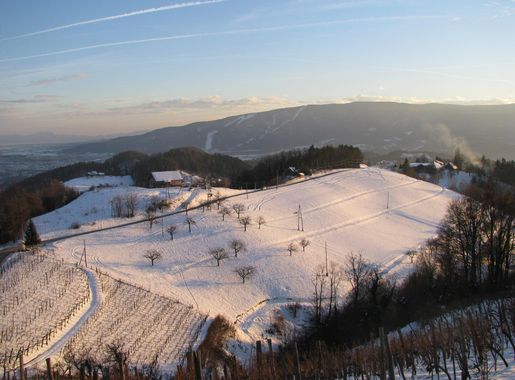
Nestled in the heart of Slovenia, Maribor Pohorje is a captivating destination that offers a blend of natural beauty and vibrant culture. Known for its picturesque landscapes, this area is a paradise for outdoor enthusiasts, offering activities such as skiing, hiking, and cycling. The Pohorje Mountains provide stunning panoramic views and a serene escape from the hustle and bustle of city life. Maribor, the second-largest city in Slovenia, sits at the foot of the Pohorje Mountains. It boasts a rich history and a lively cultural scene. Visitors can explore the charming old town, with its narrow streets and historic buildings, including the Maribor Castle and the Cathedral of St. John the Baptist. The city is also famous for its wine, particularly the world-renowned Old Vine, which is over 400 years old. Throughout the year, Maribor Pohorje hosts various festivals and events that showcase the region's traditions and modern flair. Whether you are visiting in winter for the skiing or in summer for the hiking trails, Maribor Pohorje promises an unforgettable experience filled with natural wonders and cultural delights.