

Free Zagorje Travel Guide & Mobile App
Explore Zagorje with free travel guides. Discover regional history, expert tips, proposed trips, and audio guides on web or mobile app.


Explore Croatia’s Zagorje for hilltop castles, Neanderthal heritage, thermal spas, pilgrimage sites, vineyards and traditional northern Croatian food.
Read more about Zagorje
When is the best time to visit Zagorje?
Best: June, August–September · 24–28°C| Month | High (°C) | Rainfall (mm) |
|---|---|---|
| January | 6 | 50 |
| February | 8 | 45 |
| March | 12 | 55 |
| April | 17 | 65 |
| May | 22 | 75 |
| June (best) | 26 | 80 |
| July | 29 | 85 |
| August (best) | 28 | 80 |
| September (best) | 24 | 70 |
| October | 18 | 65 |
| November | 10 | 60 |
| December | 5 | 55 |
Getting to and around Zagorje
How to get there
Transportation
Top city travel guides in Zagorje
The cities of Zagorje, and the easiest places to base yourself.

Swipe for more cities
Destinations in Zagorje
Resorts, valleys and scenic spots worth a trip of their own.
-

-


Swipe for more destinations
Best attractions in Zagorje
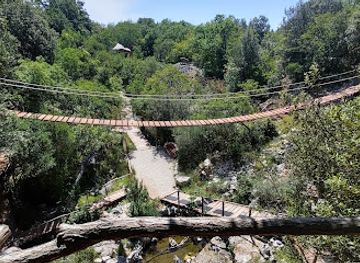
Zagorje’s attractions are closely tied to its rolling landscape and long settlement history. The Krapina Neanderthal Museum and Hušnjakovo archaeological site introduce one of Europe’s most important Neanderthal discoveries through engaging scientific interpretation. Castles provide the region’s strongest concentration of built heritage: Trakošćan combines a historic residence, lake and landscaped grounds, while Veliki Tabor offers a more fortified architectural experience in the north-western hills. Around Stubica, the Museum of Peasant Uprisings and nearby historic sites explain the 1573 revolt and the social world behind it. Marija Bistrica brings religious heritage and pilgrimage culture into the itinerary, while Kumrovec presents traditional village buildings and twentieth-century history. Thermal resorts at Krapinske Toplice, Stubičke Toplice and Tuhelj add pools and wellness facilities, and rural roads lead through vineyards, orchards and wooded hills suited to walking, cycling and scenic drives. The attraction landscape is less about large-scale entertainment than about combining several smaller, meaningful experiences across the countryside.
-
Castle
Trakoscan Castle
Explore Trakošćan Castle: A breathtaking blend of history, art, and nature in the heart of Croatia.
-
Spa
Tuhelj d.o.o
Discover tranquility at Tuhelj Spa, where thermal waters meet luxurious wellness treatments in the heart of Tuheljske Toplice.
-
Amusement park
Dinopark Funtana
Discover the wonders of Dinopark Funtana, Croatia's premier amusement park featuring thrilling rides, interactive exhibits, and life-sized dinosaurs!
-
Spa
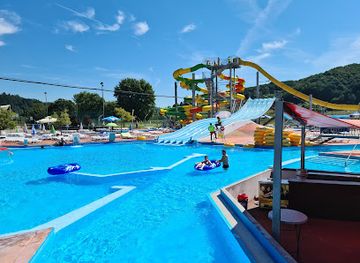
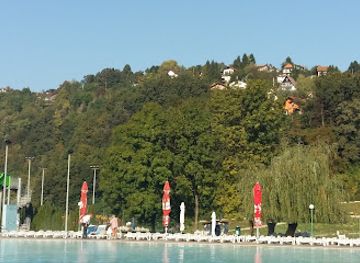
Camp Terme Jezercica
Discover the perfect blend of relaxation and adventure at Camp Terme Jezercica, a premier spa and water park resort in Croatia's beautiful Zagorje region.

Best landmarks in Zagorje
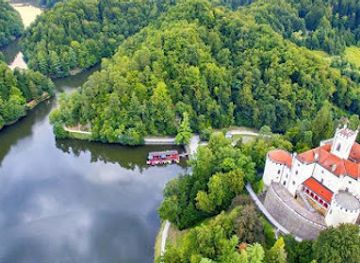
Trakošćan Castle is Zagorje’s most recognisable landmark, its pale historicist silhouette reflected in a lake below wooded slopes. The estate’s architecture and grounds express the nineteenth-century remodelling of an older fortification into an aristocratic residence. Veliki Tabor, set on a prominent hill near Desinić, is visually distinctive for its massive walls and rounded towers, which preserve the defensive character of a medieval and Renaissance complex. In Krapina, Hušnjakovo Hill and the Krapina Neanderthal Museum mark a site of global archaeological importance rather than a conventional monument. Marija Bistrica’s basilica and pilgrimage complex form a major religious landmark, with the surrounding settlement shaped by centuries of devotion. Near Gornja Stubica, the Gubec Linden is associated with the memory of Matija Gubec and the 1573 Peasant Revolt. Kumrovec’s traditional village core, including the house associated with Tito’s birthplace, represents a different kind of landmark: a preserved rural setting carrying the political and social memories of the twentieth century.
-
Castle
Trakoscan Castle
Explore the majestic Trakošćan Castle, a hidden gem of Croatia, where history, art, and stunning landscapes come together in perfect harmony.
-
Heritage museum
Krapina Neanderthal Museum
Discover the fascinating world of Neanderthals at Krapina Neanderthal Museum, a unique heritage museum blending history with modern interactive exhibits.
-
Castle
Dvor Veliki Tabor
Discover the enchanting Dvor Veliki Tabor, a historic castle in Croatia, showcasing medieval architecture and breathtaking views in a lush natural setting.
-
Museum
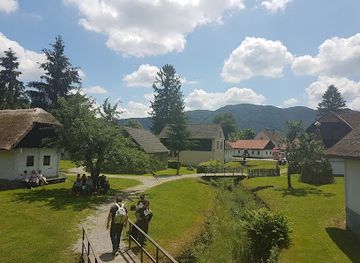
"Old Village" Kumrovec
Discover Croatia's rural heritage at Old Village Kumrovec, a living museum showcasing traditional life and the birthplace of Josip Broz Tito.
Explore Zagorje on the map
Plan your trip on one map. See where the top cities, national parks and sights are, and book hotels and experiences in a few clicks.
Best hotels in Zagorje
Best restaurants in Zagorje
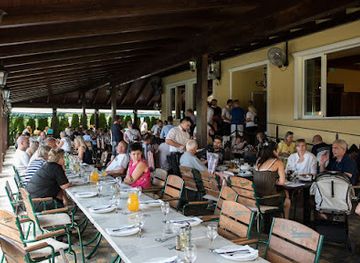
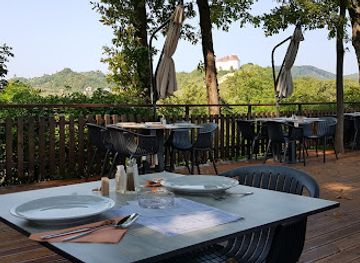
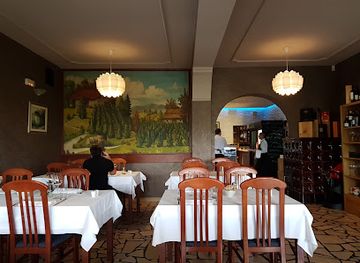
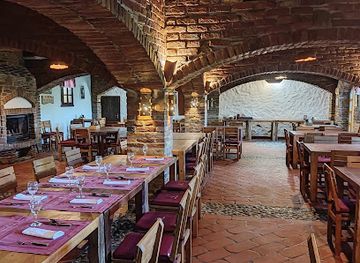
Zagorje’s food reflects household cooking, hill-country farming and the influence of northern Croatian culinary traditions. Zagorski štrukli, parcels of pastry filled with fresh cheese and served boiled or baked, is the region’s best-known speciality and appears in traditional inns, family restaurants and some contemporary kitchens. Menus may also include roast duck or turkey with mlinci, a baked flatbread broken into pieces, seasonal soups, sausages, cured meats, potatoes, mushrooms and dishes based on locally grown vegetables. Pork and poultry are more characteristic than a coastal seafood repertoire. Countryside restaurants and rural guesthouses tend to emphasise generous portions and inherited recipes, while dining in Krapina, Zabok and spa towns offers a broader range of modern Croatian cooking. Zagorje’s vineyard slopes support small-scale wine production, and local wines are often paired with regional meals. Farmers’ markets and village producers are useful for finding honey, preserves, pumpkin-seed products and seasonal fruit, though availability follows the agricultural calendar.
-
Restaurant
Grašo
Experience authentic Croatian flavors at Grašo, where exceptional cuisine meets warm hospitality in the heart of Gubaševo.
-
Restaurant
Grešna gorica seljački turizam
Discover authentic Zagorje flavors at Grešna Gorica – where tradition meets culinary excellence in every dish.
-
Restaurant
Restoran Ribič
Discover authentic Croatian cuisine at Restoran Ribič in Veliko Trgovišće—where every dish tells a story.
-
Restaurant
Guest House Kozjak
Savor authentic Croatian cuisine at Guest House Kozjak in Sveti Križ Začretje—where every meal tells a story.
Best bars in Zagorje
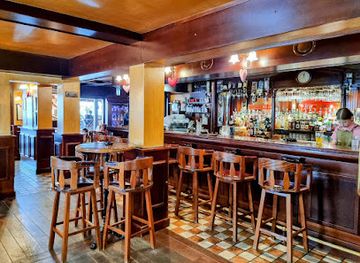
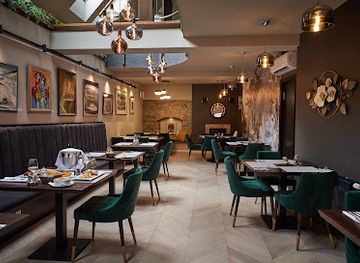
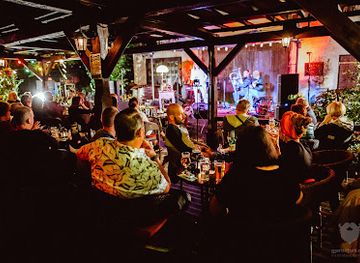
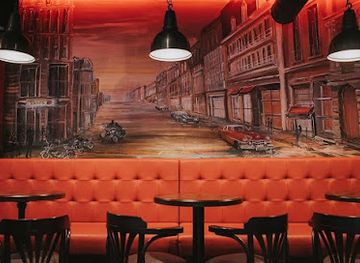
Evening life in Zagorje is generally sociable and low-key rather than built around a large club scene. Krapina, Zabok, Donja Stubica and spa towns have cafés and bars where residents meet for coffee during the day and drinks in the evening, while traditional inns and restaurants provide the main rural nightlife. Thermal resorts can be livelier at weekends and during organised entertainment, but arrangements change seasonally. Young people may travel towards Zagreb for a wider choice of concerts and clubs, while local celebrations, wedding venues and occasional live-music events bring activity to smaller communities. Wine cellars and vineyard households can offer a more regional evening experience when visits are arranged in advance. Visitors should not expect extensive late-night transport between villages, so a designated driver or pre-booked taxi is important if sampling local wine. The emphasis is on conversation, food, music and relaxed hospitality rather than a concentrated nightlife district.
-
Bar
Temple Bar
Experience the vibrant atmosphere of Temple Bar in Stubičke Toplice, offering a delightful mix of local cuisine and refreshing drinks in a welcoming setting.
-
Restaurant
Kramberger PUB & Restoran
Discover the flavors of Croatia at Kramberger PUB & Restoran, where every meal is a celebration of local cuisine and warm hospitality.
-
Bar
Krčma Polanović w. Huncutarije
Discover Krčma Polanović w. Huncutarije, a vibrant bar in Zabok, Croatia, where local flavors and warm hospitality create unforgettable experiences.
-
Bar
Roses
Discover the vibrant charm of Roses, a top bar in Oroslavje, offering delightful drinks and a friendly atmosphere for an unforgettable night out.
Best nightclubs in Zagorje
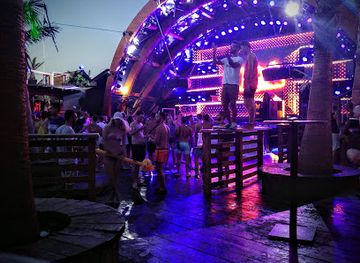
Evening life in Zagorje is generally sociable and low-key rather than built around a large club scene. Krapina, Zabok, Donja Stubica and spa towns have cafés and bars where residents meet for coffee during the day and drinks in the evening, while traditional inns and restaurants provide the main rural nightlife. Thermal resorts can be livelier at weekends and during organised entertainment, but arrangements change seasonally. Young people may travel towards Zagreb for a wider choice of concerts and clubs, while local celebrations, wedding venues and occasional live-music events bring activity to smaller communities. Wine cellars and vineyard households can offer a more regional evening experience when visits are arranged in advance. Visitors should not expect extensive late-night transport between villages, so a designated driver or pre-booked taxi is important if sampling local wine. The emphasis is on conversation, food, music and relaxed hospitality rather than a concentrated nightlife district.
-
Night club
Night Club & Rock Bar Alcatraz
Discover the electrifying nightlife of Zagreb at Night Club & Rock Bar Alcatraz, where great music meets a vibrant atmosphere.
-
Beach club
Noa Beach Club
Experience the vibrant atmosphere and stunning views at Noa Beach Club in Kolan, Croatia, where relaxation meets lively nightlife.
-
Disco club
Cocomo Club
Immerse yourself in the electrifying nightlife of Cocomo Club, Novalja's top disco club for unforgettable parties and vibrant music.
-
Bar
Oaza
Discover the vibrant nightlife at Oaza, a premier bar and night club in Ciglenica Zagorska, perfect for drinks, dancing, and unforgettable memories.



Best shops in Zagorje
Shopping in Zagorje centres on market towns, local produce and small-scale craft rather than major retail districts. Krapina, Zabok, Marija Bistrica and the larger spa settlements provide everyday shops, cafés and independent businesses, while weekly markets are useful for seasonal fruit, vegetables, honey, preserves and other products from surrounding farms. At Marija Bistrica, visitors can find religious souvenirs and locally made craft items associated with the pilgrimage tradition. Rural households and vineyard producers may sell wine, spirits, pumpkin-seed products or honey, but opening arrangements and payment methods vary, so it is sensible to ask locally or contact producers ahead. Traditional wooden toys from the Hrvatsko Zagorje and nearby areas form part of the wider northern Croatian craft tradition and can make a more meaningful souvenir than generic merchandise. Castle shops and museums may offer books, postcards and heritage-related gifts, while larger towns provide practical clothing and household shopping for visitors staying in the region.
-
Shopping mall
Supernova Zadar
Discover a shopping experience like no other at Supernova Zadar, featuring diverse stores, dining options, and entertainment for all ages.
-
Store
Westgate Shopping City
Experience the best of shopping, dining, and entertainment at Westgate Shopping City, the premier shopping destination in Jablanovec, Croatia.
-
Shopping mall
Supernova Garden Mall
Explore the vibrant shopping and dining scene at Supernova Garden Mall in Zagreb, your ultimate destination for retail therapy and entertainment.
-
Heritage museum
Krapina Neanderthal Museum
Explore prehistoric heritage at Krapina Neanderthal Museum, where ancient history meets modern discovery in Croatia's captivating landscape.


Get your free copy of our complete guide to Zagorje, delivered straight to you.
Everything on this page, from attractions and restaurants to essentials and local phrases, in one PDF you can read offline, print or share.
Already have an account? Sign in
Your Zagorje guide is ready.
We'll send it to · Not you? Sign out

Getting your guide ready…
We are putting together a fresh copy of the Zagorje guide. This can take up to a minute.
This can take a few moments. If your browser asks, choose Allow so the download can start. You'll find the guide in your Downloads folder.
Nothing happened? Download it again
Sorry, the guide is taking longer than usual. Please try again in a minute, or get it by email instead.
Zagorje essentials
Currency and Payment
Safety
Emergency Situations
Do's and Don'ts
Local Tips
From Eve
Local phrases worth knowing
You don't need to get them perfect. A few words go a long way, and locals appreciate the effort.
Basics
| English | Local | Say it |
|---|---|---|
| Hello | Bok | [Bok] |
| Goodbye | Doviđenja | [Doviđenja] |
| Yes | Da | [Da] |
| No | Ne | [Ne] |
| Please/You're welcome | Molim/ Nema na čemu | [Molim/ Nema na čemu] |
| Thank you | Hvala | [Hvala] |
| Excuse me/Sorry | Oprostite/Žao mi je | [Oprostite/Žao mi je] |
| How are you? | Kako si? | [Kako si?] |
| Fine. And you? | Dobro. A ti? | [Dobro. A ti?] |
| Do you speak English? | Govoriš li engleski? | [Govoriš li engleski?] |
| I don't understand | Ne razumijem | [Ne razumijem] |
Eating & Drinking
| English | Local | Say it |
|---|---|---|
| I'd like to see the menu, please | Mogu li vidjeti jelovnik, molim? | [Mogu li vidjeti jelovnik, molim?] |
| I don't eat meat | Ne jedem meso | [Ne jedem meso] |
| Cheers! | Živjeli! | [Živjeli!] |
| I would like to pay, please | Želim platiti, molim | [Želim platiti, molim] |
Emergencies
| English | Local | Say it |
|---|---|---|
| Help! | Pomoć! | [Pomoć!] |
| Go away! | Ode! | [Ode!] |
| Call the Police! | Zovi policiju! | [Zovi policiju!] |
| Call a doctor! | Zovi doktora! | [Zovi doktora!] |
| I'm lost | Izgubio sam se | [Izgubio sam se] |
| I'm ill | Bolestan sam | [Bolestan sam] |
Shopping
| English | Local | Say it |
|---|---|---|
| I'd like to buy... | Želim kupiti... | [Želim kupiti...] |
| I'm just looking | Samo gledam | [Samo gledam] |
| How much is it? | Koliko košta? | [Koliko košta?] |
| That's too expensive | To je preskupo | [To je preskupo] |
| Can you lower the price? | Možeš li sniziti cijenu? | [Možeš li sniziti cijenu?] |
Time & Numbers
| English | Local | Say it |
|---|---|---|
| What time is it? | Koliko je sati? | [Koliko je sati?] |
| It's one o'clock | Jedan je sat | [Jedan je sat] |
| Half past (10) | Polovica (10) | [Polovica (10)] |
| Morning | Jutro | [Jutro] |
| Afternoon | Poslijepodne | [Poslijepodne] |
| Evening | Večer | [Večer] |
| Yesterday | Jučer | [Jučer] |
| Today | Danas | [Danas] |
| Tomorrow | Sutra | [Sutra] |
| 1 | 1 | [1] |
| 2 | 2 | [2] |
| 3 | 3 | [3] |
| 4 | 4 | [4] |
| 5 | 5 | [5] |
| 6 | 6 | [6] |
| 7 | 7 | [7] |
| 8 | 8 | [8] |
| 9 | 9 | [9] |
| 10 | 10 | [10] |
Transport & Directions
| English | Local | Say it |
|---|---|---|
| Where's a/the...? | Gdje je...? | [Gdje je...?] |
| What's the address? | Koja je adresa? | [Koja je adresa?] |
| Can you show me (on the map)? | Možeš li mi pokazati (na mapi)? | [Možeš li mi pokazati (na mapi)?] |
| When's the next (bus)? | Kada je sljedeći (autobus)? | [Kada je sljedeći (autobus)?] |
| A ticket (to ....) | Jedna karta (do ...) | [Jedna karta (do ...)] |
History of Zagorje
Prehistoric Krapina and the Neanderthals
The archaeological site at Hušnjakovo Hill near Krapina became internationally important after Dragutin Gorjanović-Kramberger excavated Neanderthal remains there from 1899 onwards. The finds, dating to roughly 130,000 years ago, included numerous bones and stone tools and helped transform scientific understanding of Neanderthal life in Europe. The site’s significance is presented at the Krapina Neanderthal Museum, where reconstruction, archaeology and explanation are combined. This deep prehistoric legacy gives Zagorje a historical dimension that long predates its castles, churches and modern settlements.
Medieval Counties, Churches and Fortifications
During the medieval period, Zagorje developed as a frontier and inland region connected to the political centres of the Kingdom of Croatia within the Hungarian Crown. Noble families controlled estates, fortified sites and market settlements, while parish churches and monasteries shaped local communities. The surviving castles of Trakošćan and Veliki Tabor, together with remnants and later buildings at other hilltop sites, reflect the strategic importance of controlling routes through the northern Croatian uplands. Their architecture also records centuries of rebuilding as defensive needs gave way to residential and representational uses.
The Ratkay Family and Veliki Tabor
Veliki Tabor became closely associated with the Ratkay family, a prominent noble lineage that held the castle and surrounding estates from the sixteenth century. The complex developed from a medieval fortified core into a distinctive Renaissance-period residence, with massive walls and rounded defensive towers adapted to changing military conditions. Its position in the north-western Zagorje landscape made it both a residence and a statement of status. The castle’s later preservation as a heritage monument provides visible evidence of the region’s aristocratic and military past.
The 1573 Peasant Revolt
In 1573, social tensions between peasants and feudal landlords erupted in a revolt across parts of Croatia and neighbouring Slovene lands. Matija Gubec became the best-known leader, and the decisive defeat of the rebels at the Battle of Stubica entered regional historical memory. The revolt is interpreted through museums, monuments and educational programmes around Gornja Stubica and Donja Stubica. Although later accounts sometimes turned Gubec into a symbol of popular justice, the event is also a reminder of the harsh obligations and unequal power structures of the sixteenth-century feudal countryside.
Pilgrimage at Marija Bistrica
Marija Bistrica grew around a revered Marian image and developed into Croatia’s leading Catholic pilgrimage centre. The tradition became especially significant from the early modern period onwards, and the parish church was later transformed into a basilica and a major national shrine. Pilgrims continue to arrive from across Croatia and neighbouring countries, particularly for religious celebrations. The site demonstrates how faith, local craft, hospitality and regional identity became closely connected, while its architecture and devotional art form one of Zagorje’s most recognisable cultural landscapes.
Castles as Residences and Cultural Heritage
From the eighteenth and nineteenth centuries, several Zagorje castles were increasingly valued as residences, family estates and symbols of lineage rather than solely as defensive strongholds. Trakošćan was remodelled in a historicist spirit and furnished as a romantic aristocratic residence, while other estates underwent changing ownership and uses. In the twentieth century, preservation efforts turned castles and manor houses into museums and protected monuments. Their collections, interiors, parks and landscapes now reveal how noble families, servants, agriculture and administration shaped the region over several centuries.
Industrial and Thermal Development
Zagorje’s economy remained strongly rural, but roads, railways, small-scale industry and the exploitation of thermal springs gradually changed the region in the nineteenth and twentieth centuries. Krapinske Toplice and Stubičke Toplice developed as health resorts, building on naturally warm mineral waters and a wider European tradition of spa treatment. Manufacturing and trade expanded around larger settlements, while vineyards, orchards and mixed farming remained important in the hills. The current blend of rural tourism, museums, wellness and local food reflects that layered economic history.
Twentieth-Century Memory at Kumrovec
Kumrovec, close to the Slovenian border, is known as the birthplace of Josip Broz Tito, the communist leader of Yugoslavia from the Second World War until his death in 1980. The village became a place of political commemoration during the Yugoslav period, while its traditional houses and rural setting were also preserved as an open-air museum. Today Kumrovec presents both vernacular life and a contested twentieth-century political legacy. Visitors encounter reconstructed interiors, craft demonstrations and exhibits that require the period’s history to be understood within changing Croatian and Yugoslav contexts.
Zagorje in Photos
Browse through our photo collection highlighting the charm and character of the destination.
Neighbouring regions of Zagorje
The closest regions to Zagorje, if you have time for more than one.
-

-

-

-

-


Swipe for more regions
Explore more

Explore more of Croatia
Discover Croatia: A Mediterranean paradise with stunning coastlines, ancient cities, and rich cultural heritage. Perfect for beach lovers, history buffs, and nature enthusiasts.
Explore Croatia