

Zumberak Mountains Travel Guide - Free Web & App
Your ultimate guide to Zumberak Mountains. Discover top landmarks, proposed trips, and local tips. Free on the web or via the Evendo companion app.


Discover the tranquil beauty of Zumberak Mountains in Croatia, a natural wonderland filled with lush forests, scenic trails, and rich cultural heritage.
Read more about Zumberak Mountains
When is the best time to visit Zumberak Mountains?
Best: June, August–September · 22–27°C| Month | High (°C) | Rainfall (mm) |
|---|---|---|
| January | 1 | 55 |
| February | 2 | 49 |
| March | 6 | 53 |
| April | 14 | 66 |
| May | 19 | 79 |
| June (best) | 24 | 90 |
| July | 27 | 95 |
| August (best) | 27 | 87 |
| September (best) | 22 | 69 |
| October | 16 | 63 |
| November | 10 | 57 |
| December | 4 | 51 |
Getting to and around Zumberak Mountains
How to get there
Transportation
Best attractions in Zumberak Mountains
The Zumberak Mountains in Croatia offer a unique blend of natural beauty, historical sites, and outdoor activities for visitors to enjoy. From the picturesque villages nestled among the rolling hills to the ancient ruins and castles scattered throughout the region, there is something for everyone to explore. Hiking trails wind through lush forests, leading to stunning viewpoints and hidden waterfalls, while wildlife enthusiasts can spot rare species of plants and animals in the protected nature reserves. Whether you are interested in history, nature, or simply seeking a peaceful retreat, the Zumberak Mountains have it all.
-
Tourist attraction
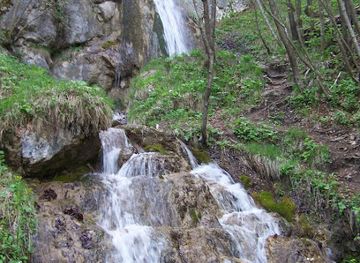
Sopote Waterfall
Experience the breathtaking beauty of Sopote Waterfall in Žumberak Nature Park, a serene escape into Croatia's stunning natural landscapes.
-
Tourist attraction
Slap Brisalo - Slapnica
Explore the breathtaking beauty of Slap Brisalo Waterfalls in Staničići Žumberački, a must-see natural attraction for every nature enthusiast.
-
Memorial park
Jama Jazovka
Discover the serene Jama Jazovka in Sošice, a memorial park blending history, nature, and tranquility for an unforgettable visit.
-
Tourist attraction
Etno park Ozalj, Etno muzej na otvorenom
Experience the rich cultural heritage of Croatia at Etno Park Ozalj, an open-air museum showcasing traditional architecture, crafts, and local customs.


Best landmarks in Zumberak Mountains
The Zumberak Mountains in Croatia offer visitors a unique blend of natural beauty and rich history. From ancient ruins and medieval castles to stunning hiking trails and picturesque villages, the area has something for every type of traveler. Explore the mysterious caves, admire the breathtaking waterfalls, and immerse yourself in the local culture at traditional festivals. Whether you are a nature lover, history buff, or simply looking for a peaceful retreat, Zumberak Mountains will captivate you with its charm and beauty.
-
Wildlife refuge
Žumberak and Samobor Mountains
Discover the breathtaking beauty of Žumberak and Samobor Mountains, a wildlife refuge in Croatia perfect for adventure, relaxation, and nature exploration.
-
Ruin
Samobor Castle
Explore the ruins of Samobor Castle, a medieval fortress offering stunning views and a glimpse into Croatia's rich history, just a short trip from Zagreb.
-
Fortress
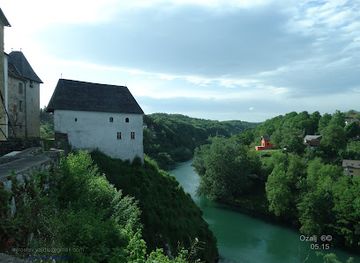
Ozalj
Discover the captivating history and breathtaking views at Ozalj Fortress, a must-visit destination nestled in the heart of Croatia.
-
Castle
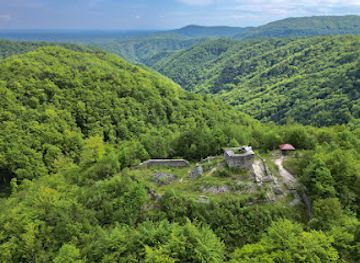
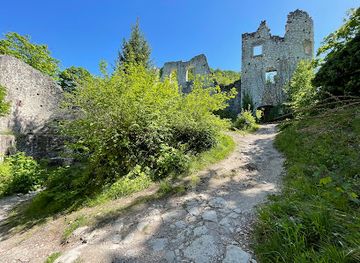
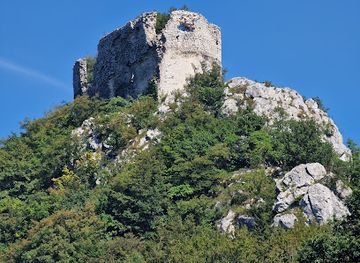
Okić
Explore the ruins of Okić Castle near Samobor, a medieval fortress offering panoramic views and a glimpse into Croatian history.
Explore Zumberak Mountains on the map
Plan your trip on one map. See where the top attractions, landmarks, restaurants and hotels are, and book hotels and experiences in a few clicks.
Best hotels in Zumberak Mountains
Best restaurants in Zumberak Mountains
The dining scene in Zumberak Mountains offers a unique blend of traditional Croatian cuisine and modern culinary experiences. Visitors can enjoy delicious local dishes made with fresh ingredients sourced from the surrounding area, as well as innovative dishes that showcase the creativity of the chefs. From cozy family-run taverns serving hearty stews and grilled meats to upscale restaurants offering gourmet tasting menus, there is something for every palate in this picturesque mountain region. Don't miss the opportunity to try the local specialties like štrukli and šljivovica, and soak in the warm hospitality of the local people as you dine amidst stunning natural beauty.
-
Restaurant
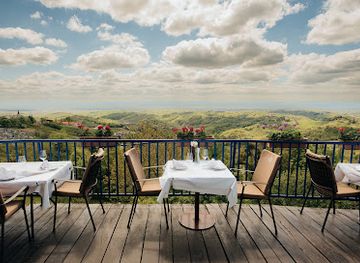
Restoran Ivančić
Discover the flavors of Croatia at Restoran Ivančić, where family-friendly dining meets breathtaking views and authentic cuisine.
-
Restaurant
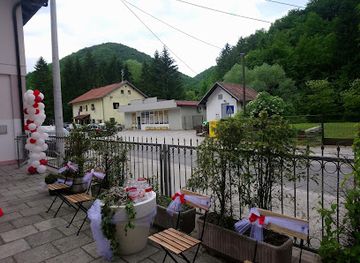
Vilinske jame
Experience authentic Croatian cuisine at Vilinske Jame in Grdanjci – where local flavors meet warm hospitality.
-
Restaurant
Restoran Žganjer
Experience authentic Croatian flavors at Restoran Žganjer in Ozalj - where culinary tradition meets modern taste.
-
Restaurant
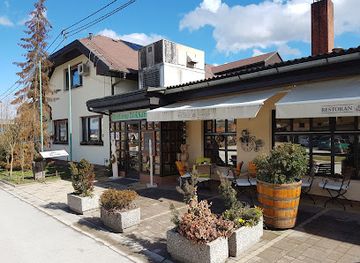
Bistro Žumberački raj
Experience authentic Croatian cuisine at Bistro Žumberački raj in Žamarija - where local flavors meet warm hospitality.
Best bars in Zumberak Mountains
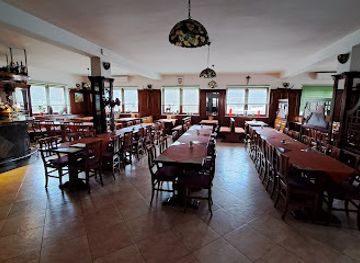
When the sun sets over the picturesque Zumberak Mountains in Croatia, visitors can immerse themselves in a unique nightlife experience. From cozy mountain pubs serving local wines and spirits to lively bars offering craft cocktails and live music, there is something for everyone to enjoy. Dance the night away with locals and fellow travelers, or simply relax and soak in the charming atmosphere of the region. Whether you prefer a laid-back evening or a vibrant party scene, Zumberak Mountains have it all for a memorable night out.
-
Restaurant
Gostinstvo Mrhar, Blaž Mrhar s.p.
Experience authentic Slovenian cuisine at Gostinstvo Mrhar, where seasonal ingredients and local flavors come together in a delightful dining atmosphere.
-
Bar
Bar Liber
Discover Bar Liber in Metlika: Your go-to bar for local drinks and a vibrant atmosphere surrounded by the charm of Slovenia.
-
Bar
Simba bar Božidar Korenič s.p.
Enjoy a delightful drink at Simba Bar in Šmarješke Toplice, Slovenia - a cozy spot for relaxation and socializing amidst stunning landscapes.
-
Bar
Caffe bar Đino
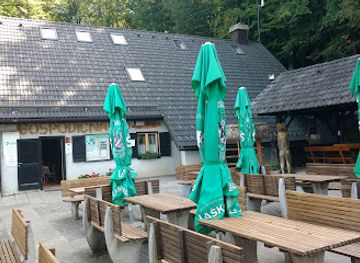
Discover the vibrant atmosphere of Caffe Bar Đino in Kamanje, where friendly service meets an excellent selection of drinks in a charming setting.
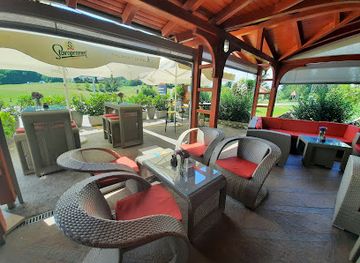
Best nightclubs in Zumberak Mountains
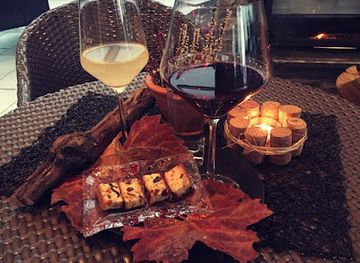
When the sun sets over the picturesque Zumberak Mountains in Croatia, visitors can immerse themselves in a unique nightlife experience. From cozy mountain pubs serving local wines and spirits to lively bars offering craft cocktails and live music, there is something for everyone to enjoy. Dance the night away with locals and fellow travelers, or simply relax and soak in the charming atmosphere of the region. Whether you prefer a laid-back evening or a vibrant party scene, Zumberak Mountains have it all for a memorable night out.
-
Night club
Garden - Caffe Bar & Night Club
Discover the vibrant nightlife of Jastrebarsko at Garden - Caffe Bar & Night Club, where great music and delicious drinks await.

Best shops in Zumberak Mountains
Visitors to Zumberak Mountains can look forward to a unique shopping experience, with charming local shops offering traditional handmade crafts, locally produced honey, wines, and cheeses. You can also find a variety of souvenirs and gifts inspired by the rich history and nature of the region. Don't miss the opportunity to explore the quaint markets and flea markets, where you can hunt for hidden treasures and mingle with friendly locals. Whether you're looking for a special keepsake or simply want to immerse yourself in the local culture, the shopping scene in Zumberak Mountains is sure to delight and surprise you.
-
Wildlife refuge
Žumberak and Samobor Mountains
Explore the stunning landscapes and rich wildlife of Žumberak and Samobor Mountains, a perfect escape into nature in Croatia.
-
Pond fish supplier
Ribnjaci Vrabac
Explore the serene beauty and sustainable practices at Ribnjaci Vrabac, a premier pond fish supplier in Kostanjevac, Croatia.
-
Gift shop
Regal Shop Metlika
Explore Regal Shop Metlika for unique gifts and local crafts that capture the spirit of Slovenia, perfect for memorable souvenirs and thoughtful presents.
-
Mountain range
Žumberak
Discover the breathtaking landscapes and rich wildlife of Žumberak Mountain Range, a hidden gem in Croatia perfect for outdoor adventures and cultural exploration.
Get your free copy of our complete guide to Zumberak Mountains, delivered straight to you.
Everything on this page, from attractions and restaurants to essentials and local phrases, in one PDF you can read offline, print or share.
Already have an account? Sign in
Your Zumberak Mountains guide is ready.
We'll send it to · Not you? Sign out

Getting your guide ready…
We are putting together a fresh copy of the Zumberak Mountains guide. This can take up to a minute.
This can take a few moments. If your browser asks, choose Allow so the download can start. You'll find the guide in your Downloads folder.
Nothing happened? Download it again
Sorry, the guide is taking longer than usual. Please try again in a minute, or get it by email instead.
Zumberak Mountains essentials
Currency and Payment
Safety
Emergency Situations
Do's and Don'ts
Local Tips
From Eve
Local phrases worth knowing
You don't need to get them perfect. A few words go a long way, and locals appreciate the effort.
Basics
| English | Local | Say it |
|---|---|---|
| Hello | Bok | [Bohk] |
| Goodbye | Doviđenja | [Doh-vee-jen-ya] |
| Yes | Da | [Dah] |
| No | Ne | [Neh] |
| Please/You're welcome | Molim | [Moh-leem] |
| Thank you | Hvala | [Hvah-lah] |
| Excuse me/Sorry | Oprosti | [Oh-pros-tee] |
| How are you? | Kako si? | [Kah-koh see?] |
| Fine. And you? | Dobro. A ti? | [Doh-bro. Ah tee?] |
| Do you speak English? | Govorite li engleski? | [Go-vo-ree-teh lee eng-les-kee?] |
| I don't understand | Ne razumijem | [Neh rah-zoo-mee-yem] |
Eating & Drinking
| English | Local | Say it |
|---|---|---|
| I'd like to see the menu, please | Mogu li vidjeti jelovnik, molim? | [Moh-goo lee vee-dyeh-tee yeh-lov-neek, moh-leem?] |
| I don't eat meat | Ne jedem meso | [Neh yeh-dem meh-so] |
| Cheers! | Živjeli! | [Zhee-vye-lee] |
| I would like to pay, please | Želim platiti, molim | [Zheh-leem plah-tee-tee, moh-leem] |
Emergencies
| English | Local | Say it |
|---|---|---|
| Help! | Pomoć! | [Poh-mohtch!] |
| Go away! | Odlazi! | [Oh-dlah-zee!] |
| Call the Police! | Zovite policiju! | [Zoh-vee-teh po-lee-tsee-yoo!] |
| Call a doctor! | Zovite liječnika! | [Zoh-vee-teh lee-yehch-nee-kah!] |
| I'm lost | Izgubio/la sam se | [Eez-goo-byoh/lah sahm seh] |
| I'm ill | Bolestan/sam/sam | [Boh-leh-stahn/sahm/sahm] |
Shopping
| English | Local | Say it |
|---|---|---|
| I'd like to buy... | Želim kupiti... | [Zheh-leem koo-pee-tee...] |
| I'm just looking | Samo gledam | [Sah-moh gleh-dahm] |
| How much is it? | Koliko košta? | [Koh-lee-koh kohs-tah?] |
| That's too expensive | To je pre skupo | [Toh yeh preh skoo-poh] |
| Can you lower the price? | Možete li spustiti cijenu? | [Moh-zheh-teh lee spoo-stee-tee tsee-yeh-noo?] |
Time & Numbers
| English | Local | Say it |
|---|---|---|
| What time is it? | Koliko je sati? | [Koh-lee-koh yeh sah-tee?] |
| It's one o'clock | Jedan je sat | [Yeh-dahn yeh saht] |
| Half past (10) | Pola (deset) | [Poh-lah (deh-set)] |
| Morning | Jutro | [Yoo-troh] |
| Afternoon | Popodne | [Poh-pohd-neh] |
| Evening | Večer | [Veh-chehr] |
| Yesterday | Jučer | [Yoo-chehr] |
| Today | Danas | [Dah-nahs] |
| Tomorrow | Sutra | [Soo-trah] |
| 1 | Jedan | [Yeh-dahn] |
| 2 | Dva | [Dvah] |
| 3 | Tri | [Tree] |
| 4 | Četiri | [Cheh-tee-ree] |
| 5 | Pet | [Peh-t] |
| 6 | Šest | [Shehst] |
| 7 | Sedam | [Sed-ahm] |
| 8 | Osam | [Oh-sahm] |
| 9 | Devet | [Deh-vet] |
| 10 | Deset | [Deh-set] |
Transport & Directions
| English | Local | Say it |
|---|---|---|
| Where's a/the...? | Gdje je... | [Gdyeh yeh...] |
| What's the address? | Koja je adresa? | [Koh-yah yeh ah-deh-sah?] |
| Can you show me (on the map)? | Možete li mi pokazati (na karti)? | [Moh-zheh-teh lee mee poh-kah-zah-tee (nah kahr-tee)?] |
| When's the next (bus)? | Kada je sljedeći (autobus)? | [Kah-dah yeh sleh-deh-chee (ow-toh-boos)?] |
| A ticket (to ....) | Jedna karta (za ...) | [Yeh-dnah kahr-tah (zah ...)] |
History of Zumberak Mountains
Ancient Settlements and Roman Influence
The Zumberak Mountains have been inhabited since prehistoric times, with evidence of ancient settlements scattered throughout the region. During the Roman period, this area was part of the Roman province of Pannonia. The Romans built roads and small fortifications to secure their territory and facilitate trade. Archaeological finds, such as pottery, coins, and remnants of Roman roads, highlight the significance of this region during ancient times.
Medieval Fortresses and the Frankopan Family
The medieval era saw the construction of numerous fortresses and castles in the Zumberak Mountains, with many built by the influential Frankopan family. These fortifications served as defensive structures against invasions and as administrative centers. Notable castles include the ruins of Samobor Castle and the remains of the fortress at Okić Grad, which offer a glimpse into the feudal past of the region.
Ottoman Wars and the Military Frontier
During the 16th and 17th centuries, the Zumberak Mountains became a strategic frontier in the wars against the Ottoman Empire. This area was part of the Military Frontier (Vojna Krajina), a buffer zone established by the Habsburg Monarchy to defend against Ottoman incursions. The local population was largely composed of Uskoks, refugees who fled from Ottoman-occupied territories, and who played a crucial role in resisting Ottoman advances.
Traditional Villages and Cultural Heritage
The Zumberak Mountains are home to numerous traditional villages that have preserved their unique cultural heritage over centuries. These villages feature traditional wooden architecture, unique local customs, and folklore. The region is also known for its historic churches and chapels, such as the Church of St. Nicholas in Žumberak, which reflect the deep-rooted religious traditions of the area.
World War II and Partisan Activity
During World War II, the Zumberak Mountains were a significant center of Partisan resistance against Axis forces. The rugged terrain provided a natural refuge for the Partisans, who conducted guerrilla warfare and played a key role in the liberation of the region. Numerous memorials and plaques scattered throughout the area commemorate the bravery and sacrifices of the Partisan fighters.
Modern Conservation and Ecotourism
In recent decades, efforts have been made to conserve the natural and cultural heritage of the Zumberak Mountains. The establishment of the Žumberak-Samoborsko Gorje Nature Park has helped protect the region's diverse flora and fauna, as well as its historical sites. Today, the Zumberak Mountains are a popular destination for ecotourism, offering opportunities for hiking, cycling, and exploring the rich history and culture of the area.
Zumberak Mountains in Photos
Browse through our photo collection highlighting the charm and character of the destination.
Neighbouring destination travel guides
The closest destinations to Zumberak Mountains, if you have time for more than one.
-

-

-

-

-


Swipe for more destinations
Explore more

Explore more of Central Croatia
Discover the rich heritage, stunning nature, and culinary delights of Central Croatia—a perfect blend of history, culture, and natural beauty.
Explore Central Croatia
Explore more of Croatia
Discover Croatia: A Mediterranean paradise with stunning coastlines, ancient cities, and rich cultural heritage. Perfect for beach lovers, history buffs, and nature enthusiasts.
Explore Croatia