

Free Podravina Travel Guide & Mobile App
Explore Podravina with free travel guides. Discover regional history, expert tips, proposed trips, and audio guides on web or mobile app.


Discover Podravina’s Drava landscapes, Renaissance heritage, naive art, rural food and cycling routes across northern Croatia.
Read more about Podravina
When is the best time to visit Podravina?
Best: June–August · 24–26°C| Month | High (°C) | Rainfall (mm) |
|---|---|---|
| January | 4 | 40 |
| February | 6 | 40 |
| March | 12 | 50 |
| April | 16 | 60 |
| May | 21 | 70 |
| June (best) | 24 | 70 |
| July (best) | 26 | 60 |
| August (best) | 25 | 60 |
| September | 22 | 60 |
| October | 17 | 50 |
| November | 9 | 50 |
| December | 5 | 50 |
Getting to and around Podravina
How to get there
Transportation
Best attractions in Podravina
Podravina’s attractions are spread through a rural river valley rather than concentrated in one resort town. Koprivnica provides the strongest urban starting point, with museums, remnants of its Renaissance fortifications and cultural institutions linked to the region’s industrial and artistic history. Nearby Hlebine is central to the Croatian naive art tradition, offering galleries and collections devoted to painters who represented village life and the Drava plain. Đurđevac combines its old fortress with the Đurđevački pijesci, a protected sandy landscape of dunes, dry grassland and unusual vegetation. Across the valley, Virovitica offers civic heritage and the Pejačević Castle, while Slatina provides a useful base for exploring the eastern Podravina countryside. The Drava floodplain supplies opportunities for walking, cycling, birdwatching and quiet nature observation, although access varies with water levels and land management. Rural households, seasonal events, small collections and local food producers add texture to an itinerary, while the Bilogora foothills introduce wooded roads, vineyards and gentle walking terrain south of the main valley.
-
Tourist attraction
Sea Organ
Experience the unique melodies of nature at Zadar's Sea Organ, a stunning blend of art and the Adriatic Sea's natural beauty.
-
National park
Krka National Park
Explore the breathtaking waterfalls, lush landscapes, and rich biodiversity of Krka National Park in Croatia, a true natural wonder.
-
Historical landmark
Vukovar Water Tower
Explore the Vukovar Water Tower, a historical landmark that embodies resilience and offers breathtaking views of Croatia's beautiful landscapes.
-
Tourist attraction
Izletište Jankovac
Experience the breathtaking beauty and serene tranquility of Izletište Jankovac, a hidden gem in the heart of Papuk Mountain.


Best landmarks in Podravina
The most recognisable historic landmark in Podravina is Đurđevac Old Town, a fortified complex associated with the region’s frontier history and the local legend of the rooster used to deceive Ottoman besiegers. In Koprivnica, surviving sections and traces of the Renaissance defensive system recall the town’s former strategic importance, while the central streets preserve the scale of an historic market centre. Virovitica’s Pejačević Castle is a prominent nineteenth-century building set within the town and provides a visual link to the area’s noble and civic past. Hlebine is a cultural landmark rather than a single monument: its name is inseparable from the Croatian naive art movement and the rural landscapes represented by its painters. The Drava itself is Podravina’s defining natural landmark, with wooded banks, islands, channels and floodplain habitats changing in character between seasons. The Đurđevački pijesci add an unexpected geological and visual contrast, preserving inland dunes and dry habitats amid the cultivated plain.
-
Nature preserve
Nature Park Papuk
Explore Papuk Nature Park: Croatia's first geopark, a mountain paradise with geological wonders, lush forests, and rich history.
-
Museum
City Museum Virovitica
Explore the City Museum Virovitica, a cultural gem showcasing the rich history and art of Virovitica in a captivating setting.
-
Local history museum
Museum of Koprivnica
Discover Koprivnica's captivating history and cultural heritage at the Museum of Koprivnica, a treasure trove of regional artifacts and stories.
-
Museum
Food Museum Podravka
Explore the rich culinary heritage of Croatia at Food Museum Podravka, where tradition and innovation collide in a delightful showcase of gastronomy.


Explore Podravina on the map
Plan your trip on one map. See where the top cities, national parks and sights are, and book hotels and experiences in a few clicks.
Best hotels in Podravina
Best restaurants in Podravina
Podravina’s food is rooted in the produce of northern Croatia and the farming communities along the Drava. Menus commonly draw on freshwater fish, pork, poultry, potatoes, beans, cabbage, pumpkin, seasonal vegetables and soft local cheeses, with hearty soups and slow-cooked dishes particularly suited to the continental climate. Traditional pastries and baked goods are important at family gatherings and village celebrations, while pumpkin-seed products and regional preserves make practical edible souvenirs. In Koprivnica, Virovitica and other larger towns, restaurants and cafés offer a broader Croatian menu alongside local specialities; in smaller settlements, rural households, inns and seasonal events may provide a more direct connection with home-style cooking. Podravka’s presence is part of the region’s industrial food history, but visitors should distinguish nationally distributed products from dishes specifically associated with local households. Farmers’ markets and small producers are useful places to find cheese, honey, fruit, vegetables and preserves when operating.
-
Restaurant
Cowboy Western Ranch Restoran
Experience the charm of the Wild West at Cowboy Western Ranch Restoran in Markuševec Turopoljski – perfect for families and food lovers alike.
-
Restaurant
Kalimero
Discover Kalimero in Koprivnica - where local flavors meet modern cuisine in a cozy atmosphere.
-
Restaurant
Zlatni Lug
Discover authentic Croatian cuisine at Zlatni Lug—where traditional flavors meet rustic charm in picturesque Požega.
-
Restaurant
Little Italy Pub
Experience authentic Italian cuisine at Little Italy Pub in Daruvar – home of Croatia's best pizza!


Best bars in Podravina
Evening life in Podravina is generally sociable and town-based rather than centred on a large club scene. Koprivnica has the widest choice of cafés, bars and occasional live-music settings, while Virovitica and Slatina provide similar but smaller urban scenes. In Đurđevac, Pitomača and other market towns, evenings commonly revolve around cafés, traditional pubs, restaurants and community events. Rural inns and village gatherings can be lively during festivals, concerts and seasonal celebrations, but opening arrangements vary and should not be assumed outside event periods. Craft drinks and local hospitality are more easily encountered in relaxed cafés, bars or rural establishments than in specialised nightlife districts. Visitors should expect earlier evenings in smaller villages and arrange return transport in advance when staying outside a major town, as late public transport can be limited.
-
Bar
coffee & night bar Mr.Jack
Discover Mr. Jack, the perfect blend of coffee culture and nightlife in Virovitica, where every sip brings a taste of local charm and vibrant atmosphere.
-
Grill
Kavana Medena
Discover the flavors of Croatia at Kavana Medena, Virovitica's top grill restaurant, offering an inviting atmosphere and delicious grilled dishes.
-
Bar
Caffe Bar Branko
Discover the heart of Virovitica at Caffe Bar Branko, where local charm meets a vibrant atmosphere, perfect for relaxation and socializing.
-
Bar
Caffe Bar Macando
Explore the vibrant atmosphere of Caffe Bar Macando in Virovitica, where delightful drinks and warm hospitality await you.


Best nightclubs in Podravina
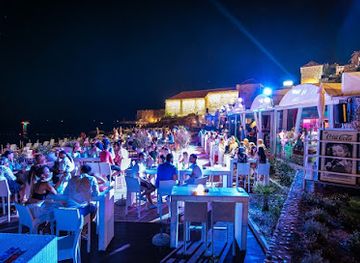
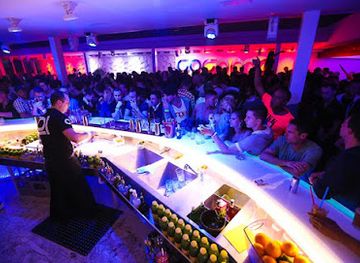
Evening life in Podravina is generally sociable and town-based rather than centred on a large club scene. Koprivnica has the widest choice of cafés, bars and occasional live-music settings, while Virovitica and Slatina provide similar but smaller urban scenes. In Đurđevac, Pitomača and other market towns, evenings commonly revolve around cafés, traditional pubs, restaurants and community events. Rural inns and village gatherings can be lively during festivals, concerts and seasonal celebrations, but opening arrangements vary and should not be assumed outside event periods. Craft drinks and local hospitality are more easily encountered in relaxed cafés, bars or rural establishments than in specialised nightlife districts. Visitors should expect earlier evenings in smaller villages and arrange return transport in advance when staying outside a major town, as late public transport can be limited.
-
Night club
Night Club & Rock Bar Alcatraz
Discover the heart of Zagreb's nightlife at Night Club & Rock Bar Alcatraz, where electrifying music and a vibrant atmosphere await.
-
Disco club
Culture Club Revelin
Discover the vibrant nightlife of Dubrovnik at Culture Club Revelin, where history meets modern clubbing in a stunning fortress setting.
-
Disco club
Cocomo Club
Experience the vibrant nightlife of Novalja at Cocomo Club, the ultimate destination for unforgettable parties and lively entertainment.
-
Night club
Orinoco caffe bar i noćni bar
Discover the vibrant nightlife and cozy café culture at Orinoco Caffe Bar in Koprivnica, where every visit is an experience to remember.


Best shops in Podravina
Shopping in Podravina is oriented towards market towns, everyday Croatian retail and locally produced food rather than large-scale luxury shopping. Koprivnica has the broadest selection of independent shops, established services and town-centre cafés, while Virovitica and Slatina serve as useful retail centres for the eastern part of the region. Market stalls and seasonal fairs may offer honey, cheese, fruit, vegetables, preserves, pumpkin-seed products and other items from local producers. Galleries and cultural institutions connected with Hlebine and the naive art tradition are the best places to look for art-related souvenirs, prints and books, though stock varies. Rural households and village events can provide more personal purchases when open to visitors. Traditional textiles, ceramics and decorative crafts may appear at festivals and local exhibitions, but availability is seasonal rather than guaranteed. For a practical regional gift, choose a packaged food product, a bottle from a local producer or a publication about Podravina’s art and heritage.
-
 Shopping mall
Supernova Zadar
Discover the vibrant shopping scene at Supernova Zadar, where modern retail meets local charm in the heart of Croatia.
-
Shopping mall
Supernova Koprivnica
Explore the dynamic Supernova Koprivnica Shopping Mall, where shopping, dining, and entertainment unite for an unforgettable experience in Croatia.
-
Supermarket
SPAR Supermarket
Experience local culture at SPAR Supermarket in Orahovica, offering a diverse range of groceries and fresh produce amidst warm hospitality.
-
Paint store
BRIIT Ltd.
Visit BRIIT Ltd. in Orahovica for an exceptional selection of paints, bicycles, and home improvement supplies in a friendly environment.


Get your free copy of our complete guide to Podravina, delivered straight to you.
Everything on this page, from attractions and restaurants to essentials and local phrases, in one PDF you can read offline, print or share.
Already have an account? Sign in
Your Podravina guide is ready.
We'll send it to · Not you? Sign out

Getting your guide ready…
We are putting together a fresh copy of the Podravina guide. This can take up to a minute.
This can take a few moments. If your browser asks, choose Allow so the download can start. You'll find the guide in your Downloads folder.
Nothing happened? Download it again
Sorry, the guide is taking longer than usual. Please try again in a minute, or get it by email instead.
Podravina essentials
Currency and Payment
Safety
Emergency Situations
Do's and Don'ts
Local Tips
From Eve
Local phrases worth knowing
You don't need to get them perfect. A few words go a long way, and locals appreciate the effort.
Basics
| English | Local | Say it |
|---|---|---|
| Hello | Bok | [Bok] |
| Goodbye | Doviđenja | [Doh-vee-jen-yah] |
| Yes | Da | [Dah] |
| No | Ne | [Neh] |
| Please/You're welcome | Molim | [Moh-leem] |
| Thank you | Hvala | [Hvah-lah] |
| Excuse me/Sorry | Oprostite | [Oh-proh-stee-teh] |
| How are you? | Kako ste? | [Kah-koh steh?] |
| Fine. And you? | Dobro. A vi? | [Doh-broh. Ah vee?] |
| Do you speak English? | Govorite li engleski? | [Goh-voh-ree-teh lee ehn-gleh-skee?] |
| I don't understand | Ne razumijem | [Neh rah-zoo-mee-ehm] |
Eating & Drinking
| English | Local | Say it |
|---|---|---|
| I'd like to see the menu, please | Mogu li vidjeti jelovnik, molim? | [Moh-goo lee vee-dyeh-tee yeh-loh-vneek, moh-leem?] |
| I don't eat meat | Ne jedem meso | [Neh yeh-dem meh-so] |
| Cheers! | Živjeli! | [Zhee-vyeh-lee!] |
| I would like to pay, please | Želio bih platiti, molim | [Zheh-lee-oh bih plah-tee-tee, moh-leem] |
Emergencies
| English | Local | Say it |
|---|---|---|
| Help! | Upomoć! | [Oo-poh-mohch!] |
| Go away! | Odlazi! | [Oh-dlah-zee!] |
| Call the Police! | Pozovite policiju! | [Poh-zoh-vee-teh poh-lee-tsee-yoo!] |
| Call a doctor! | Pozovite doktora! | [Poh-zoh-vee-teh doh-ktoh-rah!] |
| I'm lost | Izgubio sam se | [Eez-goo-bee-oh sahm seh] |
| I'm ill | Bolestan sam | [Boh-leh-stahn sahm] |
Shopping
| English | Local | Say it |
|---|---|---|
| I'd like to buy... | Želim kupiti... | [Zheh-leem koo-pee-tee...] |
| I'm just looking | Samo gledam | [Sah-mo gledahm] |
| How much is it? | Koliko to košta? | [Koh-lee-koh toh koh-shta?] |
| That's too expensive | To je preskupo | [Toh yeh preh-skoo-poh] |
| Can you lower the price? | Možete li spustiti cijenu? | [Moh-zheh-teh lee spoo-stee-tee tsee-eh-noo?] |
Time & Numbers
| English | Local | Say it |
|---|---|---|
| What time is it? | Koliko je sati? | [Koh-lee-koh yeh sah-tee?] |
| It's one o'clock | Jedan je sat | [Yeh-dahn yeh saht] |
| Half past (10) | Pola (deset) | [Poh-lah (deh-set)] |
| Morning | Jutro | [Yoo-troh] |
| Afternoon | Poslijepodne | [Pohs-lee-eh-pohd-neh] |
| Evening | Večer | [Veh-chehr] |
| Yesterday | Jučer | [Yoo-chehr] |
| Today | Danas | [Dah-nahs] |
| Tomorrow | Sutra | [Soo-trah] |
| 1 | Jedan | [Yeh-dahn] |
| 2 | Dva | [Dvah] |
| 3 | Tri | [Tree] |
| 4 | Četiri | [Cheh-tee-ree] |
| 5 | Pet | [Pet] |
| 6 | Šest | [Shest] |
| 7 | Sedam | [Seh-dahm] |
| 8 | Osam | [Oh-sahm] |
| 9 | Devet | [Deh-vet] |
| 10 | Deset | [Deh-set] |
Transport & Directions
| English | Local | Say it |
|---|---|---|
| Where's a/the...? | Gdje je...? | [Gdyeh yeh...?] |
| What's the address? | Koja je adresa? | [Koh-yah yeh ah-dreh-sah?] |
| Can you show me (on the map)? | Možete li mi pokazati (na karti)? | [Moh-zheh-teh lee mee poh-kah-zah-tee (nah kahr-tee)?] |
| When's the next (bus)? | Kada ide sljedeći (autobus)? | [Kah-dah ee-deh sleh-dyeh-chee (ow-toh-boos)?] |
| A ticket (to ....) | Jedna karta (do ...) | [Yehd-nah kahr-tah (doh ...)] |
History of Podravina
Early settlement and the Drava landscape
The Drava valley has attracted settlement since prehistoric times because its river terraces, wetlands and fertile soils supported farming, fishing and movement through northern Croatia. Archaeological evidence from the wider Podravina area records communities from prehistoric periods through the Roman era, although many remains are dispersed rather than presented as a single monumental site. The river also formed a natural corridor linking the Pannonian plain with routes towards the Adriatic hinterland and Central Europe.
Medieval estates and market settlements
During the medieval period, Podravina was divided among ecclesiastical and noble estates connected to the Croatian-Hungarian kingdom. Settlements along the Drava developed through agriculture, crafts and regional trade, while churches, manor houses and fortified sites marked the authority of landowning families. Koprivnica and Đurđevac became particularly important as places controlling local roads and river-valley movement. The surviving plan of older settlements reflects this mixture of market activity, defence and rural production.
Ottoman pressure and frontier fortifications
From the fifteenth century, Ottoman expansion transformed northern Croatian politics and settlement patterns. Podravina lay behind the main frontier but was repeatedly affected by raids, military mobilisation and the need to strengthen towns and estates. Koprivnica acquired substantial Renaissance defences, while Đurđevac became associated with a fortified stronghold and the famous local legend of its defenders outwitting an Ottoman force with a single rooster. The period left a durable military character in regional heritage.
Agriculture, roads and nineteenth-century change
After the frontier threat receded, the Drava valley became increasingly integrated into the commercial and administrative systems of the Habsburg lands and, later, the Kingdom of Croatia-Slavonia. Improvements in roads and rail connections helped market towns export agricultural produce and receive manufactured goods. Virovitica, Koprivnica and smaller settlements expanded their civic buildings, schools and craft economies. Agricultural life remained dominant, but the nineteenth century established many of the transport and town structures visible today.
The rise of Podravina’s naive art
In the twentieth century, Hlebine became the centre of a distinctive Croatian naive art movement. Painters including Ivan Generalić and Krsto Hegedušić helped bring attention to self-taught artists from rural Podravina, whose works often presented village labour, seasonal change and the flat Drava landscape with simplified forms and strong colour. The movement gave the region an important cultural identity and remains visible through galleries, collections and exhibitions in Hlebine, Koprivnica and neighbouring communities.
Podravka and post-war industrialisation
Koprivnica’s modern history was strongly influenced by the development of Podravka, founded in 1947 and later becoming one of Croatia’s best-known food companies. Its growth encouraged industrial employment, urban expansion and the creation of products recognised throughout the former Yugoslavia and international markets. This industrial legacy sits alongside small-scale farming and traditional food production, making Koprivnica an important example of how a regional Croatian town adapted to post-war economic change.
Contemporary river-valley identity
Since Croatia’s independence, Podravina has continued to balance agricultural livelihoods, manufacturing, heritage conservation and nature-based tourism. Protection of landscapes such as the Đurđevac Sands, renewed interest in the Drava’s floodplain ecology and the promotion of cycling have broadened the region’s visitor appeal. At the same time, museums, local festivals and naive art collections preserve memories of village life and frontier history, while towns address the demographic and economic pressures affecting many rural parts of Croatia.
Podravina in Photos
Browse through our photo collection highlighting the charm and character of the destination.
Neighbouring regions of Podravina
The closest regions to Podravina, if you have time for more than one.
-

-

-

-

-


Swipe for more regions
Explore more

Explore more of Croatia
Discover Croatia: A Mediterranean paradise with stunning coastlines, ancient cities, and rich cultural heritage. Perfect for beach lovers, history buffs, and nature enthusiasts.
Explore Croatia