

Free Moslavina Travel Guide & Mobile App
Explore Moslavina with free travel guides. Discover regional history, expert tips, proposed trips, and audio guides on web or mobile app.


Explore Moslavina in central Croatia for Škrlet wine, forested hills, medieval ruins, rural food, wetlands and quiet cycling routes.
Read more about Moslavina
When is the best time to visit Moslavina?
Best: May–June, September · 22–26°C| Month | High (°C) | Rainfall (mm) |
|---|---|---|
| January | 6 | 60 |
| February | 7 | 55 |
| March | 12 | 65 |
| April | 17 | 75 |
| May (best) | 22 | 85 |
| June (best) | 26 | 90 |
| July | 28 | 95 |
| August | 28 | 90 |
| September (best) | 23 | 85 |
| October | 17 | 80 |
| November | 10 | 70 |
| December | 6 | 65 |
Getting to and around Moslavina
How to get there
Transportation
Best attractions in Moslavina
Moslavina’s attractions are spread across a countryside of vineyards, forested hills, market towns and agricultural villages. The clearest focus is Moslavačka gora, where walking and cycling routes lead through oak and beech woodland towards the medieval ruins of Jelengrad and Garić-grad. Around Popovača and Voloder, wine roads and family cellars introduce visitors to Škrlet and the region’s rural food culture. Kutina provides museums, local cultural institutions and access to the southern hill country, while Ivanić-Grad adds the Naftalan health resort and the industrial story of oil extraction. Čazma and its surrounding villages offer churches, farms and quiet cycling landscapes. The nearby Lonjsko polje wetland, although extending beyond Moslavina’s historic boundaries, is a valuable excursion for birdwatching, traditional settlement and floodplain scenery. Across the region, attractions are less concentrated than in Croatia’s major coastal destinations, so the pleasure lies in combining a few carefully chosen stops rather than following a single urban sightseeing route.
-
Tourist attraction
Rastoke
Experience the breathtaking natural beauty and rich cultural heritage of Rastoke, a hidden gem in Croatia, where waterfalls and wooden houses create a picturesque landscape.
-
Fortress
The old town of Sisak
Explore the Old Town of Sisak, a historic fortress showcasing Croatia's rich heritage and stunning architecture amidst picturesque landscapes.
-
Tourist attraction
Stari Mlin (Old Mill)
Explore Stari Mlin in Rastoke, Croatia, where history meets natural beauty in a stunning water mill setting.
-
Historical landmark
Monument to the Revolution of the People of Moslavina
Explore the Monument to the Revolution of the People of Moslavina, a poignant symbol of resilience and history in Croatia's scenic Podgarić.


Best landmarks in Moslavina
Moslavina’s most evocative landmarks are its hilltop ruins and historic religious buildings. Jelengrad, a medieval fortress in the Moslavačka gora landscape, survives as a wooded ruin whose position reveals the defensive value of the hills. Garić-grad, another medieval fortification, is associated with the early political history of the region and is reached through a rural forest setting rather than an urban monument precinct. Near Popovača, the remains of the Moslavina castle recall the power of noble estates that once shaped local administration and agriculture. Voloder’s parish church and surrounding historic fabric represent the Baroque religious heritage of the wine-growing countryside, while the wooden chapels found in parts of continental Croatia’s rural landscape illustrate vernacular building traditions. Ivanić-Grad’s oil-related heritage and Naftalan complex give the north-western part of Moslavina a more industrial landmark character. The forested outline of Moslavačka gora itself is the region’s defining natural landmark, linking fortifications, vineyards, paths and villages into one recognisable landscape.
-
Historical landmark
Monument to the Revolution of the People of Moslavina
A striking modernist monument in Croatia honoring the resilience of the Moslavina people during World War II, designed by Dušan Džamonja.
-
Ruin
Garic town
Explore the historic ruins of Garic Town, a captivating destination in Šimljanik that offers a glimpse into the past amidst stunning natural landscapes.
-
Castle
Jelengrad
Discover Jelengrad Castle, a hidden gem of medieval architecture and Croatian history in the scenic Moslavačka gora region.
-
Museum
Moslavina Museum
Explore the rich cultural heritage of the Moslavina region at the Moslavina Museum, housed in a beautiful baroque castle in Kutina.


Explore Moslavina on the map
Plan your trip on one map. See where the top cities, national parks and sights are, and book hotels and experiences in a few clicks.
Best hotels in Moslavina
Best restaurants in Moslavina
Moslavina’s food is rooted in continental Croatian home cooking, vineyard households and seasonal produce. Rural restaurants, taverns and family farms commonly emphasise soups, stews, freshwater fish, pork, poultry, cured meats, cheese, potatoes and vegetables from local gardens. Alongside the region’s wines, visitors may encounter pastries, preserves and orchard produce reflecting the agricultural character of the lowlands. Škrlet is the most distinctive regional wine to seek out, particularly around Popovača and Voloder, where it may be served with lighter dishes or local specialities. Kutina and the other larger towns have the broadest choice of cafés and restaurants, while village dining is often more dependent on advance arrangements and seasonal opening patterns. Farmers’ markets and wine events can provide a useful introduction to local ingredients, but the strongest culinary experiences are often found by asking producers or accommodation hosts where nearby families serve traditional food.
-
Restaurant
Restoran Pino
Experience authentic Croatian cuisine in a cozy setting at Restoran Pino in Slunj – a culinary treasure for every traveler.
-
Restaurant
Restoran Gradina
Experience the flavors of Croatia at Restoran Gradina in Josipdol – where delicious food meets warm hospitality.
-
Restaurant
Kezele Rural Tourism Estate
Experience authentic Croatian hospitality at Kezele Rural Tourism Estate with delightful cuisine, exquisite wines, and serene accommodations.
-
Restaurant
Restoran Mlinski Kamen
Experience exquisite Croatian cuisine at Restoran Mlinski Kamen while enjoying scenic views and engaging recreational activities.


Best bars in Moslavina
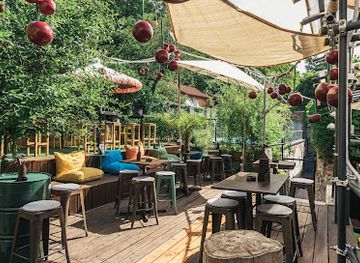
Evening life in Moslavina is centred on cafés, traditional pubs, wine cellars and restaurants rather than a large nightclub circuit. Kutina offers the widest choice of cafés and places to meet after work or at the weekend, while Popovača and Voloder are more closely associated with wine tasting, seasonal celebrations and convivial gatherings around vineyards. Ivanić-Grad and Čazma also have local cafés and community-oriented evening venues, but nightlife is generally modest and dispersed. During harvest festivals and town events, music and outdoor socialising can continue later than usual; these occasions are seasonal rather than permanent nightlife fixtures. In rural areas, evenings are often shaped by a meal, a tasting arranged with a producer or a quiet stay at a countryside property. Check local arrangements in advance, since opening patterns and event programmes can change.
-
Pub
The Beertija
Discover The Beertija: A lively pub in Zagreb, blending a cafe ambiance with a vibrant nightlife scene, perfect for tourists and locals alike.
-
Bar
The Swanky Bar
Experience the vibrant nightlife of Zagreb at The Swanky Bar, where creative cocktails meet a chic ambiance in the heart of the city.
-
Restaurant
King's Pub
Experience the essence of Croatian dining at King's Pub, a culinary gem in the heart of Kutina, blending tradition with a vibrant atmosphere.
-
Bar
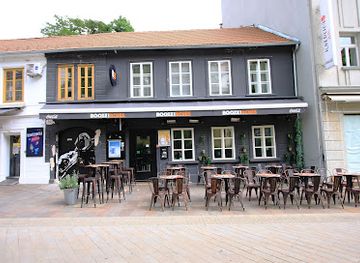
Booze and Blues
Discover the lively atmosphere of Booze and Blues, a premier bar in Zagreb, offering live music, local drinks, and an unforgettable night out.


Best nightclubs in Moslavina
Evening life in Moslavina is centred on cafés, traditional pubs, wine cellars and restaurants rather than a large nightclub circuit. Kutina offers the widest choice of cafés and places to meet after work or at the weekend, while Popovača and Voloder are more closely associated with wine tasting, seasonal celebrations and convivial gatherings around vineyards. Ivanić-Grad and Čazma also have local cafés and community-oriented evening venues, but nightlife is generally modest and dispersed. During harvest festivals and town events, music and outdoor socialising can continue later than usual; these occasions are seasonal rather than permanent nightlife fixtures. In rural areas, evenings are often shaped by a meal, a tasting arranged with a producer or a quiet stay at a countryside property. Check local arrangements in advance, since opening patterns and event programmes can change.
-
Night club
Night Club & Rock Bar Alcatraz
Discover Zagreb's nightlife at Night Club & Rock Bar Alcatraz, a lively venue with great music, affordable drinks, and an unforgettable atmosphere.
-
Night club
Ray Club
Discover the vibrant nightlife at Ray Club, Zagreb’s ultimate destination for dancing, drinks, and delicious grilled cuisine.
-
Night club
Club Roko
Experience the vibrant nightlife of Zagreb at Club Roko, a dynamic night club offering electrifying music, delicious drinks, and an unforgettable atmosphere.
-
Night club
Boogaloo Club
Discover Zagreb's lively nightlife at Boogaloo Club, where daytime cafes meet nighttime dance floors in a vibrant atmosphere.


Best shops in Moslavina
Shopping in Moslavina is centred on market towns, local produce and direct purchases from growers rather than large retail districts. Kutina, Ivanić-Grad, Popovača and Čazma provide everyday shops, bakeries, cafés and modest high-street retail, while independent traders and market stalls are most useful for fruit, vegetables, honey, cheese and seasonal farm products. Wine is the natural souvenir: look for bottled Škrlet and other Moslavina wines from established producers, and ask about transport arrangements if buying several bottles. Rural households and small food businesses may also sell preserves, cured goods, spirits, honey and orchard products, though availability depends on the season. Local festivals can bring together wineries, craft producers and food stalls, but they are event-based rather than permanent shopping attractions. For antiques, specialist crafts and a broader choice of non-food goods, visitors will find more variety in nearby larger Croatian towns, while Moslavina itself is best suited to small-scale, producer-led shopping.
-
Shopping mall
Arena Center
Discover the ultimate shopping experience at Arena Center, Zagreb's vibrant hub for shopping, dining, and entertainment.
-
Outlet mall
Designer Outlet Croatia
Shop designer brands at discounted prices in the heart of Zagreb at Designer Outlet Croatia, an ultimate destination for fashion lovers.
-
Clothing store
Pepco
Explore Pepco in Sisak for affordable fashion, charming home goods, and delightful toys perfect for families and savvy shoppers.
-
Sporting goods store
Hervis
Discover the best sporting goods at Hervis in Sisak, Croatia - your one-stop shop for quality gear and expert advice.


Get your free copy of our complete guide to Moslavina, delivered straight to you.
Everything on this page, from attractions and restaurants to essentials and local phrases, in one PDF you can read offline, print or share.
Already have an account? Sign in
Your Moslavina guide is ready.
We'll send it to · Not you? Sign out

Getting your guide ready…
We are putting together a fresh copy of the Moslavina guide. This can take up to a minute.
This can take a few moments. If your browser asks, choose Allow so the download can start. You'll find the guide in your Downloads folder.
Nothing happened? Download it again
Sorry, the guide is taking longer than usual. Please try again in a minute, or get it by email instead.
Moslavina essentials
Currency and Payment
Safety
Emergency Situations
Do's and Don'ts
Local Tips
From Eve
Local phrases worth knowing
You don't need to get them perfect. A few words go a long way, and locals appreciate the effort.
Basics
| English | Local | Say it |
|---|---|---|
| Hello | Bok | [Bok] |
| Goodbye | Doviđenja | [Doviđenja] |
| Yes | Da | [Da] |
| No | Ne | [Ne] |
| Please/You're welcome | Molim | [Molim] |
| Thank you | Hvala | [Hvala] |
| Excuse me/Sorry | Oprostite | [Oprostite] |
| How are you? | Kako ste? | [Kako ste?] |
| Fine. And you? | Dobro. A vi? | [Dobro. A vi?] |
| Do you speak English? | Govoriš li engleski? | [Govoriš li engleski?] |
| I don't understand | Ne razumijem | [Ne razumijem] |
Eating & Drinking
| English | Local | Say it |
|---|---|---|
| I'd like to see the menu, please | Mogu li vidjeti jelovnik, molim? | [Mogu li vidjeti jelovnik, molim?] |
| I don't eat meat | Ne jedem meso | [Ne jedem meso] |
| Cheers! | Živjeli! | [Živjeli!] |
| I would like to pay, please | Želio bih platiti, molim | [Želio bih platiti, molim] |
Emergencies
| English | Local | Say it |
|---|---|---|
| Help! | Upomoć! | [Upomoć!] |
| Go away! | Odi! | [Odi!] |
| Call the Police! | Nazovite policiju! | [Nazovite policiju!] |
| Call a doctor! | Nazovite doktora! | [Nazovite doktora!] |
| I'm lost | Izgubio sam se | [Izgubio sam se] |
| I'm ill | Bolestan sam | [Bolestan sam] |
Shopping
| English | Local | Say it |
|---|---|---|
| I'd like to buy... | Želim kupiti... | [Želim kupiti...] |
| I'm just looking | Samo gledam | [Samo gledam] |
| How much is it? | Koliko košta? | [Koliko košta?] |
| That's too expensive | To je preskupo | [To je preskupo] |
| Can you lower the price? | Možete li sniziti cijenu? | [Možete li sniziti cijenu?] |
Time & Numbers
| English | Local | Say it |
|---|---|---|
| What time is it? | Koliko je sati? | [Koliko je sati?] |
| It's one o'clock | Jedan je sat | [Jedan je sat] |
| Half past (10) | Pola (10) | [Pola (10)] |
| Morning | Jutro | [Jutro] |
| Afternoon | Poslijepodne | [Poslijepodne] |
| Evening | Večer | [Večer] |
| Yesterday | Jučer | [Jučer] |
| Today | Danas | [Danas] |
| Tomorrow | Sutra | [Sutra] |
| 1 | 1 | [1] |
| 2 | 2 | [2] |
| 3 | 3 | [3] |
| 4 | 4 | [4] |
| 5 | 5 | [5] |
| 6 | 6 | [6] |
| 7 | 7 | [7] |
| 8 | 8 | [8] |
| 9 | 9 | [9] |
| 10 | 10 | [10] |
Transport & Directions
| English | Local | Say it |
|---|---|---|
| Where's a/the...? | Gdje je...? | [Gdje je...?] |
| What's the address? | Koja je adresa? | [Koja je adresa?] |
| Can you show me (on the map)? | Možete li mi pokazati (na karti)? | [Možete li mi pokazati (na karti)?] |
| When's the next (bus)? | Kada je sljedeći (autobus)? | [Kada je sljedeći (autobus)?] |
| A ticket (to ....) | Jedna karta (do ...) | [Jedna karta (do ...)] |
History of Moslavina
Prehistoric Settlement and the Moslavačka gora Landscape
Moslavina’s hills and fertile lowlands have supported human settlement since prehistoric times. Archaeological traces from the wider region reflect communities attracted by arable land, woodland resources, streams and routes crossing the Sava basin. The landscape was never simply an empty border between larger centres: hilltops offered defensible positions, while the plains supported farming and later village settlement. Many prehistoric remains are modest and dispersed, but they help explain why Moslavačka gora and its surrounding lowlands became a recurring zone of habitation, cultivation and movement.
Roman Influence in the Wider Sava Basin
During Roman rule, Moslavina lay within the broader economic and administrative sphere of the Sava basin, whose principal centre was Siscia, now Sisak, to the south-west of the region. Roads, river routes, agricultural production and military organisation connected local settlements with larger Roman centres. Evidence is more fragmentary than at major urban archaeological sites, yet the period established enduring patterns of communication and land use. Roman influence also brought new commercial networks, coinage and administrative structures to the wider territory that later formed part of medieval and early modern Moslavina.
Medieval Fortresses and Noble Estates
In the medieval period, Moslavačka gora became important for territorial defence and the control of routes through central Croatia. Hilltop strongholds including Garić-grad and Jelengrad guarded approaches and provided centres of authority for local lords. Their ruins, now reached through wooded countryside, are among the clearest reminders of the region’s medieval political landscape. Moslavina was later shaped by noble estates, ecclesiastical institutions and fortified settlements, with agriculture, woodland management and viticulture supporting communities beneath the hill forts.
The Moslavina Estate and Early Modern Heritage
The early modern period brought changes in landholding, administration and religious life. Noble families, including the Erdődy family, influenced estates and settlements in the wider region, while parish churches and manor buildings acquired Baroque features. Voloder’s church complex and the remains associated with the Moslavina castle near Popovača reflect this period of rebuilding and patronage. The region’s position between larger Croatian centres also meant that its communities experienced the political and military pressures affecting the borderlands of the Habsburg lands, even when fighting did not occur directly in every settlement.
Agriculture, Vineyards and the Rise of Moslavina’s Wine Culture
For centuries, mixed farming and grape-growing have been central to Moslavina’s rural economy. Vineyards on the lower slopes of Moslavačka gora supplied households and local markets, while village wine cellars and harvest customs developed as part of everyday life. The Škrlet grape became especially associated with the region, producing a fresh white wine suited to the local climate and cuisine. Modern producers have helped give this heritage a clearer regional profile, but vineyards remain tied to family holdings, seasonal work and the social life of settlements such as Popovača and Voloder.
Oil Extraction and Industrial Change in Ivanić-Grad
The discovery and development of petroleum resources brought a distinctive industrial chapter to north-western Moslavina. Ivanić-Grad became associated with oil extraction, processing and the employment networks that accompanied the energy industry. The Naftalan health resort later used naturally occurring medicinal oil and thermal water in a medical and wellness context, linking industrial geology with tourism. Oil production altered the local economy and landscape, while also giving the region a specialised identity uncommon among Croatia’s predominantly agricultural inland destinations.
Twentieth-Century Conflict and Contemporary Rural Renewal
Moslavina experienced the upheavals that affected Croatia and the wider former Yugoslavia during the twentieth century, including wartime occupation, resistance and the later Croatian War of Independence. The region was not untouched by displacement, economic disruption and the loss of lives. Since independence, its communities have combined agriculture, small industry, health tourism, wine production and nature-based recreation. Contemporary efforts to promote Škrlet, local food, cycling, forest trails and heritage sites reflect a wider attempt to sustain rural settlements while presenting Moslavina as a coherent cultural landscape.
Moslavina in Photos
Browse through our photo collection highlighting the charm and character of the destination.
Neighbouring regions of Moslavina
The closest regions to Moslavina, if you have time for more than one.
-

-

-

-

-


Swipe for more regions
Explore more

Explore more of Croatia
Discover Croatia: A Mediterranean paradise with stunning coastlines, ancient cities, and rich cultural heritage. Perfect for beach lovers, history buffs, and nature enthusiasts.
Explore Croatia