

Free Central Croatia Travel Guide & Mobile App
Explore Central Croatia with free travel guides. Discover regional history, expert tips, proposed trips, and audio guides on web or mobile app.


Central Croatia combines Zagreb’s culture with baroque towns, hilltop castles, thermal country, river landscapes and traditional continental cuisine.
Read more about Central Croatia
When is the best time to visit Central Croatia?
Best: June–August · 24–26°C| Month | High (°C) | Rainfall (mm) |
|---|---|---|
| January | 5 | 50 |
| February | 7 | 45 |
| March | 11 | 50 |
| April | 14 | 55 |
| May | 19 | 65 |
| June (best) | 24 | 70 |
| July (best) | 26 | 70 |
| August (best) | 26 | 70 |
| September | 22 | 65 |
| October | 16 | 60 |
| November | 10 | 55 |
| December | 6 | 50 |
Getting to and around Central Croatia
How to get there
Transportation
Top city travel guides in Central Croatia
The cities of Central Croatia, and the easiest places to base yourself.

Swipe for more cities
Destinations in Central Croatia
Resorts, valleys and scenic spots worth a trip of their own.
-

-

-

-

-


Swipe for more destinations
Best attractions in Central Croatia
Central Croatia offers a varied collection of attractions within relatively manageable reach of Zagreb. The capital’s museums, galleries, markets, historic Upper Town and park-lined Lower Town provide the region’s densest cultural programme, while Medvednica adds forest walks and viewpoints directly above the city. North of Zagreb, Hrvatsko Zagorje is known for castles, manor houses, pilgrimage churches, spas and vineyard hills. Trakošćan Castle is set beside a wooded lake, and Veliki Tabor occupies a prominent hilltop position with broad rural views. Varaždin’s baroque centre contributes architecture, museums and a different urban atmosphere. Around Karlovac, four rivers create opportunities for walking, cycling, canoeing and seasonal bathing, with the historic star-shaped town at the centre of the story. Samobor and the Žumberak-Samoborsko gorje appeal to walkers and visitors interested in small-town heritage. Eastwards, Lonjsko Polje combines wetlands, meadows, birdlife and traditional wooden houses, while Sisak adds Roman, military and industrial history. The attractions are therefore less about one single resort or monument than about moving between urban culture, historic estates, river corridors and protected rural landscapes.
-
Park
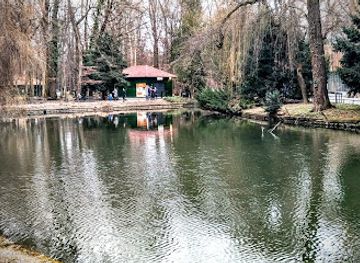
Park Maksimir
Explore the tranquil beauty of Park Maksimir, the lush urban oasis of Zagreb, offering nature, history, and relaxation in one breathtaking destination.
-
Sculpture
Ban Josip Jelačić Statue
A symbol of Croatian pride in Zagreb's heart, the Ban Josip Jelačić Statue stands tall amidst the city's vibrant social hub.
-
Cathedral
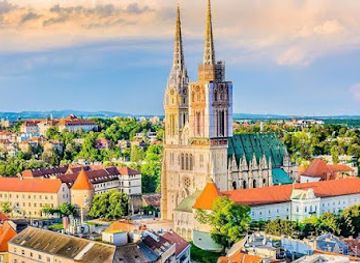
Cathedral of Zagreb
Discover the breathtaking beauty of the Cathedral of Zagreb, a Gothic marvel and cultural icon of Croatia's capital, rich in history and artistry.
-
Park
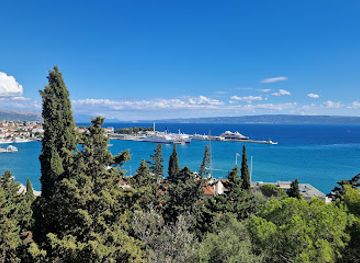
Forest Park Marjan
Explore Forest Park Marjan, a stunning green oasis in Split, Croatia, offering breathtaking views, scenic trails, and rich historical sites.
Best landmarks in Central Croatia
Zagreb’s historic Upper Town is Central Croatia’s most recognisable urban landmark, with St Mark’s Church, the Stone Gate and Lotrščak Tower forming a compact group of medieval and early modern structures above the Lower Town. Medvedgrad, a medieval fortress on Medvednica, overlooks the capital from a wooded ridge and illustrates Zagreb’s strategic history. In Karlovac, the surviving geometry of the sixteenth-century star-shaped fortress town is the defining civic landmark, even though later urban development has altered much of the original defensive system. Trakošćan Castle, reflected in its lake and surrounded by wooded hills, is one of northern Croatia’s best-known historic silhouettes, while Veliki Tabor’s irregular fortified form dominates a Zagorje hilltop. Varaždin’s baroque churches, palaces and old streets provide a coherent architectural landmark rather than a single monument. Sisak Fortress, built in the sixteenth century at the meeting of the Kupa and Sava, represents the region’s frontier past. In Lonjsko Polje, traditional wooden houses and floodplain villages are landmarks of vernacular architecture and a way of life shaped by seasonal water.
-
National park
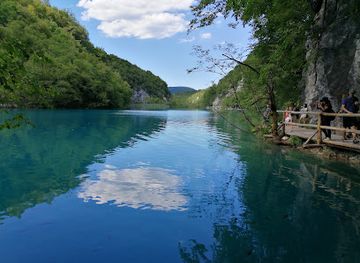
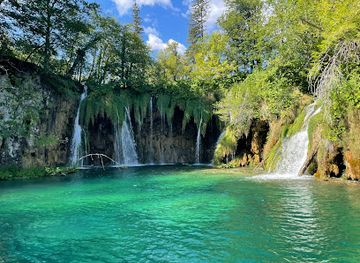
Plitvice Lakes National Park
Discover Plitvice Lakes National Park: A UNESCO World Heritage site with sixteen stunning lakes, cascading waterfalls, and lush forests. A Croatian natural wonder.
-
Historical landmark
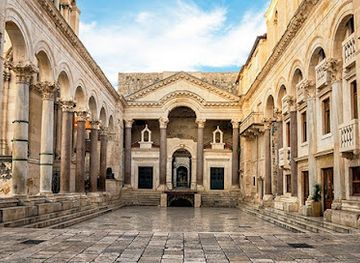
Diocletian's Palace
Explore a UNESCO World Heritage Site where Roman history thrives in the heart of Split's vibrant Old Town.
-
Tourist attraction
Sea Organ
Experience the enchanting melodies of the Adriatic Sea as the waves play the Sea Organ, a unique architectural and musical marvel in Zadar.
-
National park
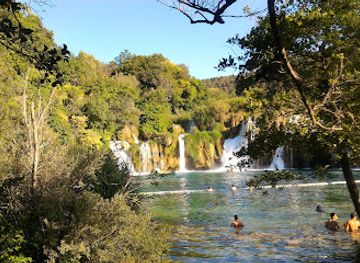
Krka National Park
Discover cascading waterfalls, serene landscapes, and rich history in this natural paradise in the heart of Croatia's Dalmatia region.

Explore Central Croatia on the map
Plan your trip on one map. See where the top cities, national parks and sights are, and book hotels and experiences in a few clicks.
Best hotels in Central Croatia
Best restaurants in Central Croatia
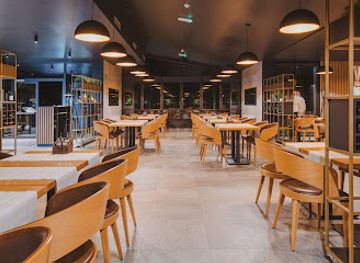
Dining in Central Croatia is rooted in continental cooking, seasonal produce and the food traditions of its towns and villages. In Hrvatsko Zagorje, štrukli—baked or boiled pastry filled with fresh cheese and served in savoury or sweet forms—are a prominent regional speciality, while northern menus also feature soups, roast meats, buckwheat, mushrooms and pumpkin-seed products. Zagreb has the broadest choice, from traditional restaurants and bakeries to contemporary kitchens drawing on Croatian ingredients. Samobor is associated with regional cured-meat traditions and local sweets, and Karlovac’s river setting makes freshwater fish and relaxed riverside dining part of the local offer. Rural inns and family-run restaurants often emphasise pork, poultry, game when in season, home-grown vegetables, cheese, honey and preserves. Northern hill country produces wines, while craft beer and fruit-based spirits appear across the region. Markets in Zagreb, Varaždin, Karlovac and smaller towns are useful for seeing the extent of local agriculture, although product availability changes with the season.
-
Croatian
La Štruk
Discover authentic Croatian cuisine at La Štruk in Zagreb, where traditional flavors meet modern dining experiences.
-
Restaurant
Degenija
Experience authentic Croatian cuisine at Degenija in Rakovica – where every meal tells a story!
-
Restaurant
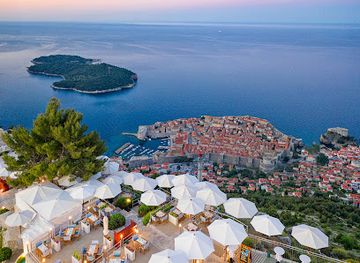
Restaurant Panorama
Experience exquisite Mediterranean cuisine and breathtaking views at Restaurant Panorama in Dubrovnik.
-
Restaurant
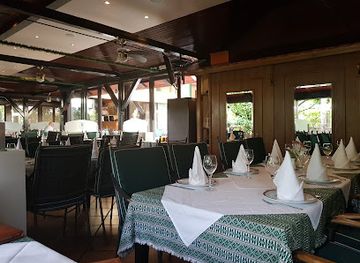
Restaurant Zelen Dvor
Experience authentic Croatian cuisine at Restaurant Zelen Dvor in Zagreb - a culinary haven offering delightful dishes and exceptional service.
Best bars in Central Croatia
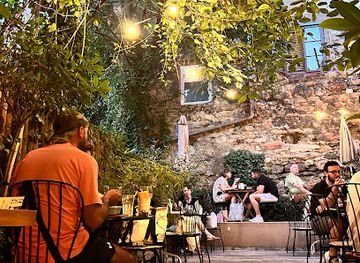
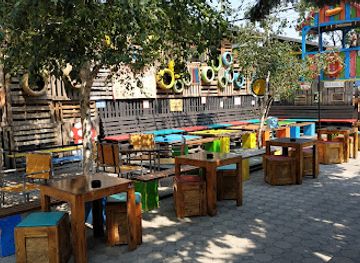
Nightlife is concentrated in Zagreb, where the Lower Town, Upper Town and areas around the central squares contain the region’s widest selection of cafés, wine bars, cocktail venues, live-music rooms and late-night clubs. The capital’s café culture is important at all times of day, and evenings often begin with a long coffee or a drink before moving to music or theatre. Varaždin and Karlovac offer a smaller but active choice of pubs, cafés, bars and occasional live-music venues, particularly around their historic centres and student populations. Samobor’s evening scene is more closely tied to restaurants, cafés and traditional hospitality than to large clubs. In rural Zagorje, Žumberak and the Sava lowlands, evenings generally centre on local inns, family-run restaurants and seasonal community events rather than a concentrated nightclub district. Check current arrangements locally, as venues and event programmes can change more quickly than the region’s durable cultural attractions.
-
Bar
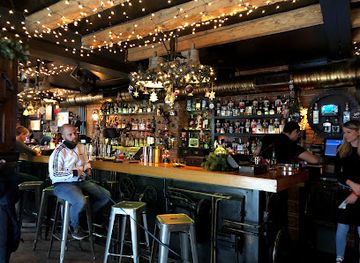
Vintage Industrial Bar
Experience the vibrant charm of Zagreb at Vintage Industrial Bar, where retro design meets lively rock music in a unique atmosphere.
-
Pub
Bikers Beer Factory
Explore the vibrant atmosphere of Bikers Beer Factory in Zagreb, where craft beers, delicious food, and nightlife come together for an unforgettable experience.
-
Irish pub
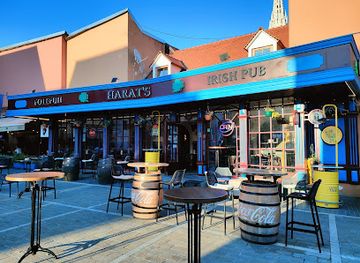
Harat's Pub
Experience the vibrant spirit of Ireland at Harat's Pub in Zagreb, where great food, drinks, and camaraderie await.
-
Pub
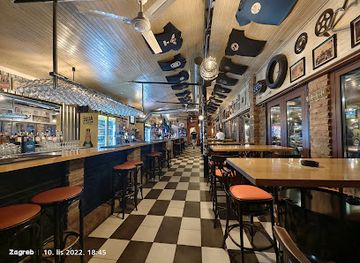
Mr. Fogg
Discover Mr. Fogg in Zagreb: a charming pub and café offering a cozy atmosphere, delightful drinks, and a taste of local culture.
Best nightclubs in Central Croatia
Nightlife is concentrated in Zagreb, where the Lower Town, Upper Town and areas around the central squares contain the region’s widest selection of cafés, wine bars, cocktail venues, live-music rooms and late-night clubs. The capital’s café culture is important at all times of day, and evenings often begin with a long coffee or a drink before moving to music or theatre. Varaždin and Karlovac offer a smaller but active choice of pubs, cafés, bars and occasional live-music venues, particularly around their historic centres and student populations. Samobor’s evening scene is more closely tied to restaurants, cafés and traditional hospitality than to large clubs. In rural Zagorje, Žumberak and the Sava lowlands, evenings generally centre on local inns, family-run restaurants and seasonal community events rather than a concentrated nightclub district. Check current arrangements locally, as venues and event programmes can change more quickly than the region’s durable cultural attractions.
-
Night club
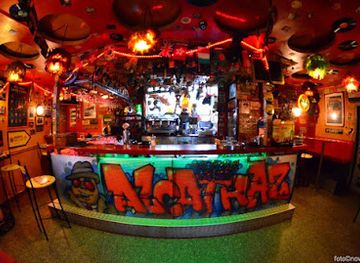
Night Club & Rock Bar Alcatraz
Discover the vibrant nightlife of Zagreb at Night Club & Rock Bar Alcatraz, where music, fun, and unforgettable moments await.
-
Disco club
Culture Club Revelin
Discover electrifying nightlife at Culture Club Revelin in Dubrovnik, where history meets modern vibes for an unforgettable party experience.
-
Disco club
Cocomo Club
Cocomo Club: Your gateway to unforgettable nights in Novalja, where music, dance, and vibrant atmosphere collide.
-
Gay night club
MILK fun area & cocktails
Discover the vibrant nightlife of Dubrovnik at MILK Fun Area & Cocktails, a lively gay night club and bar with great cocktails and friendly vibes.
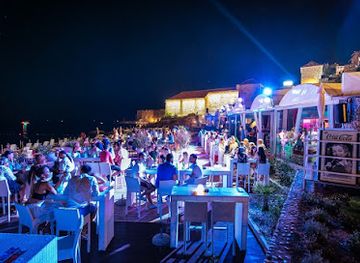


Best shops in Central Croatia
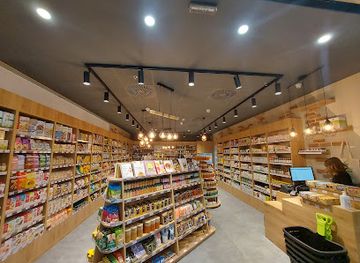
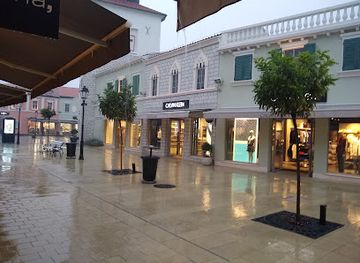
Shopping in Central Croatia ranges from Zagreb’s extensive retail streets, department stores, galleries and specialist food shops to the smaller market-town centres of Varaždin, Karlovac, Sisak and Samobor. Zagreb’s Dolac Market is the most prominent place to browse fruit, vegetables, cheese, honey, cured products and other Croatian foods, while local markets elsewhere provide a more everyday view of regional agriculture. Varaždin is well suited to independent shops, antiques, books and craft-oriented browsing around its historic centre. In Zagorje and the northern hill country, useful regional purchases include wines, honey, pumpkin-seed products, preserves, ceramics and traditional foodstuffs, although quality and availability vary between producers. Samobor and rural areas are good places to seek locally made sweets and delicatessen products, while galleries and craft shops in historic towns sell contemporary work alongside decorative souvenirs. Shop responsibly when buying food or handmade goods, and check transport and storage requirements before purchasing wine, spirits or perishables.
-
Shopping mall
Supernova Zadar
Explore Supernova Zadar, a premier shopping mall offering diverse retail, dining, and entertainment options for a memorable experience.
-
Outlet mall
Designer Outlet Croatia
Discover unbeatable deals on top brands at Designer Outlet Croatia, the premier shopping destination near Zagreb.
-
Shopping mall
Supernova Karlovac
Explore Supernova Karlovac, a lively shopping mall offering diverse retail, delicious dining, and exciting entertainment in the heart of Croatia.
-
Shopping mall
Centar Kaptol
Explore the vibrant Centar Kaptol - Zagreb's premier shopping and entertainment destination with diverse shops, dining, and a modern cinema experience.
Get your free copy of our complete guide to Central Croatia, delivered straight to you.
Everything on this page, from attractions and restaurants to essentials and local phrases, in one PDF you can read offline, print or share.
Already have an account? Sign in
Your Central Croatia guide is ready.
We'll send it to · Not you? Sign out

Getting your guide ready…
We are putting together a fresh copy of the Central Croatia guide. This can take up to a minute.
This can take a few moments. If your browser asks, choose Allow so the download can start. You'll find the guide in your Downloads folder.
Nothing happened? Download it again
Sorry, the guide is taking longer than usual. Please try again in a minute, or get it by email instead.
Central Croatia essentials
Currency and Payment
Safety
Emergency Situations
Do's and Don'ts
Local Tips
From Eve
Local phrases worth knowing
You don't need to get them perfect. A few words go a long way, and locals appreciate the effort.
Basics
| English | Local | Say it |
|---|---|---|
| Hello | Bok | [Bok] |
| Goodbye | Doviđenja | [Doviđenja] |
| Yes | Da | [Da] |
| No | Ne | [Ne] |
| Please/You're welcome | Molim | [Molim] |
| Thank you | Hvala | [Hvala] |
| Excuse me/Sorry | Oprostite | [Oprostite] |
| How are you? | Kako si? | [Kako si?] |
| Fine. And you? | Dobro. A ti? | [Dobro. A ti?] |
| Do you speak English? | Govoriš li engleski? | [Govoriš li engleski?] |
| I don't understand | Ne razumijem | [Ne razumijem] |
Eating & Drinking
| English | Local | Say it |
|---|---|---|
| I'd like to see the menu, please | Mogu li vidjeti jelovnik, molim? | [Mogu li vidjeti jelovnik, molim?] |
| I don't eat meat | Ne jedem meso | [Ne jedem meso] |
| Cheers! | Živjeli! | [Živjeli!] |
| I would like to pay, please | Želio bih platiti, molim | [Želio bih platiti, molim] |
Emergencies
| English | Local | Say it |
|---|---|---|
| Help! | Upomoć! | [Upomoć!] |
| Go away! | Odi! | [Odi!] |
| Call the Police! | Pozovite policiju! | [Pozovite policiju!] |
| Call a doctor! | Pozovite doktora! | [Pozovite doktora!] |
| I'm lost | Izgubio sam se | [Izgubio sam se] |
| I'm ill | Bolestan sam | [Bolestan sam] |
Shopping
| English | Local | Say it |
|---|---|---|
| I'd like to buy... | Htjela bih kupiti... | [Htjela bih kupiti...] |
| I'm just looking | Samo gledam | [Samo gledam] |
| How much is it? | Koliko to košta? | [Koliko to košta?] |
| That's too expensive | To je preskupo | [To je preskupo] |
| Can you lower the price? | Možeš li spustiti cijenu? | [Možeš li spustiti cijenu?] |
Time & Numbers
| English | Local | Say it |
|---|---|---|
| What time is it? | Koliko je sati? | [Koliko je sati?] |
| It's one o'clock | Jedan je sat | [Jedan je sat] |
| Half past (10) | Pola (11) | [Pola (11)] |
| Morning | Jutro | [Jutro] |
| Afternoon | Poslijepodne | [Poslijepodne] |
| Evening | Večer | [Večer] |
| Yesterday | Jučer | [Jučer] |
| Today | Danas | [Danas] |
| Tomorrow | Sutra | [Sutra] |
| 1 | Jedan | [Jedan] |
| 2 | Dva | [Dva] |
| 3 | Tri | [Tri] |
| 4 | Četiri | [Četiri] |
| 5 | Pet | [Pet] |
| 6 | Šest | [Šest] |
| 7 | Sedam | [Sedam] |
| 8 | Osam | [Osam] |
| 9 | Devet | [Devet] |
| 10 | Deset | [Deset] |
Transport & Directions
| English | Local | Say it |
|---|---|---|
| Where's a/the...? | Gdje je...? | [Gdje je...?] |
| What's the address? | Koja je adresa? | [Koja je adresa?] |
| Can you show me (on the map)? | Možeš li mi pokazati (na karti)? | [Možeš li mi pokazati (na karti)?] |
| When's the next (bus)? | Kada je sljedeći (autobus)? | [Kada je sljedeći (autobus)?] |
| A ticket (to ....) | Jedna karta (do....) | [Jedna karta (do....)] |
History of Central Croatia
Roman Siscia and the Ancient Sava Frontier
Siscia, present-day Sisak, grew into an important Roman settlement at the confluence of the Kupa and Sava. It was a military, administrative and commercial centre linked to the wider provincial network of Pannonia, with river transport helping connect the settlement to other parts of the Roman world. Archaeological remains and museum collections in Sisak preserve evidence of this period, including material associated with urban life, trade and military organisation. Roman influence also helped establish the strategic importance of the central Sava corridor, a role that the area continued to play in later centuries.
Medieval Counties, Fortresses and Noble Estates
During the medieval period, Central Croatia was organised through counties, fortified settlements, ecclesiastical institutions and noble estates. Hilltop strongholds such as Medvedgrad above Zagreb, Trakošćan and Veliki Tabor reflect a landscape in which control of routes, agricultural land and local communities mattered politically and militarily. Zagreb developed around its two medieval settlements, Gradec and Kaptol, while towns in northern Croatia acquired churches, guilds and market functions. Many later castles were remodelled over time, but their locations and surviving structures still reveal the defensive and aristocratic geography of medieval Hrvatsko Zagorje.
The Habsburg Military Frontier and Karlovac
The Ottoman advance shaped Central Croatia for several centuries. Karlovac was founded in 1579 by the Habsburg authorities as a fortified settlement intended to defend the approaches towards the interior. Its distinctive star-shaped plan, built between rivers, remains one of the clearest examples of Renaissance military urbanism in the region. Fortifications elsewhere, including Sisak’s old fortress, formed part of a wider defensive system. The frontier brought military settlement, population movement and lasting connections with Habsburg administrative and architectural traditions.
Baroque and Central European Urban Culture
From the seventeenth into the nineteenth century, Zagreb, Varaždin and other northern Croatian towns developed stronger administrative, commercial and cultural links with the Habsburg lands. Varaždin became an important aristocratic and administrative centre, and its baroque churches, palaces and urban fabric remain especially prominent. Zagreb expanded through institutions, education and trade, gradually becoming the political and cultural centre of Croatia. Manor houses, pilgrimage churches and planned town streets across Zagorje reflect the influence of Catholic patronage and Central European styles on the region’s built heritage.
Agriculture, River Trade and Industrial Change
The region’s rivers, fertile plains and market towns supported farming, forestry, fishing and commerce. The Sava, Kupa and other waterways connected inland communities, while roads and railways later strengthened links between Zagreb, Sisak, Karlovac and northern Croatia. Sisak developed important industrial functions, including ironworking and oil-related activity, while Zagreb became an increasingly significant manufacturing and administrative centre. These changes altered settlement patterns and employment, yet areas such as Lonjsko Polje retained traditional floodplain agriculture and distinctive wooden architecture.
The Twentieth Century and the Croatian War of Independence
Central Croatia experienced the political upheavals that affected the wider country during the twentieth century, including the changing states of Yugoslavia and the Second World War. In the Croatian War of Independence from 1991, places including Sisak and the wider Banovina area were directly affected by fighting and displacement. Zagreb served as the capital of the newly independent Croatia and received people displaced by the conflict. Memorials, damaged and restored buildings, and public institutions continue to reflect this recent history, which remains part of the region’s contemporary identity.
Post-socialist Renewal and Heritage Tourism
Since Croatia’s independence and its later integration into the European Union, Central Croatia has seen renewed attention to historic town centres, castles, wetlands, food production and cultural tourism. Zagreb has expanded its international cultural role, while Varaždin, Karlovac, Samobor and the Zagorje towns have developed visitor economies around architecture, festivals, outdoor recreation and regional cuisine. Conservation in places such as Lonjsko Polje has also highlighted the value of traditional wooden houses, wetlands and vernacular landscapes alongside more familiar monuments.
Central Croatia in Photos
Browse through our photo collection highlighting the charm and character of the destination.
Neighbouring regions of Central Croatia
The closest regions to Central Croatia, if you have time for more than one.
-

-

-

-

-


Swipe for more regions
Explore more

Explore more of Croatia
Discover Croatia: A Mediterranean paradise with stunning coastlines, ancient cities, and rich cultural heritage. Perfect for beach lovers, history buffs, and nature enthusiasts.
Explore Croatia