

Varos (Split) Travel Guide - Free
Explore Varos in Split with Evendo's free guide. Find the best shops, historic streets, restaurants, and gems on web or mobile.


Varoš in Split blends stone lanes, Dalmatian konobas, local history and easy access to Marjan, the Riva and Croatia’s Adriatic waterfront.
A Village-Like Quarter by the Old City
Varoš occupies the western side of central Split, rising from the waterfront towards the wooded slopes of Marjan. Its narrow lanes, irregular stairways and closely packed stone houses retain the character of a former suburb rather than a formally planned urban district. The quarter begins close to the Riva and the small harbour of Matejuška, although Matejuška is generally regarded as a neighbouring area, and stretches uphill towards Marjan’s lower paths and viewpoints.Read more about Varos
Stone Houses and Local Life
At the Foot of Marjan
Best attractions in Varos
Varoš’s principal attraction is the neighbourhood itself: a compact network of limestone lanes, stairways and small houses that climbs from the western edge of Split’s old city towards Marjan. The Church of the Holy Cross provides a focal point within the historic quarter, while Senjska and Marjanska streets offer close views of traditional Dalmatian domestic architecture. At the neighbourhood’s lower edge, the waterfront and Matejuška lie nearby, with the Riva and Diocletian’s Palace a short walk away rather than part of Varoš itself. The greatest change of scene comes on the paths towards Marjan, where stone walls give way to pine woodland, sea-facing viewpoints and shaded walking routes. Varoš is therefore best explored as a combination of architectural wandering and access to Split’s principal urban recreation area, rather than as a district filled with formal museums or large-scale attractions.
-
Tourist attraction
West Bank
Discover the breathtaking beauty and rich culture of the West Bank in Split, Croatia, where history and stunning coastal views come together.
9 min walk · 0.7 km from neighbourhood centre
-
Tourist attraction
Old Town Hall
Experience the rich history and architectural beauty of Split's Old Town Hall, a captivating landmark that enchants every visitor.
2 min walk · 0.1 km from neighbourhood centre


Best landmarks in Varos
The Church of the Holy Cross, or Crkva Svetog Križa, is one of Varoš’s defining local landmarks and a reminder that the quarter developed as a self-contained community outside Split’s historic core. Traditional stone houses are equally important to its identity: their small proportions, shutters, courtyards and irregular relationship to the lanes preserve the physical character of the former suburb. Senjska Street and the uphill sections of Marjanska Street act as architectural landmarks in their own right, leading from the urban waterfront towards Marjan. The hill’s lower paths form the neighbourhood’s western landscape boundary, while the Riva, Matejuška and Diocletian’s Palace are nearby reference points rather than landmarks within Varoš. Together, these features show how a working settlement became absorbed into modern Split without losing its distinctive hillside structure.
-
Historical landmark
Diocletian's Palace
Discover the stunning beauty and rich history of Diocletian's Palace, an iconic landmark in Split, Croatia, blending ancient Roman architecture with vibrant local culture.
3 min walk · 0.2 km from neighbourhood centre
-
Historical landmark
Jupiter's Temple
Discover the ancient beauty of Jupiter's Temple in Split, a captivating blend of history, architecture, and spirituality in Croatia's vibrant city.
3 min walk · 0.2 km from neighbourhood centre
-
Historical landmark
Old Town Hall
Explore Split's Old Town Hall: A stunning blend of Gothic and Renaissance architecture in the heart of Narodni trg, showcasing the city's rich history.
2 min walk · 0.1 km from neighbourhood centre
-
Historical landmark
People's Square
Discover the vibrant charm of People's Square in Split, where history, culture, and community converge in a picturesque setting.
1 min walk · 0.1 km from neighbourhood centre


Explore Varos on the map
A handpicked selection of must-see spots in Varos, mapped for you.
Best hotels in Varos
Best restaurants in Varos
Dining in Varoš is closely associated with the intimate atmosphere of Dalmatian konobas, the region’s traditional family-run taverns, and with restaurants occupying renovated stone houses. Menus commonly draw on the Adriatic and hinterland traditions of Split: grilled fish, shellfish, octopus, seasonal vegetables, pašticada and other slow-cooked dishes may appear alongside local wines and simple desserts. The lanes around Senjska Street and the lower approaches to Marjan contain several well-known eating places, while the nearby Matejuška waterfront has its own strong seafood identity and should be treated as an adjacent area. Konoba Fetivi is a recognised name associated with the Varoš dining scene, although visitors should check current opening arrangements. The neighbourhood’s restaurants tend to favour atmosphere, local ingredients and unhurried meals over large, formal dining rooms.
-
Restaurant
Corto Maltese Freestyle food
Discover the vibrant flavors of Mediterranean cuisine at Corto Maltese Freestyle Food in Split—an unforgettable culinary experience awaits you.
1 min walk · 0.1 km from neighbourhood centre
-
Restaurant
Villa Spiza
Experience authentic Croatian cuisine at Villa Spiza in Split—where tradition meets modern culinary artistry.
2 min walk · 0.2 km from neighbourhood centre
-
Meat
Downtown Grill Split steak & seafood
Discover Downtown Grill in Split: A premier destination for steak and seafood lovers offering authentic Croatian flavors in a charming setting.
4 min walk · 0.3 km from neighbourhood centre
-
Restaurant
Konoba Marjan
Discover authentic Croatian cuisine at Konoba Marjan in Split – where every meal tells a story through local flavors.
3 min walk · 0.3 km from neighbourhood centre


Best bars in Varos
Varoš is not Split’s main clubbing district; its evenings are characterised more by restaurant terraces, small bars and a relaxed transition between the old lanes and the waterfront. The nearby Riva and Matejuška provide a broader choice of places for drinks, while the streets at the foot of Marjan are suited to an early evening meal or a quiet glass of wine rather than late-night dancing. Some bars and restaurants occupy traditional stone buildings, making the setting part of the experience, but noise carries easily through the narrow residential lanes. Visitors looking for major clubs will generally need to continue into other parts of central Split, whereas Varoš works best as a base for a sociable dinner and a short evening walk along the waterfront.
-
Pub
Fabrique Pub
Explore Fabrique Pub in Split - where Croatian culture meets vibrant nightlife and delicious cuisine.
2 min walk · 0.2 km from neighbourhood centre
-
Bar
Charlie's Bar
Discover the vibrant atmosphere of Charlie's Bar in Split, where locals and tourists mingle over expertly crafted drinks in a cozy setting.
2 min walk · 0.2 km from neighbourhood centre
-
Bar
Antique Bar
Discover the lively charm of Antique Bar in Split, where unique drinks meet a warm and inviting atmosphere for unforgettable moments.
1 min walk · 0.1 km from neighbourhood centre
-
Bar
Pun Kufer Cocktail Bar
Experience the vibrant nightlife of Split at Pun Kufer Cocktail Bar - where quirky decor meets expertly crafted cocktails for an unforgettable evening.
3 min walk · 0.2 km from neighbourhood centre


Best nightclubs in Varos
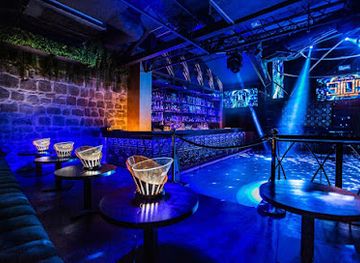
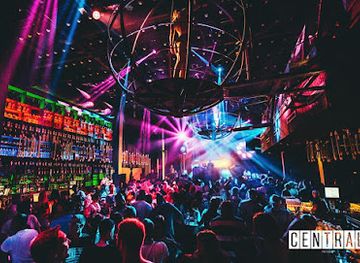
Varoš is not Split’s main clubbing district; its evenings are characterised more by restaurant terraces, small bars and a relaxed transition between the old lanes and the waterfront. The nearby Riva and Matejuška provide a broader choice of places for drinks, while the streets at the foot of Marjan are suited to an early evening meal or a quiet glass of wine rather than late-night dancing. Some bars and restaurants occupy traditional stone buildings, making the setting part of the experience, but noise carries easily through the narrow residential lanes. Visitors looking for major clubs will generally need to continue into other parts of central Split, whereas Varoš works best as a base for a sociable dinner and a short evening walk along the waterfront.
-
Disco club
Disco Club 305 A.D.
Dive into the vibrant nightlife of Split at Disco Club 305 A.D., where electrifying music and creative cocktails await every night.
1 min walk · 0.1 km from neighbourhood centre
-
Night club
Central the Club
Discover the electrifying nightlife at Central the Club in Split, where music, dancing, and unforgettable memories await.
3 min walk · 0.2 km from neighbourhood centre
-
Night club
Vanilla Club
Discover the electric atmosphere of Vanilla Club in Split, where vibrant nights and unforgettable experiences await every party lover.
18 min walk · 1.5 km from neighbourhood centre
-
Night club
BOILER Club & Dining
Discover the ultimate nightlife experience at BOILER Club & Dining in Split, where exquisite dining meets vibrant entertainment.
2 min walk · 0.2 km from neighbourhood centre


Best shops in Varos
Shopping in Varoš is modest and local in scale rather than centred on a major retail street. Visitors will find small food shops, cafés and independent businesses woven into the residential lanes, with a wider selection of everyday retail and souvenirs available on the nearby streets around the old city and Riva. The strongest commercial identity is culinary: restaurants and taverns reflect Dalmatian seafood, olive oil, wine and seasonal produce, although Varoš is not a dedicated food market. The lanes are more rewarding for their architecture and atmosphere than for extensive browsing. For artisan goods, fashion and conventional souvenirs, visitors generally continue towards central Split, while the approaches to Marjan offer a useful break from the concentrated commercial activity near Diocletian’s Palace.
-
Gift shop
BREAK TIME Handmade Jewellery & Souvenirs
Discover exquisite handmade jewelry and unique souvenirs at BREAK TIME in the heart of Split, Croatia, reflecting local artistry and culture.
1 min walk · 0.1 km from neighbourhood centre
-
Souvenir store
GET MORE artisan craft souvenir shop
Explore GET MORE artisan craft souvenir shop in Split for unique handcrafted treasures that embody the spirit of Croatian culture and craftsmanship.
3 min walk · 0.2 km from neighbourhood centre
-
Gift shop
Duck Boutique Split
Discover unique gifts and charming souvenirs at Duck Boutique Split, where local culture meets playful duck-themed treasures.
2 min walk · 0.1 km from neighbourhood centre
-
Souvenir store
Souvenir Store Papi - Split
Explore the vibrant local culture at Souvenir Store Papi, offering unique gifts and artwork that capture the spirit of Split, Croatia.
3 min walk · 0.2 km from neighbourhood centre


Varos essentials
Getting There
Getting Around
Safety
Emergency Situations
Do's and Don'ts
Local Tips

From Eve
Local phrases worth knowing
You don't need to get them perfect. A few words go a long way, and locals appreciate the effort.
Basics
| English | Local | Say it |
|---|---|---|
| Hello | Bok | [bohk] |
| Goodbye | Doviđenja | [doh-vee-jen-ya] |
| Yes | Da | [dah] |
| No | Ne | [neh] |
| Please/You're welcome | Molim | [moh-leem] |
| Thank you | Hvala | [hvah-lah] |
| Excuse me/Sorry | Oprostite | [oh-proh-stee-teh] |
| How are you? | Kako si? | [kah-koh see] |
| Fine. And you? | Dobro. A ti? | [doh-broh. ah tee] |
| Do you speak English? | Govoriš li engleski? | [goh-voh-reesh lee ehn-gleh-skee] |
| I don't understand | Ne razumijem | [neh rah-zoo-mee-yem] |
Eating & Drinking
| English | Local | Say it |
|---|---|---|
| I'd like to see the menu, please | Molio bih jelovnik, molim | [moh-lee-oh bee yeh-lohv-neek, moh-leem] |
| I don't eat meat | Ne jedem meso | [neh yeh-dem meh-soh] |
| Cheers! | Živjeli! | [zhee-vee-yeh-lee] |
| I would like to pay, please | Želim platiti, molim | [zheh-leem plah-tee-tee, moh-leem] |
Emergencies
| English | Local | Say it |
|---|---|---|
| Help! | Pomoć! | [poh-mohtch] |
| Go away! | Idi odavde! | [ee-dee oh-dahv-deh] |
| Call the Police! | Pozovite policiju! | [poh-zoh-vee-teh poh-lee-tsee-yoo] |
| Call a doctor! | Pozovite doktora! | [poh-zoh-vee-teh dohk-toh-rah] |
| I'm lost | Izgubio sam se | [eez-goo-byoh sahm seh] |
| I'm ill | Bolestan sam | [boh-leh-stahn sahm] |
Shopping
| English | Local | Say it |
|---|---|---|
| I'd like to buy... | Želim kupiti... | [zheh-leem koo-pee-tee] |
| I'm just looking | Samo gledam | [sah-moh gleh-dahm] |
| How much is it? | Koliko košta? | [koh-lee-koh koh-shta] |
| That's too expensive | To je pre skupo | [toh yeh preh skoo-poh] |
| Can you lower the price? | Možete li spustiti cijenu? | [moh-zheh-teh lee spoo-stee-tee tsee-yeh-noo] |
Time & Numbers
| English | Local | Say it |
|---|---|---|
| What time is it? | Koliko je sati? | [koh-lee-koh yeh sah-tee] |
| It's one o'clock | Jedan je sat | [yeh-dahn yeh saht] |
| Half past (10) | Polovina (10) | [poh-loh-vee-nah (10)] |
| Morning | Jutro | [yoo-troh] |
| Afternoon | Popodne | [poh-pohd-neh] |
| Evening | Večer | [veh-chehr] |
| Yesterday | Jučer | [yoo-chehr] |
| Today | Danas | [dah-nahs] |
| Tomorrow | Sutra | [soo-trah] |
| 1 | Jedan | [yeh-dahn] |
| 2 | Dva | [dvah] |
| 3 | Tri | [tree] |
| 4 | Četiri | [cheh-tee-ree] |
| 5 | Pet | [peht] |
| 6 | Šest | [shehst] |
| 7 | Sedam | [seh-dahm] |
| 8 | Osam | [oh-sahm] |
| 9 | Devet | [deh-veht] |
| 10 | Deset | [deh-seht] |
Transport & Directions
| English | Local | Say it |
|---|---|---|
| Where's a/the...? | Gdje je...? | [gyeh yeh] |
| What's the address? | Koja je adresa? | [koh-yah yeh ah-deh-sah] |
| Can you show me (on the map)? | Možete li mi pokazati (na karti)? | [moh-zheh-teh lee mee poh-kah-zah-tee nah kahr-tee] |
| When's the next (bus)? | Kada je sljedeći (autobus)? | [kah-dah yeh sleh-deh-chee ow-toh-boos] |
| A ticket (to ....) | Jednu kartu (za ....) | [yehd-noo kahr-too zah] |
History of Varos
A Suburb Outside Split’s Walls
Varoš grew outside the western side of Split’s historic core, beyond the compact urban world centred on Diocletian’s Palace. Its name is connected with the Croatian word varoš, meaning a town or settlement, and reflects its position as a distinct community beside the older city. The area’s early residents included fishermen, farmers and labourers, together with families who moved into Split from nearby inland villages and islands. Rather than being laid out as a regular grid, Varoš developed along footpaths and the hillside, producing the narrow passages, small plots and irregular stone houses that still define its appearance.
Religion and Village Community
As Varoš expanded, small churches and chapels helped organise local life in a settlement whose residents often worked beyond the neighbourhood. The Church of the Holy Cross, or Crkva Svetog Križa, is one of the area’s most recognisable religious landmarks, while the Church of St Nicholas nearby reflects the maritime world of western Split. These buildings were not grand civic monuments but community centres for worship and local identity. Their presence, together with the compact houses and lanes, gives Varoš the physical character of a Dalmatian village incorporated into a growing coastal city.
Urban Expansion and Marjan’s Edge
Modern Split gradually surrounded Varoš as roads, waterfront facilities and new residential districts expanded around the old settlement. The quarter nevertheless retained its hillside form because its lanes and small stone plots were difficult to transform into broad urban streets. Its position beside Marjan also limited development on the western edge and preserved a close relationship between the built neighbourhood and the hill’s woodland, paths and viewpoints. By the twentieth century, Varoš had become both a residential quarter and part of the route linking the historic centre with Split’s western waterfront and recreational landscape.
A Historic Quarter in Contemporary Split
In recent decades, Varoš has attracted visitors because of its traditional architecture, proximity to the old city and access to Marjan. Houses have been repaired or adapted for restaurants, holiday accommodation and other visitor uses, while many lanes remain residential. This change has brought the quarter into Split’s tourism economy without erasing its older physical pattern. The local identity now rests on a combination of preserved limestone houses, small religious landmarks, Dalmatian food culture and everyday life at the edge of the city’s busiest historic and waterfront areas.
Varos in Photos
Browse through our photo collection highlighting the charm and character of the destination.
Neighbourhoods near Varos
The closest neighbourhoods to Varos, if you have time for more than one stop.
-

-

-

-


Swipe for more neighbourhoods
Explore more

Explore more of Split
Split, Croatia blends Diocletian’s Palace, Adriatic beaches, Roman history, lively markets and island-hopping adventures along Dalmatia’s sunny coast.
Explore Split