Background

The Venetian Column: A Timeless Landmark

Discover the Venetian Column in North Nicosia: a historical landmark symbolizing Cyprus's rich heritage, blending Venetian, Ottoman, and British influences in the heart of the city.

4.3

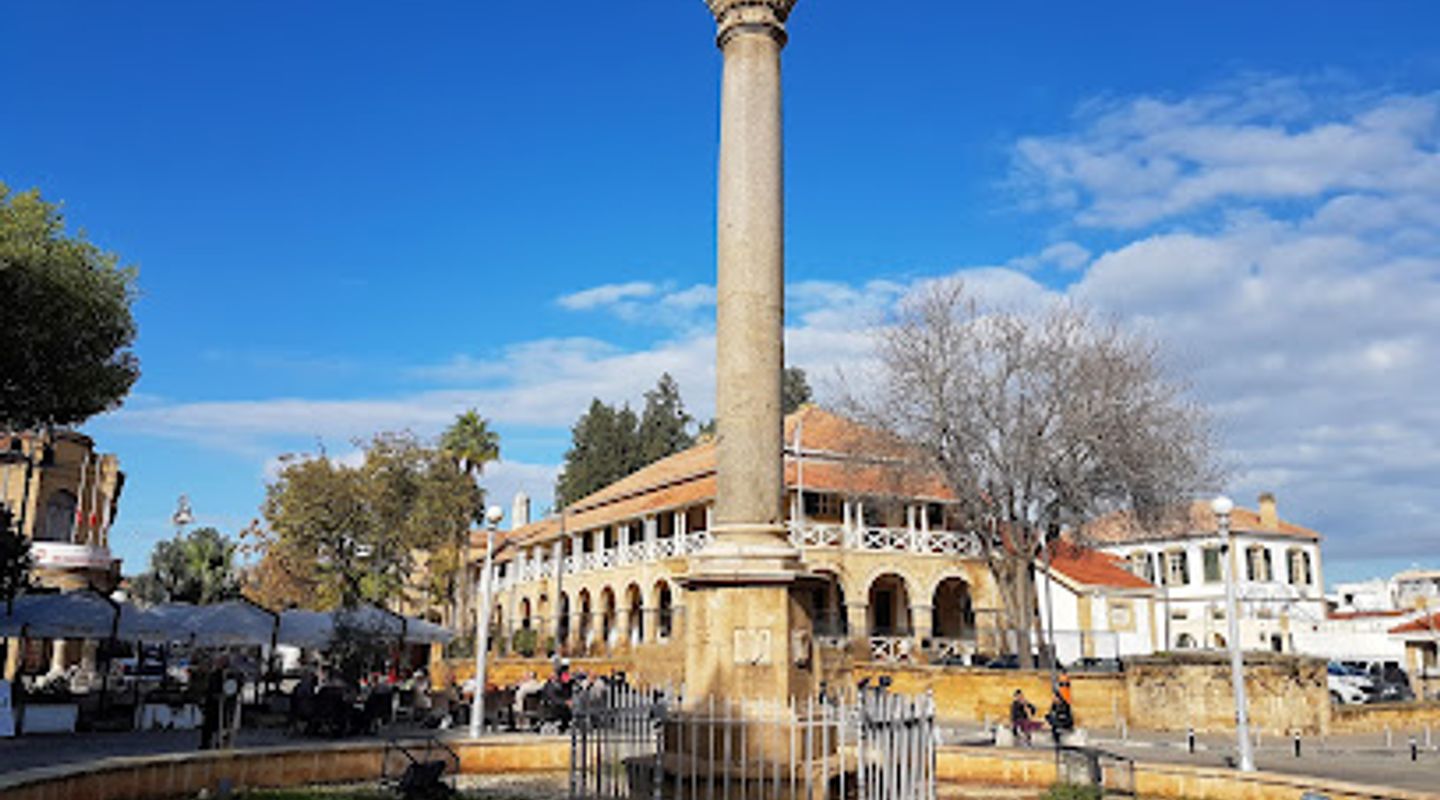
The Venetian Column, a striking historical monument in North Nicosia's Atatürk Square, stands as a testament to Cyprus's layered past. Originally erected in Salamis and brought to Nicosia by the Venetians in 1489, it symbolized their power. The Ottomans later toppled it, and the British re-erected it in 1915, replacing the Lion of St. Mark with a bronze globe. Today, it's a focal point in the city, surrounded by cafes and shops, offering visitors a glimpse into the island's rich cultural heritage. Its presence marks a significant historical and architectural point of interest, inviting reflection on the diverse influences that have shaped Nicosia.

A brief summary to Venetian Column

  • Girne Cd, Nicosia, North Nicosia, CY

Local tips

  • Visit early in the morning to avoid crowds and enjoy a more peaceful experience at Atatürk Square.
  • Take a stroll around the surrounding area to discover local cafes and shops offering traditional Cypriot treats.
  • Combine your visit with a trip to nearby historical sites like the Selimiye Mosque and Büyük Han for a comprehensive cultural experience.
widget icon

Getting There

  • Walking

    From the Kyrenia Gate, walk straight ahead towards Atatürk Square. The Venetian Column is located in the center of the square, approximately a 5-minute walk. The route is flat and easily accessible.

  • Public Transport

    Several bus lines serve Atatürk Square. From any point in North Nicosia, take a bus heading towards Girne Caddesi (Kyrenia Avenue). Get off at a stop near the Law Courts or the Nicosia Post Office, both of which are adjacent to Atatürk Square. The Venetian Column is in the center of the square. A single bus fare costs approximately €1-2.

  • Taxi/Ride-Share

    Taxis are readily available throughout North Nicosia. Request a ride to Atatürk Square (Sarayönü). The ride should take no more than 10-15 minutes from most locations within the city center and cost approximately €5-10, depending on the distance and traffic.

Unlock the Best of Venetian Column

Buy tickets

    No tickets available

Book tours with entry

    No tours available

Book tours without entry

    No tours available

Discover more about Venetian Column

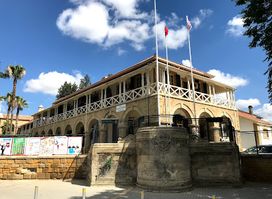
The Venetian Column, prominently situated in Atatürk Square (also known as Sarayönü Square) in North Nicosia, is a powerful symbol of the island's complex history and enduring architectural beauty. This impressive column, though often misattributed solely to the Venetians, has a history that spans multiple empires and cultural shifts, making it a compelling site for any visitor to Cyprus. Originally, the granite column was sourced from the ancient city of Salamis, specifically from the Temple of Zeus. In 1489, during the Venetian rule of Cyprus, it was transported to Nicosia as a tribute to their dominance. The column was erected in front of the Lusignan Palace, which served as the residence of the Venetian governors. To further emphasize their authority, the Venetians topped the column with the Lion of St. Mark, their emblem, and adorned the base with the coats of arms of six noble Venetian families. However, Venetian rule was not to last. In 1570, the Ottoman Empire conquered Cyprus. The Ottomans removed the Lion of St. Mark and toppled the column, leaving it in the courtyard of the Sarayönü Mosque. For centuries, the column lay in disrepair, a silent witness to the changing tides of power. The column's story took another turn in 1915, during British rule. As part of a broader effort to assert their own imperial presence, the British re-erected the Venetian Column. However, they replaced the lost Lion of St. Mark with a bronze orb, a symbol of British authority. They also added inscriptions to the base of the column, commemorating the dates of its demolition (1550) and re-erection (1915). Today, the Venetian Column stands as a powerful reminder of Nicosia's layered past. It is a testament to the rise and fall of empires, the clash of cultures, and the enduring spirit of the Cypriot people. The column's presence in Atatürk Square creates a unique atmosphere, blending historical grandeur with the hustle and bustle of modern city life. Atatürk Square itself is a significant public space. For centuries, it served as the administrative center of the island. The square is surrounded by important buildings, including the Turkish Cypriot central Law Courts, the Nicosia Post Office, and various banks. The thoroughfare of Girne Avenue ends in the square, making it a central hub for transportation and commerce. While in Atatürk Square, take note of the other historical features. In the north of the square, there is a fountain built during the Ottoman period, providing a glimpse into the city's Ottoman heritage. The square's layout and design reflect the influences of various periods, from the Lusignan dynasty to the Venetian Republic to the Ottoman Empire to British colonial rule. Visiting the Venetian Column offers a chance to reflect on the complex history of Cyprus and the diverse influences that have shaped its identity. It is a place where the past and present converge, inviting visitors to contemplate the island's rich cultural heritage. The column's enduring presence serves as a reminder of the resilience and adaptability of the Cypriot people, who have weathered countless storms and emerged with a unique and vibrant culture. Beyond its historical significance, the Venetian Column is also a popular gathering place for locals and tourists alike. The surrounding area is filled with cafes, shops, and restaurants, making it an ideal spot to relax and soak up the atmosphere of North Nicosia. Visitors can enjoy a leisurely stroll around the monument, capturing stunning photographs that highlight its architectural elegance against the backdrop of the city's charming streets. The surrounding area is perfect for a quick break, allowing tourists to sit and watch the world go by while sipping on traditional Cypriot coffee. For those interested in exploring more of North Nicosia's historical sites, the Venetian Column serves as an excellent starting point. Nearby attractions include the Selimiye Mosque (formerly the St. Sophia Cathedral), the Büyük Han (Great Inn), and the Kyrenia Gate. Each of these sites offers a unique glimpse into the island's past and the diverse cultures that have shaped its identity. The Selimiye Mosque, a short walk from Atatürk Square, is a masterpiece of Gothic architecture. Originally constructed as a cathedral in the 13th century, it was converted into a mosque during the Ottoman period. The mosque's soaring interior and intricate details are a testament to the skill and artistry of its builders. The Büyük Han, located nearby, is a well-preserved example of Ottoman architecture. Built in the 16th century, it served as a caravanserai, providing lodging and services for merchants and travelers. Today, the Büyük Han is a popular tourist destination, with shops, cafes, and restaurants housed within its historic walls. The Kyrenia Gate, one of the main entrances to the walled city of Nicosia, is another important historical site. The gate has been used by the Venetians, Ottomans, and British, each of whom has left inscriptions that adorn its exterior. The Kyrenia Gate offers a glimpse into the city's fortifications and its strategic importance throughout history. In conclusion, the Venetian Column is more than just a historical landmark; it is a symbol of Nicosia's enduring spirit and its rich cultural heritage. Its presence in Atatürk Square creates a unique atmosphere, blending historical grandeur with the vibrancy of modern city life. Whether you are a history enthusiast, an architecture lover, or simply looking for a beautiful place to relax and soak up the atmosphere, the Venetian Column is a must-see destination in North Nicosia.

Popular Experiences near Venetian Column

Popular Hotels near Venetian Column

Select Currency