Bedesten: A Tapestry of Nicosia's History
Explore the Bedesten in Nicosia, a historic landmark blending Byzantine, Gothic, and Ottoman influences, now a vibrant cultural center showcasing Cyprus's rich and diverse heritage.
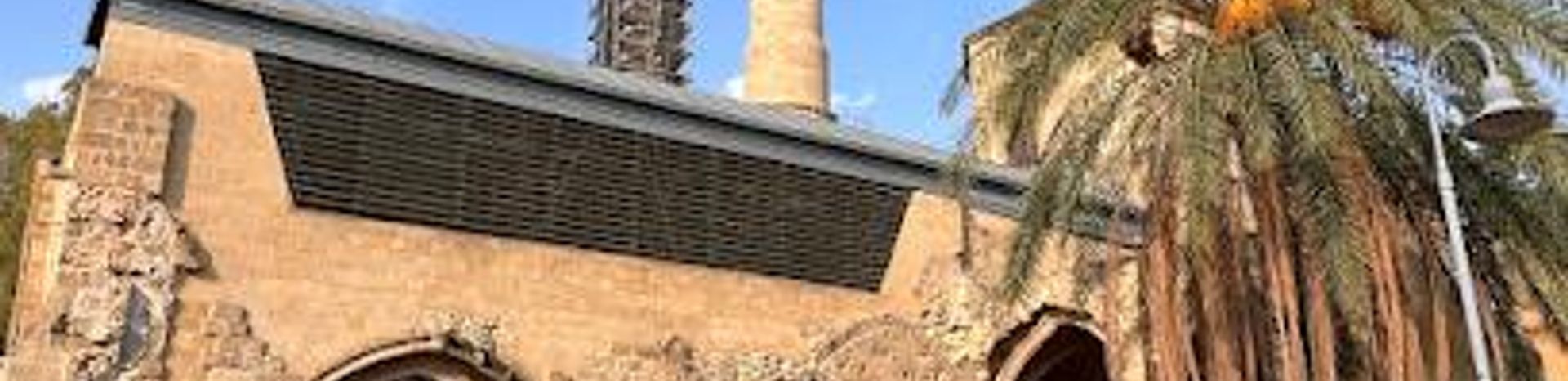
The Bedesten, or Old Hagia Nikola Church, is a captivating historical landmark in Nicosia's Selimiye quarter, a testament to the city's diverse past. Originally a 6th-century Byzantine basilica, it evolved through various eras, serving as a church dedicated to Saint Nicholas, a cathedral under Venetian rule, and later, a bustling Ottoman covered market. Today, meticulously restored, it functions as a vibrant cultural center, hosting events and exhibitions that showcase the island's rich heritage. Its unique architectural blend of Byzantine, Gothic, and Renaissance styles, coupled with its layered history, makes it a must-see attraction for anyone exploring Nicosia, offering a glimpse into the island's multifaceted cultural identity. The Bedesten stands as a symbol of Nicosia's resilience and its ability to blend diverse influences into a unique and compelling whole, inviting visitors to step back in time and experience the echoes of centuries past.
A brief summary to Bedesten - Old Hagia Nikola Church
- Kuyumcular Sk, Nicosia, North Nicosia, CY
- Visit website
Local tips
- Visit during a cultural event or performance to experience the Bedesten's unique atmosphere and acoustics.
- Take time to admire the architectural details, including the Byzantine apse, Gothic arches, and Renaissance facade.
- Explore the surrounding Selimiye quarter, with its historic mosques, traditional shops, and bustling atmosphere.
- Check for guided tours to learn more about the Bedesten's history and significance.

Getting There
-
Walking
From the Ledra Street crossing, a primary entry point into North Nicosia, walk straight along Atatürk Avenue. After approximately 10 minutes, turn left onto Kuyumcular Street. The Bedesten will be located on your right. This walk offers a glimpse into the heart of the old city.
-
Public Transport
From the main bus station in Nicosia, take a bus heading towards the Ledra Street crossing. After crossing into North Nicosia, walk straight along Atatürk Avenue for about 10 minutes until you reach Kuyumcular Street. Turn left onto Kuyumcular Street, and the Bedesten will be on your right. A single bus fare costs approximately ₺10-₺15.
-
Taxi/Ride-Share
A taxi or ride-share from anywhere in central Nicosia to the Bedesten will cost approximately ₺50-₺75, depending on traffic. Be sure to specify 'Kuyumcular Sk, Lefkoşa' as your destination.
Discover more about Bedesten - Old Hagia Nikola Church
Iconic landmarks you can’t miss

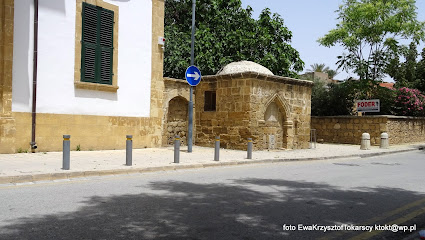
Ali Ruhi Çeşmesi - Küçük Medrese'nin çeşmesi
0.1 km
Discover the serenity and historical charm of Ali Ruhi Çeşmesi, a stunning Ottoman fountain in the heart of North Nicosia, perfect for a peaceful retreat.
Kumarcılar Han
0.2 km
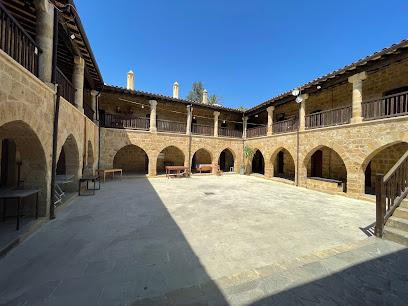
Explore the historic Kumarcılar Han in Nicosia, where rich heritage meets delightful local cuisine in an enchanting atmosphere.
Ourania Kokkinou monument OXEN-EOKA
0.3 km
Discover the Ourania Kokkinou Monument in Nicosia, a historical landmark honoring the EOKA fighters and Cyprus's rich cultural heritage.

St. John's Cathedral
0.5 km
Explore the exquisite St. John's Cathedral in Nicosia, Cyprus, a Gothic masterpiece filled with rich history and breathtaking frescoes.
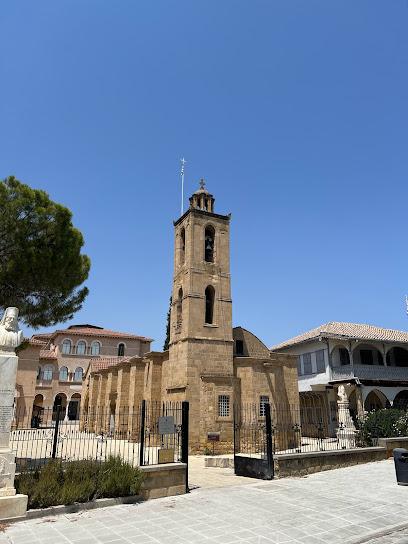
Dr. Fazıl Küçük Müzesi
0.5 km
Explore the life and legacy of Dr. Fazıl Küçük at his former home and clinic in North Nicosia.
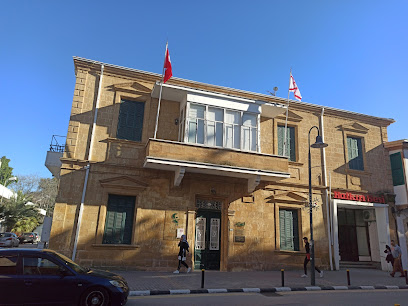
Ledra Street
0.5 km
Discover the historical charm and modern vibrancy of Ledra Street, the heart of Nicosia where culture, shopping, and history collide beautifully.
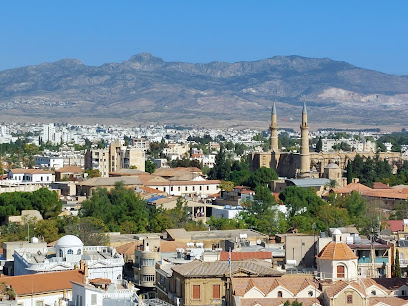
Severios library anti-colonial monument
0.5 km
Explore the Severios Library Anti-Colonial Monument in Nicosia, a significant historical landmark celebrating Cypriot resilience and culture.
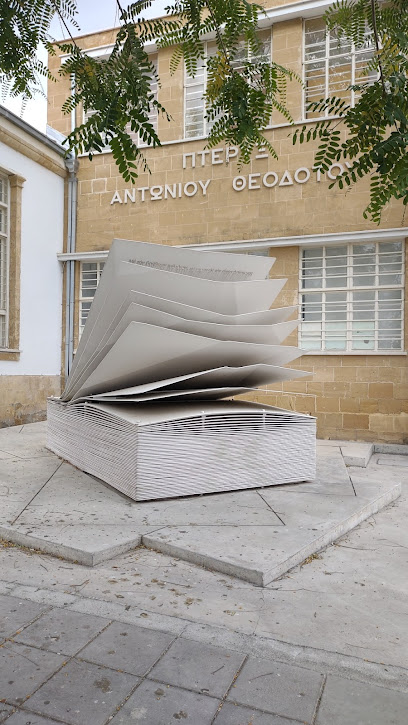
°Αρχοντικο Ζεμενιδη
0.6 km
Explore the Archontiko Zemenidi, a captivating historical landmark in Nicosia, Cyprus, showcasing the island's rich cultural heritage and stunning architecture.
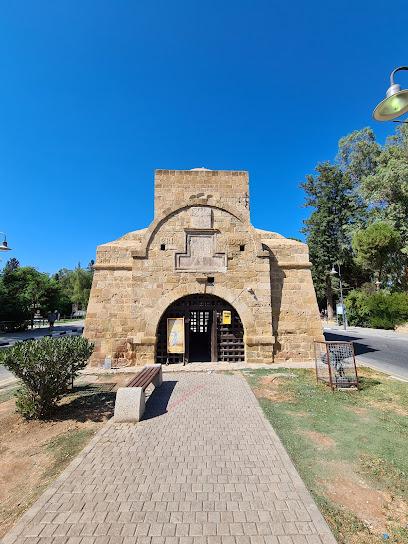
Kyrenia Gate
0.6 km
Experience the rich history of Kyrenia Gate in Nicosia, Cyprus, an iconic landmark that showcases stunning architecture and the charm of old city life.
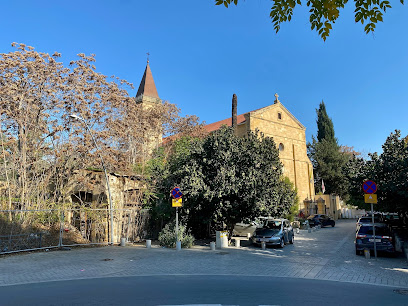
Holy Cross Catholic Church
0.6 km
Discover the serene beauty of Holy Cross Catholic Church in Nicosia, where history and spirituality intertwine amidst striking architecture.
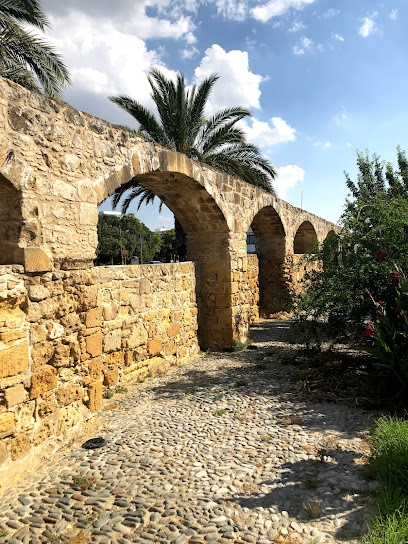
Aquaduct
0.7 km
Explore the Aqueduct in Nicosia, a stunning historical landmark showcasing ancient engineering and a peaceful escape in the heart of the city.
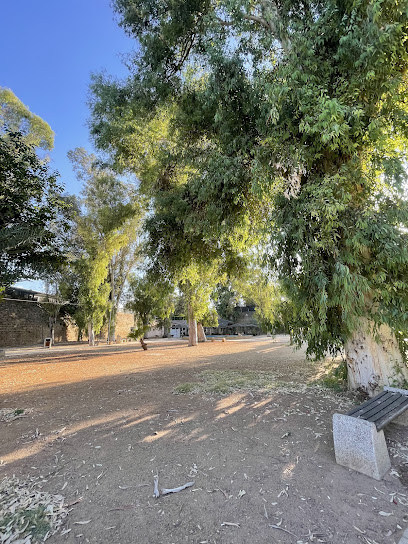
lefkosa park city center
0.7 km
Discover Lefkoşa Park, a historical landmark in Nicosia that combines natural beauty with rich cultural heritage, perfect for relaxation and exploration.
Πύλη Πάφου
0.7 km
Discover the historical significance and architectural beauty of Paphos Gate, a key landmark in Nicosia that connects you to Cyprus's rich past.
Unmissable attractions to see

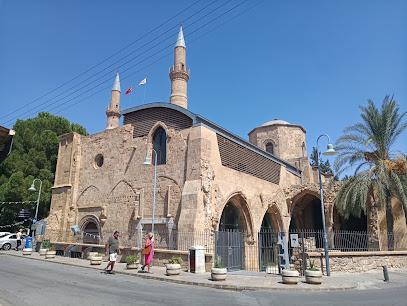
Selimiye Camii
0.0 km
Discover the architectural beauty and historical significance of Selimiye Camii, a must-see landmark in Nicosia that beautifully blends Gothic and Ottoman styles.
The Eaved House
0.1 km
Explore The Eaved House in Nicosia: A traditional museum showcasing local heritage and architectural beauty, free for all visitors.
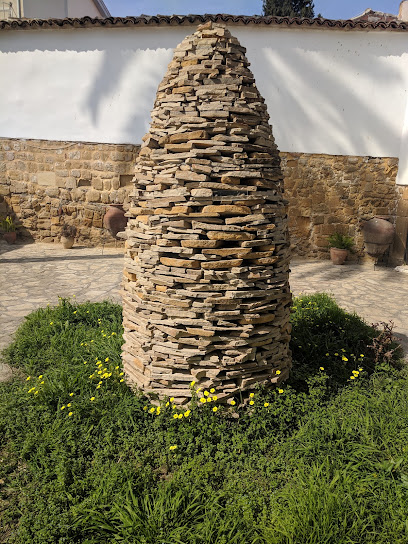
Medieval Stone Artifacts Museum
0.1 km
Discover Cyprus's medieval heritage at the Medieval Stone Artifacts Museum in Nicosia, showcasing Byzantine, Lusignan, and Venetian relics that tell the island's captivating story.
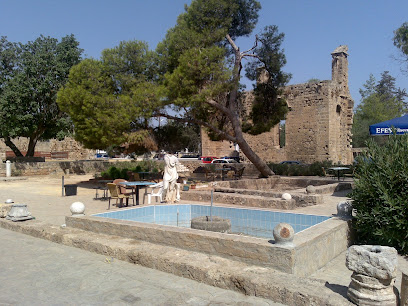
Büyük Han
0.1 km
Explore the Büyük Han in Nicosia: a beautifully restored 16th-century Ottoman caravanserai, now a vibrant center for art, culture, and Cypriot crafts.
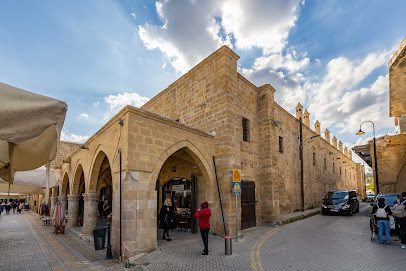
Büyük Hamam
0.2 km
Experience centuries of tradition at Büyük Hamam in Nicosia, where Ottoman bathing rituals meet Lusignan history for a unique cultural and rejuvenating escape.
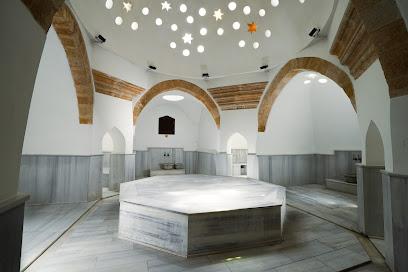
Lokmaci Crossing meeting point
0.3 km
Experience the poignant history and cultural crossroads of Cyprus at the Lokmaci Crossing, Nicosia's symbolic gateway between two worlds.
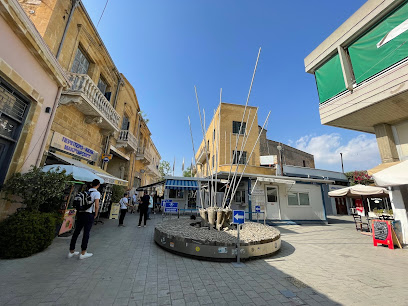
Karababa Tomb
0.3 km
Discover the allure of history and culture at Karababa Tomb, a captivating tourist attraction and museum in Nicosia, Cyprus.
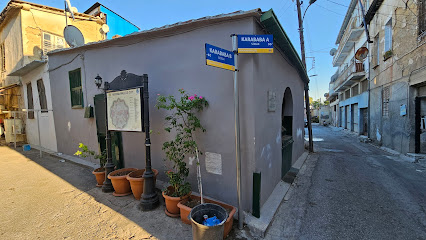
Lidra
0.3 km
Experience the heart of Nicosia on Ledras Street, where history, culture, and modern life blend seamlessly. A must-see destination in Cyprus.
Ledras одна из самых посещаемых улиц Никосии
0.3 km
Experience the vibrant heart of Nicosia: a blend of history, culture, and commerce on the iconic Ledra Street, bridging Cyprus's past and present.
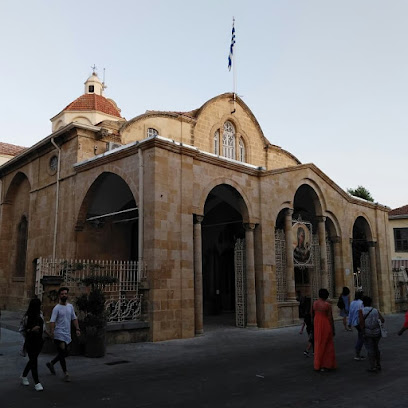
NiMAC
0.3 km
Explore contemporary art in a unique industrial setting at Nicosia's premier arts center, showcasing Cypriot and international artists since 1994.
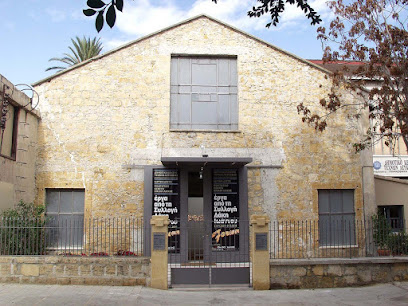
Archaeological Site of Palaion Demarcheion
0.3 km
Explore Nicosia's ancient past at the Archaeological Site of Palaion Demarcheion, where history comes to life through remarkable ruins and artifacts.
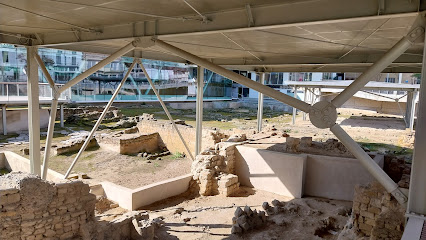
Segway Station
0.4 km
Experience the beauty of Nicosia, Cyprus, with an unforgettable Segway tour through its historical streets and vibrant culture.
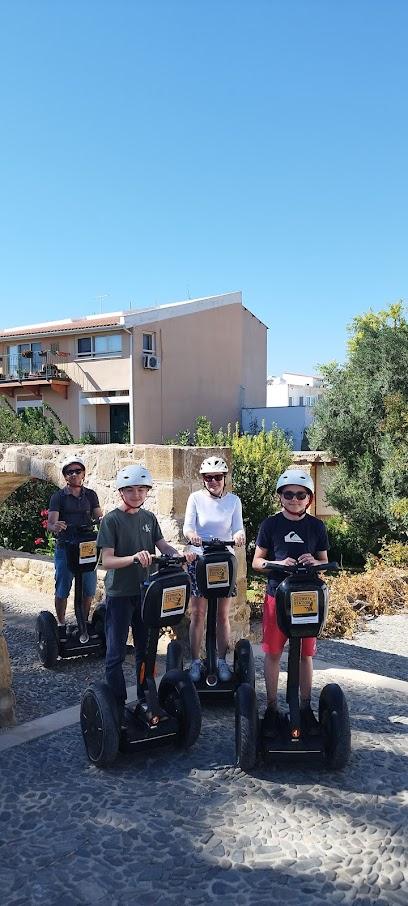
Venetian Column
0.4 km
Discover the Venetian Column in North Nicosia: a historical landmark symbolizing Cyprus's rich heritage, blending Venetian, Ottoman, and British influences in the heart of the city.
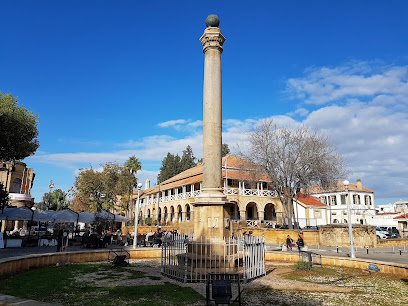
Atatürk Myd.
0.4 km
Experience the vibrant heart of North Nicosia at Atatürk Square, a historical hub where culture, architecture, and local life converge.
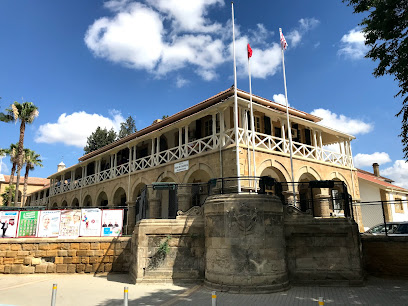
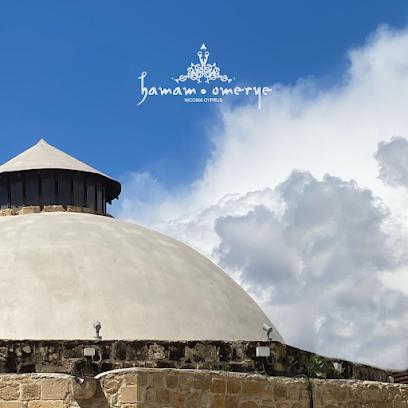
Hamam Omerye
0.4 km
Experience the timeless tradition of Turkish bathing in a beautifully restored 14th-century bathhouse, a sanctuary of wellness and history in the heart of Nicosia's old town.
Essential places to dine

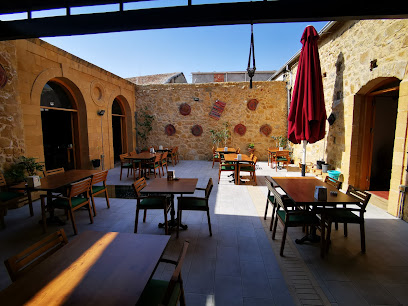
Krubera Restaurant and Café
0.1 km
Discover delightful flavors at Krubera Restaurant and Café in North Nicosia – where tradition meets modern dining.
22 Twenty Two
0.1 km
Discover exquisite flavors at 22 Twenty Two - North Nicosia's premier fine dining restaurant and travel lounge.
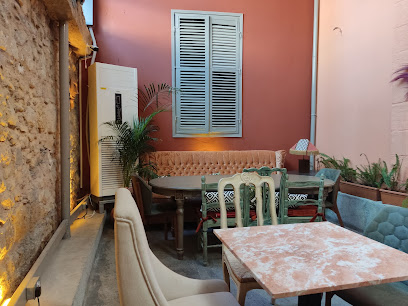
LEDRAHAN
0.2 km
Experience authentic Cypriot cuisine at Ledrahan in North Nicosia – where tradition meets taste in a warm and welcoming atmosphere.
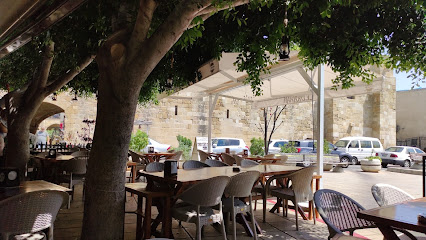
St. George Restaurant - Tavern
0.3 km
Discover the essence of Cypriot cuisine at St. George Restaurant - Tavern in Nicosia; a culinary gem offering delicious Meze and local specialties.
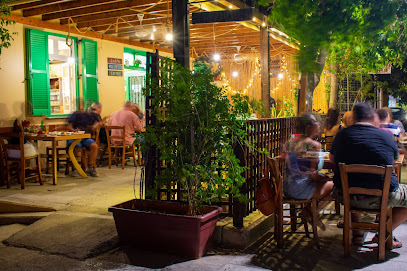
Mathaios Restaurant
0.3 km
Experience the true essence of Cypriot cuisine at Mathaios Restaurant in Nicosia – where every dish tells a story.
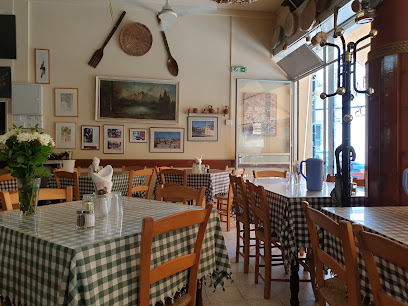
Fisa & Masa
0.3 km
Experience the best of Cypriot cuisine at Fisa & Masa – where tradition meets innovation in every dish.
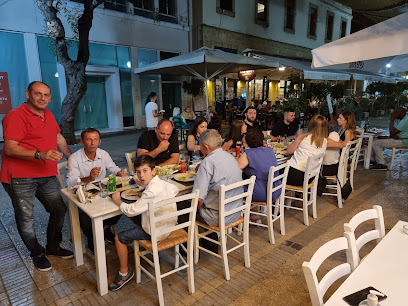
Kathodon Greek Restaurant & Coffee Shop
0.4 km
Experience authentic Greek cuisine at Kathodon Greek Restaurant & Coffee Shop in Nicosia—where every dish tells a story.
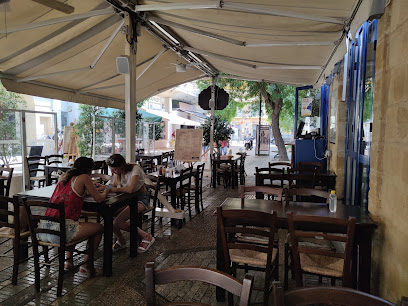
Tsolias
0.4 km
Experience authentic Greek flavors at Tsolias in Nicosia – where every meal is a celebration of Mediterranean cuisine.
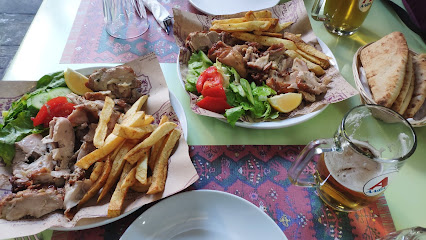
Zanettos Cypriot Tavern
0.4 km
Discover authentic Cypriot flavors at Zanettos Cypriot Tavern in Nicosia – a must-visit for food lovers seeking local culinary experiences.
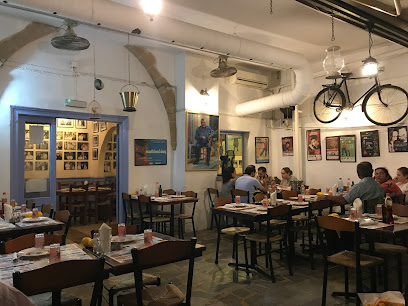
To Anamma Traditional Restaurant
0.4 km
Discover authentic Greek flavors at To Anamma Traditional Restaurant in Nicosia - where every meal tells a story.
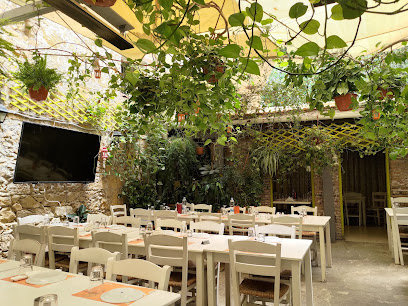
Piatsa Gourounaki
0.4 km
Experience authentic Cypriot cuisine at Piatsa Gourounaki in Nicosia—where flavors meet tradition in a warm and inviting atmosphere.
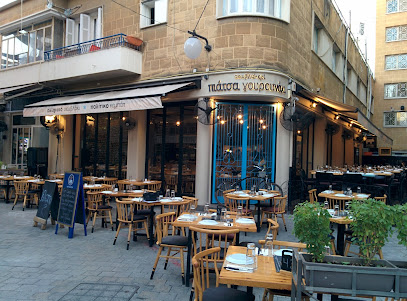
Vintage Wine bar & Bistro Nicosia
0.4 km
Experience culinary excellence at Vintage Wine Bar & Bistro in Nicosia – where fine wine meets exquisite dining.
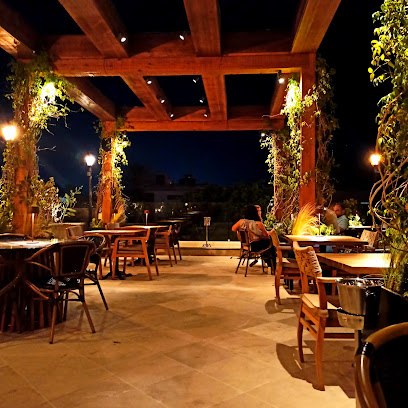
Tilia.Restaurant Cyprus
0.4 km
Discover authentic Cypriot flavors at Tilia Restaurant in North Nicosia, where tradition meets culinary excellence.
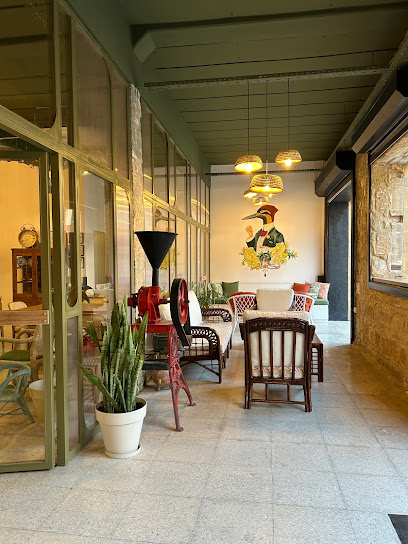
The Gym
0.5 km
Discover the vibrant culinary scene at The Gym in Nicosia - where delicious food meets a lively bar atmosphere.
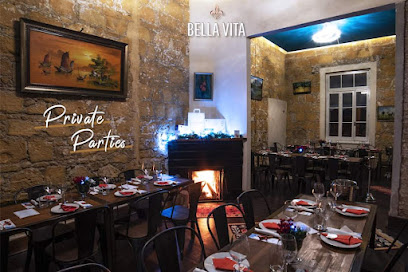
Bella Vita
0.5 km
Experience authentic Italian cuisine and exquisite wines in a beautiful garden setting at Bella Vita in Old Town Nicosia.
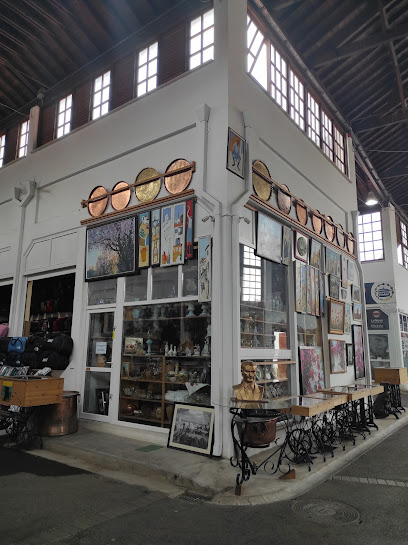
Markets, malls and hidden boutiques

Bandabuliya
0.0 km
Discover Bandabuliya, a vibrant shopping mall in North Nicosia, offering local goods, delicious food, and a lively atmosphere for every traveler.
Cyprus Corner Gift Shop
0.1 km
Explore unique souvenirs and local crafts at Cyprus Corner Gift Shop in North Nicosia, a treasure trove for every tourist's shopping experience.
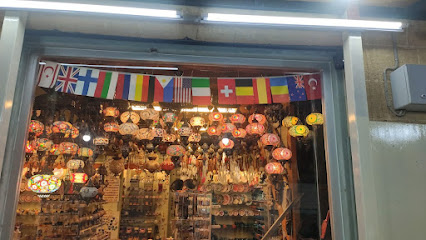
Om R Art & Scarfs
0.1 km
Discover unique handmade scarves and local artworks in North Nicosia's charming souvenir store, Om R Art & Scarfs.
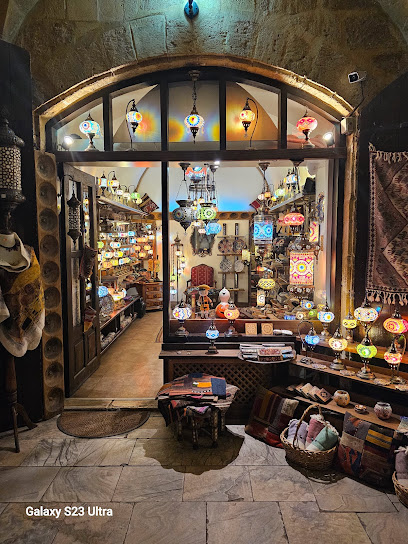
AutHaNtiQ
0.2 km
Explore AutHaNtiQ for unique, handcrafted souvenirs that capture the essence of Cyprus in North Nicosia.
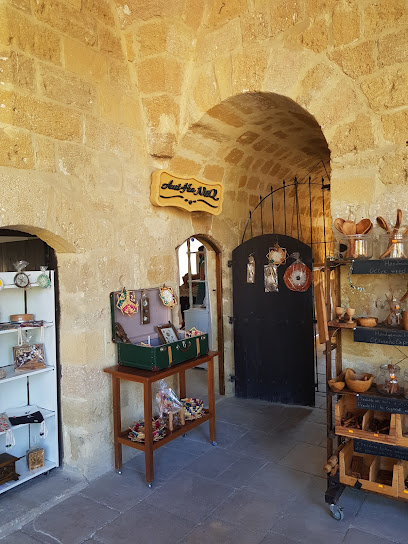
Turkish Bazaar
0.2 km
Explore the Turkish Bazaar in North Nicosia for a unique cultural shopping experience filled with local crafts, delicious food, and vibrant atmosphere.
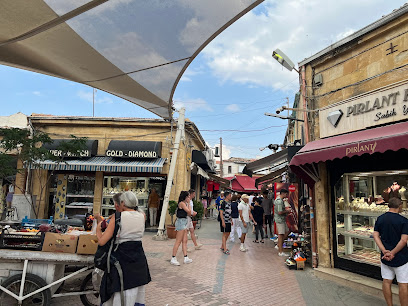
Etsi ki allios - Έτσι κι Αλλιώς
0.3 km
Explore Etsi ki allios in Nicosia, Cyprus, for unique handicrafts and souvenirs that celebrate local culture and artistry.
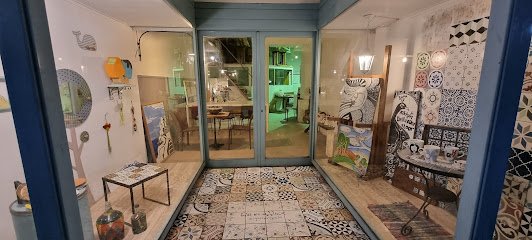
Energies Boutique
0.3 km
Discover the latest trends at Energies Boutique, Nicosia's premier women's clothing store, where style meets Cypriot charm.
All Senses by Trokkoudes
0.3 km
Explore All Senses by Trokkoudes in Nicosia – your ultimate shopping destination for authentic Cypriot souvenirs and local crafts.
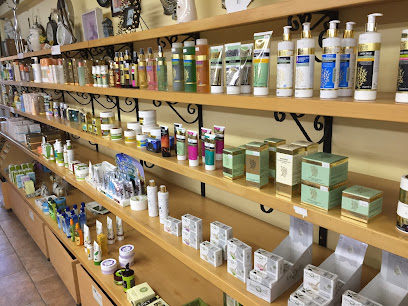
Indian Shop
0.4 km
Explore the colorful world of fashion at the Indian Shop, where unique accessories meet rich cultural heritage in the heart of Nicosia.
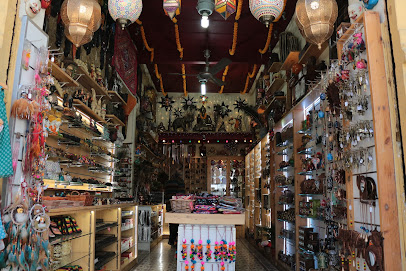
Hilal Tesbih Kktc
0.4 km
Explore the vibrant shopping and dining experiences at Hilal Tesbih Kktc, Nicosia's premier shopping mall, rich in local culture and unique offerings.
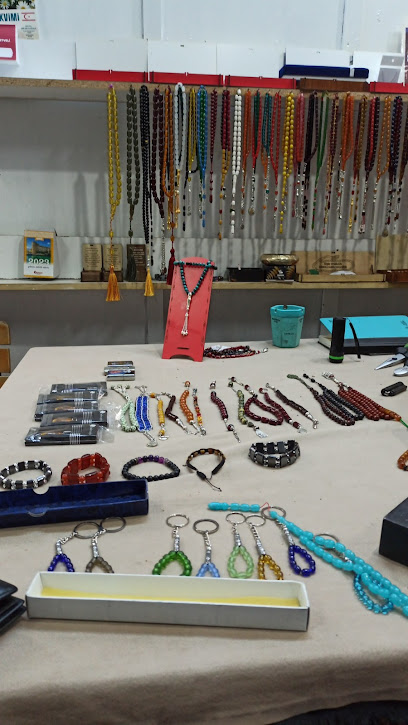
FABoutique / Ermou 300
0.4 km
Explore FABoutique / Ermou 300 in Nicosia for unique home goods and exquisite lighting that blend style and functionality.
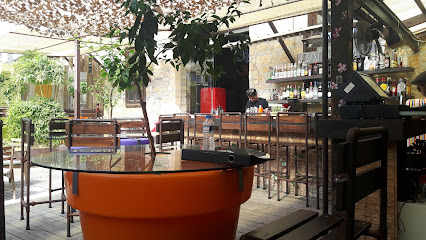
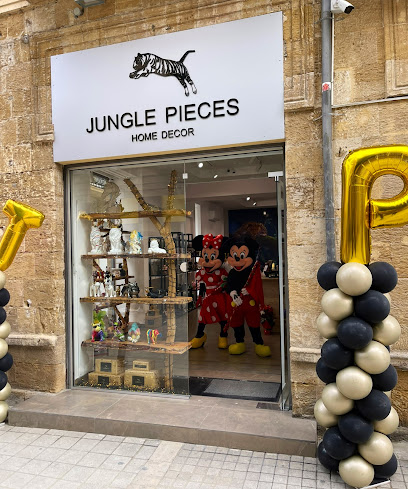
Jungle Pieces Cyprus
0.4 km
Discover Jungle Pieces Cyprus, a vibrant hub for unique furniture accessories that showcase the artistry and charm of Cypriot design.
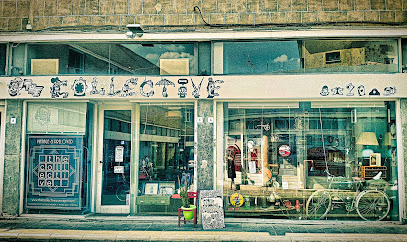
thecollective vintage & pre-loved
0.4 km
Explore unique vintage finds and sustainable fashion at thecollective vintage & pre-loved, the perfect destination for fashion lovers in Nicosia, Cyprus.
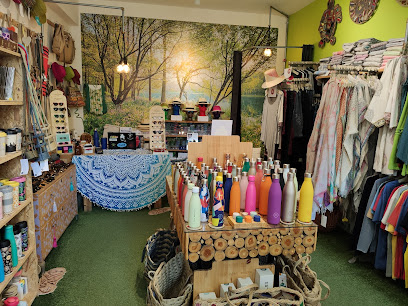
Nomadic State of Mind Cyprus
0.5 km
Explore the vibrant Nomadic State of Mind Cyprus, an outlet mall filled with unique finds and local artistry in the heart of Nicosia.
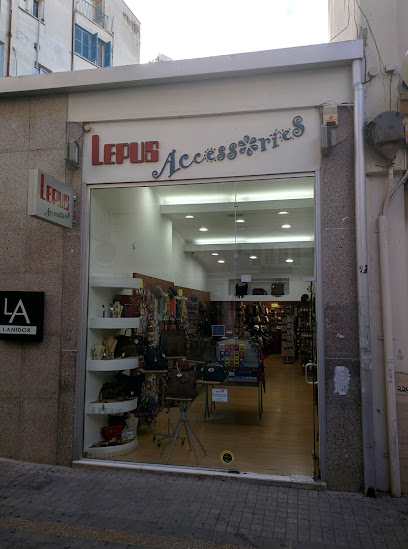
Lepus Accessories
0.5 km
Explore a delightful gift shop in Nicosia, Cyprus, offering unique accessories and souvenirs that capture the local culture and craftsmanship.
Essential bars & hidden hideouts

Papa Bar Nicosia
0.1 km
Discover the lively atmosphere of Papa Bar in North Nicosia, where great drinks and live music create unforgettable nights.
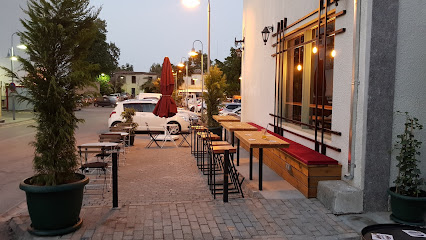
Gates Of Zion
0.1 km
Discover the lively nightlife at Gates Of Zion in North Nicosia, offering a unique blend of classic and signature drinks in a vibrant atmosphere.
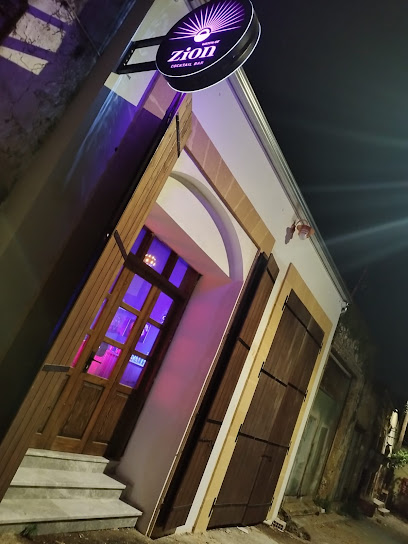
Imagine cafè
0.2 km
Experience the vibrant atmosphere and cozy charm of Imagine Café, a top spot in North Nicosia for drinks and light meals.
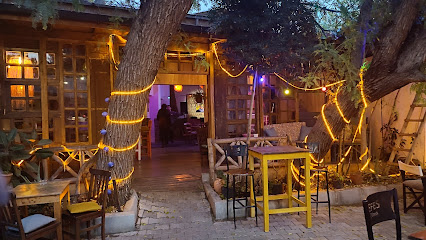
Barasta Cafe and Bar
0.2 km
Barasta Cafe and Bar: Enjoy craft beers and international dishes in the heart of North Nicosia's vibrant nightlife.
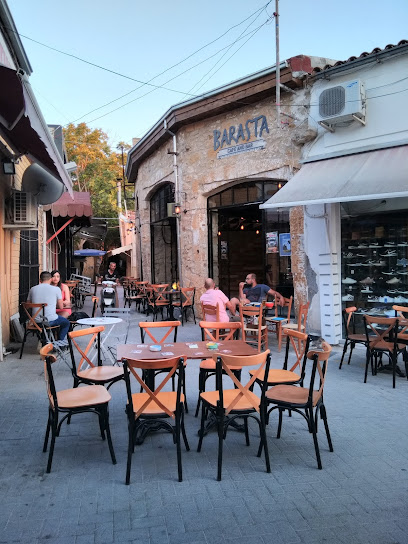
Herb Bar
0.2 km
Experience the unique blend of charm and refreshment at Herb Bar, a delightful gem in the heart of Nicosia, Cyprus.
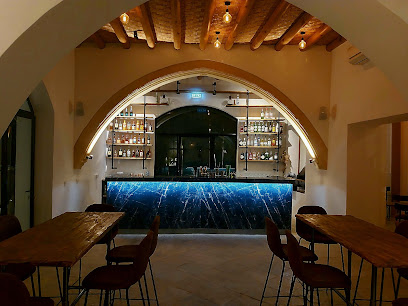
Palaia Pineza bar
0.2 km
Experience the vibrant nightlife at Palaia Pineza Bar in Nicosia, where delightful drinks and a lively atmosphere await every visitor.
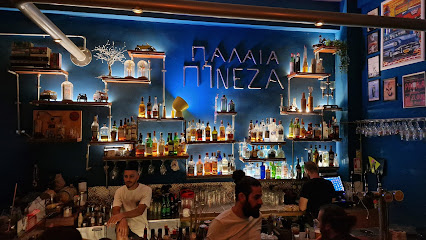
50's Resto-Bar
0.3 km
Discover the vibrant 50's Resto-Bar in Nicosia, a retro haven for cocktails, music, and unforgettable nightlife.
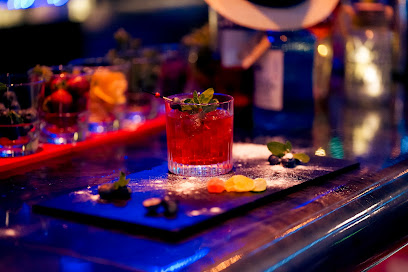
The Old Powerhouse Chill Bar
0.3 km
Experience unique cocktails and quality shisha in a vibrant atmosphere at The Old Powerhouse Chill Bar, Nicosia's nightlife gem.
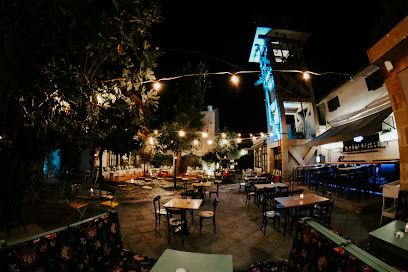
Ermou Rock Bar
0.3 km
Discover Nicosia's vibrant nightlife at Ermou Rock Bar, where eclectic rock music and lively ambiance create unforgettable memories.
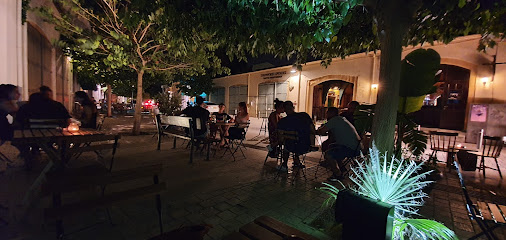
SIN PLIN ISON - ΣΥΝ ΠΛΗΝ ΙΣΟΝ
0.3 km
Discover the enchanting SIN PLIN ISON bar in Cyprus, where delightful drinks, a cozy atmosphere, and friendly service await every visitor.
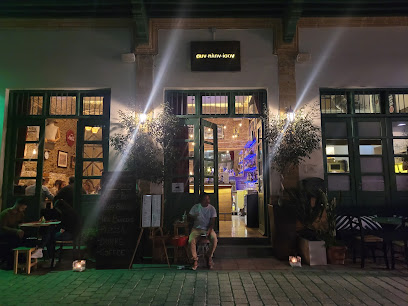
CHEERS BAR
0.4 km
Discover Cheers Bar in Nicosia, Cyprus: a vibrant pub offering a wide range of drinks, outdoor seating, and a friendly atmosphere perfect for relaxation.
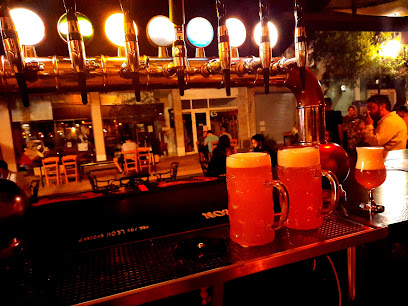
Volvèr
0.4 km
Discover the vibrant nightlife of Nicosia at Volvèr, where expertly crafted cocktails and a lively ambiance await.
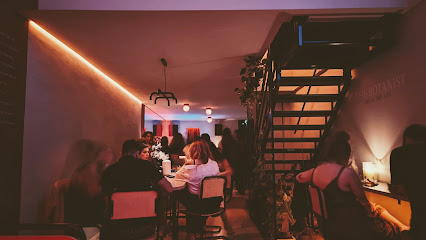
Bubbly Happy
0.4 km
Discover the lively spirit of Nicosia at Bubbly Happy, where cocktails, live music, and good vibes create unforgettable nights.
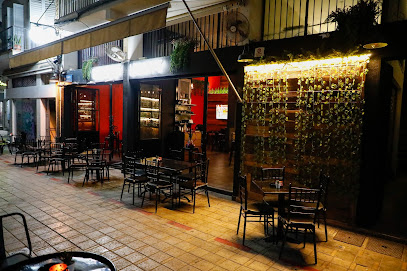
BrewFellas Beer Bar
0.4 km
Discover the vibrant atmosphere and diverse beer selection at BrewFellas Beer Bar, a must-visit for beer lovers in Nicosia, Cyprus.
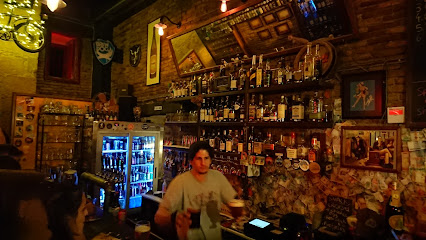
Oti na nai
0.4 km
Discover the lively ambiance and refreshing drinks at Oti na nai, a vibrant bar in Nicosia where locals and tourists converge for unforgettable nights.
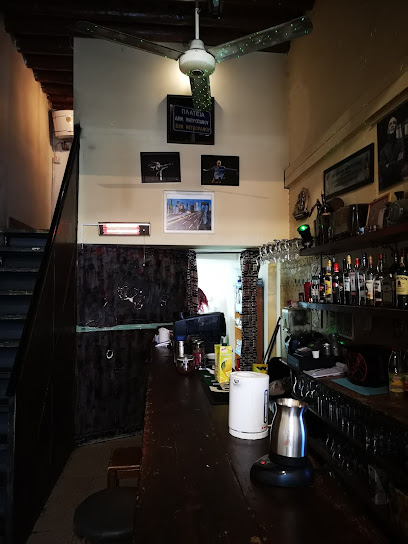
Nightclubs & after hour spots

lions club
0.3 km
Discover the electrifying nightlife at Lions Club, Nicosia's top night club, where music, dance, and vibrant energy await you.
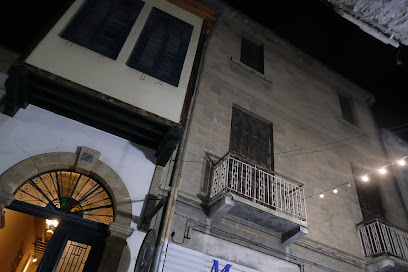
HOM boutique Club ( MO Club)
0.3 km
Discover the pulse of Nicosia's nightlife at HOM Boutique Club, where vibrant music and exquisite cocktails create unforgettable nights.
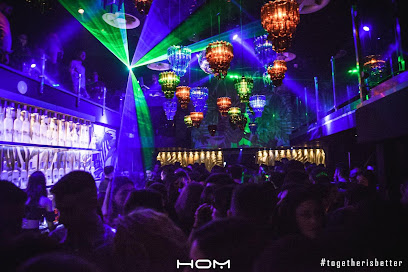
Cafe Mercedes
0.3 km
Experience the vibrant nightlife at Cafe Mercedes, Nicosia's ultimate destination for dancing and socializing until dawn.
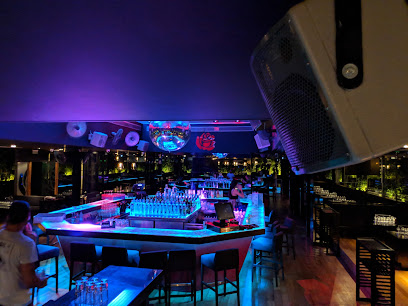
Antonakis Bar Restaurant
0.5 km
Experience the vibrant nightlife of Nicosia at Antonakis Bar Restaurant, where exquisite dining meets electrifying entertainment.
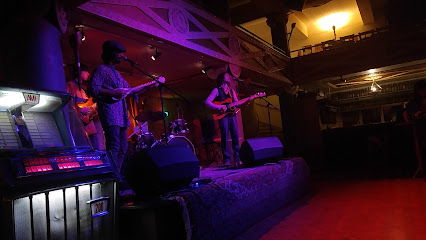
Ithaki Venue
0.6 km
Discover Ithaki Venue, Nicosia's premier night club, renowned for its vibrant atmosphere, inclusive events, and unforgettable nightlife experiences.
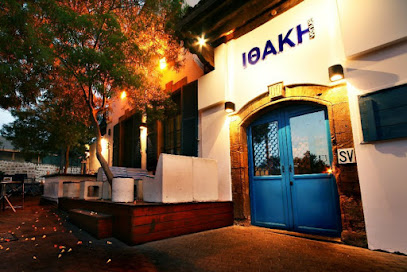
Sarah's Jazz & Blues Club
0.7 km
Immerse yourself in the soulful sounds of jazz and blues at Sarah's Jazz & Blues Club in Nicosia, Cyprus.
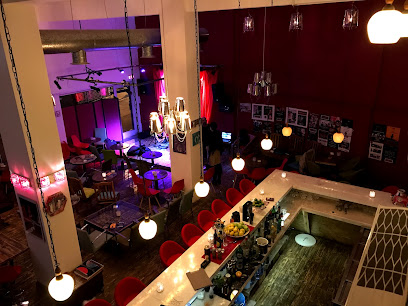
Club Teez
0.9 km
Dive into the nightlife of Nicosia at Club Teez, a vibrant night club offering thrilling music, an energetic atmosphere, and unforgettable experiences.
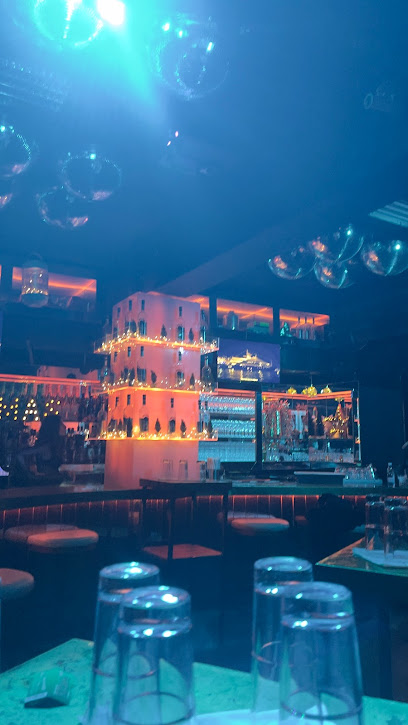
The Versus Club
1.0 km
Discover the vibrant nightlife of Nicosia at The Versus Club, where music, dance, and excitement come together for an unforgettable experience.
S//IP Club
1.0 km
Dive into the electrifying nightlife of Nicosia at S//IP Club, where top DJs and a vibrant atmosphere await every night.
Central Night Club
1.0 km
Experience the electrifying nightlife at Central Night Club in Nicosia, Cyprus - a must-visit for party enthusiasts.
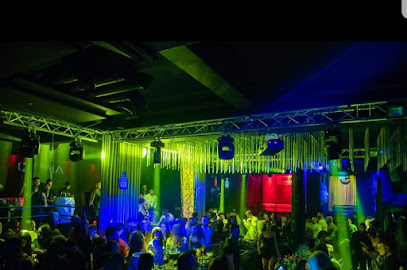
State Club
2.1 km
Discover the vibrant nightlife of Cyprus at State Club, where energetic music and a lively atmosphere await every night.
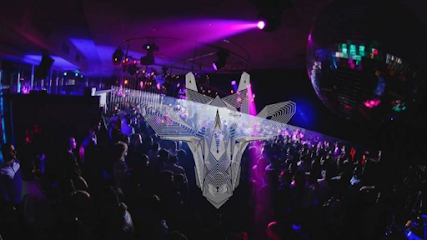
Veranta Club
4.1 km
Discover the electrifying nightlife at Veranta Club in Strovolos, Cyprus, where music, dancing, and unforgettable moments await.
TANGKI
4.3 km
Experience the pulse of Cyprus nightlife at TANGKI, Strovolos' top night club for dancing, drinks, and unforgettable memories.
Teerah
8.1 km
Dive into Aglantzia's nightlife at Teerah, a premier night club with electrifying music and an unforgettable atmosphere.
Romantic Night Club
9.4 km
Experience the vibrant nightlife at Nicosia's Romantic Night Club, where music, dancing, and romance come together for an unforgettable evening.