

Free Mesaoria Plain Travel Guide & Mobile App
Explore Mesaoria Plain with free travel guides. Discover regional history, expert tips, proposed trips, and audio guides on web or mobile app.


Explore Cyprus’s Mesaoria Plain for divided Nicosia, ancient ruins, village food, open farmland and a layered central-island history.
Read more about Mesaoria Plain
When is the best time to visit Mesaoria Plain?
Best: April–May, October · 22–27°C| Month | High (°C) | Rainfall (mm) |
|---|---|---|
| January | 15 | 60 |
| February | 15 | 50 |
| March | 18 | 40 |
| April (best) | 22 | 30 |
| May (best) | 27 | 20 |
| June | 32 | 10 |
| July | 35 | 1 |
| August | 35 | 1 |
| September | 32 | 20 |
| October (best) | 26 | 30 |
| November | 20 | 40 |
| December | 16 | 50 |
Getting to and around Mesaoria Plain
How to get there
Transportation
Top city travel guides in Mesaoria Plain
The cities of Mesaoria Plain, and the easiest places to base yourself.
-

-

-


Swipe for more cities
Destinations in Mesaoria Plain
Resorts, valleys and scenic spots worth a trip of their own.
-
-

-
-


Swipe for more destinations
Best attractions in Mesaoria Plain
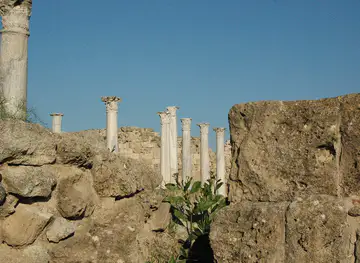
The Mesaoria’s attractions combine the cultural depth of Nicosia with archaeological sites, religious buildings and open agricultural landscapes. Within the walled capital, the Cyprus Museum presents the island’s archaeological sequence, while the old quarters contain workshops, courtyards, churches, mosques, inns and museums on both sides of the divide. Guided walks can help explain the Venetian walls and the United Nations buffer zone without treating the division as merely a spectacle. At the eastern edge of the plain, the extensive ruins of ancient Salamis include public buildings, baths, a theatre and other remains that reveal the scale of the city in Roman and late antique times. Nearby, the Monastery of Saint Barnabas combines religious significance with a museum and archaeological context. Villages across the plain offer traditional architecture, local churches, cafés and agricultural scenery rather than concentrated sightseeing. Outdoor visits are most comfortable in the cooler months, while spring is especially rewarding for the open farmland and roadside vegetation.
-
Beach
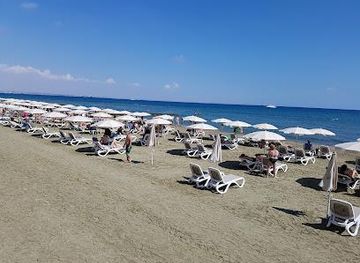
Mackenzie Beach
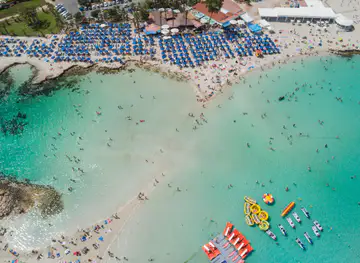
Experience the vibrant energy of Mackenzie Beach in Larnaca, Cyprus: sun, sea, sand, thrilling water sports, and a lively nightlife await!
-
Beach
Kastella Beach - Blue Flag
Discover Larnaca's serene coastal charm at Kastella Beach: a Blue Flag paradise with golden sands and turquoise waters, perfect for relaxation.
-
Museum
Shacolas Tower Museum and Observatory
Discover Nicosia from above: History, culture, and panoramic views await at the Shacolas Tower Museum and Observatory.
-
Park
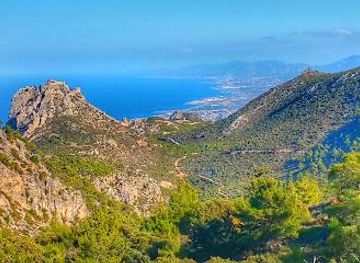
Kyrenia Mountains
Explore Cyprus's northern mountain range: history, hiking, castles, and stunning Mediterranean views await!

Best landmarks in Mesaoria Plain
The Venetian walls of Nicosia are the Mesaoria’s most recognisable civic landmark. Built in the sixteenth century in a symmetrical star-shaped plan, they enclose the historic core and reflect the military pressures facing Cyprus at the end of Venetian rule. Inside and around the walls, the Gothic cathedral of Saint John in south Nicosia and the Selimiye Mosque in north Nicosia illustrate the capital’s layered religious and political history. Büyük Han, an Ottoman-era inn in the northern old city, is an important example of historic commercial architecture. At the eastern margin of the plain, ancient Salamis is marked by its massive theatre, baths, colonnaded remains and civic scale, while the Monastery of Saint Barnabas represents the enduring importance of Orthodox Christianity in the Famagusta hinterland. Together these places show how the plain has functioned as a royal centre, agricultural basin, trading corridor and divided modern capital.
-
Historical landmark
Archaeological Site of the Tombs of the Kings
Explore the stunning Archaeological Site of the Tombs of the Kings in Cyprus, a UNESCO World Heritage site showcasing ancient history and breathtaking architecture.
-
Mosque
Selimiye Camii
Explore Nicosia's iconic Selimiye Mosque, a captivating blend of Gothic and Ottoman architecture, embodying centuries of Cypriot history.
-
Historical landmark
Neolithic Settlement of Choirokoitia
Step back 9,000 years at Choirokoitia, a UNESCO site showcasing Cyprus's Neolithic past and the dawn of civilization.
-
Historical landmark
Archaeological Site of Amathous
Discover Amathous: Explore ancient ruins, temples, and tombs in one of Cyprus's most significant historical sites, dating back to 1100 BC.


Explore Mesaoria Plain on the map
Plan your trip on one map. See where the top cities, national parks and sights are, and book hotels and experiences in a few clicks.
Best hotels in Mesaoria Plain
Best restaurants in Mesaoria Plain
Dining in the Mesaoria reflects the agricultural resources of central Cyprus and the mixed cultural history of its towns. Nicosia offers the widest range, from modern Cypriot restaurants and small meze houses to cafés, bakeries and establishments serving Turkish Cypriot specialities. Halloumi, olives, tahini, legumes, seasonal greens, grilled meats, stuffed vegetables and village breads are common across the island, while dishes and cooking styles may vary between communities. In the north, seek out local dishes such as şeftali kebabı, molehiya and pide alongside shared Cypriot staples; in the south, tavernas commonly serve meze, souvlaki and dishes built around local cheese and vegetables. Rural villages are suitable for unhurried lunches, though opening patterns can be seasonal. Markets and bakeries are useful for fruit, pastries, carob products and provisions for archaeological excursions.
-
Brunch
The Forest Breakfast Brunch Lunch
Experience the perfect blend of flavors at The Forest Breakfast Brunch Lunch in Oroklini – where every meal feels like a retreat into nature.
-
Tour agency
Cyprus Taste Tours - Ayia Napa
Intimate culinary journeys through Cyprus's mountain villages, wineries, and authentic food traditions for discerning travelers.
-
 Restaurant
Mesarya Restaurant
Experience authentic Cypriot cuisine at Mesarya Restaurant in Vadili - where tradition meets flavor.


Best bars in Mesaoria Plain
Evening life is concentrated in Nicosia, where the historic quarters and newer central streets contain wine bars, cafés, traditional coffeehouses, restaurants and venues for live music. North Nicosia is known for historic inns and informal evening gathering places, while south Nicosia has a broad selection of contemporary bars and cultural venues. The region does not have a continuous, large-scale club scene across the plain; outside the capital, evenings generally centre on village tavernas, family restaurants and local cafés. Seasonal cultural events, theatre and music programmes can add variety, but dates and venues change. Alcohol is available widely in the Republic-controlled area and in many northern establishments, while Turkish coffee, tea and non-alcoholic drinks are equally integral to the social landscape.
-
Bar
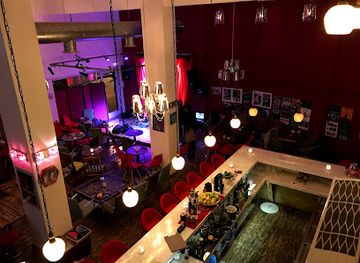
Lost + Found Drinkery
Discover a lively atmosphere and innovative cocktails at Lost + Found Drinkery, a premier bar in Nicosia's vibrant nightlife scene.
-
Pub
B.R. Hub pub & eatery
Experience the vibrant atmosphere and delectable cuisine at B.R. Hub pub & eatery in Strovolos, Cyprus, where locals and tourists come together.
-
Cocktail bar
Patio Cocktail Bar
Explore the vibrant Patio Cocktail Bar in Nicosia for creative cocktails and delicious tapas, all in a lively atmosphere that captures the essence of nightlife.
-
Cocktail bar
The Old Powerhouse Chill Bar
Discover The Old Powerhouse Chill Bar in Nicosia, where innovative cocktails and a relaxed atmosphere create the perfect escape for travelers.


Best nightclubs in Mesaoria Plain
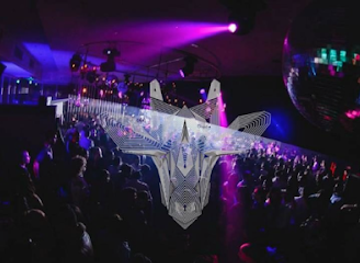
Evening life is concentrated in Nicosia, where the historic quarters and newer central streets contain wine bars, cafés, traditional coffeehouses, restaurants and venues for live music. North Nicosia is known for historic inns and informal evening gathering places, while south Nicosia has a broad selection of contemporary bars and cultural venues. The region does not have a continuous, large-scale club scene across the plain; outside the capital, evenings generally centre on village tavernas, family restaurants and local cafés. Seasonal cultural events, theatre and music programmes can add variety, but dates and venues change. Alcohol is available widely in the Republic-controlled area and in many northern establishments, while Turkish coffee, tea and non-alcoholic drinks are equally integral to the social landscape.
-
Jazz
Sarah's Jazz & Blues Club
Discover the vibrant atmosphere of Sarah's Jazz & Blues Club in Nicosia, where live music and a lively ambiance create unforgettable nights.
-
Night club
Central Night Club
Discover the heartbeat of Nicosia's nightlife at Central Night Club, where music, dance, and vibrant energy await every night.
-
Night club
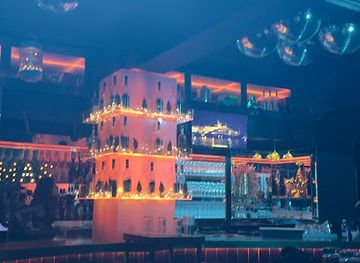
Club Teez
Discover the electrifying nightlife at Club Teez, the ultimate night club in Nicosia, Cyprus, where music and fun come alive.
-
Night club
State Club
Immerse yourself in the vibrant nightlife of State Club, Egkomi's premier destination for music, dancing, and unforgettable experiences.

Best shops in Mesaoria Plain
Nicosia provides the Mesaoria’s broadest choice of shopping, with independent stores, craft workshops, bookshops, galleries, bakeries and food retailers in and around the old city. Laiki Geitonia in south Nicosia has a restored pedestrian setting with souvenir and craft shops, while the lanes and covered-market area of north Nicosia offer textiles, leather goods, sweets, ceramics and everyday goods, with prices and product ranges varying considerably. Beyond the capital, market towns and villages are better for local produce than extensive retail: look for olives, olive oil, carob products, honey, herbs, cheeses, preserves and seasonal fruit. Traditional lace and other Cypriot crafts may be available, but quality and provenance differ, so ask whether an item is locally made. Carry suitable payment for smaller traders and remember that crossing arrangements can affect what may be transported between administrations.
-
Shopping mall
Mall Of Cyprus
Discover the ultimate shopping experience at the Mall of Cyprus, where international brands meet local delights in a vibrant setting.
-
Gift shop
Le Monde d'Amélie
Explore unique handmade gifts and artworks at Le Monde d'Amélie, a treasure trove in Nicosia, Cyprus, perfect for every discerning traveler.
-
Gift shop
POW! The Shop
Explore a treasure trove of unique pop culture gifts and souvenirs at POW! The Shop in Strovolos, Cyprus.
-
Boutique
FABoutique / Ermou 300
Explore FABoutique / Ermou 300 in Nicosia for unique home goods and exquisite lighting that blend style and functionality.


Get your free copy of our complete guide to Mesaoria Plain, delivered straight to you.
Everything on this page, from attractions and restaurants to essentials and local phrases, in one PDF you can read offline, print or share.
Already have an account? Sign in
Your Mesaoria Plain guide is ready.
We'll send it to · Not you? Sign out

Getting your guide ready…
We are putting together a fresh copy of the Mesaoria Plain guide. This can take up to a minute.
This can take a few moments. If your browser asks, choose Allow so the download can start. You'll find the guide in your Downloads folder.
Nothing happened? Download it again
Sorry, the guide is taking longer than usual. Please try again in a minute, or get it by email instead.
Mesaoria Plain essentials
Currency and Payment
Safety
Emergency Situations
Do's and Don'ts
Local Tips
From Eve
Local phrases worth knowing
You don't need to get them perfect. A few words go a long way, and locals appreciate the effort.
Basics
| English | Local | Say it |
|---|---|---|
| Hello | Howdy | [haʊdi] |
| Goodbye | See ya | [si jə] |
| Yes | Yep | [jɛp] |
| No | Nah | [nɑ] |
| Please/You're welcome | Sure thing | [ʃʊr θɪŋ] |
| Thank you | Thanks | [θæŋks] |
| Excuse me/Sorry | Pardon me | [ˈpɑrdən mi] |
| How are you? | How's it going? | [haʊz ɪt ˈɡoʊɪŋ] |
| Fine. And you? | Good. You? | [ɡʊd. ju?] |
| Do you speak English? | You speak English? | [ju spiːk ˈɪŋɡlɪʃ?] |
| I don't understand | I don't get it | [aɪ doʊnt ɡɛt ɪt] |
Eating & Drinking
| English | Local | Say it |
|---|---|---|
| I'd like to see the menu, please | Can I see the menu? | [kæn aɪ si ðə ˈmɛnju?] |
| I don't eat meat | I'm a vegetarian | [aɪm ə ˌvɛdʒɪˈtɛriən] |
| Cheers! | Cheers! | [tʃɪrz] |
| I would like to pay, please | Can I get the check? | [kæn aɪ ɡɛt ðə tʃɛk?] |
Emergencies
| English | Local | Say it |
|---|---|---|
| Help! | Help! | [hɛlp] |
| Go away! | Leave me alone! | [liv mi əˈloʊn] |
| Call the Police! | Call the cops! | [kɔl ðə kɑps] |
| Call a doctor! | Get a doctor! | [ɡɛt ə ˈdɑktə] |
| I'm lost | I'm turned around | [aɪm tɜrnd əˈraʊnd] |
| I'm ill | I'm not feeling well | [aɪm nɑt ˈfiːlɪŋ wɛl] |
Shopping
| English | Local | Say it |
|---|---|---|
| I'd like to buy... | I want to buy... | [aɪ wɑnt tə baɪ...] |
| I'm just looking | Just browsing | [dʒʌst ˈbraʊzɪŋ] |
| How much is it? | What's the price? | [wɑts ðə praɪs?] |
| That's too expensive | That's a bit pricey | [ðæts ə bɪt ˈpraɪsi] |
| Can you lower the price? | Can you drop the price? | [kæn ju drɑp ðə praɪs?] |
Time & Numbers
| English | Local | Say it |
|---|---|---|
| What time is it? | What time is it? | [wɑt taɪm ɪz ɪt?] |
| It's one o'clock | It's one | [ɪts wʌn] |
| Half past (10) | Half past ten | [hæf pɑst tɛn] |
| Morning | Morning | [ˈmɔrnɪŋ] |
| Afternoon | Afternoon | [ˌæftərˈnun] |
| Evening | Evening | [ˈivnɪŋ] |
| Yesterday | Yesterday | [ˈjɛstərdeɪ] |
| Today | Today | [təˈdeɪ] |
| Tomorrow | Tomorrow | [təˈmɔroʊ] |
| 1 | One | [wʌn] |
| 2 | Two | [tu] |
| 3 | Three | [θri] |
| 4 | Four | [fɔr] |
| 5 | Five | [faɪv] |
| 6 | Six | [sɪks] |
| 7 | Seven | [ˈsɛvən] |
| 8 | Eight | [eɪt] |
| 9 | Nine | [naɪn] |
| 10 | Ten | [tɛn] |
Transport & Directions
| English | Local | Say it |
|---|---|---|
| Where's a/the...? | Where's the...? | [wɛrz ðə...?] |
| What's the address? | What's the address? | [wɑts ði əˈdrɛs?] |
| Can you show me (on the map)? | Can you point it out? | [kæn ju pɔɪnt ɪt aʊt?] |
| When's the next (bus)? | When's the next bus? | [wɛn'z ðə nɛkst bʌs?] |
| A ticket (to ....) | A ticket to... | [ə ˈtɪkɪt tə...] |
History of Mesaoria Plain
Bronze Age Kingdoms and Enkomi
The eastern Mesaoria and the Famagusta hinterland formed part of a densely connected Bronze Age landscape. Enkomi, near the eastern edge of the plain, was a major Late Bronze Age settlement linked to copper production and maritime trade. Its workshops, imported objects and monumental remains testify to Cyprus’s position between the eastern Mediterranean worlds of Anatolia, the Levant and Egypt. Although the shoreline and political geography have changed, the archaeological record explains why the central and eastern plain became one of the island’s most important corridors for people, goods and ideas.
Iron Age City Kingdoms
After the Bronze Age, Cyprus was organised into several city kingdoms, including Salamis in the east and Idalion in the central part of the island. Their territories included productive agricultural land on or around the Mesaoria Plain. Greek, Phoenician and wider eastern Mediterranean influences appear in inscriptions, sculpture, religious practice and material culture. The city kingdoms were drawn into the power struggles of the Assyrian, Egyptian and Persian empires before Cyprus became part of the Hellenistic world under the successors of Alexander the Great.
Hellenistic and Roman Cyprus
Following the Hellenistic reorganisation of Cyprus, Salamis became a major urban centre and later flourished under Roman rule. Public baths, theatres, gymnasia, roads and civic buildings reflected the island’s integration into the Roman Mediterranean. Earthquakes repeatedly damaged the eastern cities, but Salamis was rebuilt more than once and remained important into late antiquity. The broad plain supported grain cultivation and movement between the inland settlements, the eastern coast and the capital areas that developed around ancient sites such as Idalion.
Byzantine Christianity and Medieval Capitals
Christianity became deeply established in Cyprus during late antiquity and the Byzantine period, when churches and monasteries shaped the countryside as well as the towns. After the Byzantine era, the Lusignan rulers made Nicosia their royal capital from the twelfth century, turning it into the political centre of the island. Gothic churches, royal institutions and fortified urban structures transformed the plain’s central settlement. Later Venetian fortifications, including Nicosia’s distinctive star-shaped walls, remain among the clearest visible legacies of this medieval and early modern history.
Venetian, Ottoman and British Rule
Venice took control of Cyprus in the sixteenth century and strengthened Nicosia’s defences shortly before the Ottoman conquest in 1571. Ottoman administration introduced new institutions and altered the urban landscape, while mosques, inns and baths were built or adapted in the capital and other towns. Britain assumed administrative control in 1878 and formally annexed Cyprus in 1914. Roads, rail connections, commercial agriculture and new administrative systems tied the Mesaoria more closely to an island-wide colonial economy, while Nicosia expanded beyond its historic walls.
Independence and the Division of Cyprus
Cyprus became independent in 1960 after the end of British rule, but constitutional conflict and intercommunal violence soon placed pressure on settlements across the Mesaoria. In 1974, following a coup and Turkish military intervention, the island was divided along a United Nations-patrolled buffer zone. Nicosia remains divided, while villages and properties across the plain were affected by displacement and demographic change. The Republic of Cyprus administers the south and the Turkish Cypriot authorities administer the north; the political division continues to shape travel, checkpoints, land access and everyday geography.
Agriculture, Urban Growth and Contemporary Change
For centuries the Mesaoria’s level soils made it one of Cyprus’s principal grain-growing areas, complemented by olives, citrus, vegetables and livestock. Mechanisation, irrigation and improved roads altered village life during the twentieth century, while Nicosia developed into the island’s main administrative, educational and commercial centre. Today the plain combines intensive agriculture, expanding suburbs, university and service economies, archaeological landscapes and communities divided by political boundaries. Water scarcity, summer heat and development pressures are increasingly important factors in the region’s future.
Mesaoria Plain in Photos
Browse through our photo collection highlighting the charm and character of the destination.
Neighbouring regions of Mesaoria Plain
The closest regions to Mesaoria Plain, if you have time for more than one.
-

-

-

-

-


Swipe for more regions
Explore more

Explore more of Cyprus
Discover Cyprus: A Mediterranean paradise with a rich tapestry of history, culture, and breathtaking landscapes, offering a perfect blend of relaxation and adventure.
Explore Cyprus