Kolossi Castle: A Crusader Stronghold
Explore the medieval stronghold of Kolossi Castle near Limassol, Cyprus, and discover its Crusader history, Commandaria wine legacy, and stunning architecture.
Kolossi Castle, a well-preserved medieval fortress located just west of Limassol, offers a fascinating glimpse into Cyprus's Crusader past. Originally built in the 13th century and later rebuilt in the 15th, it served as the Grand Commandery for the Knights of St. John and later the Knights Templar. Explore its three-story keep, admire the coat-of-arms of Louis de Magnac, and wander the ruins of the adjacent 14th-century sugar mill. Don't miss the chance to sample Commandaria wine, a local specialty produced here for centuries and hailed as 'the wine of kings'. With its strategic location, rich history, and panoramic views, Kolossi Castle is a must-see destination for history buffs and culture seekers alike, providing a tangible connection to Cyprus's medieval heritage and the legacy of the Crusades.
A brief summary to Kolossi Castle
- MW8M+3J4, Λεωφόρος Αρχιεπισκόπου Μακαρίου Γ, Kolossi, CY
- Click to display
- Click to display
- Monday 8:30 am-7:30 pm
- Tuesday 8:30 am-7:30 pm
- Wednesday 8:30 am-7:30 pm
- Thursday 8:30 am-7:30 pm
- Friday 8:30 am-7:30 pm
- Saturday 8:30 am-7:30 pm
- Sunday 8:30 am-7:30 pm

Know before you go
Hi, I'm Eve. Here are a few practical things to know before exploring Kolossi Castle.
- Visit early in the morning or late afternoon to avoid crowds and enjoy a more intimate experience of the castle.
- Wear comfortable shoes, as exploring the castle involves climbing stairs and walking on uneven surfaces.
- Don't miss the opportunity to sample Commandaria wine, a local specialty with a rich history tied to the castle.
- Combine your visit with a trip to the nearby Kourion archaeological site for a full day of historical exploration.
- Check the official website for current opening hours, as they vary depending on the season.
Do you manage this location?
Take control to get all the benefits, like improved information, better appearance, and stronger visibility across AI-powered discovery. Learn more
Activate your presence
Getting There
-
Public Transport
From Limassol, the most convenient way to reach Kolossi Castle is by bus. Several bus routes, including the 17 and 33, connect Limassol to Kolossi. Bus 17 departs from the Old Hospital area in Limassol and drops you off directly in front of the castle. Bus 33, which runs between Limassol Marina and Episkopi, also stops at Kolossi Castle. The journey takes approximately 25-40 minutes, depending on traffic. A single bus fare costs €2. Tickets can be purchased on the bus from the driver.
-
Taxi/Ride-Share
Taxis and ride-sharing services are readily available in Limassol and offer a direct route to Kolossi Castle. A taxi ride from the city center typically takes around 15 minutes, depending on traffic. The estimated fare ranges from €17 to €21. Uber and Lyft operate in the area, providing alternative ride options. Be sure to confirm the fare with the driver before starting your journey.
-
Driving
If you're driving from Limassol, take the B6 highway west towards Paphos. Kolossi Castle is located just off the highway, approximately 14 kilometers from Limassol. Follow the signs to Kolossi village and the castle. The drive takes about 15 minutes, depending on traffic. There is a free parking area available near the castle entrance.
Discover more about Kolossi Castle
Explore the best of what Kolossi Castle has to offer













More about Limassol District
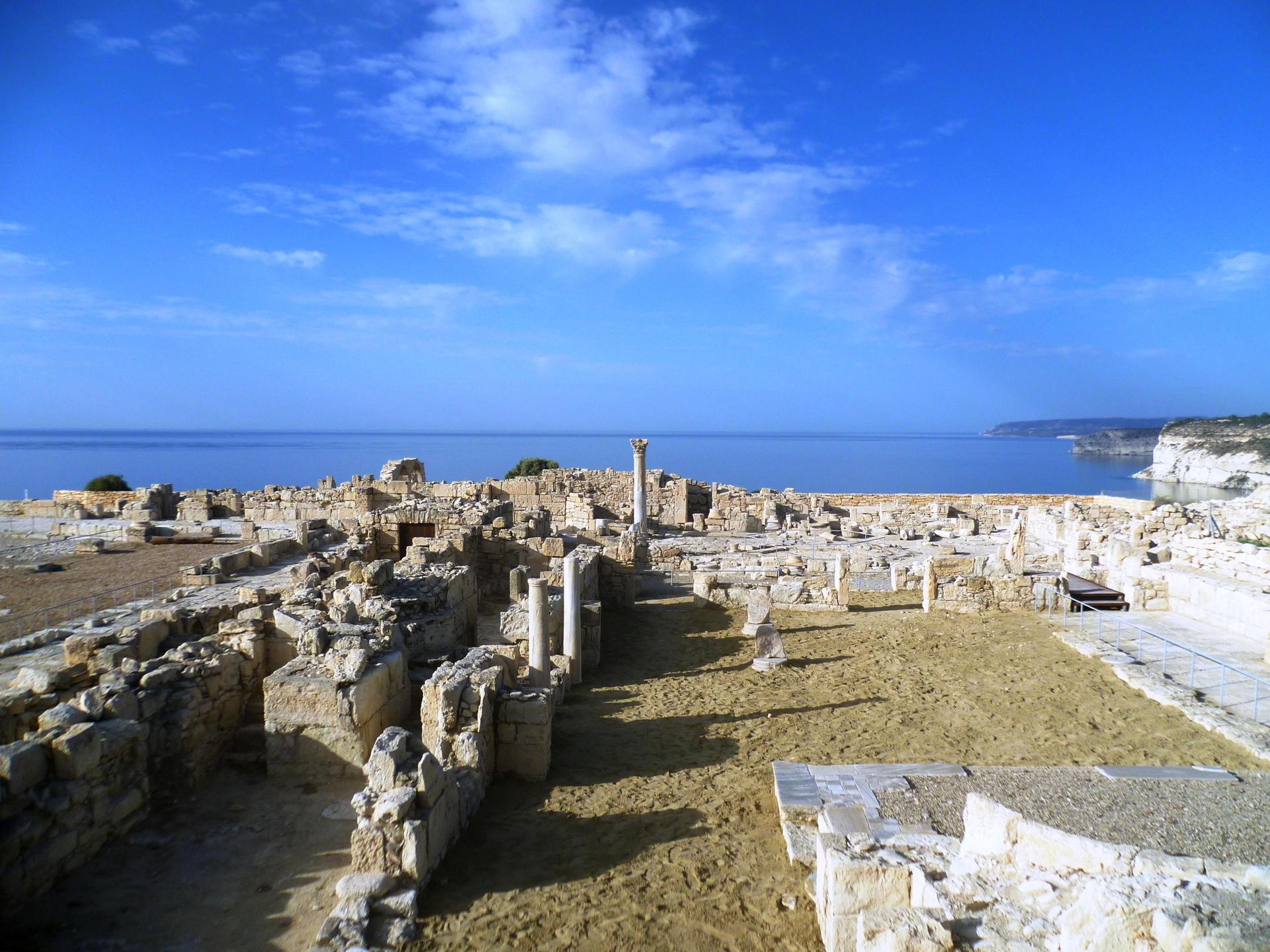
Explore Limassol District, Cyprus: A unique blend of history, culture, and natural beauty with stunning beaches, ancient ruins, and vibrant festivals.
Tell me more about Limassol District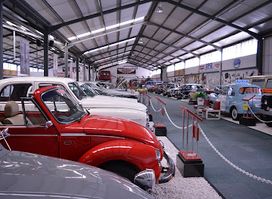
Discover a world of automotive history at the Cyprus Motor Museum in Limassol, showcasing over 120 classic and collectible cars, from vintage icons to vehicles of Cypriot historical significance.
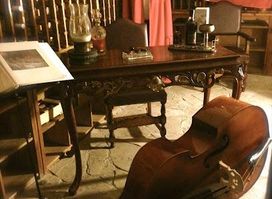
Discover 5500 years of Cypriot winemaking history at the Cyprus Wine Museum in Erimi, exploring ancient artifacts and exquisite local wines.