Cyprus Folk Art Museum: A Cultural Treasure Trove
Discover Cyprus's soul at the Folk Art Museum in Nicosia, showcasing traditional crafts, costumes, and artistry in the historic Old Archbishopric Palace, a cultural journey through Cypriot heritage.
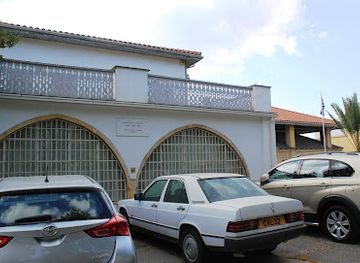
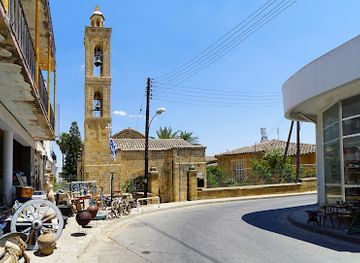
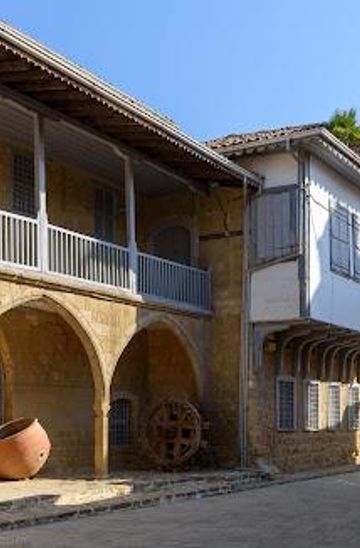
Nestled in the heart of Nicosia, within the historic Square of Archbishop Kyprianos, lies the Cyprus Folk Art Museum, a treasure trove of Cypriot culture and craftsmanship. This museum, housed in the venerable Old Archbishopric Palace, offers visitors an immersive journey into the island's rich heritage, showcasing an impressive collection of folk art and traditional crafts from the 19th and early 20th centuries. The museum's origins trace back to 1937 when it was founded by a group of dedicated members from the Society of Cypriot Studies. Their mission was to preserve and promote the traditional arts and crafts of Cyprus, ensuring that these invaluable aspects of Cypriot culture would not be lost to time. Over the years, the museum's collection has grown immensely, now boasting over 5,000 exhibits that offer a comprehensive look at Cypriot folk art. The Old Archbishopric Palace, the museum's home, is a historical landmark in its own right. Originally built in the 13th century as a monastery for French Benedictine monks, the building's Gothic architecture reflects its rich and varied past. Later, the Order of Saint John Hospitallers added a church to the site, and during the Byzantine era, the Greek Orthodox Church took ownership. In 1961, the seat of the Archbishop of Cyprus moved to a new palace, and the Old Archbishopric was generously donated to the Society of Cypriot Studies to house the museum. Inside the museum, visitors are greeted by a diverse array of exhibits that highlight the skill and creativity of Cypriot artisans. The collection includes ancient pottery, intricate textiles, delicate woodcarvings, and detailed metalwork. Each item tells a story, offering insights into the daily lives, customs, and traditions of the Cypriot people. One notable exhibit is the original door of the church of Saint Mamas, located in the occupied north of the island, which inspired the Nobel prize-winning poet George Seferis. The museum also features a collection of paintings by Cypriot artists, depicting scenes from Cypriot history and culture. The museum's exhibits are organized to provide a comprehensive overview of Cypriot folk art. Visitors can explore displays of traditional costumes, showcasing the intricate embroidery and lacework that were once common in Cypriot clothing. There are also exhibits dedicated to pottery, with examples dating back to the Neolithic period, and woodcarvings, demonstrating the rich tradition of carpentry on the island. Metalwork is another highlight, with displays of tools, weapons, and decorative items crafted from copper, silver, and other metals. In addition to its permanent collection, the Cyprus Folk Art Museum also hosts temporary exhibitions featuring the work of local contemporary artists and craftspeople. These exhibitions provide a platform for local artisans to showcase their talents and promote traditional Cypriot arts and crafts to a wider audience. The museum also offers educational programs and outreach activities, further contributing to the preservation and promotion of Cypriot culture. The Cyprus Folk Art Museum is more than just a repository of historical artifacts; it is a living testament to the creativity and craftsmanship of the Cypriot people. A visit to the museum is an enriching experience that connects visitors to the island's vibrant past and provides a deeper understanding of Cypriot culture. Whether you are an art enthusiast, a history buff, or simply curious about Cypriot traditions, the Cyprus Folk Art Museum is a must-see destination in Nicosia. Visiting the museum offers several unique opportunities. You can admire the intricate details of traditional Cypriot costumes, each piece telling a story of local customs and artistry. The woodcarvings on display showcase the talent and creativity of Cypriot carpenters, while the metalwork exhibits offer a glimpse into the island's rich history of metal crafting. The museum's collection of pottery includes pieces dating back to the Neolithic period, providing a tangible link to Cyprus' ancient past. The temporary exhibitions often feature contemporary Cypriot art, offering a fresh perspective on traditional themes and techniques. The museum's location in the Square of Archbishop Kyprianos adds to its charm. The square itself is a historical landmark, named after Archbishop Kyprianos, who was hanged by the Ottoman Turks in 1821. The square is surrounded by other historical buildings, including the Old Archbishopric Palace and the Cathedral of Saint John, making it a focal point of Nicosia's cultural heritage. For those planning a visit, the Cyprus Folk Art Museum is open on weekdays and Saturdays, with varying hours. The museum is closed on Sundays and public holidays. Admission fees are reasonable, making it an accessible destination for all. The museum also has a shop where visitors can purchase traditional handicrafts and souvenirs, supporting local artisans and taking home a piece of Cypriot culture. The Cyprus Folk Art Museum is not just a museum; it is a cultural institution that plays a vital role in preserving and promoting Cypriot heritage. Its extensive collection, historical setting, and educational programs make it a valuable resource for both locals and tourists. A visit to the museum is an enriching experience that will leave you with a deeper appreciation for the art, culture, and traditions of Cyprus.
Local tips
- Visit during weekdays for a quieter experience and more personal interaction with the exhibits.
- Check the museum's schedule for special workshops and events to deepen your understanding of Cypriot crafts.
- Don't miss the museum shop, where you can purchase authentic local crafts as unique souvenirs.
- Take advantage of guided tours available in multiple languages to fully appreciate the stories behind the exhibits.
A brief summary to Cyprus Folk Art Museum
- Square of Archbishop Kyprianos, Πλ. Αρχιεπισκόπου Κυπριανού, Nicosia, 1016, CY
- +35722432578
- Visit website
- Monday 10 am-2 pm
- Tuesday 8:30 am-4 pm
- Wednesday 8:30 am-4 pm
- Thursday 8:30 am-4 pm
- Friday 8:30 am-4 pm
- Saturday 9 am-1 pm
Getting There
-
Walking
From Eleftheria Square, a central point in Nicosia, walk east towards Archbishop Kyprianos Square. Pass the Bank of Cyprus headquarters on your left and continue straight. The Cyprus Folk Art Museum will be on your right, located in the Old Archbishopric Palace on the square. The walk is approximately 10 minutes.
-
Public Transport
From the Nicosia Central Bus Station at Solomos Square, take bus number 1, 2, or 3. Get off at the bus stop near the Central Bank of Cyprus. From there, walk towards Stasikratous Street, turn right, and continue until you reach Archbishop Kyprianos Square. The museum will be on your left. A single bus fare is approximately €1.50.
-
Taxi/Ride-Share
Ask the driver to take you to Archbishop Kyprianos Square in Nicosia. Most taxi drivers are familiar with the location. The ride from the city center should be short and cost approximately €5-€8, depending on traffic.
-
Driving
Drive towards the center of Nicosia and follow signs for the city center. Use Makarios Avenue and follow signs for Archbishop Kyprianos Square. Limited street parking is available near the square, but it can be challenging to find. Paid parking garages are available within a 5-10 minute walk, costing approximately €2-€3 per hour.