

Jeseníky Mountains Travel Guide - Free Web & App
Your ultimate guide to Jeseníky Mountains. Discover top landmarks, proposed trips, and local tips. Free on the web or via the Evendo companion app.


Jeseníky Mountains in Czechia combine Praděd, forested ridges, spa towns, waterfalls and hiking trails with quiet villages and distinctive Sudeten heritage.
High Ridges and Deep Forests
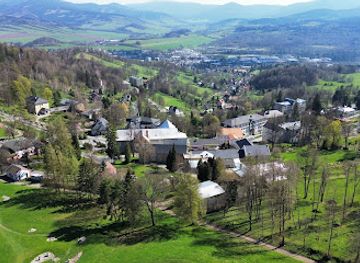
The Jeseníky Mountains occupy the north-eastern corner of Czechia, close to the Polish border, and form one of the country's most rewarding upland regions. Their core is the Hrubý Jeseník range, rising to Praděd at 1,491 metres, while the broader destination includes forested valleys, open mountain meadows, reservoirs, spa settlements and the lower Nízký Jeseník uplands. The landscape changes noticeably with altitude: spruce forests and rocky streams give way to windswept ridges, peatlands and broad views across Moravia and Silesia.Read more about Jeseníky Mountains
Nature, Water and Wellness
Villages and Regional Identity
When is the best time to visit Jeseníky Mountains?
Best: June–August · 19–21°C| Month | High (°C) | Rainfall (mm) |
|---|---|---|
| January | 1 | 68 |
| February | 1 | 55 |
| March | 5 | 55 |
| April | 9 | 55 |
| May | 15 | 65 |
| June (best) | 19 | 75 |
| July (best) | 21 | 85 |
| August (best) | 20 | 75 |
| September | 16 | 65 |
| October | 11 | 65 |
| November | 5 | 65 |
| December | 3 | 65 |
Getting to and around Jeseníky Mountains
How to get there
Transportation
Best attractions in Jeseníky Mountains
The highest and most celebrated attraction is Praděd, whose summit and surrounding ridges offer expansive views when conditions are clear; nearby Ovčárna is a major starting point for walks in the central mountains. The Bílá Opava valley leads through a wooded landscape of streams, cascades and bridges towards the high country, while the summit routes from Červenohorské sedlo and Ramzová pass through the distinctive terrain of Šerák and Keprník. Rejvíz is valued for its raised bog and the Velké mechové jezírko, reached by a marked route through protected woodland. Around Loučná nad Desnou, the Dlouhé stráně pumped-storage reservoir combines mountain scenery with an important Czech engineering project. Lower valleys add the spa settings of Karlova Studánka and Jeseník, and the Na Pomezí Caves near Lipová-lázně provide a chance to see the region's underground limestone environment.
-
Medical spa
Priessnitz Spa Inc.
Discover the healing powers of nature at Priessnitz Spa in Jeseník – a sanctuary for wellness, relaxation, and rejuvenation.
-
Tourist attraction
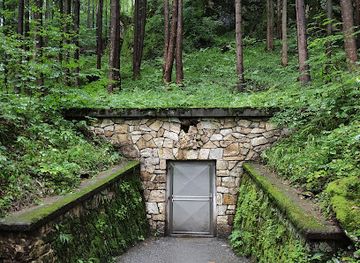
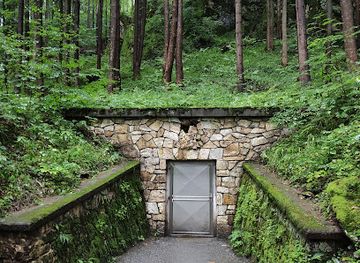
Na Pomezí Caves
Discover the breathtaking beauty of Na Pomezí Caves in the Czech Republic, where adventure meets stunning natural formations in a captivating underground world.
-
Spa garden
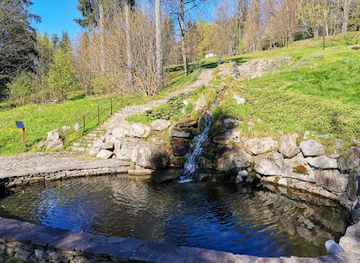
Vincenz Priessnitz's Balneopark
Discover the healing powers of nature at Vincenz Priessnitz's Balneopark, a serene spa garden in Jeseník offering rejuvenating wellness experiences.
-
Tourist attraction
Ethnographic Museum Jesenicka
Explore the Ethnographic Museum Jesenicka for a unique insight into Jeseník's rich cultural heritage and local traditions.

Best landmarks in Jeseníky Mountains
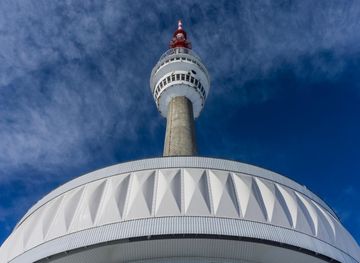
Praděd is the defining natural landmark of the Jeseníky range and the highest point in Moravia and Silesia, its summit marked by a prominent transmission tower. The rounded summits of Šerák and Keprník represent the open highland character of the Hrubý Jeseník, while the Bílá Opava valley is recognised for its lively mountain stream, cascades and steep wooded gorge. Rejvíz and the Velké mechové jezírko are important wetland landmarks, showing how waterlogged upland environments differ from the surrounding spruce forests. The Dlouhé stráně reservoir is a conspicuous modern landmark created for pumped-storage electricity generation. Human landmarks include the spa buildings and promenades of Karlova Studánka and the Priessnitz spa complex at Lázně Jeseník, both closely connected with the region's nineteenth-century health-tourism history.
-
Medical spa
Priessnitz Spa Inc.
Explore the tranquil Priessnitz Spa in Jeseník, a top wellness destination combining natural beauty with exceptional spa treatments.
-
Tourist attraction
Na Pomezí Caves
Discover the enchanting Na Pomezí Caves—an unforgettable blend of geological wonders and scenic hiking trails in the Czech Republic.
-
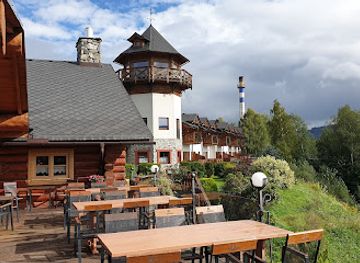
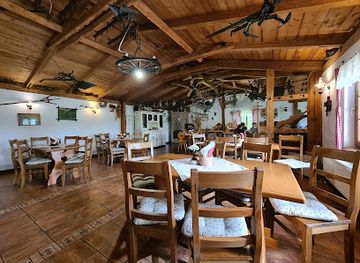
Restaurant
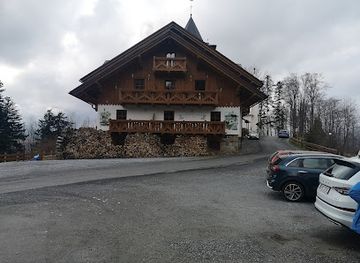
Restaurace Křížový vrch
Discover the authentic tastes of Czech cuisine at Restaurace Křížový vrch, nestled in the scenic Jeseník region, perfect for a delightful dining experience.
-
Scenic spot
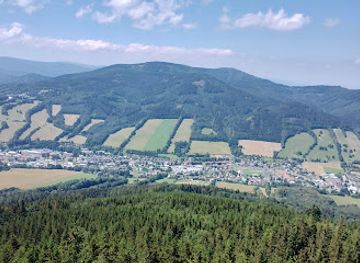
Zlatý Chlum - rozhledna
Experience the breathtaking views and serene nature at Zlatý Chlum, a stunning lookout tower in the Czech Republic's picturesque countryside.
Explore Jeseníky Mountains on the map
Plan your trip on one map. See where the top attractions, landmarks, restaurants and hotels are, and book hotels and experiences in a few clicks.
Best hotels in Jeseníky Mountains
Best restaurants in Jeseníky Mountains
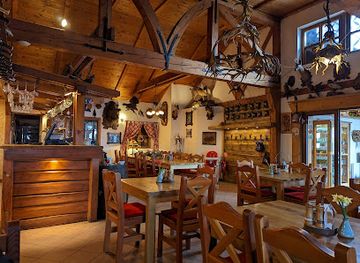
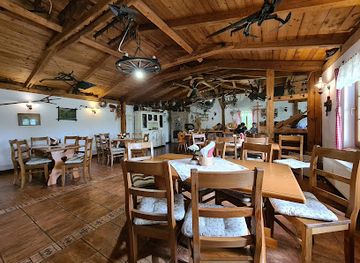
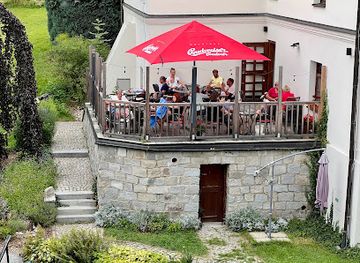
Dining in the Jeseníky Mountains is concentrated in gateway towns, spa settlements, villages and mountain huts rather than spread continuously across the ridges. Menus commonly draw on Czech cooking, with soups, sauces, dumplings, potatoes and hearty meat dishes suited to a cool upland climate; seasonal mushroom and fruit dishes also reflect the surrounding forests and gardens. Karlova Studánka, Jeseník, Lipová-lázně, Loučná nad Desnou, Hanušovice and Šumperk provide the broadest choice, from cafés and spa dining rooms to conventional restaurants and village pubs. Mountain huts are useful for simple meals and refreshments on established walking routes, but their availability can be seasonal and their facilities limited. Local beer and non-alcoholic drinks are widely encountered, while food shops and self-catering accommodation are practical for longer walks or stays in smaller settlements.
-
Restaurant
Restaurace Křížový vrch
Experience authentic Czech cuisine amidst stunning views at Restaurace Křížový vrch in Jeseník.
-
Restaurant
Penzion U Petra
Experience authentic Czech cuisine at Penzion U Petra in the heart of Jeseník - where tradition meets taste in every delightful dish.
-
Coffee shop
Vinckovo - kavárna a dortírna
Experience the perfect blend of coffee and exquisite cakes at Vinckovo - your cozy escape in Jeseník.
-
 Hotel
HotelHotel Křížový vrch
Discover tranquility at Hotel Křížový vrch, your perfect getaway in Jeseník with beautiful rooms and exquisite dining.
Best bars in Jeseníky Mountains
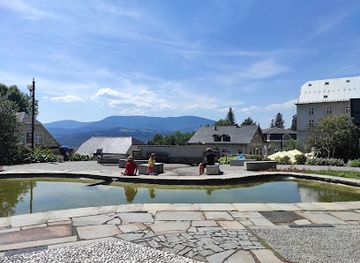
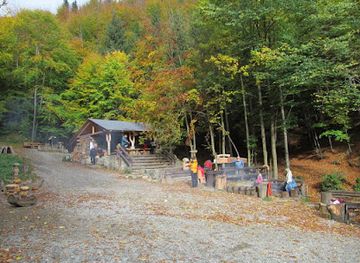
The Jeseníky Mountains do not have a significant nightclub scene, and evenings are generally quiet once restaurants, spa facilities and village pubs wind down. Jeseník, Šumperk and Bruntál offer the widest selection of cafés, pubs and occasional cultural programmes, while Karlova Studánka and Lázně Jeseník have a more restrained spa-evening atmosphere. In smaller villages, an established pub may be the principal social venue, serving local residents and walkers rather than functioning as a late-night bar. Mountain accommodation and huts can provide a convivial setting after a day outdoors, but opening patterns vary. Visitors seeking larger concerts, theatres or a broader choice of late entertainment are more likely to find it in regional towns outside the mountain core, particularly Šumperk or Bruntál.
-
Medical spa
Priessnitz Spa Inc.
Discover the healing power of nature and relaxation at Priessnitz Spa Inc., a premier medical spa in the scenic Jeseník region.
-
Tourist attraction
Lesní bar
Experience the enchanting Lesní Bar in Lipová-lázně, where nature meets relaxation and delightful local flavors await you.
-
Restaurant
Rezidence u Jezera
Experience the culinary delights of Rezidence u Jezera, where local flavors meet stunning natural landscapes in Písečná.
-
Restaurant
Penzion U Petra
Experience authentic Czech cuisine in a cozy setting at Penzion U Petra, a must-visit restaurant in Jeseník.
Best nightclubs in Jeseníky Mountains
The Jeseníky Mountains do not have a significant nightclub scene, and evenings are generally quiet once restaurants, spa facilities and village pubs wind down. Jeseník, Šumperk and Bruntál offer the widest selection of cafés, pubs and occasional cultural programmes, while Karlova Studánka and Lázně Jeseník have a more restrained spa-evening atmosphere. In smaller villages, an established pub may be the principal social venue, serving local residents and walkers rather than functioning as a late-night bar. Mountain accommodation and huts can provide a convivial setting after a day outdoors, but opening patterns vary. Visitors seeking larger concerts, theatres or a broader choice of late entertainment are more likely to find it in regional towns outside the mountain core, particularly Šumperk or Bruntál.
-
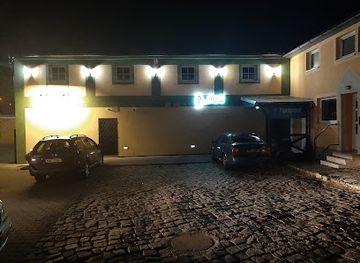
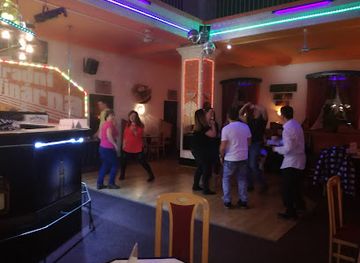
Bar
Gemer Blue-s Club
Experience the vibrant nightlife at Gemer Blue-s Club in Jeseník, where lively ambiance and delicious drinks await you.
-
Grill
Pub&Bar Mlýnice
Discover the lively atmosphere and delicious grilled specialties at Pub&Bar Mlýnice in Jeseník, a must-visit for food and beer lovers.
-
Disco club
Hradní vinárna
Explore the energetic nightlife of Jeseník at Hradní vinárna, a unique blend of disco club and wine bar for an unforgettable experience.
-
Bar
El Chorro Club
Discover the heart of Jeseník nightlife at El Chorro Club, where vibrant atmosphere meets exquisite drinks.

Best shops in Jeseníky Mountains
Shopping is modest and locally focused, with the most useful range found in Jeseník, Šumperk, Bruntál and the larger valley settlements rather than on the mountain ridges. Visitors can look for regional food products, bakery goods, honey, preserves, forest-derived products and locally made gifts in independent shops, markets and farm-oriented outlets, subject to seasonal availability. Spa towns such as Karlova Studánka and Lázně Jeseník have traditionally oriented souvenir and wellness retail, while mountain villages provide basic provisions and practical outdoor supplies rather than extensive browsing. Šumperk and Jeseník are the more convenient places to buy walking equipment, groceries and everyday necessities before heading into the hills. Small craft and art businesses appear across the region, but opening arrangements are often limited, so visitors should not expect a permanent market culture in every settlement.
-
Grocery store
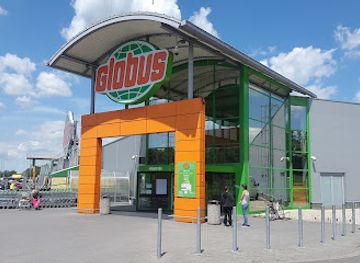
Globus, Havířov
Experience the vibrant shopping atmosphere at Globus in Havířov, where convenience meets quality and local culture thrives.
-
Sporting goods store
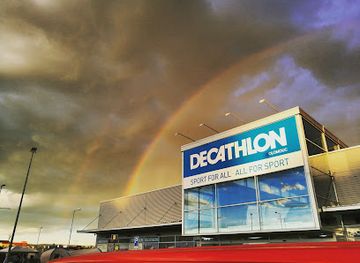
Decathlon
Explore Decathlon in Olomouc for a wide range of sporting goods, gear, and equipment at competitive prices, perfect for all sports enthusiasts.
-
Grocery store
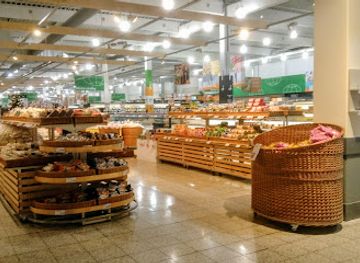
Globus Opava
Discover Globus Opava: Your Essential Grocery and Shopping Destination in the Heart of Opava, Offering Local Flavors and Convenient Essentials.
-
Medical spa
Priessnitz Spa Inc.
Discover rejuvenation and tranquility at Priessnitz Spa, a premier destination for wellness and relaxation in the heart of the Jeseník mountains.
Get your free copy of our complete guide to Jeseníky Mountains, delivered straight to you.
Everything on this page, from attractions and restaurants to essentials and local phrases, in one PDF you can read offline, print or share.
Already have an account? Sign in
Your Jeseníky Mountains guide is ready.
We'll send it to · Not you? Sign out

Getting your guide ready…
We are putting together a fresh copy of the Jeseníky Mountains guide. This can take up to a minute.
This can take a few moments. If your browser asks, choose Allow so the download can start. You'll find the guide in your Downloads folder.
Nothing happened? Download it again
Sorry, the guide is taking longer than usual. Please try again in a minute, or get it by email instead.
Jeseníky Mountains essentials
Currency and Payment
Safety
Emergency Situations
Do's and Don'ts
Local Tips
From Eve
Local phrases worth knowing
You don't need to get them perfect. A few words go a long way, and locals appreciate the effort.
Basics
| English | Local | Say it |
|---|---|---|
| Hello | Ahoj | [ahoy] |
| Goodbye | Nashledanou | [nah-shle-dah-noh] |
| Yes | Ano | [ah-noh] |
| No | Ne | [neh] |
| Please/You're welcome | Prosím | [pro-seem] |
| Thank you | Děkuji | [dyeh-koo-yi] |
| Excuse me/Sorry | Promiňte | [proh-meen-teh] |
| How are you? | Jak se máte? | [yak seh mah-teh] |
| Fine. And you? | Dobře. A vy? | [doh-breh. ah vee] |
| Do you speak English? | Mluvíte anglicky? | [mloo-vee-teh ahn-gleet-skee] |
| I don't understand | Nerozumím | [neh-roh-zoo-meem] |
Eating & Drinking
| English | Local | Say it |
|---|---|---|
| I'd like to see the menu, please | Mohl bych vidět menu, prosím | [mohl bikh vee-dyeh-t meh-noo, pro-seem] |
| I don't eat meat | Nejím maso | [ney-eem mah-soh] |
| Cheers! | Na zdraví! | [nah zdrah-vee] |
| I would like to pay, please | Chtěl bych zaplatit, prosím | [khtyel bikh zah-pla-teet, pro-seem] |
Emergencies
| English | Local | Say it |
|---|---|---|
| Help! | Pomoc! | [poh-moats] |
| Go away! | Jdi pryč! | [ydee preetch] |
| Call the Police! | Volejte policii! | [voh-ley-teh poh-lee-tsee] |
| Call a doctor! | Zavolejte doktora! | [zah-vo-ley-teh dohk-toh-rah] |
| I'm lost | Ztratil jsem se | [ztra-teel ysem seh] |
| I'm ill | Jsem nemocný | [ysem ne-mo-tsnih] |
Shopping
| English | Local | Say it |
|---|---|---|
| I'd like to buy... | Chtěl bych koupit... | [khtyel bikh koh-peeht...] |
| I'm just looking | Jen se dívám | [yen seh dee-vahm] |
| How much is it? | Kolik to stojí? | [koh-leek toh stoy-ee] |
| That's too expensive | To je příliš drahé | [toh yeh pree-leesh dra-heh] |
| Can you lower the price? | Můžete snížit cenu? | [moo-zheh-teh snee-zheet tseh-noo?] |
Time & Numbers
| English | Local | Say it |
|---|---|---|
| What time is it? | Kolik je hodin? | [koh-leek yeh hoh-deen] |
| It's one o'clock | Je jedna hodina | [yeh yed-nah hoh-dee-nah] |
| Half past (10) | Půl desáté | [pool deh-sah-teh] |
| Morning | Ráno | [rah-noh] |
| Afternoon | Odpoledne | [ohd-poh-led-neh] |
| Evening | Večer | [veh-chehr] |
| Yesterday | Včera | [vcheh-rah] |
| Today | Dnes | [dnes] |
| Tomorrow | Zítra | [zeet-rah] |
| 1 | Jedna | [yed-nah] |
| 2 | Dvě | [dveh] |
| 3 | Tři | [tree] |
| 4 | Čtyři | [ch-tihr-zhee] |
| 5 | Pět | [pyet] |
| 6 | Šest | [shest] |
| 7 | Sedm | [sedm] |
| 8 | Osm | [oh-sm] |
| 9 | Devět | [deh-vyeh-t] |
| 10 | Deset | [deh-set] |
Transport & Directions
| English | Local | Say it |
|---|---|---|
| Where's a/the...? | Kde je...? | [kdeh yeh] |
| What's the address? | Jaké je adresu? | [yah-keh yeh ah-dreh-soo] |
| Can you show me (on the map)? | Můžete mi to ukázat (na mapě)? | [moo-zheh-teh mee toh oo-kah-zat (nah mah-peh)] |
| When's the next (bus)? | Kdy jede další (autobus)? | [kdee yeh-deh dal-shee (ow-tow-boos)] |
| A ticket (to ....) | Jedno lístek (do ....) | [yed-no lees-tek (doh)] |
History of Jeseníky Mountains
A Mountain Landscape Shaped by Ice and Water
The Jeseníky landscape was formed over long geological timescales by ancient rock processes, uplift, weathering and the action of water and ice. The highest terrain of the Hrubý Jeseník has rounded ridges, broad upland plateaux and valleys cut by mountain streams, while sheltered basins support peatlands and wet meadows. These physical differences influenced later settlement and land use: the exposed summits remained relatively open and sparsely occupied, whereas valleys provided routes, fields, woodland resources and sites for villages. Rejvíz is particularly significant as a highland peatland, preserving waterlogged habitats within a landscape historically used for forestry and grazing.
Settlement and Borderland Communities
Medieval and early modern settlement expanded through the valleys and foothills of northern Moravia and Silesia, with communities relying on farming, forestry, crafts and the resources of the uplands. Much of the region became predominantly German-speaking, and its cultural landscape developed within the historic borderlands of the Bohemian Crown and later the Habsburg lands. Villages, churches, farm buildings and routes across mountain passes reflected this mixed regional history. Mining and metalworking also appeared in parts of the wider Jeseníky area, although the rugged upper mountains remained more strongly associated with woodland and pasture than with large-scale industry.
Forestry, Industry and Mountain Roads
From the eighteenth and nineteenth centuries, organised forestry became increasingly important, and timber shaped both the economy and appearance of the valleys. Roads and later railways improved connections between settlements such as Hanušovice, Jeseník and Šumperk, helping local produce and visitors move through the region. Mountain passes including Ramzová and Červenohorské sedlo gained practical importance as links between Moravia and Silesia. Industrial activity was generally concentrated in the lower towns and valleys, while the higher ridges retained a more pastoral and forested character. This contrast remains visible in the transition from settled foothills to open summit terrain.
The Rise of Spa Culture
The nineteenth century brought a new identity to several Jeseníky settlements through spa development. Vincenz Priessnitz established the water-cure tradition at Gräfenberg, now associated with Lázně Jeseník, during the 1820s, attracting visitors with treatments based on cold water, exercise and outdoor exposure. Karlova Studánka developed as another spa settlement, known for its mountain setting and mineral springs. Spa tourism introduced promenades, treatment buildings and a more international visitor culture to a region previously understood mainly through agriculture, forestry and local trade. These settlements still provide some of the clearest architectural and cultural evidence of the mountains' nineteenth-century tourism history.
War, Displacement and Conservation
The twentieth century transformed the social geography of the Jeseníky borderlands. After the Second World War, much of the German-speaking population was expelled and replaced by new inhabitants, leaving some villages altered, depopulated or partially lost. The frontier position also shaped movement and development during the Communist period. Economic restructuring and growing appreciation of the mountain environment later encouraged stronger landscape protection. The Jeseníky Protected Landscape Area, established in 1969, covers much of the principal mountain region and reflects efforts to conserve forests, peatlands, meadows, streams and highland habitats while allowing carefully managed recreation. Modern tourism now sits alongside forestry, spa care and nature conservation.
Jeseníky Mountains in Photos
Browse through our photo collection highlighting the charm and character of the destination.
Cities in Jeseníky Mountains
The towns and cities of Jeseníky Mountains, and the easiest places to base yourself.
-

-

-

-


Swipe for more cities
Neighbouring destination travel guides
The closest destinations to Jeseníky Mountains, if you have time for more than one.
-

-

-

-

-


Swipe for more destinations
Explore more
Explore more of Jeseníky
Explore Jeseníky in Czechia for forested mountain trails, spa towns, peat bogs, historic paper-making and winter landscapes around Praděd.
Explore Jeseníky
Explore more of Czechia
Discover Czechia: A European gem with historic towns, stunning landscapes, and cultural delights. Perfect for travelers seeking charm, history, and adventure.
Explore Czechia