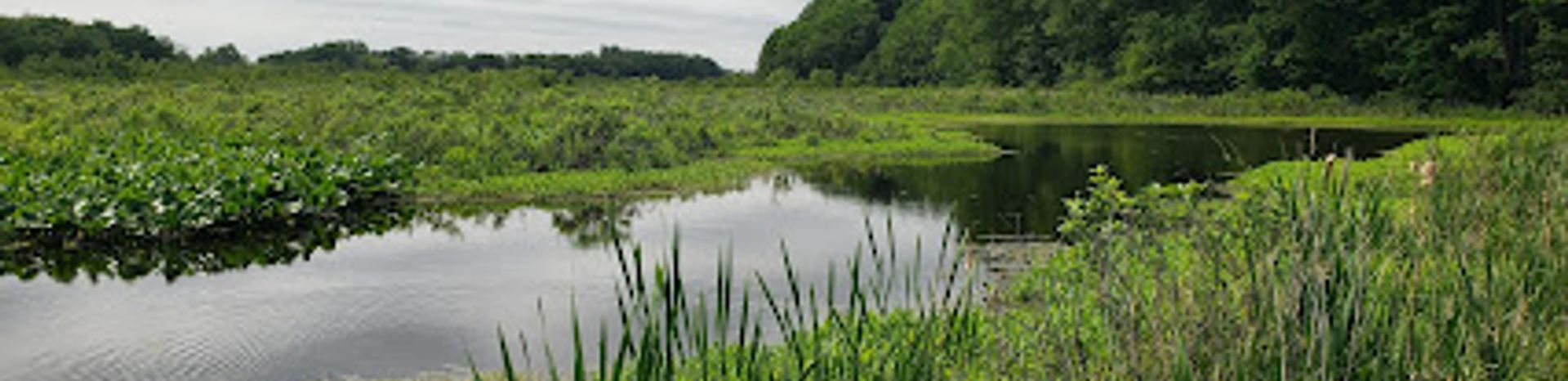
Bombay Hook National Wildlife Refuge: A Coastal Haven for Migratory Birds
Explore Bombay Hook National Wildlife Refuge: a Mid-Atlantic coastal haven with diverse habitats, abundant birdlife, and historical significance.
Bombay Hook National Wildlife Refuge, established in 1937, is a 15,978-acre sanctuary along the Delaware Bay, primarily serving as a vital refuge and breeding ground for migratory birds. It features diverse habitats, including tidal salt marshes, freshwater impoundments, and upland areas, making it a haven for a wide array of wildlife.
A brief summary to Bombay Hook National Wildlife Refuge Visitor Center
- 2501-2599 Refuge Entrance Rd, Smyrna, Delaware, 19977, US
- +1302-653-9345
- Visit website
- Monday 9 am-4 pm
- Tuesday 9 am-4 pm
- Wednesday 9 am-4 pm
- Thursday 9 am-4 pm
- Friday 9 am-4 pm
- Saturday 9 am-4 pm
- Sunday 9 am-4 pm
Local tips
- Visit during the fall or spring migrations for the best birdwatching opportunities.
- Bring insect repellent, especially during the summer months, to combat greenhead flies.
- Check the refuge website for information on road closures during hunting season or bad weather.
- Consider purchasing a Bombay Hook Annual Pass for $12 if you plan to visit multiple times.
- Bring a spotting scope or binoculars for enhanced bird viewing along the wildlife drive and trails.

Getting There
-
Driving
From Smyrna, DE, head east on Smyrna-Leipsic Road, which merges with Route 9 South. Turn left onto Whitehall Neck Road, which leads directly to the refuge entrance. From Dover, DE, head north on Route 13 to Route 42 East, then turn left onto Route 9 North. Turn right onto Whitehall Neck Road. The entrance fee is $4 per vehicle, payable at the visitor center or via recreation.gov.
-
Public Transport
While there is no direct public transportation to Bombay Hook National Wildlife Refuge, you can take a DART bus to Smyrna and then a taxi or ride-sharing service to the refuge. From the Smyrna Transit Center, a taxi ride to the refuge entrance will cost approximately $20-$30. The entrance fee is $4 per vehicle, or $2 per person for those arriving by bicycle or on foot.
Discover more about Bombay Hook National Wildlife Refuge Visitor Center
Iconic landmarks you can’t miss

Bally's Dover Casino Resort
9.5 km
Discover the excitement at Bally's Dover Casino Resort, where luxury meets entertainment in the heart of Delaware.
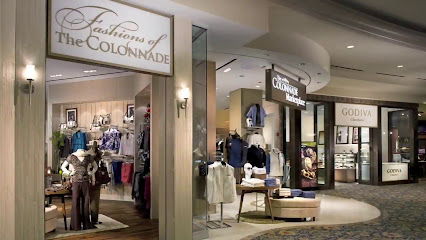
Visit Central Delaware - Kent County Tourism
10.4 km
Explore Kent County, Delaware, with Visit Central Delaware – Your essential guide to history, culture, and outdoor adventures in the heart of the First State.

Delaware's Quaint Villages
10.4 km
Explore Delaware's Quaint Villages, where history, local artisans, and charming streets converge for an unforgettable travel experience.

Delaware Division of Historical and Cultural Affairs
11.7 km
Uncover the history and culture of Delaware at the Division of Historical and Cultural Affairs in Dover, a must-visit for history enthusiasts.
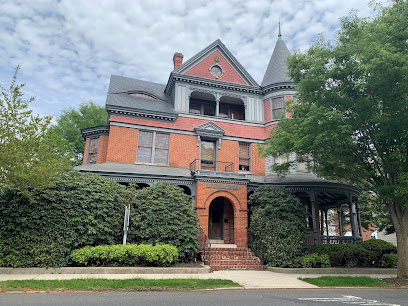
USS Delaware
12.0 km
Discover the USS Delaware, a historic landmark that embodies America's naval history and maritime heritage in picturesque Dover, Delaware.
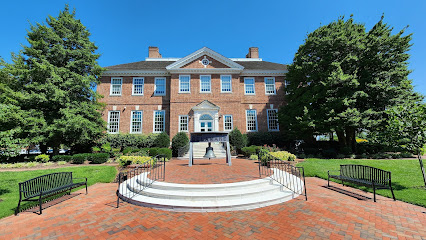
World War I Memorial
12.1 km
Explore the World War I Memorial in Dover, a poignant tribute to valor and sacrifice amidst Delaware's historical landscapes.
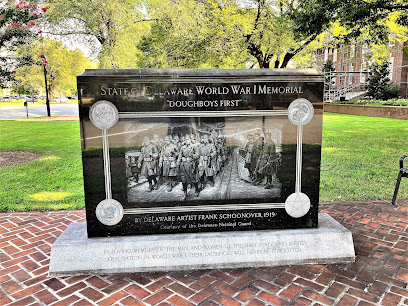
Fire Service Memorial
12.2 km
Explore the Fire Service Memorial in Dover, Delaware, a tribute to bravery and sacrifice, honoring those who serve our communities.
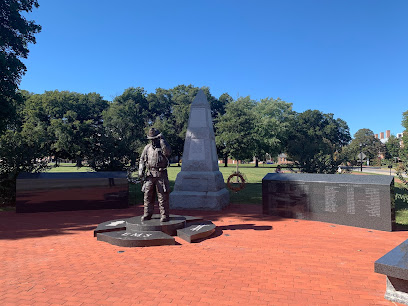
John Bullen House
12.2 km
Discover the historical significance of the John Bullen House in Dover, Delaware, a landmark that embodies colonial heritage and architectural beauty.
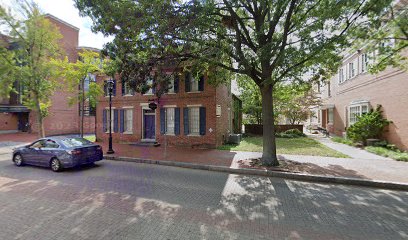
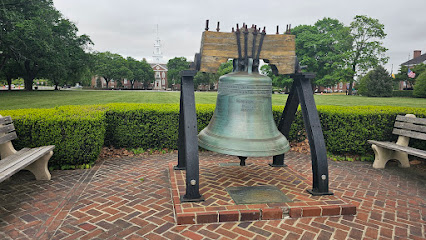
Liberty Bell Replica
12.2 km
Explore the Liberty Bell Replica in Dover, Delaware, where history and the ideals of freedom come to life in a serene park setting.
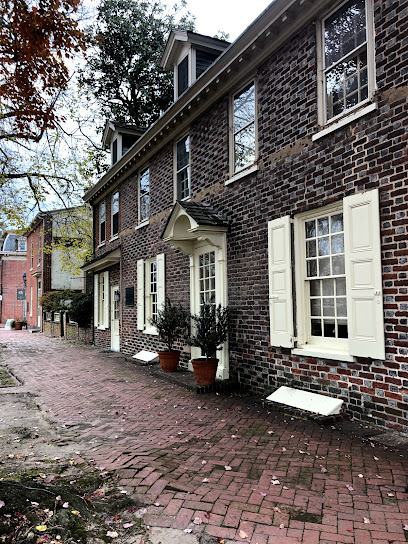
Parke-Ridgely House
12.3 km
Explore the Parke-Ridgely House, a historical gem in Dover, DE, showcasing Georgian architecture and rich early American history.
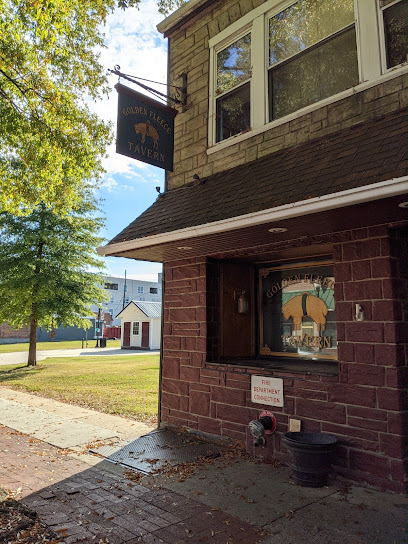
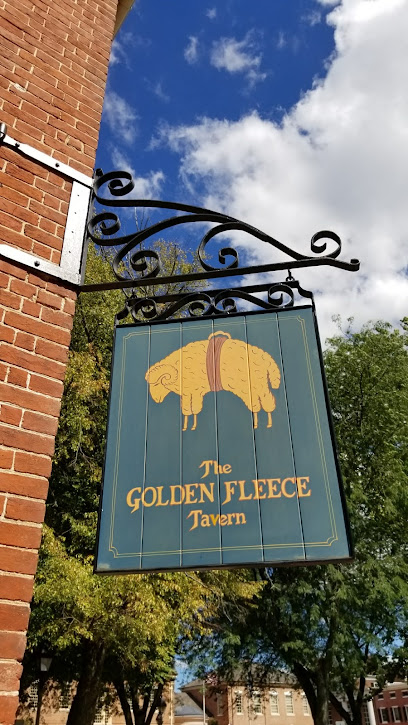
Golden Fleece Tavern
12.3 km
Explore the Golden Fleece Tavern, a historic landmark in Dover, Delaware, rich with stories and architectural beauty from the 18th century.
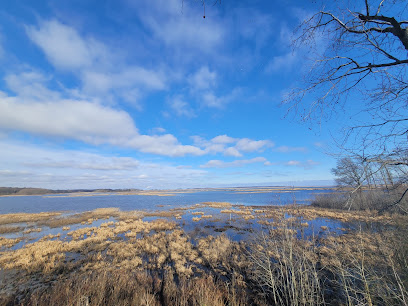
Unmissable attractions to see

Shearness Tower Trail
0.5 km
Discover the tranquil beauty of Shearness Tower Trail in Smyrna, DE, a perfect destination for hiking and nature appreciation.
Raymond Observation Tower Trail
0.8 km
Explore the stunning Raymond Observation Tower Trail in Smyrna, Delaware, where breathtaking views and serene nature await every visitor.
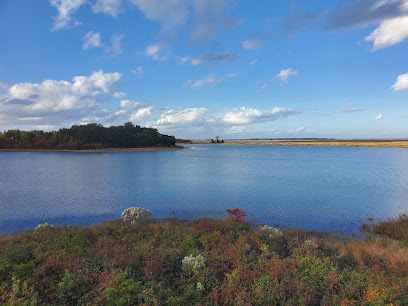
Boardwalk Trail
1.1 km
Explore Delaware's scenic tidal salt marsh on this accessible boardwalk trail at Bombay Hook National Wildlife Refuge. A haven for birdwatchers and nature lovers.
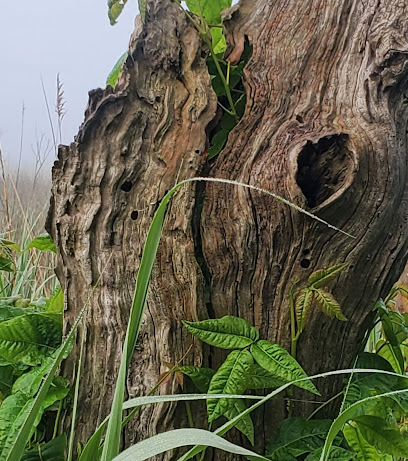
Bombay Hook National Wildlife Refuge
1.6 km
Explore the serene landscapes and vibrant wildlife of Bombay Hook National Wildlife Refuge, an essential stop for nature lovers in Delaware.
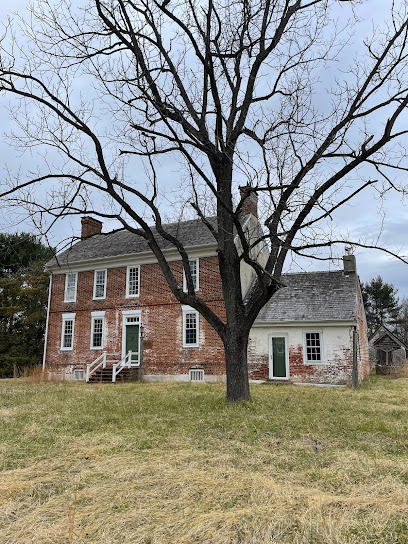
Allee House
3.9 km
Explore the meticulously preserved Allee House in Smyrna, DE, for a captivating journey into 18th-century Delaware life and architecture.
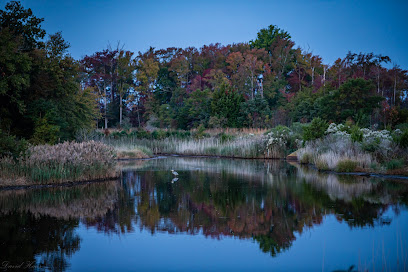
Goose Point
5.8 km
Experience the serene beauty of Goose Point, a wildlife refuge in Dover, Delaware, perfect for nature lovers and outdoor enthusiasts.

Tony Florio Woodland Beach Wildlife Area
7.8 km
Experience the serene beauty of Tony Florio Woodland Beach Wildlife Area, a peaceful haven for nature lovers and wildlife enthusiasts in Delaware.
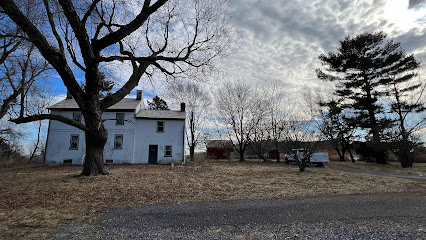
Woodland Beach Smyrna Delaware
8.0 km
Experience the serene beauty of Woodland Beach in Smyrna, Delaware, a perfect getaway for relaxation, family fun, and stunning coastal views.
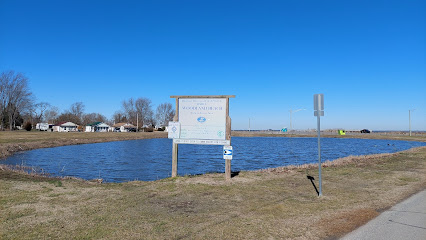
Woodland beach
8.0 km
Experience the serene beauty of Woodland Beach in Smyrna, Delaware, where sandy shores and stunning sunsets await your discovery.
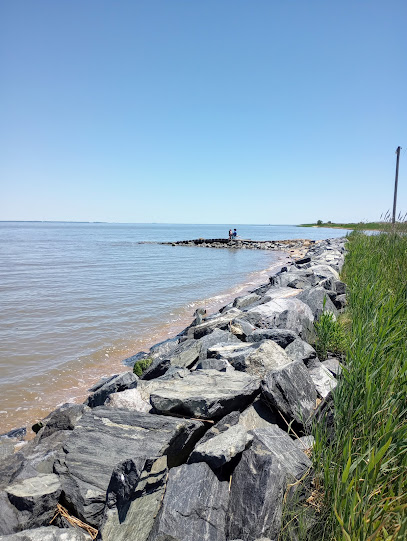
Woodland Beach State Wildlife Management Area
8.9 km
Explore the serene Woodland Beach State Wildlife Management Area in Delaware, a haven for wildlife enthusiasts and nature lovers alike.
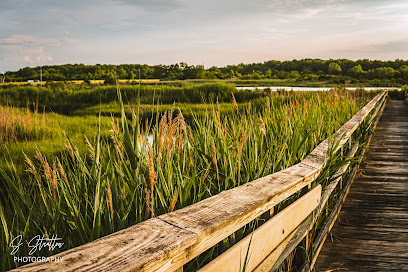
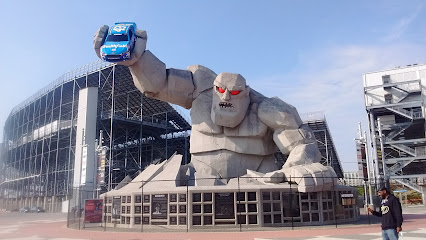
Miles the Monster Statue
9.2 km
Discover Miles the Monster Statue in Dover, Delaware - a whimsical landmark perfect for family photos and local culture exploration.
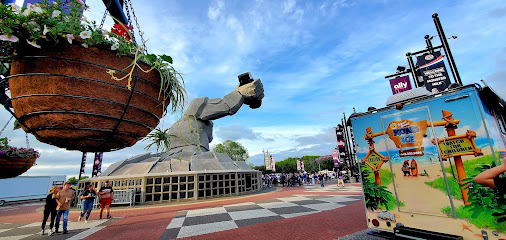
Dover international racetrack
9.3 km
Discover the excitement of Dover International Racetrack, where thrilling NASCAR events and vibrant energy create unforgettable memories for every visitor.
Dover Motor Speedway
9.3 km
Experience the thrill of high-speed racing at Dover Motor Speedway, the iconic track known for its adrenaline-pumping events and vibrant atmosphere.
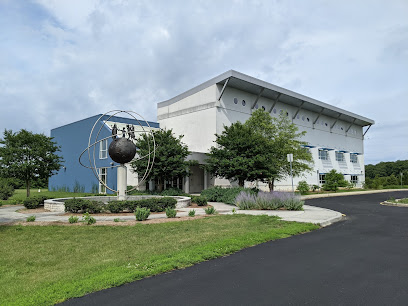
Delaware Aero Space Education
9.4 km
Discover the intersection of education and aerospace at Delaware Aero Space Education, where excitement meets learning in an inspiring atmosphere.
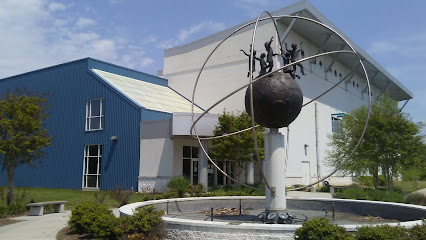
Mount Joy Observatory
9.4 km
Explore the cosmos and enjoy nature at Mount Joy Observatory, a serene park in Delaware perfect for stargazing and outdoor adventures.
Essential places to dine

Sambo's Tavern
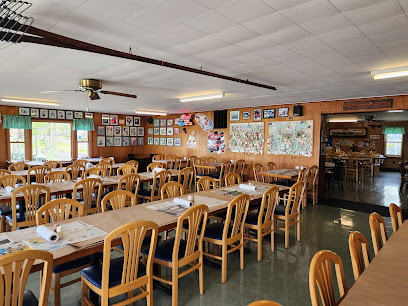
4.1 km
Savor the best seafood dishes at Sambo's Tavern in Leipsic - where every meal is a taste of coastal delight!
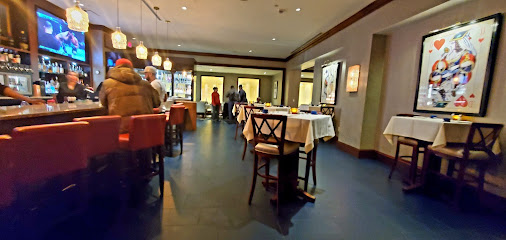
Royal Prime Steakhouse
9.4 km
Experience culinary excellence at Royal Prime Steakhouse in Dover - where every bite is crafted with passion and precision.
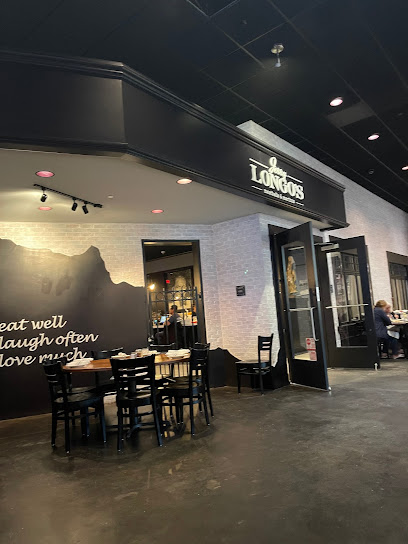
Jerry Longo’s Meatballs & Martini's
9.4 km
Experience the authentic taste of Italy at Jerry Longo’s Meatballs & Martini's in Dover - where tradition meets flavor.
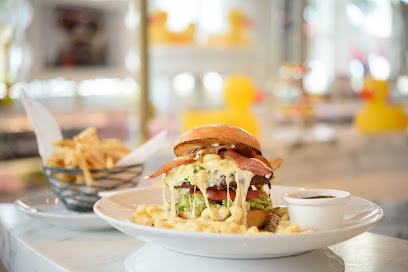
Sugar Factory - Dover
9.4 km
Experience the whimsical world of Sugar Factory - Dover, where indulgent desserts meet lively dining in an unforgettable atmosphere.
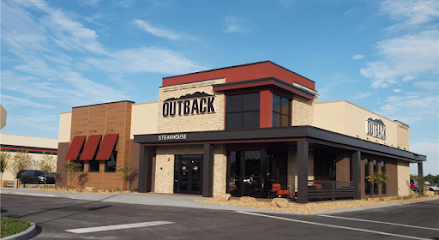
Outback Steakhouse
9.8 km
Experience the unique taste of Australia with delicious steaks and hearty American favorites at Outback Steakhouse in Dover.
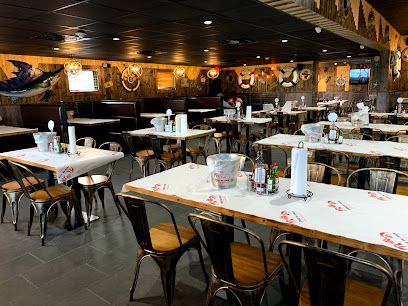
Crab Du Jour Cajun Seafood & Bar
9.9 km
Experience authentic Cajun flavors at Crab Du Jour in Dover - where every bite transports you to seafood paradise!
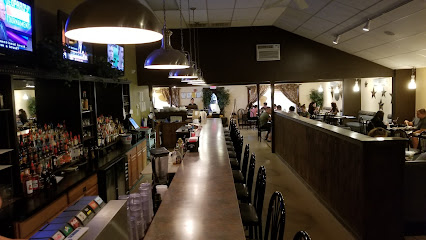
Yukon Korean BBQ & Sushi Bar
9.9 km
Discover the vibrant tastes of Korea at Yukon Korean BBQ & Sushi Bar – where grilling meets gourmet sushi in Dover's culinary scene.
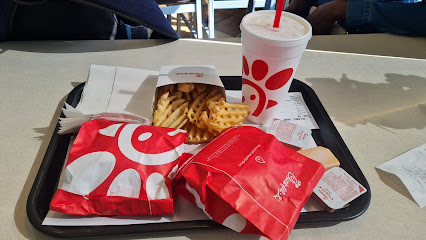
Chick-fil-A
9.9 km
Discover the flavors of Chick-fil-A in Dover: where fast food meets family-friendly dining with delicious chicken options and southern charm.
Tasty Crab House
10.1 km
Indulge in fresh crab dishes at Tasty Crab House in Dover, where seafood lovers delight in a culinary adventure filled with flavor.
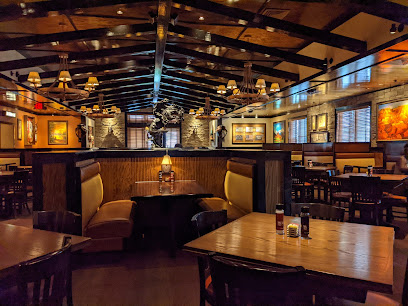
LongHorn Steakhouse
10.3 km
Experience the rich flavors of traditional American cuisine at LongHorn Steakhouse in Dover – where every meal is crafted with care.
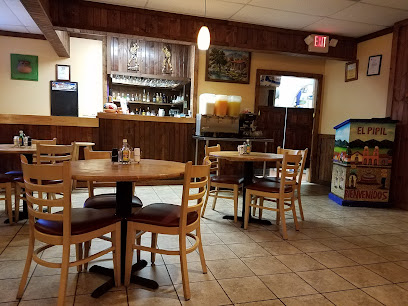
El Pipil Restaurant
10.4 km
Experience authentic Salvadoran cuisine at El Pipil Restaurant in Dover – where every dish tells a story of culture and tradition.
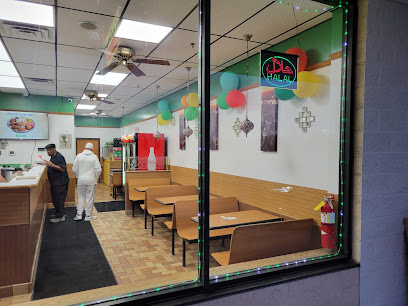
Paras Grill & Gyro
10.4 km
Experience authentic Mediterranean cuisine at Paras Grill & Gyro in Dover – indulge in delicious gyros and halal dishes in a welcoming atmosphere.
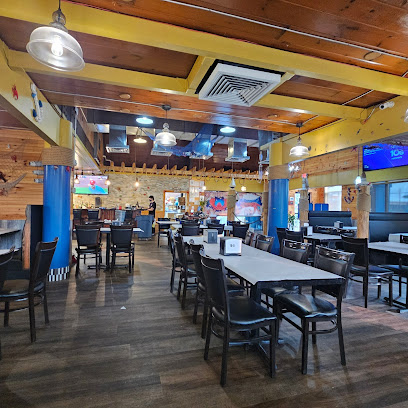
The Countrie Eatery
10.4 km
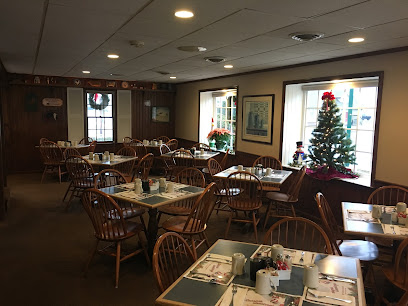
Experience delightful breakfasts at The Countrie Eatery in Dover, DE – where family-friendly dining meets delicious home-cooked flavors.
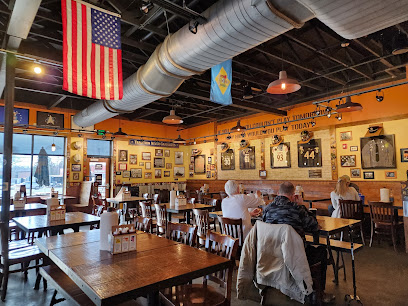
MISSION BBQ
10.5 km
Experience authentic American barbecue at MISSION BBQ in Dover - where every bite tells a story of tradition and flavor.
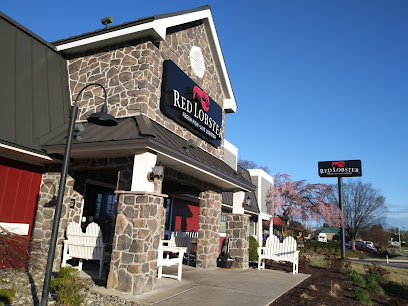
Red Lobster
10.6 km
Experience fresh seafood delights at Red Lobster in Dover - perfect for families and seafood lovers alike.
Markets, malls and hidden boutiques

Bombay Hook Island
4.4 km
Discover the enchanting beauty of Bombay Hook Island, a wildlife haven in Delaware perfect for birdwatching, hiking, and nature exploration.
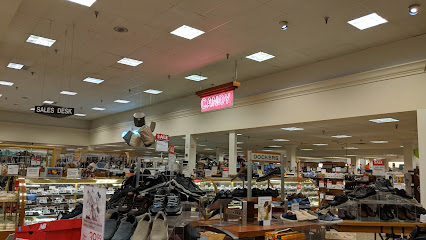
JCPenney
9.2 km
Experience the ultimate shopping spree at JCPenney Dover, your go-to destination for clothing, furniture, jewelry, and shoes.
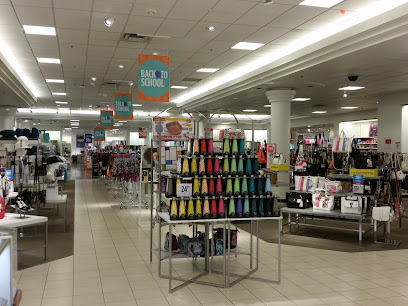
Boscov's
9.3 km
Discover the ultimate shopping experience at Boscov's in Dover, Delaware, where fashion meets affordability in a welcoming atmosphere.
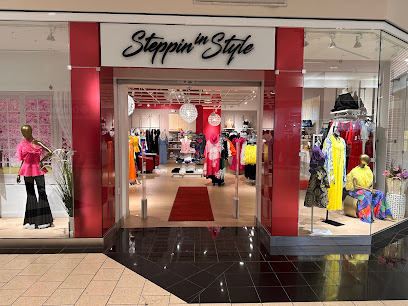
Steppin' in Style Boutique
9.3 km
Discover unique fashion treasures at Steppin' in Style Boutique in Dover, DE—where style meets individuality for every fashion lover.
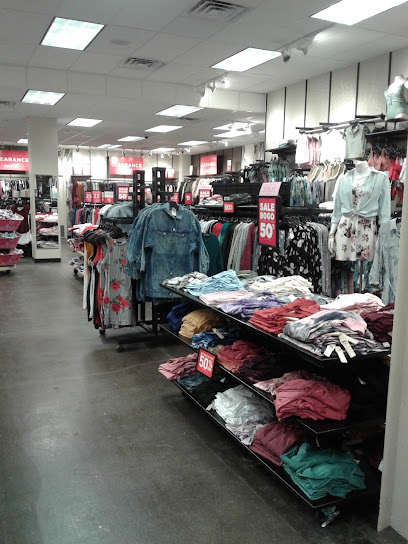
rue21
9.3 km
Discover trendy clothing and stylish accessories at rue21 in Dover, Delaware - your go-to fashion destination for all occasions.
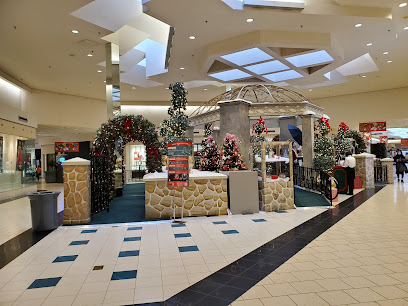
Dover Mall
9.3 km
Explore Dover Mall, Delaware's premier shopping destination, offering diverse stores, dining, and entertainment for an unforgettable retail experience.
Old Navy Outlet
9.3 km
Explore unbeatable deals on fashion for the entire family at Old Navy Outlet in Dover, where style meets affordability.

DICK'S Sporting Goods
9.4 km
DICK'S Sporting Goods in Dover: Your ultimate destination for sports gear, apparel, and outdoor adventure essentials.
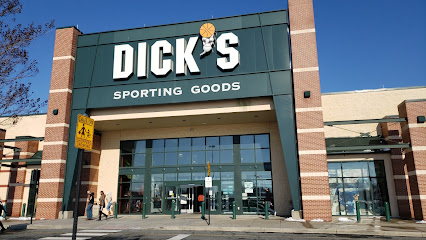
Plato's Closet Dover
9.6 km
Explore a diverse selection of trendy second-hand clothing and accessories at Plato's Closet Dover, your go-to destination for sustainable fashion.
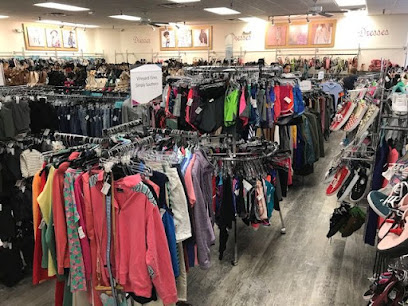
Dover Commons
9.6 km
Discover a vibrant shopping experience at Dover Commons, Delaware's premier shopping mall with diverse stores and dining options.
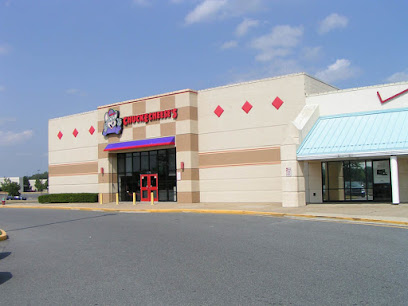
Best Buy
9.6 km
Discover the latest electronics and gadgets at Best Buy in Dover, Delaware, your ultimate destination for all things tech and home entertainment.
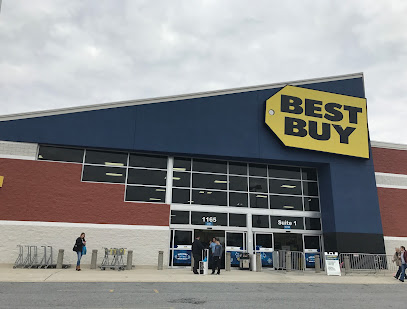
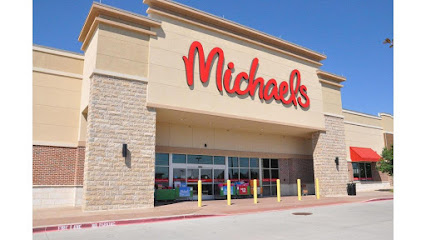
Michaels
9.7 km
Explore your creative side at Michaels in Dover, the ultimate destination for all your crafting, art supply, and party needs.
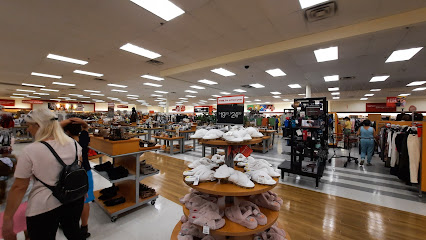
T.J. Maxx
9.7 km
Explore T.J. Maxx in Dover for unbeatable prices on brand-name clothing, accessories, and home goods, making your shopping experience both enjoyable and affordable.
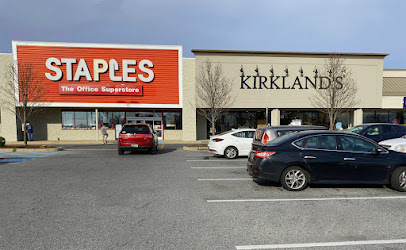
North Dover Center
9.7 km
Experience the best of shopping, dining, and entertainment at North Dover Center, the ultimate destination in Dover, Delaware.
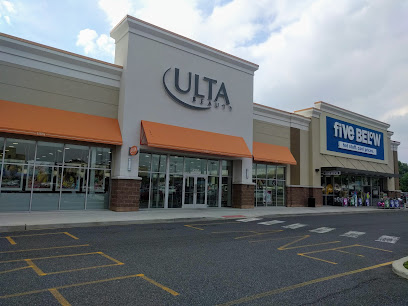
Five Below
9.8 km
Discover incredible deals on trendy gifts, candy, and fashion accessories at Five Below in Dover, DE—where everything is $5 or less!
Essential bars & hidden hideouts

Fire & Ice at Dover Downs Hotel & Casino
9.5 km
Discover the electrifying nightlife at Fire & Ice, a premier night club and lounge in Dover, DE, within Dover Downs Hotel & Casino.
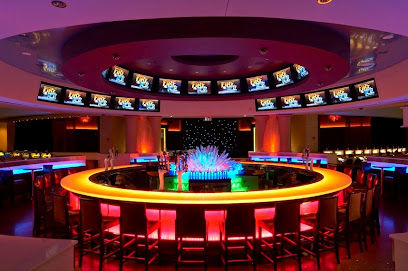
Race & Sports Book Pub
9.5 km
Dive into the excitement at Race & Sports Book Pub, where delicious food meets thrilling sports action in the heart of Dover, Delaware.
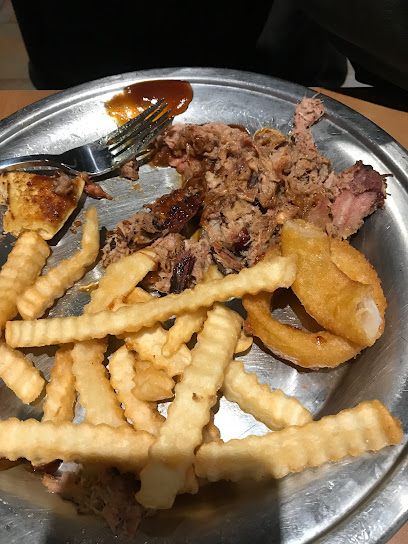
Double D Taphouse
9.6 km
Discover the vibrant atmosphere of Double D Taphouse in Dover, Delaware, where craft drinks and lively events create unforgettable experiences.
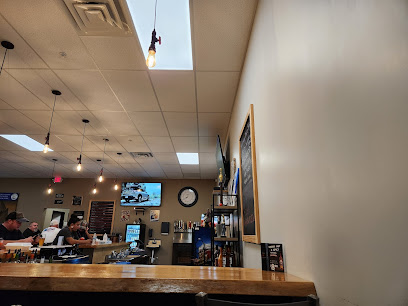
Boondocks Restaurant & Package Store
9.7 km
Discover the best seafood experience in Smyrna, Delaware, at Boondocks Restaurant & Package Store, where fresh flavors meet coastal charm.
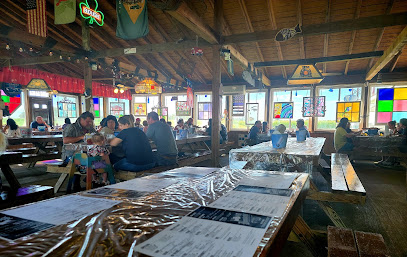
Applebee's Grill + Bar
9.9 km
Discover Applebee's Grill + Bar in Dover, where delicious American cuisine meets a welcoming atmosphere perfect for family and friends.
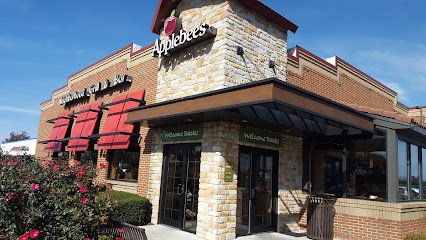
Wolfie’s Grille
10.2 km
Experience the flavor of Dover at Wolfie’s Grille, where fresh ingredients meet a welcoming atmosphere and diverse menu options.
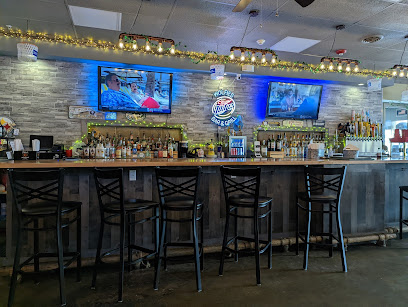
The Greene Turtle Sports Bar & Grille
10.5 km
Experience the ultimate sports dining at The Greene Turtle Sports Bar & Grille in Dover, where great food and sports excitement meet.
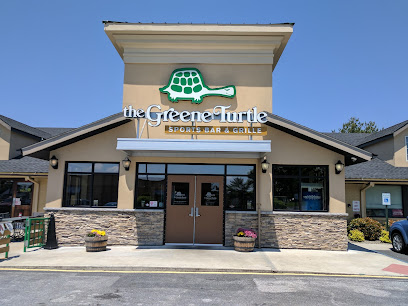
McGlynns Pub - Dover
10.6 km
Discover McGlynns Pub in Dover, where authentic pub culture meets delicious cuisine and a warm, inviting atmosphere.
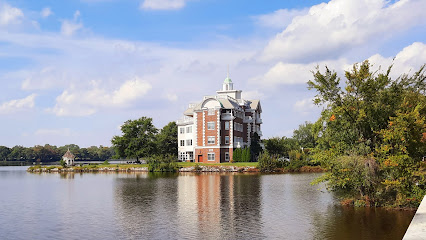
The Celtic Pub
10.7 km
Discover The Celtic Pub in Smyrna, DE - your gateway to authentic Irish cuisine, lively music, and a welcoming atmosphere.
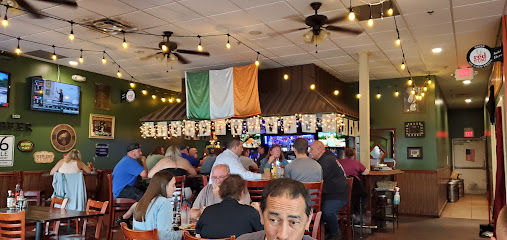
Red Robin Gourmet Burgers and Brews
11.2 km
Discover mouthwatering gourmet burgers and a vibrant atmosphere at Red Robin Gourmet Burgers and Brews, the perfect dining destination in Dover.
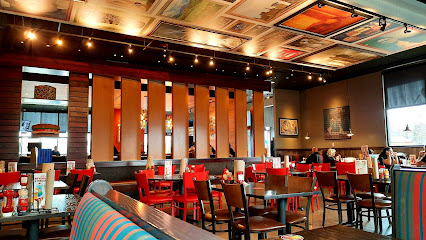
Brick Works Brewing and Eats - Smyrna
11.8 km
Experience the best of craft beer and delicious food at Brick Works Brewing and Eats in Smyrna, Delaware, where local flavors come to life.
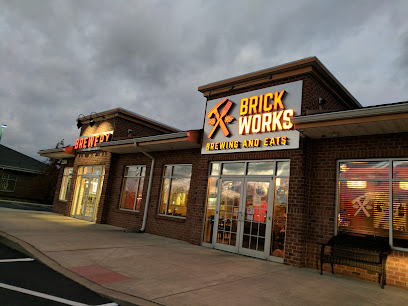
Tom's Bullpen
11.9 km
Experience the excitement of live sports at Tom's Bullpen, Dover's favorite sports bar, serving delicious food and drinks in a vibrant atmosphere.
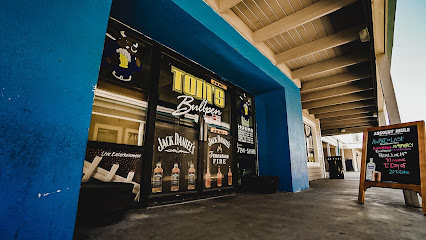
Rail Haus - Beer Garden
12.1 km
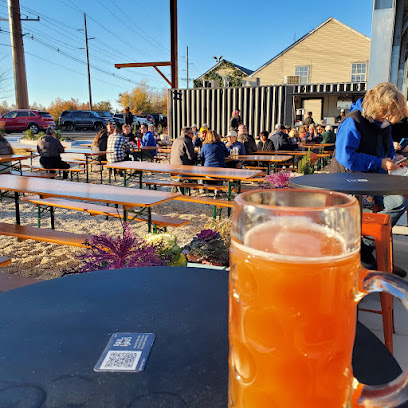
Experience the vibrant atmosphere at Rail Haus - Beer Garden in Dover, DE, where craft beer meets delicious bites in a stunning outdoor setting.
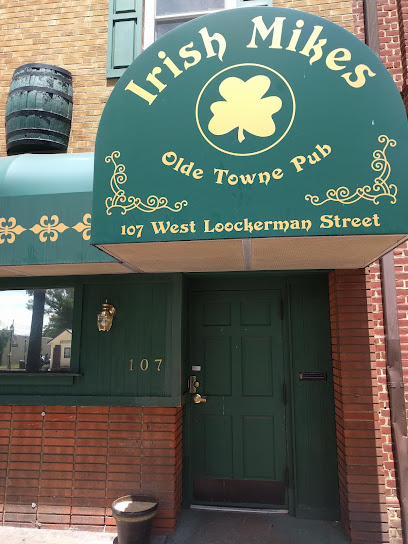
Irish Mikes Old Towne Pub
12.2 km
Discover the charm of Irish culture at Irish Mike's Old Towne Pub, where great food, drinks, and live music create an unforgettable experience.
The Golden Fleece Tavern
12.3 km
Experience the charm and excitement of The Golden Fleece Tavern, a historic pub in Dover, DE, with delicious food, drinks, and lively karaoke nights.