

Free Delaware Piedmont Travel Guide & Mobile App
Explore Delaware Piedmont with free travel guides. Discover regional history, expert tips, proposed trips, and audio guides on web or mobile app.


Explore Delaware Piedmont gardens, du Pont estates, wooded valleys, museums and the cultural life of Wilmington and Newark.
Read more about Delaware Piedmont
Getting to and around Delaware Piedmont
How to get there
Transportation
Best attractions in Delaware Piedmont
Delaware Piedmont attractions are concentrated in a remarkably varied landscape of river valleys, historic estates and accessible green spaces. Winterthur Museum, Garden and Library is the region's major decorative-arts and garden destination, while Hagley Museum and Library explains the industrial history of the Brandywine through mills, laboratories and workers' communities. Nemours Estate offers a contrasting experience of formal gardens and an elaborate early twentieth-century house. Brandywine Creek State Park provides trails, meadows, birdwatching and river scenery, and Mt Cuba Center is known for its native-plant gardens and conservation work. Wilmington contributes the Delaware Art Museum, riverfront attractions and cultural venues, while Newark combines a university setting with nearby trails and open landscapes. Smaller historic sites, farm stands, galleries and preserved villages reward slower touring. Outdoor activities include walking, cycling, informal nature study and, in suitable places and conditions, paddling. The attraction landscape is less about a single monumental sight than about moving between institutions and landscapes that explain how industry, horticulture and settlement shaped the northern part of Delaware.
-
Park
New Castle Battery Park
Discover history and recreation at New Castle Battery Park, a scenic waterfront destination with walking paths, sports, and stunning river views.
-
State park
Fenwick Island State Park
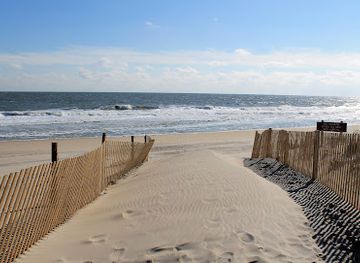
Escape to Delaware's tranquil coast at Fenwick Island State Park: pristine beaches, water sports, and natural beauty await. Open 8 AM to Sunset.
-
National reserve
First State National Historical Park
Discover Delaware's pivotal role in American history at First State National Historical Park, with sites spanning colonial settlements to the U.S. Constitution's ratification.
-
Historical landmark
Chief Little Owl
A towering tribute to local Native American heritage, the Chief Little Owl totem pole is a must-see landmark in Bethany Beach.


Best landmarks in Delaware Piedmont
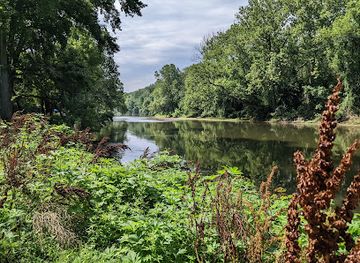
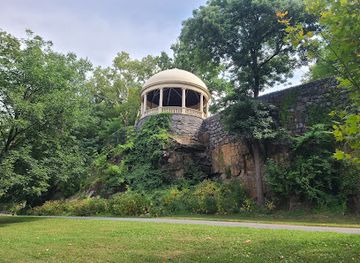
The Brandywine is the defining geographical landmark of Delaware Piedmont, its wooded valley linking the region's industrial history with its estates and parks. Hagley's surviving powder mills, watercourses and riverside buildings are among the clearest physical reminders of nineteenth-century manufacturing. Winterthur's country house and expansive designed landscape represent the later transformation of industrial wealth into collecting and horticulture, while Nemours is distinguished by its formal gardens and imposing Beaux-Arts-inspired architecture. In Wilmington, the historic riverfront and early colonial associations around the Christina River mark the city's longer settlement history, and the Delaware Art Museum provides a major civic and cultural presence. Brandywine Creek State Park preserves open meadows and valley scenery that contrast with the built-up areas nearby. Stone farmhouses, old mill sites, tree-lined lanes and surviving village centres are less monumental but equally important to the region's visual identity, revealing the transition from Quaker farming country to industrial valley and modern metropolitan suburb.
-
State park
Cape Henlopen State Park
Discover the stunning natural beauty and rich history of Cape Henlopen State Park, a perfect blend of adventure and relaxation on Delaware's coast.
-
State park
Fenwick Island State Park
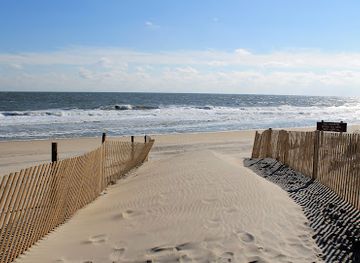
Explore Fenwick Island State Park - a coastal paradise with pristine beaches, lush trails, and exciting outdoor activities for all ages.
-
Park
Brandywine Park
Explore the natural beauty and historical charm of Brandywine Park, a serene oasis in Wilmington, Delaware, perfect for relaxation and outdoor activities.
-
State park
Bellevue State Park
Explore Bellevue State Park - a blend of nature, recreation, and history in Wilmington, Delaware, perfect for families and outdoor enthusiasts.

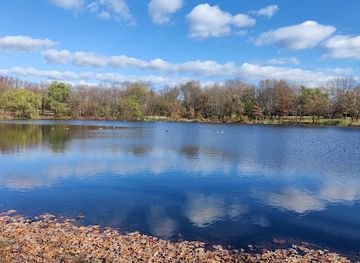
Explore Delaware Piedmont on the map
Plan your trip on one map. See where the top cities, national parks and sights are, and book hotels and experiences in a few clicks.
Best hotels in Delaware Piedmont
Best restaurants in Delaware Piedmont
Dining in Delaware Piedmont ranges from Wilmington's broad urban selection to cafés, pubs, independent restaurants and rural inns scattered through the surrounding communities. The region's food culture belongs to the wider Mid-Atlantic, with seasonal vegetables, orchard produce, poultry, locally raised meats and familiar American comfort dishes appearing alongside international cooking. Brandywine Valley estates and farms have helped sustain an interest in gardens, horticulture and seasonal produce, while Newark's university population supports a varied, informal restaurant scene. Wilmington is the easiest place to find contemporary dining, bakeries, coffee shops and restaurants open later into the evening. Farmers' markets and farm shops are useful for local fruit, vegetables, preserves, baked goods and other provisions, although their schedules vary by season. Visitors should expect regional specialities such as scrapple and Philadelphia-influenced dishes to reflect neighbouring culinary traditions rather than a cuisine exclusive to Delaware Piedmont.
-
Mexican
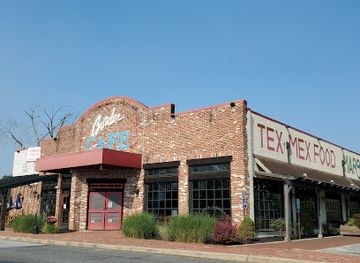
The Border Cafe
Discover the vibrant flavors of Mexican and Cajun cuisine at The Border Cafe – where every meal feels like a fiesta!
-
Seafood
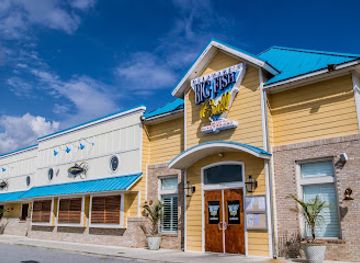
Big Fish Grill on the Riverfront
Experience exquisite seafood dining at Big Fish Grill on Wilmington's picturesque Riverfront - where every bite tells a story.
-
Traditional American
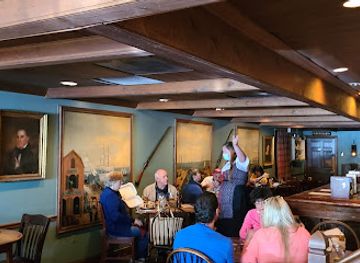
Jessop's Tavern
Experience traditional American cuisine at Jessop's Tavern in New Castle—where history meets hospitality.
-
American
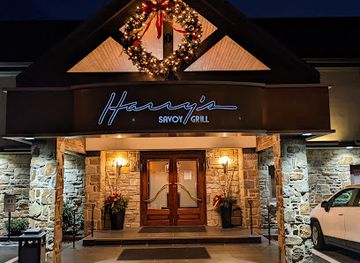
Harry's Savoy Grill
Experience culinary excellence at Harry's Savoy Grill in Wilmington, DE – where American flavors meet fine dining sophistication.
Best bars in Delaware Piedmont
Evening life is centred on Wilmington and Newark rather than on a continuous nightlife district across the countryside. Wilmington offers the widest choice of pubs, breweries, wine bars, cocktail-oriented venues, restaurants with late service, theatres and occasional live-music events. Newark's Main Street and university surroundings provide a more youthful concentration of casual bars, cafés and music venues, although the atmosphere changes with the academic calendar. In the Brandywine Valley and smaller communities, evenings are generally quieter, with historic inns, restaurants, taverns and brewery taprooms providing the main options. Rural venues may be separated by dark, winding roads, so arranging transport in advance is sensible. Nightlife is best approached as part of a meal, performance or local gathering rather than as a large-club destination, and opening arrangements can change with season, day and special events.
-
Traditional American
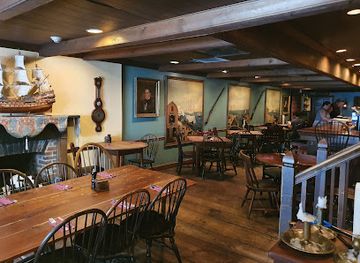
Jessop's Tavern
Discover the authentic flavors of traditional American cuisine at Jessop's Tavern in historic New Castle, DE, where great food meets a welcoming atmosphere.
-
Grill
The Starboard
Experience the vibrant atmosphere and delicious cuisine of The Starboard, Dewey Beach's favorite grill and restaurant, perfect for beachgoers and food lovers.
-
American
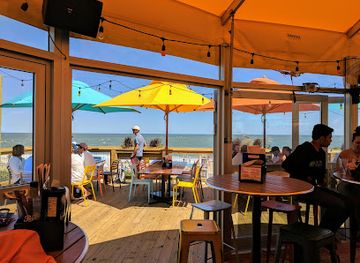
Big Chill Beach Club
Discover the Big Chill Beach Club: Your perfect beachside dining experience with fresh American cuisine and refreshing cocktails in Bethany Beach, Delaware.
-
Pub
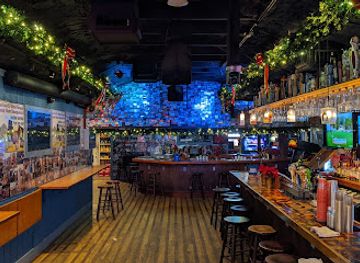
McGlynns Pub - Dover
Discover a true taste of Delaware at McGlynns Pub, where great food and a lively atmosphere await you in Dover.
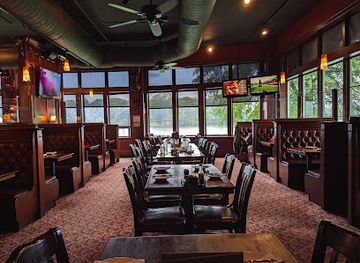
Best nightclubs in Delaware Piedmont
Evening life is centred on Wilmington and Newark rather than on a continuous nightlife district across the countryside. Wilmington offers the widest choice of pubs, breweries, wine bars, cocktail-oriented venues, restaurants with late service, theatres and occasional live-music events. Newark's Main Street and university surroundings provide a more youthful concentration of casual bars, cafés and music venues, although the atmosphere changes with the academic calendar. In the Brandywine Valley and smaller communities, evenings are generally quieter, with historic inns, restaurants, taverns and brewery taprooms providing the main options. Rural venues may be separated by dark, winding roads, so arranging transport in advance is sensible. Nightlife is best approached as part of a meal, performance or local gathering rather than as a large-club destination, and opening arrangements can change with season, day and special events.
-
Bar
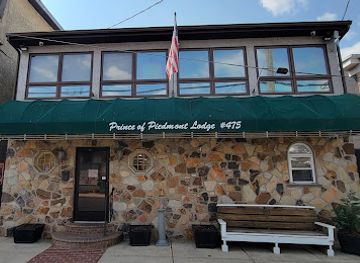
Prince of Piedmont Lodge #475
Discover a vibrant bar experience at Prince of Piedmont Lodge #475 in Wilmington's Little Italy, where great food and fellowship await.
Best shops in Delaware Piedmont
Shopping in Delaware Piedmont is strongest in Wilmington, Newark and the established communities along the northern New Castle County corridors, where visitors will find independent retailers, bookshops, galleries, cafés and ordinary American high-street services. Delaware's absence of state sales tax is relevant to purchases, although neighbouring states may have different tax arrangements and retail selections. Farm shops and seasonal markets offer fruit, vegetables, flowers, preserves, baked goods and other locally produced items, while gallery and museum shops provide books, decorative objects and garden-related gifts connected with the region's collections and estates. Antique shops and independent craft retailers appear in some of the older settlements, but the Piedmont is not primarily a luxury-shopping destination. For practical browsing, Wilmington and Newark have the broadest choice; for regional mementoes, look to garden plants, locally made foods, horticultural products, artwork and publications about the Brandywine Valley.
-
Shopping mall
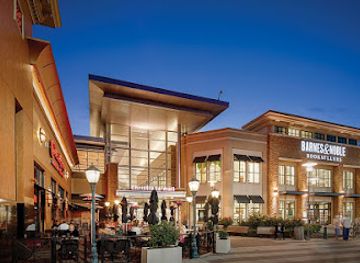
Christiana Mall
Explore Christiana Mall: A Premier Shopping Destination with Diverse Retail, Dining, and Entertainment Options in Newark, Delaware.
-
Outlet mall
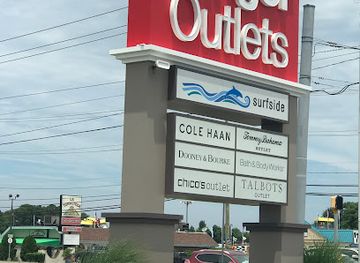
Tanger Rehoboth Beach - Surfside
Discover unbeatable deals and a delightful shopping experience at Tanger Rehoboth Beach - Surfside, your premier outlet mall in Delaware.
-
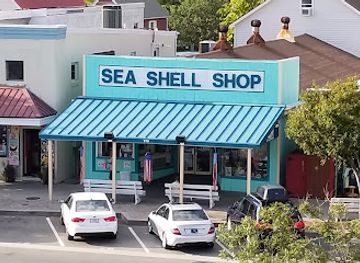
Gift shop
Sea Shell Shop
Explore the Sea Shell Shop in Rehoboth Beach for unique gifts and beautiful seashells that celebrate the essence of coastal living.
-
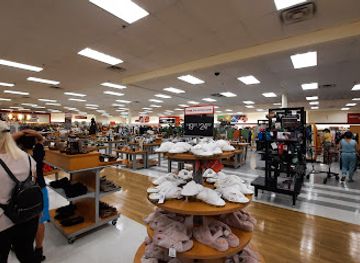
Department store
T.J. Maxx
Shop T.J. Maxx in Dover for unbeatable prices on stylish clothing, unique home decor, and rare finds for the whole family.
Get your free copy of our complete guide to Delaware Piedmont, delivered straight to you.
Everything on this page, from attractions and restaurants to essentials and local phrases, in one PDF you can read offline, print or share.
Already have an account? Sign in
Your Delaware Piedmont guide is ready.
We'll send it to · Not you? Sign out

Getting your guide ready…
We are putting together a fresh copy of the Delaware Piedmont guide. This can take up to a minute.
This can take a few moments. If your browser asks, choose Allow so the download can start. You'll find the guide in your Downloads folder.
Nothing happened? Download it again
Sorry, the guide is taking longer than usual. Please try again in a minute, or get it by email instead.
Delaware Piedmont essentials
Currency and Payment
Safety
Emergency Situations
Do's and Don'ts
Local Tips
From Eve
Local phrases worth knowing
You don't need to get them perfect. A few words go a long way, and locals appreciate the effort.
Basics
| English | Local | Say it |
|---|---|---|
| Hello | Howdy | [haʊdi] |
| Goodbye | See ya | [si jə] |
| Yes | Yep | [jɛp] |
| No | Nah | [nɑː] |
| Please/You're welcome | No problem | [noʊ ˈprɒbləm] |
| Thank you | Thanks | [θæŋks] |
| Excuse me/Sorry | Sorry about that | [ˈsɔri əˌbaʊt ðæt] |
| How are you? | How ya doin'? | [haʊ jə ˈduɪn] |
| Fine. And you? | Good, you? | [ɡʊd, ju?] |
| Do you speak English? | Do ya speak English? | [du jə spiːk ˈɪŋɡlɪʃ] |
| I don't understand | I ain't gettin' it | [aɪ eɪnt ˈɡɛtɪn ɪt] |
Eating & Drinking
| English | Local | Say it |
|---|---|---|
| I'd like to see the menu, please | Can I see the menu? | [kən aɪ si ðə ˈmɛnju] |
| I don't eat meat | I don't do meat | [aɪ doʊnt du mit] |
| Cheers! | Cheers! | [ʧɪrz] |
| I would like to pay, please | Can I get the check? | [kən aɪ ɡɛt ðə ʧɛk] |
Emergencies
| English | Local | Say it |
|---|---|---|
| Help! | Help! | [hɛlp] |
| Go away! | Scram! | [skræm] |
| Call the Police! | Call the cops! | [kɔl ðə kɑps] |
| Call a doctor! | Get a doctor! | [ɡɛt ə ˈdɑktər] |
| I'm lost | I’m turned around | [aɪm tɜrnd əˈraʊnd] |
| I'm ill | I ain't feelin' good | [aɪ eɪnt ˈfɪlɪn ɡʊd] |
Shopping
| English | Local | Say it |
|---|---|---|
| I'd like to buy... | I wanna buy... | [aɪ ˈwɑnə baɪ] |
| I'm just looking | Just browsing | [dʒʌst ˈbraʊzɪŋ] |
| How much is it? | What’s the price? | [wɑt ðə praɪs] |
| That's too expensive | That’s pricey | [ðæts ˈpraɪsi] |
| Can you lower the price? | Can ya drop the price? | [kən jə drɑp ðə praɪs] |
Time & Numbers
| English | Local | Say it |
|---|---|---|
| What time is it? | What time ya got? | [wɑt taɪm jə ɡɑt] |
| It's one o'clock | It’s one | [ɪts wʌn] |
| Half past (10) | Half past ten | [hæf pæst tɛn] |
| Morning | Mornin' | [ˈmɔrnɪn] |
| Afternoon | Afternoon | [ˌæftərˈnun] |
| Evening | Evenin' | [ˈivnɪn] |
| Yesterday | Yesterday | [ˈjɛstərdeɪ] |
| Today | Today | [təˈdeɪ] |
| Tomorrow | Tomorrow | [təˈmɔroʊ] |
| 1 | One | [wʌn] |
| 2 | Two | [tu] |
| 3 | Three | [θri] |
| 4 | Four | [fɔr] |
| 5 | Five | [faɪv] |
| 6 | Six | [sɪks] |
| 7 | Seven | [ˈsɛvən] |
| 8 | Eight | [eɪt] |
| 9 | Nine | [naɪn] |
| 10 | Ten | [tɛn] |
Transport & Directions
| English | Local | Say it |
|---|---|---|
| Where's a/the...? | Where’s the...? | [wɛrz ðə] |
| What's the address? | What’s the address? | [wɑt ðə ˈædrɛs] |
| Can you show me (on the map)? | Can you point it out? | [kən jə pɔɪnt ɪt aʊt] |
| When's the next (bus)? | When's the next bus? | [wɛnʔs ðə nɛkst bʌs] |
| A ticket (to ....) | A ticket to... | [ə ˈtɪkɪt tu] |
History of Delaware Piedmont
Indigenous Lenape and Susquehannock Landscapes
Before European colonisation, the northern Delaware uplands were used by Indigenous peoples including the Lenape, whose seasonal movements, agriculture and trade were closely connected to the Brandywine and Christina watersheds. The landscape was not an untouched wilderness: fields, woodland and waterways were managed and travelled through. European settlement, disease, dispossession and changing colonial boundaries severely disrupted Indigenous life, but the region's rivers and terrain still reflect the geography that shaped earlier communities.
Swedish and Dutch Settlement on the Christina
Permanent European settlement in the Wilmington area began in the seventeenth century, when Swedish colonists established New Sweden along the Christina River in 1638. Dutch forces seized the colony in 1655, and English control followed in 1664. Fort Christina and the river settlements connected the Piedmont to Atlantic trade and shaped Wilmington's later development. Although the original fort site lies in the urban riverfront, the colonial network extended into the surrounding uplands through farms, roads and mills.
Quaker Farming and Mill Communities
During the eighteenth and early nineteenth centuries, Quaker families and other European settlers established farms, mills and villages across the rolling country north and west of Wilmington. Waterpower from the Brandywine and its tributaries supported gristmills, sawmills and small industrial works, while roads linked inland farms to the port. Stone houses, meetinghouses, boundary walls and mature farm landscapes preserve traces of this period, even where later suburban development has altered the original pattern.
The Du Pont Gunpowder Works at Hagley
In 1802, Éleuthère Irénée du Pont founded a gunpowder manufactory on the Brandywine. The works used the creek's waterpower and the valley's relative isolation, eventually becoming the foundation of the DuPont company. Industrial buildings, raceways, workers' housing and woodland at Hagley reveal how manufacturing transformed the Piedmont while remaining dependent on its river landscape. The enterprise also established the du Pont family's long economic and cultural influence in northern Delaware.
Wilmington's Industrial and Transport Expansion
Nineteenth-century Wilmington grew through shipbuilding, ironworking, leather, rail transport and trade along the Christina River. Railways connected the city with Philadelphia, Baltimore and the wider Northeast, accelerating the movement of workers and goods through the Piedmont. Industrial growth also created densely settled neighbourhoods and distinctive civic architecture. The region's later accessibility, including its position on the Northeast Corridor, is a direct legacy of these transport and manufacturing networks.
The Du Pont Estates and Landscape Preservation
During the late nineteenth and early twentieth centuries, members of the du Pont family built or expanded large estates around Wilmington, including Winterthur and Nemours. Their houses, collections and designed landscapes reflected American industrial wealth, European architectural traditions and a growing interest in horticulture. In the twentieth century, several estates became museums or public gardens, while conservation organisations protected woodland, meadows and river corridors. This legacy is now one of the defining cultural features of Delaware Piedmont.
Modern Suburbanisation and Conservation
After the Second World War, housing, universities, offices and road infrastructure expanded around Wilmington and Newark, integrating the Piedmont into the wider Philadelphia-Baltimore metropolitan corridor. Farms and open land were reduced in some districts, but state parks, preserved estates, conservation easements and institutional landscapes retained substantial green space. Contemporary Delaware Piedmont is therefore a layered region in which suburban communities, historic industry, cultivated gardens and protected stream valleys exist in close proximity.
Delaware Piedmont in Photos
Browse through our photo collection highlighting the charm and character of the destination.
Neighbouring regions of Delaware Piedmont
The closest regions to Delaware Piedmont, if you have time for more than one.
-

-

-

-

-


Swipe for more regions
Explore more
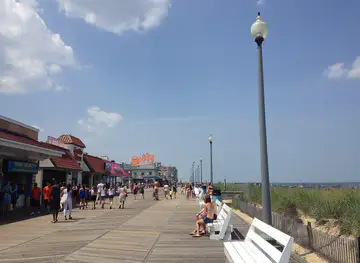
Explore more of Delaware
Discover Delaware: From historic sites and serene beaches to culinary delights and scenic parks, this small state offers big experiences for every traveler.
Explore Delaware