

Free The Delaware River and Bay Authority Region Travel Guide & Mobile App
Explore The Delaware River and Bay Authority Region with free travel guides. Discover regional history, expert tips, proposed trips, and audio guides on web or mobile app.


Explore Delaware's river ports, historic New Castle, Wilmington culture, estuary landscapes and the Cape May–Lewes Ferry corridor.
Read more about The Delaware River and Bay Authority Region
When is the best time to visit The Delaware River and Bay Authority Region?
Best: May, September–October · 21–27°C| Month | High (°C) | Rainfall (mm) |
|---|---|---|
| January | 4 | 80 |
| February | 7 | 75 |
| March | 13 | 85 |
| April | 18 | 90 |
| May (best) | 23 | 95 |
| June | 28 | 100 |
| July | 31 | 105 |
| August | 30 | 110 |
| September (best) | 27 | 95 |
| October (best) | 21 | 85 |
| November | 14 | 80 |
| December | 7 | 75 |
Getting to and around The Delaware River and Bay Authority Region
How to get there
Transportation
Top city travel guides in The Delaware River and Bay Authority Region
The cities of The Delaware River and Bay Authority Region, and the easiest places to base yourself.
-

-
-

-
-
 Milford
, Delaware, pairs a historic Mispillion River downtown with galleries, local dining, museums, trails and easy access to Delaware’s coast and beaches.
-


Swipe for more cities
Destinations in The Delaware River and Bay Authority Region
Resorts, valleys and scenic spots worth a trip of their own.
-
-
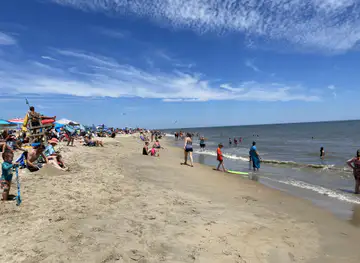
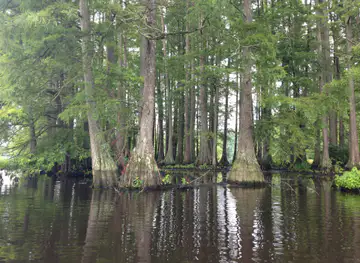
 Lums Pond State Park
 in Delaware offers woodland trails, freshwater boating, fishing, camping and treetop adventures near Bear and Newark.
-

-

-
-


Swipe for more destinations
Best attractions in The Delaware River and Bay Authority Region
The region's attractions are organised around water, transport and layered history. Wilmington offers museums, galleries, performing arts and access to the Brandywine Valley, while nearby New Castle is valued for its preserved colonial streets, historic houses and civic buildings. Delaware City provides access to riverfront parks and Fort DuPont, whose military remains reflect the strategic importance of the Delaware River. Fort Delaware, on Pea Patch Island, adds a distinctive island heritage experience, with access dependent on boat arrangements and seasonal operation. At the southern end, Lewes combines maritime museums, harbour scenery and the Cape May–Lewes Ferry terminal with access to nearby coastal landscapes. Estuarine wetlands and river edges provide opportunities for birdwatching, kayaking, fishing and nature walks, although some areas are protected or subject to tides. The attraction landscape is less about a single concentrated resort and more about following the changing relationship between historic towns, working waterways, military sites, bridges and bay ecology.
-
Park
Wildwood Beach
Experience the classic Jersey Shore at Wildwood Beach: expansive sands, lively boardwalk, and endless seaside fun for the whole family.

Best landmarks in The Delaware River and Bay Authority Region
The Delaware Memorial Bridge is the region's most recognisable modern landmark, spanning the Delaware River and symbolising the corridor's importance to travel between Delaware and New Jersey. In historic New Castle, the preserved courthouse green, Georgian and Federal buildings, and the waterfront streets form a coherent architectural landmark rather than a single monument. Fort Delaware on Pea Patch Island is significant both for its masonry defences and for the Civil War prison history attached to the site. Fort DuPont near Delaware City represents a later period of river protection, with remnants set within a larger park landscape. Wilmington's historic churches, civic buildings and industrial waterfront structures express the city's development as a port and manufacturing centre. At Lewes, the harbour, ferry approach and maritime museum area make the town's connection with the Delaware Bay visible, while the open water itself is a geographical landmark that has shaped settlement, defence, trade and transport for centuries.
-
State park
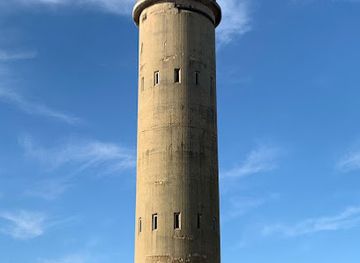
Cape Henlopen State Park
Discover the breathtaking beauty and diverse activities at Cape Henlopen State Park, a premier destination for nature lovers and outdoor enthusiasts in Delaware.
-
State park
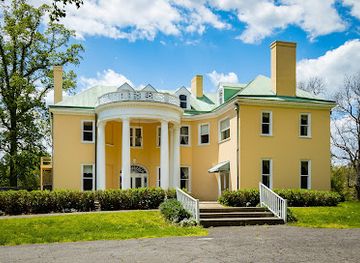
Bellevue State Park
Explore the natural beauty and rich history of Bellevue State Park in Wilmington, Delaware, perfect for outdoor enthusiasts and families alike.
-
State park
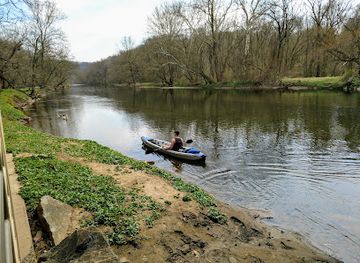
Brandywine Creek State Park
Discover the natural beauty and tranquility of Brandywine Creek State Park, a prime destination for outdoor adventures and peaceful retreats in Wilmington, Delaware.
-
Bridge
Delaware Memorial Bridge
Explore the Delaware Memorial Bridge: A stunning suspension bridge offering scenic views and a glimpse into Delaware's architectural beauty.

Explore The Delaware River and Bay Authority Region on the map
Plan your trip on one map. See where the top cities, national parks and sights are, and book hotels and experiences in a few clicks.
Best hotels in The Delaware River and Bay Authority Region
Best restaurants in The Delaware River and Bay Authority Region
Dining reflects Delaware's position in the Mid-Atlantic and its relationship with the river and bay. Wilmington has the broadest range, from cafés and contemporary restaurants to established neighbourhood eateries, while historic New Castle and Delaware City offer smaller-scale dining suited to visits centred on heritage and waterfront walks. Around Lewes, seafood is prominent, including crab, oysters, clams and locally sourced fish when available, alongside casual restaurants, bakeries and harbour-oriented dining. Farm produce from Delaware and neighbouring states appears in seasonal menus, and the wider region shares the Mid-Atlantic traditions of diners, seafood shacks, pizzerias, barbecue and family-run restaurants. Visitors will also find craft beer and American wines from the broader Delaware Valley, though these are regional rather than exclusive products of the authority corridor. Farmers' markets and roadside stands can be useful places to find produce, baked goods and locally made specialities.
-
Mexican
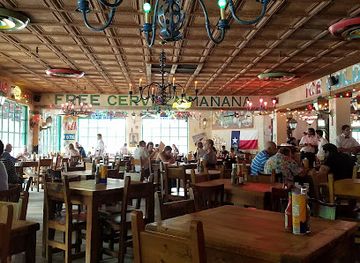
The Border Cafe
Experience the vibrant fusion of Mexican and Cajun flavors at The Border Cafe in Newark - where every bite tells a story.
-
Seafood
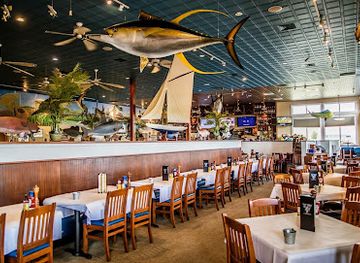
Big Fish Grill on the Riverfront
Discover fresh seafood delights at Big Fish Grill on the Riverfront in Wilmington - where great food meets stunning waterfront views.
-
Traditional American
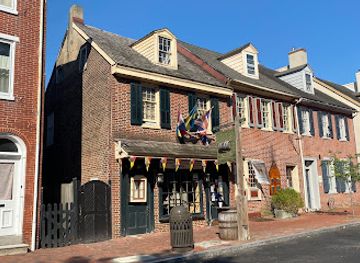
Jessop's Tavern
Discover traditional American dining at Jessop's Tavern in New Castle, DE—where history meets delicious cuisine in a charming pub atmosphere.
-
Pub
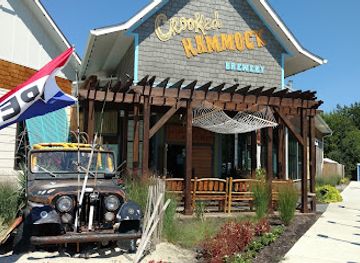
Crooked Hammock Brewery
Experience craft beer excellence at Crooked Hammock Brewery in Lewes – your go-to spot for great food, brews, and fun!
Best bars in The Delaware River and Bay Authority Region
-
State park
Cape Henlopen State Park
Discover the stunning landscapes and rich history of Cape Henlopen State Park, a premier outdoor destination in Delaware.
-
Park
Lums Pond State Park
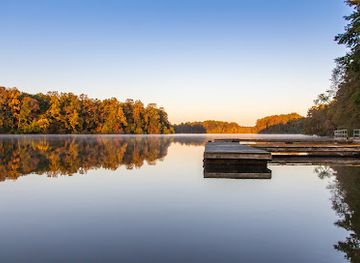
Discover the beauty of Lums Pond State Park, a natural haven for outdoor enthusiasts with fishing, boating, and tranquil camping experiences.
-
American
Cottage Cafe
Experience delightful American cuisine at Cottage Cafe in Bethany Beach, where coastal charm meets culinary excellence.
-
Grill
Woody's Dewey Beach
Experience the vibrant coastal dining at Woody's Dewey Beach, where fresh seafood meets American classics in a lively atmosphere.


Best nightclubs in The Delaware River and Bay Authority Region
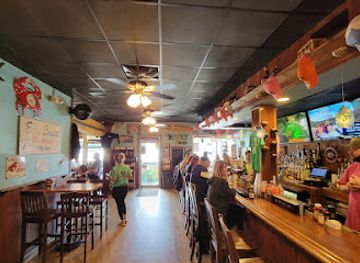
Evening life is concentrated in Wilmington, where restaurants, hotel bars, breweries, cocktail venues and live performances provide the most varied choice. New Castle and Delaware City are quieter, with evenings generally centred on restaurants, traditional bars and occasional community events rather than a large club scene. Lewes has a seasonal waterfront atmosphere, with casual bars, seafood restaurants and places serving drinks near the harbour, while nightlife becomes more subdued outside the warmer months. The region is not primarily a nightclub destination; its evening character is shaped by dining, conversation, music and views of the river or bay. Visitors should plan transport carefully after drinking, since rural roads, ferry terminals and dispersed settlements are not always well served by late-night public transport.
-
Live Music
Bar XIII Delaware
Discover the electrifying atmosphere of Bar XIII Delaware, a premier live music venue featuring karaoke, a beer garden, and unforgettable nightlife.
-
Pub
Kelly's Logan House
Discover the lively ambiance of Kelly's Logan House, a favorite pub in Wilmington, DE, offering great food, drinks, and live music.
-
Dominican
Merengue House Bar & Restaurant
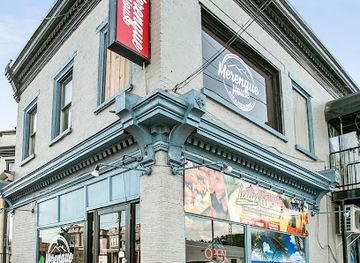
Dive into the rich flavors and vibrant nightlife at Merengue House Bar & Restaurant in Wilmington, where Dominican culture comes alive.
-
Bar
The Nomad Bar
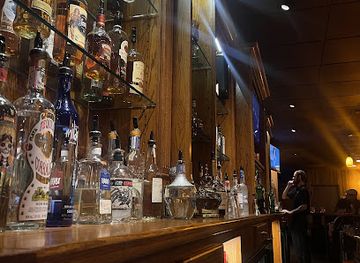
Discover Wilmington's vibrant nightlife at The Nomad Bar, where craft cocktails meet live jazz in a lively atmosphere.


Best shops in The Delaware River and Bay Authority Region
Shopping is strongest in Wilmington, where independent retailers, galleries, bookshops and everyday high-street businesses are joined by larger commercial areas outside the historic core. New Castle offers a smaller selection of antiques, gifts, books and locally oriented shops within a historic setting, while Lewes has an established visitor economy built around independent boutiques, galleries, homewares, clothing and maritime-themed gifts. Food is among the most practical regional purchases, including Delaware produce, bakery goods, speciality seafood products and craft beverages, subject to transport and travel restrictions. Seasonal farmers' markets and farm stands provide a more direct connection with the surrounding agricultural landscape. Visitors should not expect a single dominant shopping district across the whole authority corridor; retail is dispersed between urban Wilmington, historic town centres, suburban areas and the coastal community of Lewes.
-
Shopping mall
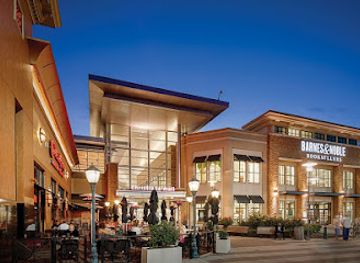
Christiana Mall
Explore Christiana Mall, a shopping paradise in Newark, Delaware, featuring diverse stores, dining options, and family-friendly entertainment.
-
Shopping mall
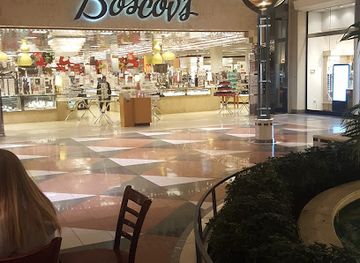
Concord Mall
Discover Concord Mall, Wilmington's top shopping destination with a diverse range of stores, dining options, and entertainment for an unforgettable experience.
-
Shopping mall
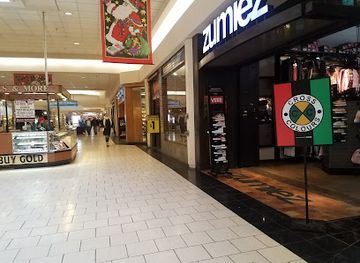
Dover Mall
Discover Dover Mall, a premier shopping destination in Delaware, featuring diverse stores, dining options, and entertainment for every visitor.
-
Outlet mall
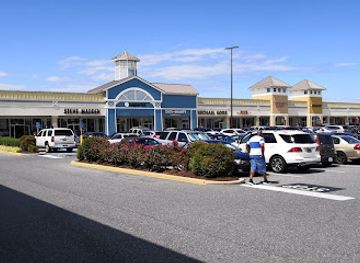
Tanger Rehoboth Beach - Surfside
Discover unbeatable deals at Tanger Rehoboth Beach - Surfside, the ultimate outlet shopping destination by the coast.
Get your free copy of our complete guide to The Delaware River and Bay Authority Region, delivered straight to you.
Everything on this page, from attractions and restaurants to essentials and local phrases, in one PDF you can read offline, print or share.
Already have an account? Sign in
Your The Delaware River and Bay Authority Region guide is ready.
We'll send it to · Not you? Sign out

Getting your guide ready…
We are putting together a fresh copy of the The Delaware River and Bay Authority Region guide. This can take up to a minute.
This can take a few moments. If your browser asks, choose Allow so the download can start. You'll find the guide in your Downloads folder.
Nothing happened? Download it again
Sorry, the guide is taking longer than usual. Please try again in a minute, or get it by email instead.
The Delaware River and Bay Authority Region essentials
Currency and Payment
Safety
Emergency Situations
Do's and Don'ts
Local Tips
From Eve
Local phrases worth knowing
You don't need to get them perfect. A few words go a long way, and locals appreciate the effort.
Basics
| English | Local | Say it |
|---|---|---|
| Hello | Howdy | [Haudi] |
| Goodbye | See ya | [See yah] |
| Yes | Yup | [Yup] |
| No | Nah | [Nah] |
| Please/You're welcome | Sure thing | [Shur thing] |
| Thank you | Thanks a lot | [Thangs a lot] |
| Excuse me/Sorry | Pardon me | [Pardon me] |
| How are you? | How ya doin'? | [How ya doin'?] |
| Fine. And you? | Good. You? | [Good. You?] |
| Do you speak English? | You speakin' English? | [You speakin' English?] |
| I don't understand | I ain't gettin' it | [I ain't gettin' it] |
Eating & Drinking
| English | Local | Say it |
|---|---|---|
| I'd like to see the menu, please | Can I see the menu? | [Can I see the menu?] |
| I don't eat meat | I’m a vegetarian | [I’m a vegetarian] |
| Cheers! | Cheers! | [Cheers!] |
| I would like to pay, please | Can I get the check? | [Can I get the check?] |
Emergencies
| English | Local | Say it |
|---|---|---|
| Help! | Help! | [Help!] |
| Go away! | Beat it! | [Beat it!] |
| Call the Police! | Call the cops! | [Call the cops!] |
| Call a doctor! | Get a doctor! | [Get a doctor!] |
| I'm lost | I’m turned around | [I’m turned around] |
| I'm ill | I’m not feelin' well | [I’m not feelin' well] |
Shopping
| English | Local | Say it |
|---|---|---|
| I'd like to buy... | I wanna buy... | [I wanna buy...] |
| I'm just looking | Just browsin' | [Just browsin'] |
| How much is it? | What’s the price? | [What’s the price?] |
| That's too expensive | That’s a bit pricey | [That’s a bit pricey] |
| Can you lower the price? | Can you drop the price? | [Can you drop the price?] |
Time & Numbers
| English | Local | Say it |
|---|---|---|
| What time is it? | What time ya got? | [What time ya got?] |
| It's one o'clock | It’s one o’clock | [It’s one o’clock] |
| Half past (10) | Half past ten | [Half past ten] |
| Morning | Mornin' | [Mornin'] |
| Afternoon | Afternoon | [Afternoon] |
| Evening | Evenin' | [Evenin'] |
| Yesterday | Yesterday | [Yesterday] |
| Today | Today | [Today] |
| Tomorrow | Tomorrow | [Tomorrow] |
| 1 | One | [One] |
| 2 | Two | [Two] |
| 3 | Three | [Three] |
| 4 | Four | [Four] |
| 5 | Five | [Five] |
| 6 | Six | [Six] |
| 7 | Seven | [Seven] |
| 8 | Eight | [Eight] |
| 9 | Nine | [Nine] |
| 10 | Ten | [Ten] |
Transport & Directions
| English | Local | Say it |
|---|---|---|
| Where's a/the...? | Where’s the ...? | [Where’s the ...?] |
| What's the address? | What’s the address? | [What’s the address?] |
| Can you show me (on the map)? | Can you point it out? | [Can you point it out?] |
| When's the next (bus)? | When’s the next bus? | [When’s the next bus?] |
| A ticket (to ....) | A ticket to ... | [A ticket to ...] |
History of The Delaware River and Bay Authority Region
Indigenous River and Bay Communities
Long before European settlement, the Delaware River and Bay supported Lenape and other Indigenous communities whose economies combined fishing, hunting, gathering and agriculture. The waterways were transport routes as well as sources of food, and seasonal movement followed the resources of the estuary and its tributaries. European colonisation transformed land ownership and trade, but Indigenous place names and the enduring importance of the river and bay remain part of the region's historical inheritance.
Swedish and Dutch Settlement in the Seventeenth Century
The lower Delaware was among the earliest European-colonised parts of the Mid-Atlantic. Swedish settlers established Fort Christina near present-day Wilmington in 1638, creating the colony of New Sweden. Dutch control followed in the 1650s, before the English seized the area in 1664. Although the original settlements changed hands, this period established the river as a contested commercial and strategic corridor linking the Atlantic coast with the interior.
New Castle and the Colonial Port
New Castle developed as an important river port and administrative centre under English rule. Its position on the Delaware gave it access to trade with Philadelphia and other Atlantic settlements, while its courthouse and civic buildings reflected the political importance of the Lower Counties. Many surviving streets and structures date from the eighteenth and early nineteenth centuries, when merchants, officials, craftspeople and enslaved people all contributed to the town's economy and social history.
Revolutionary and Civil War Defences
The Delaware River's navigable channel made its approaches strategically important during the American Revolution and the Civil War. Fort Delaware, built on Pea Patch Island in the river, was expanded in the nineteenth century and became a Union prison during the Civil War. Its story includes military engineering, confinement and the experiences of thousands of prisoners. Fort DuPont, near Delaware City, represents a later phase of river defence and forms part of the region's broader military landscape.
Industrial Wilmington and the River Economy
During the nineteenth and twentieth centuries, Wilmington grew as an industrial and commercial city connected to the river, railways and the wider Mid-Atlantic economy. Shipbuilding, metalworking, rail-related activity and chemical production shaped employment and waterfront development. The city's industrial past remains visible in former factory districts and transport infrastructure, while the contrast between working riverfronts and historic residential areas illustrates Delaware's transformation from a colonial corridor into a modern industrial state.
Bridges, Ferries and Modern Regional Connectivity
The modern authority corridor took shape through large-scale transport projects. The Delaware Memorial Bridge opened in 1951, creating a major road crossing between Delaware and New Jersey, while the Cape May–Lewes Ferry began service in 1964. These links changed travel patterns across the estuary and made the river and bay central to regional mobility. The Delaware River and Bay Authority now represents this practical relationship between infrastructure, maritime travel, airports and the communities on Delaware's side of the water.
Changing Waterfronts and Heritage Conservation
Late twentieth-century deindustrialisation altered Wilmington's riverfront and the fortunes of older port communities. In response, historic preservation, museums, parks, trails and waterfront redevelopment have become important parts of the regional economy. This transformation has not erased the working character of the estuary: commercial shipping, ferry travel, fishing and logistics continue alongside heritage tourism and environmental conservation. Contemporary visitors therefore encounter a living transport landscape rather than a preserved historical exhibit.
The Delaware River and Bay Authority Region in Photos
Browse through our photo collection highlighting the charm and character of the destination.
Neighbouring regions of The Delaware River and Bay Authority Region
The closest regions to The Delaware River and Bay Authority Region, if you have time for more than one.
-

-

-
-

-


Swipe for more regions
Explore more
Explore more of Delaware
Discover Delaware: From historic sites and serene beaches to culinary delights and scenic parks, this small state offers big experiences for every traveler.
Explore Delaware