

Free The Brandywine Valley Travel Guide & Mobile App
Explore The Brandywine Valley with free travel guides. Discover regional history, expert tips, proposed trips, and audio guides on web or mobile app.


Explore Delaware’s Brandywine Valley for Du Pont estates, renowned gardens, American art, wooded trails and historic riverside landscapes.
Read more about The Brandywine Valley
Getting to and around The Brandywine Valley
How to get there
Transportation
Destinations in The Brandywine Valley
Resorts, valleys and scenic spots worth a trip of their own.
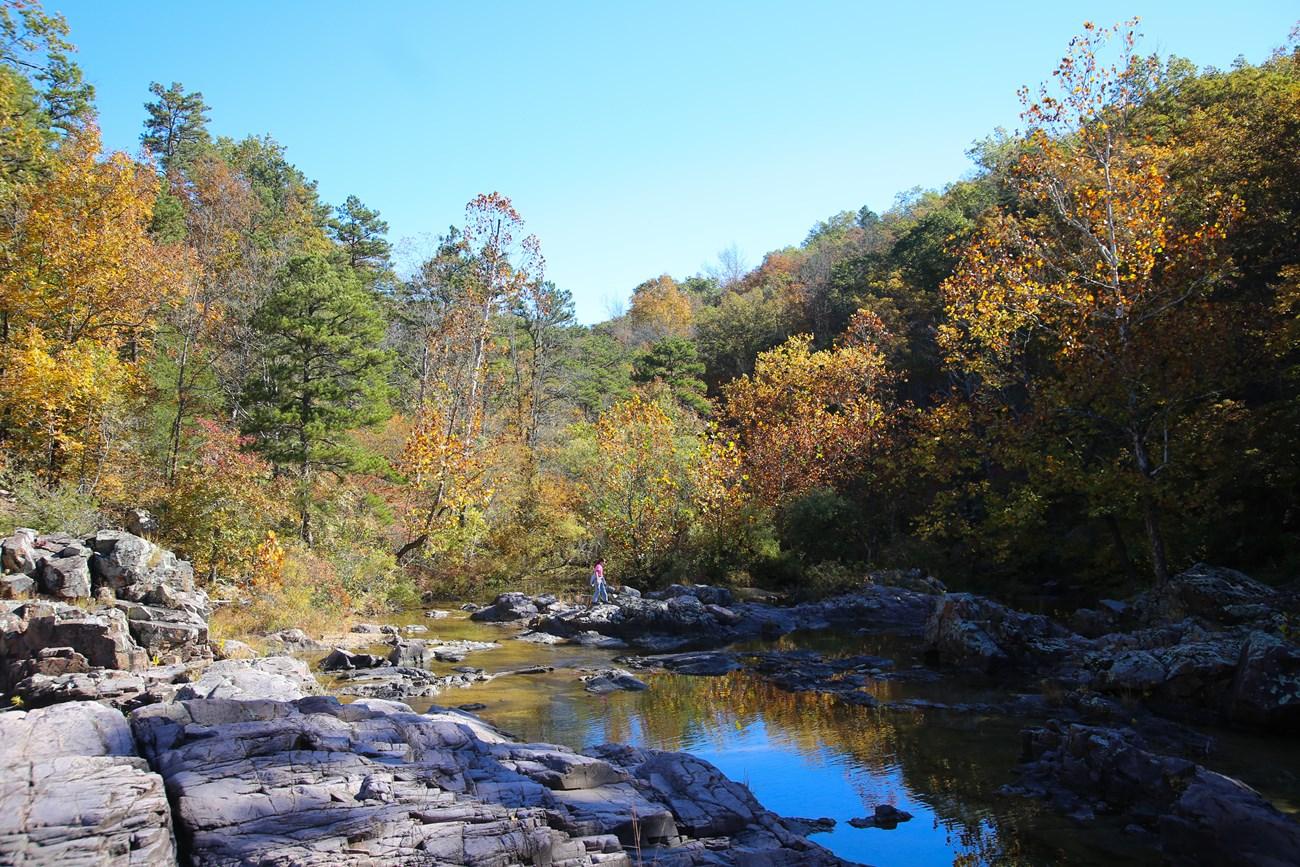
Swipe for more destinations
Best attractions in The Brandywine Valley
The Brandywine Valley’s attractions centre on the relationship between landscape, industry, art and the Du Pont family. Winterthur combines a major American decorative-arts collection with extensive gardens, woodland and meadow walks, while Hagley Museum and Library interprets the beginnings of the Du Pont company through powder mills, workers’ communities and riverside industrial archaeology. Nemours Estate offers formal gardens and a grand early twentieth-century house, and Mt Cuba Center focuses on native plants, horticulture and conservation. Brandywine Creek State Park provides a more open, recreational setting with trails, meadows, woodland and opportunities for birdwatching and fishing. In Wilmington, the Delaware Art Museum adds American art, illustration and regional cultural history to the itinerary. The valley also rewards quieter exploration of historic roads, farm landscapes and seasonal garden displays. Nearby Pennsylvania attractions, including Longwood Gardens and Brandywine Battlefield, are often combined with a Delaware visit but should be planned as separate cross-border destinations.
-
Park
New Castle Battery Park
Discover scenic waterfront views, historical landmarks, and recreational activities at New Castle Battery Park in historic New Castle, Delaware.
-
State park
Lums Pond State Park
Explore Delaware's largest freshwater pond with trails, water activities, ziplining, and camping at Lums Pond State Park in Bear.
-
Park
Brandywine Park
Discover natural beauty, historical landmarks, and outdoor activities in Wilmington's iconic Brandywine Park, a scenic urban retreat along the Brandywine River.
-
Art museum
Brandywine Museum of Art
Discover American art in a historic gristmill setting, featuring the iconic works of the Wyeth family and the beauty of the Brandywine Valley.
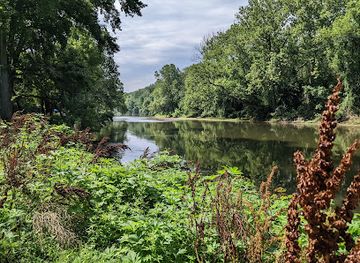
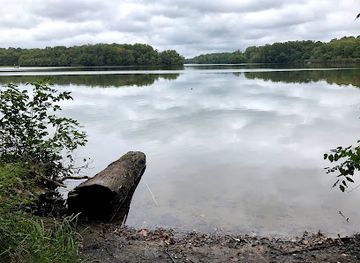
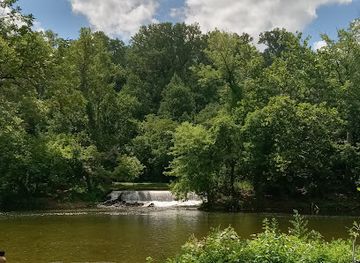

Best landmarks in The Brandywine Valley
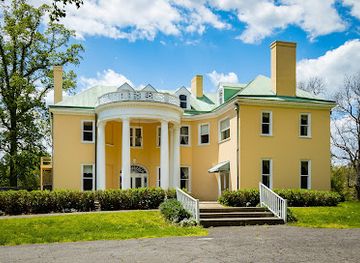
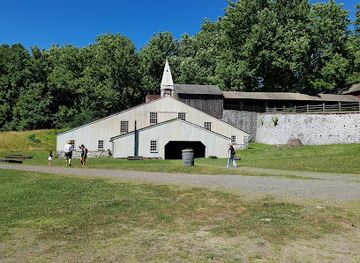
Winterthur’s broad estate, formal gardens and woodland setting form one of the valley’s most recognisable cultural landscapes, while the house reflects the collecting and architectural ambitions of Henry Francis du Pont. Hagley’s surviving powder mills and stone industrial buildings are physical reminders of the company that transformed the Brandywine into a centre of American chemical manufacturing. Nemours Estate is distinguished by its Beaux-Arts-inspired mansion, axial gardens, fountains and French-influenced landscape design. Brandywine Creek itself is the geographical landmark that gives the region its shape, with wooded banks and open meadows most accessible at Brandywine Creek State Park. The Delaware Art Museum’s campus provides a civic and artistic landmark in Wilmington, connecting the state’s urban centre with the broader Brandywine artistic tradition. Further north, Mt Cuba Center’s designed gardens and native plant collections express a modern conservation ethic. Longwood Gardens and the Brandywine Battlefield are prominent nearby landmarks in Pennsylvania, but they are not part of Delaware’s Brandywine Valley.
-
State park
Bellevue State Park
Discover Bellevue State Park, a picturesque oasis in Wilmington, Delaware, offering hiking, picnicking, and rich historical experiences amid stunning landscapes.
-
State park
Brandywine Creek State Park
Explore the enchanting landscapes of Brandywine Creek State Park, a premier destination for outdoor enthusiasts and nature lovers in Delaware.
-
Historic city center
Hopewell Furnace National Historic Site
Explore the rich industrial heritage of America at Hopewell Furnace National Historic Site, a historic landmark offering tours, scenic trails, and engaging exhibits.
-
State park
Wilmington State Parks
Discover the beauty and adventure of Wilmington State Parks in Delaware, featuring hiking trails, picnic spots, and a charming zoo.
Explore The Brandywine Valley on the map
Plan your trip on one map. See where the top cities, national parks and sights are, and book hotels and experiences in a few clicks.
Best hotels in The Brandywine Valley
Best restaurants in The Brandywine Valley
Dining in the Delaware Brandywine Valley ranges from polished restaurants and cafés in Greenville, Centreville, Hockessin and Wilmington to informal country stops and farm stands along the surrounding roads. The area does not have a single defining regional cuisine, but menus draw on the wider Mid-Atlantic tradition of seasonal produce, poultry, pork, breads, pastries and locally sourced vegetables. Seafood from the Delaware region appears regularly, although it is not exclusive to the valley. Visitors will find American cooking, contemporary dining, Italian and other international styles, as well as pubs and cafés suited to a day among the estates. Farmers’ markets and independent food shops are useful for picnic supplies, cheeses, baked goods and seasonal fruit. Wilmington offers the broadest choice and a more urban restaurant scene, while Greenville and the northern suburbs provide convenient dining between garden and museum visits. Reservations may be sensible for popular evening restaurants and special estate-related events.
-
Seafood
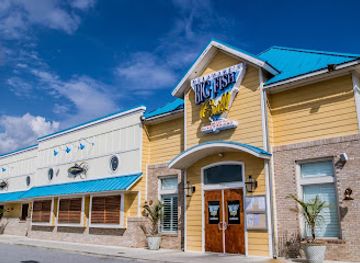
Big Fish Grill on the Riverfront
Experience fresh seafood delights by the river at Big Fish Grill in Wilmington - where flavor meets stunning views.
-
Grill
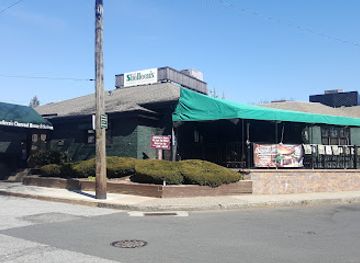
Kid Shelleen's - Trolley Square
Experience the best burgers and vibrant dining atmosphere at Kid Shelleen's in Wilmington's Trolley Square - where flavor meets family fun!
-
Diner
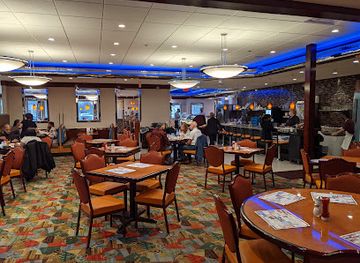
Brandywine Diner
Discover Brandywine Diner in Wilmington - where classic American comfort food meets warm hospitality.
-
Italian
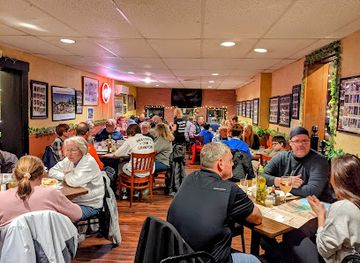
Mrs. Robino's Restaurant
Discover authentic Italian flavors in Wilmington at Mrs. Robino's Restaurant - where tradition meets taste.
Best bars in The Brandywine Valley
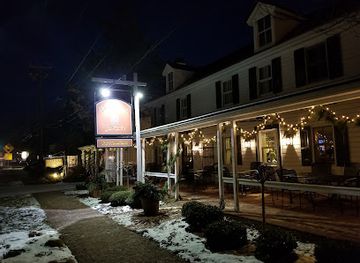
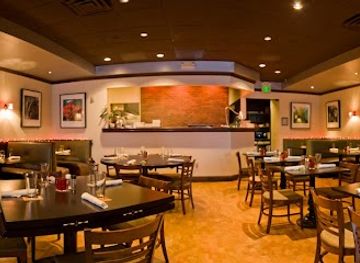
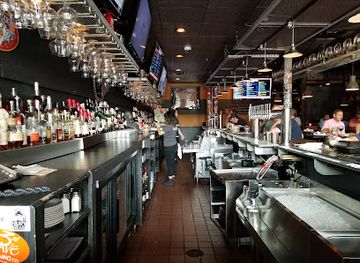
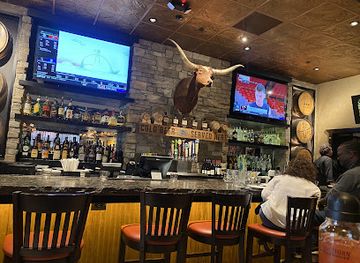
Evening life in the Delaware Brandywine Valley is restrained and dispersed rather than centred on a large club district. Greenville, Centreville, Hockessin and nearby Wilmington provide the principal choice of pubs, casual bars, restaurants, breweries and wine-focused venues, with the greatest concentration and variety in the city. Traditional pubs and neighbourhood restaurants are more characteristic than late-night dancing, and some rural areas become quiet once visitor attractions close. Trolley Square and other Wilmington districts can provide a livelier evening option, but they are urban neighbourhoods outside the valley’s most rural landscape. Live music, theatre and cultural programming may complement dinner, although schedules vary. Because driving is often necessary between the valley’s attractions, visitors should plan transport responsibly and avoid treating alcohol as central to the region’s cultural experience.
-
American
Buckley's Tavern
Discover Buckley's Tavern in Wilmington, DE - a perfect blend of American cuisine, vibrant atmosphere, and community spirit for an unforgettable dining experience.
-
Grill
Chelsea Tavern
Discover Chelsea Tavern, where modern American cuisine meets a vibrant gastropub atmosphere in Wilmington, DE.
-
Restaurant
Two Stones Pub Wilmington
Experience the best of Wilmington's gastropub scene at Two Stones Pub, where delicious food meets local craft beer in a vibrant atmosphere.
-
Bar
Tonic Seafood & Steak
Experience the best of seafood and steak at Tonic Seafood & Steak in Wilmington, where vibrant atmosphere meets culinary excellence.
Best nightclubs in The Brandywine Valley
Evening life in the Delaware Brandywine Valley is restrained and dispersed rather than centred on a large club district. Greenville, Centreville, Hockessin and nearby Wilmington provide the principal choice of pubs, casual bars, restaurants, breweries and wine-focused venues, with the greatest concentration and variety in the city. Traditional pubs and neighbourhood restaurants are more characteristic than late-night dancing, and some rural areas become quiet once visitor attractions close. Trolley Square and other Wilmington districts can provide a livelier evening option, but they are urban neighbourhoods outside the valley’s most rural landscape. Live music, theatre and cultural programming may complement dinner, although schedules vary. Because driving is often necessary between the valley’s attractions, visitors should plan transport responsibly and avoid treating alcohol as central to the region’s cultural experience.
-
Live Music
Bar XIII Delaware
Discover the vibrant nightlife at Bar XIII Delaware, featuring live music, karaoke, and a welcoming beer garden in Wilmington.
-
Bar
ICONZ Bar and Venue
Discover the lively ICONZ Bar and Venue in Wilmington, where great live music meets a vibrant nightlife experience, perfect for every visitor.
-
Gay night club
Crimson Moon
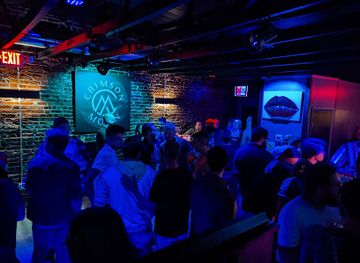
Dive into the lively nightlife at Crimson Moon, Wilmington's premier gay nightclub with unforgettable dance parties and themed events.
-
Adult entertainment club
Hak's Bar
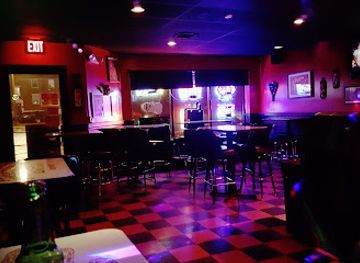
Discover the lively nightlife at Hak's Bar, a premier adult entertainment club and sports bar in Wilmington, DE, perfect for an unforgettable evening.

Best shops in The Brandywine Valley
Shopping in the Delaware Brandywine Valley is distributed among suburban centres, independent businesses, museum shops and seasonal markets rather than concentrated in one historic retail quarter. Greenville and Centreville offer convenient boutiques, galleries, cafés and speciality shops, while Hockessin has a practical mix of food retailers and local services. Museum shops at Winterthur, Hagley, Nemours and Mt Cuba are useful for books, garden products, decorative objects and historically informed gifts. Farm stands and independent food shops provide seasonal produce, baked goods, preserves and other provisions, although availability changes through the year. Wilmington has the region’s broadest urban retail selection, including galleries, books and distinctive local products. Visitors seeking major designer or luxury shopping will find larger centres outside the valley, whereas the local appeal lies in garden-related goods, American decorative-arts publications, regional food and crafts that reflect the landscape and heritage.
-
Shopping mall
Christiana Mall
Discover a shopping haven at Christiana Mall, where over 130 stores and dining experiences await in Newark, Delaware.
-
Shopping mall
Concord Mall
Explore Concord Mall in Wilmington, DE - A shopping haven with diverse stores, delightful dining, and entertainment options for the whole family.
-
Shopping mall
Brandywine Town Center
Explore the vibrant shopping and dining experience at Brandywine Town Center in Wilmington, Delaware, with a mix of popular retailers and unique eateries.
-
Grocery store
Sprouts Farmers Market
Experience the vibrant flavors of Wilmington at Sprouts Farmers Market, where fresh meets healthy in every aisle of this beloved grocery store.

Get your free copy of our complete guide to The Brandywine Valley, delivered straight to you.
Everything on this page, from attractions and restaurants to essentials and local phrases, in one PDF you can read offline, print or share.
Already have an account? Sign in
Your The Brandywine Valley guide is ready.
We'll send it to · Not you? Sign out

Getting your guide ready…
We are putting together a fresh copy of the The Brandywine Valley guide. This can take up to a minute.
This can take a few moments. If your browser asks, choose Allow so the download can start. You'll find the guide in your Downloads folder.
Nothing happened? Download it again
Sorry, the guide is taking longer than usual. Please try again in a minute, or get it by email instead.
The Brandywine Valley essentials
Currency and Payment
Safety
Emergency Situations
Do's and Don'ts
Local Tips
From Eve
Local phrases worth knowing
You don't need to get them perfect. A few words go a long way, and locals appreciate the effort.
Basics
| English | Local | Say it |
|---|---|---|
| Hello | Howdy | [HAO-dee] |
| Goodbye | See ya later | [SEE ya LAY-ter] |
| Yes | Yup | [YUP] |
| No | Nah | [NAH] |
| Please/You're welcome | Sure thing | [SHUR thing] |
| Thank you | Thanks a lot | [THANGKS a LOT] |
| Excuse me/Sorry | Pardon me | [PAR-don me] |
| How are you? | How ya doin'? | [HOW ya DO-in?] |
| Fine. And you? | Good, and you? | [GOOD, and you?] |
| Do you speak English? | Can ya talk English? | [CAN ya TALK ING-glish?] |
| I don't understand | I ain't followin' | [I AIN'T FOLLOW-in'] |
Eating & Drinking
| English | Local | Say it |
|---|---|---|
| I'd like to see the menu, please | Can I see the menu? | [CAN I SEE the MEN-you?] |
| I don't eat meat | I don't do meat | [I DON'T DO meat] |
| Cheers! | Cheers! | [CHEERS!] |
| I would like to pay, please | I'd like to settle up | [I'D LIKE to SET-tle UP] |
Emergencies
| English | Local | Say it |
|---|---|---|
| Help! | Help! | [HELP!] |
| Go away! | Get lost! | [GET LOST!] |
| Call the Police! | Call the cops! | [CALL the COPS!] |
| Call a doctor! | Get a doc! | [GET a DOC!] |
| I'm lost | I'm all turned around | [I'M ALL TURNED a-ROUND] |
| I'm ill | I'm not feelin' well | [I'M NOT FEEL-in' WELL] |
Shopping
| English | Local | Say it |
|---|---|---|
| I'd like to buy... | I wanna buy... | [I WAN-na BUY...] |
| I'm just looking | Just browsin' | [JUST BROW-sin'] |
| How much is it? | What’s the price? | [WHAT'S the PRICE?] |
| That's too expensive | That’s a bit pricey | [THAT'S a BIT PRICE-y] |
| Can you lower the price? | Can ya drop the price? | [CAN ya DROP the PRICE?] |
Time & Numbers
| English | Local | Say it |
|---|---|---|
| What time is it? | What's the time? | [WHAT'S the TIME?] |
| It's one o'clock | It's one | [IT'S ONE] |
| Half past (10) | Half past ten | [HALF PAST TEN] |
| Morning | Mornin' | [MORN-in'] |
| Afternoon | Afternoon | [AF-ter-NOON] |
| Evening | Evenin' | [EVEN-in'] |
| Yesterday | Yesterday | [YES-ter-day] |
| Today | Today | [TO-day] |
| Tomorrow | Tomorrow | [to-MOR-row] |
| 1 | One | [ONE] |
| 2 | Two | [TWO] |
| 3 | Three | [THREE] |
| 4 | Four | [FOUR] |
| 5 | Five | [FIVE] |
| 6 | Six | [SIX] |
| 7 | Seven | [SEV-en] |
| 8 | Eight | [EIGHT] |
| 9 | Nine | [NINE] |
| 10 | Ten | [TEN] |
Transport & Directions
| English | Local | Say it |
|---|---|---|
| Where's a/the...? | Where's the...? | [WHERE'S the...?] |
| What's the address? | What's the address? | [WHAT'S the AD-dress?] |
| Can you show me (on the map)? | Can ya point it out? | [CAN ya POINT it OUT?] |
| When's the next (bus)? | When's the next bus? | [WHEN'S the NEXT bus?] |
| A ticket (to ....) | A ticket to... | [A TICKET to...] |
History of The Brandywine Valley
Indigenous Brandywine Valley
Before European colonisation, the Brandywine watershed was inhabited and used by Lenape communities, whose seasonal movement, farming, hunting and knowledge of the river shaped the landscape. The creek was an important natural corridor between the interior and the Delaware River. European settlement later displaced and disrupted Lenape life through land purchases, warfare, disease and colonial expansion. Although little of the earlier settlement pattern remains visibly intact, the valley’s history begins with Indigenous stewardship rather than with the estates and industries that dominate its modern heritage interpretation.
Colonial Settlement and Milling
English, Swedish and other European settlers established farms and mills along the Brandywine during the seventeenth and eighteenth centuries. The creek’s reliable waterpower supported gristmills, sawmills and other small industries, while fertile ground encouraged agriculture. Roads and bridges linked the valley with Wilmington and the wider Delaware River trade. Surviving mills, farmsteads and older settlement patterns help explain why the valley developed as both a working agricultural district and an attractive rural retreat.
The Battle of Brandywine, 1777
During the American Revolutionary War, British and American forces fought the Battle of Brandywine on 11 September 1777. The principal battlefield lies in neighbouring Pennsylvania, not Delaware, but the engagement affected the wider Brandywine corridor and opened the way for the British occupation of Philadelphia. The battle remains important to the region’s historical identity, although visitors should distinguish the Pennsylvania battlefield site from Delaware’s museums, estates and preserved landscapes farther down the creek.
The Du Pont Powder Works
In 1802, Éleuthère Irénée du Pont established a black-powder works on the Brandywine, taking advantage of the creek’s waterpower and the valley’s relative isolation from Wilmington. The enterprise became the foundation of the Du Pont company and, over time, a major American chemical business. Hagley Museum and Library preserves the original industrial landscape, including mills, workers’ housing, offices and the du Pont family’s early residence. The development transformed the valley while leaving a distinctive industrial and architectural legacy.
Du Pont Country Estates and Gardens
As the Du Pont family expanded its wealth during the nineteenth and twentieth centuries, members created substantial country estates along the Brandywine. Winterthur, Nemours and other properties combined farming, collecting, architecture and landscape design. These estates were not isolated ornaments: they employed local workers, influenced land ownership and introduced major collections and gardens to the region. Later bequests and foundations converted several properties into museums or public gardens, making private family history a central part of Delaware’s visitor economy.
The Brandywine Artistic Tradition
The valley became associated with American landscape painting through artists who depicted its wooded hills, farms and streams. N. C. Wyeth established a studio in Chadds Ford, Pennsylvania, and the work of his family and artistic circle gave the broader Brandywine region lasting cultural recognition. The best-known Wyeth sites are across the state line, but Delaware institutions such as the Delaware Art Museum and the valley’s preserved landscapes help visitors understand the artistic connections between nature, rural life and regional identity.
Conservation and Public Heritage
During the twentieth century, preservation organisations, museums and private foundations increasingly protected the valley from unplanned suburban development. Brandywine Creek State Park, Mt Cuba Center, Winterthur and Hagley each represent different approaches to conservation, from public recreation and native-plant research to historic preservation and landscape stewardship. The result is a region where industrial history, decorative arts, horticulture and open countryside remain closely connected, even as northern Delaware has grown around Wilmington.
The Brandywine Valley in Photos
Browse through our photo collection highlighting the charm and character of the destination.
Neighbouring regions of The Brandywine Valley
The closest regions to The Brandywine Valley, if you have time for more than one.
-

-

-

-

-


Swipe for more regions
Explore more
Explore more of Delaware
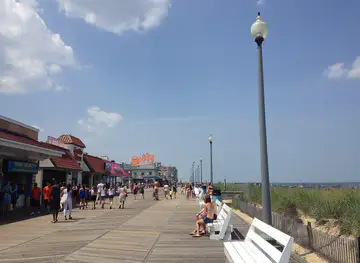
Discover Delaware: From historic sites and serene beaches to culinary delights and scenic parks, this small state offers big experiences for every traveler.
Explore Delaware