

Free The Wilmington Metropolitan Area Travel Guide & Mobile App
Explore The Wilmington Metropolitan Area with free travel guides. Discover regional history, expert tips, proposed trips, and audio guides on web or mobile app.


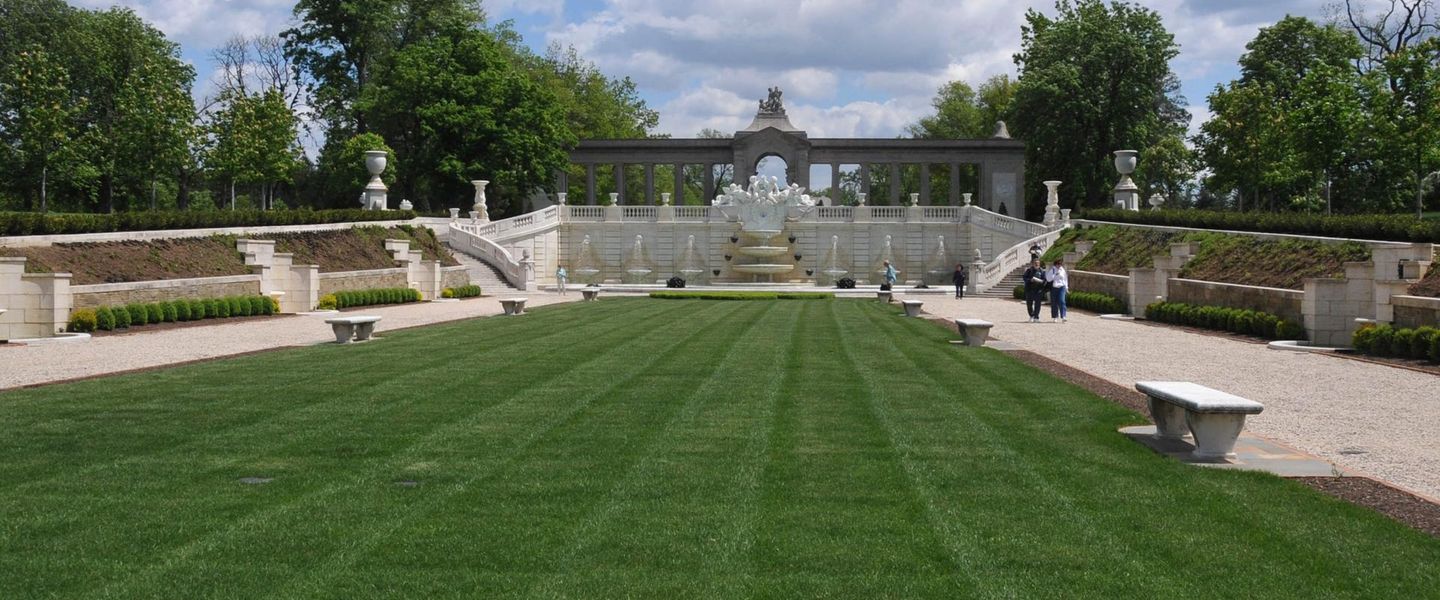


Explore the Wilmington Metropolitan Area for riverfront culture, Du Pont estates, historic New Castle, museums and Brandywine Valley countryside.
Read more about The Wilmington Metropolitan Area
Getting to and around The Wilmington Metropolitan Area
How to get there
Transportation
Top city travel guides in The Wilmington Metropolitan Area
The cities of The Wilmington Metropolitan Area, and the easiest places to base yourself.
-
-

-

-


Swipe for more cities
Destinations in The Wilmington Metropolitan Area
Resorts, valleys and scenic spots worth a trip of their own.
-
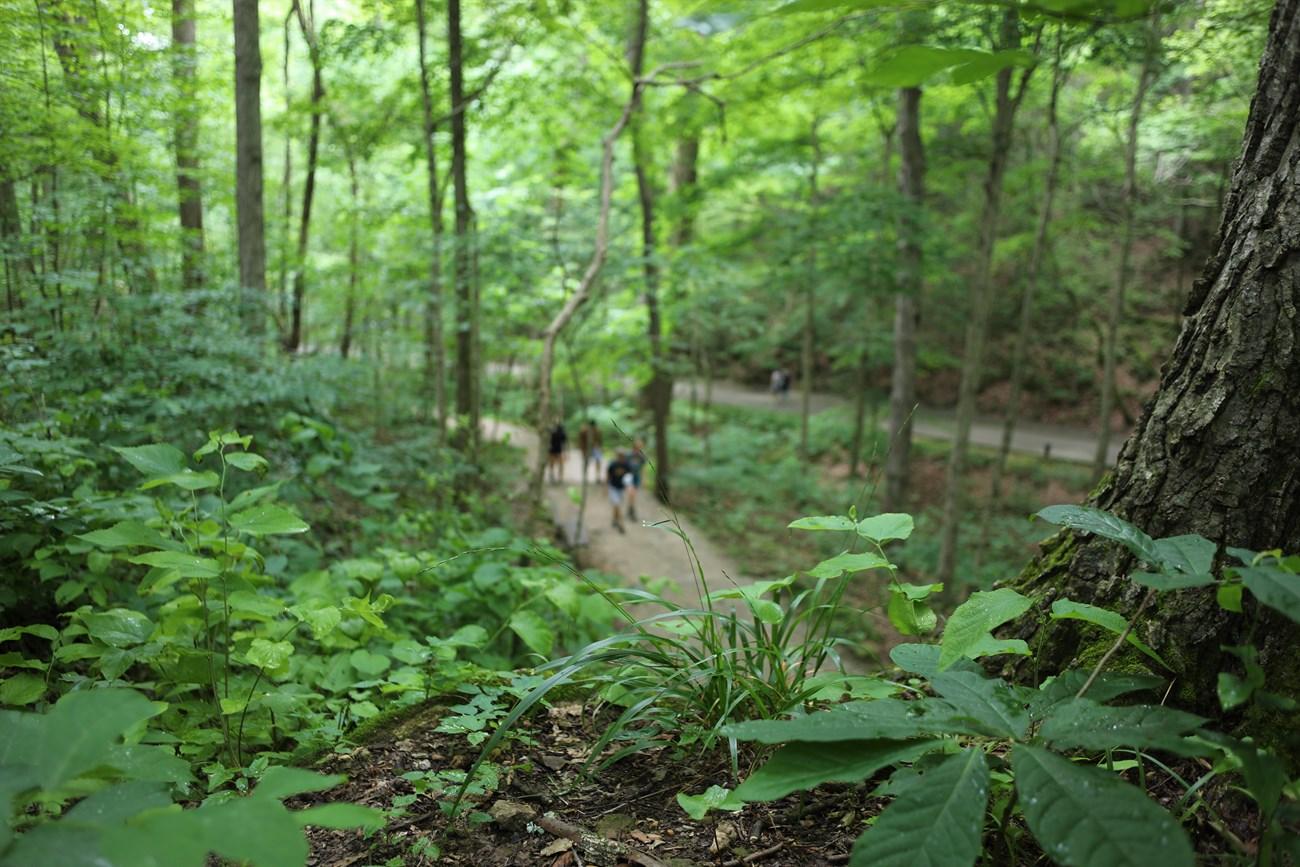 Lums Pond State Park
 in Delaware offers woodland trails, freshwater boating, fishing, camping and treetop adventures near Bear and Newark.
-

-

-
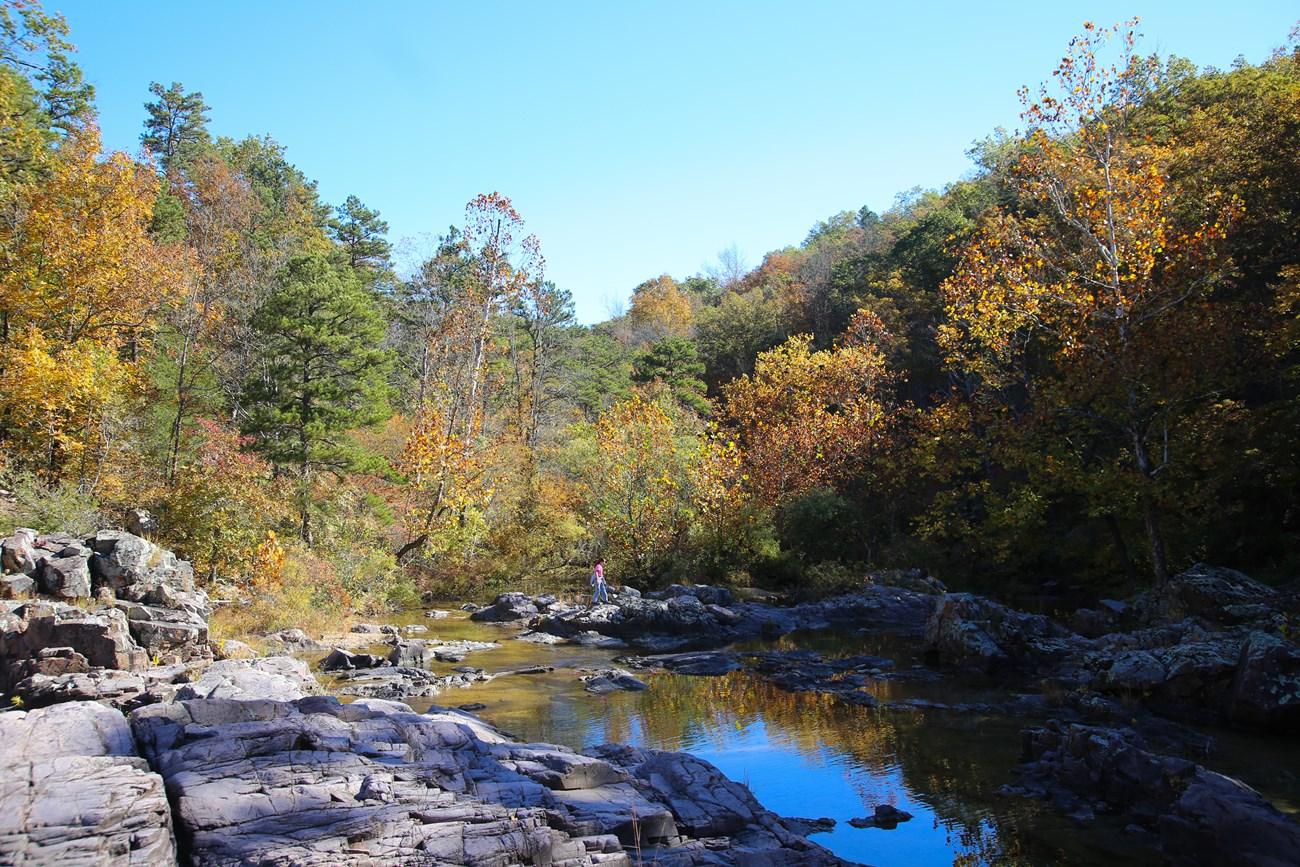 Brandywine Creek State Park
Explore Brandywine Creek State Park in Delaware—where natural beauty meets rich history, offering hiking trails, wildlife, and recreational activities for all ages.
-

-


Swipe for more destinations
Best attractions in The Wilmington Metropolitan Area
The Wilmington Metropolitan Area offers a varied group of attractions within a relatively compact part of northern Delaware. Wilmington's riverfront combines walking paths, open spaces, cultural venues and restaurants with views towards the Christina River, while the Delaware Art Museum and the Delaware Contemporary provide different perspectives on American and contemporary art. The Brandywine Valley is known for estate museums and gardens: Winterthur presents American decorative arts and extensive designed landscapes, Hagley interprets the Du Pont powder works and industrial history, and Nemours preserves a formal estate with French-inspired architecture and gardens. Their collections and settings are related but not interchangeable. Brandywine Creek State Park adds meadows, woodland and trails, and is one of the area's main places for landscape-focused recreation. Historic New Castle provides colonial and early American architecture, museums and riverfront streets, while Rockwood Park and Museum offers a contrasting nineteenth-century country estate near Wilmington. Families may also find interest in the Delaware Museum of Nature and Science, and visitors seeking quieter scenery can explore local trails, wetlands and preserved open spaces across New Castle County.
-
State park
Cape Henlopen State Park
Discover pristine beaches, historical landmarks, and outdoor adventures at Delaware's Cape Henlopen State Park, a coastal treasure.
-
Casino
Rivers Casino Philadelphia
Experience thrilling games, diverse dining, and live entertainment at Philadelphia's premier waterfront casino destination.
-
Shopping mall
The Shops at Liberty Place
Experience the vibrant shopping and dining at The Shops at Liberty Place, Philadelphia's premier shopping destination in the heart of the city.
-
Park
New Castle Battery Park
Discover scenic waterfront views, historical landmarks, and recreational activities at New Castle Battery Park on the Delaware River.


Best landmarks in The Wilmington Metropolitan Area
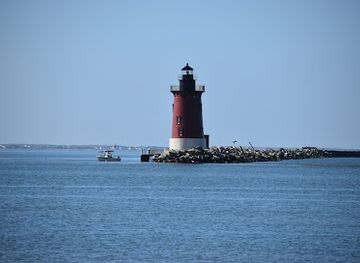
The Christina River waterfront and the historic core of Wilmington are defining urban landmarks, linking the city's commercial past with its contemporary public spaces. In historic New Castle, the courthouse area, colonial houses, churches and established street plan preserve the importance of the former river port and political centre. The Brandywine Valley's most recognisable landmarks are the former Du Pont properties: Winterthur's country-house setting and gardens, Hagley's surviving powder-mill buildings and raceways, and Nemours' formal architecture each express a different aspect of the region's industrial and social history. Brandywine Creek and its wooded ravines provide a natural landmark system rather than one single monument, with park landscapes that shaped the location of mills, estates and roads. Wilmington's Grand Opera House is a prominent nineteenth-century cultural building, while the Delaware Memorial Bridge, south of the city over the Delaware River, is a major regional structure rather than a historic monument within Wilmington itself. These sites together show how river transport, manufacturing, wealth, civic culture and designed landscapes have shaped the metropolitan area.
-
State park
White Clay Creek State Park
Experience the serene beauty and recreational activities at White Clay Creek State Park, a perfect getaway for nature lovers and adventure seekers.
-
Haunted house
Frightland
Explore Frightland in Delaware for an unforgettable mix of thrills and chills, blending haunted attractions with amusement park excitement.
-
Museum
Nemours Estate
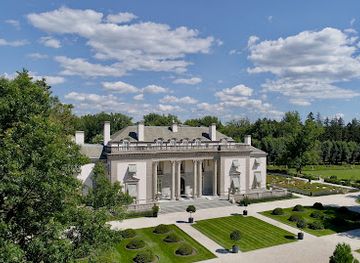
Explore the grandeur of the Nemours Estate, a stunning mansion and garden in Wilmington, Delaware, that showcases early 20th-century architecture and beauty.
-
Amusement center
Sky Zone Trampoline Park
Experience the thrill of bouncing at Sky Zone Trampoline Park in Newark, Delaware - a fun-filled amusement center for all ages.



Explore The Wilmington Metropolitan Area on the map
Plan your trip on one map. See where the top cities, national parks and sights are, and book hotels and experiences in a few clicks.
Best hotels in The Wilmington Metropolitan Area
Best restaurants in The Wilmington Metropolitan Area
Dining in the Wilmington Metropolitan Area reflects its position in the Mid-Atlantic and its links to Philadelphia, the coast and a diverse urban population. Wilmington and its riverfront offer contemporary American cooking, seafood, international cuisines, cafés, bakeries and restaurants in converted commercial or industrial spaces. Italian-American traditions remain visible in neighbourhood dining, while barbecue, sandwiches and casual family restaurants form part of the wider local food culture. Seafood is widely available, but it is more accurate to view the area as part of the broader Delaware Valley food region than to assign every dish a specifically Wilmington origin. Around the Brandywine Valley and New Castle, country inns, cafés and restaurants serve visitors exploring estates and gardens. Farmers' markets and specialist food shops are useful places to find seasonal produce, baked goods and locally made products. Delaware-produced beer and spirits may appear on regional menus, alongside wines and drinks from the wider Mid-Atlantic.
-
Seafood
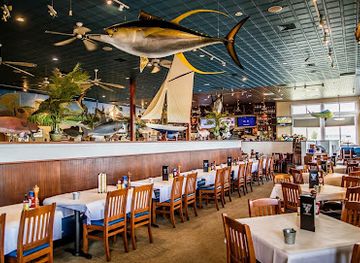
Big Fish Grill on the Riverfront
Experience Wilmington's vibrant culinary scene at Big Fish Grill on the Riverfront – where fresh seafood meets stunning riverside views.
-
Ramen
Ramen Kumamoto
Discover authentic Japanese ramen at Ramen Kumamoto in Newark - where every bowl tells a story of flavor and tradition.
-
Grill
Kid Shelleen's - Trolley Square
Experience delicious burgers and lively ambiance at Kid Shelleen's - Trolley Square, Wilmington's favorite grill and bar destination.
-
Italian
Mrs. Robino's Restaurant
Experience authentic Italian dining at Mrs. Robino's Restaurant in Wilmington, Delaware - where every meal is a celebration of flavor and tradition.

Best bars in The Wilmington Metropolitan Area
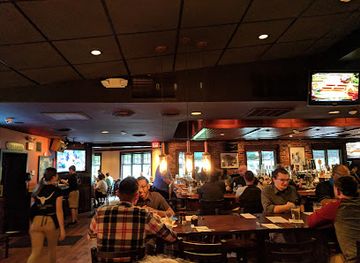
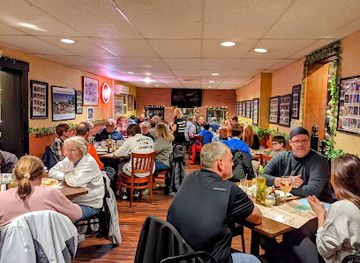
Evening life is concentrated in Wilmington, particularly around the downtown and riverfront areas, where restaurants, traditional pubs, breweries, cocktail bars and occasional live-music venues provide the main choices. The city has a more substantial bar scene than the surrounding suburban and rural districts, but the region is not known for a large, continuous nightclub strip. Historic taverns and neighbourhood bars offer a slower evening atmosphere, while cultural venues may add theatre, concerts and other programmed events. Outside Wilmington, evenings generally centre on restaurants, brewpubs and local bars rather than late-night clubs, with the selection becoming more limited in the Brandywine Valley and around historic New Castle. Check current event listings and transport arrangements, especially if travelling between dispersed communities, and do not rely on walking routes between suburban venues.
-
New American
MadMacs
Savor creative New American dishes in a lively setting at MadMacs, a must-visit dining gem in Newark, Delaware.
-
American
Deer Park Tavern
Discover Deer Park Tavern: A Historic American Bar & Grill in Newark, DE, Perfect for Brunch, Sports, and Good Times.
-
American
Timothy's Riverfront Grill
Experience the best of American cuisine and vibrant bar culture at Timothy's Riverfront Grill, Wilmington's premier riverside dining spot.
-
Gastropub
Grain Craft Bar + Kitchen
Experience a delightful blend of craft beer and gourmet comfort food at Grain Craft Bar + Kitchen in Newark, Delaware's vibrant dining scene.



Best nightclubs in The Wilmington Metropolitan Area
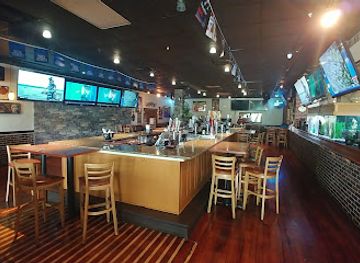
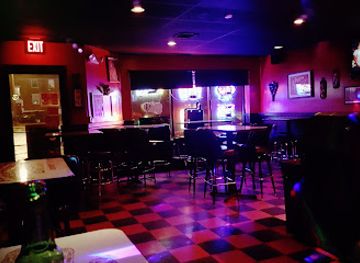
Evening life is concentrated in Wilmington, particularly around the downtown and riverfront areas, where restaurants, traditional pubs, breweries, cocktail bars and occasional live-music venues provide the main choices. The city has a more substantial bar scene than the surrounding suburban and rural districts, but the region is not known for a large, continuous nightclub strip. Historic taverns and neighbourhood bars offer a slower evening atmosphere, while cultural venues may add theatre, concerts and other programmed events. Outside Wilmington, evenings generally centre on restaurants, brewpubs and local bars rather than late-night clubs, with the selection becoming more limited in the Brandywine Valley and around historic New Castle. Check current event listings and transport arrangements, especially if travelling between dispersed communities, and do not rely on walking routes between suburban venues.
-
American
Deer Park Tavern
Discover the vibrant atmosphere and delicious American cuisine at Deer Park Tavern in Newark, DE, a perfect spot for food lovers and sports fans alike.
-
Bar
ICONZ Bar and Venue
Discover the lively ambiance of ICONZ Bar and Venue in Wilmington, where live music meets affordable drinks for an unforgettable night.
-
Bar
The Nomad Bar
Discover the vibrant atmosphere of The Nomad Bar in Wilmington, where live jazz, handcrafted cocktails, and a diverse crowd come together for unforgettable nights.
-
Bar
Halftime Sports and Music
Experience the vibrant nightlife at Halftime Sports and Music in Newark, Delaware—where sports, music, and great company come together.



Best shops in The Wilmington Metropolitan Area
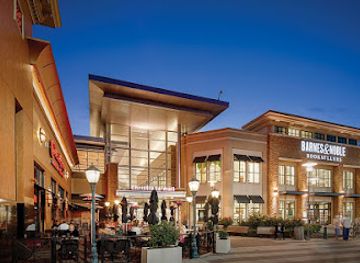
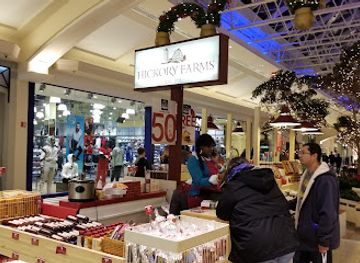
Shopping varies sharply between Wilmington's central districts, suburban commercial areas and the smaller historic communities of New Castle County. Downtown Wilmington has independent retailers, galleries, cafés and specialist services, while Trolley Square and nearby neighbourhoods provide a more local mix of shops and dining. Visitors exploring the Brandywine Valley can look for antiques, books, art, garden-related goods and craft products, although retail is dispersed rather than concentrated in one large shopping quarter. Historic New Castle has small independent shops and galleries in an architectural setting suited to browsing on foot. Farmers' markets and farm shops are the best places to seek seasonal produce, baked goods and locally made food, with availability varying by day and season. Delaware's absence of state sales tax is relevant to general retail purchases, but it should not be treated as a guarantee of the lowest price. For extensive department-store or outlet shopping, visitors may need to travel beyond the metropolitan area into neighbouring Pennsylvania or New Jersey.
-
Shopping mall
Christiana Mall
Explore the ultimate shopping experience at Christiana Mall, featuring top brands, diverse dining options, and family-friendly amenities.
-
Sporting goods store
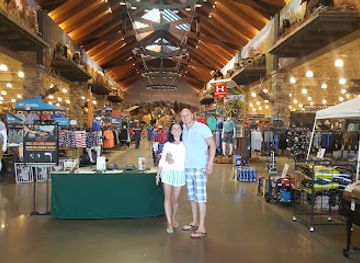
Cabela's
Discover a world of outdoor adventure and quality gear at Cabela's in Newark, Delaware, your one-stop-shop for all things sporting.
-
Shopping mall
Concord Mall
Discover Concord Mall: Wilmington's premier shopping destination with diverse stores, dining options, and family-friendly entertainment.
-
Shopping mall
Brandywine Town Center
Discover Brandywine Town Center, a vibrant shopping mall in Wilmington, DE, offering diverse stores, delicious dining, and entertainment for everyone.

Get your free copy of our complete guide to The Wilmington Metropolitan Area, delivered straight to you.
Everything on this page, from attractions and restaurants to essentials and local phrases, in one PDF you can read offline, print or share.
Already have an account? Sign in
Your The Wilmington Metropolitan Area guide is ready.
We'll send it to · Not you? Sign out

Getting your guide ready…
We are putting together a fresh copy of the The Wilmington Metropolitan Area guide. This can take up to a minute.
This can take a few moments. If your browser asks, choose Allow so the download can start. You'll find the guide in your Downloads folder.
Nothing happened? Download it again
Sorry, the guide is taking longer than usual. Please try again in a minute, or get it by email instead.
The Wilmington Metropolitan Area essentials
Currency and Payment
Safety
Emergency Situations
Do's and Don'ts
Local Tips
From Eve
Local phrases worth knowing
You don't need to get them perfect. A few words go a long way, and locals appreciate the effort.
Basics
| English | Local | Say it |
|---|---|---|
| Hello | Hey | [heɪ] |
| Goodbye | See ya | [si jə] |
| Yes | Yeah | [jɛ] |
| No | Nope | [noʊp] |
| Please/You're welcome | Sure thing | [ʃʊr θɪŋ] |
| Thank you | Thanks | [θæŋks] |
| Excuse me/Sorry | Sorry about that | [ˈsɔri əˈbaʊt ðæt] |
| How are you? | How ya doin'? | [haʊ jə ˈduɪn] |
| Fine. And you? | Good. You? | [gʊd ju] |
| Do you speak English? | You speakin' English? | [ju ˈspikɪn ˈɪŋɡlɪʃ] |
| I don't understand | I don’t get it | [aɪ doʊnt ɡɛt ɪt] |
Eating & Drinking
| English | Local | Say it |
|---|---|---|
| I'd like to see the menu, please | Can I see the menu? | [kæn aɪ si ðə ˈmɛnju] |
| I don't eat meat | I don't do meat | [aɪ doʊnt du mit] |
| Cheers! | Cheers! | [ʧɪrz] |
| I would like to pay, please | Can I get the check? | [kæn aɪ ɡɛt ðə ʧɛk] |
Emergencies
| English | Local | Say it |
|---|---|---|
| Help! | Help! | [hɛlp] |
| Go away! | Get lost! | [ɡɛt lɔst] |
| Call the Police! | Call the cops! | [kɔl ðə kɑps] |
| Call a doctor! | Get a doctor! | [ɡɛt ə ˈdɑktə] |
| I'm lost | I’m lost | [aɪm lɔst] |
| I'm ill | I’m not feelin' well | [aɪm nɑt ˈfilɪn wɛl] |
Shopping
| English | Local | Say it |
|---|---|---|
| I'd like to buy... | I wanna buy... | [aɪ ˈwɑnə baɪ] |
| I'm just looking | Just browsing | [dʒʌst ˈbraʊzɪŋ] |
| How much is it? | What’s the price? | [wʌt ðə praɪs] |
| That's too expensive | That’s pricey | [ðæts ˈpraɪsi] |
| Can you lower the price? | Can you bring it down? | [kæn ju brɪŋ ɪt daʊn] |
Time & Numbers
| English | Local | Say it |
|---|---|---|
| What time is it? | What time is it? | [wʌt taɪm ɪt] |
| It's one o'clock | It’s one o’clock | [ɪts wʌn əˈklɒk] |
| Half past (10) | Half past ten | [hæf pæst tɛn] |
| Morning | Morning | [ˈmɔrnɪŋ] |
| Afternoon | Afternoon | [ˌæftərˈnun] |
| Evening | Evening | [ˈivnɪŋ] |
| Yesterday | Yesterday | [ˈjɛstərdeɪ] |
| Today | Today | [təˈdeɪ] |
| Tomorrow | Tomorrow | [təˈmɔroʊ] |
| 1 | One | [wʌn] |
| 2 | Two | [tu] |
| 3 | Three | [θri] |
| 4 | Four | [fɔr] |
| 5 | Five | [faɪv] |
| 6 | Six | [sɪks] |
| 7 | Seven | [ˈsɛvən] |
| 8 | Eight | [eɪt] |
| 9 | Nine | [naɪn] |
| 10 | Ten | [tɛn] |
Transport & Directions
| English | Local | Say it |
|---|---|---|
| Where's a/the...? | Where's the ...? | [wɛrz ðə ...?] |
| What's the address? | What’s the address? | [wʌts ðə əˈdrɛs] |
| Can you show me (on the map)? | Can you point it out? | [kæn ju pɔɪnt ɪt aʊt] |
| When's the next (bus)? | When’s the next bus? | [wɛnʌs ðə nɛkst bʌs] |
| A ticket (to ....) | A ticket to ... | [ə ˈtɪkɪt tə ...] |
History of The Wilmington Metropolitan Area
Lenape Homeland and Early European Settlement
Before European colonisation, the lower Delaware Valley was inhabited by Lenape communities whose lives were connected to the region's rivers, forests and productive tidal lands. Swedish settlers established Fort Christina in 1638 at the site of present-day Wilmington, beginning a European colonial presence that was later contested by the Dutch and English. The Christina River became an enduring reference point for the settlement's geography and commercial development. Although much of the visible built heritage dates from later periods, the region's history begins with Indigenous landscapes and the seventeenth-century struggle among European powers for control of the Delaware Valley.
Colonial New Castle and Delaware's Early Political History
New Castle developed as a significant colonial river port and administrative centre. Its position on the Delaware River connected the settlement with Philadelphia and Atlantic trade, while its courthouse and surrounding streets became important to the governance of the Lower Counties. Delaware's three counties retained close political ties to Pennsylvania before separating politically in the eighteenth century. The surviving houses, churches, green spaces and street plan of historic New Castle reflect the prosperity and social organisation of the colonial and early national periods.
Industrialisation Along the Brandywine
The Brandywine's reliable flow supported mills and manufacturing well before modern industry. In the early nineteenth century, the Du Pont family established a black-powder works along the river, creating a large industrial complex that remained important for generations. The works supplied mining, construction and military markets, while the surrounding company community influenced housing, education and landscape management. Today, Hagley Museum and Library preserves buildings, machinery, raceways and industrial landscapes that explain how water power, scientific knowledge and business organisation transformed the Brandywine Valley.
The Du Pont Estates and the Making of a Cultural Landscape
As the Du Pont family's enterprises expanded, later generations built or acquired substantial estates around Wilmington. Winterthur, Nemours and other properties brought together architecture, horticulture, landscape design and collecting on an exceptional scale. Their owners also supported schools, hospitals, museums and civic institutions, helping shape the region's cultural infrastructure. This legacy is complex, combining industrial wealth and elite landholding with philanthropy and preservation. The estates now provide visitors with different perspectives on American decorative arts, French-influenced architecture, garden design and the social history of the Brandywine Valley.
Wilmington's Manufacturing, Railways and Maritime Economy
Wilmington grew through shipbuilding, metalworking, leather production, rail transport and commerce linked to the Christina and Delaware rivers. Railways connected the city with Philadelphia, Baltimore and the wider eastern United States, strengthening its role as a transport and manufacturing centre. Riverfront industry shaped employment and the city's physical form, even as some traditional activities declined during the twentieth century. The modern riverfront reflects a continuing effort to reuse former industrial land for parks, housing, offices, cultural venues and public access while retaining links to the area's working waterfront.
Civil Rights, Migration and Modern Wilmington
During the twentieth century, Wilmington was shaped by African American migration from the South, industrial employment, organised labour and the national civil-rights movement. The city became a significant centre of Black political, religious and cultural life, while patterns of segregation and unequal access to housing and education left a lasting urban legacy. Tensions following the assassination of Martin Luther King Jr. led to the deployment of National Guard troops in Wilmington for an unusually long period. Contemporary museums, neighbourhood institutions and civic discussions continue to reflect these histories alongside the metropolitan area's economic and cultural changes.
The Wilmington Metropolitan Area in Photos
Browse through our photo collection highlighting the charm and character of the destination.
Neighbouring regions of The Wilmington Metropolitan Area
The closest regions to The Wilmington Metropolitan Area, if you have time for more than one.
-

-

-

-

-


Swipe for more regions
Explore more
Explore more of Delaware
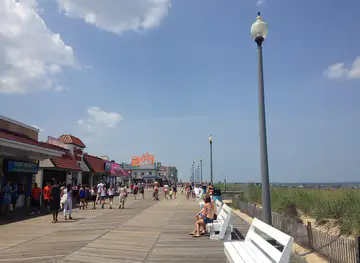
Discover Delaware: From historic sites and serene beaches to culinary delights and scenic parks, this small state offers big experiences for every traveler.
Explore Delaware