

Lums Pond State Park Travel Guide - Free Web & App
Your ultimate guide to Lums Pond State Park. Discover top landmarks, proposed trips, and local tips. Free on the web or via the Evendo companion app.


Lums Pond State Park in Delaware offers woodland trails, freshwater boating, fishing, camping and treetop adventures near Bear and Newark.
Woodland and Water
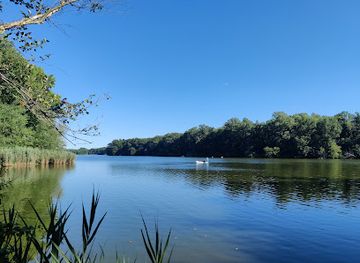
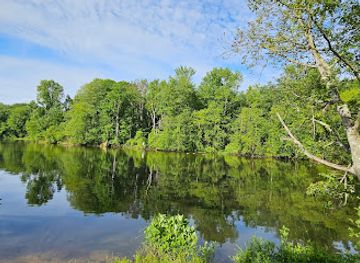
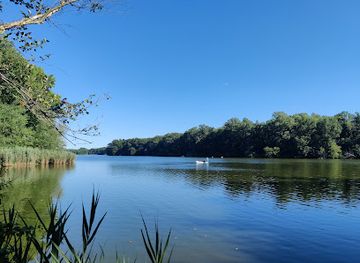
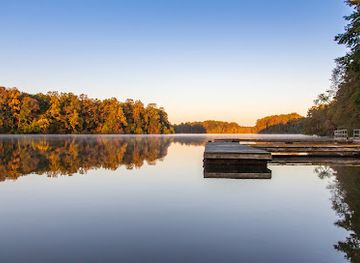
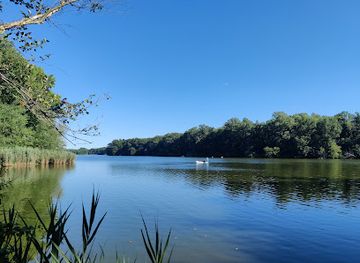
Lums Pond State Park occupies more than 1,700 acres in northern Delaware, between Bear and Glasgow, with the broad, quiet waters of Lums Pond at its centre. The pond is Delaware’s largest freshwater pond, and its shoreline gives the park a distinctive character: wooded trails, open grassland, wetlands and small coves unfold around a landscape shaped by water and long-established land use. Although close to the communities and transport corridors of New Castle County, the park can feel remarkably removed from urban life once visitors are among the trees.Read more about Lums Pond State Park
Outdoor Recreation
Natural and Local Character
When is the best time to visit Lums Pond State Park?
Best: May–June, September · 22–27°C| Month | High (°C) | Rainfall (mm) |
|---|---|---|
| January | 3 | 80 |
| February | 4 | 70 |
| March | 9 | 80 |
| April | 16 | 80 |
| May (best) | 22 | 90 |
| June (best) | 27 | 100 |
| July | 29 | 100 |
| August | 29 | 100 |
| September (best) | 24 | 90 |
| October | 17 | 80 |
| November | 12 | 80 |
| December | 6 | 80 |
Getting to and around Lums Pond State Park
How to get there
Transportation
Best attractions in Lums Pond State Park
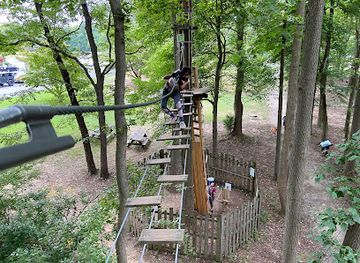
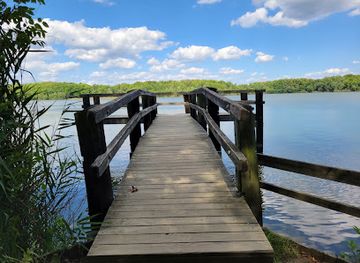
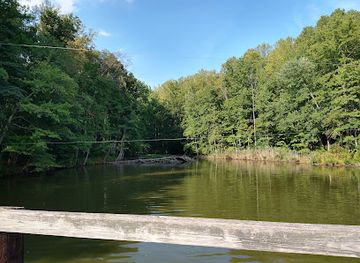
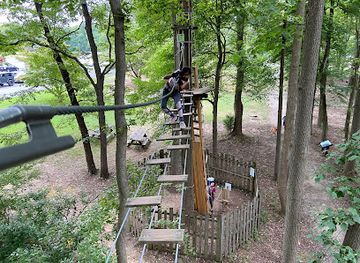
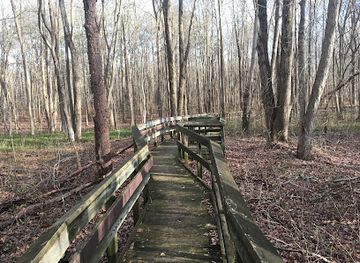
The principal attraction is Lums Pond itself, a broad freshwater lake surrounded by forest, wetland edges and open recreational areas. Visitors can explore the shoreline by walking routes, including trails through the park’s wooded interior, with the exact experience changing between leafy summer growth, autumn colour and the more open textures of winter. Fishing and seasonal boating provide access to the water, subject to Delaware regulations and current park arrangements. The Swamp Forest Trail is among the park’s recognised hiking routes, while other signed paths offer shorter ways to experience the surrounding landscape. Families and active visitors may also seek out the Go Ape treetop adventure course, an elevated ropes and zip-line attraction operating within the park under its own requirements. Camping, picnic areas and nature-oriented recreation add to the park’s appeal, while nearby Bear, Glasgow and Newark provide dining, shopping and cultural attractions outside the state-park boundary.
-
Adventure sports center
Go Ape Zipline and Adventure Park
Experience thrilling ziplines and treetop adventures at Go Ape in Lums Pond State Park, Bear, Delaware. Fun for all ages!
-
Campground
Lums Pond State Park Campground Entrance.
Experience Delaware's great outdoors at Lums Pond State Park Campground: camping, hiking, boating, and ziplining adventures await!
-
Dog park
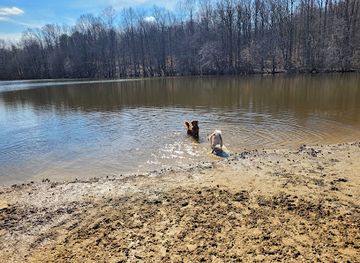
Lums Pond Dog Park
Unleash your furry friend at Lums Pond Dog Park, where open space and a refreshing pond create the perfect playground for pups in Bear, Delaware.
-
Lums Pond Area 4
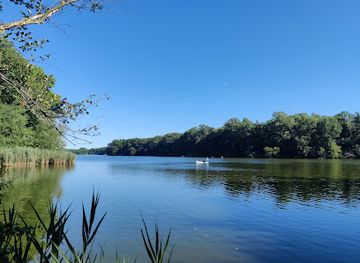
Explore Delaware's largest freshwater pond: hiking, ziplining, camping, and water adventures await at Lums Pond State Park!
Best landmarks in Lums Pond State Park
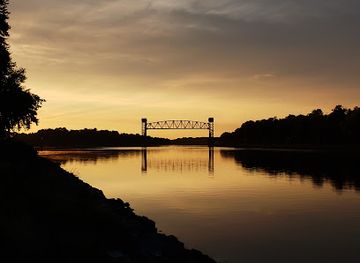
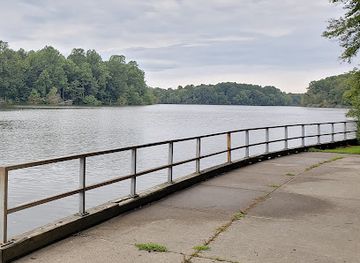
Lums Pond is the park’s defining natural landmark and one of Delaware’s most substantial inland freshwater bodies, its broad surface contrasting with the surrounding lowland woodland and wet habitats. The shoreline, coves and inlet areas reveal how water has shaped the park’s scenery and recreational identity. The surrounding swamp forest is another important landscape feature, representing the wetter woodland environments that occur within northern Delaware’s coastal plain. Rather than a collection of monumental buildings, Lums Pond State Park is marked by the relationship between pond, forest, trail and open recreation space. The Go Ape treetop course has become a prominent contemporary feature for visitors, but its structures are recreational facilities rather than historic monuments. Historic mill and agricultural associations belong to the wider local story of the pond and surrounding countryside; the park’s strongest landmarks remain its water landscape and natural setting.
-
Park
Lums Pond Area 4
Explore Lums Pond Area 4 in Delaware for a day of outdoor fun, stunning landscapes, and memorable family adventures in a serene park setting.
-
State park
South Lums Trailhead
Explore the serene trails and stunning landscapes at South Lums Trailhead in Delaware's beautiful Lums Pond State Park, perfect for outdoor adventures.
-
Nature preserve
Lums Pond Nature Center
Discover Lums Pond Nature Center, a peaceful haven in Delaware with stunning landscapes, diverse wildlife, and endless outdoor activities for the whole family.
-
Park
Lums Pond Area 5
Explore Lums Pond, Delaware's largest freshwater oasis, perfect for picnics, hiking, and outdoor adventures surrounded by nature's beauty.
Explore Lums Pond State Park on the map
Plan your trip on one map. See where the top attractions, landmarks, restaurants and hotels are, and book hotels and experiences in a few clicks.
Best hotels in Lums Pond State Park
Best restaurants in Lums Pond State Park
Lums Pond State Park is primarily a recreation and camping landscape rather than a dining destination, so visitors should not expect a concentration of restaurants beside the pond. Picnic areas and self-catering are practical choices for a day outdoors, with food and supplies best purchased before arrival or in nearby Bear and Glasgow. Those communities, together with Newark to the west, provide a much wider selection of American casual dining, fast food, cafés, supermarkets and independent restaurants. Northern Delaware’s food scene reflects its position between the Mid-Atlantic’s larger urban centres, with familiar American fare alongside Italian, Asian, Latin American and other international cuisines. Campers should plan provisions carefully, particularly outside normal shopping hours, and should follow park rules concerning food storage, fires and rubbish. Restaurants in surrounding settlements are outside Lums Pond State Park, so visitors should allow driving time when arranging an evening meal.
-
Gastropub
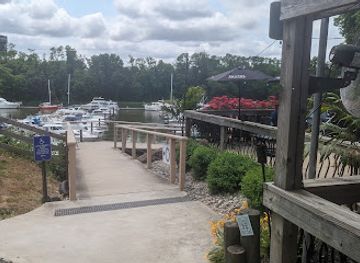
Grain H2O
Experience the best of local cuisine at Grain H2O - where gourmet meets comfort in Bear, Delaware's vibrant gastropub scene.
Best bars in Lums Pond State Park
Evenings at Lums Pond State Park are generally quiet and centred on camping, conversation, outdoor recreation and the changing light over the wooded shoreline rather than nightlife. The park does not function as a bar or club district, and visitors staying overnight should respect campground quiet and local park rules. For a wider choice of pubs, breweries, bars and late-evening restaurants, Bear, Glasgow, Newark and the Wilmington area are more suitable bases, although these venues lie outside the park and require transport. Newark, with its sizeable university population, generally offers the broadest nearby evening scene, while smaller communities provide more conventional restaurants and local drinking venues. Entertainment schedules and opening arrangements change, so visitors should check current information rather than assume that a particular performance or venue will be operating.
-
Park
Lums Pond State Park
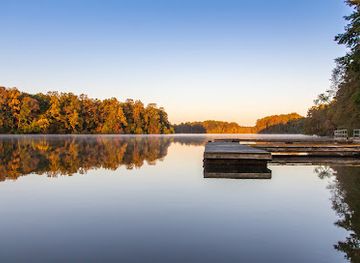
Discover the beauty of Lums Pond State Park, a natural haven for outdoor enthusiasts with fishing, boating, and tranquil camping experiences.
-
Gastropub
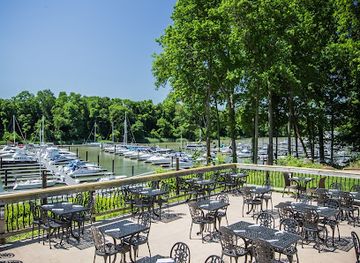
Grain H2O
Discover the unique flavors of Grain H2O, a gastropub in Bear, Delaware, where local ingredients meet innovative culinary creations.
-
Dog park
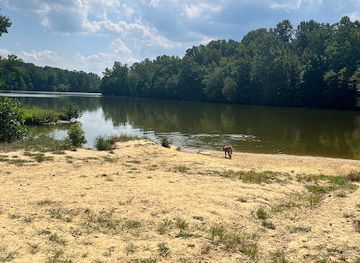
Lums Pond Dog Park
Discover Lums Pond Dog Park, the ultimate destination for dogs and their owners in Bear, Delaware, surrounded by nature's beauty and endless fun.
-
Park
Lums Pond Area 4
Experience the tranquility and natural beauty of Lums Pond Area 4, a premier park in Delaware perfect for outdoor enthusiasts and nature lovers.
Best nightclubs in Lums Pond State Park
Evenings at Lums Pond State Park are generally quiet and centred on camping, conversation, outdoor recreation and the changing light over the wooded shoreline rather than nightlife. The park does not function as a bar or club district, and visitors staying overnight should respect campground quiet and local park rules. For a wider choice of pubs, breweries, bars and late-evening restaurants, Bear, Glasgow, Newark and the Wilmington area are more suitable bases, although these venues lie outside the park and require transport. Newark, with its sizeable university population, generally offers the broadest nearby evening scene, while smaller communities provide more conventional restaurants and local drinking venues. Entertainment schedules and opening arrangements change, so visitors should check current information rather than assume that a particular performance or venue will be operating.
-
Adventure sports center
Go Ape Zipline and Adventure Park
Experience the thrill of ziplining and treetop courses at Go Ape Zipline and Adventure Park in Delaware, perfect for family adventures and outdoor fun!
Best shops in Lums Pond State Park
Shopping within Lums Pond State Park is limited to the practical needs of visitors and any seasonal or facility-based offerings that may be available, so it is sensible to buy food, drink, camping supplies and outdoor equipment before arrival. Bear and Glasgow are the closest useful communities for everyday provisions, while Newark offers a broader retail choice, including supermarkets, independent businesses, cafés and shops serving the university population. Visitors seeking souvenirs or regional products may find them more readily in nearby Delaware communities than at the park itself. The area is better suited to purchasing picnic supplies, fishing needs and walking equipment than to specialised craft or luxury shopping. Availability varies, and visitors should not assume that a shop, market or equipment service operates inside the park throughout the year.
-
Park
Lums Pond State Park
Explore the beauty of Lums Pond State Park, where adventure meets tranquility in Delaware's great outdoors.
-
Park
Lums Pond Area 4
Explore the natural beauty of Lums Pond Area 4, a serene park in Bear, Delaware, perfect for outdoor adventures and family fun.
-
Park
Lums Pond
Discover natural beauty and outdoor fun at Lums Pond, Delaware's premier lake destination for hiking, picnicking, and water activities.
-
Nature preserve
Lums Pond Nature Center
Discover the beauty of nature at Lums Pond Nature Center, a tranquil destination for outdoor adventures and wildlife exploration in Delaware.
Get your free copy of our complete guide to Lums Pond State Park, delivered straight to you.
Everything on this page, from attractions and restaurants to essentials and local phrases, in one PDF you can read offline, print or share.
Already have an account? Sign in
Your Lums Pond State Park guide is ready.
We'll send it to · Not you? Sign out

Getting your guide ready…
We are putting together a fresh copy of the Lums Pond State Park guide. This can take up to a minute.
This can take a few moments. If your browser asks, choose Allow so the download can start. You'll find the guide in your Downloads folder.
Nothing happened? Download it again
Sorry, the guide is taking longer than usual. Please try again in a minute, or get it by email instead.
Lums Pond State Park essentials
Currency and Payment
Safety
Emergency Situations
Do's and Don'ts
Local Tips
From Eve
Local phrases worth knowing
You don't need to get them perfect. A few words go a long way, and locals appreciate the effort.
Basics
| English | Local | Say it |
|---|---|---|
| Hello | Hey | [hey] |
| Goodbye | See ya | [see ya] |
| Yes | Yep | [yep] |
| No | Nah | [nah] |
| Please/You're welcome | Please/No problem | [please/no problem] |
| Thank you | Thanks | [thanks] |
| Excuse me/Sorry | Sorry | [sorry] |
| How are you? | How you doin'? | [how you doin'] |
| Fine. And you? | Good. You? | [good. you?] |
| Do you speak English? | You speak English? | [you speak english?] |
| I don't understand | I don't get it | [i don't get it] |
Eating & Drinking
| English | Local | Say it |
|---|---|---|
| I'd like to see the menu, please | Menu, please | [menu, please] |
| I don't eat meat | No meat for me | [no meat for me] |
| Cheers! | Cheers! | [cheers!] |
| I would like to pay, please | Bill, please | [bill, please] |
Emergencies
| English | Local | Say it |
|---|---|---|
| Help! | Help! | [help!] |
| Go away! | Leave! | [leave!] |
| Call the Police! | Police! | [police!] |
| Call a doctor! | Doctor! | [doctor!] |
| I'm lost | Lost | [lost] |
| I'm ill | Sick | [sick] |
Shopping
| English | Local | Say it |
|---|---|---|
| I'd like to buy... | I want to buy... | [i want to buy...] |
| I'm just looking | Just looking | [just looking] |
| How much is it? | How much? | [how much?] |
| That's too expensive | Too pricey | [too pricey] |
| Can you lower the price? | Lower price? | [lower price?] |
Time & Numbers
| English | Local | Say it |
|---|---|---|
| What time is it? | What time? | [what time?] |
| It's one o'clock | It's one | [it's one] |
| Half past (10) | Half ten | [half ten] |
| Morning | Morning | [morning] |
| Afternoon | Afternoon | [afternoon] |
| Evening | Evening | [evening] |
| Yesterday | Yesterday | [yesterday] |
| Today | Today | [today] |
| Tomorrow | Tomorrow | [tomorrow] |
| 1 | One | [one] |
| 2 | Two | [two] |
| 3 | Three | [three] |
| 4 | Four | [four] |
| 5 | Five | [five] |
| 6 | Six | [six] |
| 7 | Seven | [seven] |
| 8 | Eight | [eight] |
| 9 | Nine | [nine] |
| 10 | Ten | [ten] |
Transport & Directions
| English | Local | Say it |
|---|---|---|
| Where's a/the...? | Where is...? | [where is...?] |
| What's the address? | Address? | [address?] |
| Can you show me (on the map)? | Show me (on map) | [show me (on map)] |
| When's the next (bus)? | Next (bus)? | [next (bus)?] |
| A ticket (to ....) | Ticket (to ...) | [ticket (to ...)] |
History of Lums Pond State Park
A Water Landscape in the Coastal Plain
Lums Pond lies within Delaware’s Atlantic Coastal Plain, a low-lying region of streams, wetlands, forests and gently rolling ground. The pond is an impounded freshwater body associated with the local drainage network rather than a natural glacial lake. Its water and surrounding wetlands have long influenced the character of the area, providing habitat and supporting human activity. This environmental setting helps explain why the modern park combines open water with wooded margins and damp lowland habitats.
Indigenous and Colonial Connections
Before European settlement, the wider northern Delaware landscape was used by Indigenous peoples, including communities associated with the Lenape. Streams, wetlands and forest supplied routes, food and materials. During the colonial period, European farming and milling reshaped the countryside, and the pond became part of a working rural landscape. The name Lums is connected with the area’s historic mill and local landholding traditions, although visitors should distinguish this broader historical association from surviving structures within the present-day park.
Farming, Mills and Changing Land Use
For much of its recorded history, the countryside around the pond consisted of farms, woodland and water-powered industry. Small mills and agricultural properties depended on the region’s streams and fertile coastal-plain soils, while roads gradually connected local settlements with Wilmington and the Delaware River corridor. Industrial and suburban growth later transformed northern New Castle County, but the pond and sections of its surrounding landscape remained available for public recreation rather than being completely absorbed by development.
Creation of a State Recreation Area
Lums Pond State Park was established in the twentieth century as Delaware expanded its system of public parks and protected recreational landscapes. The park’s development brought together trails, picnic areas, camping, fishing access and other facilities around the pond, allowing a working rural landscape to serve a growing population. Its location near Bear and major northern Delaware transport routes has made it one of the state’s accessible nature-based destinations, while continued park management balances recreation with the protection of woodland, wetland and shoreline habitats.
Conservation and Contemporary Recreation
Today, Lums Pond State Park is managed as a multi-use public landscape where recreation and environmental stewardship operate side by side. Visitors use the area for walking, fishing, boating, camping, nature observation and adventure activities, while the pond and surrounding habitats remain sensitive to litter, erosion and disturbance. The park’s modern identity is therefore not based only on its facilities, but also on maintaining a substantial open landscape within a rapidly developing part of Delaware.
Lums Pond State Park in Photos
Browse through our photo collection highlighting the charm and character of the destination.
Neighbouring destination travel guides
The closest destinations to Lums Pond State Park, if you have time for more than one.
-

-

-

-

-
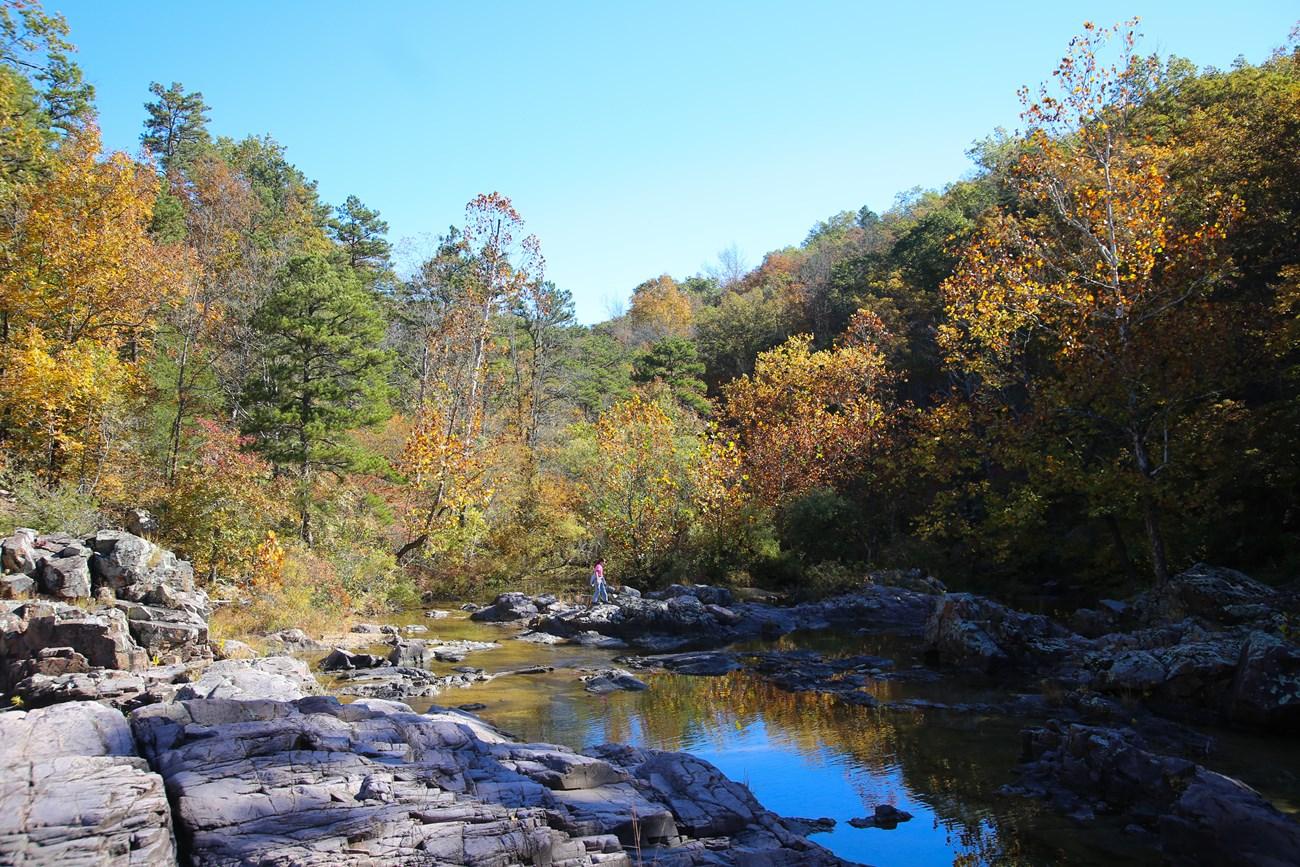 Brandywine Creek State Park
Explore Brandywine Creek State Park in Delaware—where natural beauty meets rich history, offering hiking trails, wildlife, and recreational activities for all ages.
Brandywine Creek State Park
Explore Brandywine Creek State Park in Delaware—where natural beauty meets rich history, offering hiking trails, wildlife, and recreational activities for all ages.


Swipe for more destinations
Explore more
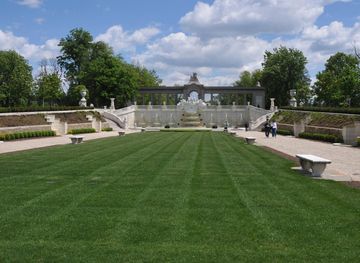
Explore more of The Wilmington Metropolitan Area
Explore the Wilmington Metropolitan Area for riverfront culture, Du Pont estates, historic New Castle, museums and Brandywine Valley countryside.
Explore The Wilmington Metropolitan Area
Explore more of Delaware
Discover Delaware: From historic sites and serene beaches to culinary delights and scenic parks, this small state offers big experiences for every traveler.
Explore Delaware