

Blackbird State Forest Travel Guide - Free Web & App
Your ultimate guide to Blackbird State Forest. Discover top landmarks, proposed trips, and local tips. Free on the web or via the Evendo companion app.


Blackbird State Forest, Delaware, offers quiet pine and hardwood trails, wildlife watching, fishing, hunting, and rural recreation near Chesapeake Bay.
A Forest of Coastal Plain Character
Blackbird State Forest occupies a broad rural landscape in central Delaware, mainly across southern New Castle County near the communities of Townsend, Clayton and Smyrna. Managed by the Delaware Forest Service, it is a working forest as well as a recreational area, combining pine plantations, mixed hardwood woodland, open clearings, wetlands and the gently rolling terrain characteristic of Delaware’s Atlantic Coastal Plain. The forest is made up of several tracts rather than one compact park, so visitors should check maps and approach information before setting out.Read more about Blackbird State Forest
Outdoor Recreation and Wildlife
Rural Gateways and Conservation
When is the best time to visit Blackbird State Forest?
Best: May–June, September · 23–29°C| Month | High (°C) | Rainfall (mm) |
|---|---|---|
| January | 6 | 80 |
| February | 8 | 70 |
| March | 12 | 90 |
| April | 18 | 90 |
| May (best) | 23 | 100 |
| June (best) | 29 | 100 |
| July | 31 | 110 |
| August | 29 | 110 |
| September (best) | 26 | 100 |
| October | 19 | 90 |
| November | 14 | 80 |
| December | 10 | 90 |
Getting to and around Blackbird State Forest
How to get there
Transportation
Best attractions in Blackbird State Forest
Blackbird State Forest’s attractions are the varied landscapes found across its separate tracts rather than a single headline monument. Pine stands provide a distinctive Delaware woodland setting, while mixed hardwood areas, wet depressions, drainage corridors and open clearings create changing habitats for birds and other wildlife. Visitors interested in quiet recreation can explore permitted walking routes, observe seasonal changes in the canopy and listen for woodland species away from busy coastal centres. Fishing is associated with designated waters and local rules rather than with every part of the forest, and seasonal hunting shapes access in some areas. The surrounding rural roads add fields, farmsteads and broad Coastal Plain scenery, with Townsend, Clayton and Smyrna serving as practical nearby settlements. Blackbird Creek and the Blackbird Creek Reserve are geographically related to the broader area but should not be confused with the state forest itself; they are separate places requiring their own access information.
-
Zoo
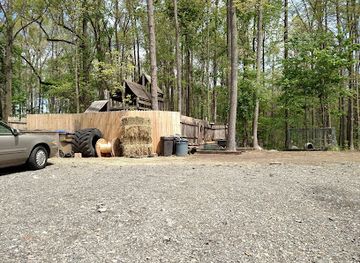
3 Palms Zoo
Experience immersive animal encounters at Delaware's rescue zoo, where education and compassion meet rescued wildlife.
Best landmarks in Blackbird State Forest
The principal landmarks of Blackbird State Forest are environmental rather than architectural. Its managed pine plantations and mature hardwood stands express the long relationship between Delaware’s rural economy and forestry, while wetlands, drainage channels and low Coastal Plain terrain reveal the physical conditions that shape the area. Individual forest tracts, access roads and clearings are more meaningful reference points than monumental structures, and their appearance changes with timber management and the seasons. The nearby Blackbird Creek is an important geographical name in the region, but Blackbird Creek Reserve is a separate protected landscape rather than a subdivision of the state forest. The strongest sense of place comes from the contrast between wooded parcels, open farmland and small settlements around the forest, a landscape that illustrates how public conservation, working woodland and agriculture coexist in central Delaware.
-
Park
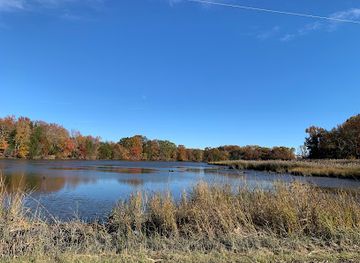
Blackbird Creek Reserve
Explore the natural beauty and tranquility of Blackbird Creek Reserve in Delaware, a perfect destination for outdoor enthusiasts and nature lovers.
Explore Blackbird State Forest on the map
Plan your trip on one map. See where the top attractions, landmarks, restaurants and hotels are, and book hotels and experiences in a few clicks.
Best hotels in Blackbird State Forest
Best restaurants in Blackbird State Forest
Blackbird State Forest has no concentrated dining district, and food options are mainly found in the surrounding communities rather than within the woodland tracts. Visitors typically use nearby towns such as Townsend, Clayton or Smyrna for breakfast, packed lunches, takeaway food, cafés and everyday restaurants, with additional choices available along the main roads serving central Delaware. The area’s culinary character reflects the state’s agricultural setting: seasonal produce, poultry, grains and other Mid-Atlantic staples are more relevant than a specialised forest cuisine. Rural shops and petrol stations may be useful for provisions, but opening arrangements and stock vary, so a self-sufficient picnic is sensible for a longer walk. Those seeking a broader choice of restaurants can base themselves in a larger nearby town and visit the forest as a daytime excursion.
-
Breakfast
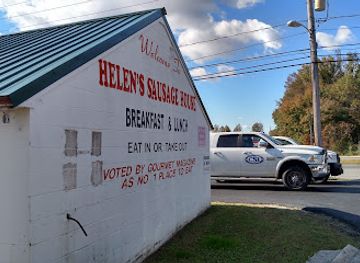
Helen's Sausage House
Discover delicious breakfasts at Helen's Sausage House in Smyrna, DE—where American comfort food meets friendly service.
-
Italian
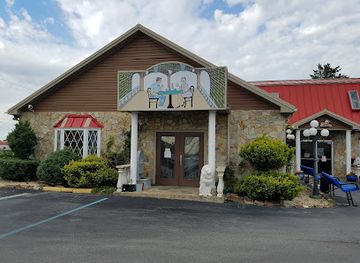
Trevi Ristorante
Experience the rich flavors of Italy at Trevi Ristorante – where delicious pizzas and traditional dishes await every visitor.
Best bars in Blackbird State Forest
Evening entertainment around Blackbird State Forest is limited and generally quiet, reflecting the area’s dispersed woodland and agricultural character. Traditional pubs, casual restaurants and community-based venues in nearby towns such as Clayton, Townsend and Smyrna provide the most likely settings for an evening drink or meal, while larger entertainment choices are found farther away in Delaware’s more urban centres. The forest itself is not a nightlife destination: there are no forest-side club districts, and darkness, rural roads and limited facilities make it more appropriate for daytime recreation. Visitors staying locally may instead experience an unhurried evening at a guesthouse, inn or rural accommodation, subject to the facilities available at their chosen base.
-
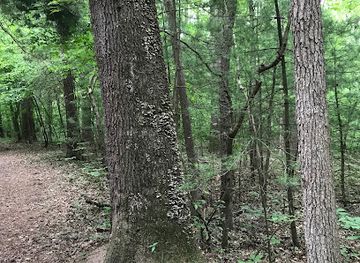
Woods
Blackbird State Forest
Explore the diverse flora and fauna of Blackbird State Forest, a serene woodland retreat in Delaware perfect for hiking, picnicking, and outdoor adventures.
Best shops in Blackbird State Forest
Shopping within Blackbird State Forest is minimal, with no extensive retail centre or permanent forest market. Visitors should obtain groceries, packed-food supplies, fuel and outdoor essentials in nearby settlements such as Townsend, Clayton or Smyrna before heading into the rural tracts. The wider agricultural region may offer seasonal produce, farm stands and locally made goods, although these are independent businesses rather than features guaranteed at every access point. Larger towns provide the broadest choice of supermarkets, general shops and outdoor equipment, while local stores can be useful for practical provisions. Delaware-themed gifts, regional food products and small-scale crafts may be found in the surrounding communities, but availability changes by business and season, making advance planning more reliable than expecting retail facilities inside the forest.
-
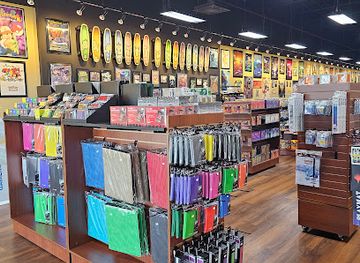
Collectibles store
Safari Zone Collectibles
Explore a treasure trove of collectibles at Safari Zone Collectibles, where every find tells a story.
Get your free copy of our complete guide to Blackbird State Forest, delivered straight to you.
Everything on this page, from attractions and restaurants to essentials and local phrases, in one PDF you can read offline, print or share.
Already have an account? Sign in
Your Blackbird State Forest guide is ready.
We'll send it to · Not you? Sign out

Getting your guide ready…
We are putting together a fresh copy of the Blackbird State Forest guide. This can take up to a minute.
This can take a few moments. If your browser asks, choose Allow so the download can start. You'll find the guide in your Downloads folder.
Nothing happened? Download it again
Sorry, the guide is taking longer than usual. Please try again in a minute, or get it by email instead.
Blackbird State Forest essentials
Currency and Payment
Safety
Emergency Situations
Do's and Don'ts
Local Tips
From Eve
Local phrases worth knowing
You don't need to get them perfect. A few words go a long way, and locals appreciate the effort.
Basics
| English | Local | Say it |
|---|---|---|
| Hello | Wassup | [wuh-SUHP] |
| Goodbye | Later | [LAY-ter] |
| Yes | Yeah | [YEH] |
| No | Nah | [NAH] |
| Please/You're welcome | Please and thank you | [PLEEZ and THANGK yoo] |
| Thank you | Thanks | [THANKS] |
| Excuse me/Sorry | My bad | [my BAD] |
| How are you? | How you doin'? | [how yoo DOO-in] |
| Fine. And you? | I'm cool. You? | [im COOL. yoo?] |
| Do you speak English? | You speak English? | [yoo speak ING-lish?] |
| I don't understand | I don't get it | [I don't GET it] |
Eating & Drinking
| English | Local | Say it |
|---|---|---|
| I'd like to see the menu, please | Let me see what y'all got to eat | [let me see what y'all got to EET] |
| I don't eat meat | I don't mess with meat | [I don't mess with MEET] |
| Cheers! | Cheers! | [CHEERS] |
| I would like to pay, please | I'm ready to settle up | [im READY to SET-tle up] |
Emergencies
| English | Local | Say it |
|---|---|---|
| Help! | I need backup! | [i need BACK-up] |
| Go away! | Get lost! | [get LOST] |
| Call the Police! | Call the 5-0! | [call the FIVE-OH] |
| Call a doctor! | Get a doc! | [get a DOC] |
| I'm lost | I'm disoriented | [im dis-or-ee-en-ted] |
| I'm ill | I'm sick | [im SICK] |
Shopping
| English | Local | Say it |
|---|---|---|
| I'd like to buy... | I wanna cop... | [I wanna COP] |
| I'm just looking | I'm just browsing | [im just BROW-zing] |
| How much is it? | What's the damage? | [whats the DAM-ij] |
| That's too expensive | That's mad pricey | [thats mad PRY-see] |
| Can you lower the price? | Can you do me a solid on the price? | [can yoo do me a SOL-id on the price?] |
Time & Numbers
| English | Local | Say it |
|---|---|---|
| What time is it? | What's the time? | [whats the TIME] |
| It's one o'clock | It's one | [its ONE] |
| Half past (10) | Ten-thirty | [TEN-thur-tee] |
| Morning | Morning | [MORN-ing] |
| Afternoon | Afternoon | [AF-ter-noon] |
| Evening | Evening | [EE-ven-ing] |
| Yesterday | Yesterday | [YES-ter-day] |
| Today | Today | [to-DAY] |
| Tomorrow | Tomorrow | [to-MOR-row] |
| 1 | One | [wun] |
| 2 | Two | [too] |
| 3 | Three | [three] |
| 4 | Four | [for] |
| 5 | Five | [fiv] |
| 6 | Six | [siks] |
| 7 | Seven | [sev-en] |
| 8 | Eight | [ate] |
| 9 | Nine | [nine] |
| 10 | Ten | [ten] |
Transport & Directions
| English | Local | Say it |
|---|---|---|
| Where's a/the...? | Where can I find...? | [where can i FIND] |
| What's the address? | What's the addy? | [whats the ADD-ee] |
| Can you show me (on the map)? | Can you point it out (on the map)? | [can yoo POINT it OUT on the map] |
| When's the next (bus)? | When's the next bus coming? | [whens the NEXT bus COM-ing] |
| A ticket (to ....) | A pass (to ....) | [a PASS (to)] |
History of Blackbird State Forest
Coastal Plain Formation
Blackbird State Forest lies within Delaware’s Atlantic Coastal Plain, a low-lying landscape shaped by long-term marine, riverine and coastal processes rather than by dramatic relief. Sandy soils, seasonal wet ground and shallow drainage patterns helped create the mixture of pine woodland, hardwood forest and open agricultural land found across central Delaware. The physical setting influenced later settlement and land use, encouraging farming in suitable clearings while leaving wetter or less productive ground wooded. Understanding this subdued topography is essential to the character of the forest: its interest comes from changing habitats, texture and seasonal atmosphere rather than from mountains, cliffs or high viewpoints.
Indigenous and Colonial Landscapes
Before European settlement, the wider Delaware region was occupied and used by Indigenous peoples, including communities connected with the Lenape cultural world. Woodland, wetlands and waterways supplied food, materials and routes through the Coastal Plain. From the seventeenth century onwards, European colonisation introduced new patterns of land ownership, farming and timber use. The present forest therefore survives within a much older human landscape, one shaped by paths, field boundaries, drainage works and changing relationships between woodland and agriculture. Surviving place names and rural settlement patterns reflect the layered history of New Castle and Kent counties, although the forest itself is not a preserved colonial village or archaeological complex.
Farming, Timber and Rural Industry
For much of Delaware’s history, the lands around Blackbird were part of a productive agricultural countryside, with woodland retained for fuel, building materials, fencing and wildlife as well as cleared for cultivation. Timber remained an important local resource, and the forest’s managed character reflects the continuing role of forestry in the state. Pine planting, harvesting and woodland regeneration have produced a landscape that is neither untouched wilderness nor purely recreational parkland. Instead, its compartments record practical decisions about land productivity, timber management, drainage and habitat, linking present-day recreation with the economic history of rural Delaware.
State Forest Management
Blackbird State Forest forms part of Delaware’s state forest system, which manages public woodland for a combination of timber production, wildlife habitat, soil and water protection, and outdoor recreation. Establishment and subsequent management brought several rural woodland tracts into a coordinated public framework, while roads, fire-management practices and habitat work helped shape access and ecological conditions. Recreation developed within those management priorities rather than replacing them. Visitors may therefore encounter active forestry, marked seasonal restrictions or areas where conservation and working-landscape requirements take precedence over uninterrupted public access.
Modern Conservation and Recreation
In recent decades, the role of Blackbird State Forest has broadened as Delaware residents and visitors have sought accessible outdoor spaces close to the state’s settled corridor. Walking, wildlife watching, fishing and other permitted activities now sit alongside forestry and habitat management. The forest also contributes to the wider ecological network of central Delaware, where woodland patches, wetlands, streams and agricultural margins support movement and refuge for wildlife. Its modern history is consequently one of balance: maintaining a productive public forest while protecting natural processes and providing responsible access in a landscape increasingly shaped by development beyond its boundaries.
Blackbird State Forest in Photos
Browse through our photo collection highlighting the charm and character of the destination.
Neighbouring destination travel guides
The closest destinations to Blackbird State Forest, if you have time for more than one.
-

-
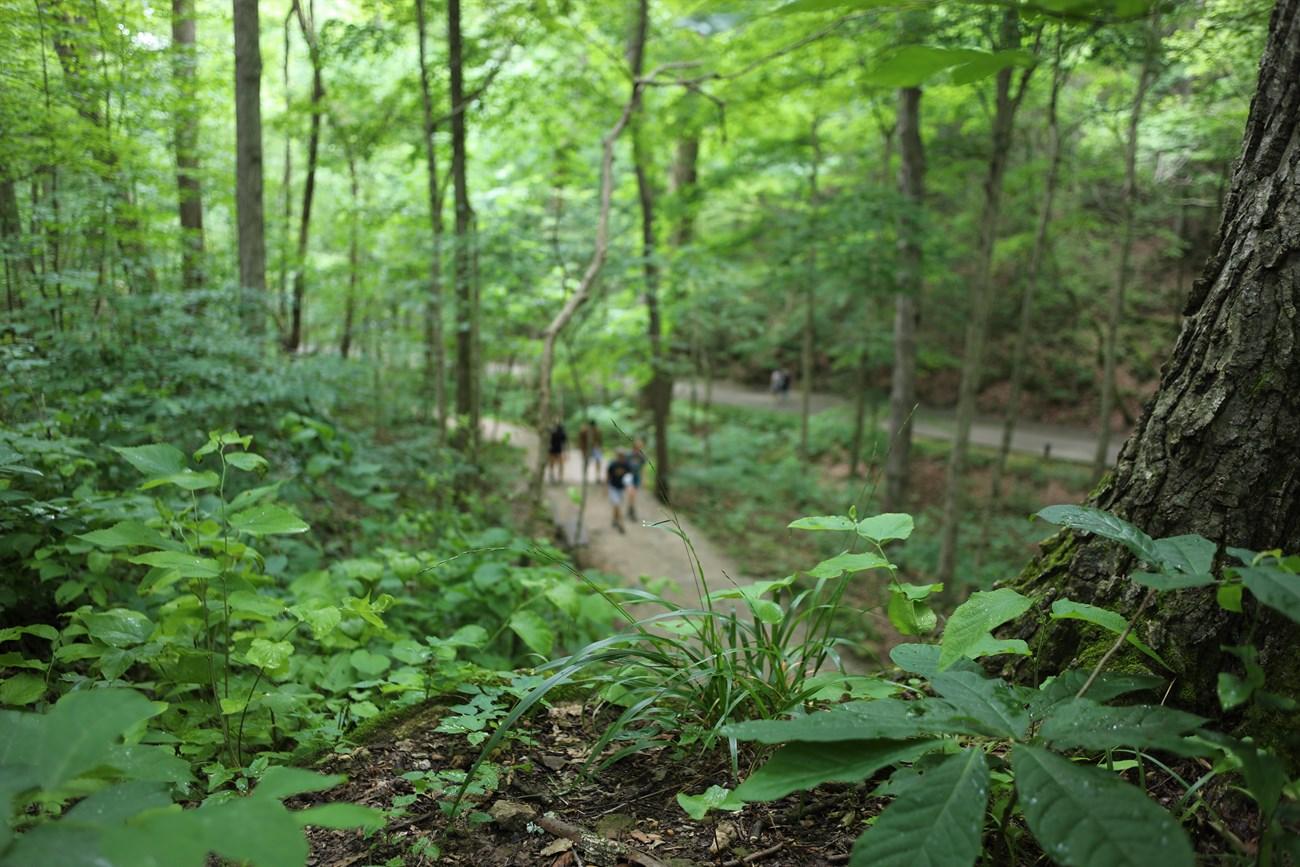 Lums Pond State Park
 in Delaware offers woodland trails, freshwater boating, fishing, camping and treetop adventures near Bear and Newark.
Lums Pond State Park
Lums Pond State Park in Delaware offers woodland trails, freshwater boating, fishing, camping and treetop adventures near Bear and Newark.
-

-

-


Swipe for more destinations
Explore more

Explore more of Kent County
Explore Kent County, Delaware, from Dover’s historic government quarter and museums to tidal wildlife refuges, farm country and small-town heritage.
Explore Kent County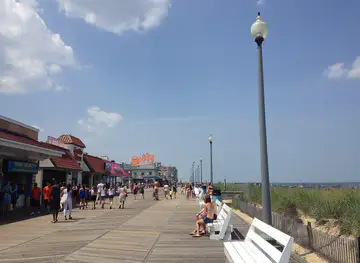
Explore more of Delaware
Discover Delaware: From historic sites and serene beaches to culinary delights and scenic parks, this small state offers big experiences for every traveler.
Explore Delaware