

White Clay Creek State Park, Delaware Travel Guide
Discover the natural beauty and diverse recreational opportunities at White Clay Creek State Park, a perfect retreat for outdoor enthusiasts in Delaware.
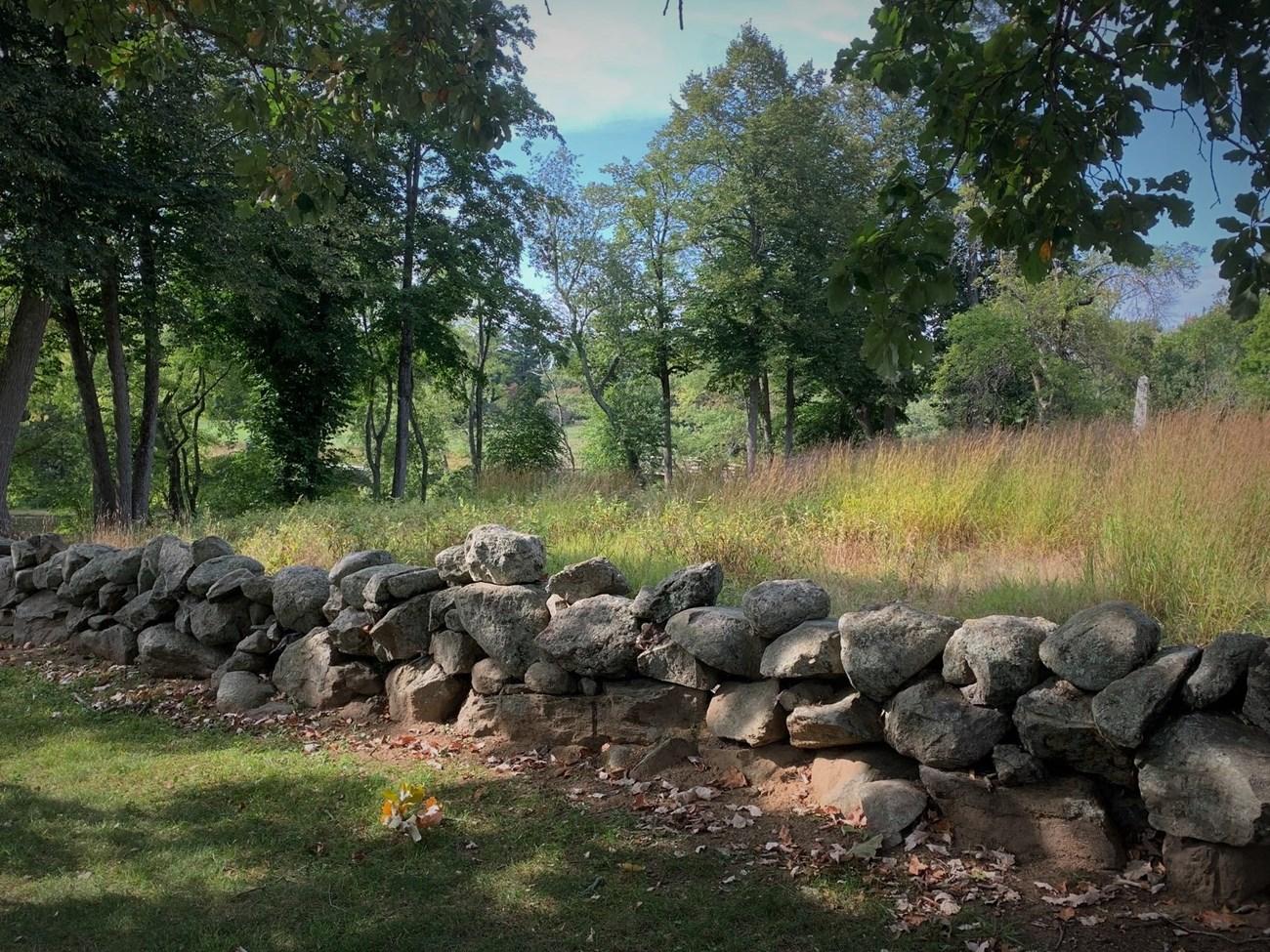
White Clay Creek State Park is a gem nestled in the heart of Delaware. This park offers a perfect retreat for nature lovers and outdoor enthusiasts. Spread over 3,600 acres, it houses a diverse ecosystem with lush forests, rolling meadows, and the serene White Clay Creek itself. The park's beauty is accentuated by its rich flora and fauna, making it an ideal spot for bird watching and wildlife photography. For those who enjoy hiking, the park features over 37 miles of trails that vary in difficulty, catering to both casual walkers and seasoned hikers. The trails provide scenic views and lead to interesting historical sites, including remnants of old mills and the historic Arc Corner Monument. Biking and horseback riding are also popular activities here, with dedicated trails ensuring a safe and enjoyable experience. White Clay Creek State Park is not just about trails and wildlife; it offers a range of recreational activities. Visitors can enjoy fishing in the creek, picnicking in designated areas, and even participating in seasonal events organized by the park. The park is also known for its educational programs, which provide insights into the local ecosystem and conservation efforts. Whether you are looking for a peaceful day out in nature or an active outdoor adventure, White Clay Creek State Park has something to offer for everyone.

Know before you go
Hi, I'm Eve. Here are a few practical things to know before exploring White Clay Creek State Park.
- Check the park's event calendar for seasonal activities and educational programs.
- Wear comfortable shoes suitable for hiking as the trails can be uneven.
- Bring binoculars for bird watching and spotting wildlife.
- Pack a picnic to enjoy at one of the park's designated picnic areas.
- Fishing requires a Delaware fishing license, so make sure to get one in advance.
- Visit during fall for stunning foliage views and fewer crowds.
Explore White Clay Creek State Park: Things to Do, Places to Eat, Hotels & More
Handpicked recommendations for top attractions, local dining, accommodations, and more

Best attractions in White Clay Creek State Park
Top-rated picks
Best Attractions

Magic & Wonder Dinner Theater
Discover the Magic & Wonder Dinner Theater in Paradise, PA - a delightful blend of enchanting performances and exquisite dining for an unforgettable evening.

Nemours Estate
Explore the timeless beauty of Nemours Estate, a historic mansion and gardens in Wilmington, Delaware, where elegance meets natural splendor.

Marshall Steam Museum & Friends of Auburn Heights
Explore the captivating world of steam power at the Marshall Steam Museum in Yorklyn, Delaware – a unique attraction for history and engineering enthusiasts.

Ashland Nature Center of Delaware Nature Society
Explore the serene beauty and educational offerings of Ashland Nature Center, a top nature preserve in Delaware perfect for nature lovers and families.

Best landmarks in White Clay Creek State Park
Top-rated picks
Best Landmarks

White Clay Creek State Park Nature Center
Explore the breathtaking landscapes and rich biodiversity at White Clay Creek State Park Nature Center, a top nature preserve in Newark, Delaware.

White Clay Creek Preserve
Explore the natural beauty of White Clay Creek Preserve in Pennsylvania, a perfect destination for hiking, fishing, and wildlife observation.

Judge Morris Estate - White Clay Creek State Park
Discover the beauty and history of Judge Morris Estate within White Clay Creek State Park, a perfect getaway in Delaware for nature lovers and history buffs.

White Clay Creek Trail Bridge
Explore the scenic beauty and tranquility of White Clay Creek Trail Bridge in Newark, Delaware – a paradise for outdoor enthusiasts and nature lovers alike.

Best restaurants in White Clay Creek State Park
Top-rated picks
Best Restaurants

Bertucci's Italian Restaurant
Experience authentic Italian cuisine at Bertucci's Italian Restaurant in Newark—delicious pizzas and pastas await you!

The Cheesecake Factory
Experience diverse American cuisine and irresistible cheesecakes at The Cheesecake Factory in Newark's Christiana Mall.

Bahama Breeze
Discover the vibrant flavors and laid-back vibes at Bahama Breeze in Newark—your gateway to a tropical culinary adventure!

Brio Italian Grille
Experience authentic Italian flavors at Brio Italian Grille in Christiana Mall - where every meal is a celebration of culinary tradition.

Best bars in White Clay Creek State Park
Top-rated picks
Best Bars

MadMacs
Savor creative New American dishes in a lively setting at MadMacs, a must-visit dining gem in Newark, Delaware.

Two Stones Pub Newark
Experience the vibrant atmosphere and delicious American cuisine at Two Stones Pub, Newark's favorite gastropub with an extensive craft beer selection.

Deer Park Tavern
Experience the best of American cuisine and lively sports bar atmosphere at Deer Park Tavern in Newark, Delaware, perfect for any foodie.

Timothy's of Newark
Discover delicious American cuisine and a lively pub atmosphere at Timothy's of Newark, a must-visit dining destination in Delaware.

Best nightclubs in White Clay Creek State Park
Top-rated picks
Best Nightclubs

White Clay Creek State Park
Explore the scenic trails, picnic spots, and recreational activities at White Clay Creek State Park, a perfect family-friendly destination in Delaware.

White Clay Creek Country Club
Explore the stunning White Clay Creek Country Club in Wilmington, Delaware, offering exceptional golf, dining, and event experiences amidst beautiful landscapes.

Judge Morris Estate - White Clay Creek State Park
Explore the natural beauty and rich history at Judge Morris Estate in White Clay Creek State Park - a tranquil haven for nature lovers and history enthusiasts.

White Clay Creek Disc Golf Course
Experience the thrill of disc golf at White Clay Creek, a scenic course perfect for all skill levels in Newark, Delaware.

Best shops in White Clay Creek State Park
Top-rated picks
Best Shops

Christiana Mall
Experience the ultimate shopping adventure at Christiana Mall, Newark's vibrant retail hub featuring top brands, delicious dining, and family-friendly entertainment.

Governor's Square Shopping Center
Explore the diverse shopping and dining options at Governor's Square Shopping Center in Bear, Delaware - a must-visit for every traveler.

Newark Shopping Center
Discover a vibrant shopping experience at Newark Shopping Center, where diverse shops and delicious dining options await.

White Clay Creek State Park
Experience the tranquility and adventure of White Clay Creek State Park, a top Delaware destination for nature lovers and outdoor enthusiasts.

Explore White Clay Creek State Park on the Map
A handpicked selection of must-see spots in White Clay Creek State Park, mapped for you.
White Clay Creek State Park Essentials
-
White Clay Creek State Park is located in northern Delaware, near the city of Newark. The nearest major airport is Philadelphia International Airport (PHL), approximately 45 miles away. From the airport, you can rent a car or take a shuttle service to Newark. Alternatively, you can take a train from Philadelphia to Newark, Delaware. If you are driving, the park is accessible via I-95 and DE-896.
-
Transportation within White Clay Creek State Park and the surrounding areas is best done by car. Parking is available at multiple locations within the park. For those without a car, local taxis and rideshare services like Uber and Lyft are available in Newark. Biking is also a popular option, with several trails throughout the park suitable for cycling. Public transportation options are limited within the park itself.
-
The official currency in Delaware, like the rest of the United States, is the US Dollar (USD). Credit and debit cards are widely accepted in Newark and at most establishments near the park. There are ATMs available in nearby Newark for cash withdrawals. While most transactions are cashless, it is advisable to carry some cash for small purchases or in case you visit areas with limited card acceptance.
-
White Clay Creek State Park is generally a safe destination for tourists. However, it's always wise to take standard safety precautions. Avoid secluded areas after dark and always be aware of your surroundings. Newark has some areas with higher crime rates, particularly at night, so remain vigilant, especially in unfamiliar neighborhoods. Keep personal belongings secure and avoid displaying valuables.
-
In case of emergency, dial 911 for immediate assistance. For non-urgent issues, there are medical facilities and pharmacies in nearby Newark. It is recommended to have travel insurance that covers medical emergencies. Familiarize yourself with the park's emergency contact points and ranger stations. Always carry a basic first aid kit and know the location of the nearest hospital, which is Christiana Hospital in Newark.
-
Fashion: Do wear comfortable, weather-appropriate clothing and sturdy footwear suitable for hiking and outdoor activities. Avoid high heels or sandals. Religion: Do respect any local customs if you visit religious sites in nearby areas. Public Transport: Do use rideshare services responsibly and tip drivers. Public transport within the park is minimal. Greetings: Do greet park staff and fellow hikers with a friendly nod or hello. Eating & Drinking: Do pack out all trash and leave no trace. Don’t feed the wildlife or leave food unattended, as this can attract animals.
-
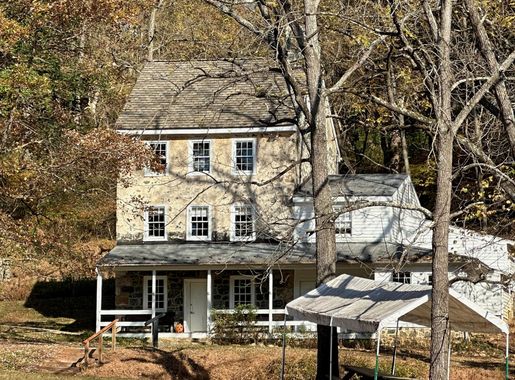
To experience White Clay Creek State Park like a local, visit the park early in the morning or late afternoon to avoid crowds and enjoy the tranquility. Participate in ranger-led programs and guided hikes to learn more about the park's natural and historical features. Bring a picnic to enjoy at one of the scenic spots along the creek. Don’t miss the chance to explore the historic sites within the park, such as the Yeatman Mill House.
When is the best time to visit White Clay Creek State Park?
Useful Local Phrases for White Clay Creek State Park
You don't need to speak the language perfectly. Even learning a few simple words can make conversations warmer—and locals usually appreciate the effort.
— Eve

Here are the phrases I use most often in White Clay Creek State Park. Try a few—you'll be surprised how far they go! 😊
❤️
-
- HelloHowdy
[haw-dee] - GoodbyeSee ya
[see yuh] - YesYup
[yuhp] - NoNah
[nah] - Please/You're welcomePlease and thank you
[pleez and thank yuh] - Thank youThanks a lot
[thanks uh lot] - Excuse me/SorryPardon me
[pahr-dn me] - How are you?How you doin'?
[how yuh doin] - Fine. And you?I'm good. How 'bout you?
[ahm good. how 'bout yuh] - Do you speak English?Ya speak English?
[yuh speak ing-glish] - I don't understandI ain't catchin' on
[ah aint catch-in on]
- HelloHowdy
-
- I'd like to see the menu, pleaseCan I check out the menu?
[can ah chek out the menu] - I don't eat meatI don't do meat
[ah dont do meat] - Cheers!Cheers!
[cheers] - I would like to pay, pleaseI'll settle up now, please
[ahll settle up now please]
- I'd like to see the menu, pleaseCan I check out the menu?
-
- Help!Help!
[help] - Go away!Get lost!
[get lost] - Call the Police!Ring up the cops!
[ring up the cops] - Call a doctor!Get a doc on the line!
[get a doc on the line] - I'm lostI'm turned around
[ahm turned around] - I'm illI'm feelin' under the weather
[ahm feelin under the weather]
- Help!Help!
-
- I'd like to buy...I wanna get...
[ah wanna get] - I'm just lookingJust browsin'
[just browsin] - How much is it?What's the price?
[whats the price] - That's too expensiveThat's too steep
[thats too steep] - Can you lower the price?Can ya knock the price down?
[can yuh knock the price down]
- I'd like to buy...I wanna get...
-
- What time is it?What's the time?
[whats the time] - It's one o'clockIt's one
[its one] - Half past (10)Ten-thirty
[ten-thur-tee] - MorningMornin'
[mornin] - AfternoonAfternoon
[aft-er-noon] - EveningEvenin'
[evenin] - YesterdayYest'day
[yest-duh] - TodayToday
[to-day] - TomorrowTomorra
[tom-or-ra] - 1One
[wun] - 2Two
[too] - 3Three
[three] - 4Four
[four] - 5Five
[five] - 6Six
[six] - 7Seven
[seven] - 8Eight
[eight] - 9Nine
[nine] - 10Ten
[ten]
- What time is it?What's the time?
-
- Where's a/the...?Where's the...
[wheres the] - What's the address?What's the addy?
[whats the addy] - Can you show me (on the map)?Can ya show me (on the map)?
[can yuh show me (on the map)] - When's the next (bus)?When's the next (bus)?
[whens the next (bus)] - A ticket (to ....)A pass (to ....)
[a pass (to)]
- Where's a/the...?Where's the...
History of White Clay Creek State Park
-
Long before European settlers arrived, the area now known as White Clay Creek State Park was inhabited by Native American tribes, primarily the Lenape people. They utilized the rich, fertile land and the abundant water sources of White Clay Creek for hunting, fishing, and agriculture. Artifacts such as arrowheads and pottery fragments have been found in the park, attesting to their long-standing presence and sophisticated culture.
-
In the late 17th century, European settlers, mostly from Sweden, Finland, and England, began to colonize the region. The land was divided into large tracts through land grants. One notable grant was given to Sir Francis Lovelace, the colonial governor of New York, who received a significant portion of the land along White Clay Creek in 1671. The area quickly developed into a patchwork of farms and small settlements.
-
In the 1760s, the renowned Mason-Dixon Line was surveyed to resolve a border dispute between the colonies of Pennsylvania and Maryland. Portions of the line run near the park, and several original markers, known as crownstones, can still be found in and around White Clay Creek State Park. These markers are a testament to the early efforts at colonial boundary-making and have become historical landmarks.
-
During the 18th and 19th centuries, White Clay Creek became a hub for milling operations, taking advantage of the creek's strong currents. Numerous mills, including gristmills and sawmills, were established along the creek. The remnants of some of these mills, such as the Chambers House and Mill, can still be explored today, offering a glimpse into the area's industrial past and its role in local economic development.
-
White Clay Creek State Park played a subtle yet important role during the Civil War era. The region was part of the Underground Railroad network, providing a route for escaped slaves seeking freedom in the North. Local abolitionists and sympathetic landowners offered safe havens, and the dense woods and winding paths of White Clay Creek provided natural cover for those on the run.
-
White Clay Creek State Park was officially established in 1968, following years of local advocacy for the preservation of the area's natural beauty and historical significance. The park was created to protect the White Clay Creek watershed and to provide recreational opportunities for the public. The establishment of the park marked the beginning of ongoing conservation efforts and community engagement.
-
In 2000, White Clay Creek was designated as a National Wild and Scenic River, recognizing its outstanding natural, cultural, and recreational values. This designation brought increased attention to the need for preservation and sustainable management of the creek and its surroundings. The park now serves as a model for conservation and environmental education, highlighting the importance of protecting natural waterways.
Cities in White Clay Creek State Park
Browse our curated selection of top destinations, scenic points, and must-visit spots in the area.
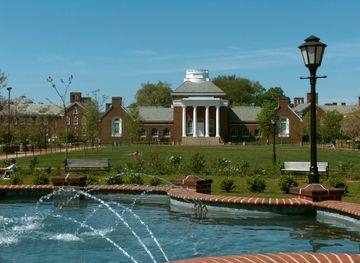
Neighbouring destination travel guides
Browse our curated selection of top destinations, scenic points, and must-visit spots in the area.
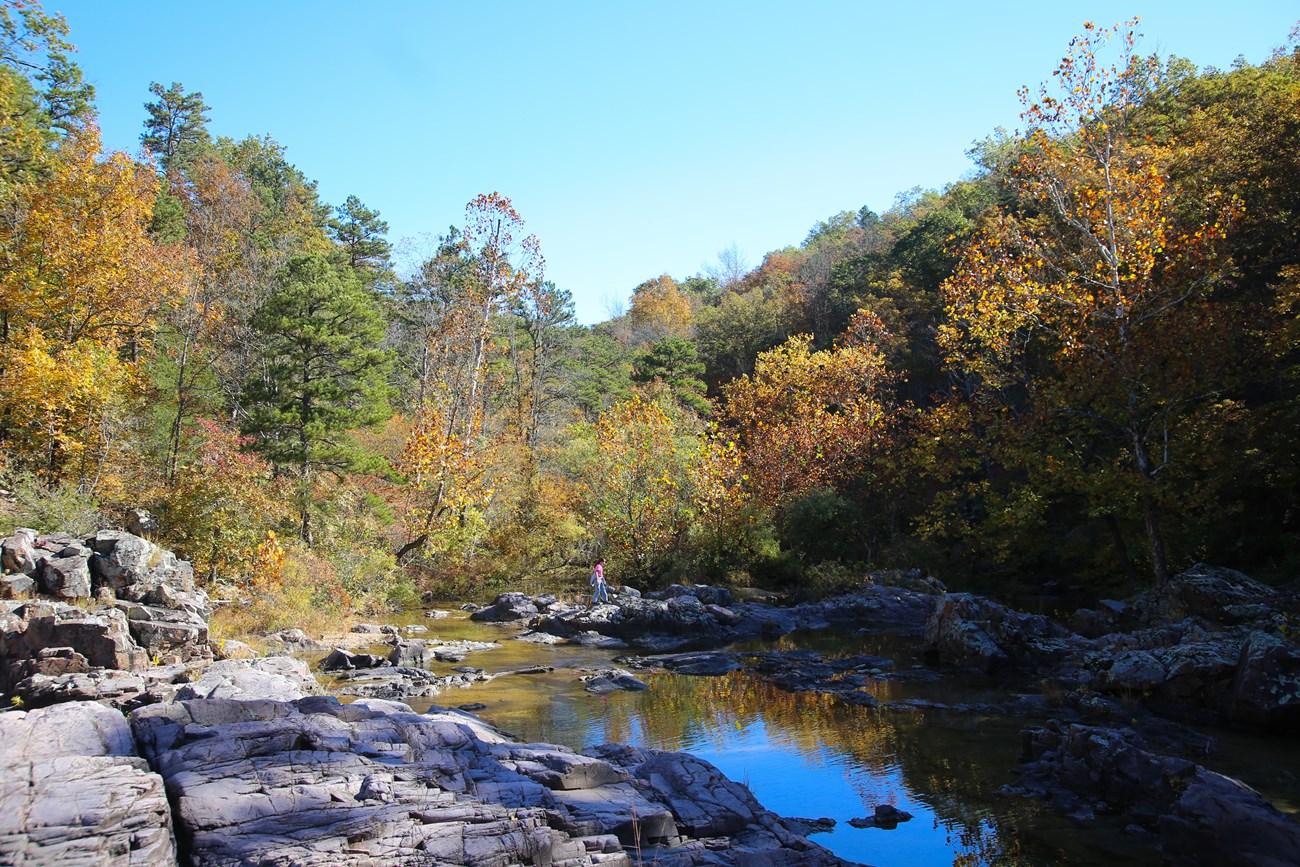


Your all‑in‑one travel companion app
Explore expert travel guides, compare and book tours, experiences, hotels, and more—all from the palm of your hand. Download now for seamless trip planning wherever your wanderlust takes you.


Explore More of The Wilmington Metropolitan Area
Looking beyond White Clay Creek State Park? Discover The Wilmington Metropolitan Area for broader travel guides, local hot-spots, and regional highlights.
Explore The Wilmington Metropolitan AreaExplore More of Delaware
Looking beyond White Clay Creek State Park? Discover Delaware for broader travel guides, local hot-spots, and regional highlights.
Explore DelawareWhite Clay Creek State Park in Photos
Browse through our photo collection highlighting the charm and character of the destination.




White Clay Creek State Park: A Natural Haven in Delaware
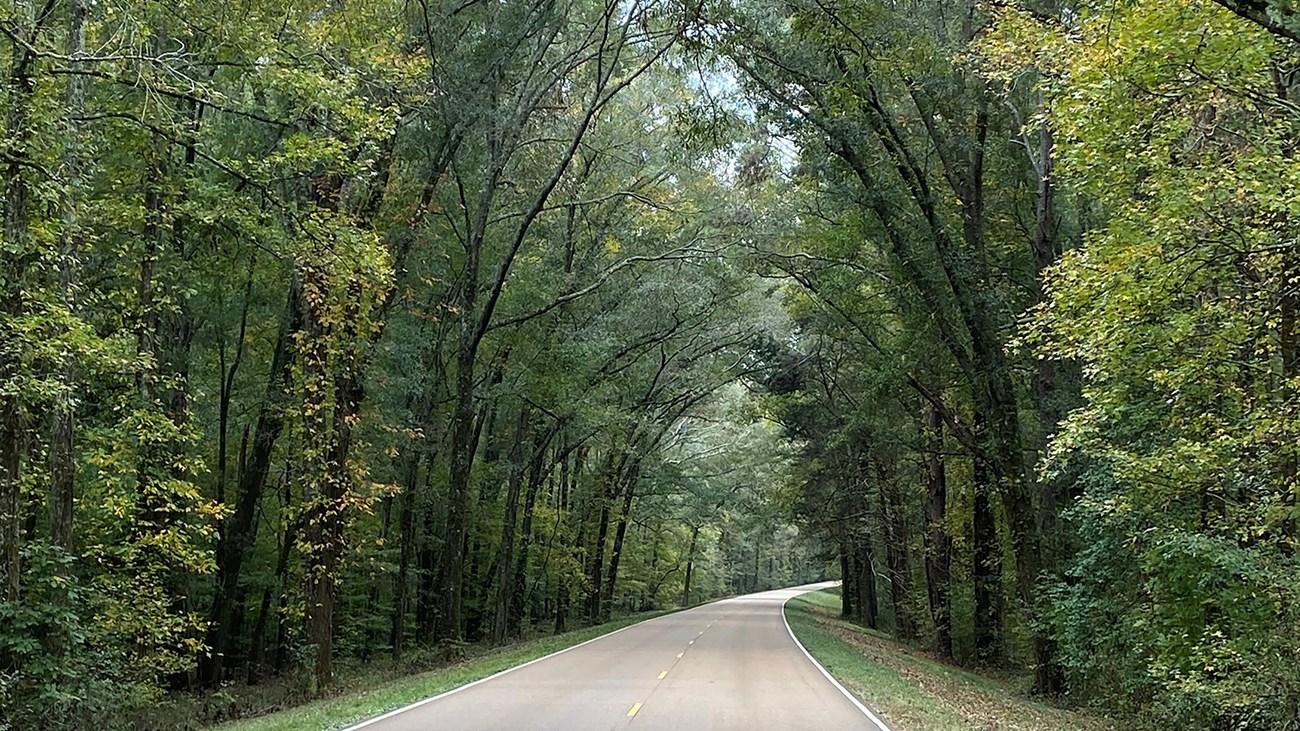
White Clay Creek State Park is a gem nestled in the heart of Delaware. This park offers a perfect retreat for nature lovers and outdoor enthusiasts. Spread over 3,600 acres, it houses a diverse ecosystem with lush forests, rolling meadows, and the serene White Clay Creek itself. The park's beauty is accentuated by its rich flora and fauna, making it an ideal spot for bird watching and wildlife photography. For those who enjoy hiking, the park features over 37 miles of trails that vary in difficulty, catering to both casual walkers and seasoned hikers. The trails provide scenic views and lead to interesting historical sites, including remnants of old mills and the historic Arc Corner Monument. Biking and horseback riding are also popular activities here, with dedicated trails ensuring a safe and enjoyable experience. White Clay Creek State Park is not just about trails and wildlife; it offers a range of recreational activities. Visitors can enjoy fishing in the creek, picnicking in designated areas, and even participating in seasonal events organized by the park. The park is also known for its educational programs, which provide insights into the local ecosystem and conservation efforts. Whether you are looking for a peaceful day out in nature or an active outdoor adventure, White Clay Creek State Park has something to offer for everyone.